
Durga Puja Red & White: The Classic Lal Paar Saree, Styled for Today
No festival has a more iconic colour story than Durga Puja: the red-and-white lal paar saree — a crisp white drape with a bold red border — worn by women across the pandals, especially for Ashtami and Sindoor Khela. It's timeless, striking, and deeply meaningful. Here's the tradition, and how to wear red-and-white beautifully today.

The Lal Paar Tradition
The classic Bengali Durga Puja look is a white or ivory saree with a wide red border, traditionally in cotton or silk. Red symbolises strength and the Goddess; white, purity and peace. Together they create one of the most recognisable festival looks in India — elegant, powerful, and endlessly photogenic against the pandals.
The Modern Way to Wear It
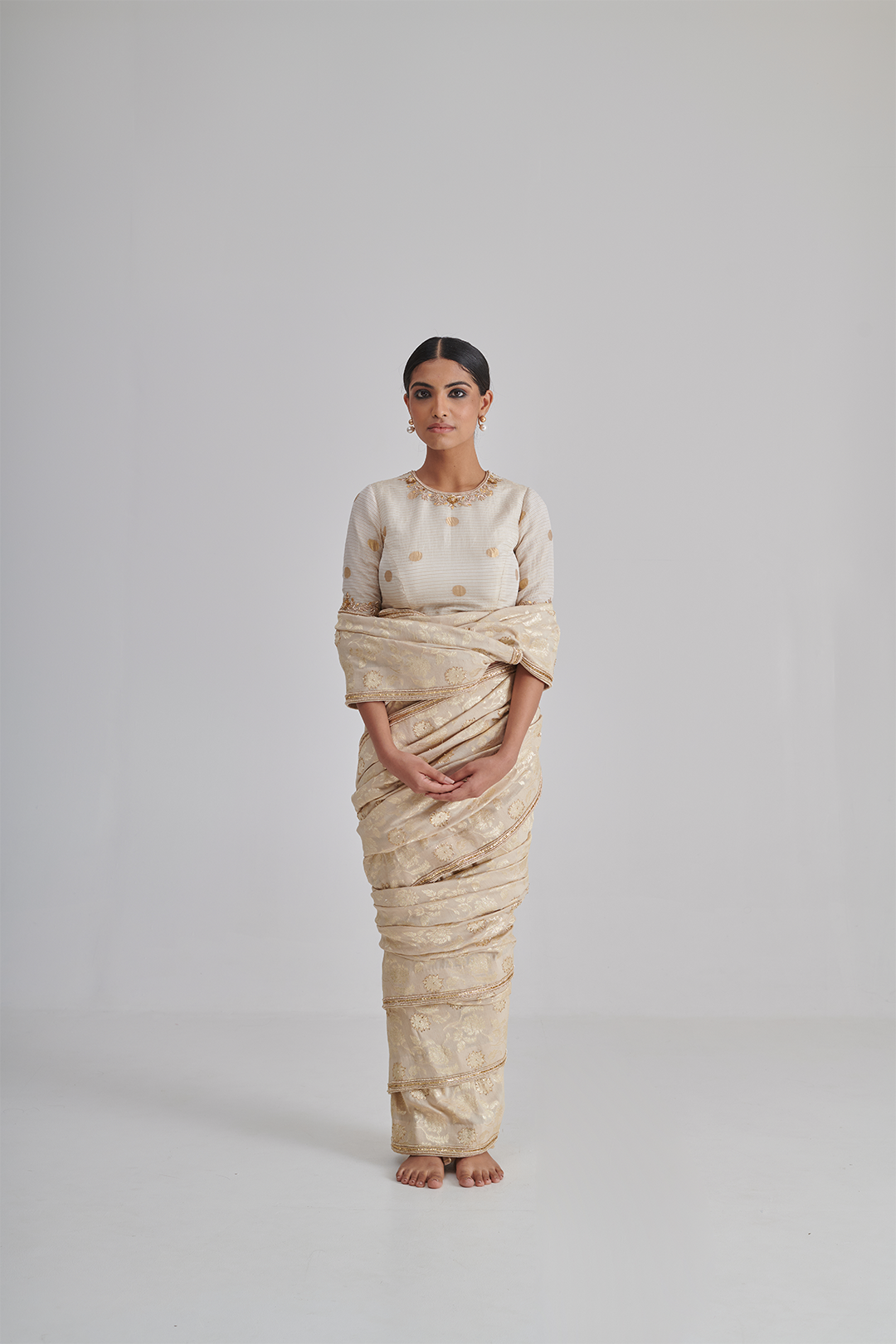
You don't need a literal lal-paar to honour the palette. An elegant ivory saree like the Bano moonga zari saree, styled with red — a red blouse, a red bindi, red bangles, or a red-bordered dupatta — captures the spirit in a refined, contemporary way. The Aadya red organza dupatta is a beautiful way to bring the red.


Dressing for Each Day
Shashthi to Saptami — Pandal Hopping
Daytime pandal hopping means a lot of walking in the crowd, so choose comfortable, breathable cotton or light silk and easy footwear. Keep it festive but practical.
Ashtami — The Grandest Day
Ashtami calls for your most beautiful look — this is when the red-and-white saree truly shines, paired with traditional gold jewellery for the anjali.
Sindoor Khela
On the final day, married women play with sindoor in their red-and-white best. Choose a piece you don't mind getting touched with colour, and wear the look with joy.
If You'd Rather Wear Red
Not everyone wears white — a rich red saree is equally traditional and celebratory. A Sakhi sindoori red saree brings the festive intensity of the Goddess's colour, beautiful for the evening aarti.
Styling Tips
- Traditional gold jewellery — jhumkas, a choker, and bangles complete the Bengali look.
- A red bindi and alta add authentic finishing touches.
- A neat bun with flowers is classic and practical for crowded pandals.
- Comfortable footwear — you'll be on your feet across many pandals.
Ivory, Red & Handcrafted
From elegant ivory sarees to rich reds and statement dupattas, our handcrafted pieces let you wear the Durga Puja palette your way — each made to your measurements. Explore our sarees and dupattas.
Shop SareesFrequently Asked Questions
Why do people wear red and white for Durga Puja?
The red-and-white lal paar saree — a white or ivory drape with a bold red border — is the traditional Bengali Durga Puja look. Red symbolises strength and the Goddess, while white represents purity and peace. It's especially worn for Ashtami and Sindoor Khela, and is one of India's most iconic festival looks.
How can I style the red-and-white look in a modern way?
You don't need a literal lal paar saree — style an elegant ivory saree with red accents like a red blouse, a red-bordered dupatta, red bangles, and a red bindi. This captures the traditional palette in a refined, contemporary way. A rich red saree is equally traditional if you prefer wearing red.
Made to order in 4–5 weeks
Have an event date? We’ll tell you exactly when to order by.
We take a limited number of orders each month — secure your slot early.
Not sure where to start?
Tell us what you're dressing for and we'll help you choose — fabric, fit, colour, and timeline — over WhatsApp.
Your Cart
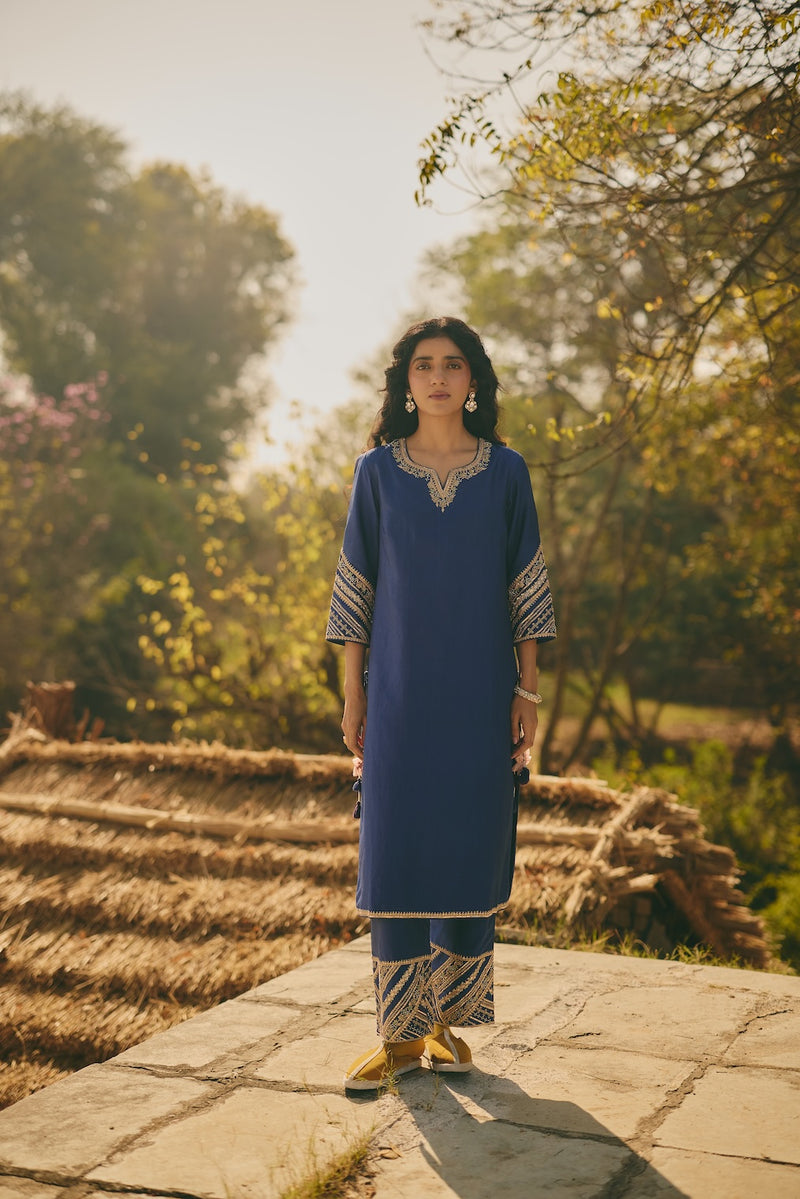
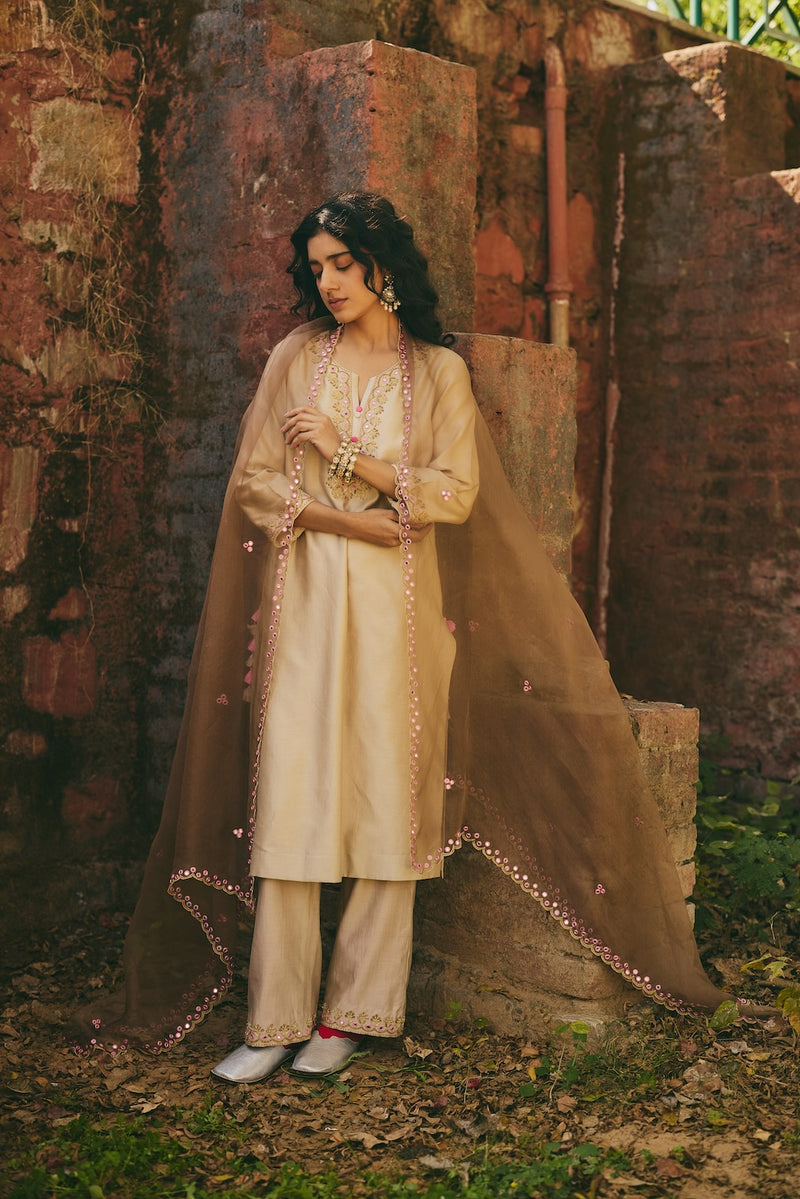
Pieces from this story
All pieces →
Keep reading
The journal →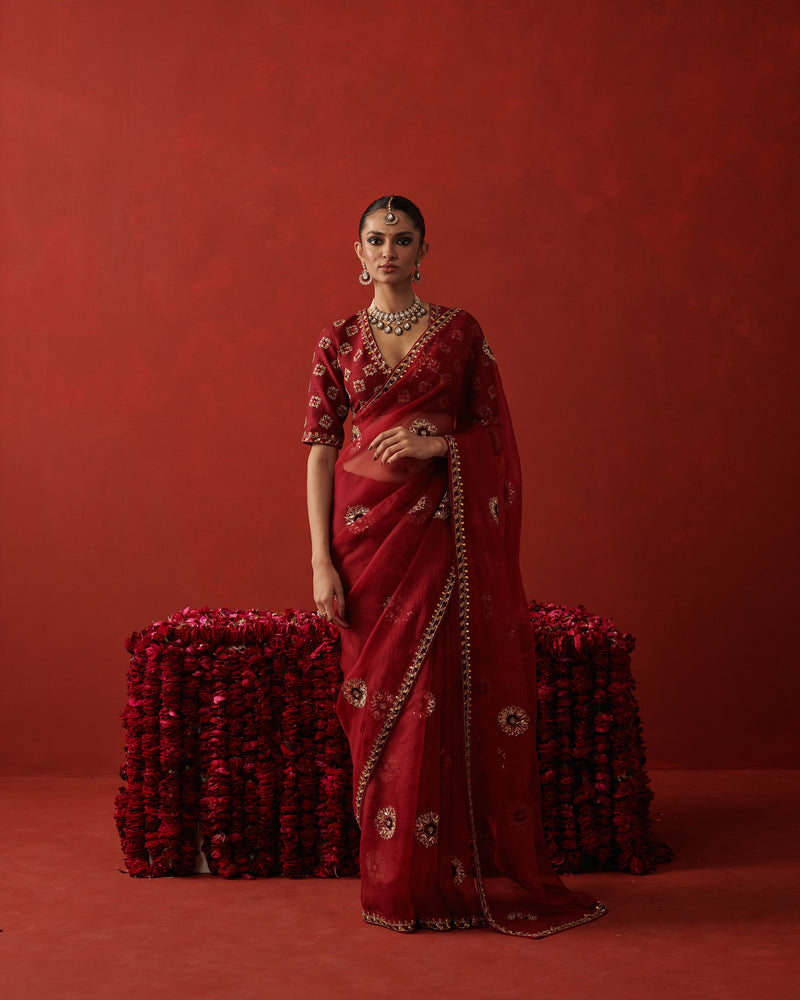
Gangaur Outfit Ideas: What to Wear for Rajasthan's Festival of Gauri
Handmade by karigars Made to your measurements Fit guarantee Ships worldwide As seen in GraziaElle Graduat...
22 August 2026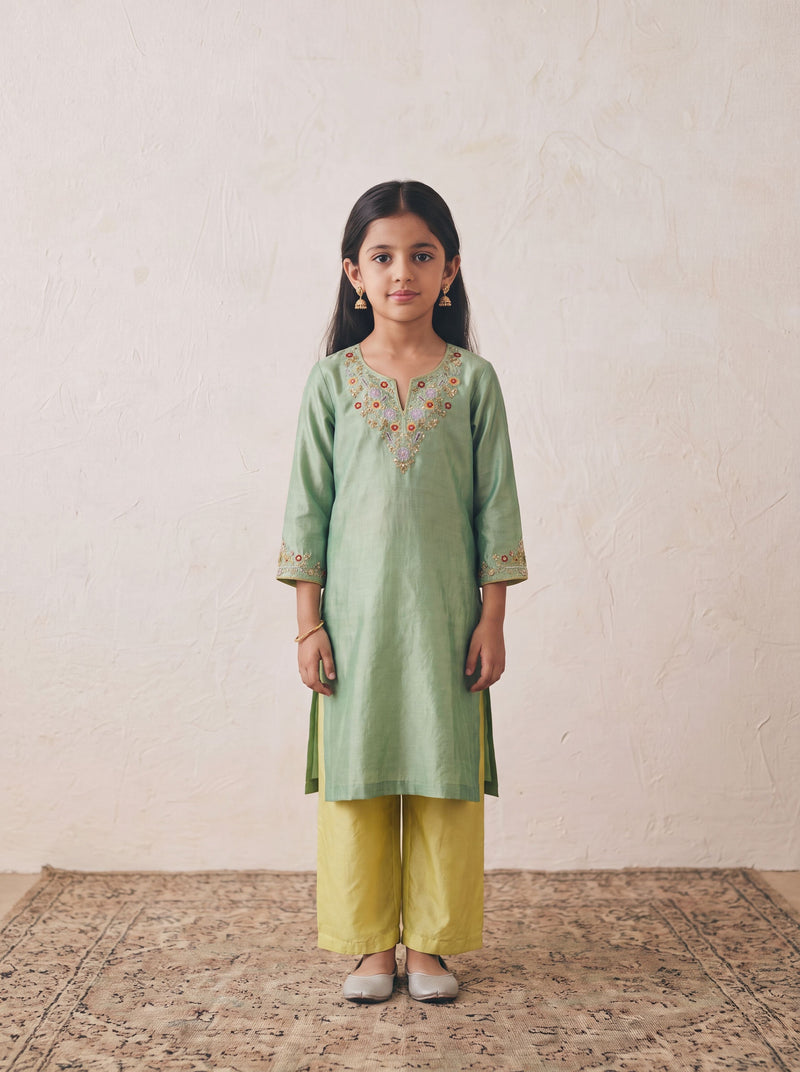
Kids at a Destination Wedding: What to Pack and How to Survive It
Handmade by karigars Made to your measurements Fit guarantee Ships worldwide As seen in GraziaElle Graduat...
22 August 2026
A Baby's First Festival: How to Dress an Infant for Diwali and Family Functions
Handmade by karigars Made to your measurements Fit guarantee Ships worldwide As seen in GraziaElle Graduat...
22 August 2026