
5 Indian Fashion Trends Dominating 2026
Every year brings its own wave of trends, but 2026 feels different. The shifts we're seeing aren't just about colour or silhouette — they're about how women relate to their clothes. Less costume, more wardrobe. Less disposable, more investment. Here are the five trends defining Indian fashion this year.
1. Tone-on-Tone Embroidery
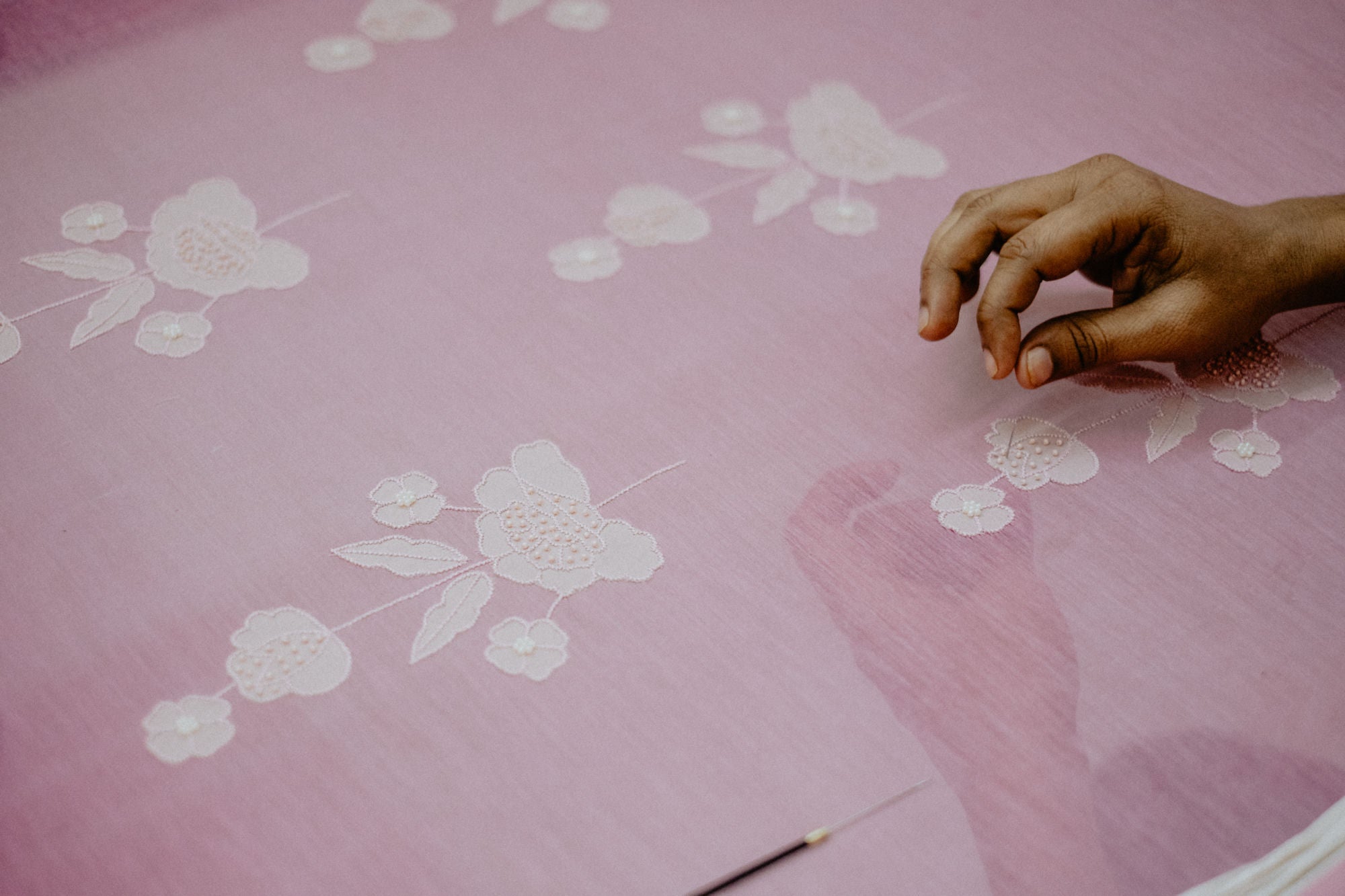
The most significant aesthetic shift of 2026 is the move toward tonal embroidery — where the thread colour matches or closely complements the base fabric. Instead of contrasting gold on red or silver on navy, designers are using rose thread on rose silk, champagne on ivory, sage on sage.

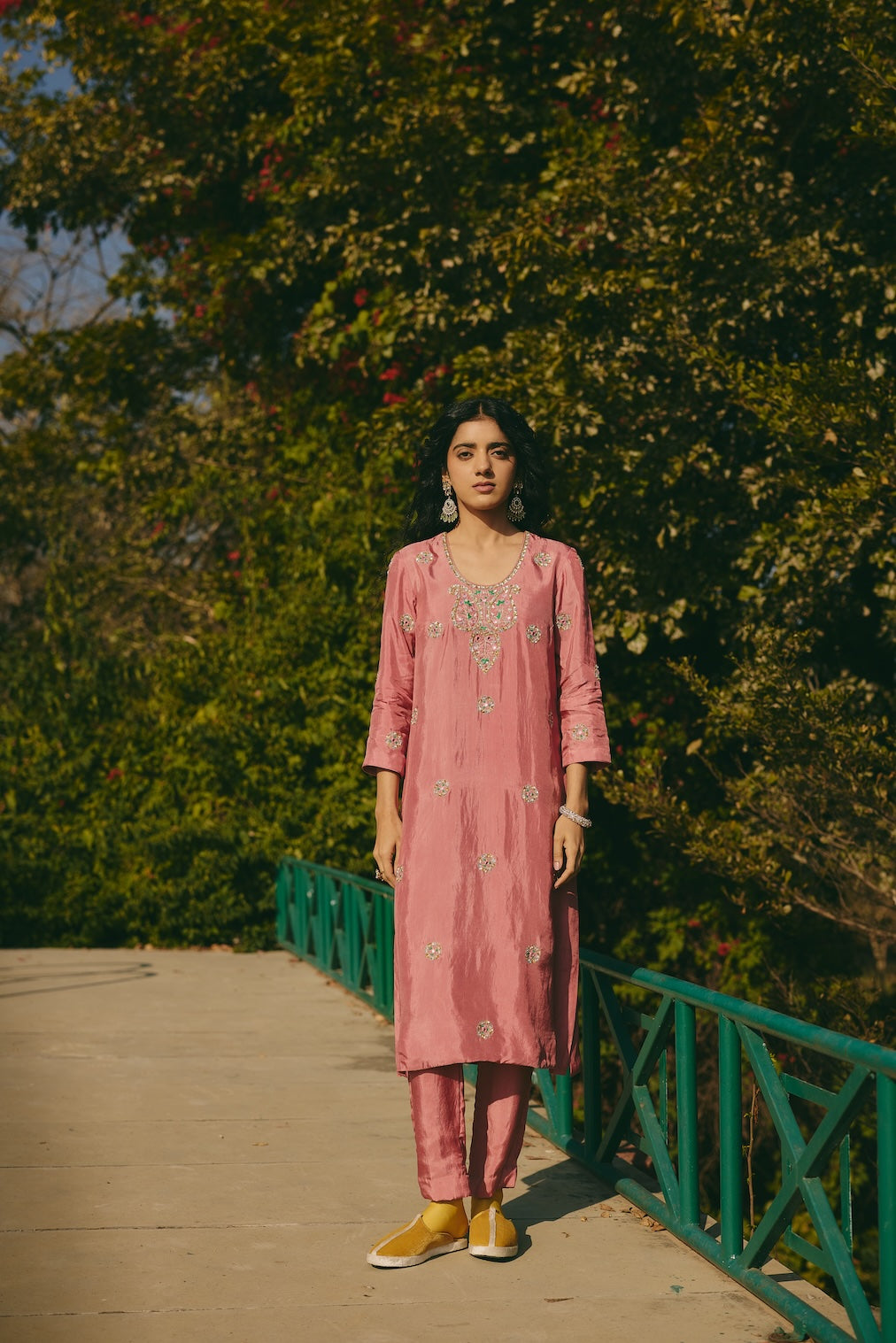
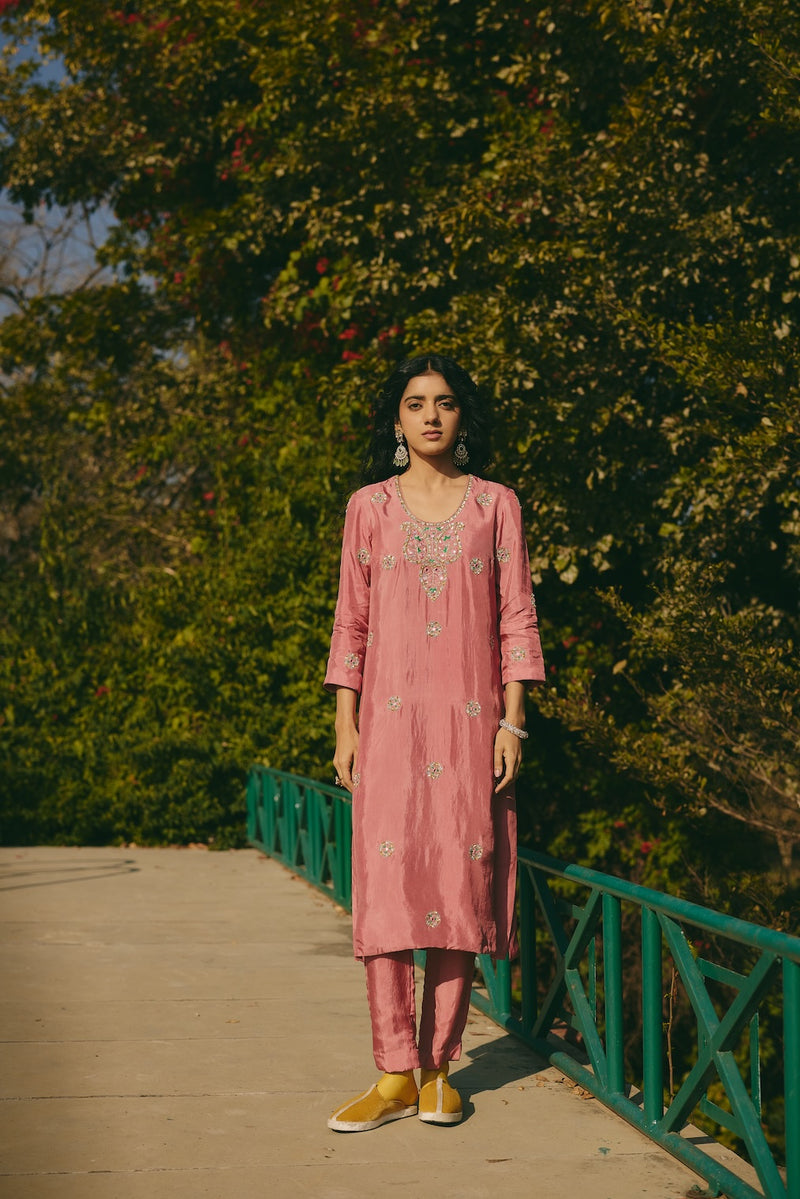
The Saher & Naazli kurta set exemplifies this: rose pink silk with embroidery in the same family. The effect is quietly luxurious — you feel the texture before you see the pattern. It's embroidery for grown women, not for Instagram impact shots.
2. The Sharara Revival
Anarkalis dominated for years. In 2026, the sharara has taken their place. The flared pants offer movement, work better in heat, and feel fresh after a decade of floor-length gowns and heavy lehengas.


The Zehan & Aabha in majestic purple, Gulrukh & Leher in spring pastels, and Laalsa & Ravaya in vermilion red show the range — from intensely embroidered to playfully printed, from statement colour to classic bridal.
3. The Return of Real Silk
After years of synthetic alternatives, natural silk is back. Women are choosing fewer pieces but demanding real fabric — the weight, the sheen, the way it ages. Pure silk kurta sets and dupattas are being treated as investments rather than single-use occasion wear.


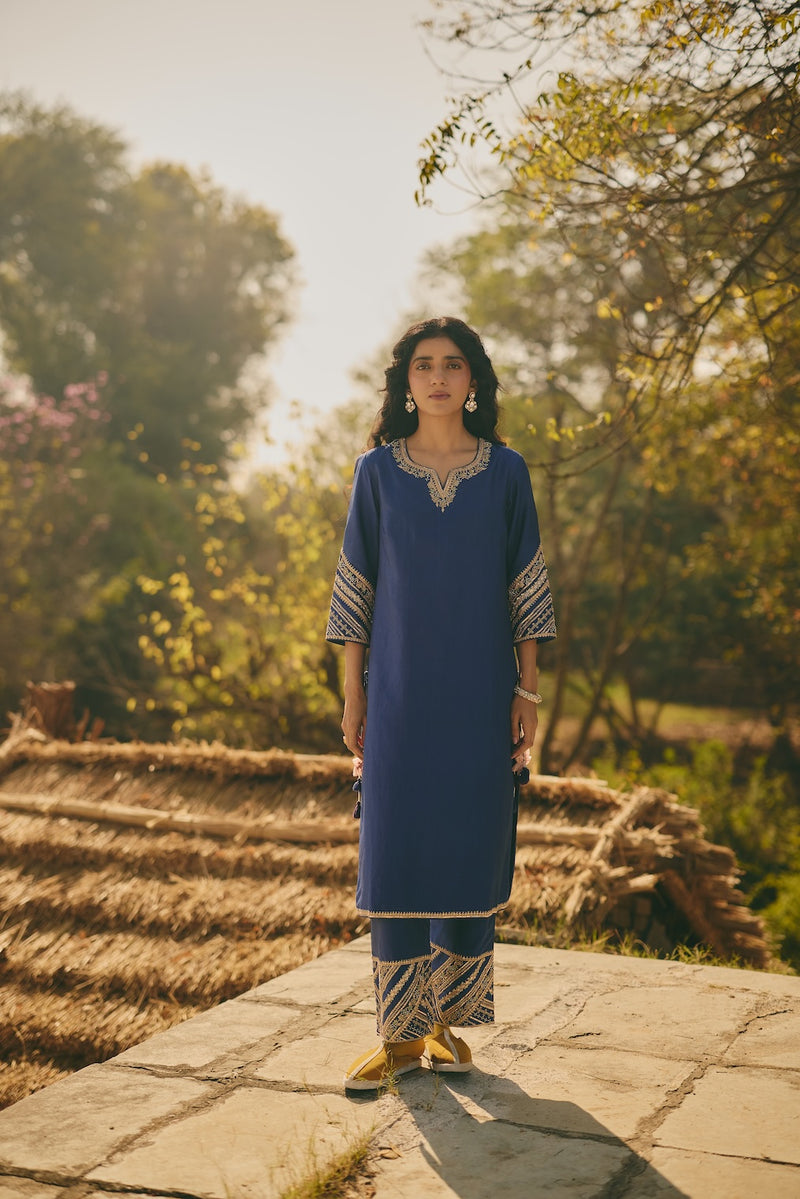
Pieces like the Ameera & Hoorain in deep sapphire silk and the Rangtara & Jamuni represent this shift. The fabrics justify the price because they'll last — and improve — over decades.
4. Statement Blouses as Standalone Pieces
The heavily embroidered blouse has stepped out from behind the saree. Women are wearing statement blouses with everything: plain silk sarees, solid lehengas, even high-waisted trousers for cocktail events. The blouse has become the hero.
Free Download
Get Our Measurement Guide
Step-by-step instructions with photos for perfect custom fit.
Download Free Guide


The Shafaq in black raw silk, Gulzaib in rani pink, and Ojasvi in champagne brocade are designed for this: enough embroidery to carry a look, versatile enough to pair with multiple bottoms.
5. Made-to-Order as Standard
Perhaps the most fundamental shift isn't about aesthetics at all — it's about production. Made-to-order has moved from niche to expected. Women are willing to wait 4-5 weeks for a piece that's made specifically for them, with their measurements, their specifications, their timeline.
This changes everything: no waste, no sales, no season-end markdowns, no pressure to produce volume. It's a rejection of the entire fast-fashion supply chain.

Every piece in collections like Ruhaniyat is made this way. The Ferozaan & Gulraaz doesn't exist on a rack somewhere — it comes into being when someone orders it, and it's made for them.
What These Trends Share
The common thread: intention. Tone-on-tone embroidery is about sophistication over impact. Shararas are about comfort and movement. Real silk is about longevity. Statement blouses are about versatility. Made-to-order is about values.
2026 fashion isn't louder — it's more considered. And that feels like progress.
Explore: Shop All | Kurta Sets | Sharara Sets
Ready to Order Custom?
WhatsApp us at +91 70423 11214 with what you're looking for. We'll guide you through measurements, customizations, and timeline.
Most pieces ready in 4-5 weeks. Bridal in 6-8 weeks.
Made to order in 4–5 weeks
Have an event date? We’ll tell you exactly when to order by.
We take a limited number of orders each month — secure your slot early.
WhatsApp me my order-by date + a shortlistNot sure where to start?
Tell us what you're dressing for and we'll help you choose — fabric, fit, colour, and timeline — over WhatsApp or on a video call.
Your Cart
Pieces from this story
All pieces →Not sure which piece, or need it by a date? Book a video consultation Ask us on WhatsApp




Keep reading
The journal →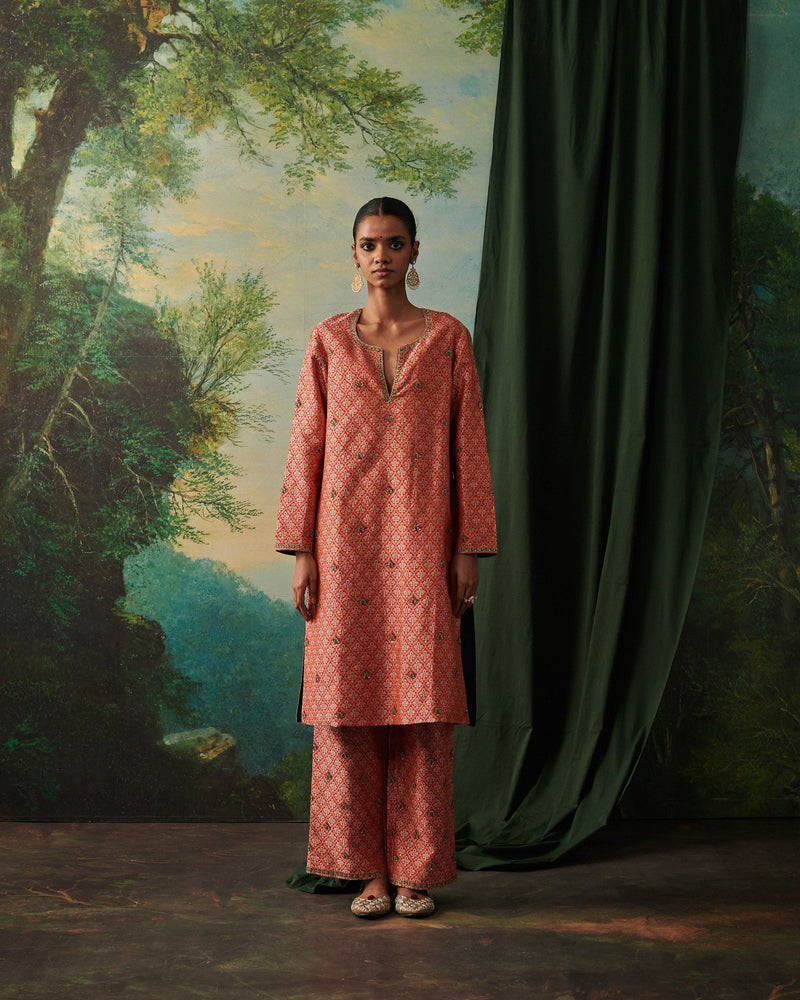
Best Sustainable Indian Ethnic Wear Brands in 2026: Handloom, Natural Dye and Slow-Made Labels
Sustainable Indian ethnic wear labels and what each one actually does: handloom (Raw Mango, Anavila), natural dyes (1...
14 October 2026
Sharara vs Lehenga: Which Should You Wear to the Wedding?
Sharara or lehenga? Compare comfort, dancing, travel, height, cost, re-wear and photos — and which wedding function e...
1 October 2026
How Many Outfits Do You Need for an Indian Wedding? A Guide by Role and Function
How many outfits you need for an Indian wedding: guest, close family, sister or mother of the bride. How to repeat sm...
29 September 2026