

The Eco-Conscious Bride: Sustainable Indian Wedding Fashion in 2026
One of the most meaningful shifts in bridal fashion has nothing to do with silhouettes or colours — it's about conscience. The 2026 bride increasingly cares how her clothes are made, by whom, and what they cost the planet. The good news: conscious bridalwear isn't a compromise on beauty. Done right, it's the most beautiful choice of all.

Why Conscious Bridal Is Booming
Weddings are, by nature, big — big outfits, big spends, often big waste. A generation of brides is rethinking that, asking for fabric quality, ethical sourcing, and craftsmanship they can feel good about. Eco-conscious bridal fashion is one of the fastest-growing movements in Indian weddings, and it rests on a few simple ideas.
1. Handcrafted Over Mass-Produced
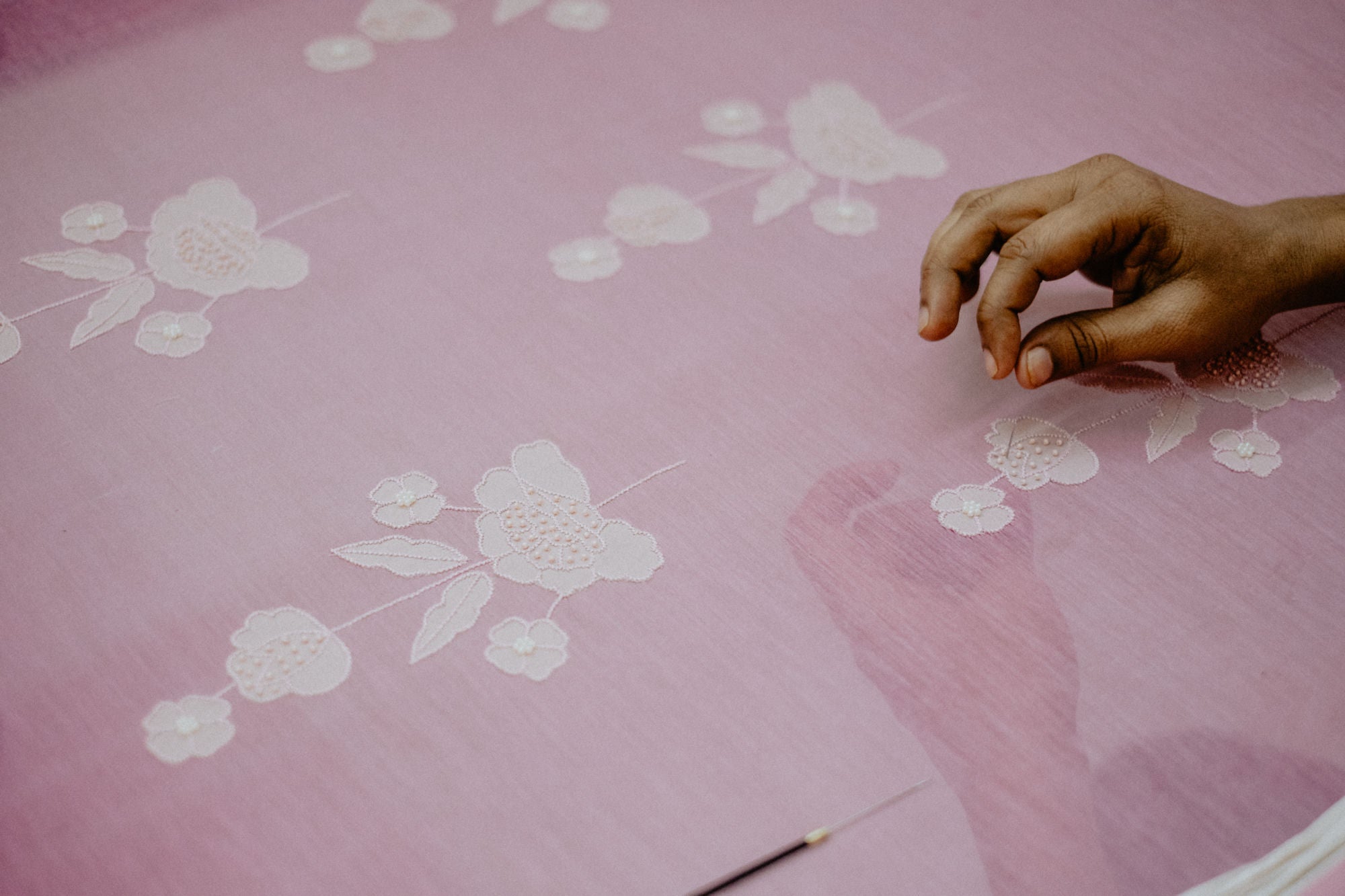
The single most powerful conscious choice is buying handmade. Handcrafted pieces support karigars whose skills — zari, Mukesh, Aari, Gota Patti, Chikankari — are passed down through generations, and they're made in considered quantities rather than churned out by the thousand. A handwoven, hand-embroidered piece like the Rehmat Varanasi silk brocade lehenga or a Phalgun Banarasi silk saree carries real human craft — and keeps these traditions alive.


2. Natural, Better Fabrics
Conscious brides are reaching for natural, breathable fabrics — silk, cotton, chanderi — over synthetics. They feel better, last longer, and age more gracefully. A Naina ivory cotton kurta set or a Naveli chanderi kurta set is the kind of natural-fibre piece that fits a slow-fashion wardrobe beautifully.
3. Made-to-Order, Not Made-to-Waste
Made-to-order is sustainability built into the model. Nothing is produced until it's wanted, which means no overproduction, no unsold stock sent to landfill, and a piece cut precisely to your body so it actually gets worn. It's slower — around four to five weeks — but that patience is exactly the point.
4. Buy Fewer, Wear More
The greenest wardrobe is the one you keep. Choosing fewer, better, re-wearable pieces — and re-styling your bridal outfits rather than wearing them once — is conscious fashion at its most practical. An heirloom you wear for decades and hand down is the ultimate sustainable purchase.
5. Care So It Lasts
Sustainability doesn't end at purchase. Storing silk in muslin, dry-cleaning gently, and preserving your pieces properly means they last generations instead of seasons — turning each outfit into a long-term, low-waste investment.
The conscious-bride mindset: beauty and responsibility aren't opposites. Handmade, natural, made-to-order, and kept-for-life is also simply the most beautiful way to dress.
Handcrafted, Made to Order, Made to Last
Every Rashika Mittal piece is handmade by our karigars and crafted to your measurements — slow fashion in the truest sense. Explore our lehengas, sarees, and full collection.
Explore the CollectionFrequently Asked Questions
How can I make my bridal wardrobe more sustainable?
Choose handcrafted over mass-produced pieces, favour natural fabrics like silk, cotton, chanderi, and khadi, and buy made-to-order so nothing is overproduced. Buy fewer, better, re-wearable outfits, re-style your bridal pieces rather than wearing them once, and care for them properly so they last for generations.
Is made-to-order clothing more sustainable?
Yes. Made-to-order means a garment isn't produced until it's wanted, which avoids overproduction and unsold stock going to waste. Because each piece is cut to your measurements, it fits well and gets worn rather than discarded. It takes longer — typically four to five weeks — but that considered pace is central to its lower impact.
Made to order in 4–5 weeks
Have an event date? We’ll tell you exactly when to order by.
We take a limited number of orders each month — secure your slot early.
WhatsApp me my order-by date + a shortlistNot sure where to start?
Tell us what you're dressing for and we'll help you choose — fabric, fit, colour, and timeline — over WhatsApp or on a video call.
Your Cart
Pieces from this story
All pieces →Not sure which piece, or need it by a date? Book a video consultation Ask us on WhatsApp


Keep reading
The journal →
India Couture Week 2026 Highlights: Every Show, From Hyderabad to the Devi Finale
India Couture Week 2026 recap: Anamika Khanna in Hyderabad, Masaba's first bridal line, Rohit Bal's Dastkar, Rahul Mi...
30 October 2026
Best Sustainable Indian Ethnic Wear Brands in 2026: Handloom, Natural Dye and Slow-Made Labels
Sustainable Indian ethnic wear labels and what each one actually does: handloom (Raw Mango, Anavila), natural dyes (1...
14 October 2026
The Diwali Gift Guide: Handcrafted Pieces She'll Keep Forever
A Diwali gift guide for the women in your life — hand-embroidered dupattas, statement blouses, festive kurta sets and...
9 July 2026