
How to Care for Indian Fabrics: The Complete Laundry & Storage Guide
You've invested in a beautiful handcrafted outfit — silk, organza, chiffon, chanderi, Banarasi brocade. Now comes the question that nobody answers at the time of purchase: how do you actually take care of it?
Indian fabrics and hand embroidery require specific care that's different from your everyday wardrobe. The wrong wash cycle, the wrong detergent, or even the wrong hanger can damage months of a karigar's work. Here's a comprehensive guide to keeping your Indian outfits looking as beautiful as the day you bought them.
The Golden Rule: When in Doubt, Dry Clean
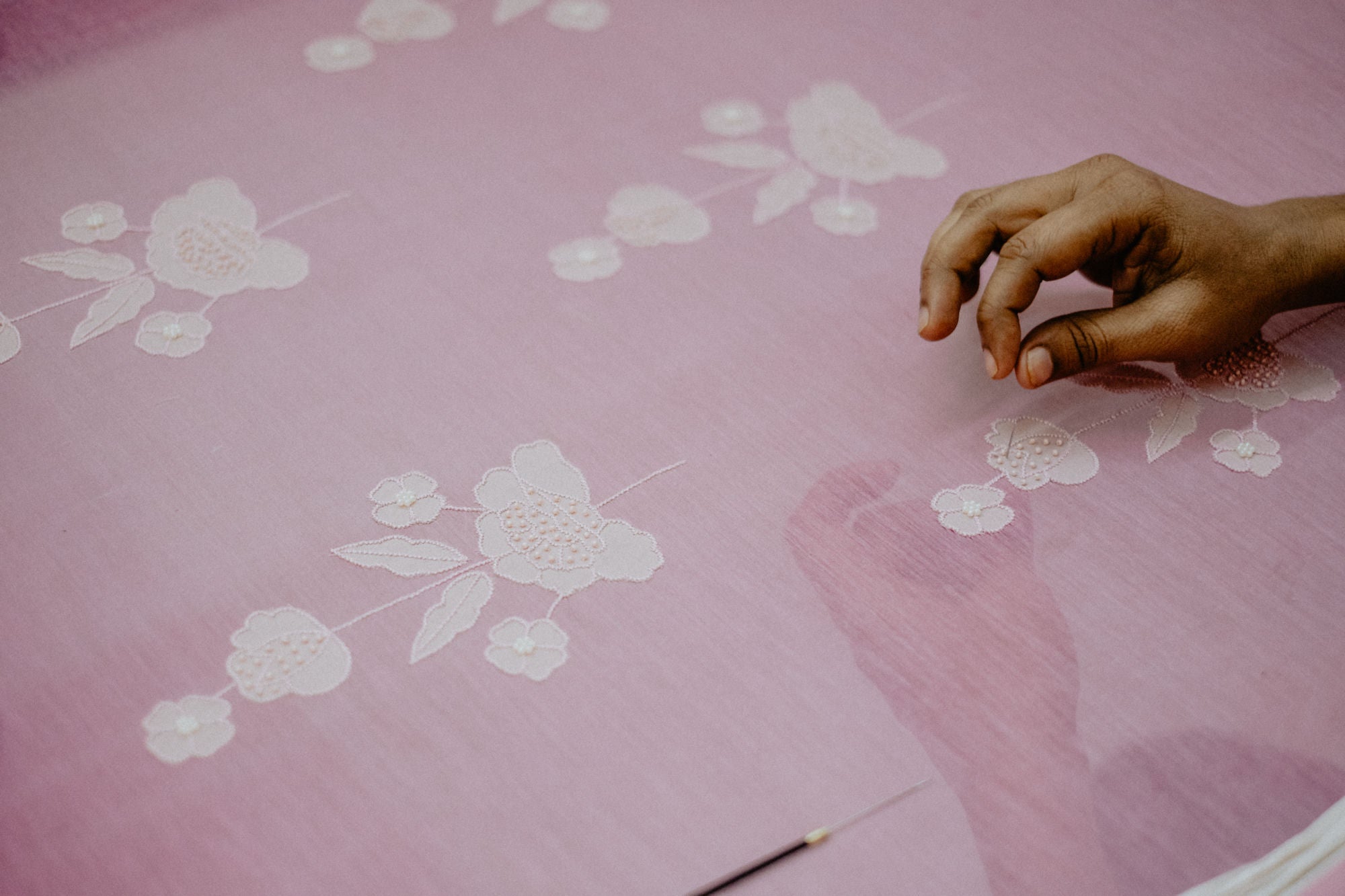
For any outfit with hand embroidery — zardozi, aari, gota patti, Mukesh work, sequins, or beadwork — professional dry cleaning is the safest choice. Hand embroidery involves delicate thread, metallic wire, and attached elements that can loosen, tarnish, or break in water.
This applies to virtually all occasion wear, including lehengas, sarees with embroidered borders, and heavily worked kurta sets.
Important: Tell your dry cleaner that the garment has hand embroidery. Not all dry cleaning processes are equal — a gentle process without harsh chemicals is essential for metallic threadwork.
Silk: The Most Precious, Most Misunderstood Fabric
Silk is the backbone of Indian occasion wear — Banarasi, dupion, raw silk, silk brocade, silk chanderi. It's also the fabric most easily damaged by improper care.
Washing silk:
- Never machine wash. The agitation breaks silk fibres and distorts the weave.
- If hand washing: Use cold water only. Add a few drops of gentle pH-neutral detergent (baby shampoo works). Submerge, gently swish for 30 seconds, and rinse immediately. Never wring or twist.
- Drying: Lay flat on a clean towel, roll the towel to absorb moisture, then lay flat to dry in shade. Never hang wet silk — the weight of the water stretches the fabric permanently.
- Ironing: Use the lowest heat setting. Always iron on the reverse side with a pressing cloth between the iron and the fabric. Steam is safer than direct heat.
For embroidered silk pieces — like the Jazabah & Saiyan kurta set in silk with marodi and sequin embroidery — dry clean only. The combination of silk + metallic embroidery makes water washing risky.
Organza: Delicate but Durable
Organza is sheer, lightweight, and surprisingly resilient — but it wrinkles easily and can snag.
Washing organza:
- Plain organza (without embroidery) can be gently hand washed in cold water with mild detergent.
- Embroidered organza — like our organza dupattas with sequin and zari work — should be dry cleaned. The embroidery threads can pull the delicate organza base if agitated in water.
- Ironing: Low heat, always with a pressing cloth. Organza scorches quickly. A steamer is the safest option.
Chiffon and Georgette: The Flowing Fabrics
Chiffon and georgette are lightweight, fluid fabrics used in sarees and dupattas. They're more forgiving than silk but still need gentle handling.
Washing:
- Plain chiffon/georgette: Hand wash in cold water with mild detergent. Don't scrub — just gently swish.
- Embroidered chiffon — like the Sarmaya saree in black chiffon with tonal embroidery — dry clean. The embroidery weight can distort the delicate chiffon if wet.
- Drying: Hang on a padded hanger in shade. Chiffon dries quickly and is less prone to stretching than silk.
- Ironing: Very low heat or steam. Chiffon melts under high heat.
Chanderi: The Heritage Weave
Chanderi — a blend of silk and cotton — is one of India's most cherished handloom fabrics. It's lighter than pure silk and has a subtle sheen that comes from the zari woven into it.
Washing:
- Hand wash in cold water with a very mild detergent. Chanderi handles water better than pure silk because of its cotton content.
- Never wring. Press gently between towels to remove excess water.
- The first wash may release some starch — this is normal. Chanderi is often starched during weaving, and the fabric softens after the first wash.
- Ironing: Medium-low heat while slightly damp gives the best results. Iron on the reverse side.
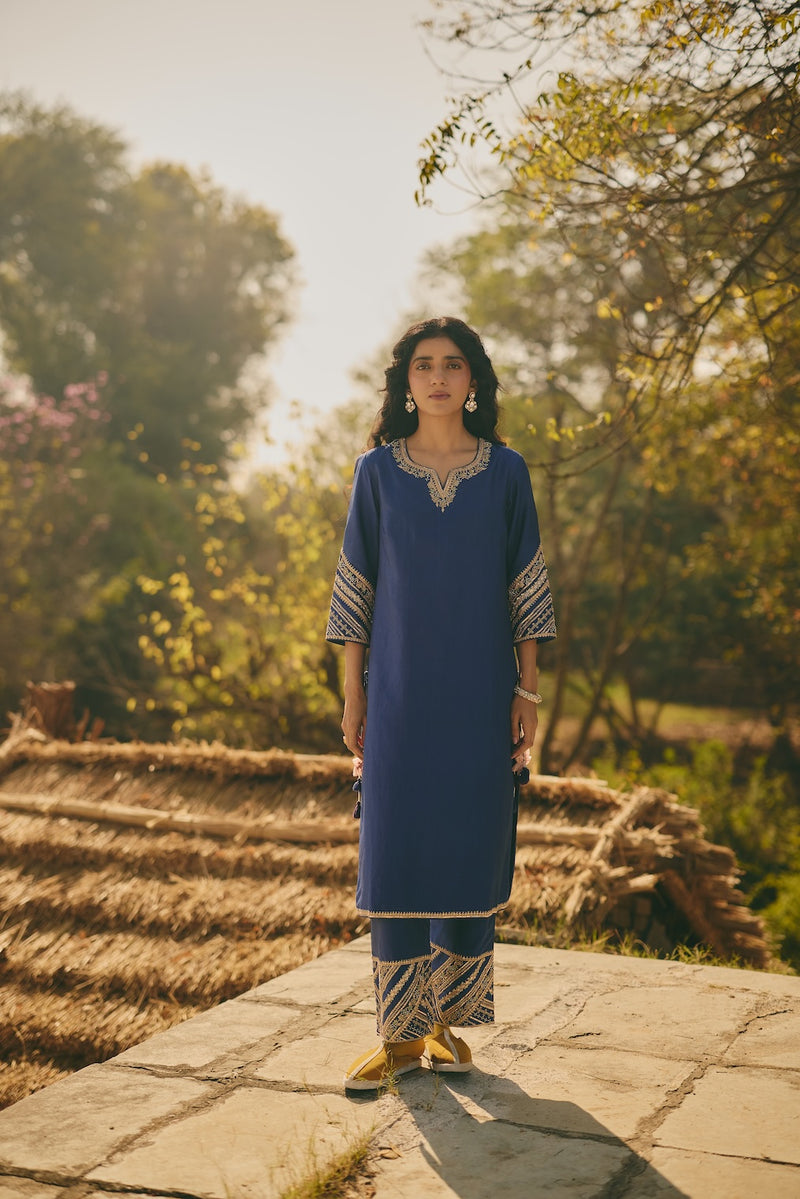
For lightly embroidered chanderi pieces like the Banni & Aayat kurta set with sequin and nakshi embroidery, hand washing is generally safe if done gently.
Banarasi Brocade and Tissue: The Heavy Silks
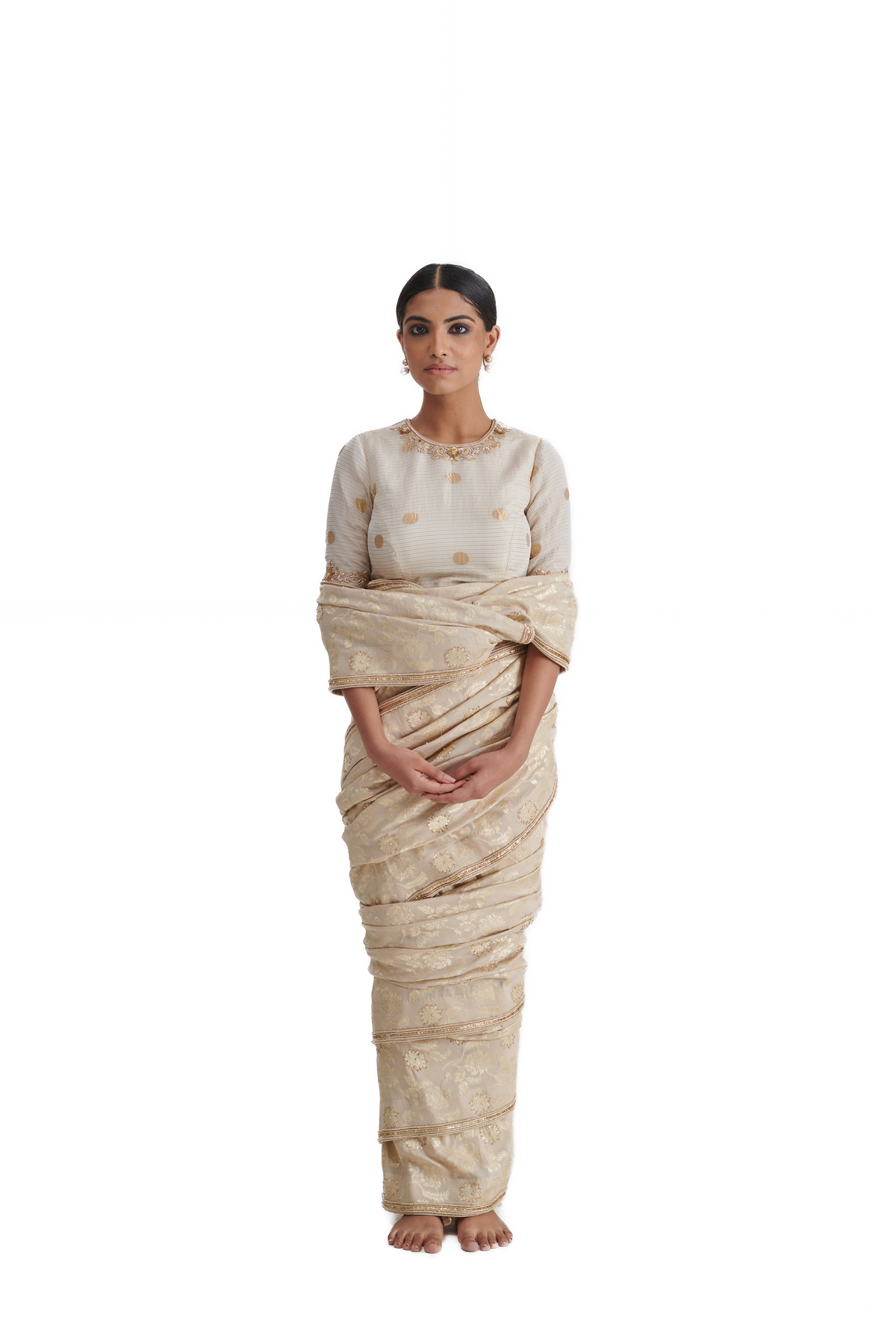
Banarasi silk, brocade, and tissue fabrics are woven with metallic (zari) threads. These are the most luxurious — and the most care-intensive — fabrics in Indian fashion.
Free Download
Get Our Measurement Guide
Step-by-step instructions with photos for perfect custom fit.
Download Free GuideCare rules:
- Always dry clean. The metallic zari threads can tarnish, oxidise, or break in water.
- Never spray perfume directly on Banarasi or tissue fabric. Alcohol-based perfumes can stain or discolour metallic threads. Spray on your skin, not your clothes.
- Ironing: Low heat on reverse side only. The zari threads can melt or flatten under direct high heat.
Cotton: The Everyday Fabric
Cotton Indian wear — printed kurtas, block-printed sets, khadi pieces — is the easiest to care for.
Washing:
- Machine washable on a gentle cycle with cold water. Turn inside out to protect prints.
- For block prints and natural dyes: Wash separately for the first 2-3 washes as colours may bleed slightly. Add a tablespoon of white vinegar to the first wash to set the colours.
- Drying: Line dry in shade. Direct sunlight fades colours, especially natural dyes.
- Ironing: Medium heat. Cotton takes iron well and looks crisp when pressed.
Our Basics collection — cotton kurta sets, printed dresses, and co-ords — are designed for regular wear and can be cared for at home with these simple steps.
How to Care for Hand Embroidery
The embroidery on handcrafted Indian outfits represents weeks of work by skilled karigars. Proper care preserves both the beauty and the craftsmanship.
Zardozi, dabka, and metallic embroidery: Dry clean only. Never iron directly — the metallic threads will flatten. Steam from a distance if wrinkled.
Sequin and mirror work: Dry clean. Store face-up or with tissue paper between folds to prevent sequins from scratching the fabric or each other.
Gota patti: Dry clean. Gota patti involves metallic ribbon applied to fabric — water can cause the adhesive to weaken and the ribbon to lift.
Chikankari (thread embroidery): This is one of the few embroidery types that can handle gentle hand washing. Use cold water and mild detergent. The cotton or silk thread used in chikankari is more water-resistant than metallic embroidery.
Bandhani (tie-dye): Dry clean for the first few wears to preserve the colour intensity. After that, gentle hand wash in cold water is acceptable.
Storage: How to Keep Your Outfits Safe Long-Term
Proper storage is just as important as proper washing. Many garments are worn only a few times a year — how you store them between wears determines how they look when you take them out.
Use muslin or cotton garment bags — never plastic. Plastic traps moisture and causes yellowing. Muslin allows the fabric to breathe.
Wrap embroidered sections in acid-free tissue paper. This prevents sequins, beads, and metallic threads from snagging on other parts of the garment.
Store silk and Banarasi pieces flat rather than hanging. Hanging heavy silk garments causes the fabric to stretch and the embroidery to pull downward over time.
Add silica gel packets to your storage area (not touching the fabric) to absorb excess moisture — especially important in humid climates.
Refold stored garments every 3-4 months. Permanent creases form along fold lines over time. Refolding in different places prevents this.
Keep naphthalene balls (mothballs) away from embroidered fabrics. The chemicals can tarnish metallic threads. Use dried neem leaves or lavender sachets instead — they're natural moth deterrents that won't damage fabric.
Quick Reference: Fabric Care Cheat Sheet
| Fabric | Wash Method | Iron | Key Warning |
|---|---|---|---|
| Silk (plain) | Cold hand wash or dry clean | Low heat, reverse side | Never wring or hang wet |
| Silk (embroidered) | Dry clean only | Steam only | No perfume on fabric |
| Organza | Dry clean (embroidered) / gentle hand wash (plain) | Low heat with pressing cloth | Scorches easily |
| Chiffon / Georgette | Gentle hand wash or dry clean | Very low heat or steam | Melts under high heat |
| Chanderi | Cold hand wash | Medium-low while damp | May lose starch after first wash |
| Banarasi / Brocade | Dry clean only | Low heat, reverse side | Zari tarnishes in water |
| Tissue | Dry clean only | Low heat, reverse side | Very delicate, tears easily |
| Cotton | Machine wash (gentle, cold) | Medium heat | Dry in shade to prevent fading |
Frequently Asked Questions
Can I steam my silk saree instead of ironing?
Yes — steaming is actually safer than ironing for silk. Hold the steamer 6-8 inches from the fabric and let the steam relax the wrinkles naturally. This is especially recommended for embroidered silk.
My Banarasi saree's zari has turned dark. Can I fix it?
Tarnished zari is often caused by moisture exposure. A professional dry cleaner experienced with Banarasi textiles can sometimes restore the lustre. For prevention, store with silica gel packets and avoid plastic covers.
How often should I dry clean my Indian outfits?
Only when needed — after each wear, or if you notice stains or odour. Over-dry-cleaning can weaken fibres over time. Between wears, airing the garment in shade for a few hours is usually sufficient.
What detergent should I use for hand washing?
A pH-neutral, fragrance-free liquid detergent is ideal. Baby shampoo is a reliable substitute. Avoid detergents with bleach, optical brighteners, or enzymes — they can damage natural fibres and dyes.
Can I remove a stain at home?
For small stains on non-embroidered areas, dab (don't rub) with cold water and a drop of mild detergent immediately. For oil stains, sprinkle cornstarch on the spot, let it sit for 30 minutes, then brush off. For anything on embroidered fabric — take it to a professional. Home stain removal on handcraft risks permanent damage.
Ready to Order Custom?
WhatsApp us at +91 70423 11214 with what you're looking for. We'll guide you through measurements, customizations, and timeline.
Most pieces ready in 4-5 weeks. Bridal in 6-8 weeks.
Made to order in 4–5 weeks
Have an event date? We’ll tell you exactly when to order by.
We take a limited number of orders each month — secure your slot early.
Not sure where to start?
Tell us what you're dressing for and we'll help you choose — fabric, fit, colour, and timeline — over WhatsApp.
Your Cart
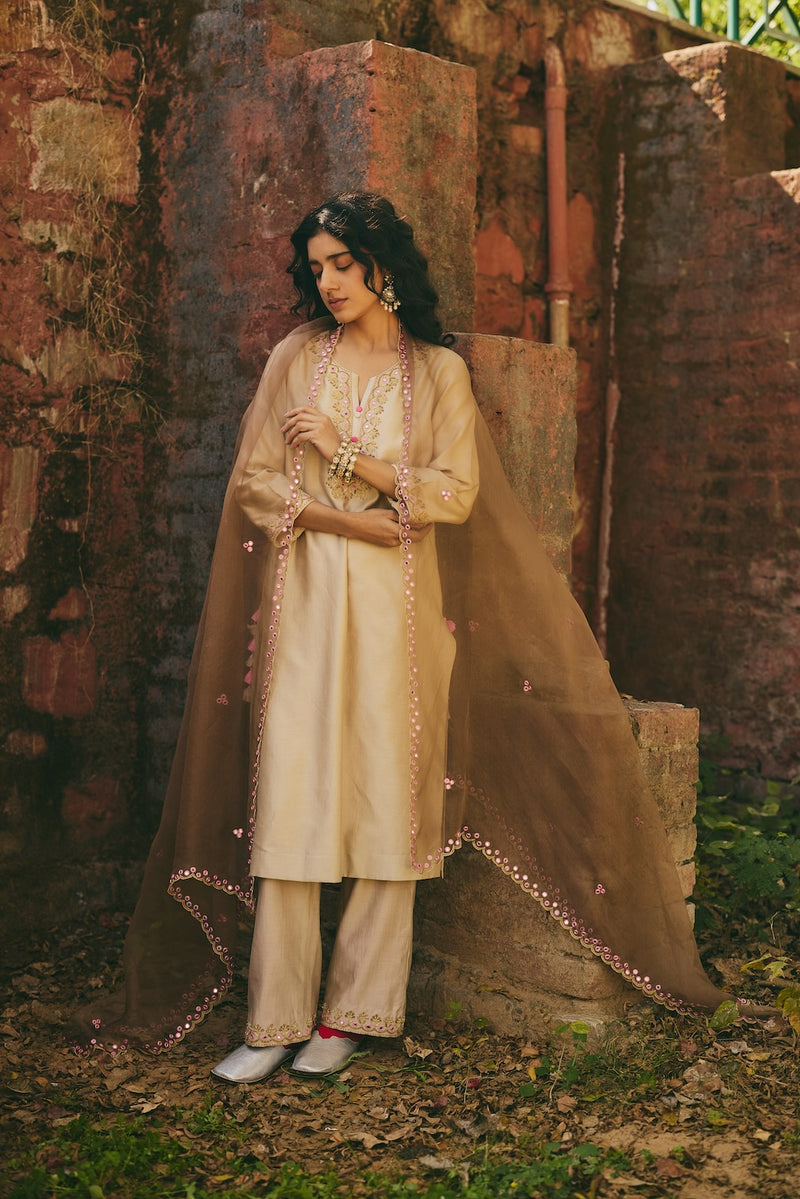
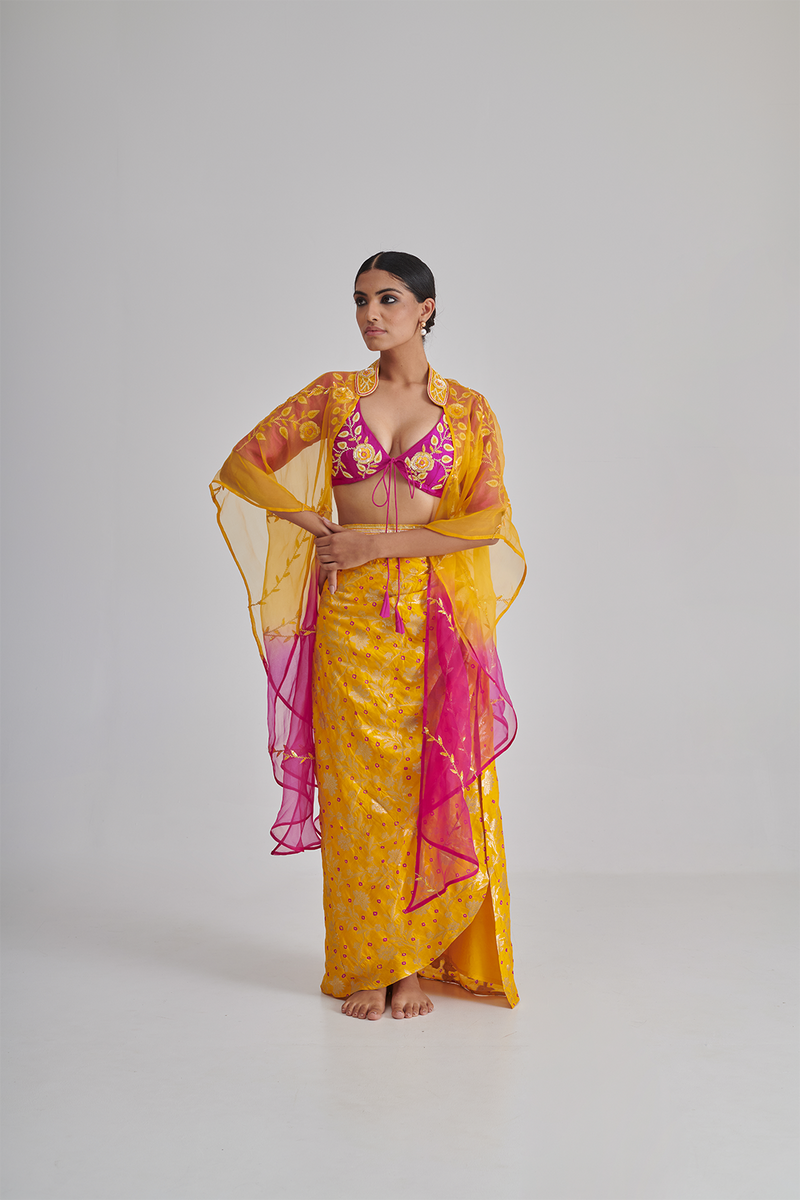
Pieces from this story
All pieces →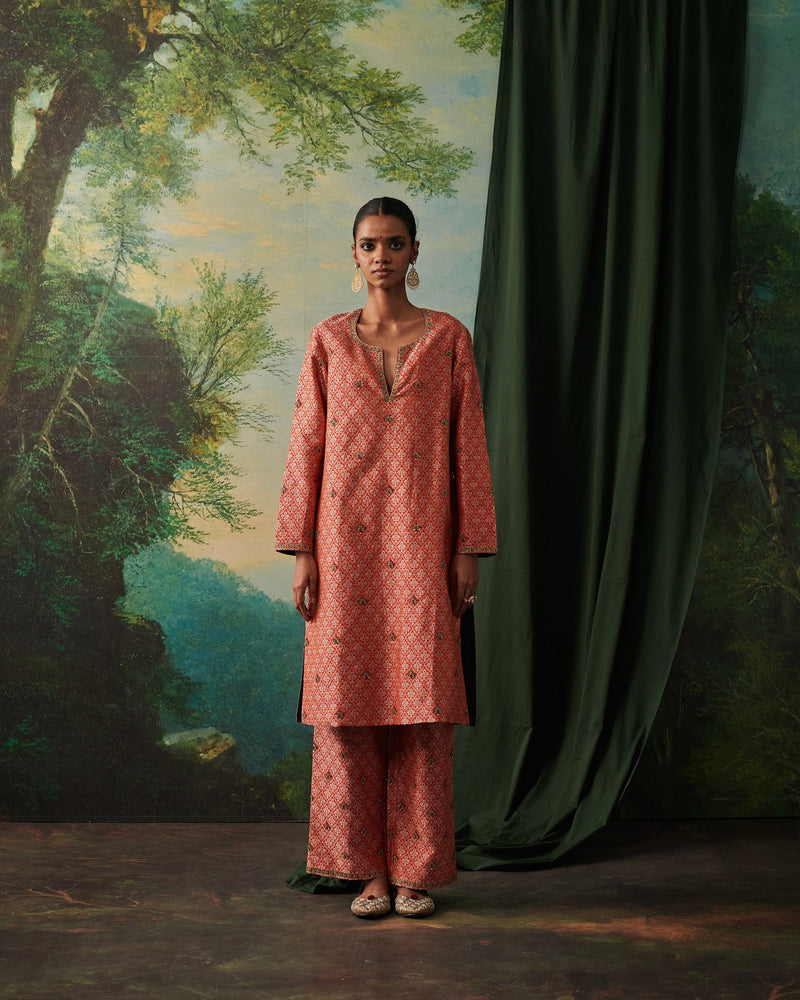
Keep reading
The journal →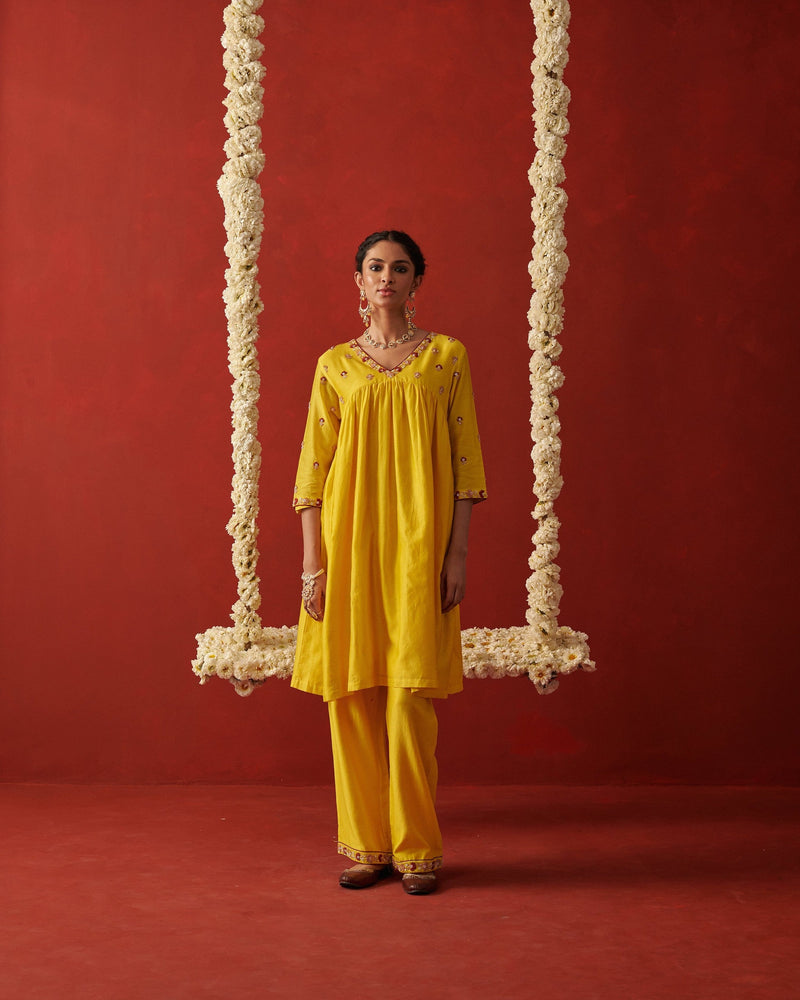
Dholki Night Outfit Ideas: What to Wear to the Ladies' Dhol
Handmade by karigars Made to your measurements Fit guarantee Ships worldwide As seen in GraziaElle Graduat...
27 July 2026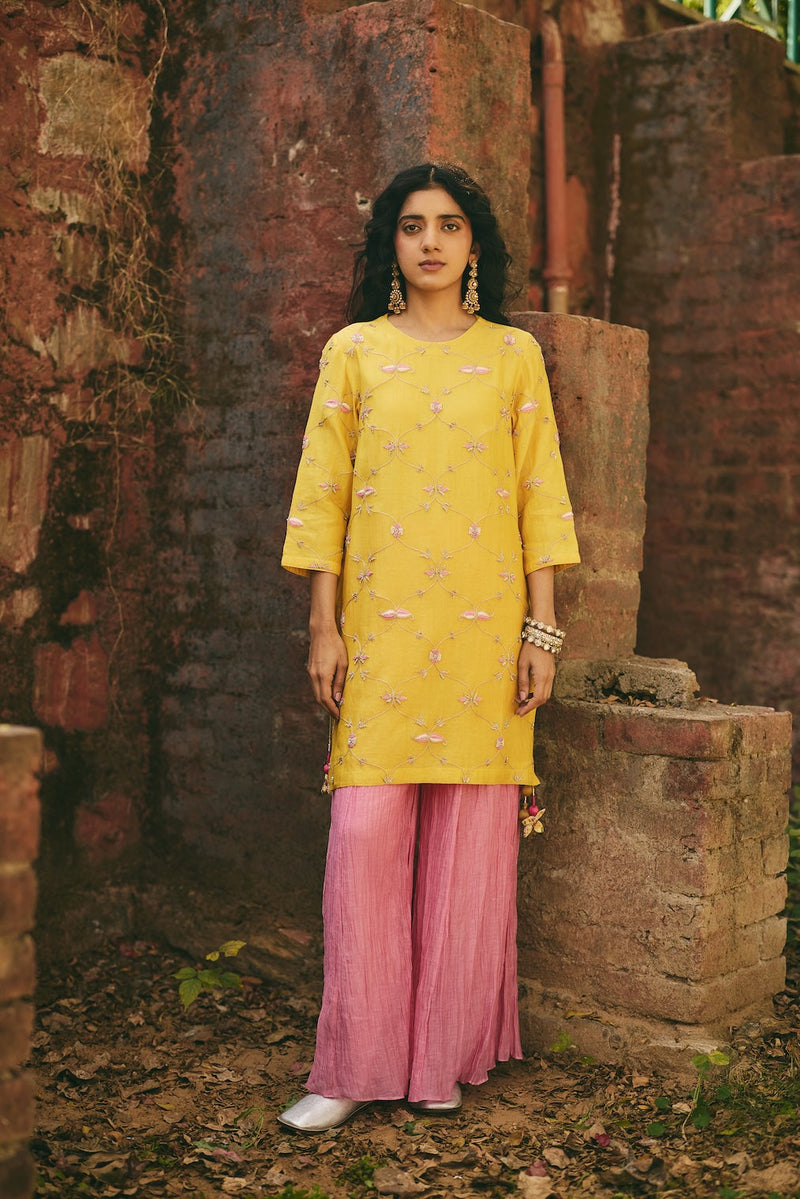
Mayra & Bhaat Outfit Ideas: Dressing for the Maternal Gift Ceremony
Handmade by karigars Made to your measurements Fit guarantee Ships worldwide As seen in GraziaElle Graduat...
27 July 2026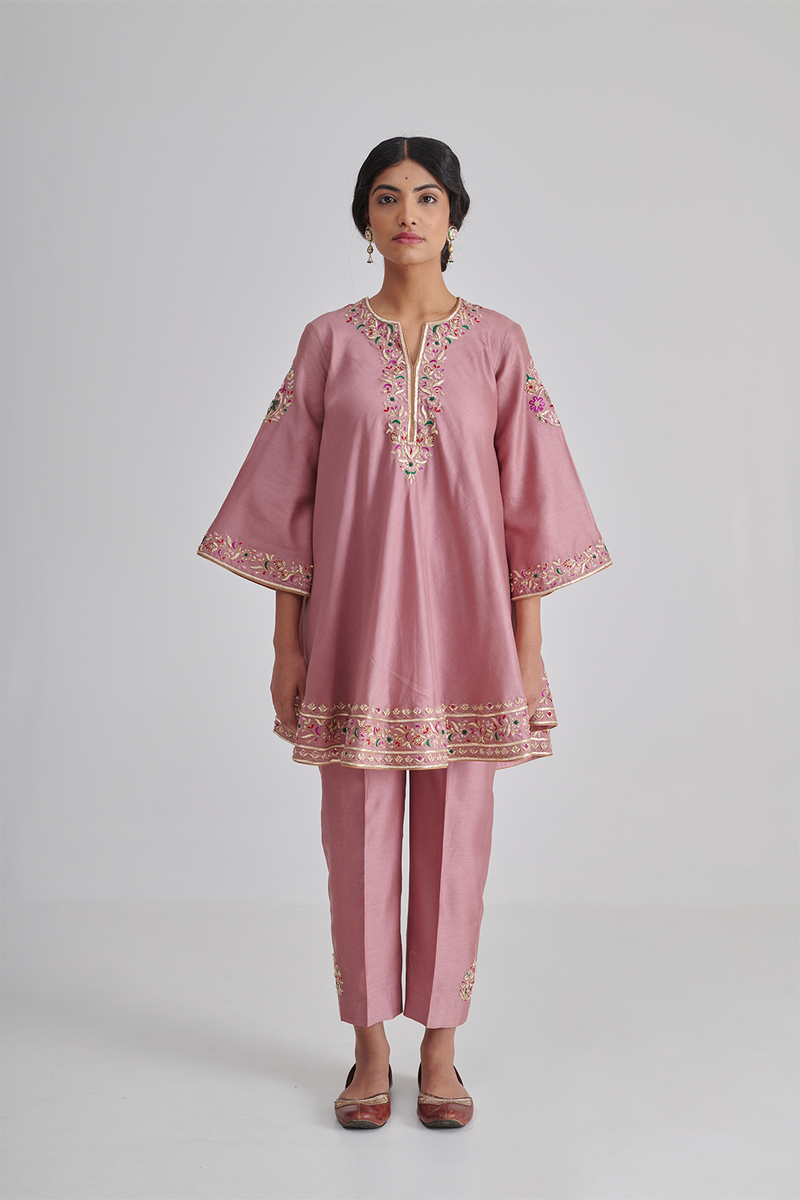
Pag Phera Outfit Ideas: What to Wear for the Bride's Homecoming
Handmade by karigars Made to your measurements Fit guarantee Ships worldwide As seen in GraziaElle Graduat...
27 July 2026