
Gota Patti Work: The Royal Embroidery Craft of Rajasthan
Walk through the bazaars of Jaipur and you will see it everywhere — strips of gold and silver ribbon, hand-stitched into flowers, leaves, and geometric patterns that catch the light like scattered mirrors. This is gota patti, one of Rajasthan's oldest and most revered embroidery traditions, and an art form that has adorned royal courts, bridal trousseaux, and festive wardrobes for over four centuries.
At Rashika Mittal, gota patti is not a surface embellishment — it is a design language. Many of our pieces are handcrafted in Jaipur by karigars who have inherited this skill across generations. Here is everything you need to know about this luminous craft.
What Is Gota Patti Work?
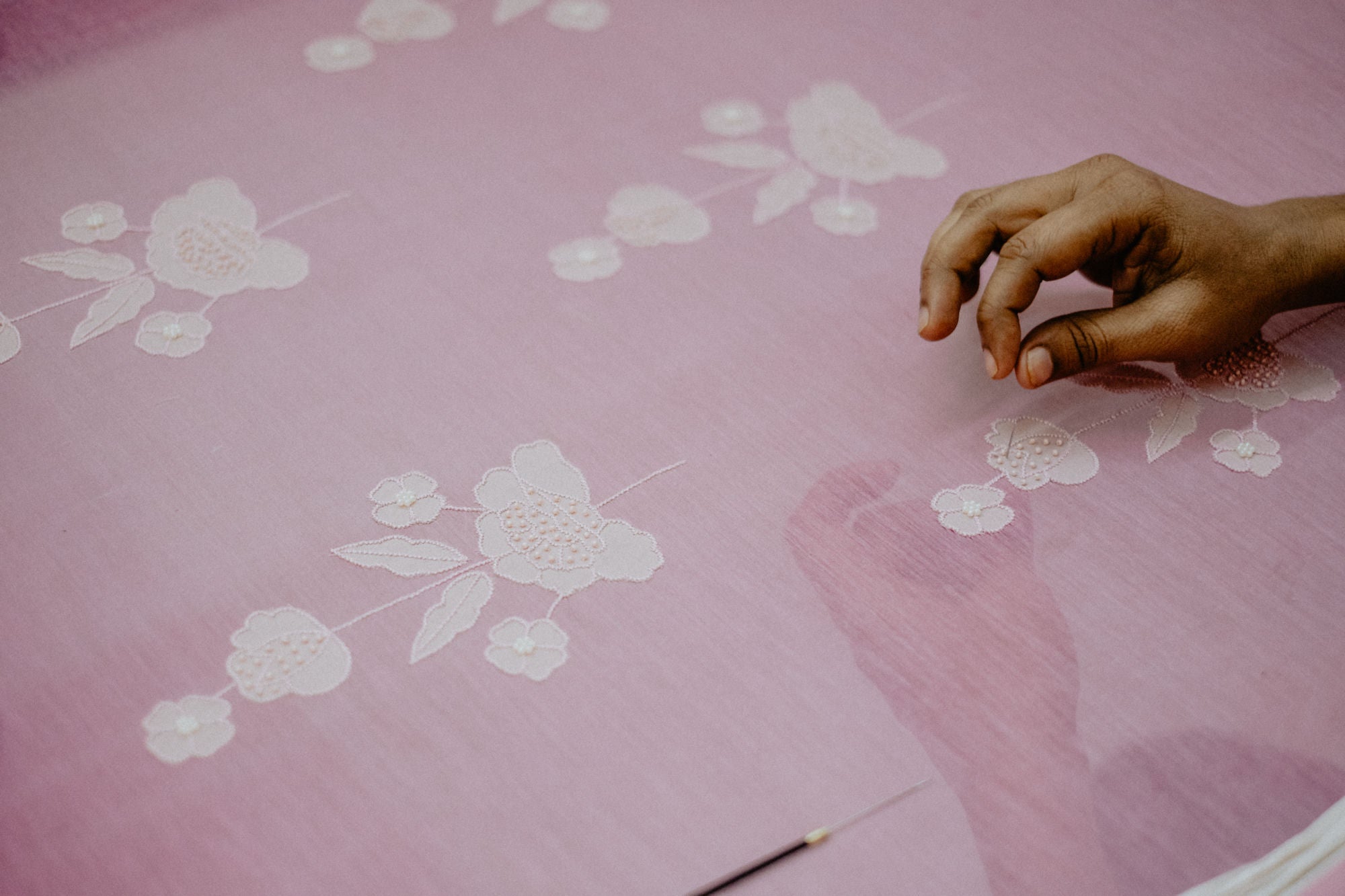
Gota patti is a traditional Rajasthani embroidery technique that uses small pieces of gold or silver ribbon (called gota) to create appliqué patterns on fabric. The word patti means strip — referring to the thin metallic ribbons that are cut, folded, and stitched by hand into intricate motifs.
Unlike machine embroidery, authentic gota patti is entirely hand-applied. Each motif — whether a flower, leaf, paisley, or geometric shape — is individually cut from zari ribbon and attached to the fabric using fine stitches. The technique creates a raised, textured surface that reflects light beautifully.
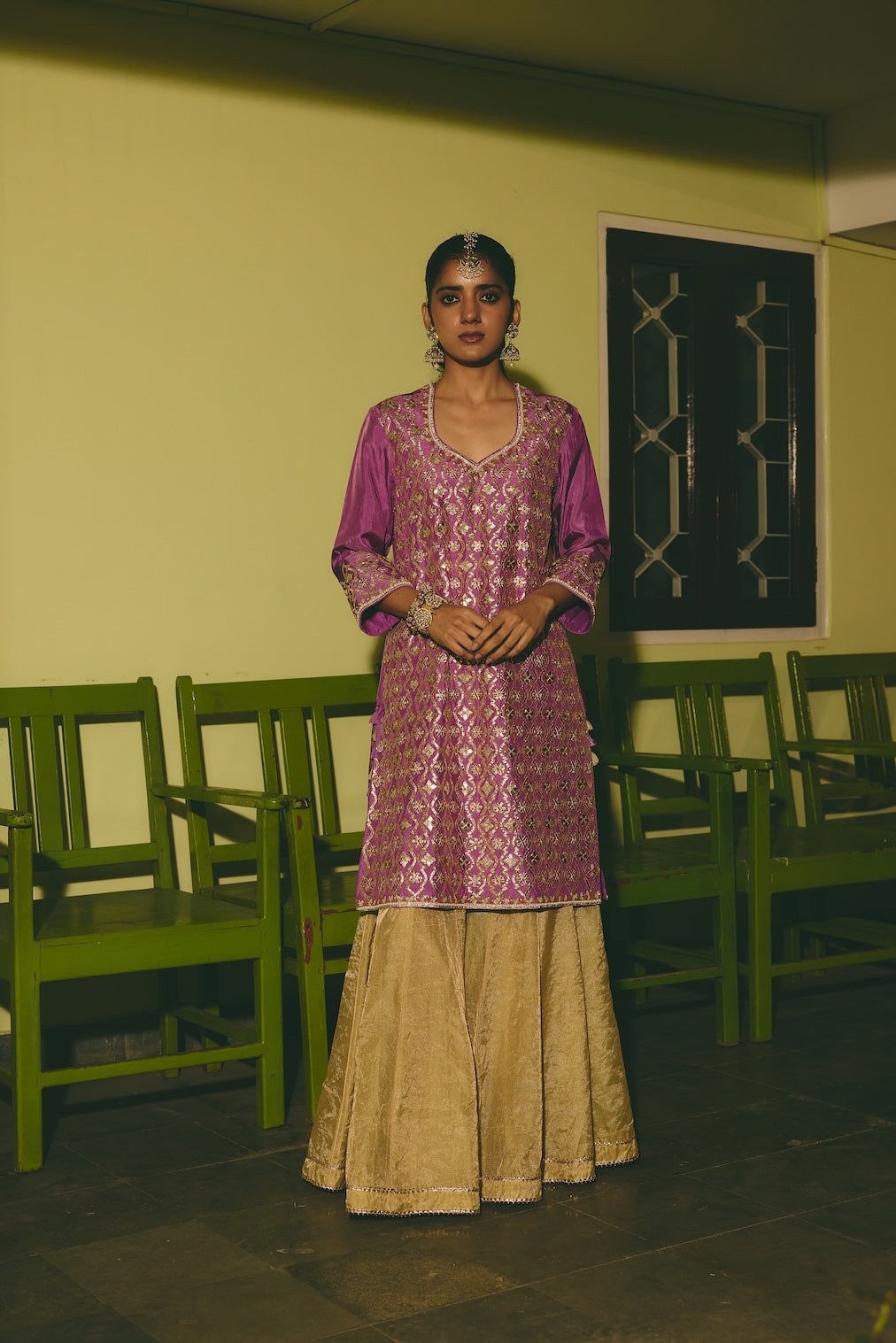
The ZEHAN & AABHA kurta set is a striking example. Crafted in majestic purple silk, the 'Zehan' kurta features a dense landscape of hand-done gota appliqué — each metallic ribbon meticulously folded and hand-stitched into precise rhombus and floral shapes to create a shimmering, geometric trellis across the body.

History of Gota Patti: From Mughal Courts to Modern Wardrobes
Gota patti embroidery traces its origins to the Mughal period, when it was brought to Rajasthan by artisans from Central Asia. The craft flourished under royal Rajput patronage, where it adorned the garments of queens and princesses during weddings, coronations, and festivals.
The technique was traditionally practised in specific artisan communities in Jaipur, Jodhpur, and Ajmer. Karigars would create elaborate patterns using real gold and silver zari ribbon — a luxury reserved for royalty. Over the centuries, the craft evolved from exclusively courtly wear to become an essential part of Rajasthani bridal trousseaux and festive attire.
Today, gota patti remains one of the most labour-intensive forms of hand embroidery. A single piece can take weeks to complete, depending on the density and complexity of the motifs. The craft continues to be practised by families of karigars in Jaipur — many of whom work with Rashika Mittal to bring these heirloom techniques to contemporary silhouettes.
Types of Gota Work: Patti, Sitara, and Kinari
Gota work encompasses several sub-techniques, each with a distinct character:
- Gota Patti — The most recognised form. Thin ribbons are cut and folded into precise shapes (flowers, leaves, paisleys) and appliquéd onto fabric. This is what you see in most bridal and festive garments.
- Gota Sitara — Star-shaped motifs created by folding gota ribbon into pointed, radiating forms. Often used as scattered accents alongside patti work.
- Gota Kinari — Gota ribbon used as a border or edging along hems, necklines, and dupattas. Simpler than patti but equally luminous.
- Gota Lapeta — A wrapping technique where gota ribbon is wound around fabric edges to create a shimmering border effect.
Many pieces in our collection combine these techniques. The KAINAAT dupatta, for example, is crafted in sheer organza with circular medallions of gota patti, sequins, resham, and beadwork hand-embroidered across its length — the motifs drawn from archival festive odhani patterns.

How Gota Patti Is Made: The Process
Creating a gota patti garment is a multi-step process that can span several weeks:
Free Download
Get Our Measurement Guide
Step-by-step instructions with photos for perfect custom fit.
Download Free Guide- Design sketching — The pattern is first drawn on paper, mapping out the placement and size of every motif.
- Pattern transfer — The design is traced onto the base fabric using chalk or light pencil markings.
- Ribbon cutting — Zari ribbons are cut into the precise shapes needed — petals, leaves, diamonds, circles — by hand.
- Appliqué stitching — Each cut piece is placed on the fabric and hand-stitched using tiny, nearly invisible stitches. This is the most time-intensive step.
- Layering and finishing — Additional elements like sequins, beads, or resham thread are added around the gota motifs to create depth and dimension.
The LEELA & SIFAT kurta set illustrates this beautifully. Crafted in lightweight chanderi, the central panel features a stylised floral jaal built into a bold motif at the hem using fine gota patti, sequins, resham, and bead work — inspired by archival phulkari patterns.

How to Style Gota Patti for Different Occasions
For Weddings and Grand Celebrations
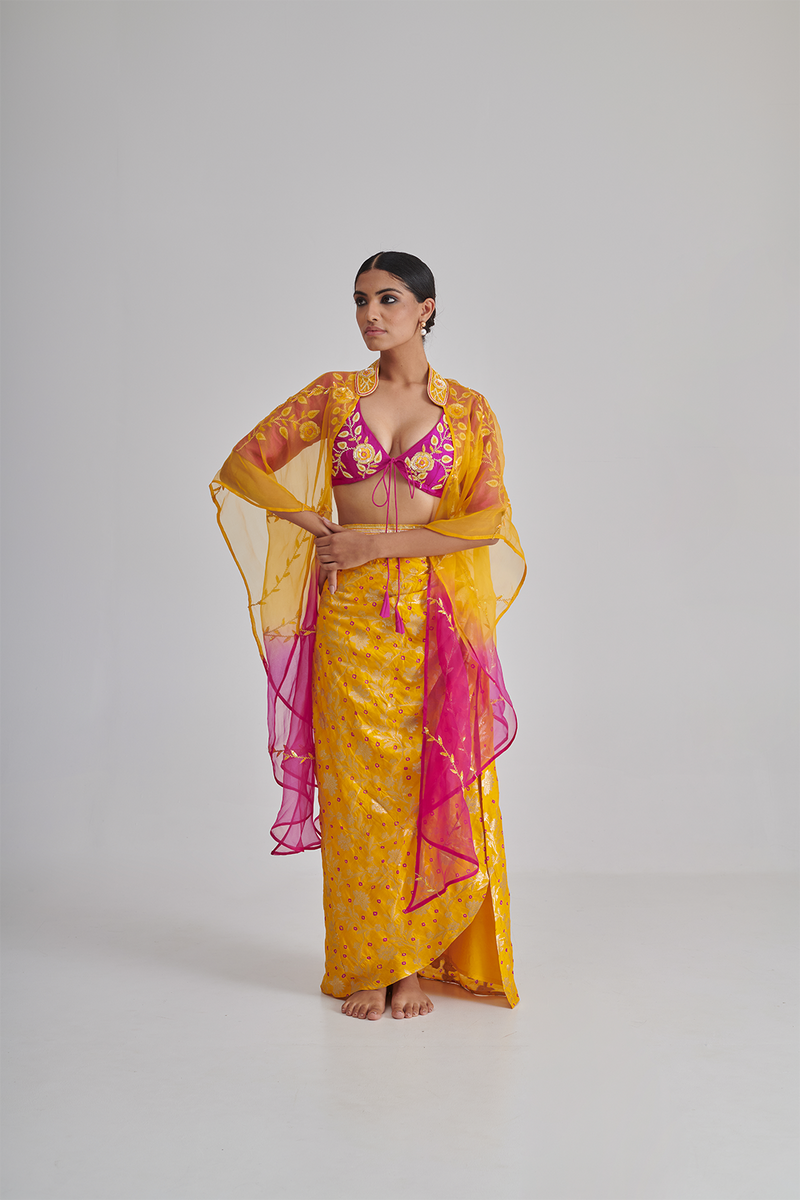
Dense gota patti work on silk or tissue is the gold standard for wedding wear. A lehenga or saree with all-over gota work creates the kind of statement that photographs beautifully and honours the occasion. The RAANISA & MAHIRA lehenga in vibrant sindoori orange features woven booti silk finished with gota, marodi, bead, and thread work along the hem — heritage embroidery on a festive silhouette.

For Festive Gatherings and Poojas
A gota patti kurta set strikes the perfect balance — festive without being heavy. The INARA & NAZM in silk features a front placket and cuff detail using gota patti motifs delicately outlined with resham and sequins, continuing across the sleeves and hem.
For Lightweight Festive Styling
If you want a touch of gota patti without the weight, a dupatta is the way to go. Drape the SHAYRA dupatta — crafted in lush green organza silk with borders hand-embroidered in gota, marodi, sequins, and thread work in an old-rose and gold palette — over a simple kurta for instant festive elegance.


Caring for Gota Patti Garments
Gota patti pieces are heirloom investments that last generations with the right care:
- Always dry clean gota patti garments. Water can tarnish the metallic ribbon and loosen the stitching.
- Store flat or rolled — never fold directly over the embroidered areas, as this can crack or crease the gota.
- Wrap in muslin or acid-free tissue paper before storing. Avoid plastic, which traps moisture and can cause tarnishing.
- Keep away from direct sunlight to prevent discolouration of the metallic finish.
- Handle with care when wearing — avoid rough contact with jewellery that could snag the delicate stitching.
Frequently Asked Questions
What is the difference between gota patti and zardozi?
Gota patti uses metallic ribbon (gota) cut into shapes and appliquéd onto fabric, creating a flat, reflective surface. Zardozi uses metallic threads, wires, and sometimes semi-precious stones to create raised, heavily textured embroidery. Both are hand-done, but gota patti has a lighter, more reflective quality while zardozi is denser and more three-dimensional.
Is gota patti only for bridal wear?
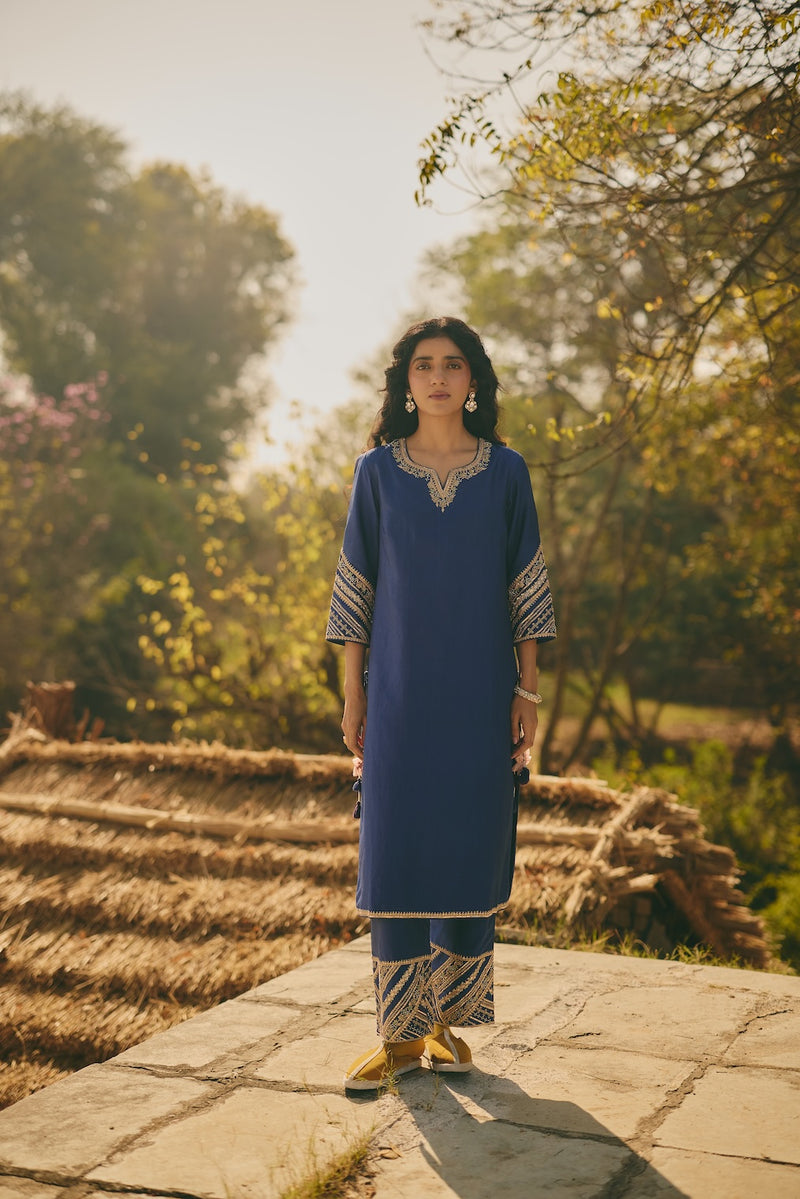
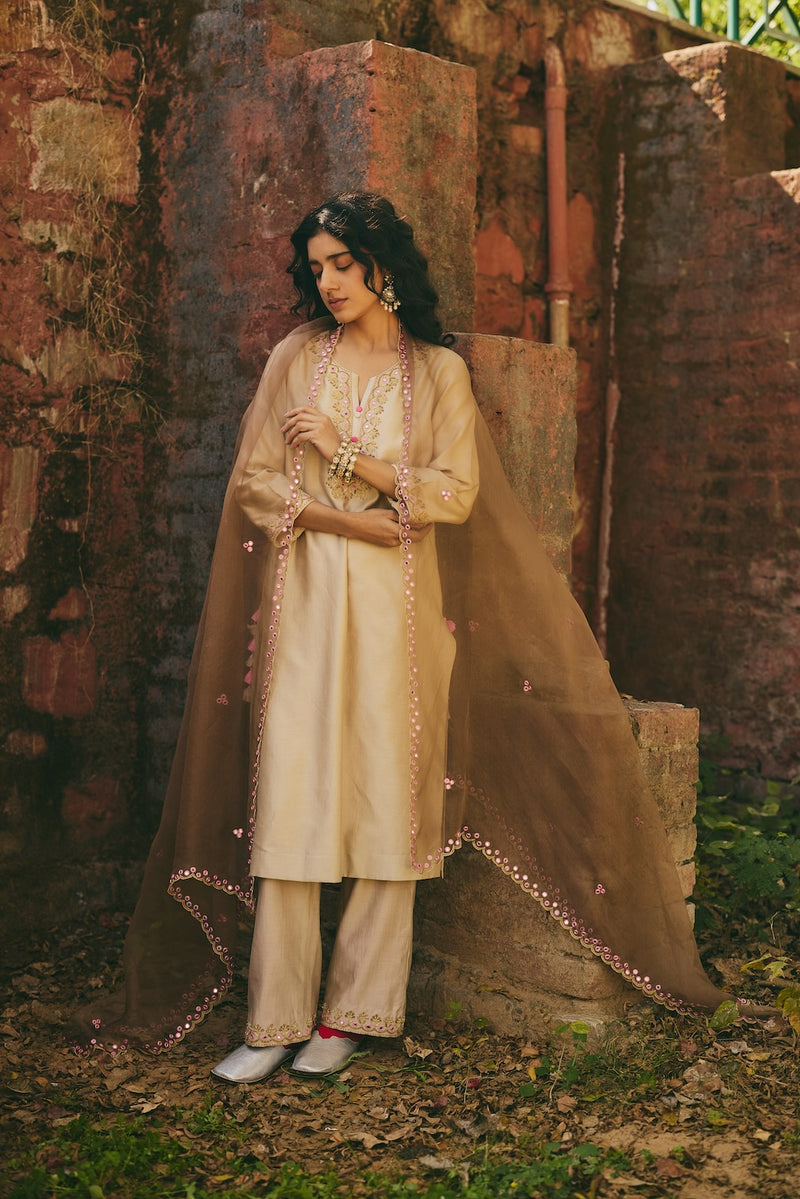
Not at all. While gota patti is synonymous with bridal trousseaux in Rajasthan, lighter applications work beautifully for festivals, pujas, and even elegant dinner parties. A gota-bordered dupatta or a kurta set with gota accents along the neckline and hem — like the FAIZA & RIDA in soft gold silk with gota and thread work — is perfect for everyday festive dressing.
How can I tell if gota patti is handmade?
Handmade gota patti has subtle irregularities — slight variations in motif size, uneven spacing, and visible hand-stitching on the reverse. Machine-applied gota appears perfectly uniform and is typically glued rather than stitched. The back of handmade gota patti will show fine thread marks rather than adhesive residue.
Can gota patti be done on any fabric?
Gota patti works best on fabrics with a tight weave that can support the appliqué — silk, chanderi, organza, and tissue are ideal bases. Sheer fabrics like organza showcase the gota work beautifully because the metallic ribbon catches light against the transparent base. Very stretchy or loosely woven fabrics are not well-suited to this technique.
Ready to Order Custom?
WhatsApp us at +91 70423 11214 with what you're looking for. We'll guide you through measurements, customizations, and timeline.
Most pieces ready in 4-5 weeks. Bridal in 6-8 weeks.
Made to order in 4–5 weeks
Have an event date? We’ll tell you exactly when to order by.
We take a limited number of orders each month — secure your slot early.
Not sure where to start?
Tell us what you're dressing for and we'll help you choose — fabric, fit, colour, and timeline — over WhatsApp.
Your Cart
Pieces from this story
All pieces →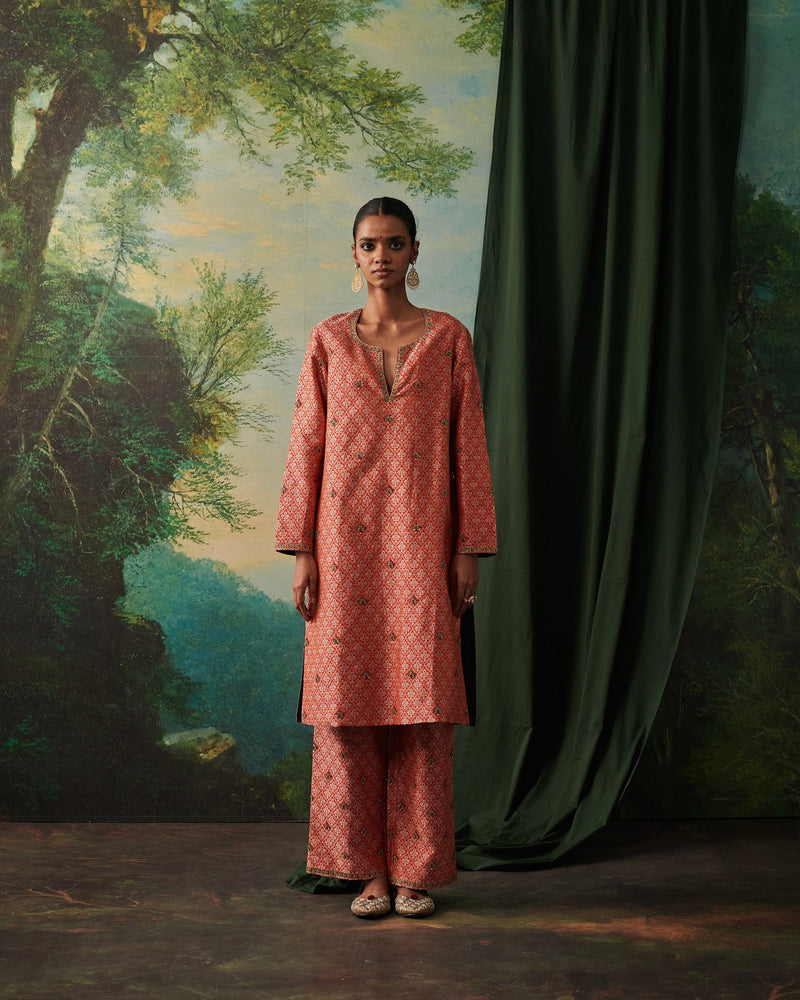
Keep reading
The journal →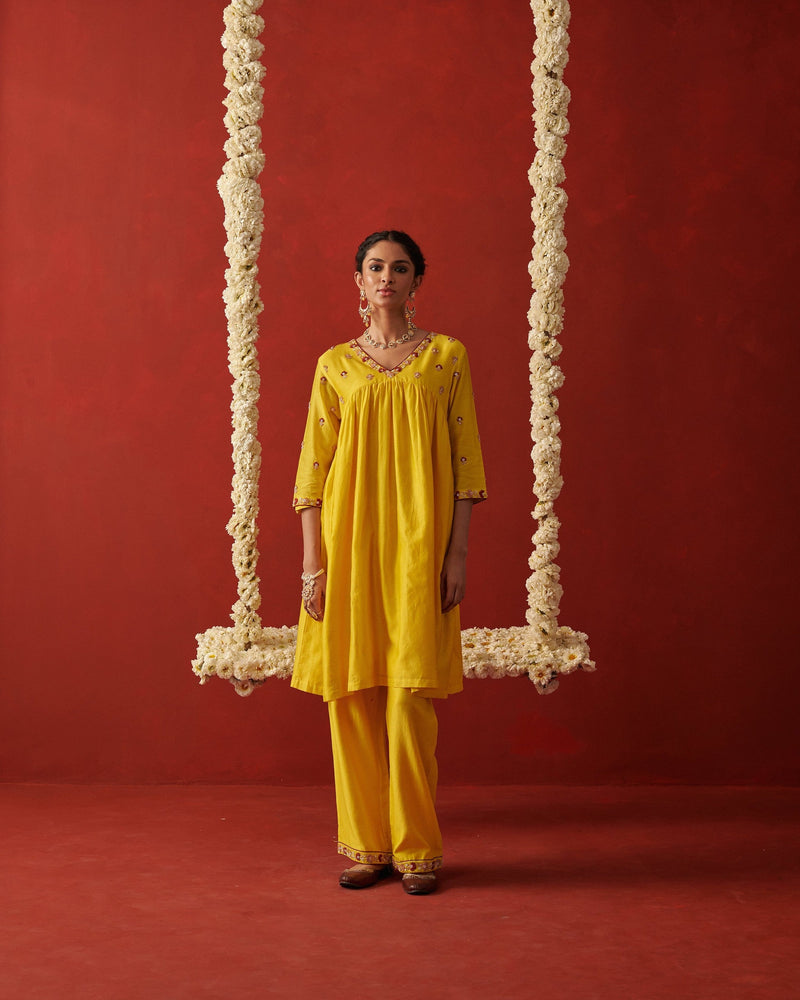
Dholki Night Outfit Ideas: What to Wear to the Ladies' Dhol
Handmade by karigars Made to your measurements Fit guarantee Ships worldwide As seen in GraziaElle Graduat...
27 July 2026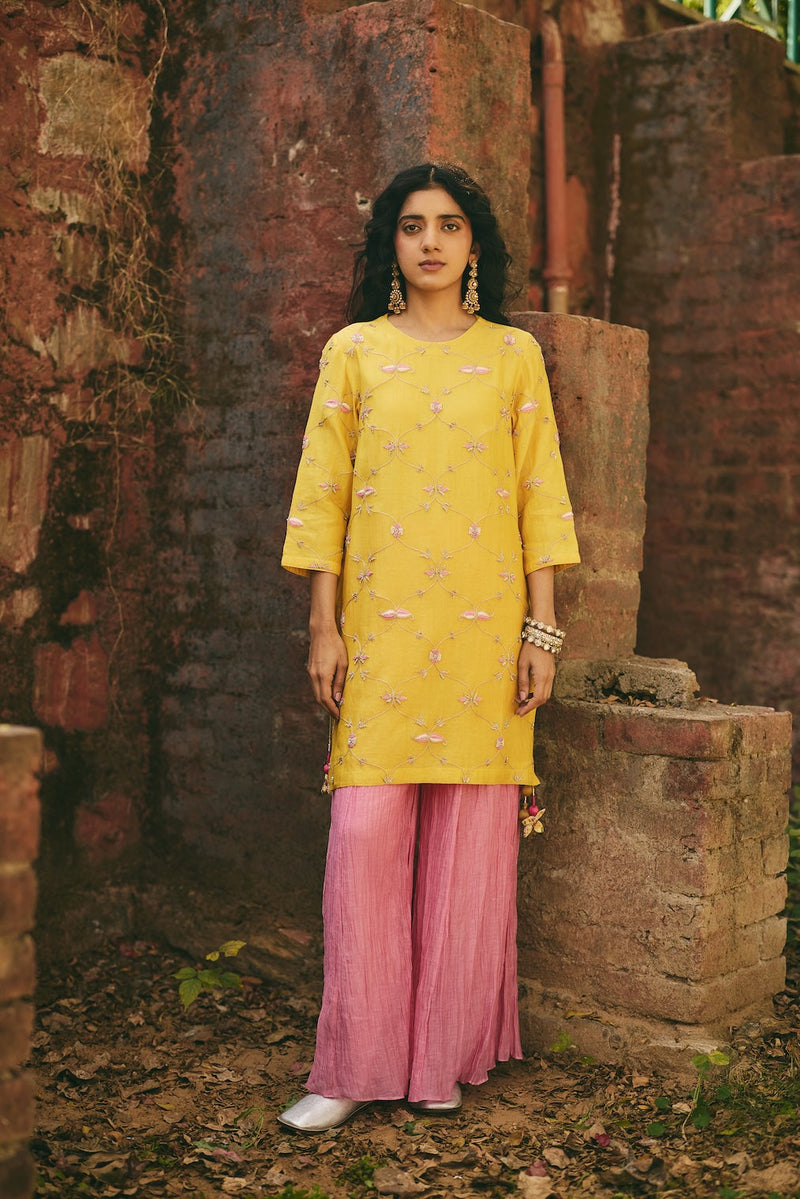
Mayra & Bhaat Outfit Ideas: Dressing for the Maternal Gift Ceremony
Handmade by karigars Made to your measurements Fit guarantee Ships worldwide As seen in GraziaElle Graduat...
27 July 2026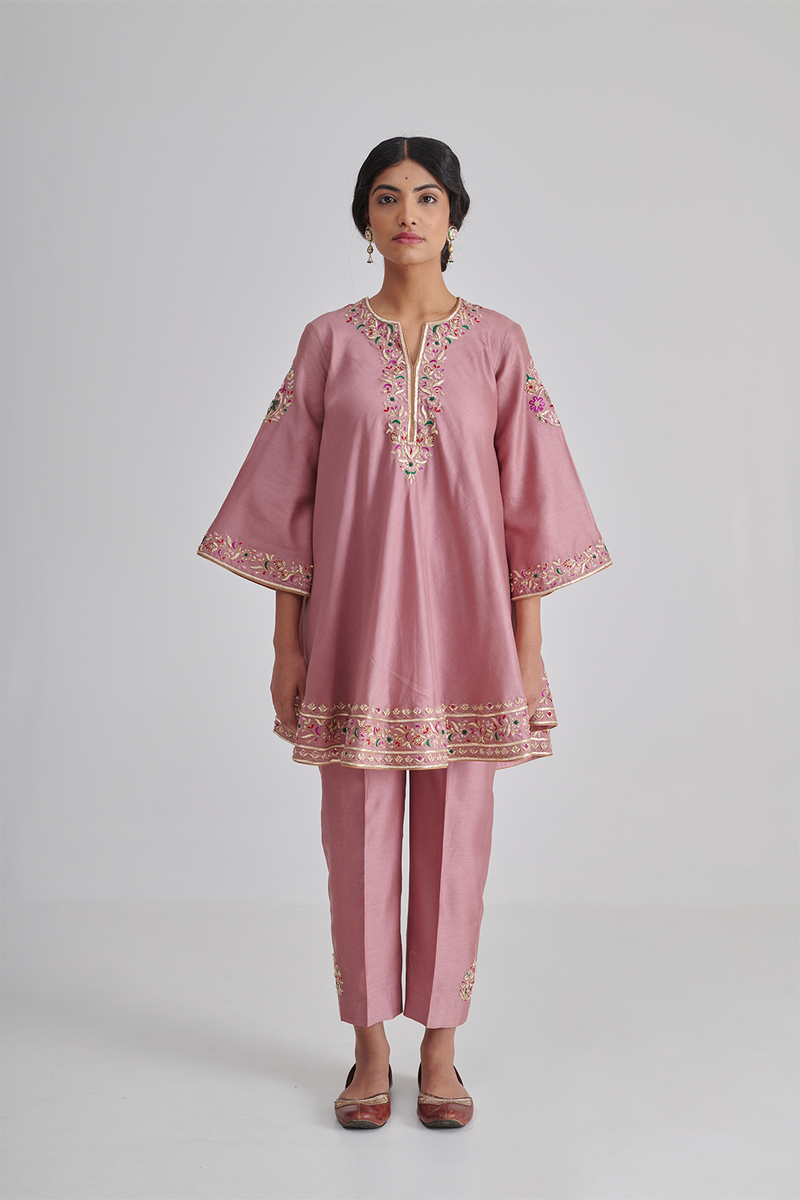
Pag Phera Outfit Ideas: What to Wear for the Bride's Homecoming
Handmade by karigars Made to your measurements Fit guarantee Ships worldwide As seen in GraziaElle Graduat...
27 July 2026