
2026 Wedding Colour Trends: From Soft Pastels to Bold Jewel Tones
The red bridal lehenga isn't going anywhere — but the colour story around Indian weddings has expanded dramatically. In 2026, wedding palettes are more adventurous than ever, with brides and guests exploring soft pastels for day events, bold jewel tones for evening celebrations, and unexpected colour combinations that feel fresh and personal.
Whether you're a bride choosing your trousseau or a guest planning outfits for the wedding circuit, here are the colours defining Indian weddings this year.
The Pastel Wave: Soft Colours for Day Weddings
Pastels have fully arrived in Indian wedding fashion — and they're not just for bridesmaids anymore. Brides are choosing blush pinks, sage greens, soft blues, and ivory for day ceremonies, particularly outdoor and destination weddings where the soft palette works with natural light.
For guests, pastels are a sophisticated and safe choice. They photograph beautifully, feel appropriate without being attention-seeking, and work across all age groups.
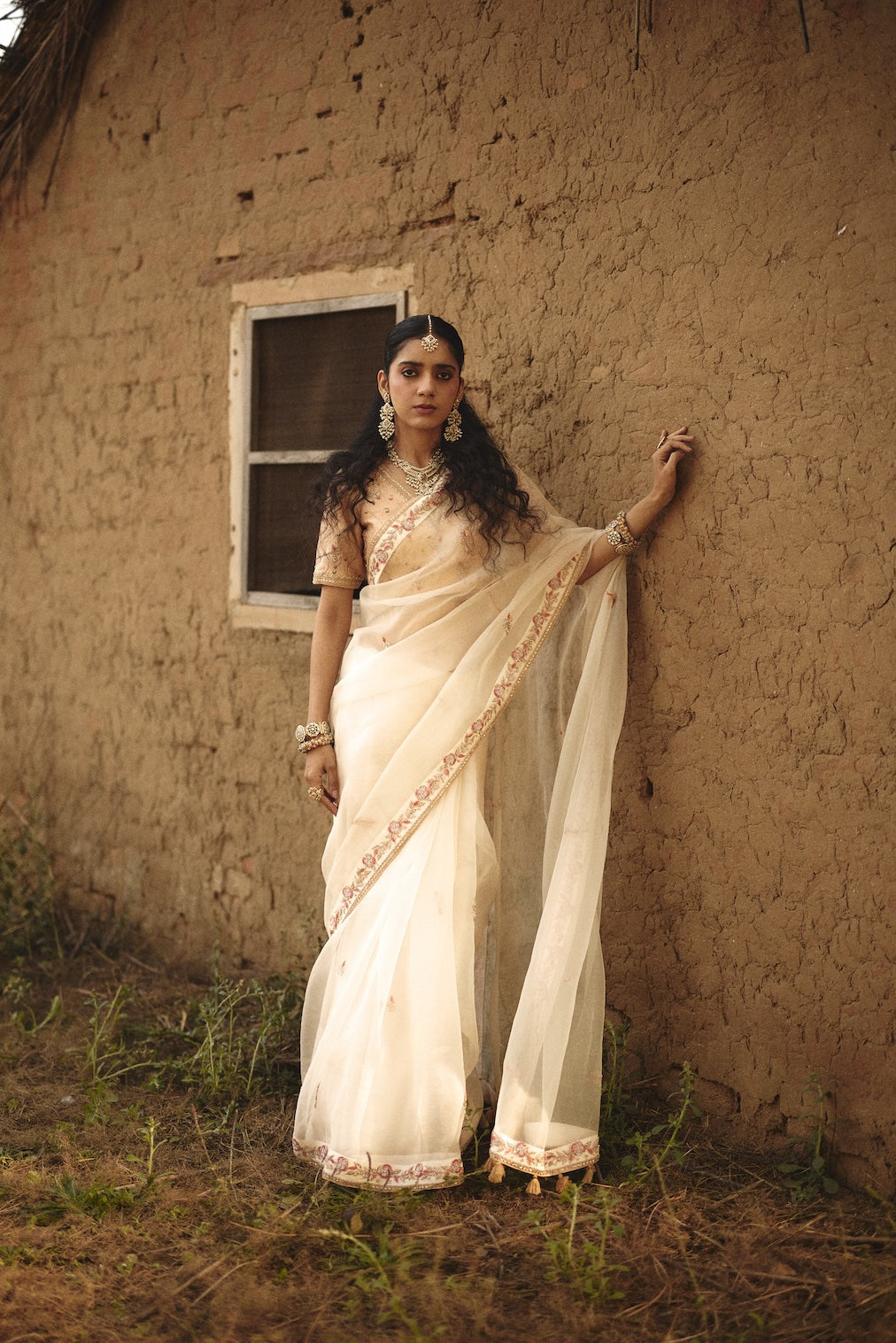
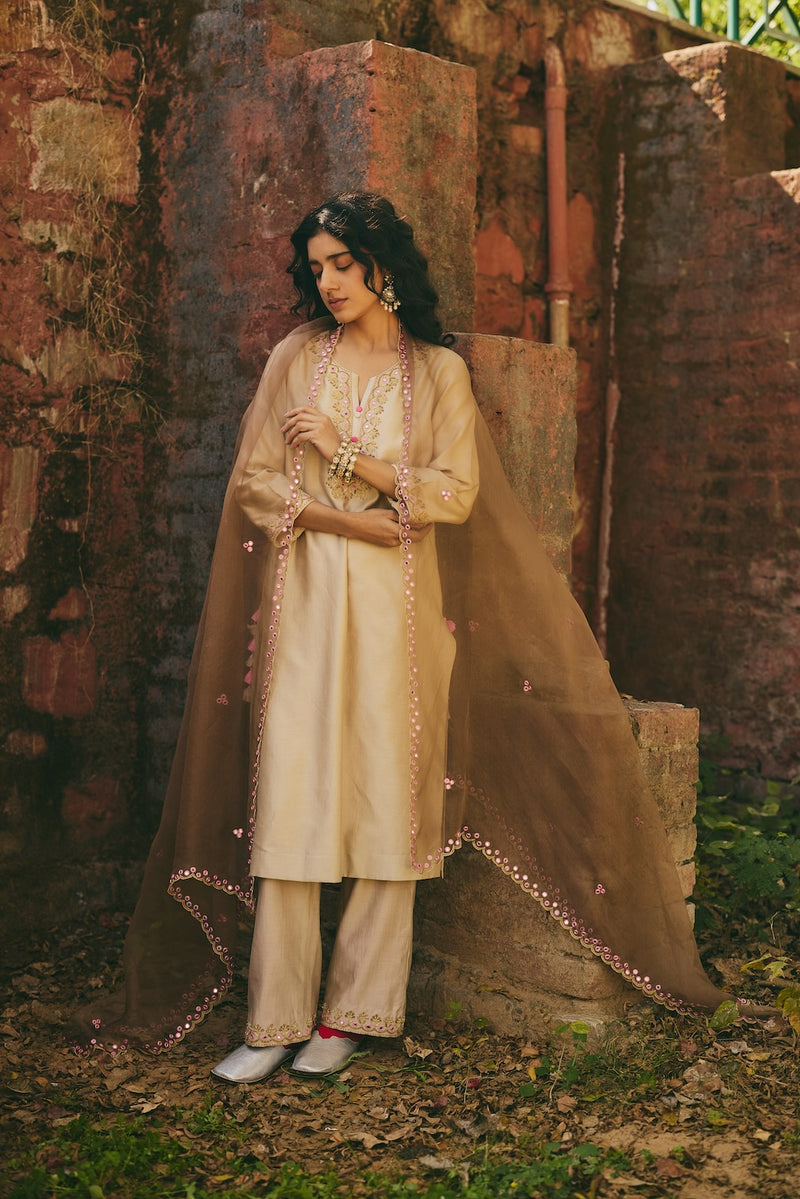
The Shanvi saree in soft ivory organza with a hand-embroidered floral border is the quintessential pastel wedding piece — understated, elegant, and perfect for a temple ceremony or daytime celebration.

The Sahira & Fizza set pairs pistachio green silk with lime yellow pants, combining two pastel-adjacent colours for a look that's light and celebratory. The resham, sequin, cutdana, and bead embroidery adds enough sparkle for a wedding without overwhelming the soft palette.
The Naveli & Ruhi set in dusty rose chanderi with aari, zardozi, and sequin embroidery is the kind of piece that makes pastels feel luxurious rather than washed out. The craftsmanship gives the soft colour real presence.


Pistachio Green: The Breakout Colour of 2026
If there's a single colour having a moment, it's pistachio green. Softer than emerald, warmer than mint, pistachio sits in a sweet spot that works across skin tones and occasions. It feels fresh for spring and summer weddings and pairs beautifully with gold embroidery.
The Bano & Dilruba lehenga in pistachio silk tissue with rose and vine embroidery is a standout — the colour combined with the tissue fabric's shimmer creates something that feels modern and incredibly special.

Jewel Tones: Making a Statement After Dark
When the sun goes down, the palette gets bolder. Jewel tones — deep emerald, royal fuchsia, rich purple, sapphire blue — own the evening. These colours command attention in candlelight and against the typical gold and warm lighting of Indian wedding venues.
The Ferozaan & Gulraaz anarkali in jewel-toned fuchsia is described as something that "commands attention" — and it delivers. With vintage Persian tapestry-inspired embroidery, it's a piece designed for grand celebrations.

The Mastani, Leyla & Nalini set brings emerald bandhani jacquard silk into a modern one-shoulder silhouette. Emerald green is the perfect jewel tone for wedding guests who want to look festive without wearing red or pink.
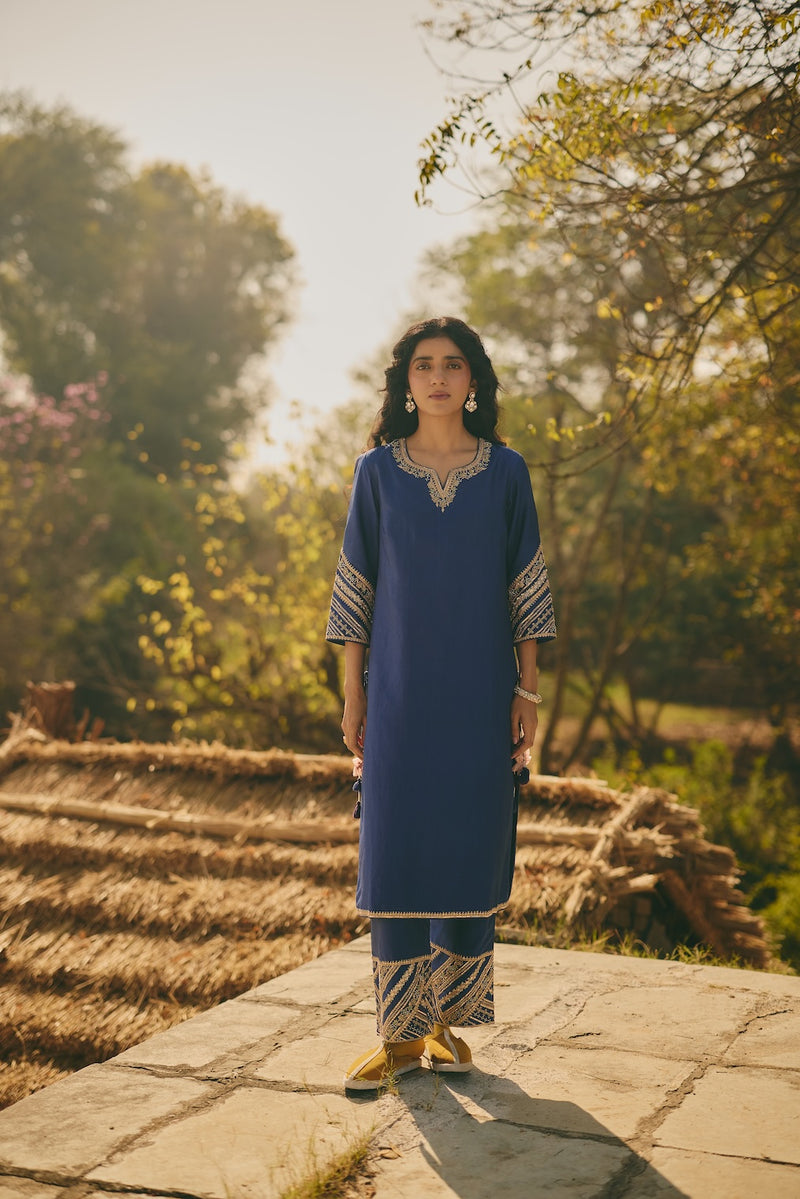
For something regal, the Aashiqui saree in deep royal blue chiffon with sequin and cutdana floral motifs brings a colour that's unexpected at Indian weddings but absolutely stunning — especially for sangeet nights and reception parties.


Bold Colour-Blocking: The New Wedding Power Move
One of the most exciting colour trends for 2026 weddings is intentional colour-blocking — pairing two bold colours in a single outfit. It's confident, modern, and impossible to ignore.
Free Download
Get Our Measurement Guide
Step-by-step instructions with photos for perfect custom fit.
Download Free GuideThe Jiya & Eshna set pairs fuchsia silk with papaya orange pants — a combination that sounds daring but looks incredible, especially with gold marodi work bridging the two colours.
The Mehergul & Abroo lehenga in striking rani pink silk with sequins, cutdana, and thread work floral vines proves that sometimes the boldest colour choice is committing fully to one saturated shade and making it your own.


How to Choose Your Wedding Colour
Consider the time of day. Pastels and lighter colours work best for day events — they glow in natural light. Save jewel tones and deeper colours for evening functions where warm lighting makes them shine.
Think about the venue. Outdoor garden weddings pair beautifully with blush, pistachio, and soft blue. Grand banquet halls can handle deep emerald, fuchsia, and royal blue. Beach weddings love ivory, coral, and turquoise.
Mind the function. Haldi calls for yellow and warm tones. Mehendi is playful — go bold with colour-blocking or bright greens. Sangeet is your chance to experiment. The main ceremony has more expectations around colour — check with the family if unsure.
Don't clash with the bride. Ask what the bride is wearing and avoid that exact colour. If the bride is in red, you have free range. If she's in pastel pink, perhaps choose a different pastel or a jewel tone instead.
Trust your skin tone. Cool skin tones look beautiful in fuchsia, emerald, royal blue, and soft pink. Warm skin tones glow in coral, pistachio, mustard, and champagne gold. When in doubt, gold embroidery flatters everyone.
Frequently Asked Questions
Can I wear white or ivory to an Indian wedding?
Context matters. In traditional settings, white is associated with mourning and should be avoided. However, ivory, off-white, and champagne are now increasingly accepted at modern celebrations, especially when embellished with gold or colour embroidery. Read the room and the family's preferences.
Is it okay to wear black to a wedding?
Black is increasingly accepted at modern Indian weddings, especially for cocktail parties, sangeets, and receptions. A beautifully embroidered black outfit with gold or colourful embroidery is far from sombre — it's sophisticated. Avoid it for traditional ceremonies if the family is conservative.
What's the safest colour for a wedding guest?
You can never go wrong with a rich jewel tone — emerald, royal blue, or deep fuchsia. These colours are festive, photograph well, and work across most wedding functions. Pair with gold accessories and you're set.
Can brides wear colours other than red?
Absolutely — 2026 brides are choosing everything from blush pink and pistachio to deep wine and champagne gold. The "rules" about bridal colours are evolving. Choose what makes you feel beautiful and connects with your personal style.
Ready to Order Custom?
WhatsApp us at +91 70423 11214 with what you're looking for. We'll guide you through measurements, customizations, and timeline.
Most pieces ready in 4-5 weeks. Bridal in 6-8 weeks.
Made to order in 4–5 weeks
Have an event date? We’ll tell you exactly when to order by.
We take a limited number of orders each month — secure your slot early.
Not sure where to start?
Tell us what you're dressing for and we'll help you choose — fabric, fit, colour, and timeline — over WhatsApp.
Your Cart
Pieces from this story
All pieces →
Keep reading
The journal →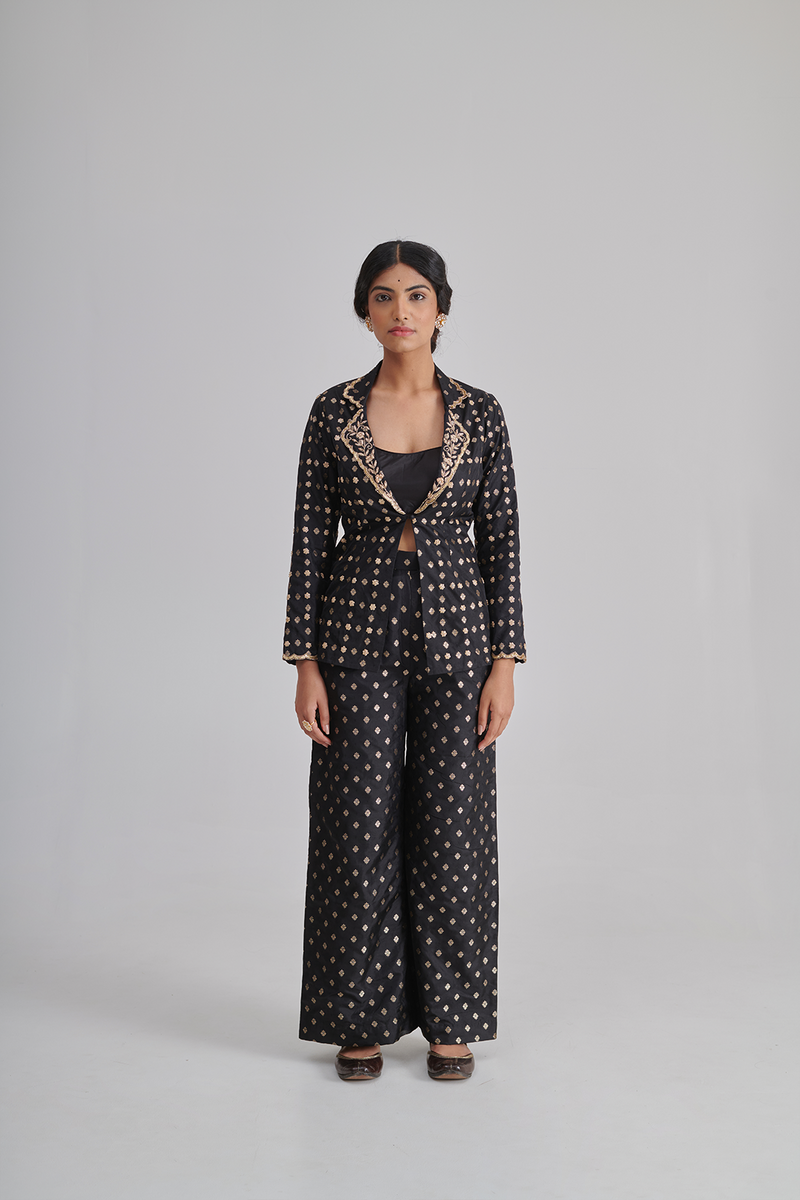
Diwali Abroad: What to Wear to the Office Potluck, the Community Dinner & the House Party
Handmade by karigars Made to your measurements Fit guarantee Ships worldwide As seen in GraziaElle Graduat...
20 September 2026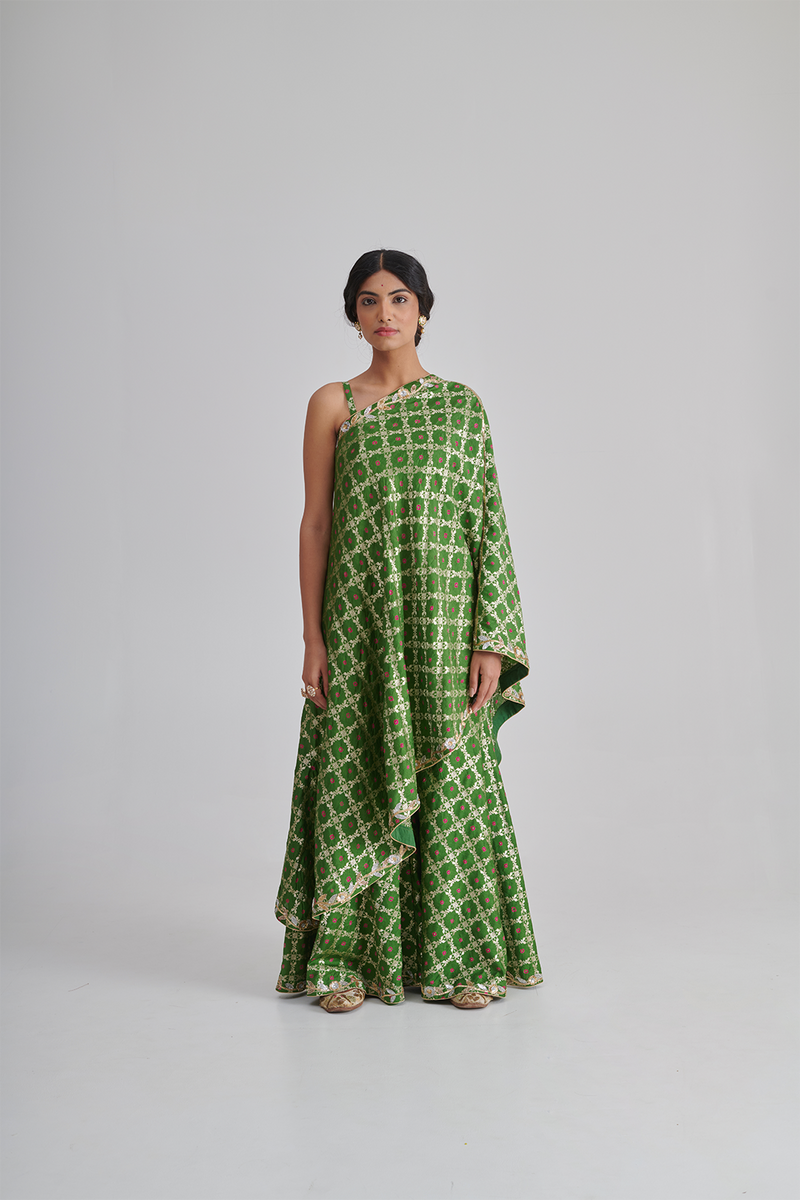
Garba Abroad: What to Wear to Navratri in the US, UK, Canada & Australia
Handmade by karigars Made to your measurements Fit guarantee Ships worldwide As seen in GraziaElle Graduat...
20 September 2026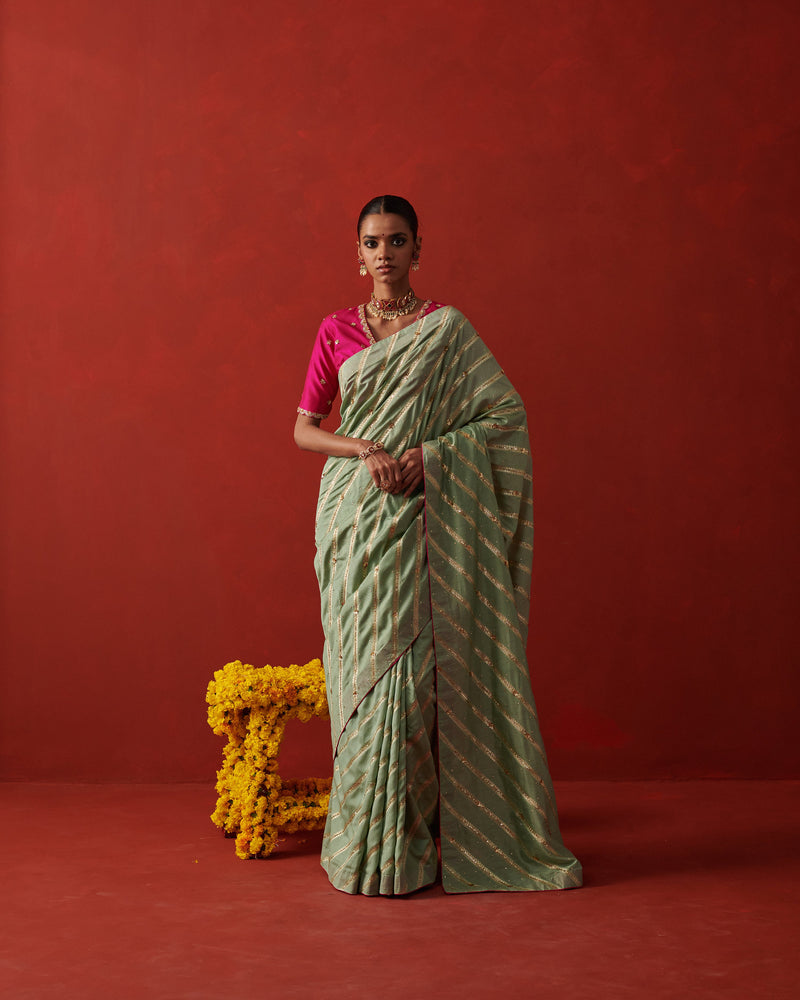
Where to Shop for Indian Clothes in Singapore & Malaysia: A Complete Guide
Handmade by karigars Made to your measurements Fit guarantee Ships worldwide As seen in GraziaElle Graduat...
20 September 2026