
Cape Dupattas & Jacket Lehengas: The 2026 Guide to Dupatta-Free Indian Outfits
If you've ever spent an entire wedding reception adjusting a slipping dupatta, you already understand why cape dupattas and jacket lehengas are having their moment. The dupatta is beautiful — but for many women, it's also the most frustrating part of getting dressed in Indian wear.
2026 has brought a wave of structured alternatives that give you the layered elegance of a dupatta without the constant management. Capes, jackets, shrugs, and structured dupattas that stay put — all designed so you can actually enjoy the event instead of babysitting your outfit.
The Problem with Traditional Dupattas (Let's Be Honest)
Traditional dupattas are gorgeous draped across a shoulder or spread for photos. But in real life:
- They slip off constantly, especially on silk or satin outfits
- They restrict arm movement — eating, dancing, greeting people
- They get caught in chairs, stepped on, snagged on jewellery
- For destination weddings and outdoor events, wind is a constant battle
- Getting the drape to look right in photos requires repositioning every time
None of this means the dupatta is going away. It's an integral part of Indian dressing. But having alternatives for the occasions where practicality matters — that's not replacing tradition, it's evolving it.
Cape Dupattas: The Best of Both Worlds
A cape dupatta is essentially a dupatta that's been constructed to sit on the shoulders like a cape — flowing, elegant, but secured at the neckline or shoulders so it doesn't need constant adjustment.
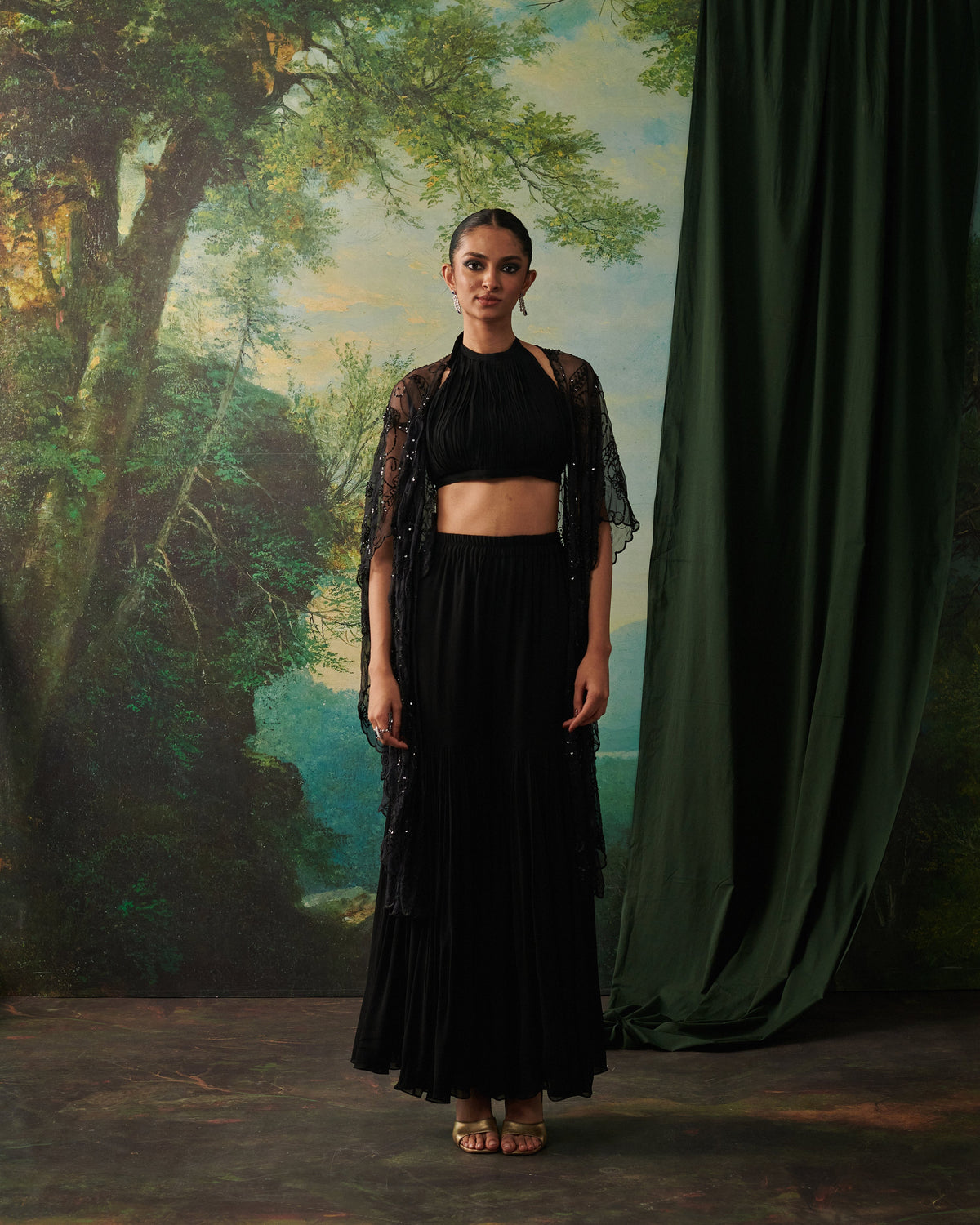
The Saadgi, Arzoo & Naaz set features a black organza cape with scalloped edges and hand-embroidered sequin work — it moves beautifully but stays anchored.

When to choose a cape dupatta:
- Sangeet and cocktail nights where you'll be dancing
- Outdoor events where wind would be an issue
- When you want dramatic movement in photos without constant adjustment
- Events where you'll be on your feet for hours
Cape Shirts: Modern Layering
Cape-style shirts and tops offer structured layering without the formality of a heavy dupatta. They work especially well for daytime events, smaller gatherings, and festive dinners.


The Ira & Hoor cape shirt in silk cotton with zari checks and the Heeriye & Avika in silk zari stripe both offer this structured elegance — hand-embroidered detailing along collar and cuffs, with the cape silhouette providing the layered effect of a dupatta.
The Rang Cape: Sheer Drama Without the Dupatta
For women who want the dramatic flow of a dupatta without the draping — a sheer embroidered cape is the answer. The Rang, Sasha & Tasha set features a black organza cape with multicolour floral vines in sequins and resham thread, paired with a blouse and dhoti pants.
Free Download
Get Our Measurement Guide
Step-by-step instructions with photos for perfect custom fit.
Download Free Guide
This kind of piece works for receptions, cocktail parties, and evening events where you want impact without the constant adjustment that a loose dupatta demands.
Jacket Lehengas: Structure Meets Festive
The jacket lehenga replaces the dupatta entirely with a structured jacket or long-line blouse that sits over the lehenga skirt. It creates a contemporary silhouette that's part Indian, part global — and it's been one of the most searched bridal alternatives of the year.
Jacket styles that work:
- Peplum jackets: Fitted at the waist, flared at the hip — works like a lengthened blouse
- Long-line jackets: Floor-length or knee-length, worn open over the lehenga
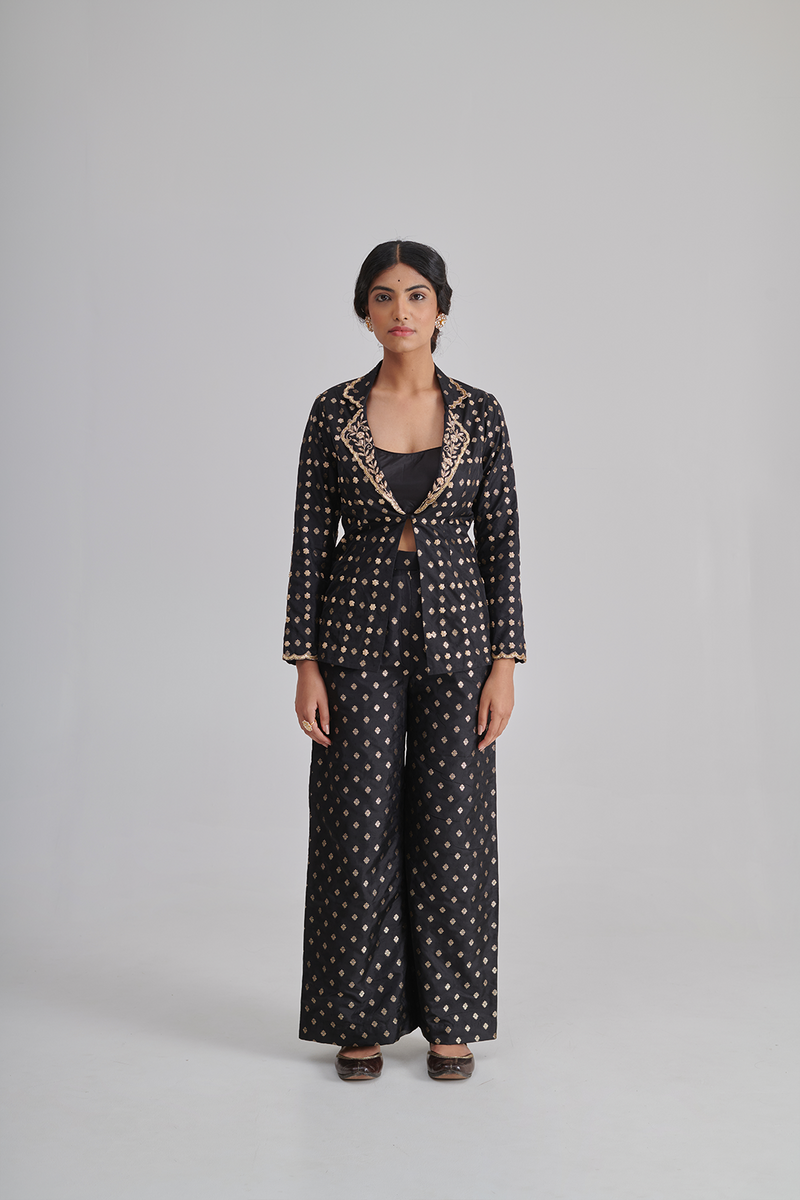
- Blazer style: Like the Raat Rani, Vani & Kiyara set in black Varanasi silk brocade — a structured blazer paired with pants and a dupatta, showing how jacket silhouettes work in Indian occasion wear

When to Go Dupatta-Free
Best occasions for capes and jackets:
- Sangeet: You're dancing. A cape moves with you. A dupatta fights you.
- Cocktail parties: The vibe is modern and chic. A jacket lehenga or cape set fits perfectly.
- Destination weddings: Beach, garden, or hillside — wind and loose fabric don't mix.
- Reception: All-evening events where comfort matters as much as style.
When to keep the dupatta:
- Wedding ceremony (pheras, varmala): The dupatta has cultural and ceremonial significance here.
- Religious events: Where covering the head is expected or respectful.
- When you want that classic draped photo: Nothing replaces a beautifully draped dupatta spread in bridal photography.
Styling Tips for Cape and Jacket Outfits
Let the cape be the statement. If your cape has embroidery or is in a bold colour, keep the base outfit relatively simple. The interplay between a worked cape and a clean base creates more elegance than embroidery everywhere.
Match metals, not colours. Your cape and base outfit don't need to be the same colour — but the embroidery metallic (gold or silver) should be consistent across both pieces.
Earrings over necklaces. Capes frame the neckline differently than a draped dupatta. Statement earrings work better than heavy necklaces with most cape silhouettes.
Explore: dupattas · lehengas · kurta sets · shop all
Ready to Order Custom?
WhatsApp us at +91 70423 11214 with what you're looking for. We'll guide you through measurements, customizations, and timeline.
Most pieces ready in 4-5 weeks. Bridal in 6-8 weeks.
Made to order in 4–5 weeks
Have an event date? We’ll tell you exactly when to order by.
We take a limited number of orders each month — secure your slot early.
WhatsApp me my order-by date + a shortlistNot sure where to start?
Tell us what you're dressing for and we'll help you choose — fabric, fit, colour, and timeline — over WhatsApp or on a video call.
Your Cart
Pieces from this story
All pieces →Not sure which piece, or need it by a date? Book a video consultation Ask us on WhatsApp


Keep reading
The journal →
An Indian Wedding Guest on a Budget, Abroad: How to Dress for Every Function Without Overspending
Dressing for an Indian wedding abroad, or flying to India for one, on a budget: fewer pieces, smart re-wears, dupatta...
29 September 2026
How Many Outfits Do You Need for an Indian Wedding? A Guide by Role and Function
How many outfits you need for an Indian wedding: guest, close family, sister or mother of the bride. How to repeat sm...
29 September 2026
Gifts for Your Mother-in-Law: Indian Outfits That Don't Feel Like a Formality
What to gift your mother-in-law — sarees, dupattas and kurta sets by budget for Diwali and Karva Chauth, how to get h...
17 September 2026