
Detachable Lehengas & Convertible Indian Outfits: One Investment, Multiple Looks
Here's the uncomfortable truth about Indian occasion wear: most pieces get worn once. Maybe twice. A lehenga bought for ₹50,000 or ₹1,00,000 sits in a wardrobe for years, too specific for any other event, too emotionally attached to give away.
The 2026 answer to this problem is convertible Indian wear — outfits designed with detachable, interchangeable, and re-styleable elements so you get multiple looks from a single investment. It's not a compromise on quality or design. It's smarter design.
What Makes an Outfit "Convertible"?
Convertible Indian outfits are built with separability in mind. The components are designed to work together as a set but also stand alone or combine with other pieces:
- Detachable dupattas/capes: A set where the cape or dupatta can be removed entirely, transforming the outfit from a three-piece to a two-piece
- Separable blouse-skirt combinations: A lehenga blouse that works as a standalone crop top. A lehenga skirt that pairs with a different top.
- Multi-way draping: Dupattas that can be draped as a cape, a stole, or traditional shoulder drape
- Mix-and-match colour blocking: Sets where each piece is in a different but complementary colour, so each component pairs with existing wardrobe pieces
How Smart Separates Work in Practice
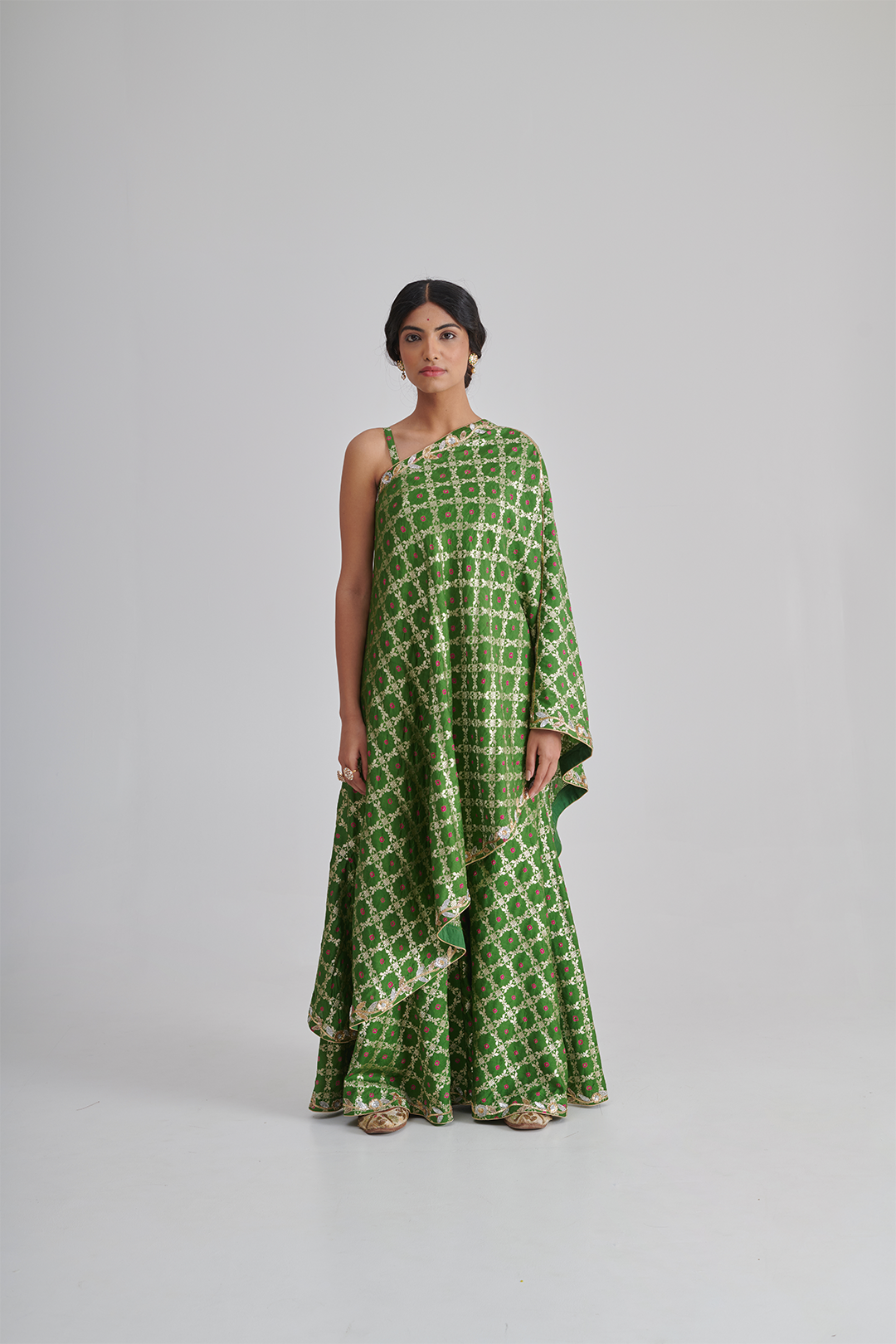
Consider the Mastani, Leyla & Nalini set — an emerald cheniya bandhani jacquard silk set with intricate floral motifs in gold and silver thread. The ensemble includes separate pieces that work together for a full festive look, but the individual components can be restyled:

The embroidered dupatta works with any solid-colour outfit. The blouse pairs with other skirts. You're not locked into one combination.
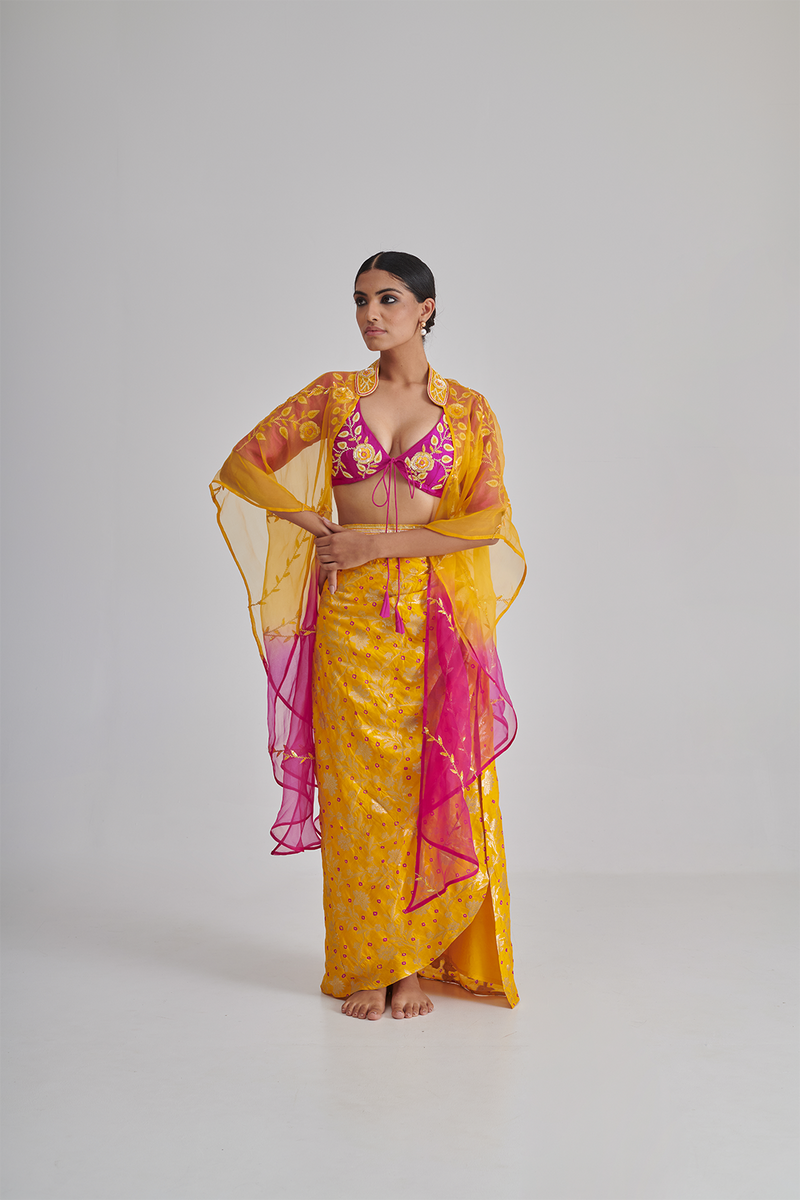
Similarly, the Madhubala, Izhaar & Aina — a cape, blouse, and dhoti pant set — gives you a complete formal look together, but the cape works over any blouse, and the dhoti pants pair with kurtas or shirts.

The Economics of Convertible Wear
Let's do the maths on why this matters:
Traditional approach: Buy one complete outfit for each event. Five weddings in a season = five outfits. Even at mid-range pricing, that's ₹1,00,000–₹2,50,000.
Convertible approach: Buy three well-designed sets with interchangeable pieces. Mix the blouses, dupattas, and bottoms across sets. Three purchases, but you can create 8–10 distinct looks.
This isn't about being budget-conscious — it's about being smart with your wardrobe. A luxury piece that works in multiple configurations is a better investment than a luxury piece that works in one.
The Best Convertible Combinations
1. Embroidered blouse + multiple bottoms
Free Download
Get Our Measurement Guide
Step-by-step instructions with photos for perfect custom fit.
Download Free GuideAn intricately embroidered blouse is the most versatile hero piece. Pair it with a lehenga for a wedding, a saree for a reception, or high-waisted pants for a cocktail party. The Amora, Samaira & Amira set's fuchsia dupion silk blouse with floral embroidery and a bandhani dupatta is the kind of piece that anchors multiple outfits.
2. Dupatta as the transformer
A beautifully embroidered dupatta is the ultimate convertible piece. Wear it with a kurta set one day, drape it over a plain saree the next, use it as a cape with a blouse and skirt for a third look. Our dupatta collection is designed with exactly this versatility in mind.


3. Shirts that cross contexts
Embroidered shirts are inherently convertible — they work with Indian bottoms (shararas, palazzos, dhoti pants) and western ones (tailored trousers, jeans). The Noori & Nagma cape shirt dupion silk shirt with gold vine embroidery transitions from a festive dinner with a sharara to a brunch with white trousers.
4. Cape sets
A cape can be added to or removed from almost any outfit. The Rang, Sasha & Tasha set's black organza cape with multicolour embroidery works over the matching blouse-dhoti, but also over a plain black kurta, a cocktail dress, or even a saree blouse.
Building a Convertible Indian Wardrobe
If you're starting from scratch or rethinking your approach, here's a framework:
Start with three base colours: Pick three colours that work together — for example, ivory/gold, emerald, and deep pink. When your pieces share a colour family, mixing and matching becomes effortless.
Invest in hero pieces: Spend more on the embroidered blouses, worked dupattas, and statement pieces. These are the components that elevate everything they touch. Bottoms and inner layers can be simpler.
Think in components, not outfits: When shopping, ask yourself: "Can I wear this piece with at least two other things I already own?" If yes, it's a smart purchase. If it only works as part of one specific set, think carefully.
Handcrafted separates hold up: Quality embroidery on silk, chanderi, or brocade looks just as special paired with different pieces as it does in its original set. Machine-made outfits tend to look "mismatched" when separated — handcraft doesn't have this problem because each piece has intrinsic beauty.
The Sustainability Angle
There's a deeper reason convertible wear matters in 2026: sustainability. The Indian fashion industry produces an enormous amount of single-occasion garments. A handcrafted outfit that gets worn five or ten times — in different combinations — is far more sustainable than five fast-fashion outfits worn once each.
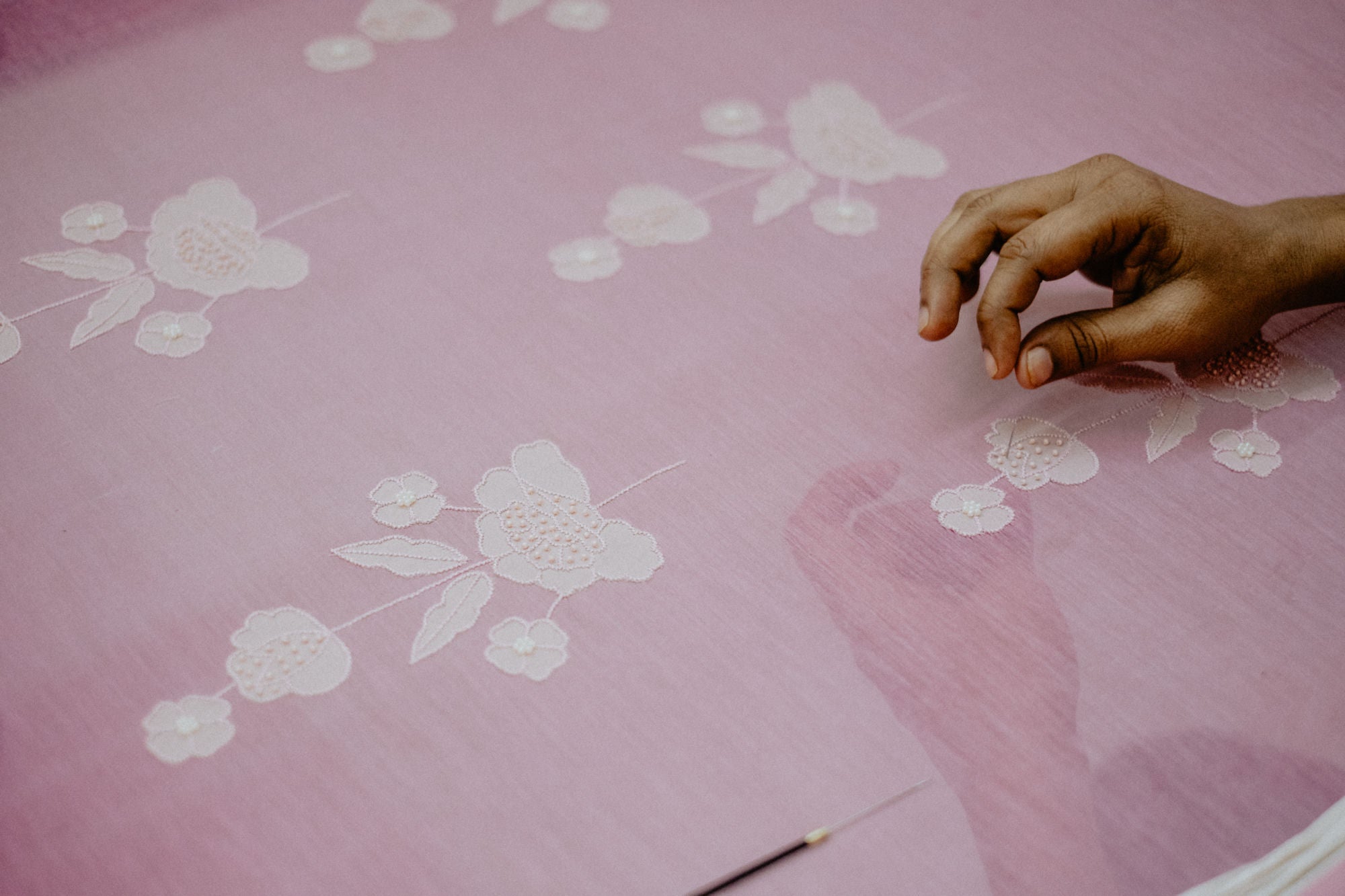
When a karigar spends weeks embroidering a blouse, that work deserves to be seen more than once. Convertible dressing honours the craft by maximising its presence in your life.
Explore: kurta sets · dupattas · lehengas · shirts · shop all
Ready to Order Custom?
WhatsApp us at +91 70423 11214 with what you're looking for. We'll guide you through measurements, customizations, and timeline.
Most pieces ready in 4-5 weeks. Bridal in 6-8 weeks.
Made to order in 4–5 weeks
Have an event date? We’ll tell you exactly when to order by.
We take a limited number of orders each month — secure your slot early.
WhatsApp me my order-by date + a shortlistNot sure where to start?
Tell us what you're dressing for and we'll help you choose — fabric, fit, colour, and timeline — over WhatsApp or on a video call.
Your Cart
Pieces from this story
All pieces →Not sure which piece, or need it by a date? Book a video consultation Ask us on WhatsApp




Keep reading
The journal →
Sharara vs Lehenga: Which Should You Wear to the Wedding?
Sharara or lehenga? Compare comfort, dancing, travel, height, cost, re-wear and photos — and which wedding function e...
1 October 2026
How Many Outfits Do You Need for an Indian Wedding? A Guide by Role and Function
How many outfits you need for an Indian wedding: guest, close family, sister or mother of the bride. How to repeat sm...
29 September 2026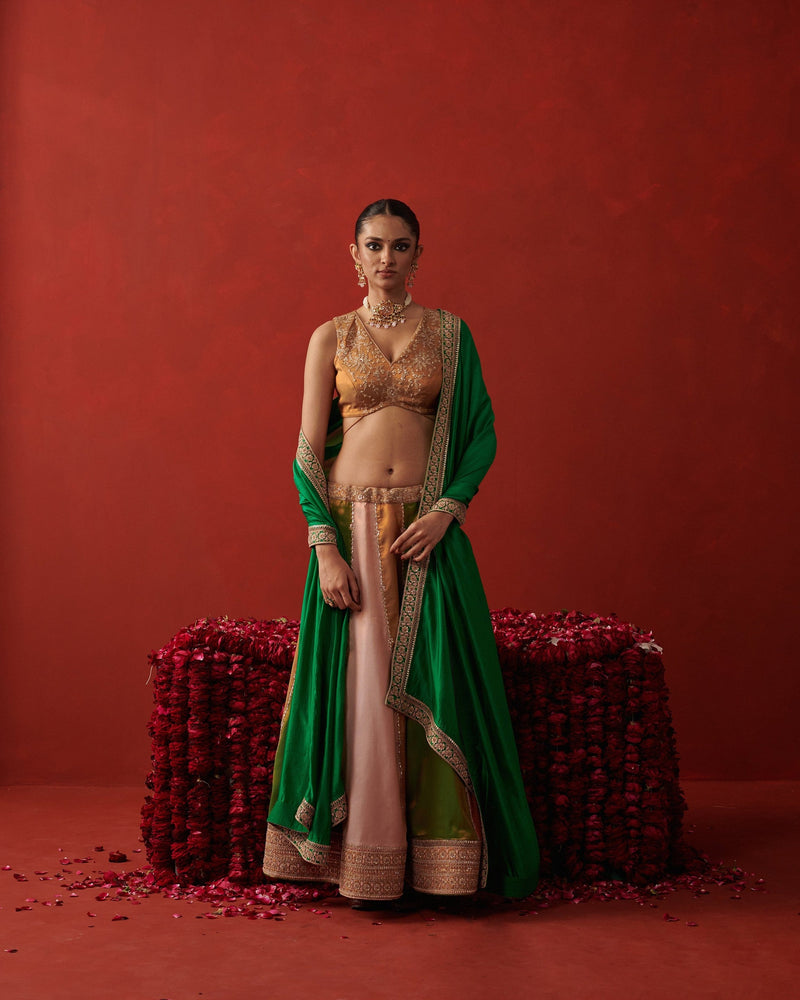
Designer Lehengas Under ₹50,000: What Your Money Actually Buys in 2026
Designer lehengas under ₹50,000 for weddings and festive season 2026 — what each price band buys, hand-embroidered pi...
14 September 2026