
Chaitra Navratri 2026: What to Wear Each Day — 9 Colour Outfit Guide
Chaitra Navratri 2026 begins on March 19 — nine days of worship, renewal, and the quiet discipline of dressing with intention. Each day carries a specific colour associated with a form of Goddess Durga, and dressing in that colour is both a devotional act and a way of carrying the day's energy with you.
Here's a complete guide to the nine colours of Chaitra Navratri 2026, with outfit suggestions from our handcrafted collections that honour the occasion with the craftsmanship it deserves.
Day 1 — Yellow (Pratipada, March 19)
Yellow represents brightness, optimism, and the auspicious beginning of Navratri. It's the colour of Goddess Shailputri — energy in its purest, most radiant form.
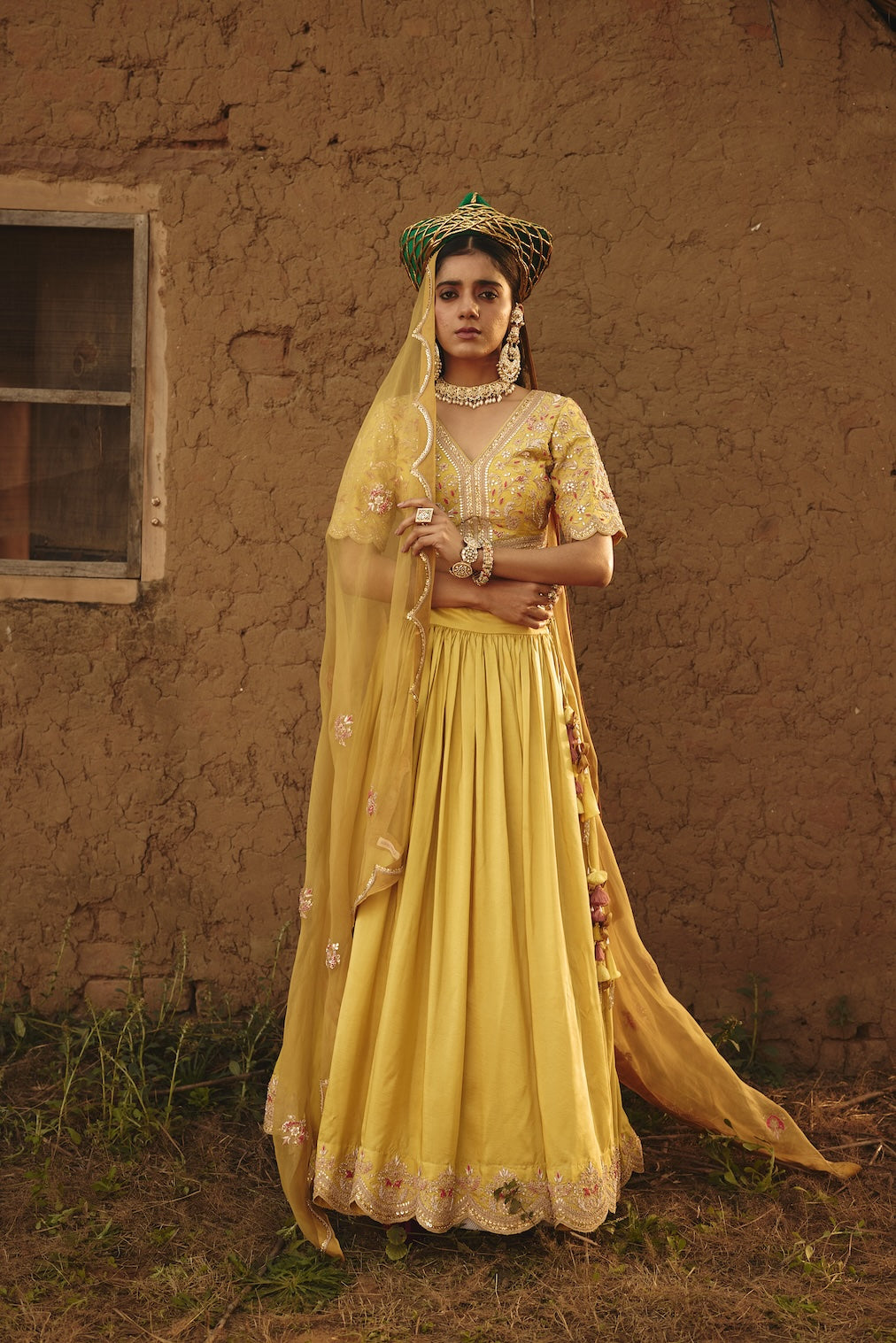
The Driti & Hesyra lehenga in a radiant yellow silk with hand-embroidered sequins and gota work is a stunning choice for the first day. For a lighter option, the Afreen & Maahi kurta set in sunshine yellow chanderi with sequins, nakshi, cutdana, and thread work brings festive joy without heaviness.


A yellow dupatta can transform any neutral outfit: the Nureen dupatta in sunshine yellow chanderi with sequin, cutdana, and bead embroidery adds festive radiance to a simple kurta.
Day 2 — Green (Dwitiya, March 20)
Green honours Goddess Brahmacharini — symbolising growth, fertility, and nature's abundance. From deep emerald to soft pistachio, green is one of the most versatile Navratri colours.
The Mastani, Leyla & Nalini in emerald cheniya bandhani jacquard silk is a showstopper three-piece set featuring gold and silver woven motifs. For a daytime look, the Sahira & Fizza in soft pistachio green silk with marodi and aari embroidery offers understated elegance.

Day 3 — Grey (Tritiya, March 21)
Grey represents the strength and balance of Goddess Chandraghanta. It's an unusual Navratri colour that rewards thoughtful styling — a tonal approach works beautifully here.
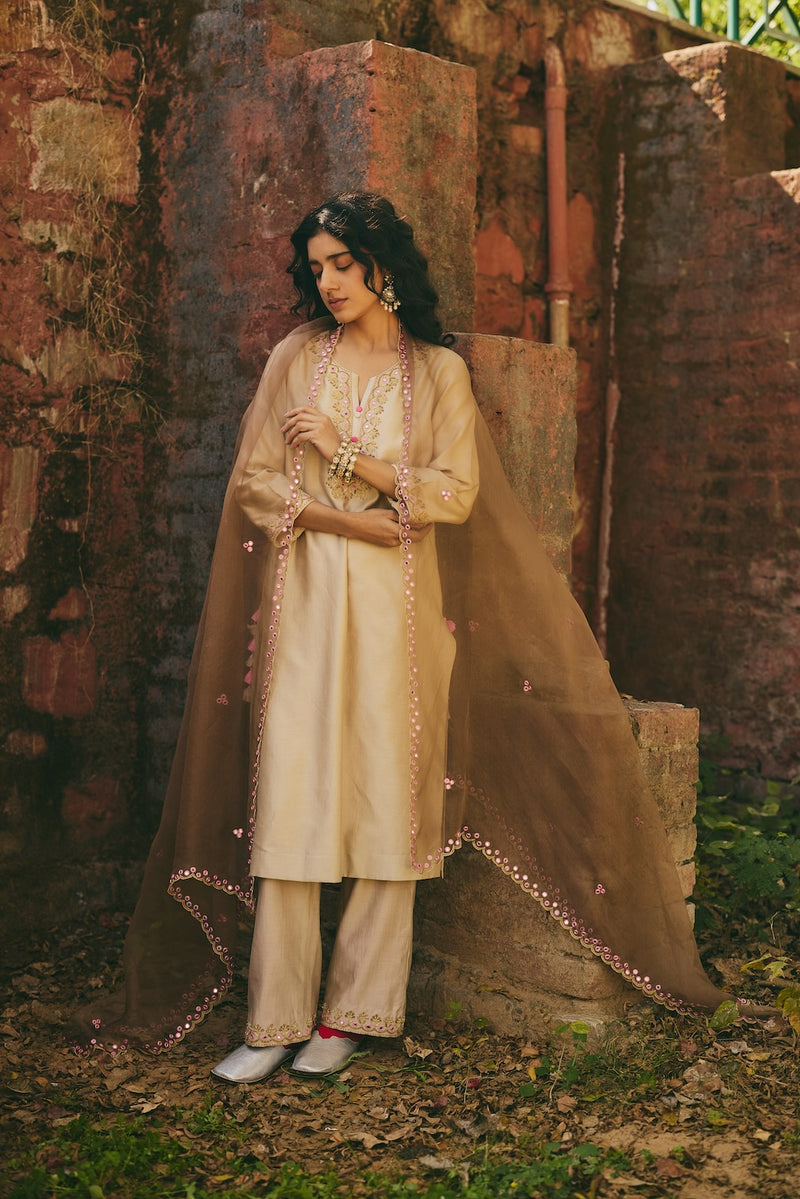
Pair a silver-grey or champagne-toned outfit with silver jewellery. The Darya & Keya kurta set in a sophisticated champagne-taupe silk with marodi, sequin, and zardozi embroidery brings a refined elegance to this understated day.

Day 4 — Orange (Chaturthi, March 22)
Orange channels the fiery courage of Goddess Kushmanda — it's bold, warm, and deeply festive in Indian tradition.
The Raanisa & Mahira lehenga in vibrant sindoori orange woven booti silk with gota, marodi, bead, and resham embroidery is a statement piece for this energetic day. For a lighter take, the Rimjhim dupatta in orange organza with cutdana, sequin, and thread embroidery adds festive warmth to any outfit.


Day 5 — White (Panchami, March 23)
White represents the purity and wisdom of Goddess Skandamata. It's a day that calls for clean, serene elegance — ivory, off-white, and pearl tones all work beautifully.
The Noor & Ahana ivory woven anarkali with Mukesh work and hand-embroidered floral motifs is one of our most refined silhouettes — the texture of Mukesh metalwork on ivory creates visual richness without any colour.

For a saree, the Shanvi in soft ivory organza with hand-embroidered sequin and thread work embodies ethereal beauty.
Day 6 — Red (Shashthi, March 24)
Red is the colour of Goddess Katyayani — passion, power, and auspiciousness. It's the most universally festive colour in Indian culture, and Navratri is the perfect occasion to wear it fully.
Free Download
Get Our Measurement Guide
Step-by-step instructions with photos for perfect custom fit.
Download Free GuideThe Laal Ishq saree in deep vermillion organza silk with hand-embroidered sequins, cutdana, and gota work is a tribute to timeless romance. The Jazabah & Saiyan kurta set in deep red silk with marodi, sequin, and bead embroidery offers a richer, more festive alternative.


Day 7 — Royal Blue (Saptami, March 25)
Royal blue honours Goddess Kaalratri — its depth represents divine protection and spiritual awakening. Blue is often underused in Indian festive wear, which makes it all the more striking when worn well.
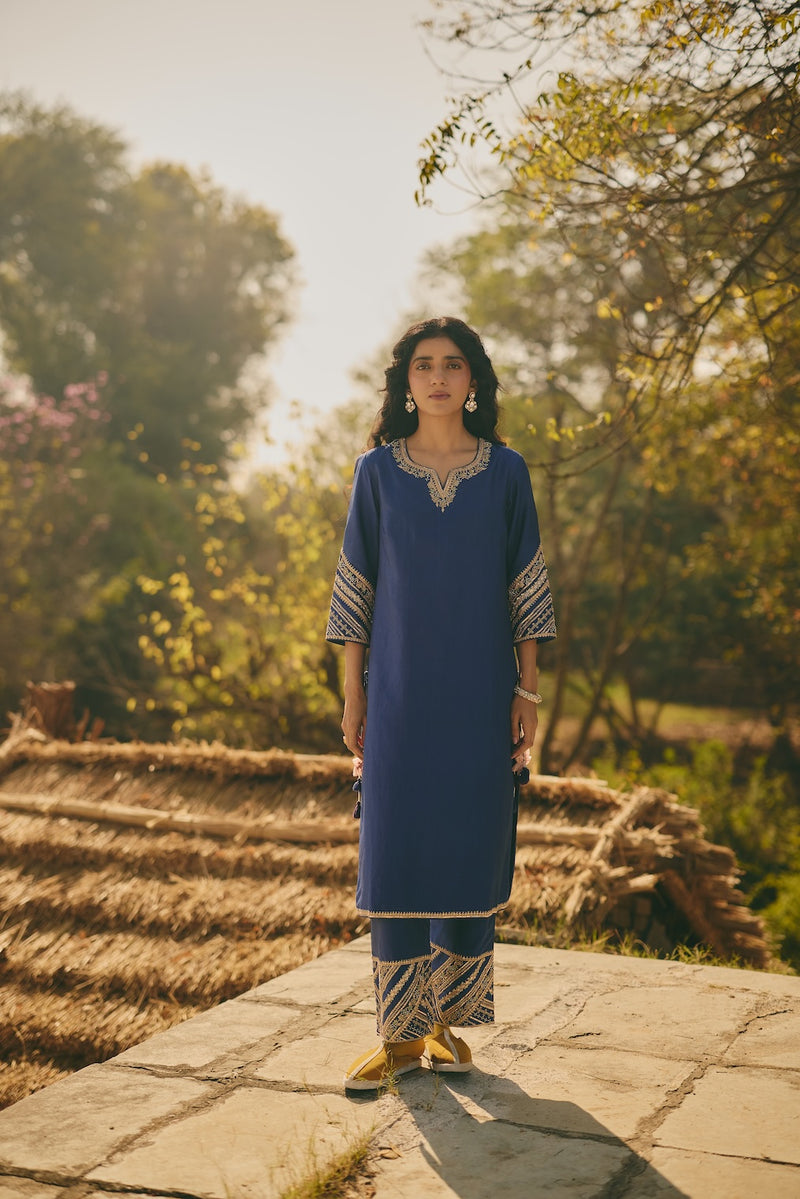
The Aashiqui saree in deep royal blue chiffon features hand-embroidered sequin bootis and a gold border — a nod to vintage glamour. The Ameera & Hoorain kurta set in deep sapphire blue silk with zardozi, sequin, and bead work offers opulent yet wearable elegance.

Day 8 — Pink (Ashtami, March 26)
Pink represents the gentle compassion of Goddess Mahagauri — it's feminine, warm, and deeply connected to celebration in Indian culture.
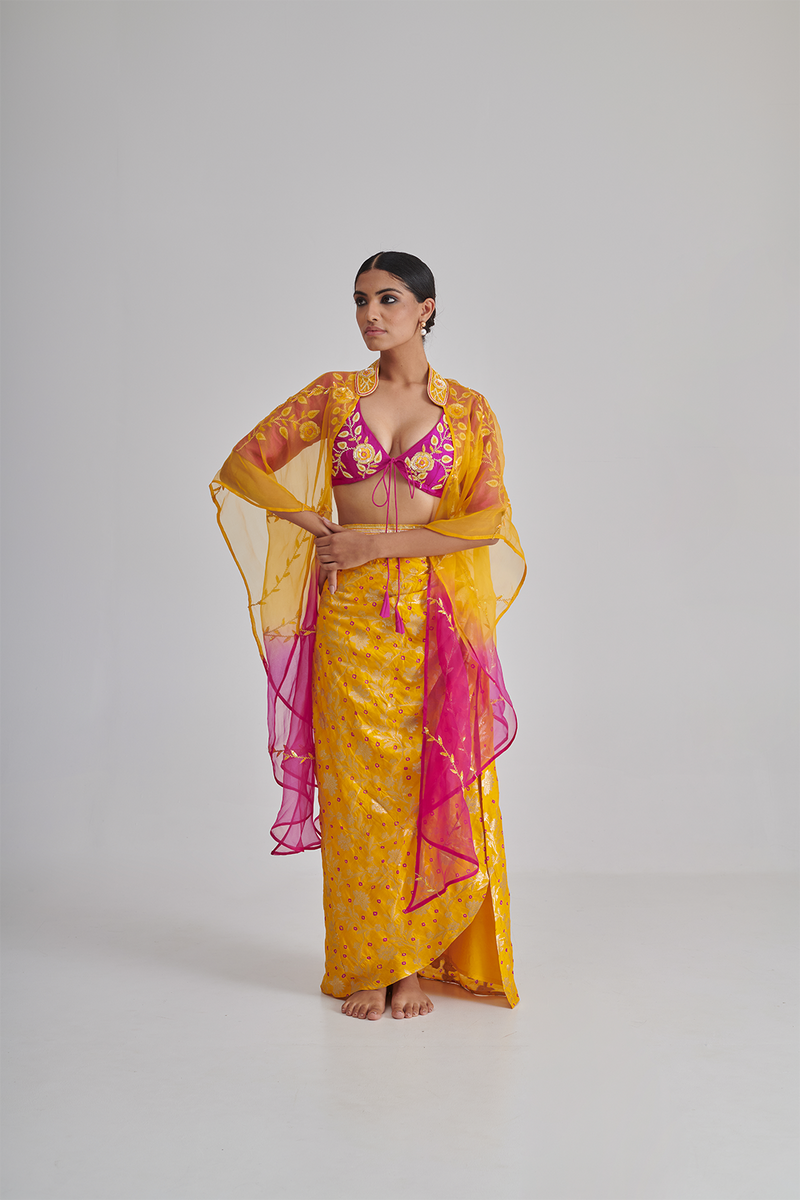
The Noorpari & Surkh silk kurta in vibrant rose pink with hand-embroidered neckline and hem is a celebration of colour and craft. For evening, the Teya saree in bold fuchsia chiffon with sequin, cutdana, and thread embroidery is vibrant and contemporary.


Day 9 — Purple (Navami, March 27)
Purple — the colour of Goddess Siddhidatri — represents luxury, spiritual fulfilment, and the triumphant close of Navratri. It's a colour that demands a sense of occasion.
The Zehan & Aabha sharara set in majestic purple silk features dense hand-embroidered landscape motifs — zardozi, sequins, and cutdana work covering a regal surface. This is a garment designed for the final, most celebratory day of Navratri.

For a lighter purple option, the Ranjha saree in plum georgette with hand-embroidered scalloped lines and floral jaals offers an elegant, flowing alternative.
How to Style Your Navratri Outfits
Match your jewellery to the day's colour. Gold jewellery pairs with warm colours (yellow, orange, red, pink). Silver and diamond jewellery complements cool colours (blue, purple, grey, white, green).
A hand-embroidered dupatta can carry the colour. If you don't have a full outfit in a specific colour, draping a dupatta in the day's colour over a neutral kurta is a beautiful and practical approach. Browse our dupatta collection for options.
Comfort matters across nine days. Choose breathable fabrics like chanderi, organza, and chiffon for spring weather. Save heavier silks and brocades for the final days when the celebrations are most elaborate.
Frequently Asked Questions
Do I have to wear the exact Navratri colour every day?
There's no strict rule — wearing the day's colour is a tradition, not an obligation. Even incorporating the colour through a dupatta, jewellery, or accessory counts. The intention matters more than the precision.
What if I don't own an outfit in a specific colour?
A dupatta in the right colour can transform any neutral outfit into a Navratri look. Ivory, beige, and black outfits work as a base for any colour dupatta.
Are Chaitra Navratri colours different from Sharad Navratri?
Yes, the nine colours assigned to each day differ between Chaitra and Sharad Navratri. The colours are determined by the day of the week and the corresponding planet — since Navratri falls on different dates each year, the colour sequence changes.
Ready to Order Custom?
WhatsApp us at +91 70423 11214 with what you're looking for. We'll guide you through measurements, customizations, and timeline.
Most pieces ready in 4-5 weeks. Bridal in 6-8 weeks.
Made to order in 4–5 weeks
Have an event date? We’ll tell you exactly when to order by.
We take a limited number of orders each month — secure your slot early.
Not sure where to start?
Tell us what you're dressing for and we'll help you choose — fabric, fit, colour, and timeline — over WhatsApp.
Your Cart
Pieces from this story
All pieces →
Keep reading
The journal →
Dholki Night Outfit Ideas: What to Wear to the Ladies' Dhol
Handmade by karigars Made to your measurements Fit guarantee Ships worldwide As seen in GraziaElle Graduat...
27 July 2026
Mayra & Bhaat Outfit Ideas: Dressing for the Maternal Gift Ceremony
Handmade by karigars Made to your measurements Fit guarantee Ships worldwide As seen in GraziaElle Graduat...
27 July 2026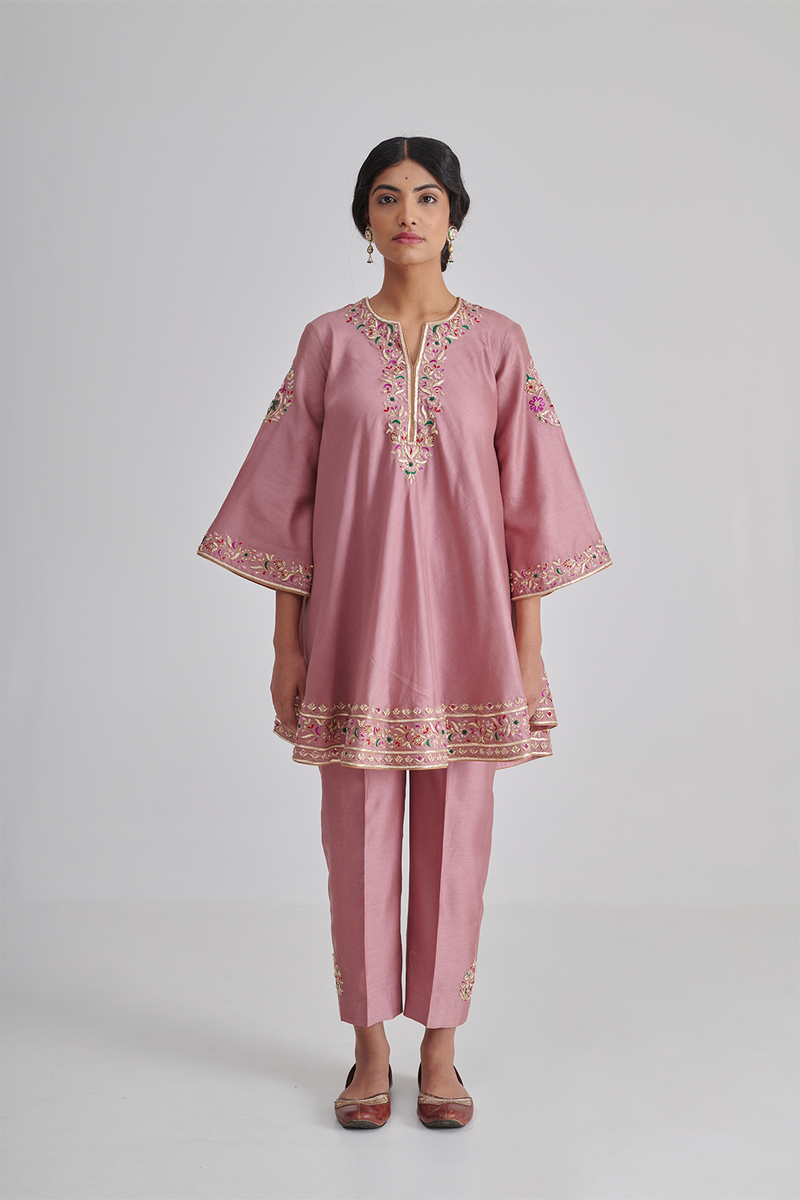
Pag Phera Outfit Ideas: What to Wear for the Bride's Homecoming
Handmade by karigars Made to your measurements Fit guarantee Ships worldwide As seen in GraziaElle Graduat...
27 July 2026