
Chanderi Fabric: Everything You Need to Know About India's Most Elegant Weave
There is a fabric in India that manages to be both regal and effortless — light enough to float in a breeze, yet luminous enough to hold its own at a wedding. That fabric is Chanderi. Named after the small town of Chanderi in Madhya Pradesh where it has been woven for over 700 years, this textile is one of India's most beloved handloom treasures.
If you have ever held a Chanderi dupatta and noticed how it catches light with a soft, almost liquid shimmer, you have experienced what makes this fabric extraordinary. Here is a complete guide to Chanderi — its history, how it is made, and why it remains one of the most versatile fabrics in Indian fashion.
What Is Chanderi Fabric?
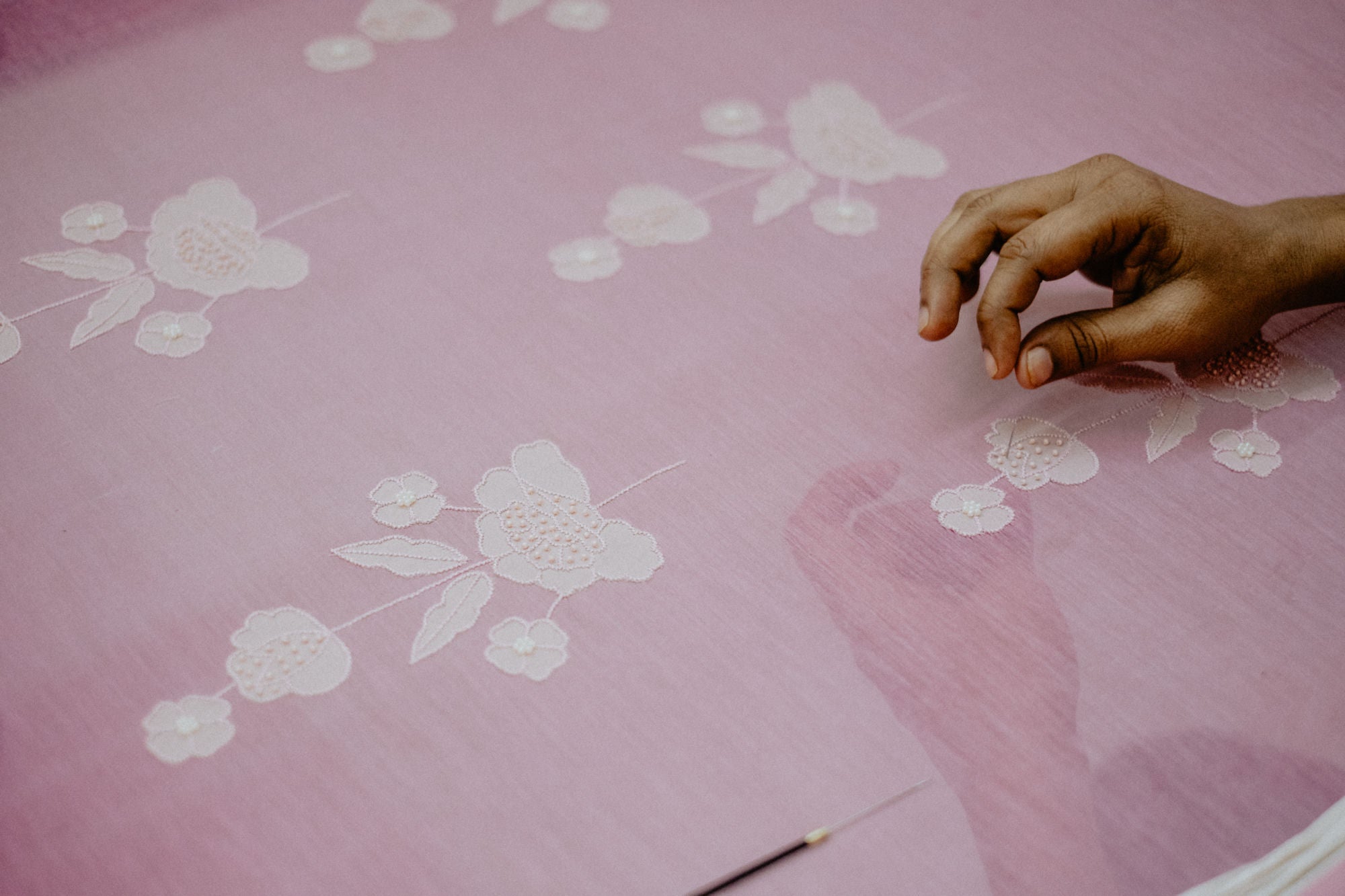
Chanderi is a lightweight, handwoven fabric produced in the town of Chanderi in Madhya Pradesh's Ashoknagar district. The fabric is known for its sheer texture, fine lustre, and airy drape — qualities that come from the unique blend of silk and cotton threads used in its weaving.
What sets Chanderi apart from other Indian textiles is its transparency and shimmer. The fabric has a natural translucence that makes it ideal for layering, and its silk content gives it a soft glow without the heaviness of pure silk. It drapes beautifully, making it a favourite for kurta sets, sarees, and dupattas.
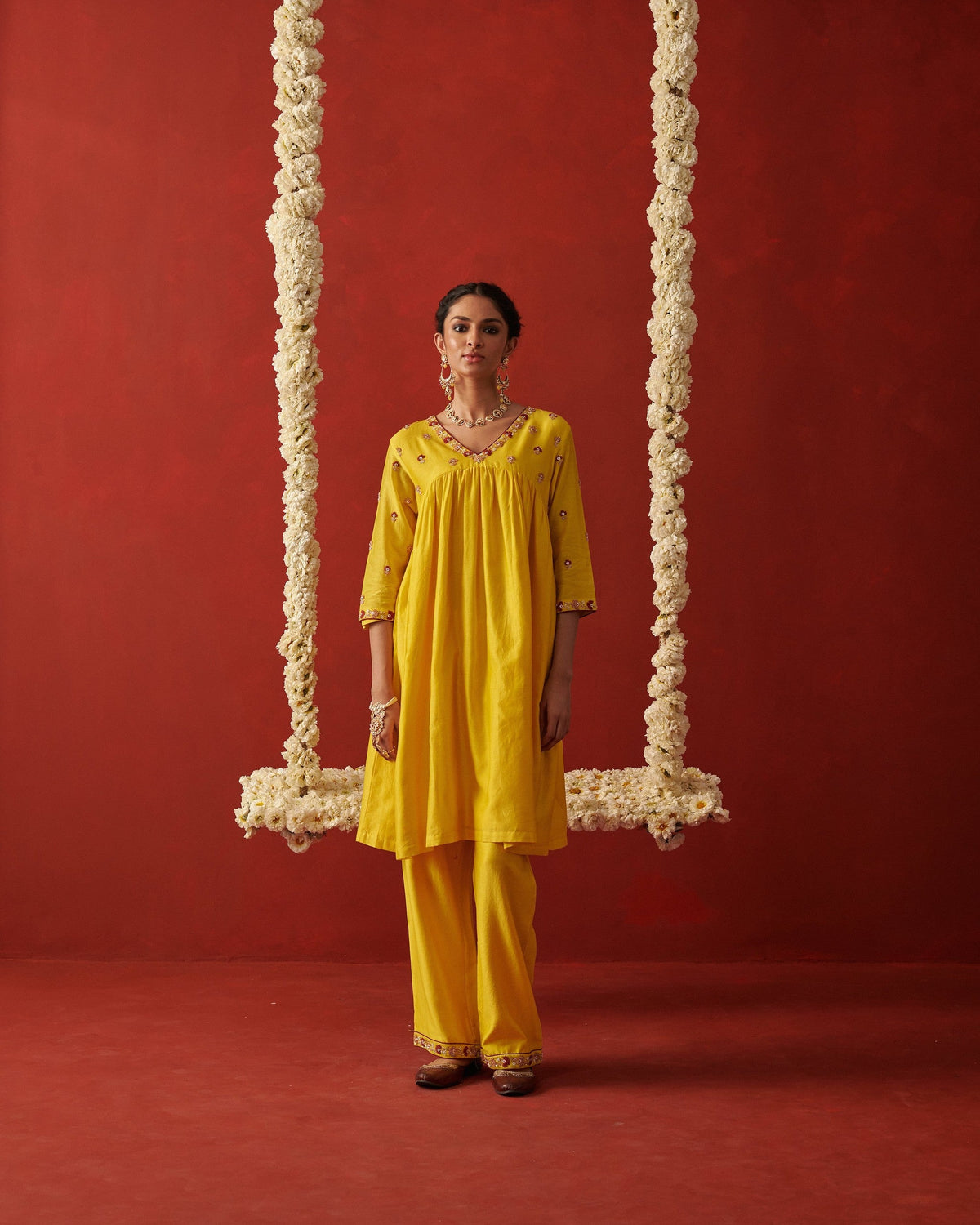
The AFREEN & MAAHI kurta set captures the essence of Chanderi perfectly — sunshine yellow with delicate cutdana and bead embroidery, where each flower is hand-embroidered, blooming gently across the lightweight fabric.

History of Chanderi Weaving
The weaving tradition of Chanderi dates back to the 2nd century BCE, with references in ancient Vedic texts. However, the craft as we know it today flourished under the Malwa Sultanate in the 11th century, when the town of Chanderi became a major textile centre on the trade route between northern and southern India.
Under Mughal patronage, Chanderi weavers refined their techniques, incorporating zari (metallic thread) and intricate booti (small motif) patterns into the fabric. The Mughals particularly valued Chanderi for its lightness — a quality that made it ideal for the hot Indian summers and for layering over heavier garments.
By the 18th century, Chanderi fabrics had become a symbol of aristocratic taste, favoured by nobility across central India. The craft survived colonial disruption through the dedication of weaving families who passed down techniques across generations. Today, Chanderi holds a Geographical Indication (GI) tag, recognising it as a product unique to its region.
Types of Chanderi Fabric
There are three primary types of Chanderi fabric, each with distinct characteristics:
1. Chanderi Silk Cotton
The most common variety, blending silk warp threads with cotton weft. This creates a fabric that has the lustre of silk with the breathability of cotton. It is ideal for kurta sets and everyday festive wear. The LEELA & SIFAT kurta is crafted in lightweight chanderi and features intricate gota patti, sequins, resham, and bead work — showing how beautifully this fabric carries embroidery.
2. Pure Chanderi Silk
Woven entirely from silk threads, this variety has a richer lustre and slightly more body than silk cotton. It is favoured for occasion wear where you want more shimmer and structure. Pure Chanderi silk drapes closer to the body and photographs beautifully under evening light.
3. Chanderi Cotton
Made entirely from cotton with the signature Chanderi weave structure. This is the most breathable variety — perfect for summer and daytime events. The ELAAYA DRESS is crafted in chanderi cotton in a soothing pistachio green — a shirt-style midi dress with a collared neckline and wooden buttons.


What Makes Chanderi Special: Key Characteristics
- Sheer transparency — Chanderi's fine weave creates a delicate translucence, making it perfect for layered styling.
- Natural lustre — The silk content gives Chanderi a soft, pearlescent glow that catches light without being flashy.
- Lightweight drape — Despite its shimmer, Chanderi is one of the lightest handloom fabrics, making it comfortable in Indian summers.
- Traditional motifs — Chanderi fabrics often feature traditional bootis (small woven motifs), floral jaal patterns, and zari borders woven directly into the fabric.
- Versatility — It transitions seamlessly from daytime brunch to evening celebrations, depending on the embellishment.
How to Style Chanderi: Outfit Ideas for Every Occasion
Daytime Events and Brunches
A Chanderi kurta set is the ultimate daytime outfit — polished without trying too hard. The BANNI & AAYAT in soft chanderi features delicate hand embroidery using sequins, nakshi, cutdana, and thread work, with intricate floral and paisley detailing on the yoke, cuffs, and hem. Pair with kolhapuris and minimal jewellery.
Free Download
Get Our Measurement Guide
Step-by-step instructions with photos for perfect custom fit.
Download Free Guide
Festive Occasions and Poojas
For festivals and religious ceremonies, a Chanderi kurta with heavier embroidery strikes the right note. The NAZMIYA & RUHMA set features soft Chanderi paired with an earthy rust pant, with delicate marodi, sequin, and thread embroidery — the floral bel and badla motifs inspired by vintage Rajasthani patterns.
Mehendi and Sangeet
The lightness of Chanderi makes it ideal for pre-wedding celebrations where you want to look festive but stay comfortable. The NAVELI & RUHI in dusty rose chanderi with aari, zardozi, sequin, and thread detailing is the kind of outfit that photographs beautifully while letting you dance all night.
As a Layering Dupatta
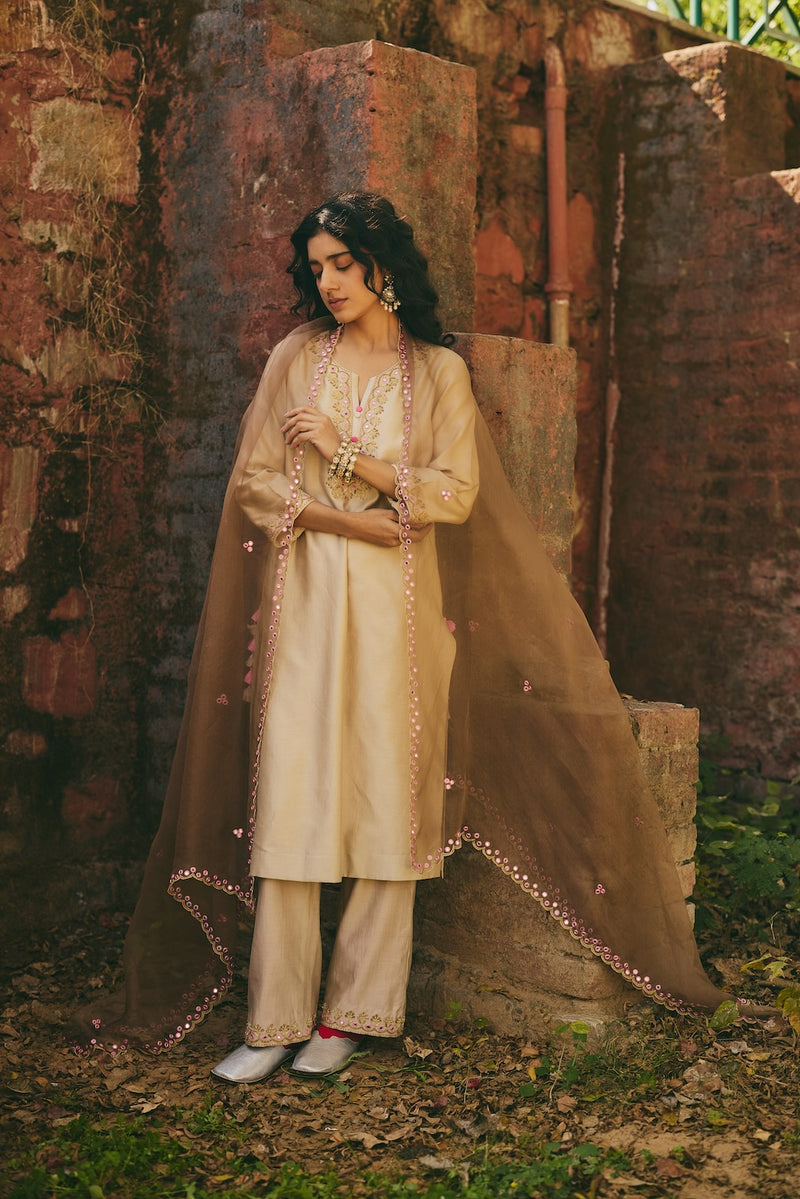
A Chanderi dupatta is one of the most versatile accessories in an Indian wardrobe. The NOOREJHAN chanderi dupatta features hand-done marodi embroidery with delicate sequin and thread work, with vine motifs and traditional zardozi-inspired patterns along the border.


Chanderi vs Other Indian Fabrics
Chanderi is often compared to other lightweight Indian fabrics. Here is how it stands apart:
- Chanderi vs Chiffon — Both are lightweight and sheer, but Chanderi is handwoven with a structured drape, while chiffon is typically mill-made with a more fluid, clinging drape. Chanderi holds embroidery better and has more body.
- Chanderi vs Organza — Organza is crisper and more structured, while Chanderi is softer and more flowing. Chanderi feels more natural against the skin, while organza holds its shape better for dramatic silhouettes.
- Chanderi vs Banarasi Silk — Banarasi is significantly heavier with dense zari weaving, ideal for winter weddings and grand occasions. Chanderi is the lighter, more versatile alternative — equally elegant but more comfortable for extended wear.
- Chanderi vs Tussar Silk — Tussar has a more textured, rustic character, while Chanderi is smoother and more refined. Both are handloom fabrics, but they serve very different aesthetic moods.
Caring for Chanderi Fabric
- Dry clean only for embroidered Chanderi pieces. Plain Chanderi can be gently hand-washed in cold water with mild detergent.
- Iron on low heat while slightly damp, or use a pressing cloth to avoid scorching the delicate fibres.
- Store in muslin bags rather than plastic, which can trap moisture and cause yellowing.
- Avoid wringing — gently press water out between clean towels after washing.
- Keep away from direct sunlight when drying, as prolonged exposure can fade the colours and weaken the fibres.
Frequently Asked Questions
Is Chanderi fabric good for summer?
Chanderi is one of the best Indian fabrics for summer. Its lightweight, breathable weave allows air circulation while the silk content gives it just enough body to drape well without clinging. Chanderi cotton, in particular, is exceptionally comfortable in hot weather.
Can Chanderi be worn to a wedding?
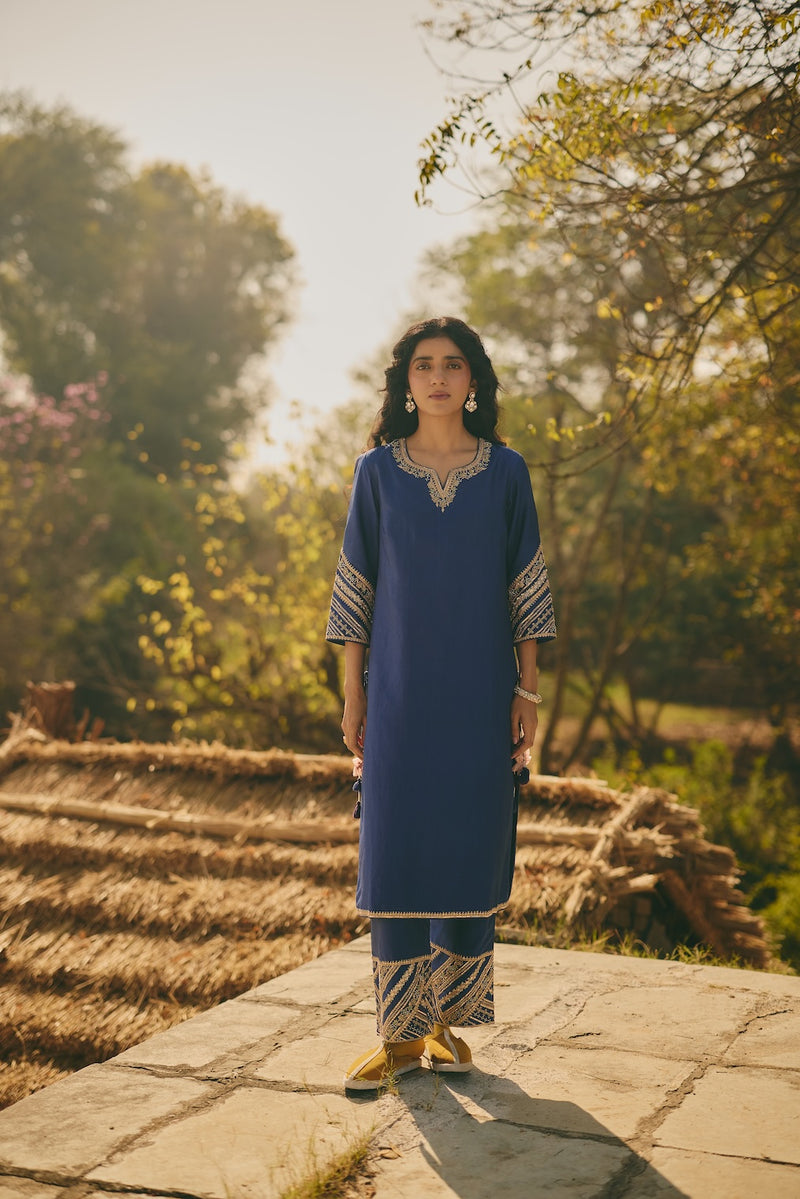
Absolutely. Chanderi with rich hand-embroidery — like the NAWAAZISH & ZIVAH in deep vermillion Chanderi with hand-embroidered floral motifs in thread and sequins — is perfectly appropriate for weddings, especially for pre-wedding ceremonies and daytime functions. For the main ceremony, Chanderi anarkalis like the HEERIYE & REVA in cinnamon-brown Chanderi offer a stunning alternative to heavier fabrics.
Why is Chanderi fabric expensive?
Authentic Chanderi is handwoven on traditional looms by skilled artisans. A single saree can take 3-7 days to weave, depending on the complexity of the pattern. The combination of silk threads, intricate motifs, and manual labour makes genuine Chanderi more costly than machine-made alternatives — but also significantly more beautiful and durable.
How do I know if my Chanderi is authentic?
Authentic Chanderi fabric has the GI tag certification. Look for slight irregularities in the weave (a sign of handloom production), a natural lustre that is not overly shiny, and a soft, slightly crisp hand-feel. The fabric should feel lighter than it looks and have a subtle transparency when held up to light.
Ready to Order Custom?
WhatsApp us at +91 70423 11214 with what you're looking for. We'll guide you through measurements, customizations, and timeline.
Most pieces ready in 4-5 weeks. Bridal in 6-8 weeks.
Made to order in 4–5 weeks
Have an event date? We’ll tell you exactly when to order by.
We take a limited number of orders each month — secure your slot early.
Not sure where to start?
Tell us what you're dressing for and we'll help you choose — fabric, fit, colour, and timeline — over WhatsApp.
Your Cart
Pieces from this story
All pieces →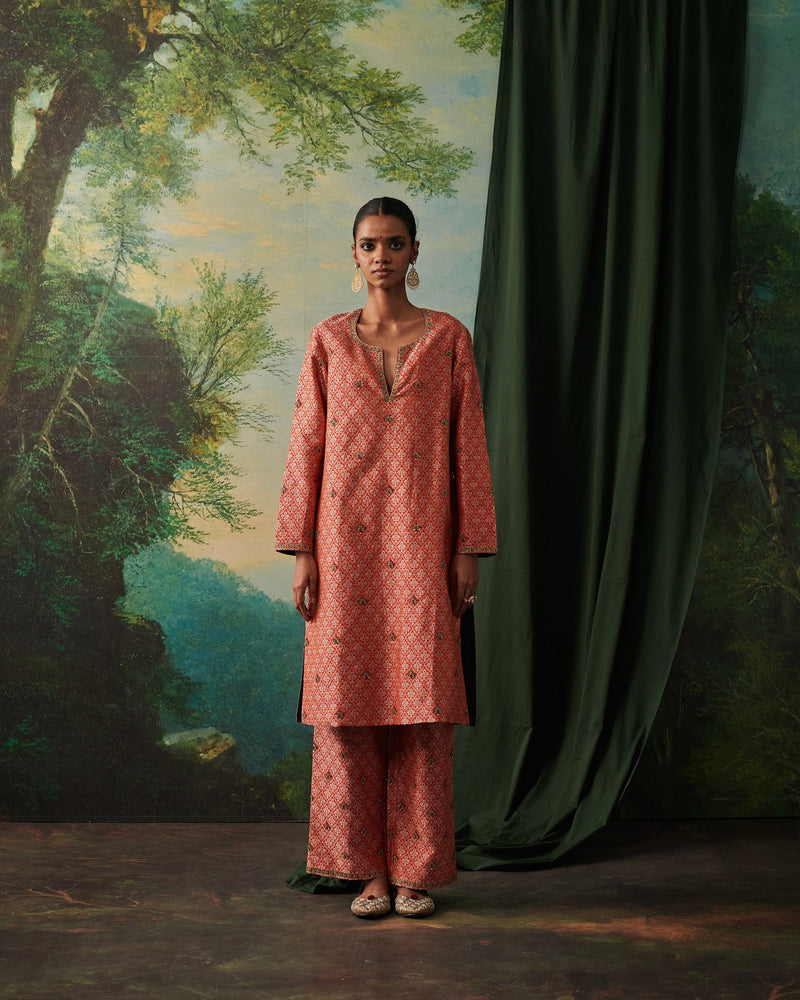
Keep reading
The journal →
Dholki Night Outfit Ideas: What to Wear to the Ladies' Dhol
Handmade by karigars Made to your measurements Fit guarantee Ships worldwide As seen in GraziaElle Graduat...
27 July 2026
Mayra & Bhaat Outfit Ideas: Dressing for the Maternal Gift Ceremony
Handmade by karigars Made to your measurements Fit guarantee Ships worldwide As seen in GraziaElle Graduat...
27 July 2026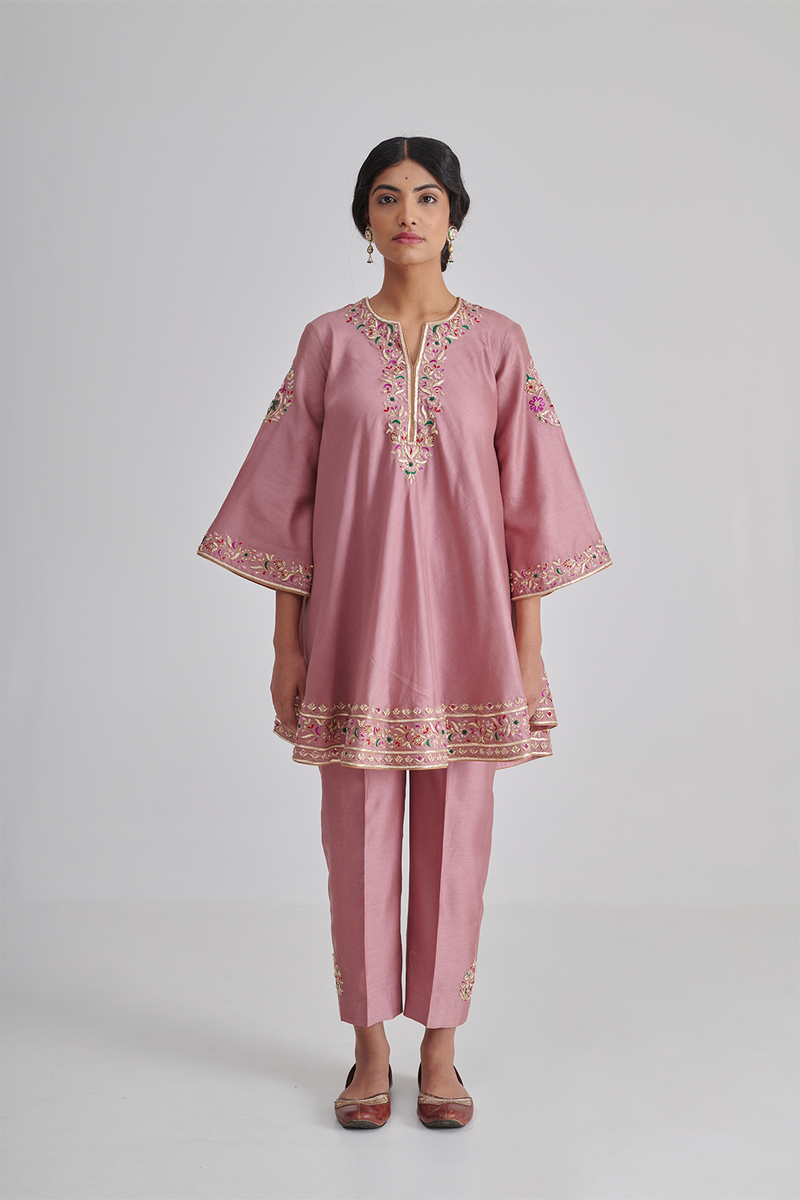
Pag Phera Outfit Ideas: What to Wear for the Bride's Homecoming
Handmade by karigars Made to your measurements Fit guarantee Ships worldwide As seen in GraziaElle Graduat...
27 July 2026