
The Diva Joukani Effect: Why Heavy Indian Outfits on Regular Streets Is 2026's Biggest Trend
It started with a girl walking through the streets of Mumbai in a lehenga, buying chai from a tapri, bargaining at a sabzi mandi, riding an auto — all while wearing outfits most people would reserve for a wedding. Diva Joukani turned heads not just on the street but across Instagram, where her videos racked up millions of views and sparked a movement.
The message was clear: Indian occasion wear doesn't need an occasion. And women across the country are listening.
Why This Trend Is Resonating So Deeply
For decades, Indian women have been told that heavy outfits belong in wardrobes until the right event arrives — a wedding, a festival, a formal dinner. The result? Beautiful lehengas, sarees, and anarkalis sitting untouched for months or years, waiting for permission to be worn.
The Diva Joukani trend flips this entirely. It says: wear what makes you feel beautiful, wherever you are. Buy your groceries in a Banarasi silk saree. Walk your dog in an embroidered anarkali. Take an auto ride in a full lehenga. The juxtaposition of heavy Indian craftsmanship against everyday Indian life is both visually stunning and culturally powerful.
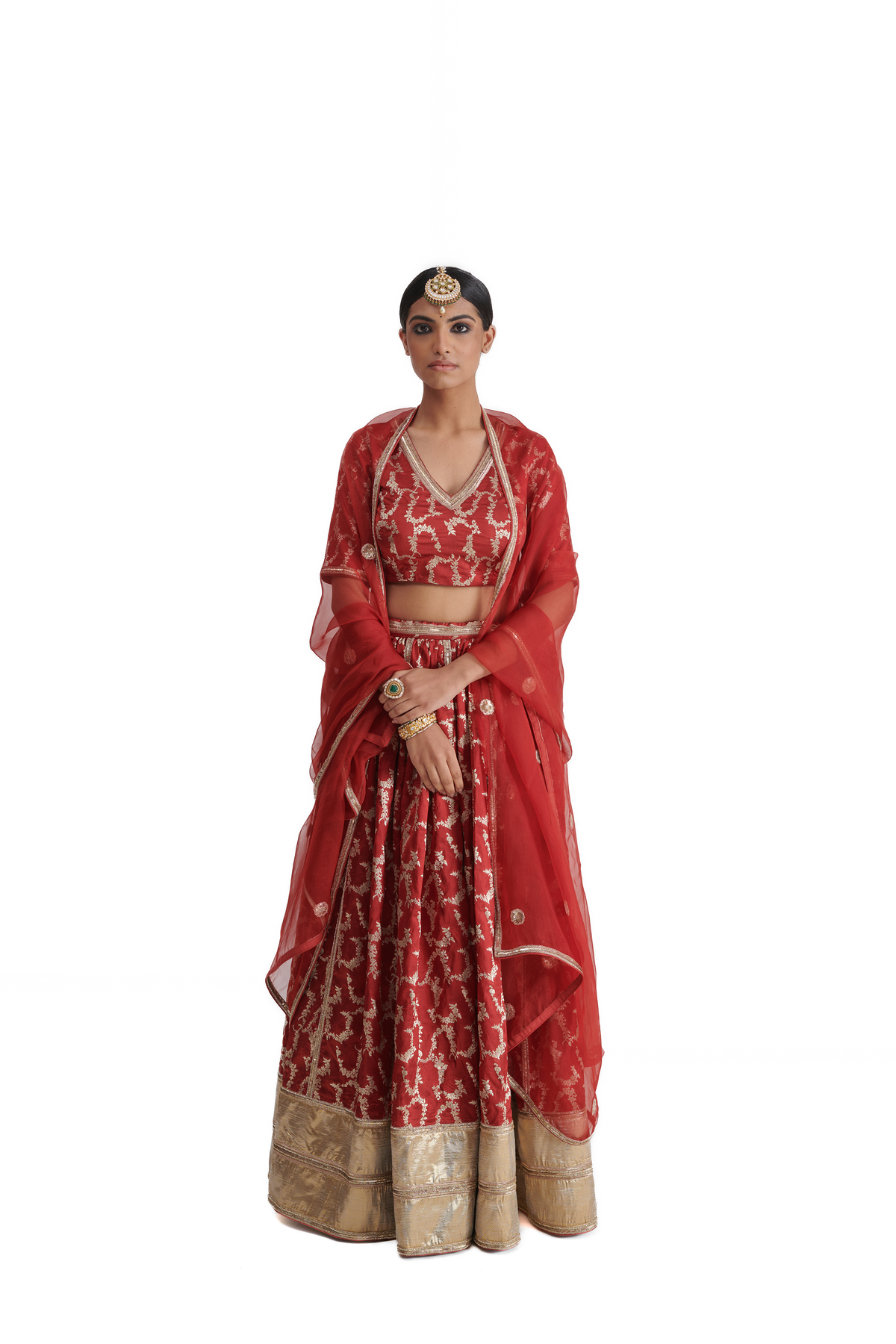
It's also a celebration of Indian fashion itself. When you see a Rehmat & Vasl lehenga in rich red Varanasi silk brocade with floral motifs drawn from Rajputana and Mughal architecture walking through a local market, the craft becomes the centrepiece. The embroidery, the fabric, the hours of handwork — all of it is on full display.

How to Actually Pull Off the Look
Start with something you already own. You don't need to buy a new outfit for this. That anarkali from your cousin's wedding? That saree you wore once to a reception? Wear it to brunch. Wear it to the mall. The whole point is that the outfit already exists in your wardrobe — it just needs to leave it more often.
Confidence is the only accessory. The reason Diva Joukani's videos work isn't the outfits alone — it's the complete nonchalance. She's not posing for cameras at a market. She's actually shopping. That casual energy is what makes the heavy outfit feel natural rather than costume-like.
Pick outfits that let you move. A structured lehenga that you can barely sit in isn't ideal for a day out. Look for pieces with comfortable silhouettes that happen to be heavily crafted. The Suroor anarkali in Bandhej Banarasi silk is perfect — it's festive and richly woven with gold bootis, but the anarkali silhouette flows and moves with you.

Don't skip the everyday elements. The magic of this trend is in the contrast. Kolhapuri chappals instead of heels. A regular jute bag instead of a clutch. Hair left open instead of styled up. These everyday touches are what make a heavy outfit feel like a deliberate style choice rather than a wrong turn from a wedding venue.
The Best Pieces for Street-Style Indian Fashion
Not every heavy outfit works for everyday settings. The best pieces for this trend are ones that are richly crafted but not restrictive. Think flowing silhouettes, comfortable fabrics, and embroidery that catches light without weighing you down.
Free Download
Get Our Measurement Guide
Step-by-step instructions with photos for perfect custom fit.
Download Free GuideThe Jhoomar & Shafaq kurta set is a great example — a silk kurta with Marodi, sequin, and bead work in floral vines. It's undeniably luxe, but it's a kurta. You can walk, sit, eat street food, and hail an auto without any trouble.
For a saree that commands attention anywhere, the Laal Ishq saree in deep vermillion organza silk is our tribute to timeless romance. Delicately embroidered with sequins, cutdana, and gota work — it's the kind of saree that makes people stop and look, whether you're at a wedding or a bookshop.


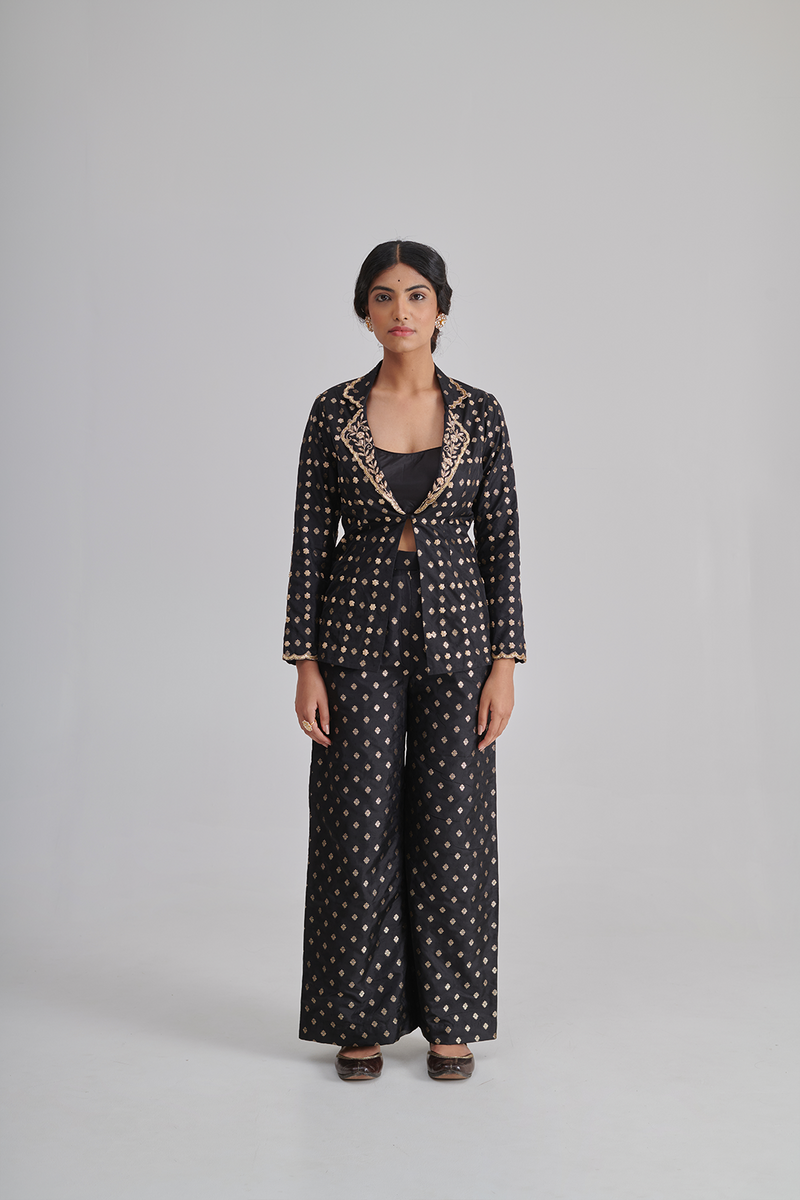
If you want to go full Indo-Western street style, the Raat Rani, Vani & Kiyara set — a black Varanasi silk brocade blazer with all-over gold jaal motifs and wide-leg pants — is the kind of outfit that looks equally at home on a Mumbai street or a Milan sidewalk.

Why This Matters Beyond Fashion
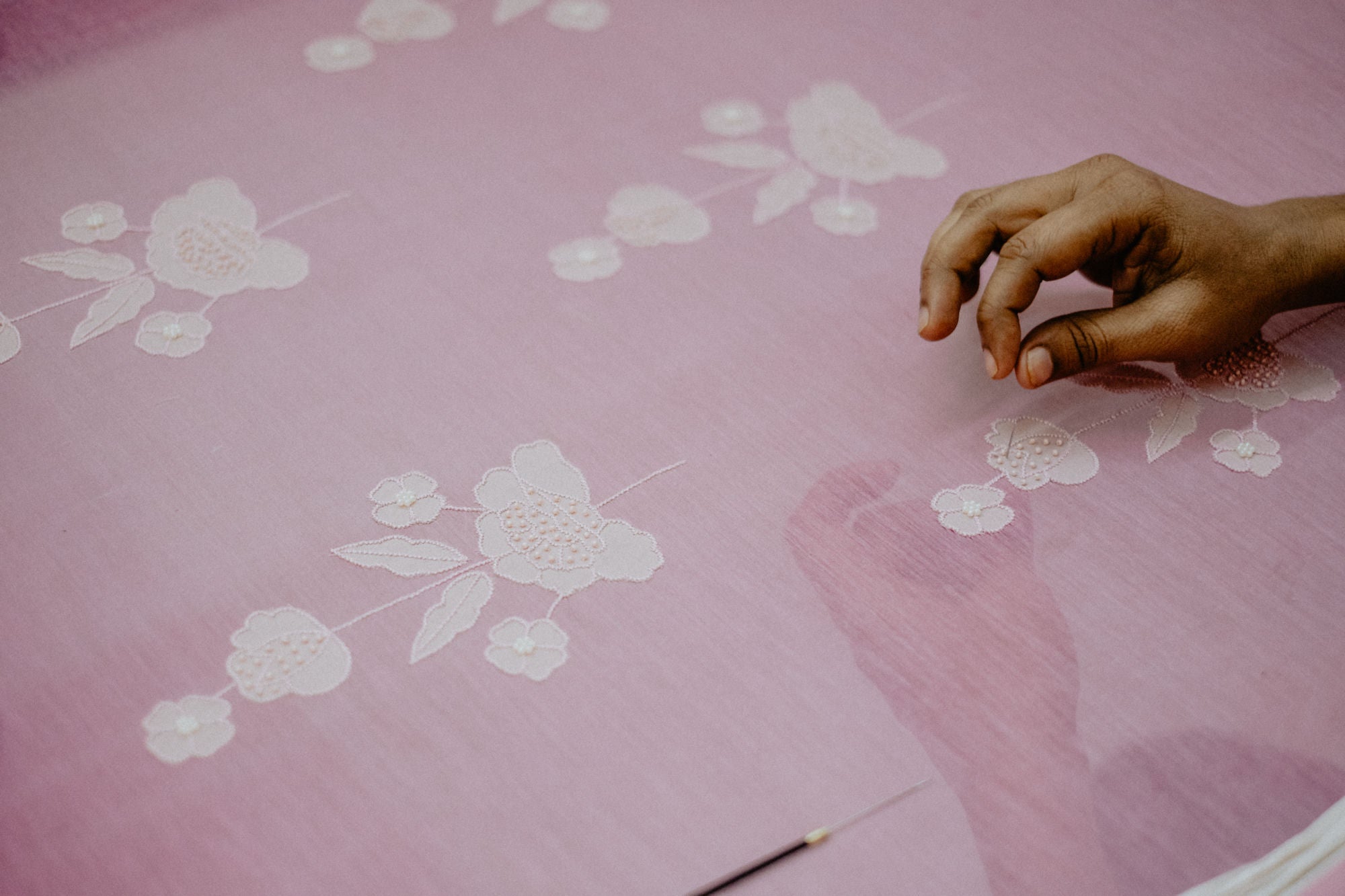
This trend isn't just about aesthetics. It's about reclaiming the everyday for Indian craft. Every time someone wears a handmade lehenga to a regular setting, they're making a statement about the value of that craft. They're saying that the months of work by karigars — the zari, the Mukesh, the aari, the gota patti — deserve to be seen more than once a year.
It's also about rejecting the idea that Indian women need to dress "practically" in their daily lives and save beauty for special occasions. Why can't Tuesday morning at the chai stall be a special occasion? Why can't your regular grocery run be elevated by a piece of art you're wearing?
Diva Joukani didn't invent the idea of dressing up for no reason. But she gave Indian women permission to do it loudly, proudly, and in full bridal-weight embroidery.
Frequently Asked Questions
Won't I get stared at wearing a lehenga to the market?
Yes. That's the point. The stares will be admiring ones. People will compliment you. Some might ask where you're going. Tell them: "nowhere special — I just felt like wearing this today." That's the energy.
What if I damage a heavy outfit wearing it casually?
If it's so precious you can't wear it, what's the point of owning it? Most well-made handcrafted pieces are sturdier than you think. A quality silk or organza piece can handle a day out. Just avoid oil-splatter situations and you'll be fine.
Is this trend only for young women?
Absolutely not. A woman of any age wearing a handcrafted saree to the market is making the same statement. In fact, many older women in India have been doing this for decades — wearing their best sarees daily because they believe beautiful things deserve to be used, not preserved.
How do I make this work for hot weather?
Choose breathable fabrics. Organza, chiffon, and light silks work beautifully in Indian heat. Avoid heavy velvets or densely layered pieces in summer. A chiffon saree with embroidery is cool enough for a day out even in peak March heat.
Ready to Order Custom?
WhatsApp us at +91 70423 11214 with what you're looking for. We'll guide you through measurements, customizations, and timeline.
Most pieces ready in 4-5 weeks. Bridal in 6-8 weeks.
Made to order in 4–5 weeks
Have an event date? We’ll tell you exactly when to order by.
We take a limited number of orders each month — secure your slot early.
WhatsApp me my order-by date + a shortlistNot sure where to start?
Tell us what you're dressing for and we'll help you choose — fabric, fit, colour, and timeline — over WhatsApp or on a video call.
Your Cart
Pieces from this story
All pieces →Not sure which piece, or need it by a date? Book a video consultation Ask us on WhatsApp


Keep reading
The journal →
Kids' Ethnic Wear Under ₹20,000: 18 Hand-Embroidered Sets by Price and Occasion
18 hand-embroidered kids' kurta sets, a sharara and a lehenga from ₹12,500 to ₹19,500, by price band and occasion. Si...
7 October 2026
The Outfit Trial Checklist: How to Run a Fitting for a Lehenga, Blouse, Sharara or Anarkali
How to run a trial of a made-to-measure lehenga, blouse, sharara or anarkali: when to schedule it, what to wear and b...
7 October 2026
Wedding Guest Outfits Under ₹50,000: Lehengas, Sarees, Shararas & Anarkalis by Function
The best wedding guest outfits under ₹50,000: lehengas, sarees, shararas, anarkalis and kurta sets by budget and by f...
7 October 2026