
Indian Wedding Guest Outfit Guide: What to Wear to Every Function
You have the invitation, you know the dates, and now comes the real challenge: figuring out what to wear. Indian weddings are not a single outfit situation. They are multi-day celebrations with distinct events — each carrying its own energy, formality, and unspoken dress code. What works perfectly at a mehendi will feel underdressed at the main ceremony, and what dazzles at a reception might be far too much for a haldi.
This guide breaks down exactly what to wear to every function at an Indian wedding, with tips on colour choices, fabric selection, and how to calibrate your outfit for the occasion. Whether you are attending your first Indian wedding or your fiftieth, consider this your definitive reference.
For more on seasonal dressing, see our guides to spring wedding guest outfits and summer wedding outfits.
What to Wear to a Mehendi Ceremony
The mehendi is the most relaxed event on the wedding calendar. It is usually a daytime affair — held in a courtyard, garden, or living room — where guests gather while the bride gets intricate henna patterns applied to her hands and feet. The mood is informal and joyful: music plays, people laugh, and there is food everywhere.
Dress code level: Smart casual to semi-formal. Think vibrant, comfortable, and easy to move in. You will likely be sitting on the floor, cross-legged, for extended stretches.
Best silhouettes: Kurta sets are the ideal mehendi outfit. They are comfortable, festive, and let you sit, dance, and eat without adjusting your outfit every five minutes. A sharara set also works beautifully if you want more drama.
The Gia & Cyraa in vibrant lime green silk is a perfect mehendi pick. The kurta features floral embroidery along the neckline, sleeves, and hem in rose gold and deep fuchsia tones, with scattered bootis across the surface. Lime green practically screams mehendi — it is bright, festive, and photographs beautifully in daylight.

If you prefer something softer, the Rohi & Zoey pairs a luminous yellow tissue silk kurta with a pale mint sharara. The embroidery in rose gold and pistachio tones — done in zardozi, sequins, cutdana, and bead work — adds festive sparkle without being heavy. The wide-pleated sharara brings movement and ease, making this a dreamy option for a day function.
Colours to embrace: Yellow, green, orange, coral, turquoise — anything bright and celebratory. This is the one function where bold, saturated colour is always right.
What to Wear to the Haldi
The haldi ceremony involves turmeric paste being applied to the bride and groom, and it tends to be a close-family affair. If you are invited, keep two things in mind: the event is messy, and the colour palette is firmly yellow.
Dress code level: Casual to smart casual. This is the most informal function.
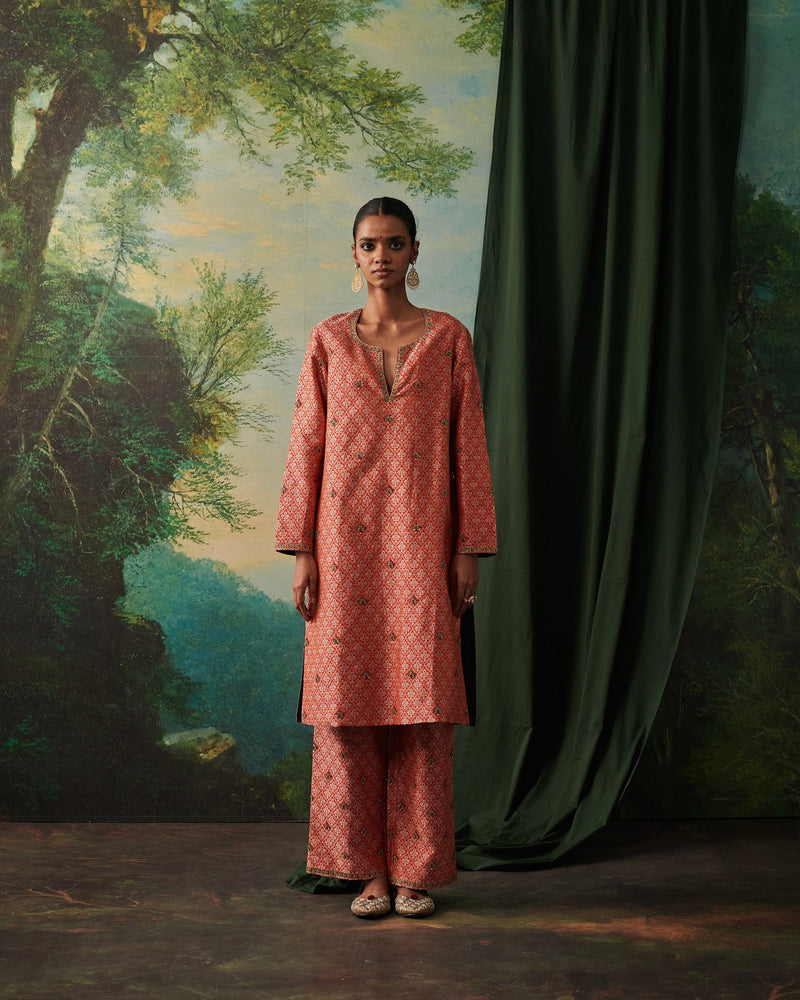
Practical advice: Do not wear anything you would be devastated to stain. Turmeric is permanent. A cotton or silk kurta set in yellow or a complementary shade (ivory, mint, coral) is ideal. Save your most precious outfits for later events.
What to Wear to a Sangeet Night
The sangeet is the party. It is an evening affair with dance performances, music, cocktails, and energy. If the mehendi is laid-back and sunny, the sangeet is glamorous and high-energy. This is where you go bold — shimmer, statement silhouettes, and richly embroidered pieces are all in play.
Dress code level: Semi-formal to formal. Think cocktail party meets festive celebration.
Best silhouettes: Sharara sets, anarkalis, and statement kurta sets work perfectly. Anything with movement — flared silhouettes, fluid fabrics — looks fantastic on the dance floor.
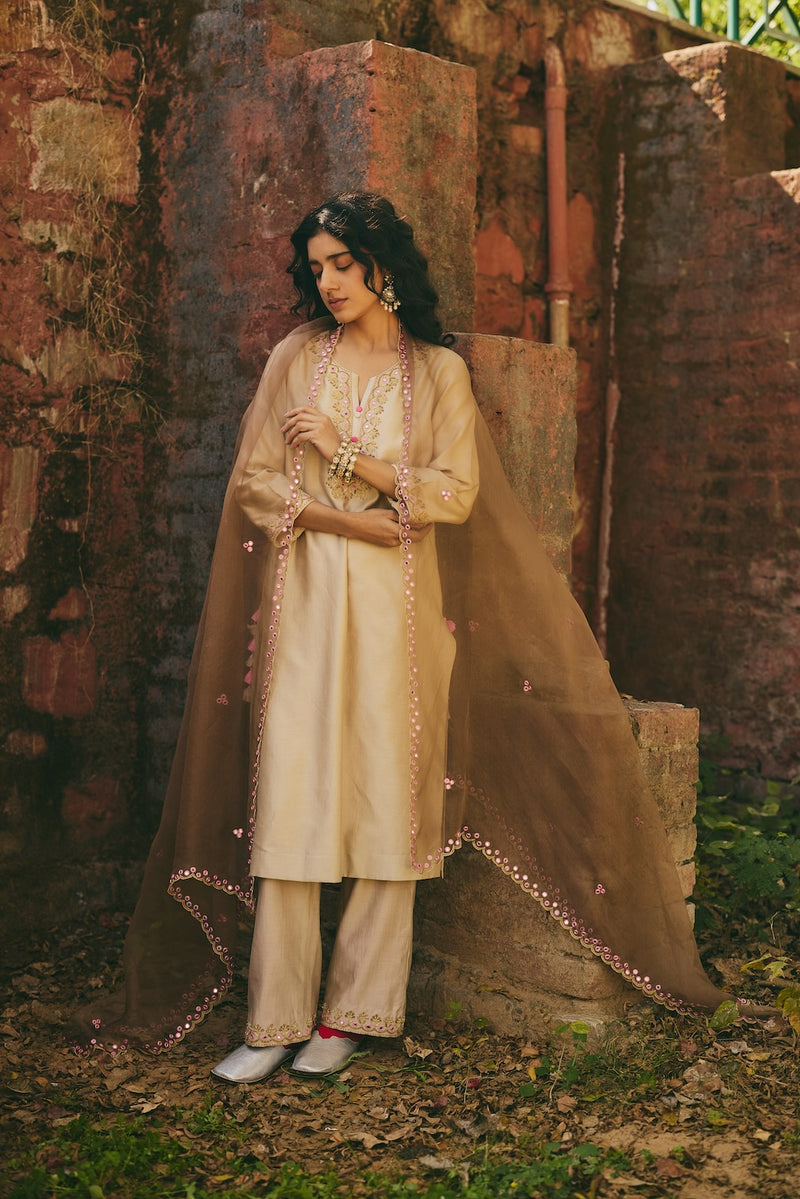
The Ghazal & Parchhai silk kurta set was practically made for a sangeet. The kurta features hand embroidery in sequins and beads, with blooming floral vines at the neckline and cuffs in shades of rouge, gold, and ivory. Inspired by vintage phool-butti borders, it is festive and vibrant without being over the top. Paired with the ivory silk Parchhai pant, it strikes the perfect balance of tradition and ease.

For a more fluid look, consider pairing your outfit with a statement dupatta. The Aqsaa organza dupatta features swirling hand embroidery in naqshi, sequins, and cutdana work — the lines trace across the sheer fabric like sketches in motion. Draped over a simple kurta or even a plain silk set, it transforms the entire look.
Colours to embrace: Jewel tones (emerald, sapphire, deep pink), metallics, and rich shades. This is an evening event — deep, saturated colours photograph well under lights.
What to Wear to the Wedding Ceremony
The main ceremony — whether it is a Hindu phera, Sikh Anand Karaj, Muslim nikah, or Christian service — is the most formal event. This is where your outfit should feel elevated, polished, and respectful of the occasion. A saree is the most classic choice, though a beautifully embroidered kurta set or lehenga works equally well.
Dress code level: Formal. This is the main event.
Best silhouettes: Sarees, lehengas, and richly embroidered kurta sets. Anything that looks considered and occasion-appropriate.
The Salima chiffon saree is a stunning ceremony option. Light and fluid, it is edged with a delicate gota border in soft gold, with small hand-embroidered bootis scattered across the body in gota, marodi, and fine thread work. It is elegant without being heavy — timeless draping for a wedding day.

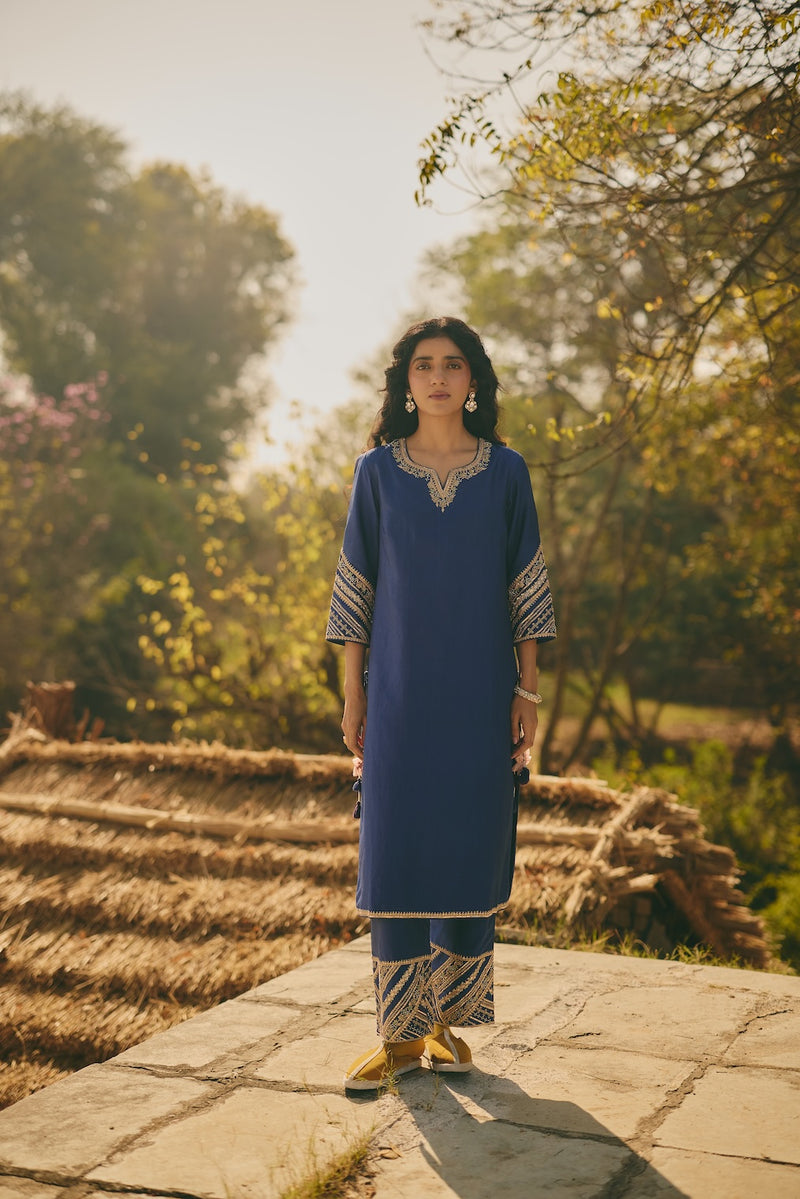
If you prefer a kurta set for the ceremony, the Faiza & Rida in soft gold silk is an excellent choice. The Faiza kurta features a gentle V neckline and three-quarter sleeves, with gota and thread work in subtle rose and coral tones trailing along the neckline, sleeves, and hem. Paired with the Rida pant in matching silk, it brings together traditional craft and understated elegance — perfect for a guest who wants to look polished without competing with the wedding party.


What to Wear to the Reception
The reception is the final event — an evening affair with cocktails, dinner, speeches, and often a dance floor. The vibe is sophisticated and glamorous. This is your chance to wear something more modern and statement-making. Lighter sarees, shimmering kurta sets, and pieces with metallic or sequin work are ideal.
Dress code level: Formal to black-tie. Think sophisticated evening wear.
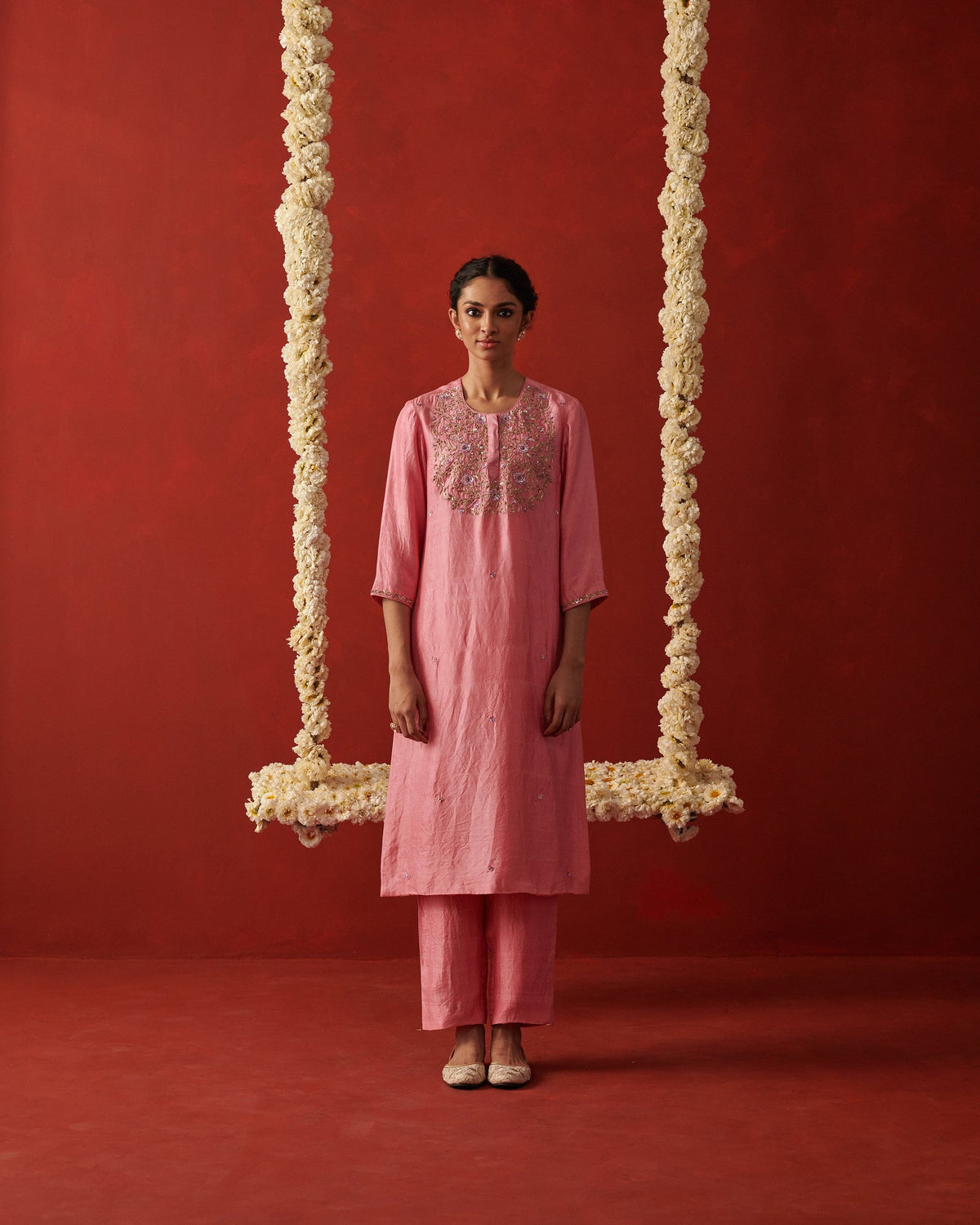
The Ruhani & Nilofer in soft pink silk makes a beautiful reception entrance. The Ruhani kurta features a floral neckline embroidered with zardozi, sequins, and cutdana, with delicate vines and scattered bootis across the body and sleeves. It is celebratory and refined — the kind of piece that catches light beautifully under evening chandeliers.
For a more minimalist approach, pair a simple silk kurta with a richly embroidered dupatta — the Aqsaa organza dupatta with its swirling naqshi, sequin, and cutdana embroidery can elevate even the simplest outfit to reception-ready.
Colours to Wear (and Avoid) at an Indian Wedding
Indian weddings are celebrations of colour, but there are a few unspoken rules worth knowing:
Free Download
Get Our Measurement Guide
Step-by-step instructions with photos for perfect custom fit.
Download Free GuideColours to avoid at the ceremony:
White — In many Indian traditions, white is associated with mourning. Plain white is best avoided at the ceremony. However, ivory or off-white with colour accents (embroidery, a colourful dupatta, statement jewellery) is perfectly fine.
Black — Traditionally considered inauspicious at wedding ceremonies. A black outfit at a sangeet or reception is now widely accepted and even chic, but avoid it at the main ceremony and religious rituals.
Bridal red or deep maroon — These are the bride's colours. As a guest, steer clear of head-to-toe red at the main ceremony. Red accents in embroidery or a red dupatta are fine — the rule is about not wearing a fully red outfit.
Colours that always work:
Pastels (blush pink, sage green, powder blue) are universally safe and photograph beautifully. Jewel tones (emerald, royal blue, magenta) are ideal for evening events. Gold, champagne, and soft metallics work across every function. Bright colours (yellow, lime green, orange) are perfect for day events.
Choosing Fabrics by Season
The fabric of your outfit matters as much as the style, especially in India where wedding season spans scorching summers to cool winters.
Summer weddings (April–June): Prioritise breathability. Chiffon, organza, chanderi, and lightweight cotton are your best friends. Heavy silk and velvet will leave you overheated and uncomfortable. The Salima chiffon saree is an ideal example — light, fluid, and elegant without the weight.
Monsoon weddings (July–September): Choose fabrics that handle humidity well. Silk blends and georgette drape well even in humid conditions. Avoid pure cotton (wrinkles easily) and sheer organza (humidity makes it cling). Darker colours hide any accidental splashes.
Winter weddings (October–February): This is when you can wear heavier silks, brocade, and velvet without discomfort. Rich, densely embroidered pieces come into their own. Layer with a structured dupatta or shawl for outdoor evening ceremonies.
Spring weddings (March): The sweet spot. Most fabrics work in spring — silk, tissue, chanderi, and organza all feel comfortable. See our spring wedding guest outfit guide for detailed recommendations.
How to Dress Up vs. Dress Down the Same Outfit
One of the smartest approaches to a multi-day wedding is to invest in versatile pieces and style them differently across functions. Here is how:
Dress it up: Add a statement dupatta (like the Aqsaa with its naqshi and cutdana work), layer on jewellery — chandbalis, a choker, maang tikka — and choose embellished footwear like embroidered juttis or heeled sandals.
Dress it down: Skip the dupatta or drape a simpler one, wear minimal jewellery (just statement earrings), and switch to flat mojris or kolhapuris. A kurta set like the Gia & Cyraa in lime green silk can go from daytime mehendi (with kolhapuris and hoops) to an evening function (with heels, a dupatta, and chandelier earrings) simply by changing your accessories.
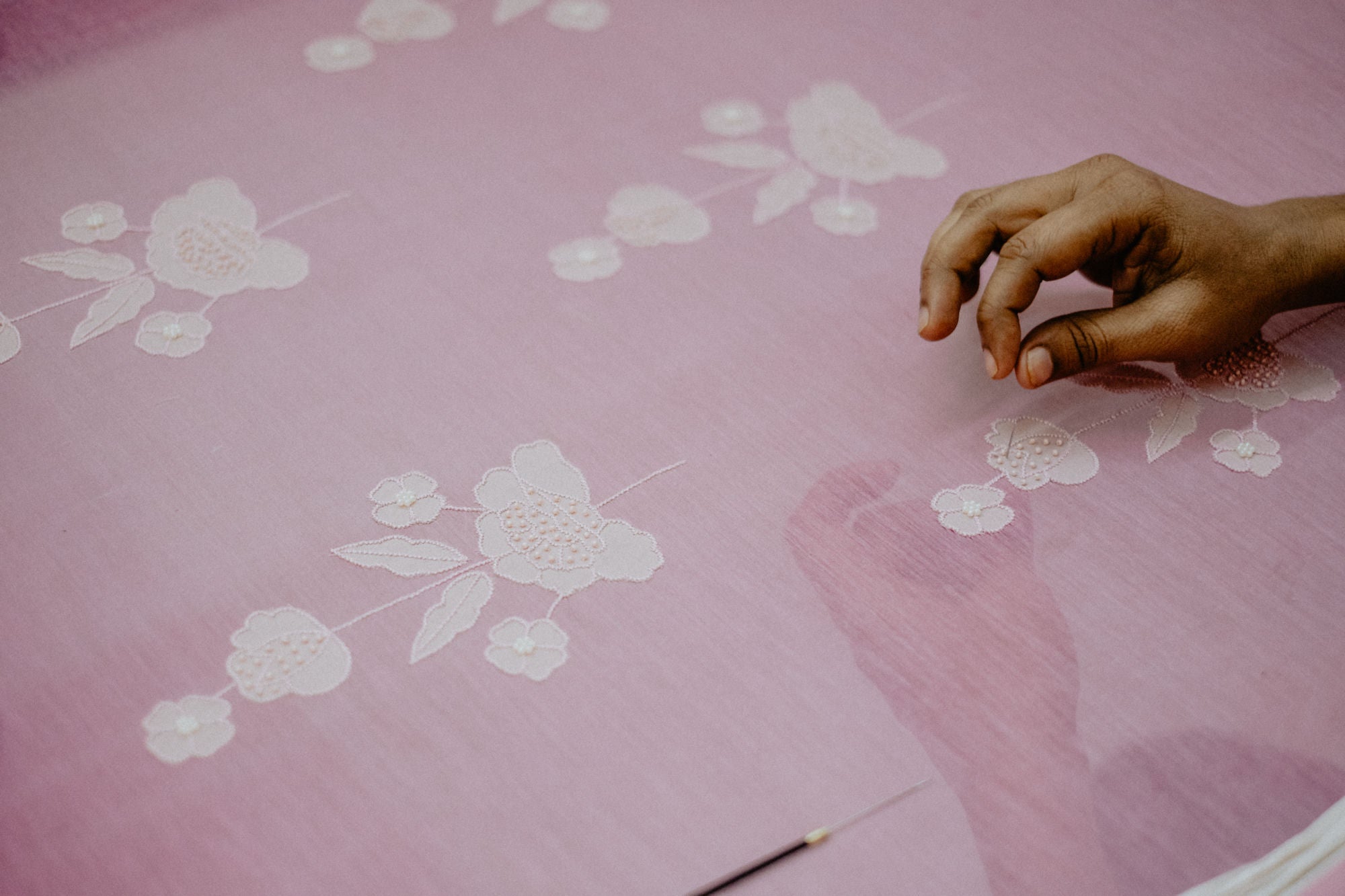
The key is investing in pieces with beautiful embroidery and craftsmanship. Hand-embroidered outfits carry an inherent richness that lets you scale formality up or down through styling choices alone.
A Quick-Reference Outfit Formula
Mehendi: Bright kurta set or sharara + statement earrings + kolhapuris + bangles
Haldi: Yellow or cheerful cotton/silk kurta set + minimal accessories (turmeric will stain everything)
Sangeet: Shimmer-rich kurta set or sharara + statement dupatta + heels + full jewellery
Wedding ceremony: Saree or richly embroidered kurta set in refined colours + dupatta + formal jewellery + heels
Reception: Elegant saree or polished kurta set + cocktail jewellery + clutch + heels
Frequently Asked Questions
Can I wear the same outfit to two wedding functions?
If the functions are on different days and the guest lists overlap, it is best to switch. But you can absolutely rewear the same base outfit styled differently — swap the dupatta, change your jewellery, switch your shoes. No one will notice. Also see our complete Indian wedding outfit guide for more mix-and-match ideas.
Is a kurta set appropriate for the main wedding ceremony?
Yes — a well-crafted, richly embroidered kurta set in silk or tissue is absolutely appropriate. The formality comes from the fabric, embroidery, and how you style it (add a dupatta, formal jewellery, and heels). A hand-embroidered silk kurta set can look every bit as elegant as a saree.
What should a non-Indian guest wear?
Indian weddings warmly welcome guests in traditional attire. A kurta set is the most comfortable and respectful starting point — pair it with a dupatta and you will fit right in. Avoid wearing jeans, casual dresses, or overly Western cocktail attire to the ceremony.
How far in advance should I order a wedding guest outfit?
For handcrafted, made-to-order pieces, allow at least 5-6 weeks before the wedding. This accounts for production time (typically 4-5 weeks) plus shipping. Last-minute shopping limits your options to ready-made pieces, and you miss out on the fit and craftsmanship of made-to-order.
Can I wear black to an Indian wedding?
At a sangeet or reception, a beautifully embellished black outfit is now widely accepted and can look stunning. However, avoid wearing all-black to the main ceremony or any religious rituals, where it is still considered inauspicious in many traditions.
What jewellery works best for Indian wedding guest outfits?
For day events: jhumkas, bangles, and a simple pendant. For evening events: chandbali earrings, a choker or layered necklace, and a maang tikka if you want to go full festive. Let the embroidery of your outfit guide your jewellery choices — if the neckline is heavily embroidered, skip the necklace and focus on statement earrings.
Ready to Order Custom?
WhatsApp us at +91 70423 11214 with what you're looking for. We'll guide you through measurements, customizations, and timeline.
Most pieces ready in 4-5 weeks. Bridal in 6-8 weeks.
Made to order in 4–5 weeks
Have an event date? We’ll tell you exactly when to order by.
We take a limited number of orders each month — secure your slot early.
Not sure where to start?
Tell us what you're dressing for and we'll help you choose — fabric, fit, colour, and timeline — over WhatsApp.
Your Cart
Pieces from this story
All pieces →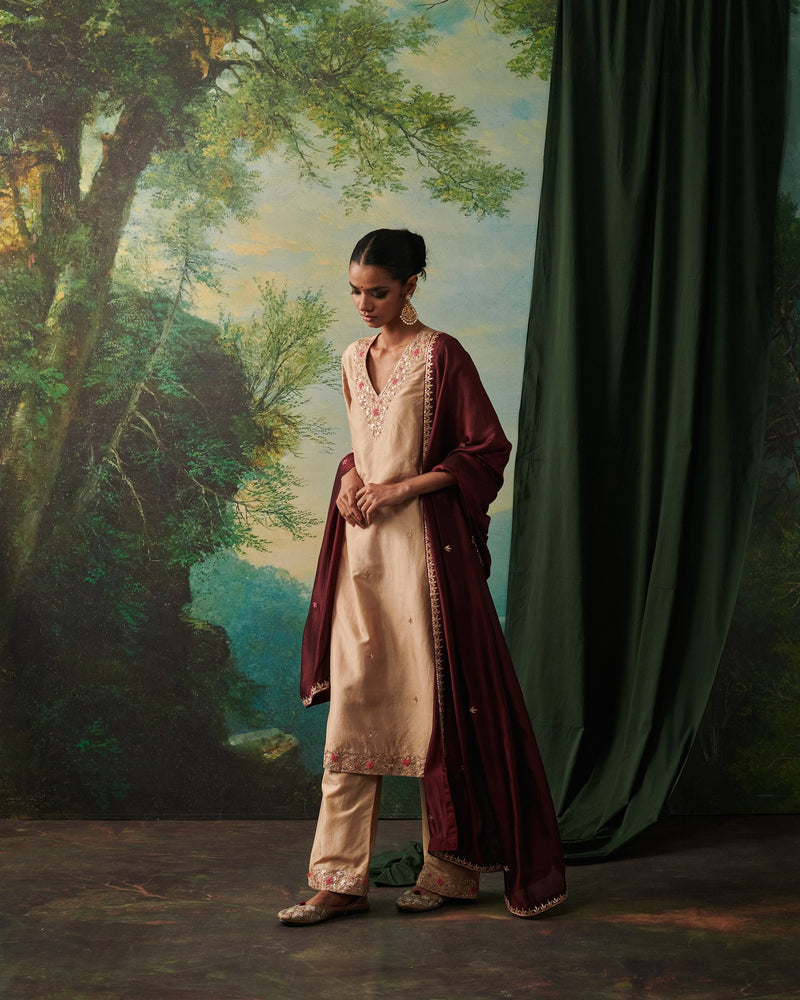
Keep reading
The journal →
Diwali Abroad: What to Wear to the Office Potluck, the Community Dinner & the House Party
Handmade by karigars Made to your measurements Fit guarantee Ships worldwide As seen in GraziaElle Graduat...
20 September 2026
Garba Abroad: What to Wear to Navratri in the US, UK, Canada & Australia
Handmade by karigars Made to your measurements Fit guarantee Ships worldwide As seen in GraziaElle Graduat...
20 September 2026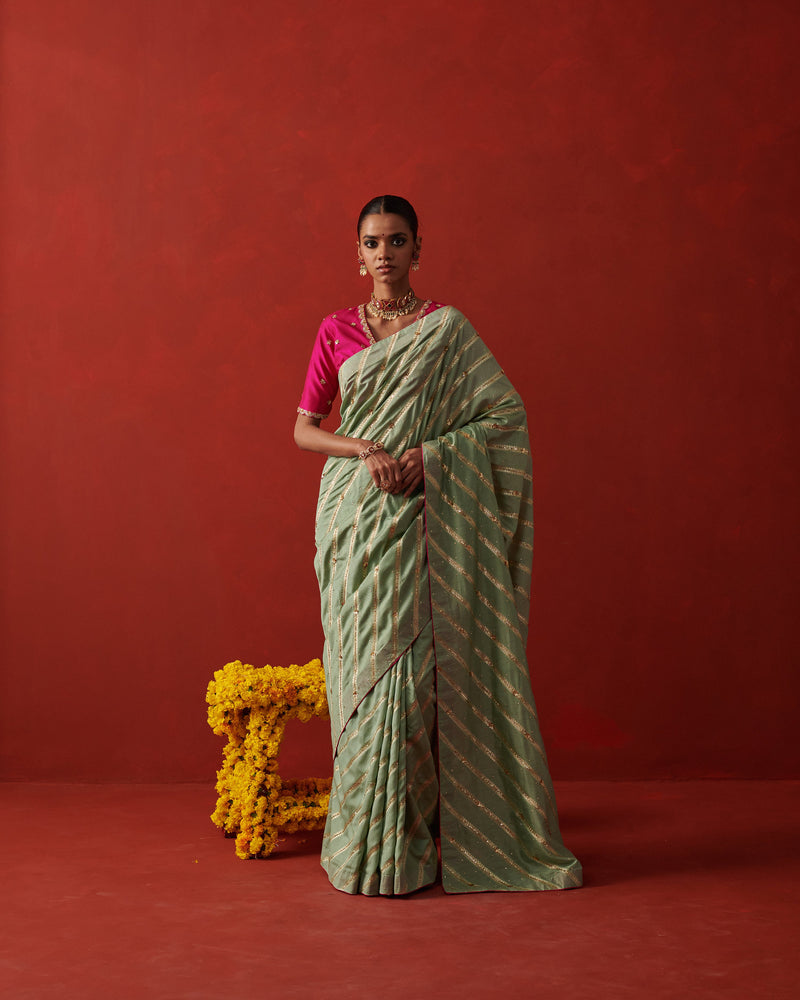
Where to Shop for Indian Clothes in Singapore & Malaysia: A Complete Guide
Handmade by karigars Made to your measurements Fit guarantee Ships worldwide As seen in GraziaElle Graduat...
20 September 2026