
Jewel Tones Are Back: How to Wear Emerald, Ruby, and Sapphire in Indian Occasion Wear
After several seasons dominated by pastels, the pendulum has swung. In 2026, the most striking outfits at weddings, Diwali parties, and evening gatherings are in deep, saturated jewel tones — emerald, ruby, sapphire, amethyst, and burnished gold. These aren't just colours. They're statements of confidence.
Here's how to wear jewel tones in Indian occasion wear — and why they're the most impactful choice you can make right now.
Why Jewel Tones Are the Colour Story of 2026
Fashion moves in cycles. The pastel moment — blush lehengas, lavender sarees, mint kurtas — was beautiful, but it reached saturation. Brides started looking alike. Wedding guests blended into each other. The reaction was inevitable: a return to depth, richness, and colour that commands attention.
Jewel tones work because they carry the weight of occasion. A deep emerald says celebration. A ruby red says confidence. A sapphire blue says you didn't come to blend in. In Indian fashion, where colour has always been central to the language of dressing, jewel tones feel like a homecoming.
Emerald Green — The Festive Favourite
Emerald green is the most versatile jewel tone in Indian fashion. It works across seasons, across occasions, and across every silhouette. It's inherently festive without being bridal — making it the perfect colour for sangeets, Eid, Diwali, and evening gatherings.
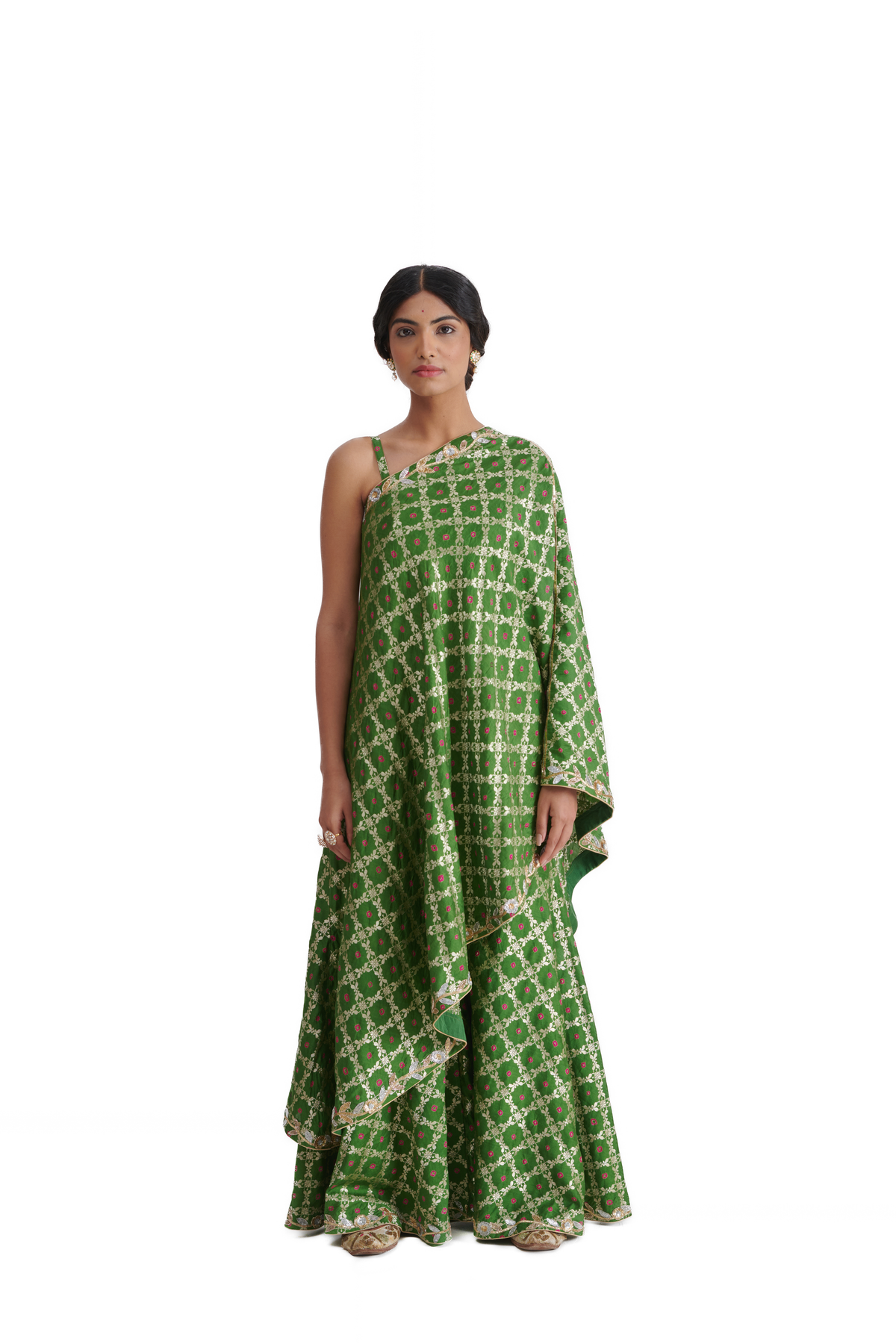
The Mastani, Leyla & Nalini in emerald cheniya bandhani jacquard silk is a three-piece sharara set with gold and silver woven floral motifs. The one-shoulder cape and bustier silhouette make this a head-turner — the kind of outfit that owns the room.

For a lighter green, the Falak dupatta in deep forest green organza silk brings celestial elegance with sequin, cutdana, and zardozi embroidery. Pair it with a black or ivory kurta for instant drama.
Best occasions for emerald: Sangeet, cocktail parties, Eid, Diwali, evening receptions.
Ruby Red — The Power Colour
Red is the most storied colour in Indian fashion. But jewel-tone red — deep, saturated, bordering on wine — hits differently from bright bridal red. It's less "wedding" and more "I've arrived."
The Laal Ishq saree in deep vermillion organza silk features hand-embroidered sequins, cutdana, and gota work — a tribute to timeless romance. The colour catches light beautifully, shifting between deep red and burnt gold depending on the angle.

The Jazabah & Saiyan kurta set in deep red silk with marodi, sequin, and bead embroidery is a richer, more festive option. The silk catches light in a way that makes the red feel alive.
Jewellery pairing: Gold kundan or polki jewellery with ruby red is a combination that has survived centuries for good reason. Avoid silver — it fights with the warmth of the red.
Best occasions for ruby: Receptions, evening pujas, Karwa Chauth, festive dinners, anniversary celebrations.
Sapphire Blue — The Unexpected Statement
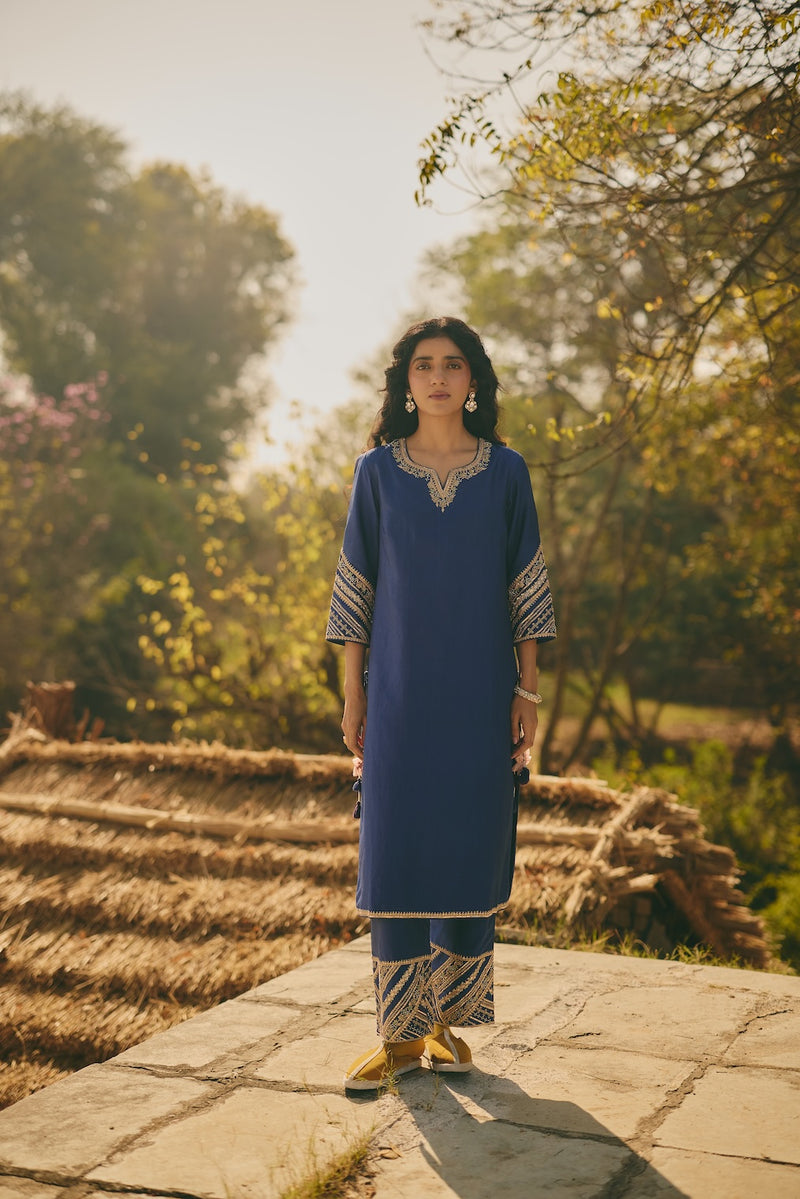
Blue is underused in Indian occasion wear, which is precisely what makes it so effective. When everyone is in red and pink, sapphire blue stands apart without trying. It reads as sophisticated, confident, and modern.
The Aashiqui saree in deep royal blue chiffon features hand-embroidered sequin bootis — vintage glamour with a modern sensibility. The Ameera & Hoorain kurta set in deep sapphire blue silk with zardozi, sequin, and bead work offers opulent yet wearable elegance.


Jewellery pairing: Sapphire blue sings with diamond or uncut kundan jewellery. For a bolder look, pair with gold — the contrast is electric.
Best occasions for sapphire: Cocktail parties, engagement celebrations, receptions, evening events where you want to stand out.
Amethyst Purple — The Regal Choice
Purple has historically been the colour of royalty, and in Indian fashion, it carries the same weight. A deep amethyst or plum outfit reads as luxurious and intentional — you chose this colour because you know what you're doing.
Free Download
Get Our Measurement Guide
Step-by-step instructions with photos for perfect custom fit.
Download Free GuideThe Zehan & Aabha sharara set in majestic purple silk features dense landscape motifs in zardozi, sequins, and cutdana. This is one of the most intricately embroidered pieces in our collection — the kind of outfit that becomes an heirloom.

For a lighter drape, the Ranjha saree in plum georgette features hand-embroidered scalloped lines and floral jaals that run diagonally across the fabric — subtle, sophisticated, and deeply elegant.
Jewellery pairing: Pearls are exceptional with purple — the contrast between the warm depth of amethyst and the cool luminosity of pearls is striking. Polki also works beautifully.
Best occasions for amethyst: Intimate weddings, evening pujas, upscale dinner parties, destination events.
Burnished Gold — The Warm Metallic
Gold isn't a jewel tone in the traditional sense, but in Indian fashion, it functions as one. A gold tissue or brocade outfit has the same saturated richness as emerald or sapphire — and it's inherently festive.
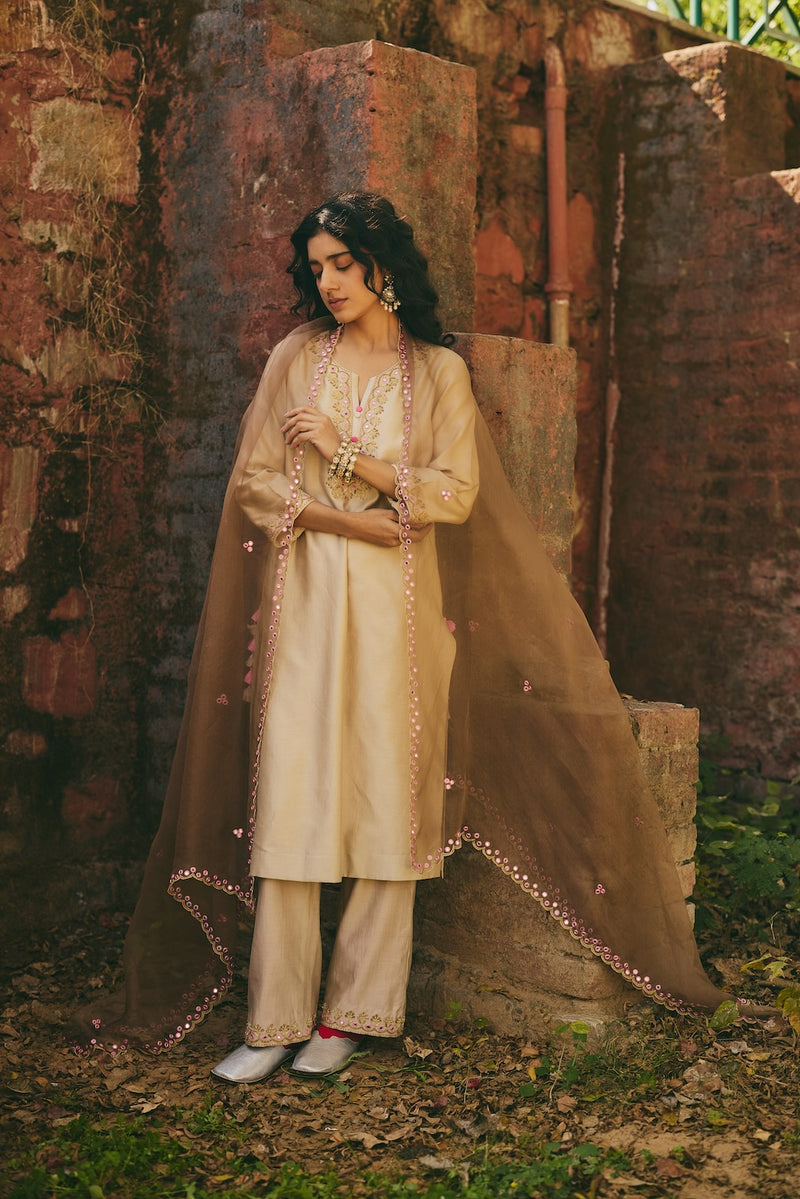
The Taraana saree in luminous tissue fabric in a soft antique gold hue features hand-embroidered sequin, cutdana, and resham work. The shimmer is refined, not flashy — it catches light like an heirloom.


The Taraaz saree in golden-champagne tissue with sequin and thread embroidery offers a similar warmth in a slightly lighter register.
Best occasions for gold: Pujas, Diwali, daytime weddings, festive brunches.
How to Style Jewel Tones
Let the colour be the star. Jewel tones don't need competing elements. Keep your makeup refined — a bold lip in a matching tone (deep berry with purple, classic red with ruby) is all you need.
Match your embroidery metal to your jewellery. Gold zari and sequin work pairs with gold jewellery. Silver thread and mirror work pairs with silver or diamond jewellery.
Skin tone guidance: Warm skin tones glow in emerald, ruby, and gold. Cool skin tones shine in sapphire and amethyst. If you're unsure, emerald green flatters almost everyone.
Don't be afraid to go head-to-toe. A monochrome jewel tone outfit — same colour kurta, pant, and dupatta — is one of the most sophisticated looks in Indian fashion. The colour does all the work.
Frequently Asked Questions
Are jewel tones appropriate for daytime events?
In lighter fabrics like chanderi, chiffon, or organza, jewel tones work beautifully during the day. Reserve heavy silks and brocades in jewel tones for evening.
Can I wear jewel tones to someone else's wedding?
Absolutely. Jewel tones are one of the best wedding guest choices — they're festive without encroaching on bridal territory. Just avoid red if the bride is wearing red.
How do I transition from pastels to jewel tones?
Start with a jewel-toned dupatta over a neutral outfit. Once you're comfortable, try a full outfit in emerald or sapphire — these are the most universally flattering jewel tones.
Ready to Order Custom?
WhatsApp us at +91 70423 11214 with what you're looking for. We'll guide you through measurements, customizations, and timeline.
Most pieces ready in 4-5 weeks. Bridal in 6-8 weeks.
Made to order in 4–5 weeks
Have an event date? We’ll tell you exactly when to order by.
We take a limited number of orders each month — secure your slot early.
Not sure where to start?
Tell us what you're dressing for and we'll help you choose — fabric, fit, colour, and timeline — over WhatsApp.
Your Cart
Pieces from this story
All pieces →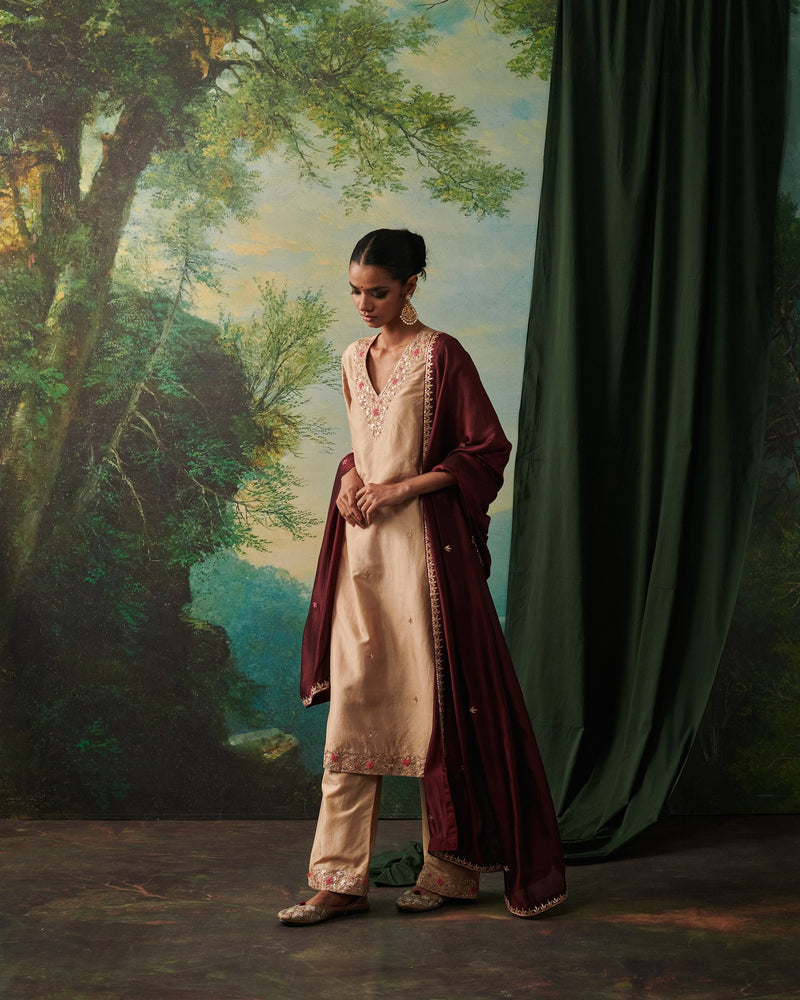
Keep reading
The journal →
Best Plus-Size Ethnic Wear Brands in India 2026: Where to Actually Find Your Size
Handmade by karigars Made to your measurements Fit guarantee Ships worldwide As seen in GraziaElle Graduat...
17 September 2026
Kurta Sets for Girls: A Parent's Buying Guide to Kids' Kurta Sets
Handmade by karigars Made to your measurements Fit guarantee Ships worldwide As seen in GraziaElle Graduat...
17 September 2026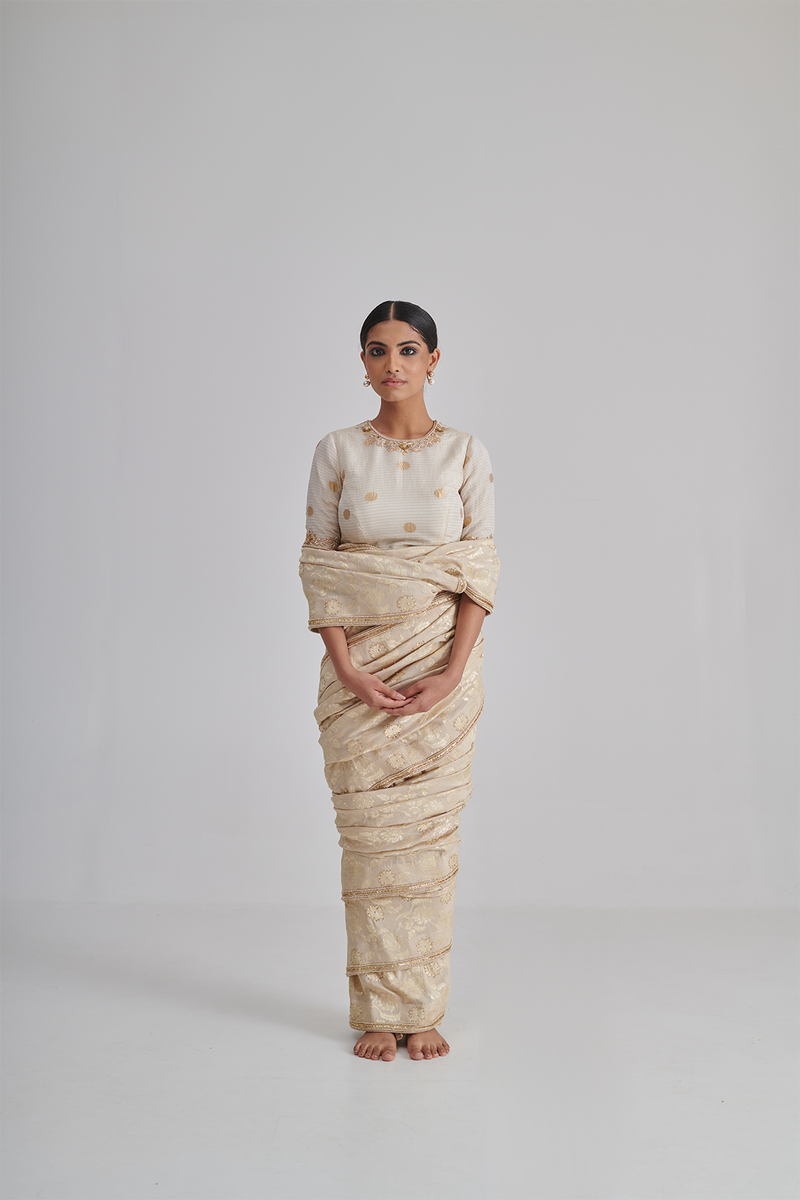
Gifts for Your Mother-in-Law: Indian Outfits That Don't Feel Like a Formality
Handmade by karigars Made to your measurements Fit guarantee Ships worldwide As seen in GraziaElle Graduat...
17 September 2026