
The Art of Monochrome: How to Master Tonal Dressing in Indian Ethnic Wear
There's a particular sophistication to wearing a single colour head to toe. In a culture where multi-colour outfits have always been the default — contrasting dupattas, mismatched blouses, rainbow embroidery — choosing monochrome is a deliberate act of restraint. And in 2026, it's one of the most powerful style moves you can make.
Tonal dressing in Indian ethnic wear means wearing one colour family from top to bottom, with variation only in texture, fabric, and embroidery. The result is a silhouette that looks effortlessly polished — the kind of outfit that makes people ask where it's from.
Why Monochrome Works So Well in Indian Fashion
In Western fashion, monochrome is often about minimalism — stripping away detail. In Indian fashion, the opposite is true. When you remove colour contrast, every other element becomes more visible: the weave of the silk, the texture of the embroidery, the play of light on sequins against a matching base.
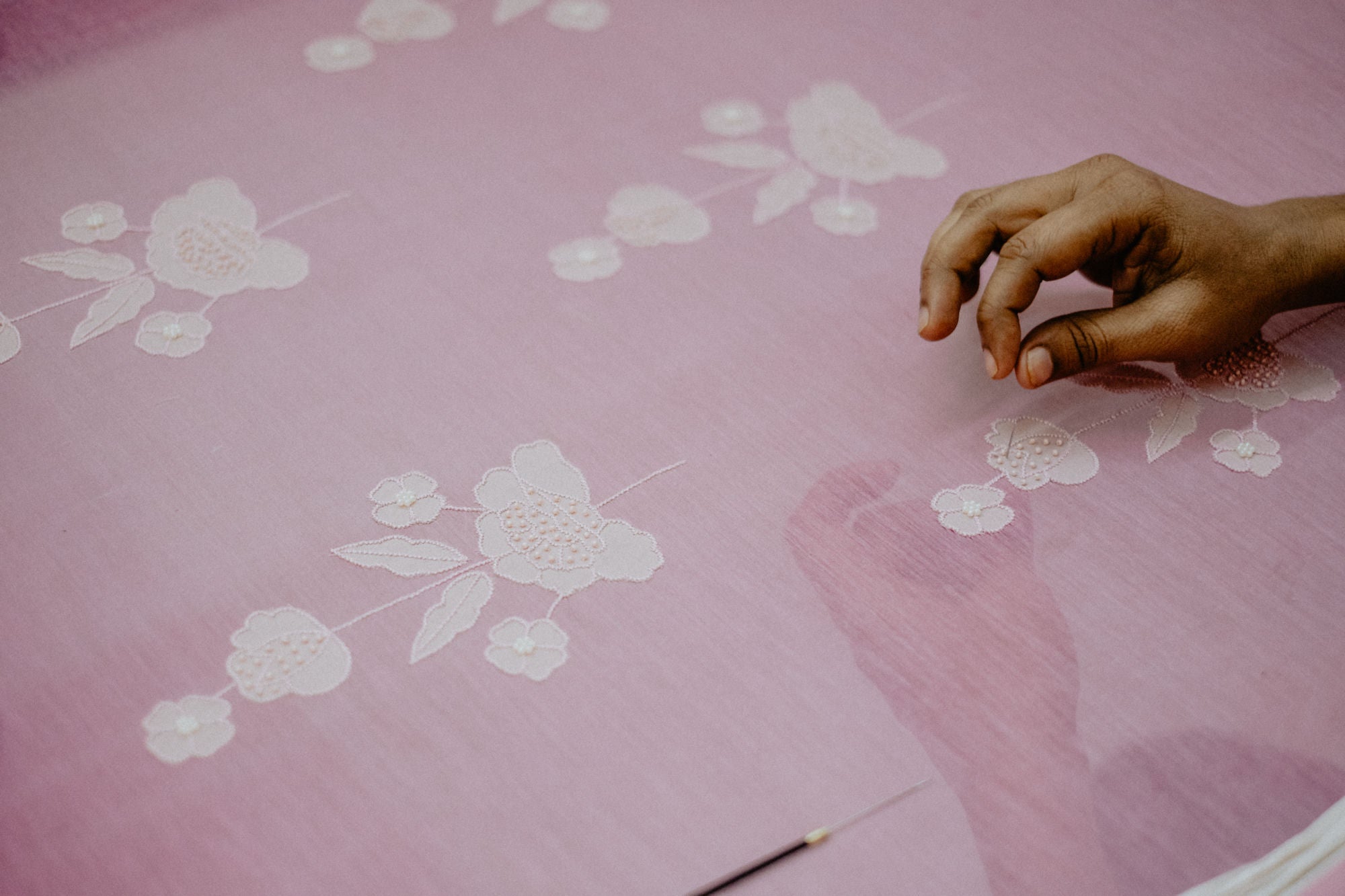
A tonal outfit forces the eye to notice craft. Ivory zari on ivory silk. Blush threadwork on blush organza. Gold sequins on gold tissue. This is where Indian handcraft — zardozi, aari, gota patti, and chikankari — truly shines, because the embroidery becomes the entire visual story.
Ivory and Champagne — The Quiet Luxury Palette
Ivory-on-ivory is the most refined expression of tonal dressing. It reads as expensive, intentional, and timeless — the kind of colour choice that signals you understand clothes on a deeper level.
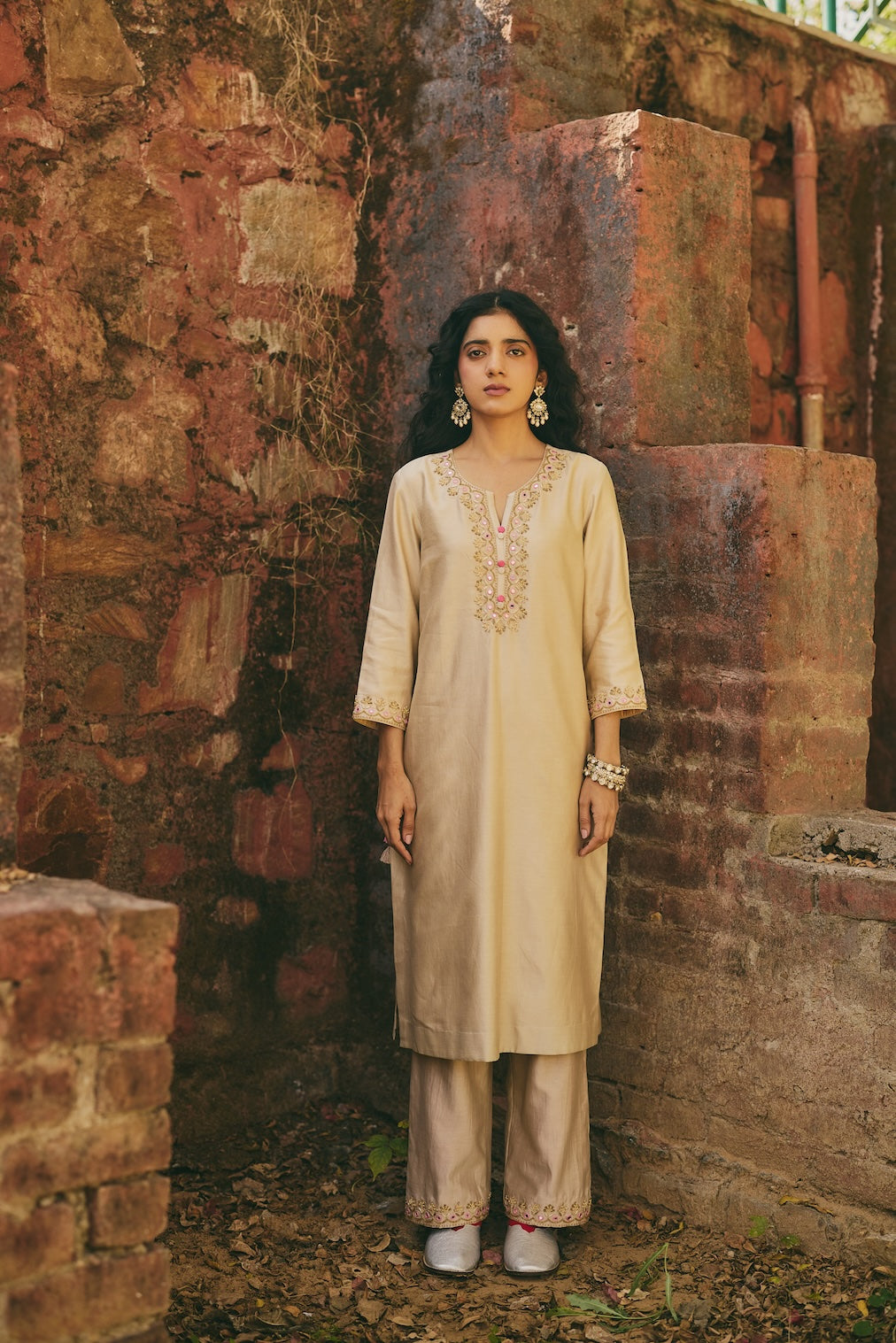
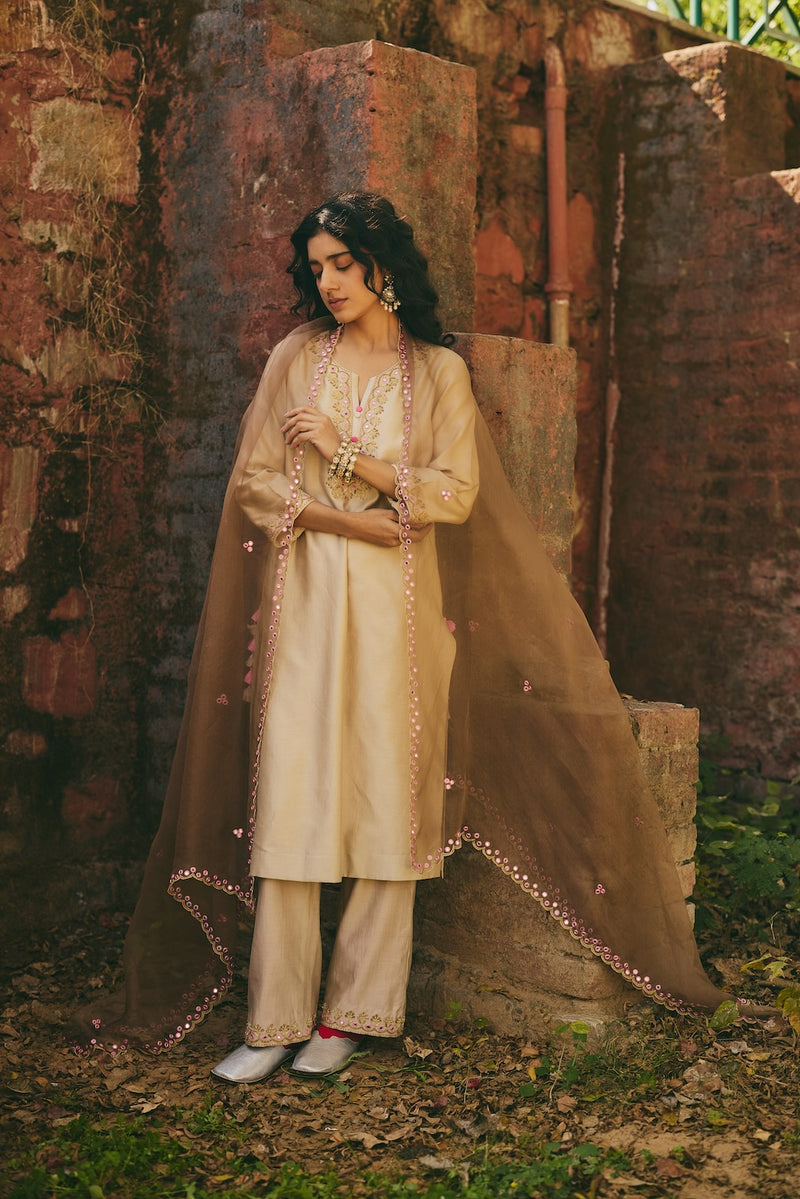
The Oshani & Vritika kurta set in soft champagne gold satin with hand-embroidered floral details offers a refined silhouette where the subtle gold tones shift between champagne, ivory, and soft metallic depending on the light.

The Eila & Riya kurta set features ivory and gold embroidered floral and vine motifs — the tonal embroidery on the ivory base creates richness without any contrasting colour. The Shanvi saree in soft ivory organza with sequin and thread work achieves the same effect in a draped silhouette.


Black — The Bold Monochrome
All-black in Indian fashion is no longer unconventional — it's become one of the most striking choices for evening events. The key to making all-black work is texture: matte silk against sheer organza, dense embroidery against a smooth base.
The Ayesha & Mehr kurta set in deep black silk with hand-embroidered marodi, sequin, and bead work shows how tonal embroidery on black creates a jewel-like effect — the sequins catch light against the dark base, creating subtle sparkle.

The Sarmaya saree in black chiffon with tonal embroidery offers a flowing monochrome look. The Saadgi, Arzoo & Naaz set in sheer black organza with scalloped edges and sequin embroidery plays with transparency and texture for a more contemporary take.
Pink — The Tonal Range
Pink offers the widest range for tonal dressing in Indian fashion — from blush to rose to rani to fuchsia. A head-to-toe pink outfit in varying shades and textures feels feminine and deeply celebratory.
The Saher & Naazli kurta set in soft rose pink silk is a masterclass in tonal dressing — the kurta and pant share the same colour family, with hand-embroidered details adding depth without introducing new colours.

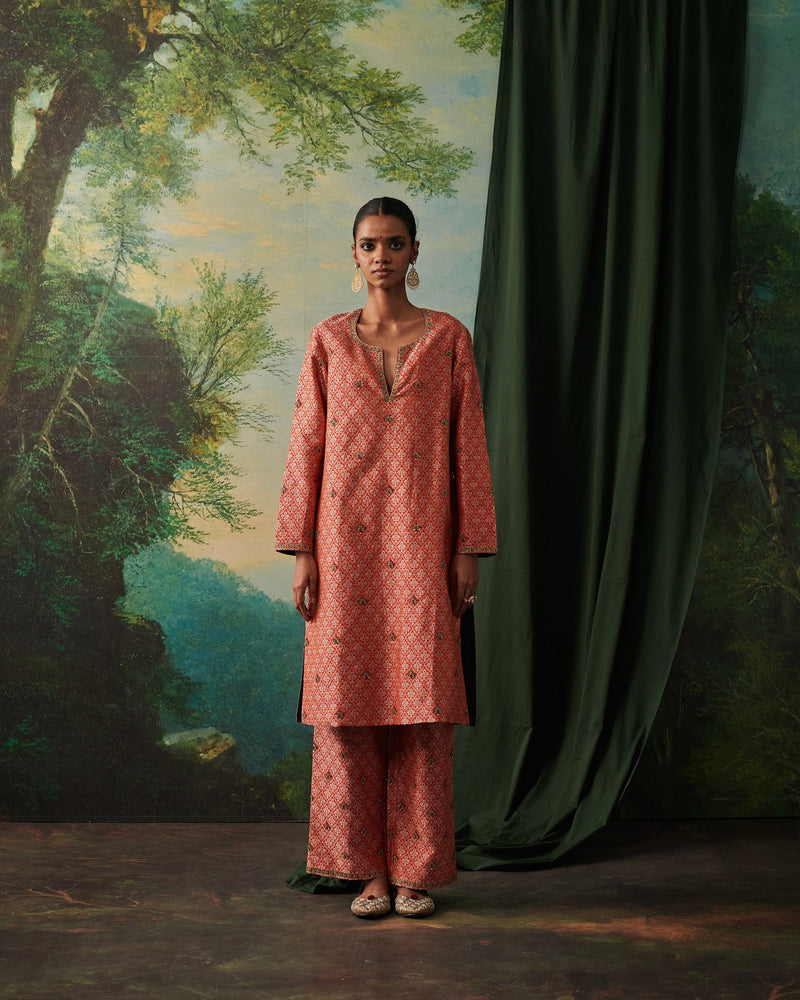
For a bolder pink, the Noorpari & Surkh silk kurta in vibrant rose pink with tonal embroidery at the neckline and hem carries more visual weight while maintaining the monochrome discipline.
Navy and Blue — The Sophisticated Tonal
Head-to-toe blue in Indian fashion is rare — which is exactly what makes it so impactful. A deep navy or sapphire monochrome outfit reads as contemporary, confident, and fashion-forward.
Free Download
Get Our Measurement Guide
Step-by-step instructions with photos for perfect custom fit.
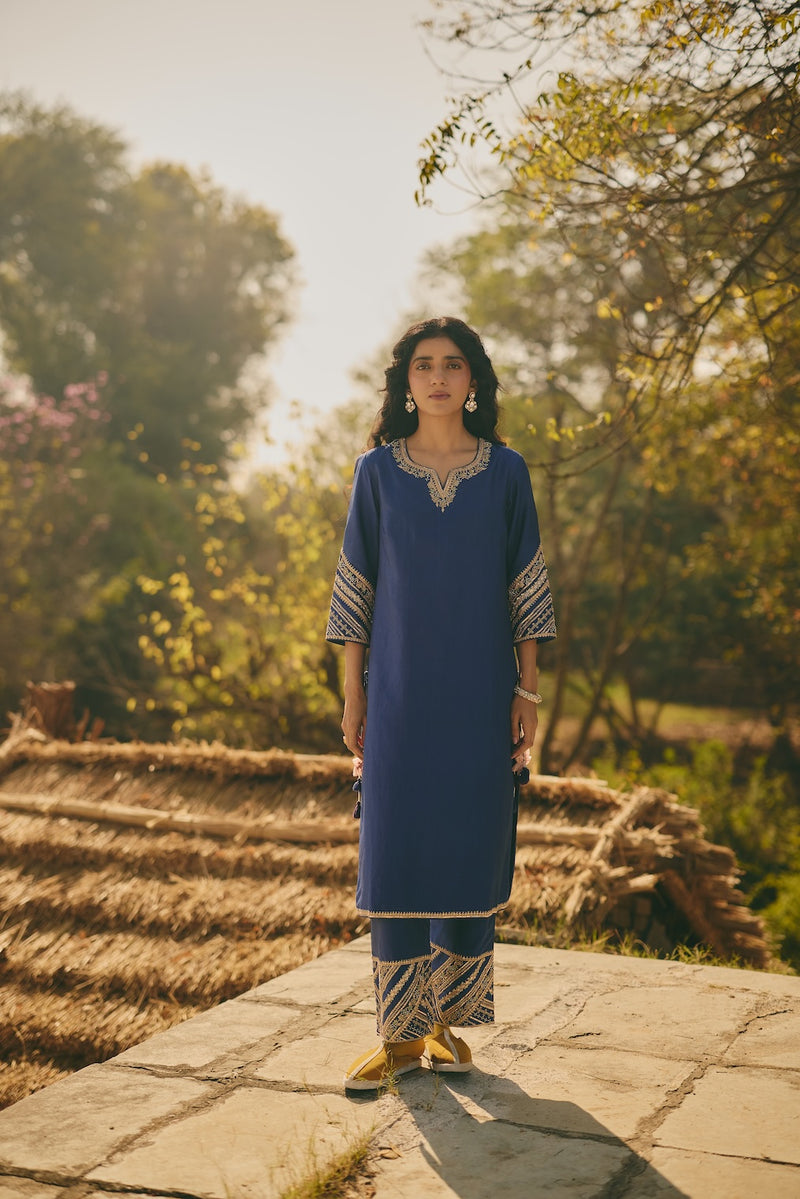
Download Free GuideThe Tara & Pari kurta set in deep navy blue silk with hand-embroidered gota, sequin, and bead detailing creates a sophisticated tonal look — the embroidery adds texture and light without breaking the monochrome.

The Aashiqui saree in deep royal blue chiffon with hand-embroidered sequin bootis offers a draped alternative — blue chiffon creates a fluid monochrome that moves beautifully.
Beige and Earth Tones — The Modern Neutral
Beige and earth-toned monochrome is the "I dress like this every day" aesthetic — effortlessly polished, versatile enough for pujas, brunches, and daytime events.
The Vanya & Bani kurta set in warm beige silk with hand-embroidered gota, sequin, and thread work offers a sophisticated neutral with enough craft detail to feel special. The Darya & Keya in champagne-taupe silk with marodi and zardozi embroidery takes the same palette into a slightly dressier register.


How to Master Tonal Dressing
Vary your textures. Monochrome becomes boring when everything is the same fabric. Pair silk with organza, brocade with chiffon, or matte with shimmer. The texture variation is what makes monochrome visually interesting.
Let the embroidery do the work. When colour is uniform, the embroidery becomes the star. This is why handcrafted pieces work so well in monochrome — zari, sequins, and beadwork add dimension that mass-produced embroidery can't.
Jewellery becomes your colour accent. In a monochrome outfit, your jewellery is the one place you introduce contrast. A pair of emerald earrings with an all-ivory outfit. Ruby studs with all-black. Turquoise with beige. The jewellery becomes the punctuation mark.
Match your dupatta tone. For a true monochrome look, your dupatta should be in the same colour family — not a contrasting one. Browse our dupatta collection to find tonal matches.
Best occasions for monochrome: Intimate weddings, evening pujas, upscale dinner parties, destination events, and any occasion where you want to look polished without looking like you tried too hard.
Frequently Asked Questions
Won't monochrome look boring?
Only if the textures are flat. Monochrome with hand embroidery, varied fabrics, and thoughtful jewellery is one of the most visually rich looks in Indian fashion. The simplicity of colour highlights the complexity of craft.
Can I mix shades within a colour family?
Absolutely — and you should. Tonal dressing doesn't mean everything is the exact same shade. A dusty rose kurta with a blush dupatta and a mauve pant is still monochrome. The slight variation adds depth.
Is monochrome appropriate for weddings?
Head-to-toe ivory or champagne is perfect for close-family weddings. All-black works for cocktails and receptions. For sangeets and mehendis, tonal pink or green makes a sophisticated statement.
Ready to Order Custom?
WhatsApp us at +91 70423 11214 with what you're looking for. We'll guide you through measurements, customizations, and timeline.
Most pieces ready in 4-5 weeks. Bridal in 6-8 weeks.
Made to order in 4–5 weeks
Have an event date? We’ll tell you exactly when to order by.
We take a limited number of orders each month — secure your slot early.
Not sure where to start?
Tell us what you're dressing for and we'll help you choose — fabric, fit, colour, and timeline — over WhatsApp.
Your Cart
Pieces from this story
All pieces →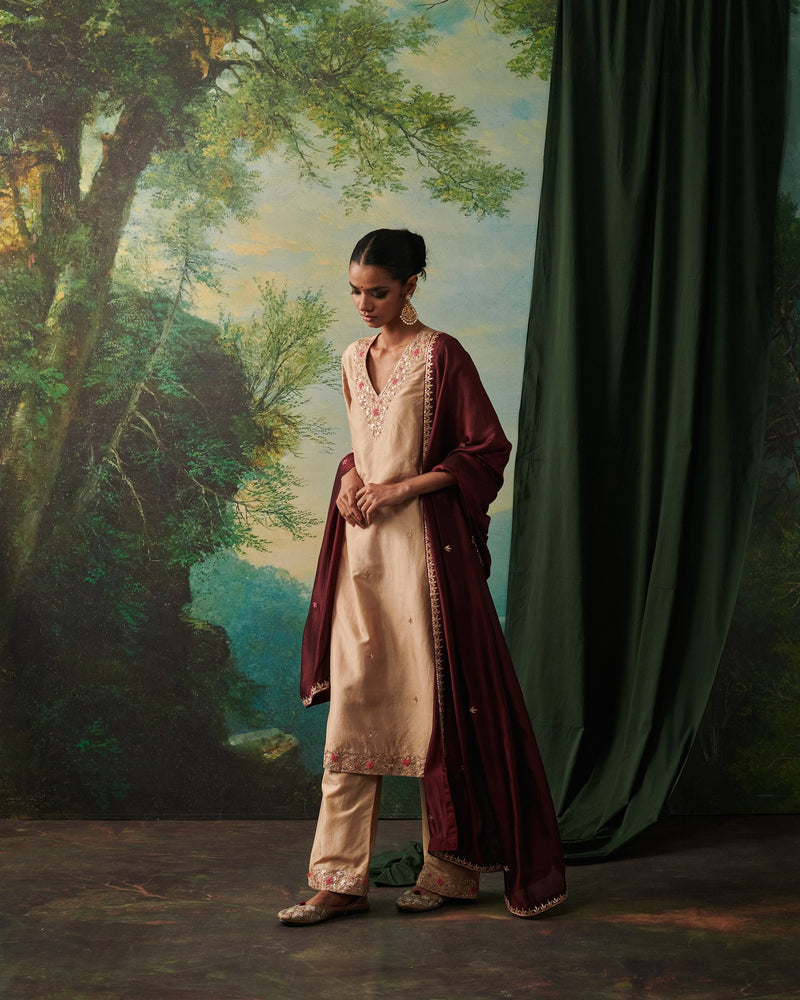
Keep reading
The journal →
Diwali Abroad: What to Wear to the Office Potluck, the Community Dinner & the House Party
Handmade by karigars Made to your measurements Fit guarantee Ships worldwide As seen in GraziaElle Graduat...
20 September 2026
Garba Abroad: What to Wear to Navratri in the US, UK, Canada & Australia
Handmade by karigars Made to your measurements Fit guarantee Ships worldwide As seen in GraziaElle Graduat...
20 September 2026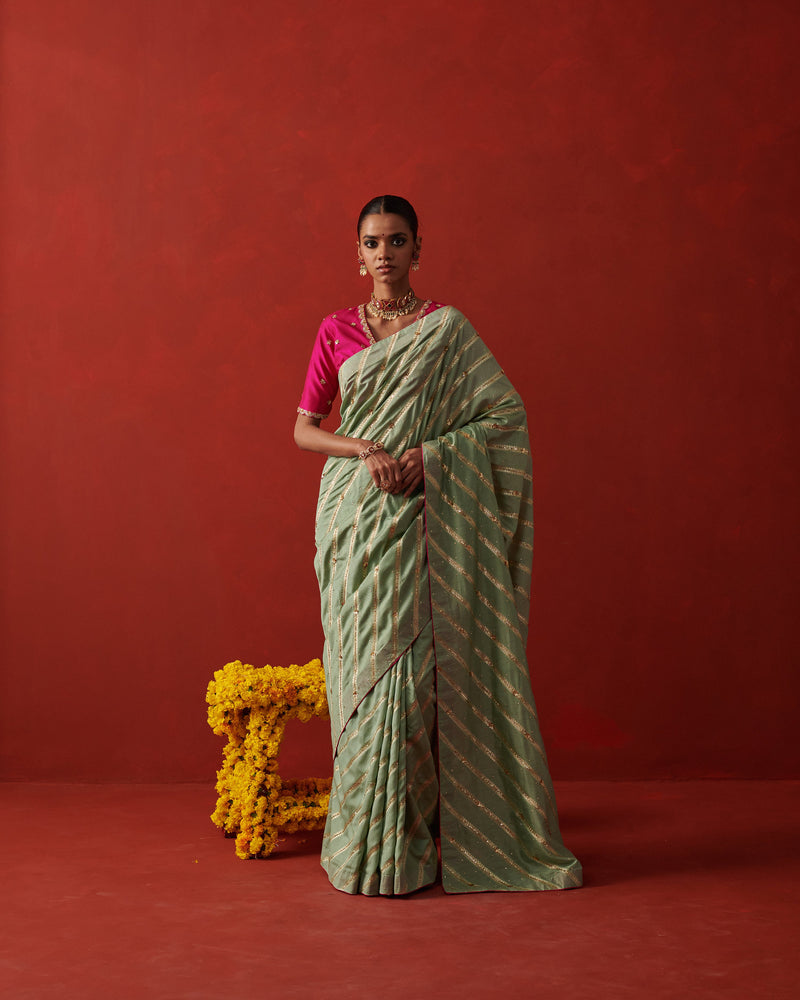
Where to Shop for Indian Clothes in Singapore & Malaysia: A Complete Guide
Handmade by karigars Made to your measurements Fit guarantee Ships worldwide As seen in GraziaElle Graduat...
20 September 2026