
Pre-Draped Sarees: Why Ready-to-Wear Is the Biggest Indian Fashion Trend of 2026
The saree is timeless — but let's be honest: draping one perfectly takes practice, patience, and about fifteen minutes you don't always have. Enter the pre-draped saree — the single biggest trend reshaping Indian occasion wear in 2026.
From Bollywood red carpets to intimate wedding celebrations, pre-draped and pre-stitched sarees are showing up everywhere. And they're not the stiff, awkward versions of a decade ago. Today's pre-draped sarees are fluid, elegant, and virtually indistinguishable from a traditionally draped one — except you can put one on in under two minutes.
What Exactly Is a Pre-Draped Saree?
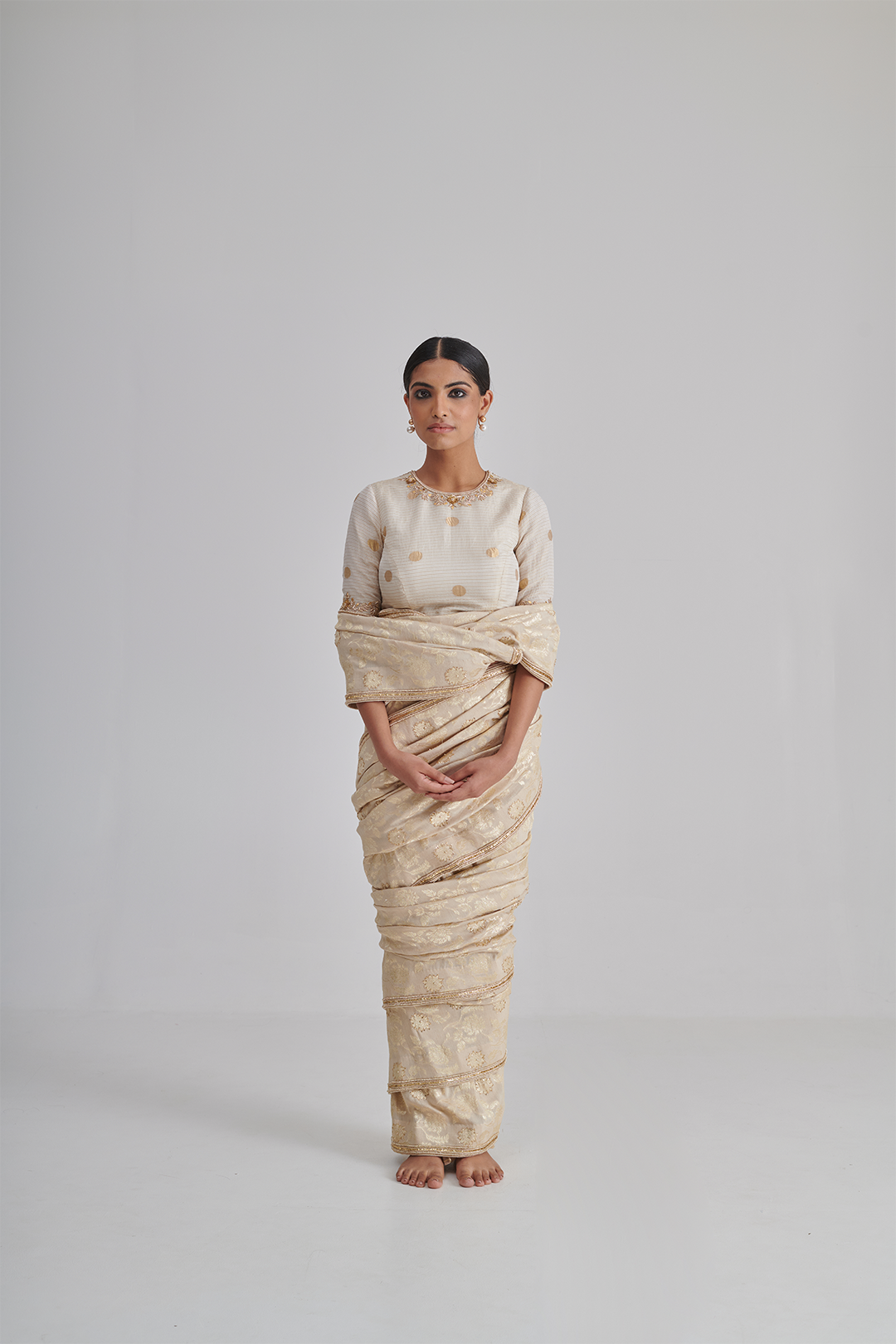
A pre-draped saree is a saree that's been stitched into its draped form — pleats set, pallu arranged, all attached to a fitted base (usually a petticoat or skirt). You step into it like a skirt, zip or hook it up, and you're done.
There are several variations:
- Fully pre-stitched: The entire drape is fixed. Step in and go.
- Semi-pre-draped: Pleats are stitched, but the pallu is free for you to drape as you like.
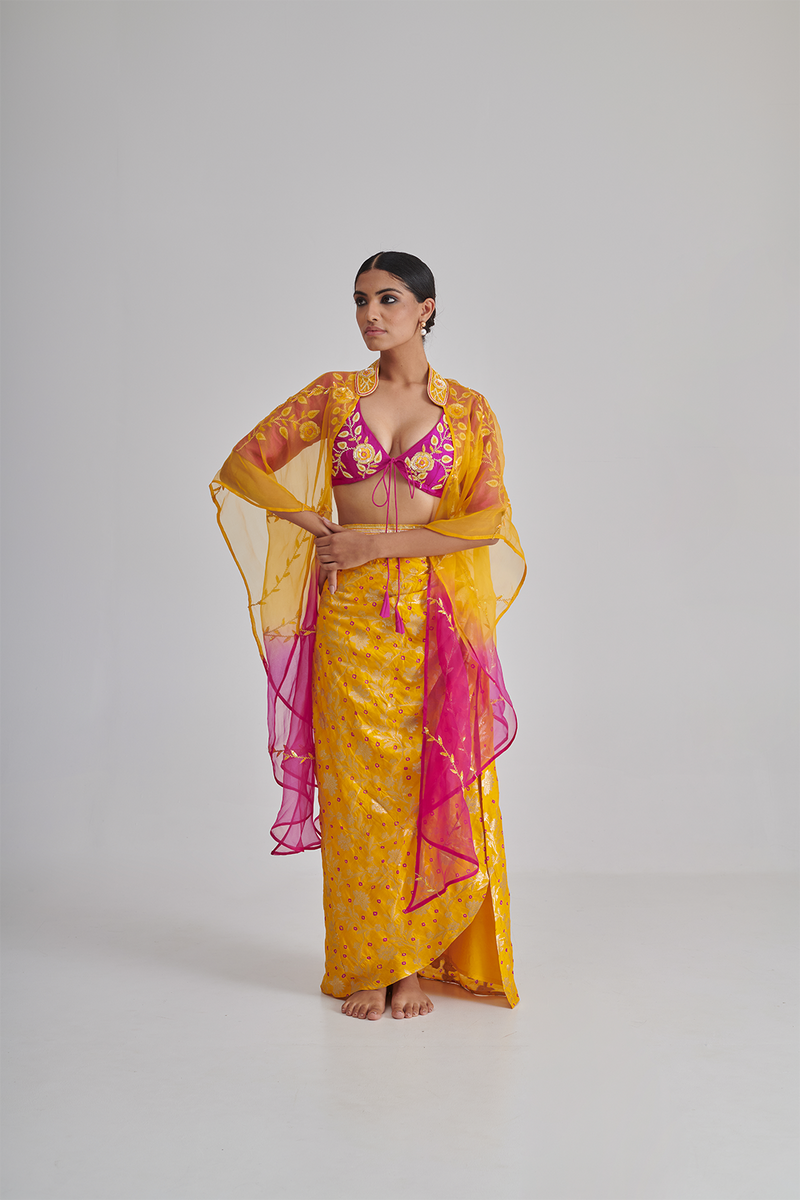
- Concept sarees: Saree-inspired silhouettes — draped skirts, saree gowns, one-shoulder drapes — that capture the saree aesthetic without traditional construction.
Why 2026 Is the Year of the Pre-Draped Saree
Several forces are converging to make this the breakout moment:
The NRI factor. A huge segment of Indian occasion wear buyers live abroad — in the US, UK, Canada, Middle East. Many grew up watching their mothers drape sarees but never learned the skill themselves. Pre-draped solves this completely. You get the cultural connection without the learning curve.
Bridesmaids and group coordination. When a bride wants all her bridesmaids in matching sarees, the pre-draped format guarantees everyone looks identical — same pleat count, same pallu fall, same silhouette. No more one friend with perfect pleats and another with a saree slowly unravelling on the dance floor.
Comfort for all-day events. Indian weddings run long — eight, ten, twelve hours. A traditional saree can shift, loosen, and need readjusting. A pre-draped saree stays put through the ceremony, dinner, and dancing.
Social media styling. The rise of Instagram content around Indian fashion means more women want the saree look for photoshoots, reels, and events — without necessarily knowing how to drape. The demand for "saree look, easy wear" has never been higher.
The Art Doesn't Change — Only the Access Does
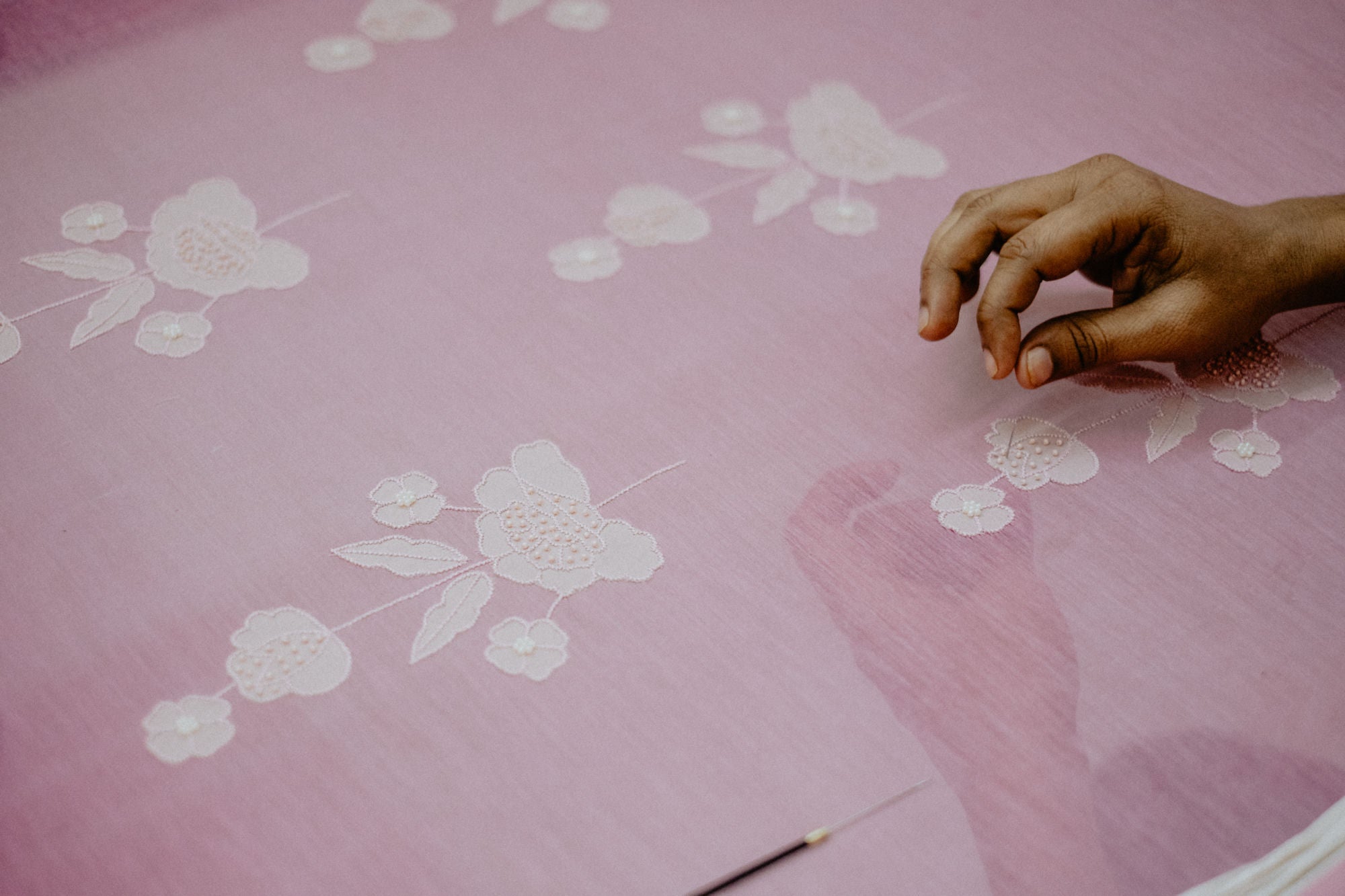
Here's what matters: the fabric, the embroidery, and the craftsmanship remain the same. A pre-draped saree in Banarasi silk with zari work is still Banarasi silk with zari work. The karigars still spend weeks hand-embroidering each motif. The weave is still from Varanasi.

What changes is accessibility. Women who were intimidated by the draping process — or who simply didn't have someone to help them — can now wear a saree confidently. That's not a compromise on tradition. It's an expansion of it.
When to Choose Pre-Draped vs Traditional
Both have their place:
Free Download
Get Our Measurement Guide
Step-by-step instructions with photos for perfect custom fit.
Download Free GuideChoose pre-draped when:
- You're attending an event solo and won't have help draping
- You need to get ready quickly (morning pujas, back-to-back functions)
- You want the saree look but haven't mastered draping yet
- Coordinating a group (bridesmaids, mother-daughter, sisters)
- The event involves a lot of movement — dancing, outdoor venues, destination weddings
Choose traditional draping when:
- You want full control over the drape style (Nivi, Bengali, Gujarati, etc.)
- The saree is a family heirloom or vintage piece you don't want altered
- You enjoy the ritual of draping — for many women, it's meditative
- The occasion calls for a specific regional draping style
How to Style a Pre-Draped Saree in 2026
The styling rules are the same as any saree — the silhouette just comes pre-assembled:
Blouse is everything. With the drape handled, your blouse becomes the hero piece. Think statement sleeves, deep backs, corset-style structures, or contrast embroidery. A striking blouse elevates a simple pre-draped saree instantly.
Minimal jewellery. The 2026 trend leans toward one statement piece — oversized chandbalis or a dramatic maang tikka — rather than layering everything. A pre-draped saree's clean lines pair beautifully with this less-is-more approach.
Hair up, pallu flowing. If your pre-draped saree has a free pallu, wear your hair up to let the pallu drape unobstructed. A low bun with fresh flowers is always elegant.
Investing in Sarees That Work Both Ways
The smartest investment? A beautifully crafted saree that can be worn both traditionally draped and later converted to pre-draped by a skilled tailor. Look for sarees with defined borders and pallus — they convert more seamlessly.


Our saree collection features pieces crafted in Banarasi silk, chiffon, and organza — fabrics that hold their shape beautifully in pre-draped form while maintaining the fluid drape of a traditional six yards.
The Bigger Picture
The pre-draped trend isn't about replacing traditional draping. It's about removing barriers. Every woman who discovers the saree through a pre-draped version is one more woman who falls in love with the garment — and many eventually learn to drape traditionally too.
The saree has survived centuries of change. It'll survive this one too — and come out stronger, more accessible, and worn by more women than ever.
Explore: sarees · dupattas · shop all
Ready to Order Custom?
WhatsApp us at +91 70423 11214 with what you're looking for. We'll guide you through measurements, customizations, and timeline.
Most pieces ready in 4-5 weeks. Bridal in 6-8 weeks.
Made to order in 4–5 weeks
Have an event date? We’ll tell you exactly when to order by.
We take a limited number of orders each month — secure your slot early.
Not sure where to start?
Tell us what you're dressing for and we'll help you choose — fabric, fit, colour, and timeline — over WhatsApp.
Your Cart
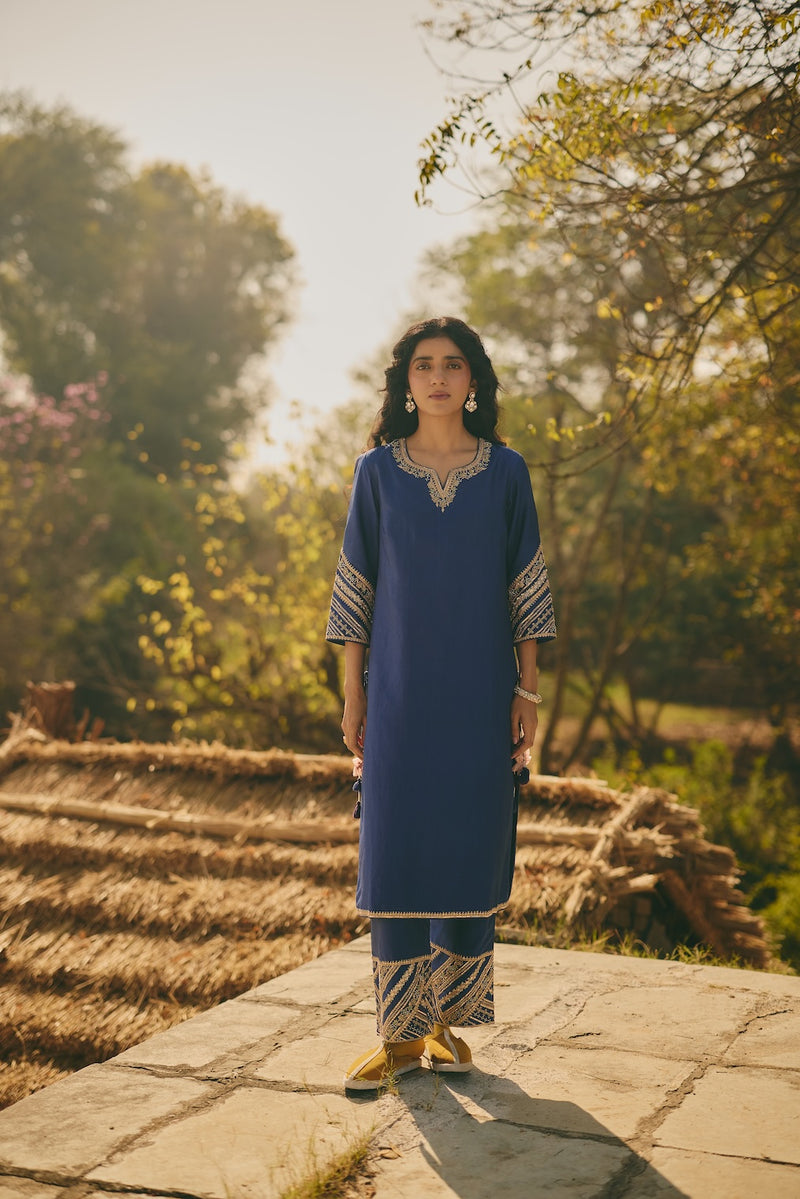
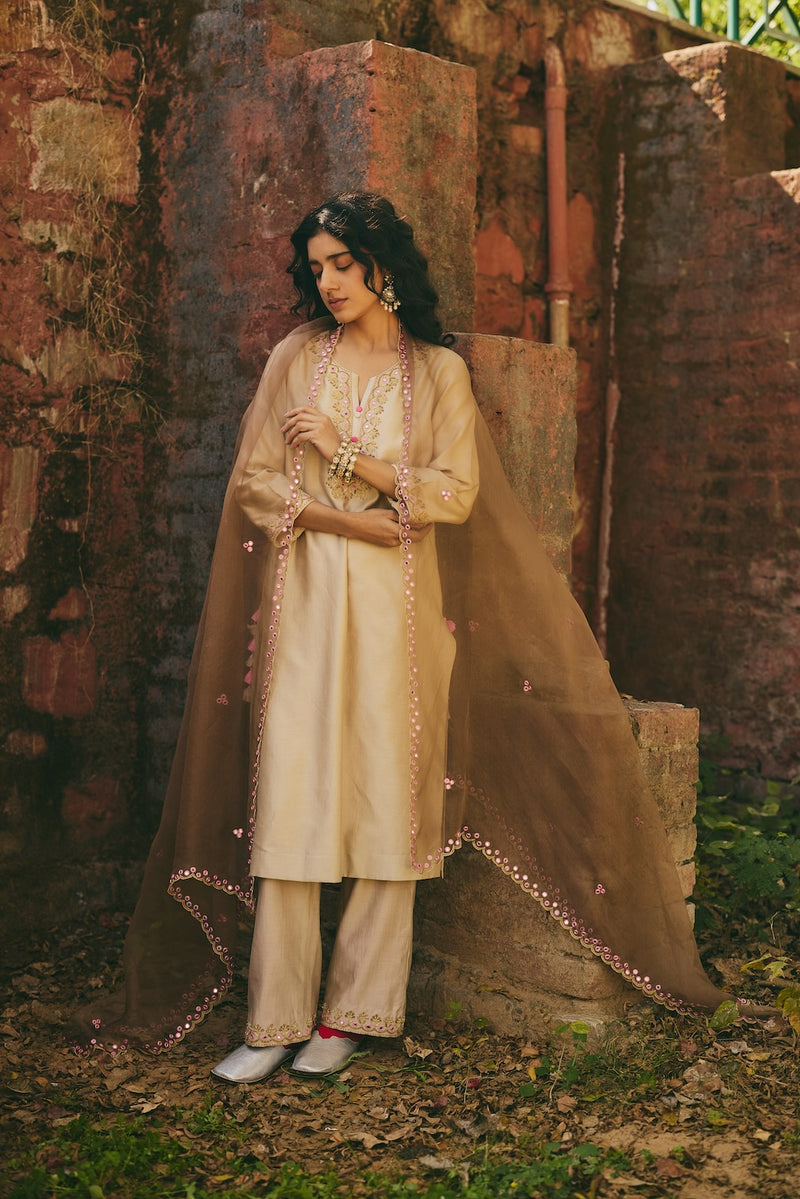
Pieces from this story
All pieces →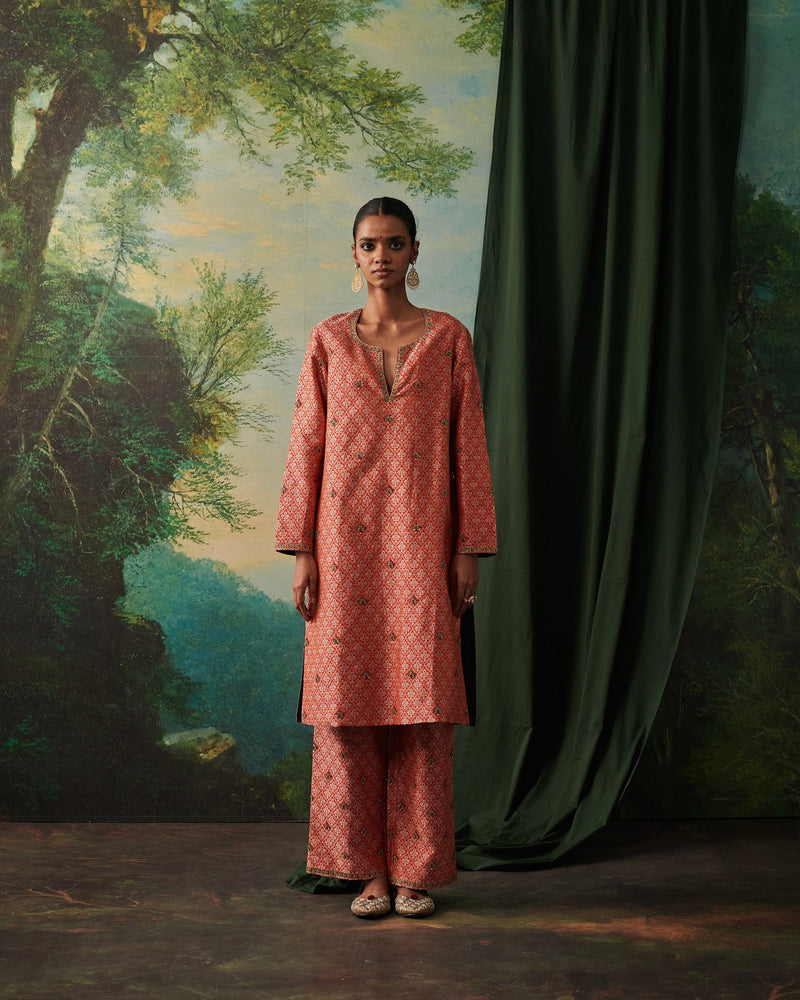
Keep reading
The journal →
Dholki Night Outfit Ideas: What to Wear to the Ladies' Dhol
Handmade by karigars Made to your measurements Fit guarantee Ships worldwide As seen in GraziaElle Graduat...
27 July 2026
Mayra & Bhaat Outfit Ideas: Dressing for the Maternal Gift Ceremony
Handmade by karigars Made to your measurements Fit guarantee Ships worldwide As seen in GraziaElle Graduat...
27 July 2026
Pag Phera Outfit Ideas: What to Wear for the Bride's Homecoming
Handmade by karigars Made to your measurements Fit guarantee Ships worldwide As seen in GraziaElle Graduat...
27 July 2026