
Sustainable Indian Fashion: Why Handmade Is the Future
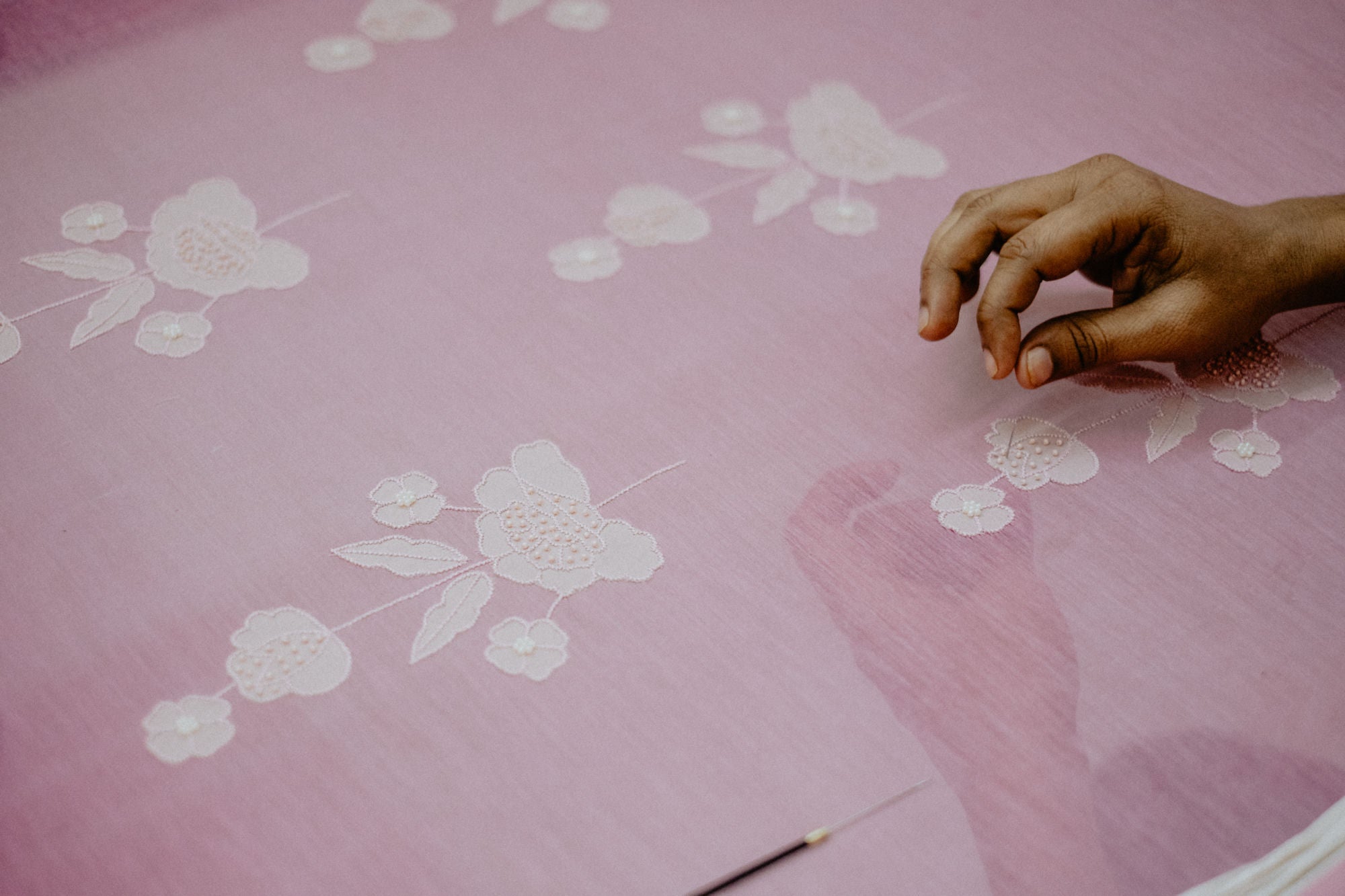
Long before "sustainable fashion" became a global conversation, India already had the answer — a centuries-old ecosystem of handloom weavers, hand-embroiderers, and master craftspeople creating garments one stitch at a time. No factories. No overproduction. Just hands, thread, and inherited skill.
Today, as the world reckons with the cost of fast fashion — environmental waste, exploitative labour, disposable clothing — Indian handcrafted fashion offers something radically different. Not as a trend, but as a tradition that never stopped.
What Makes Indian Handmade Fashion Sustainable?
Sustainability in fashion is not just about organic fabric. It is about the entire chain — who makes it, how it is made, and how long it lasts. Indian handcrafted garments score on every count:
Zero-waste production: When a karigar hand-embroiders a kurta, there is no industrial cutting waste. Fabric is measured, cut by hand, and every piece is used. Made-to-order production means nothing sits unsold in a warehouse.
Low carbon footprint: Hand embroidery techniques like zardozi, gota patti, aari, and marodi work require no electricity, no machines, no factory floor. The energy source is human skill — passed down through generations.
Longevity by design: A hand-embroidered silk lehenga or a chanderi kurta with gota patti work is not made to be worn once. These are heirloom pieces — designed to last decades and be passed across generations.

The Karigar: The Invisible Backbone of Indian Fashion
Behind every embroidered motif is a karigar — an artisan whose family has practised the craft for generations. In Jaipur, Varanasi, Lucknow, and dozens of smaller towns, these craftspeople keep alive techniques that are hundreds of years old.
At Rashika Mittal, every piece is handcrafted by karigars in Jaipur. A single lehenga can take 8 to 12 weeks of work — with multiple artisans contributing their specialisation. One does the zari work, another the gota patti, another the sequin detailing. The result is not just a garment but a collaboration of inherited skills.
The DRITI & HESYRA lehenga, for instance, is embroidered using seven distinct techniques — zari, resham, marodi, gota patti, sequins, cutdana, bead, and aari work. Each technique is a separate craft, often done by a different karigar. This is not production — it is orchestration.

Handcrafted Indian Wear vs Fast Fashion: The Real Comparison
A mass-produced embroidered kurta might cost ₹1,500. A handcrafted one costs significantly more. But the comparison is misleading — they are entirely different products.
Machine embroidery replicates a pattern at scale. It is uniform, fast, and disposable. The thread count is lower, the detailing is flat, and the garment is designed for a season.
Hand embroidery is dimensional. Each motif has slight variation — the mark of a human hand. Zardozi creates raised, sculpted surfaces. Gota patti catches light from different angles. Mukesh work creates a fine, stippled shimmer that no machine can replicate.


When you invest in handcrafted Indian wear, you are paying for time, skill, and a garment that will outlast dozens of fast fashion equivalents.
Why Made-to-Order Matters
One of the biggest contributors to fashion waste is overproduction — brands manufacture thousands of units hoping they sell. What does not sell ends up in landfills or incinerators.
Made-to-order eliminates this entirely. At Rashika Mittal, every piece is crafted only after it is ordered. There is no dead stock, no seasonal clearance, no waste. Each garment is made for a specific person, in their size, by hand. Production takes 4 to 5 weeks for most pieces — because the work cannot and should not be rushed.
Ethical Fashion Brands in India: What to Look For
If you want to support ethical fashion in India, here is what to look for:
Free Download
Get Our Measurement Guide
Step-by-step instructions with photos for perfect custom fit.
Download Free GuideTransparency about who makes it: Brands that credit their artisans and explain their craft process are invested in fair practice — not just marketing.
Made-to-order or small-batch production: This signals zero overproduction. If a brand has unlimited stock in every size, it is likely mass-produced.
Handcraft techniques, not machine shortcuts: Real zardozi, gota patti, bandhani, and chikankari take time. If a "hand-embroidered" piece ships in two days, question the claim.
Investment pricing: Ethical fashion has a real cost. Artisan wages, premium fabrics, and weeks of labour cannot be compressed into a ₹2,000 price tag.

The Crafts That Define Sustainable Indian Fashion
India's textile traditions are not just beautiful — they are inherently sustainable. Here are the techniques that represent the best of handcrafted Indian fashion:
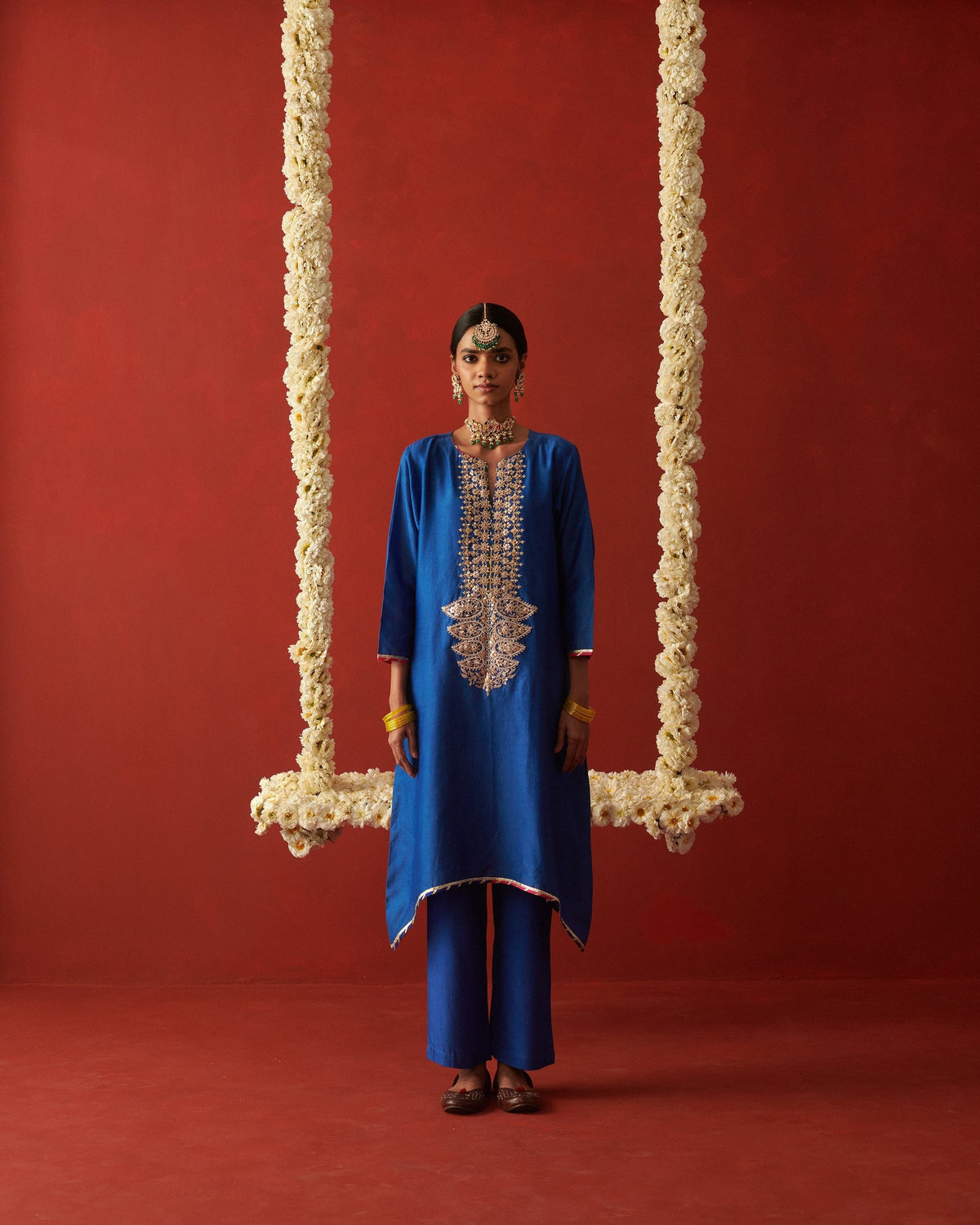
Gota Patti: Strips of gold and silver ribbon hand-stitched into floral and geometric patterns. Originated in Rajasthan, practised for over 400 years. The LEELA & SIFAT kurta set features a central panel of gota patti work inspired by traditional Rajasthani phool-patti patterns.
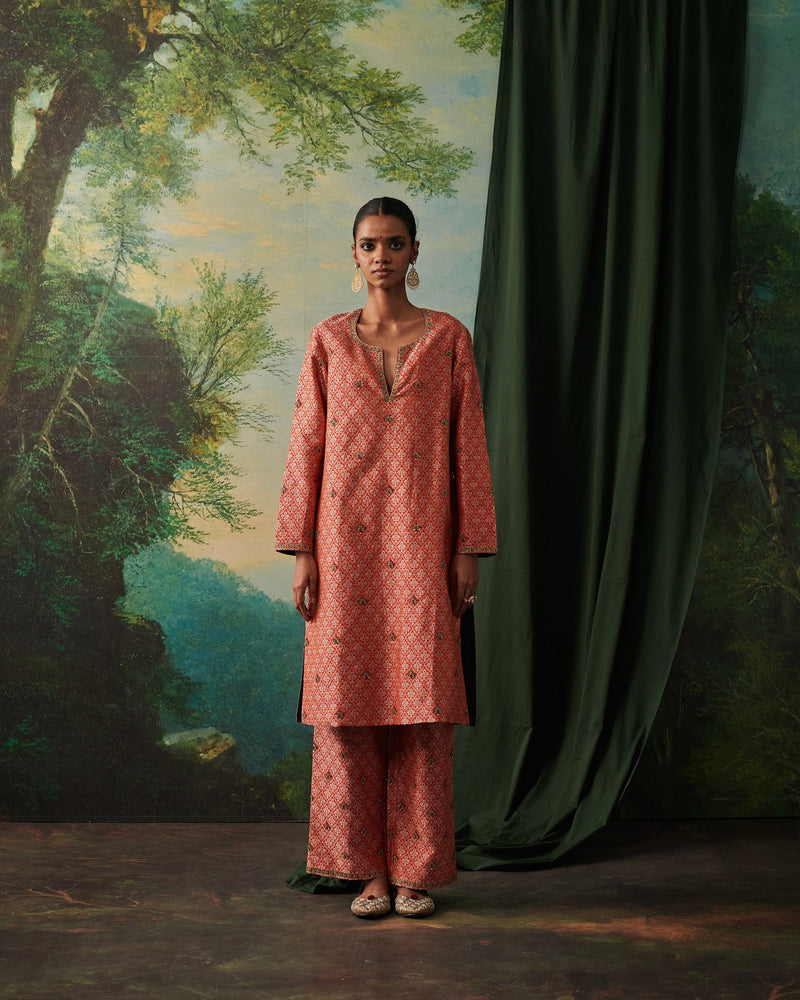
Zardozi: Raised embroidery using metallic threads, sequins, and beads to create sculptural, three-dimensional motifs. The NAZAKAT & SAANWLI kurta in chanderi uses zardozi alongside cutdana and bead work to create bold paisley motifs inspired by Mughal architecture.
Bandhani: The ancient tie-and-dye technique where fabric is pinched and tied at thousands of points before dyeing. The MASTANI, LEYLA & NALINI set in emerald cheniya bandhani jacquard silk is a contemporary take on this centuries-old craft.
Aari work: A form of chain-stitch embroidery done with a hooked needle, creating intricate vine and floral patterns. The FEROZAAN & GULRAAZ anarkali in fuchsia chanderi silk showcases aari and marodi vine patterns running vertically down the garment.


The Future of Sustainable Indian Fashion
The conversation around sustainable fashion often centres on Western innovation — recycled polyester, lab-grown fabrics, carbon offset programmes. These have their place. But India already has something more powerful: a living tradition of handcraft that employs millions and produces zero industrial waste.
The future is not about reinventing the wheel. It is about recognising that the wheel was already turning — in the hands of karigars who never needed a sustainability report to tell them their work mattered.
Every handcrafted piece you choose to wear is a vote for this future.
Frequently Asked Questions
What is sustainable fashion in India?
Sustainable fashion in India primarily means handcrafted, artisan-made clothing using traditional techniques like zardozi, gota patti, bandhani, and handloom weaving. These methods have near-zero industrial waste, support generational livelihoods, and produce garments designed to last decades.
Why does handcrafted Indian clothing cost more?
A single handcrafted piece can involve weeks of work by multiple skilled artisans. The cost reflects fair artisan wages, premium handwoven fabrics, and the time required for hand embroidery — none of which can be replicated by machines at the same quality.
How can I tell if a piece is genuinely handmade?
Look for slight variations in the embroidery — hand work is never perfectly uniform. Check if the brand discloses production timelines (handmade pieces take weeks, not days). Ask about the specific techniques used. Genuine handcraft brands can name the exact embroidery methods and often the region where the work is done.
Is made-to-order fashion more sustainable?
Yes. Made-to-order production means zero overstock and zero waste from unsold inventory. Each piece is created only when ordered, eliminating the massive waste problem that plagues fast fashion and even many luxury brands.
Ready to Order Custom?
WhatsApp us at +91 70423 11214 with what you're looking for. We'll guide you through measurements, customizations, and timeline.
Most pieces ready in 4-5 weeks. Bridal in 6-8 weeks.
Made to order in 4–5 weeks
Have an event date? We’ll tell you exactly when to order by.
We take a limited number of orders each month — secure your slot early.
Not sure where to start?
Tell us what you're dressing for and we'll help you choose — fabric, fit, colour, and timeline — over WhatsApp.
Your Cart
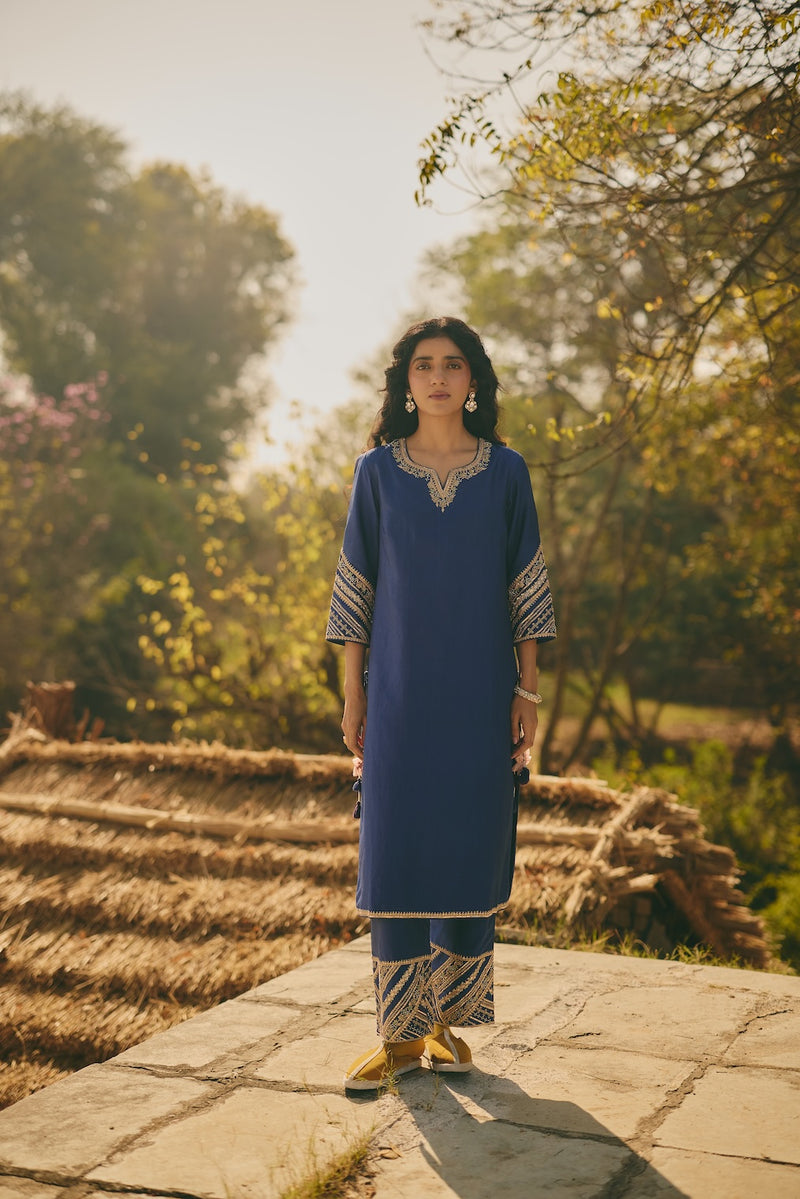
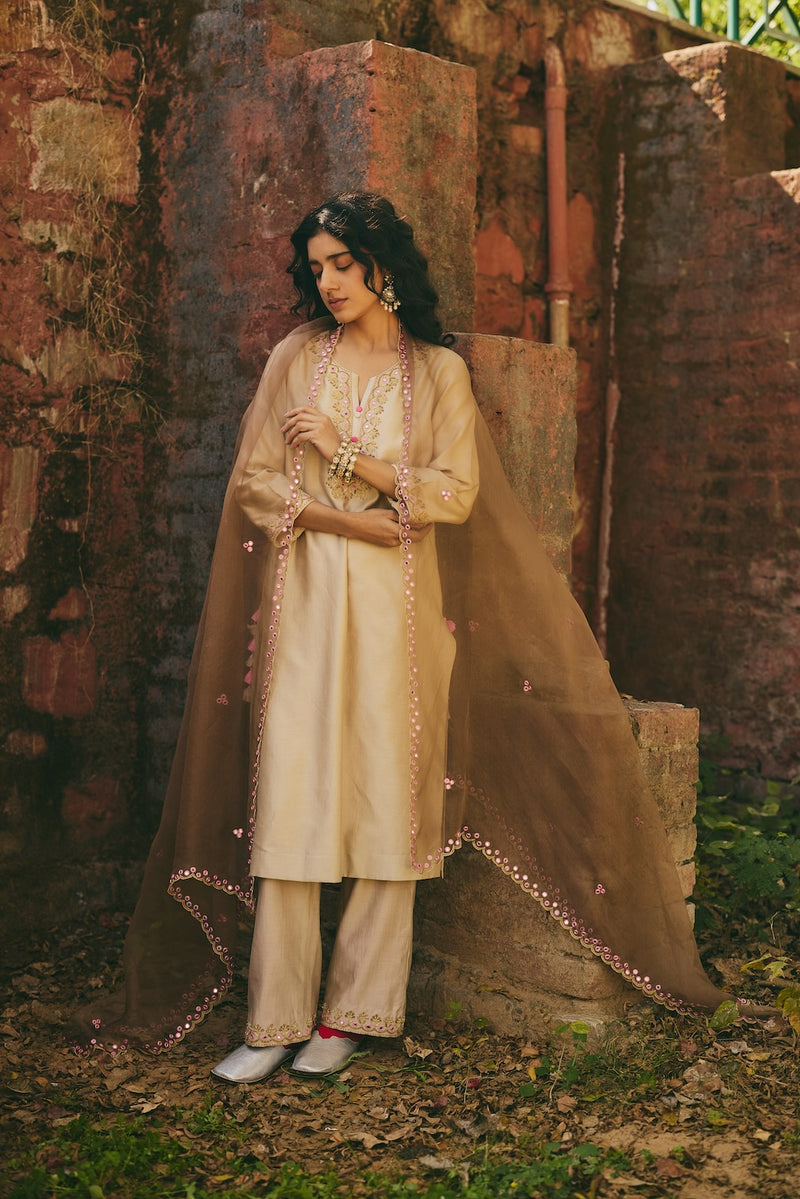
Pieces from this story
All pieces →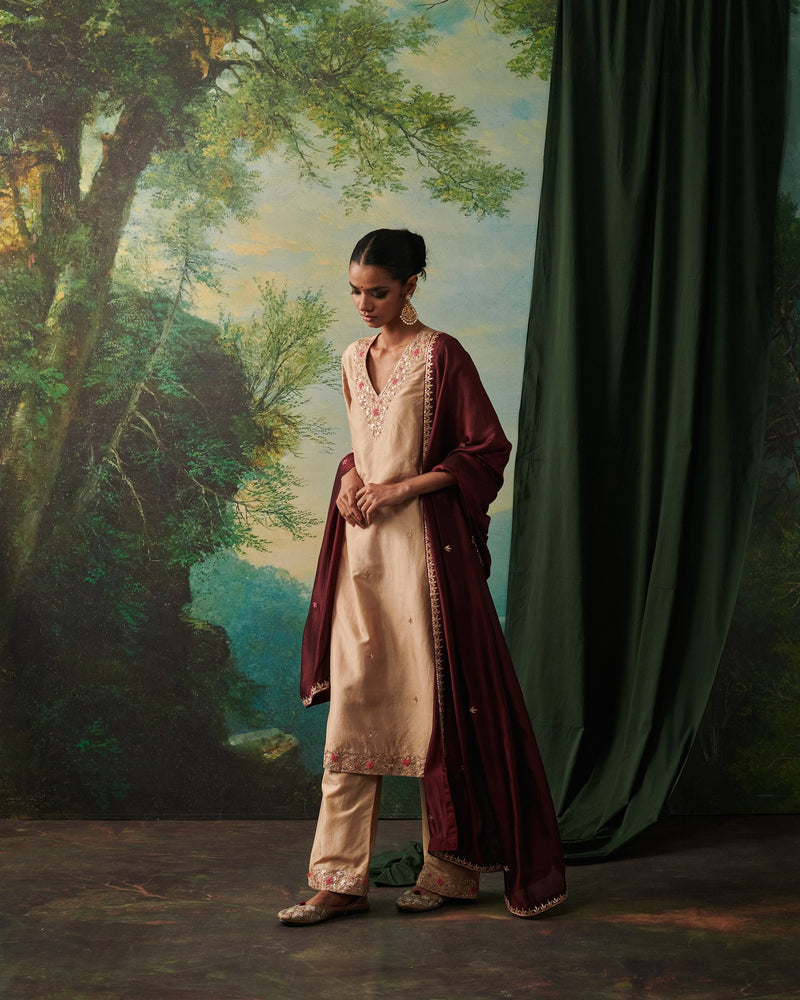
Keep reading
The journal →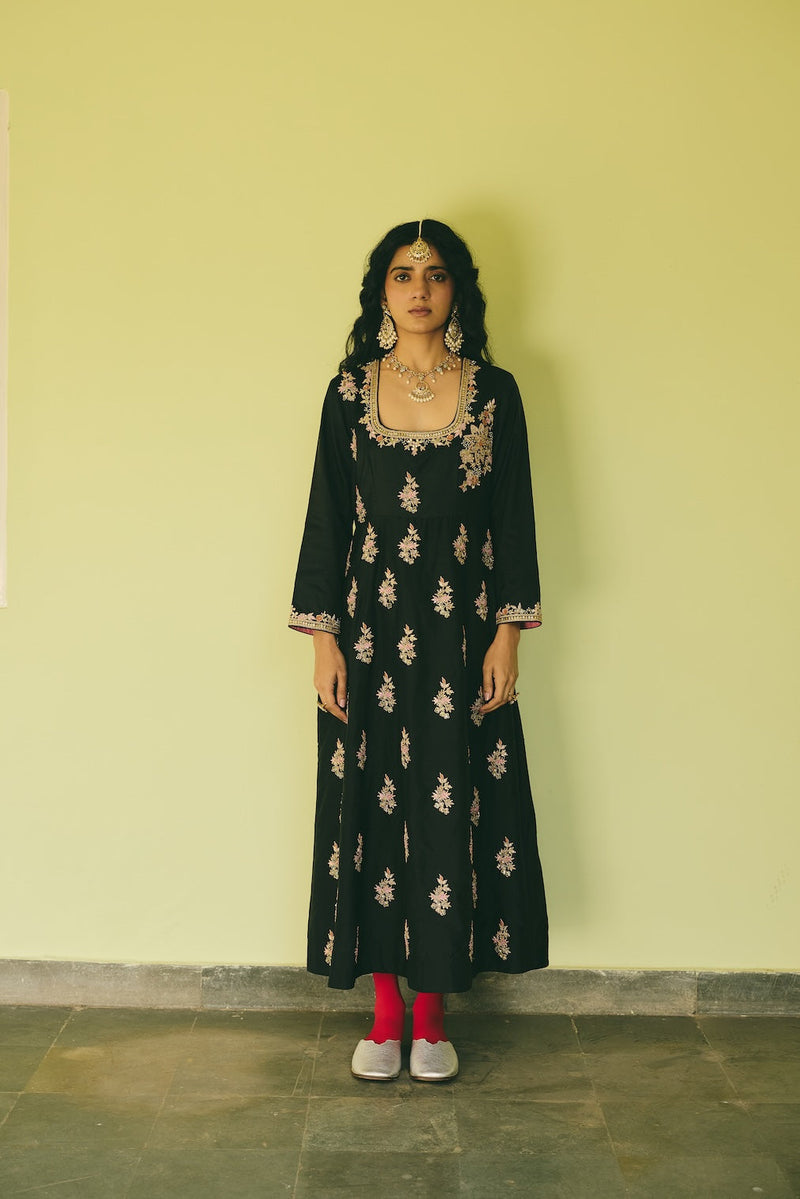
Best Plus-Size Ethnic Wear Brands in India 2026: Where to Actually Find Your Size
Handmade by karigars Made to your measurements Fit guarantee Ships worldwide As seen in GraziaElle Graduat...
17 September 2026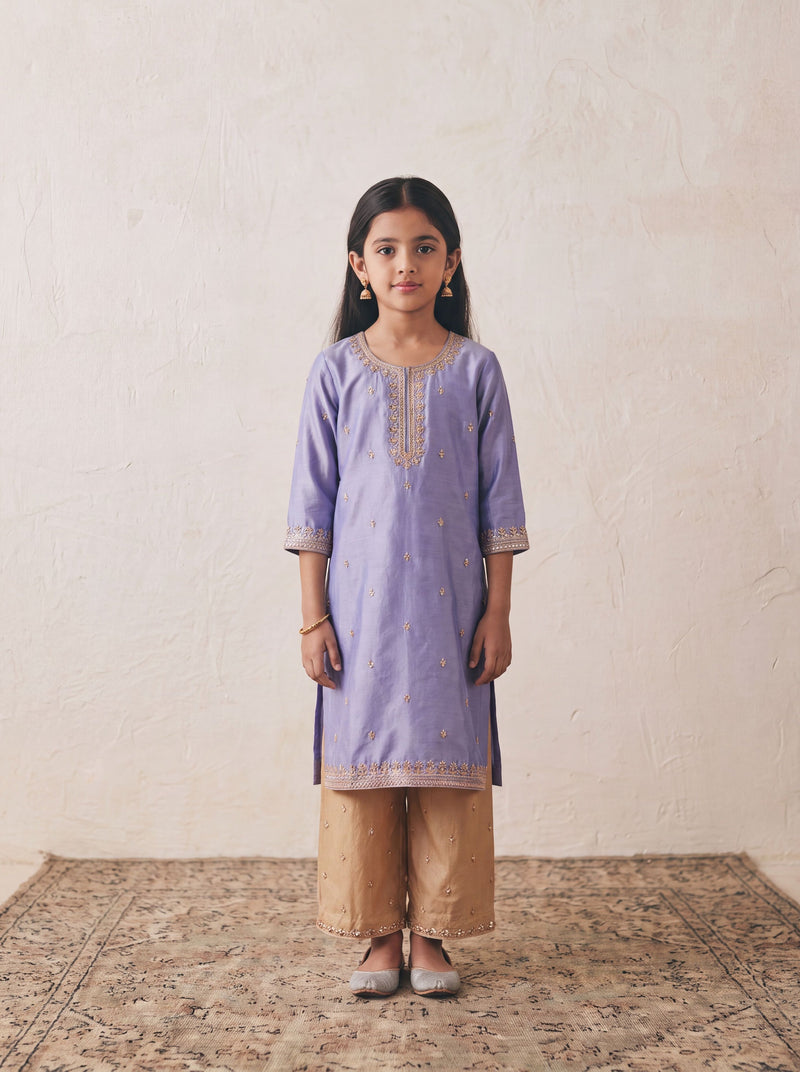
Kurta Sets for Girls: A Parent's Buying Guide to Kids' Kurta Sets
Handmade by karigars Made to your measurements Fit guarantee Ships worldwide As seen in GraziaElle Graduat...
17 September 2026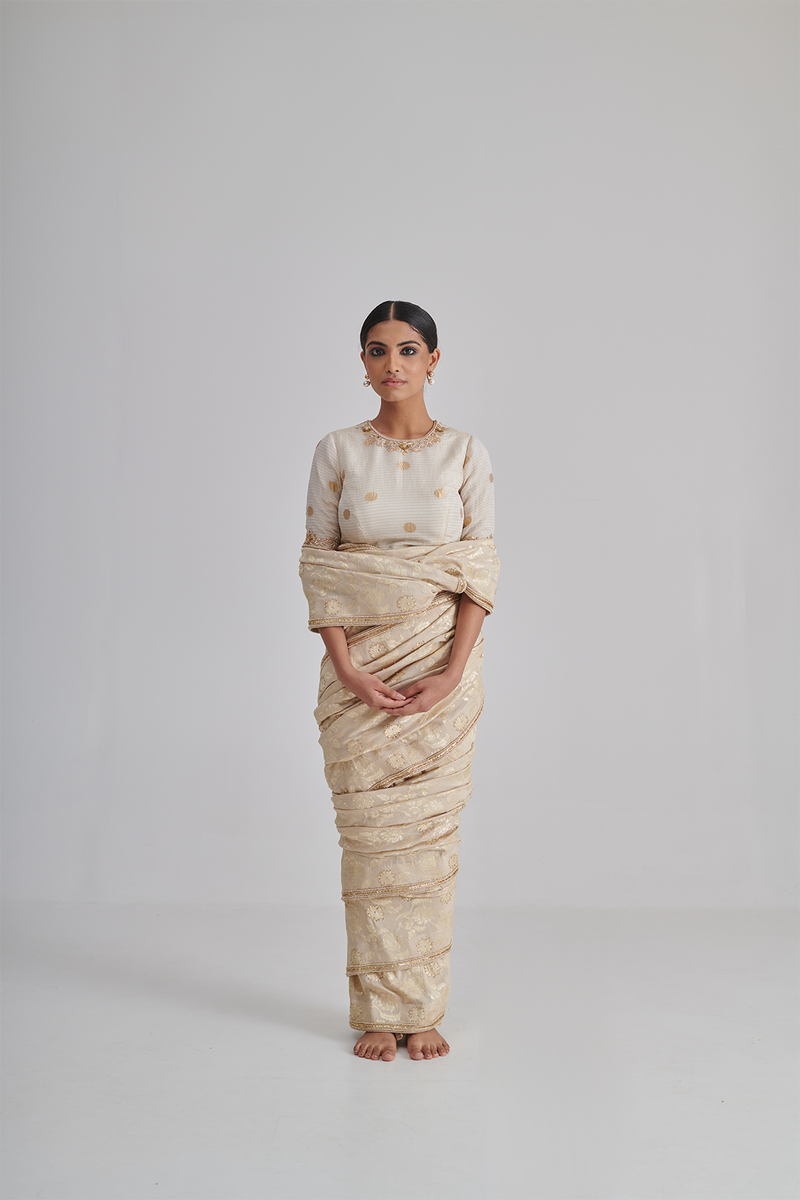
Gifts for Your Mother-in-Law: Indian Outfits That Don't Feel Like a Formality
Handmade by karigars Made to your measurements Fit guarantee Ships worldwide As seen in GraziaElle Graduat...
17 September 2026