
Navratri Outfit Ideas 2026: What to Wear for Every Day of the Festival
Navratri is one of the few festivals where your outfit is more than a fashion choice — it's a ritual. Each of the nine nights is associated with a specific colour, and dressing in that colour is believed to invoke the blessings of the goddess being worshipped that day. Whether you're doing garba, attending puja, or celebrating with family, here are outfit ideas for every day of Navratri 2026.
The Navratri Colour Calendar
While the exact colour order varies slightly by tradition and year, the 2026 Chaitra Navratri palette follows the classic nine-colour sequence. Each colour represents a different form of Goddess Durga and carries its own significance:
Day 1 — Red (Pratipada): Red symbolises action, energy, and the fierce power of Maa Shailputri. It's the most auspicious start to the festival.
Day 2 — Royal Blue (Dwitiya): Blue represents calm, depth, and wisdom — honouring Maa Brahmacharini's determination.
Day 3 — Yellow (Tritiya): Yellow signifies happiness, brightness, and warmth — the radiance of Maa Chandraghanta.
Day 4 — Green (Chaturthi): Green symbolises nature, fertility, and new beginnings — the creative energy of Maa Kushmanda.
Day 5 — Grey (Panchami): Grey represents balance and neutrality — the composed strength of Maa Skandamata.
Day 6 — Orange (Shashthi): Orange signifies warmth, courage, and enthusiasm — the fire of Maa Katyayani.
Day 7 — White (Saptami): White symbolises purity, peace, and prayer — the serene energy of Maa Kaalratri.
Day 8 — Pink (Ashtami): Pink represents compassion, love, and hope — the gentle power of Maa Mahagauri.
Day 9 — Purple (Navami): Purple signifies luxury, ambition, and spiritual fulfilment — the wisdom of Maa Siddhidatri.
Day 1: Red — Start With Impact
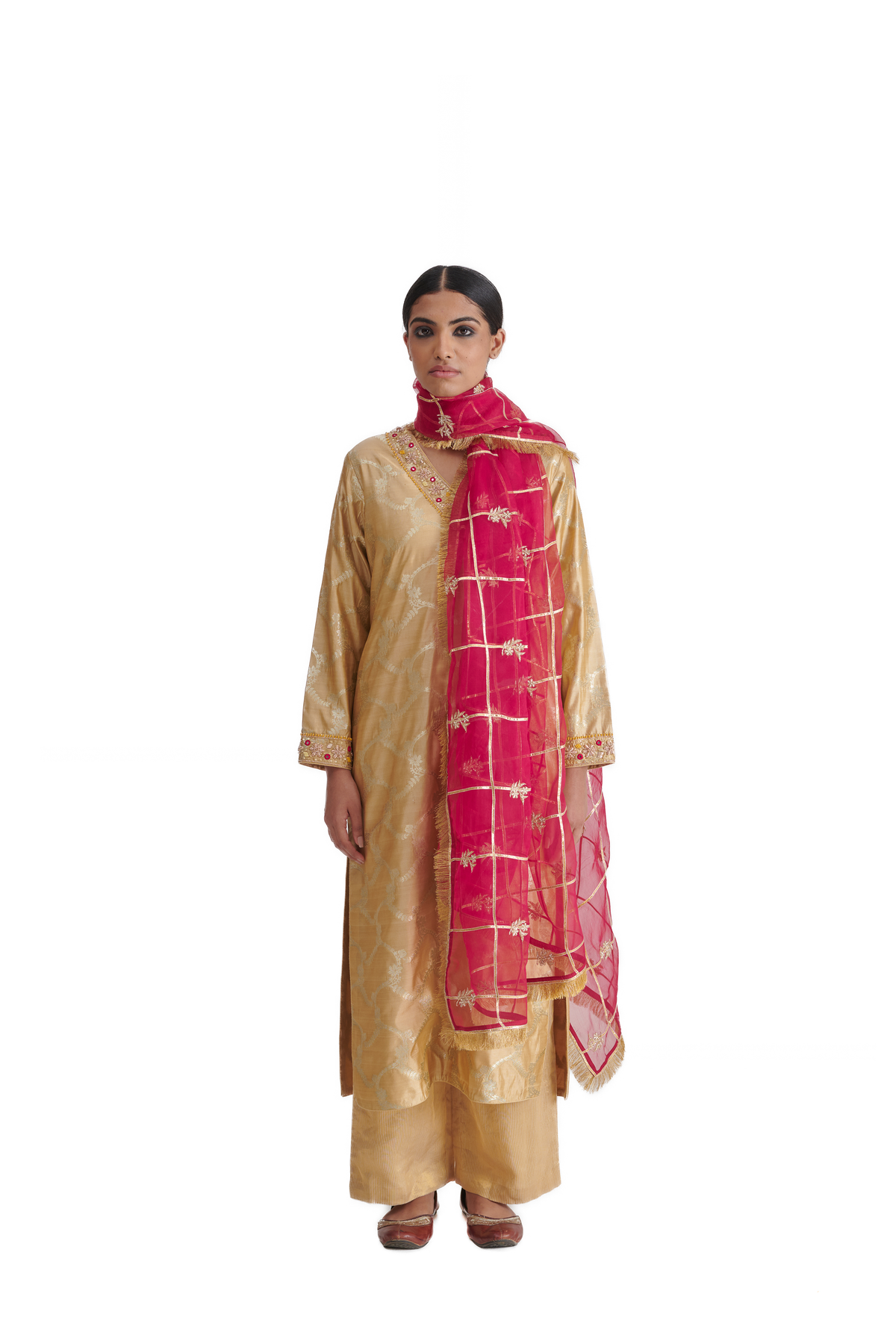
Red is the colour of Navratri itself — bold, festive, and impossible to ignore. An embroidered red dupatta over a simple kurta is the easiest way to dress the part without going overboard on day one.
The Aadya red organza dupatta features gold zari hand-embroidery with a grid pattern and floral motifs — the kind of piece that carries the whole outfit on its own.

For a more understated red, the Inaayat red organza dupatta has circular floral motifs in gold zari with resham thread and sequins — slightly softer and more delicate than a bold all-over pattern.
Day 3: Yellow — Bright and Festive
Yellow is one of the most popular Navratri colours — it photographs beautifully and feels inherently festive. A yellow dupatta over a white or ivory kurta is a classic, fail-proof combination.


The Aavya is a yellow organza dupatta with gold embroidery and shimmering sequins along the edges. The Nureen in sunshine yellow chanderi is more understated — lightweight with elegant borders, perfect for daytime puja.
Day 4: Green — Nature's Colour
Green ranges from emerald to sage to forest — and each shade changes the mood entirely. Emerald is festive and rich, sage is modern and subtle, forest green is regal.
The Shayra dupatta in lush green organza silk features borders hand-embroidered with gota, marodi, sequins, and thread work in an old-rose and gold palette — the contrast of green and rose gold is stunning.

For a softer green, the Zarveen in sage green chanderi with a zari border is minimal but elegant — perfect for understated dressing on day four.
Day 6: Orange — Warmth and Energy
Orange is one of the most dynamic colours in Indian textiles — it catches light differently depending on the fabric and sits beautifully against gold embroidery.
Free Download
Get Our Measurement Guide
Step-by-step instructions with photos for perfect custom fit.
Download Free Guide

The Rimjhim is a breezy orange organza embroidered with floral clusters in cutdana, sequins, and beads with scalloped edges. The Meeka takes orange up a notch — organza silk with gota patti and marodi embroidery in paisley-inspired motifs.
Day 7: White — Pure and Minimal
White is the most underrated Navratri colour. An all-white outfit with subtle embroidery or a textured white dupatta is incredibly striking — especially after six days of bright colours.
The Adhira ivory organza dupatta with mirror work and resham thread embroidery is perfect for this — it's white with just enough sparkle to feel festive.

Pair it with the Naina & Ahalya ivory cotton kurta set with hand-embroidered florals for a complete white-on-white look that feels fresh and intentional.
Day 8: Pink — Soft Power
Pink on Ashtami is about grace and compassion. From hot pink to blush, this is the colour that brings out the gentler side of festive dressing.
The Mornii pink organza dupatta with gold zari peacock motifs is festive and joyful — the peacock embroidery adds a playful touch to the soft base colour.
For a more elevated pink, the Lila dupatta features a pink and green ombre organza with gold hand-embroidery — wear it pink-side-forward on day eight for the perfect Ashtami drape.

Smart Navratri Styling Tips
Invest in dupattas, not nine outfits. The most practical approach to Navratri dressing is owning 3-4 handcrafted dupattas in key colours and pairing them with simple ivory, black, or matching kurtas. One dupatta can cover multiple days across different Navratris.
Mix shades freely. You don't need to match the exact Pantone shade. Sage green counts as green, peach counts as orange, and dusty rose counts as pink. Navratri is about the spirit of the colour, not the exact hue.
Layer for garba nights. If you're doing garba, choose a dupatta drape that stays secure — pin it at both shoulders or wear it cape-style. Loose one-shoulder drapes will slip during dancing.
Comfort matters for nine days. Cotton or lightweight chanderi for daytime puja, organza or silk for evening celebrations. Don't wear heavy, uncomfortable outfits for nine straight days — you'll stop participating by day five.
Frequently Asked Questions
Do I have to wear the exact Navratri colour every day?
Wearing the day's colour is a tradition, not a strict rule. Even incorporating the colour as an accessory — a dupatta, bangle set, or earrings — counts. The spirit of participation matters more than strict adherence.
What if I don't own all nine colours?
Focus on the colours that matter most to you. Most people dress up more for the first day (red), Ashtami (pink), and Navami (purple). An embroidered dupatta in red and another in yellow or pink can cover the most important days.
Can I repeat outfits during Navratri?
Absolutely. Change the dupatta, switch the jewellery, or add a different belt — the same base outfit can look completely different with a new colour layered on top.
Ready to Order Custom?
WhatsApp us at +91 70423 11214 with what you're looking for. We'll guide you through measurements, customizations, and timeline.
Most pieces ready in 4-5 weeks. Bridal in 6-8 weeks.
Made to order in 4–5 weeks
Have an event date? We’ll tell you exactly when to order by.
We take a limited number of orders each month — secure your slot early.
Not sure where to start?
Tell us what you're dressing for and we'll help you choose — fabric, fit, colour, and timeline — over WhatsApp.
Your Cart
Pieces from this story
All pieces →
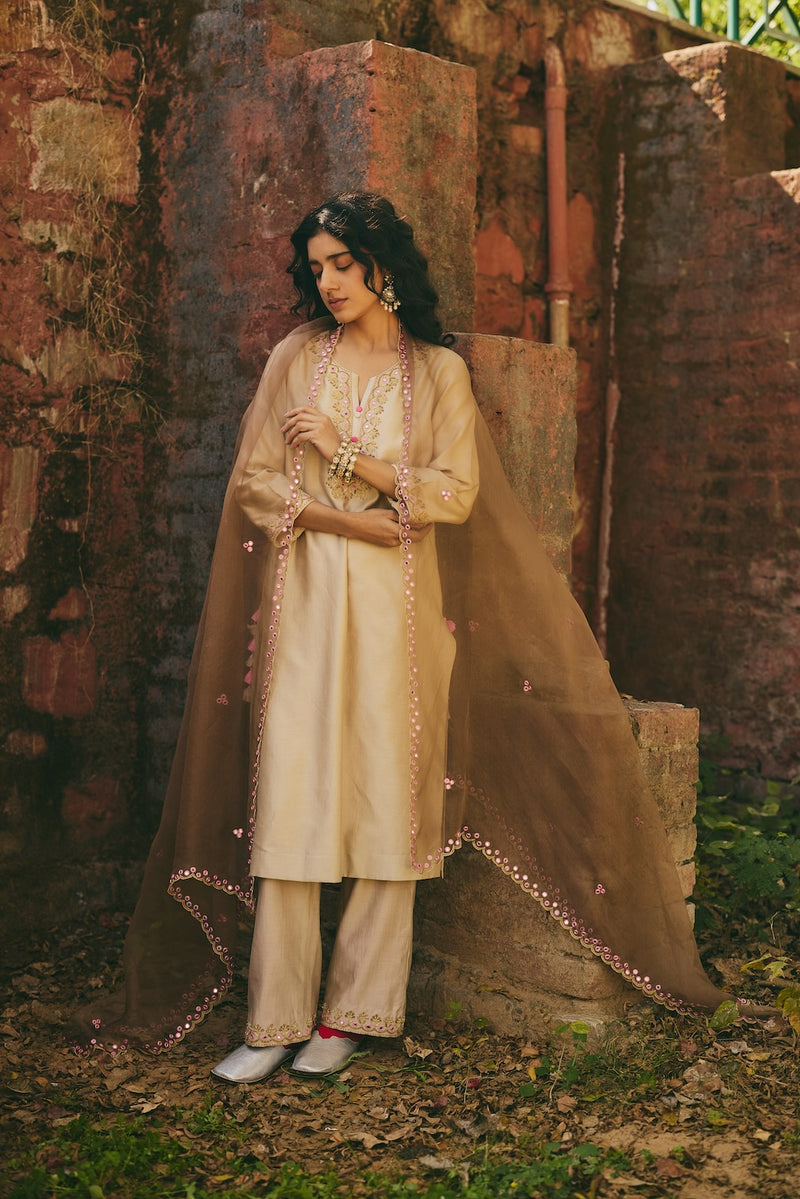
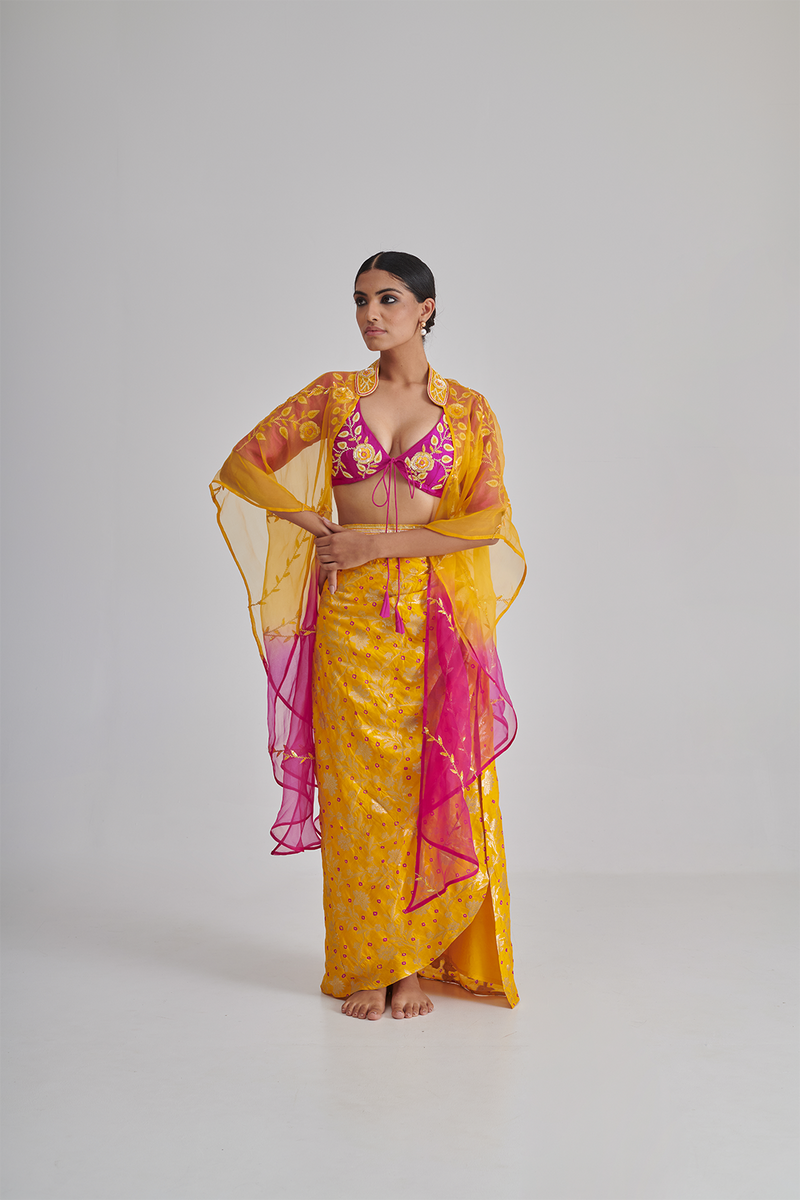
Keep reading
The journal →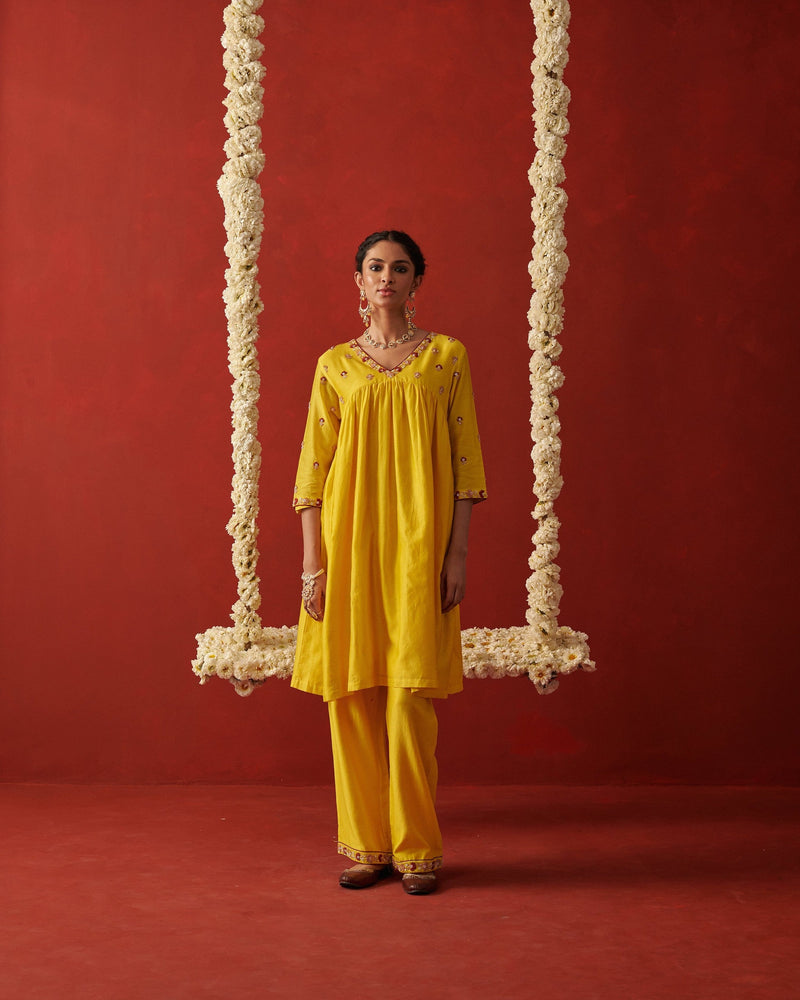
Dholki Night Outfit Ideas: What to Wear to the Ladies' Dhol
Handmade by karigars Made to your measurements Fit guarantee Ships worldwide As seen in GraziaElle Graduat...
27 July 2026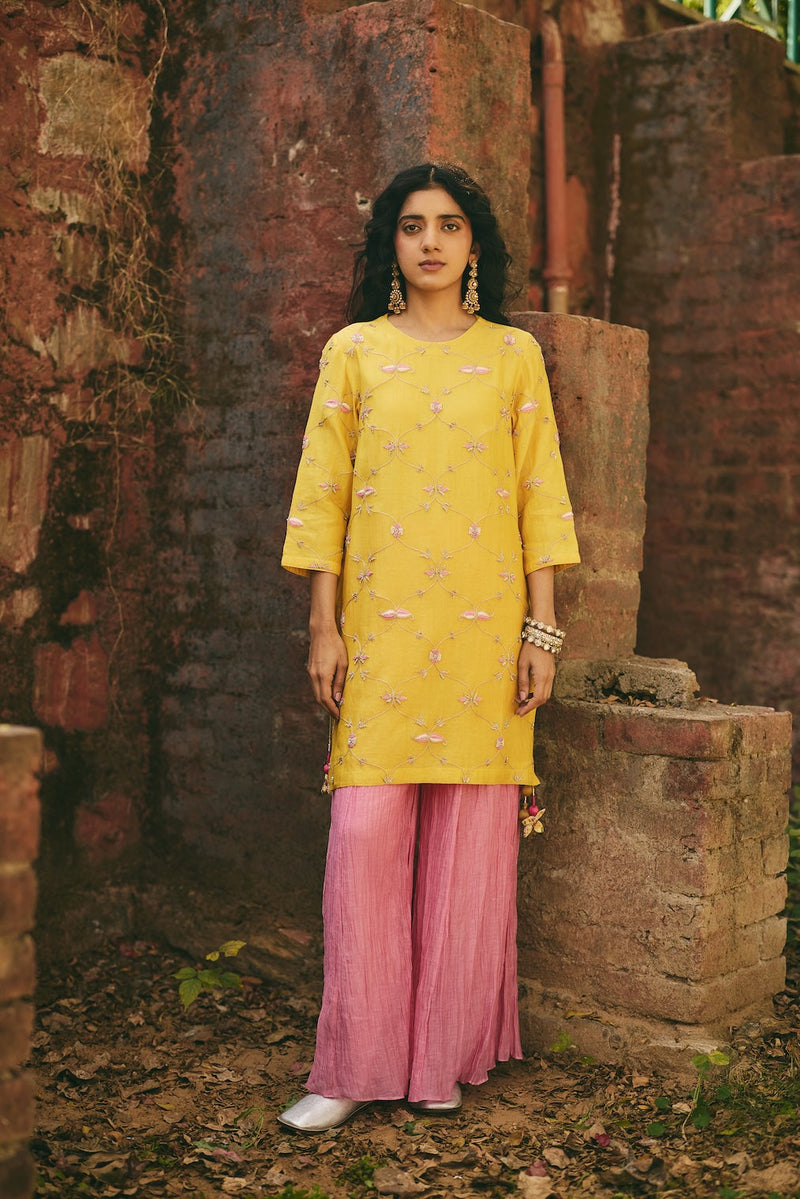
Mayra & Bhaat Outfit Ideas: Dressing for the Maternal Gift Ceremony
Handmade by karigars Made to your measurements Fit guarantee Ships worldwide As seen in GraziaElle Graduat...
27 July 2026
Pag Phera Outfit Ideas: What to Wear for the Bride's Homecoming
Handmade by karigars Made to your measurements Fit guarantee Ships worldwide As seen in GraziaElle Graduat...
27 July 2026