
Roka Ceremony Outfit Ideas: What to Wear to Your Roka
The roka is where it all begins — the first formal step in an Indian wedding journey, and the moment two families come together to say yes. It is intimate, joyful, and deeply significant. And because it is your first appearance as a bride-to-be, what you wear sets the tone for everything that follows.
Unlike a sangeet or a wedding reception, the roka is not about spectacle. It is about grace, warmth, and the quiet confidence of a woman stepping into a new chapter. The outfit should reflect exactly that — beautiful without being bridal, celebratory without being overdone. Here is everything you need to know about dressing for a roka ceremony.
What Is a Roka Ceremony?
A roka — also called a rokna, ring ceremony, or tikka in some communities — is the first formal meeting between the two families after a match has been decided. It marks the official beginning of the wedding journey. Think of it as a promise: both families agree to the union, blessings are exchanged, sweets are shared, and the bride and groom are formally acknowledged as a couple.
Unlike an engagement, which is often a large event with a guest list that rivals the wedding itself, a roka is typically smaller and more intimate. It might be held at home, at a temple, or at a small venue with close family and a handful of friends. The mood is warm and familial rather than grand. This intimacy is what makes the roka special — and it is why the outfit needs to be chosen with care. You are not dressing for a crowd; you are dressing for a room full of people who matter deeply.
What to Wear to Your Own Roka — For the Bride-to-Be
The roka outfit should be elegant but not bridal. You are not walking down the aisle — you are being introduced as the bride-to-be, and the outfit should communicate joy, softness, and grace. Save the heavy bridal reds and weighty lehengas for the wedding itself.
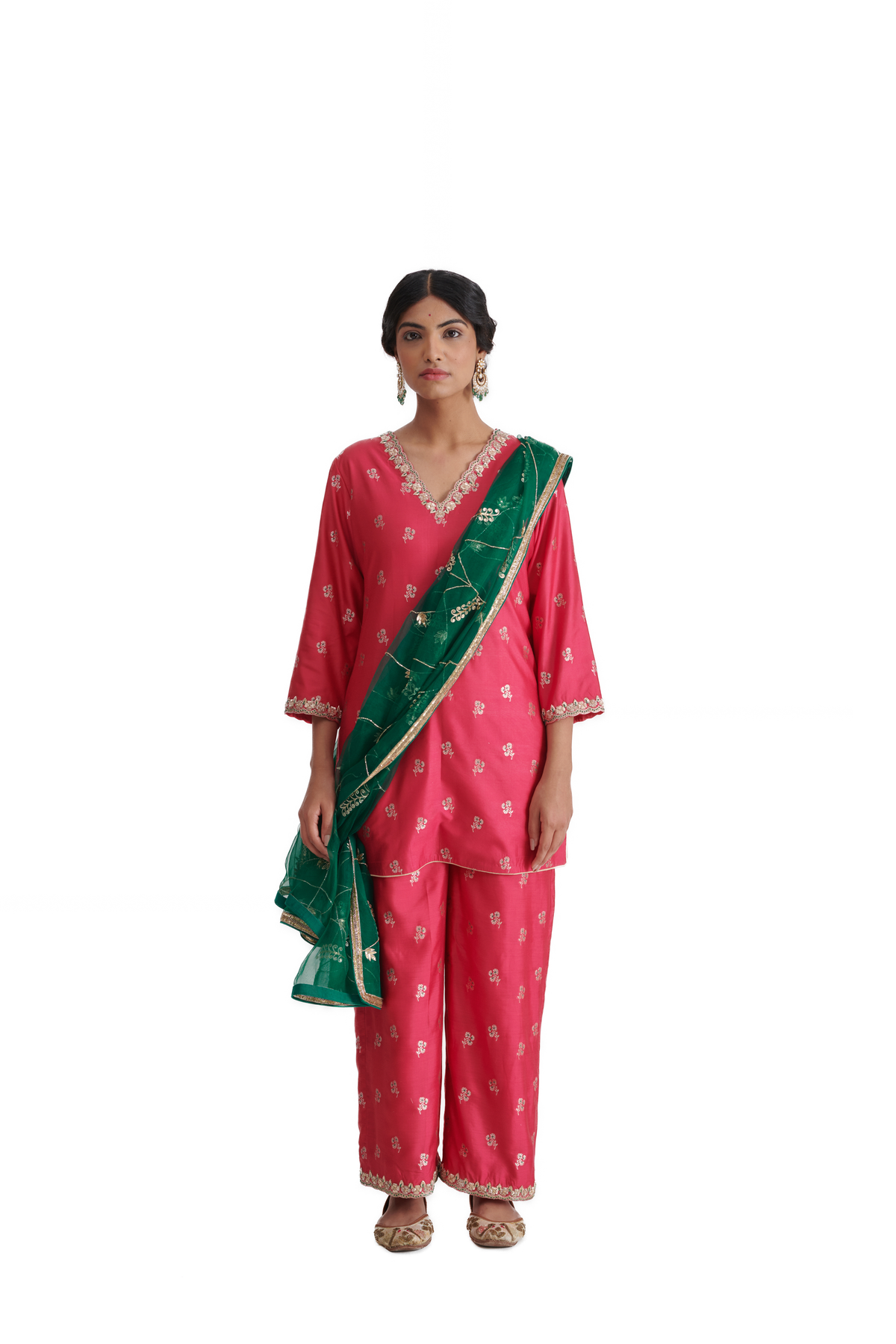
The most popular choice is a beautifully crafted kurta set in soft, feminine tones. A kurta set strikes the perfect balance between dressed up and approachable — it looks polished in photographs, feels comfortable during long family conversations, and does not overwhelm a smaller gathering.
The RASIYA & MISRI (₹24,750) is a coral pink mulberry brocade silk kurta from our Intizaar collection — the warm coral tone is festive without being loud, and the brocade silk has an inherent richness that elevates the look. For a softer, more romantic feel, the NAVELI & RUHI (₹34,650) in dusty rose chanderi with floral embroidery is the kind of outfit that makes everyone in the room pause — delicate, feminine, and unmistakably special.


The AMYRA & ADYA (₹30,465) — a pink mulberry brocade silk kurta with floral motifs from Intizaar — offers a beautiful middle ground: the brocade fabric feels celebratory, while the pink tone keeps it appropriate for a pre-wedding gathering. If your roka leans traditional and you want to make a statement, the RAHI & AMARA (₹39,150) is a fuchsia pink Banarasi silk sari with floral motifs — bold, traditional, and impossible to ignore.
For those drawn to something lighter and more understated, the MORNII (₹9,900) is a beautiful sharara in a soft pink and blush palette — effortlessly graceful and perfect for a daytime roka.

Colour Guide for a Roka Ceremony
Colour sets the mood of any Indian celebration, and the roka has its own distinct palette. This is a soft, intimate event — your colours should match that energy.
Pastels dominate: Pink, peach, blush, rose gold, soft coral, and powder blue are the most popular roka colours. They photograph beautifully in intimate settings, flatter every skin tone, and signal celebration without competing with bridal hues. The RUHANI & NILOFER (₹24,885) — a soft pink silk kurta with floral neckline embroidery from our Ishq collection — captures this pastel sensibility perfectly.
Light gold and champagne: For families that lean traditional, gold-toned outfits carry auspicious significance without the heaviness of bridal gold. The FAIZA & RIDA (₹24,835) — a soft gold silk kurta from Ishq — is refined and ceremony-appropriate.
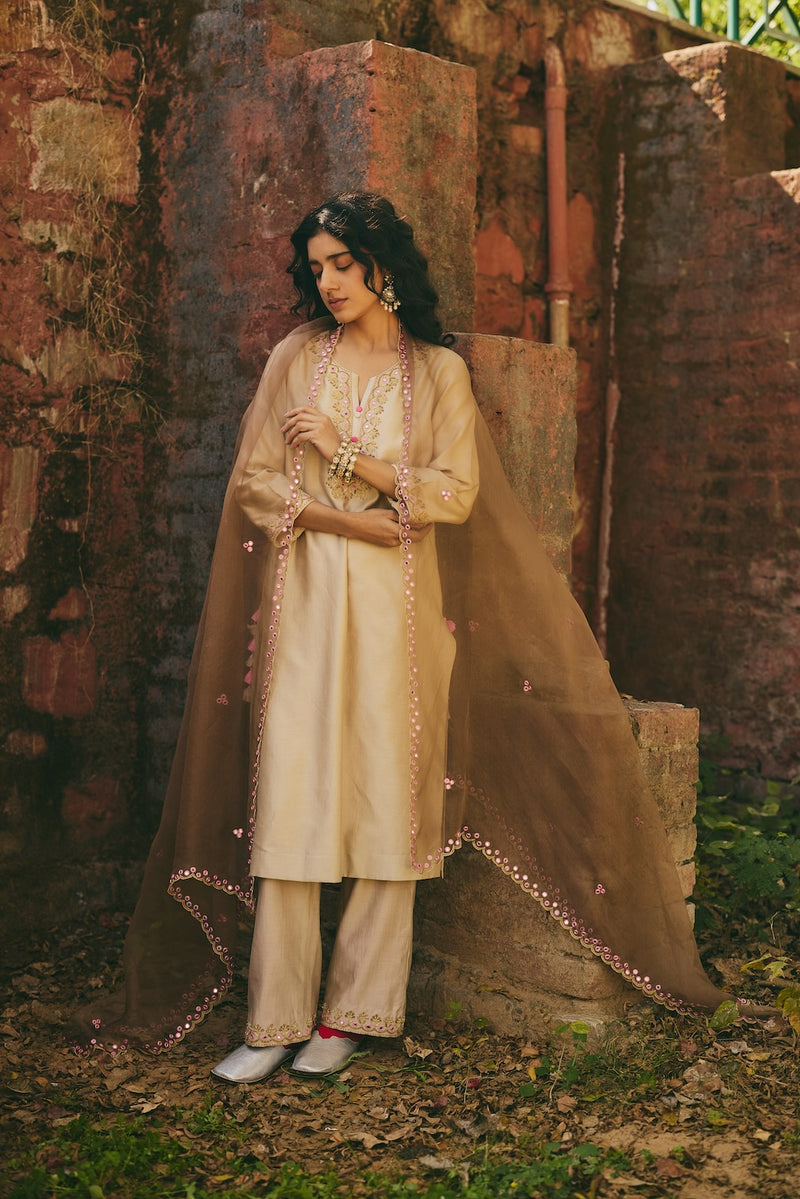
Ivory and cream: A sophisticated choice, particularly for daytime rokas. Pair with delicate jewellery and let the fabric and embroidery do the talking. The MIRZA & RAINA (₹37,350) — an ivory silk kurta with intricate floral and vine motifs from Intizaar — proves how stunning ivory can be.
Yellow for an auspicious touch: In many Indian families, yellow carries deep significance as a colour of auspiciousness and new beginnings. A muted mustard or soft sunshine yellow is a distinctive and meaningful choice.
What to avoid: Heavy reds, deep maroons, and bridal tones — save those for the wedding day. Very dark colours can feel too formal for the intimate warmth of a roka. The goal is to look radiant and fresh, not bridal.
Not sure which colours suit you best? Take our colour guide for personalised recommendations.


Best Silhouettes for a Roka
Kurta sets — the most popular choice: A kurta set is the natural roka outfit. It is polished but not overdone, comfortable for sitting through rituals and family conversations, and easy to accessorise up or down depending on the formality of the event. Whether in silk, chanderi, or brocade, a well-made kurta set communicates effortless taste. The LILA (₹24,255) and the NAISHA (₹10,350) are both beautiful options that feel roka-ready.
Free Download
Get Our Measurement Guide
Step-by-step instructions with photos for perfect custom fit.
Download Free GuideAnarkalis — for a statement: If your roka is slightly more formal or you simply want a silhouette with more presence, an anarkali delivers. The continuous flare creates a regal silhouette that photographs beautifully. Choose lighter fabrics and pastel tones to keep it roka-appropriate rather than wedding-level.
Sarees — for traditional families: In some families and communities, a saree is the expected roka outfit. The SAJNI (₹51,660) — a delicate blush-pink saree in chiffon from our Ishq collection — is a gorgeous choice: the chiffon drape is effortlessly elegant, and the blush tone is feminine without being bridal. A light saree in pastels works beautifully for rokas held at temples or in more traditional settings.


Roka Outfit Ideas for the Groom's Side and Family Members
Family members — the bride's mother, sisters, aunts, and the groom's family — play a significant role at a roka, and their outfits should complement the occasion without overshadowing the bride-to-be.
Complementary, not matching: Coordinate within a colour family rather than wearing identical outfits. If the bride-to-be is in blush pink, family members in mauve, sage, soft gold, or ivory create a harmonious visual palette without competing.
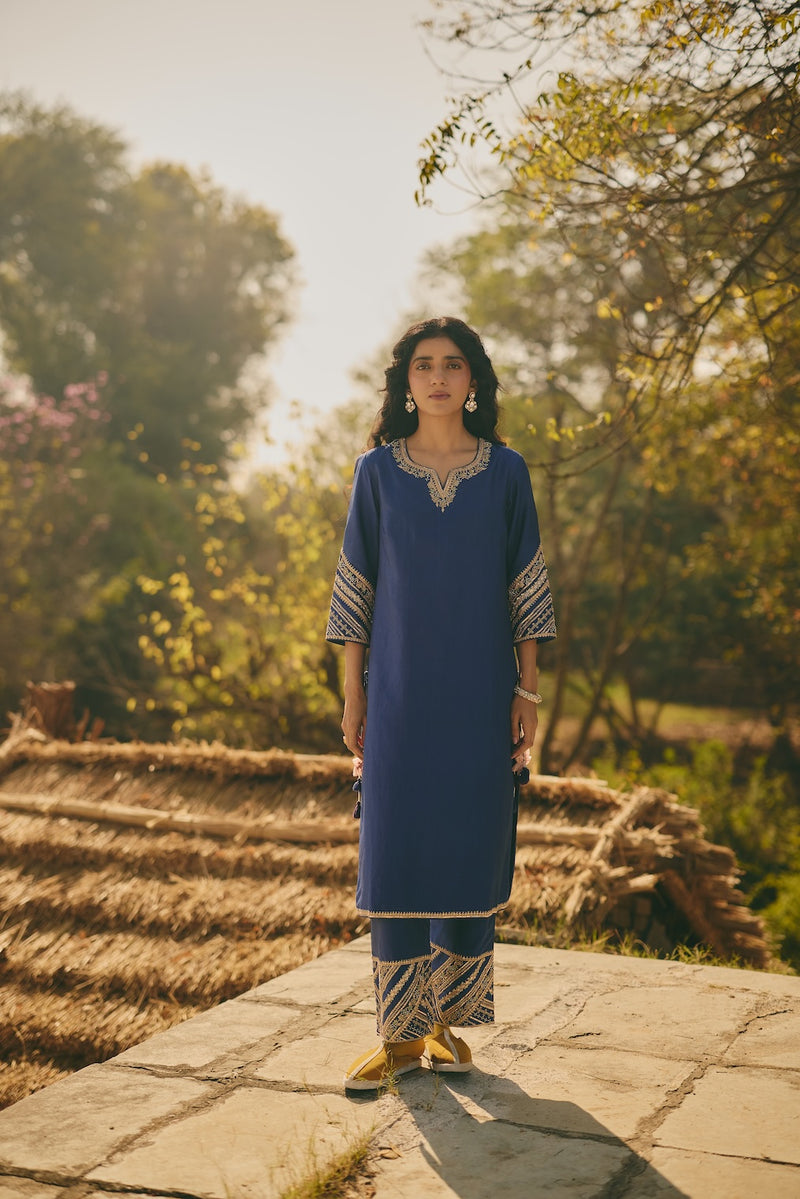
Slightly less dressy: The bride-to-be should be the most dressed up person in the room. Family members should aim for one notch below — a beautiful kurta set in a muted tone, a saree in a subtler shade, or an elegant sharara. The JHOOMAR & SHAFAQ (₹34,628) — a silk kurta with bold traditional work from our Ishq collection — is an excellent choice for the mother of the bride or a close family member who wants to look distinguished without taking the spotlight.
Kurta sets and sarees work best: For most family members, a kurta set is the safest and most comfortable choice. A lightweight silk saree is equally appropriate. Avoid lehengas unless the roka is particularly formal — they can feel overdressed for an intimate family gathering.
Accessories and Jewellery for a Roka
The roka is not the occasion for heavy bridal jewellery. Think delicate, refined, and understated:
- Earrings: Polki studs, small jhumkas, or pearl drops. Choose one pair that complements your outfit without competing with it. This is not the event for oversized chandbalis.
- Bangles: A thin stack of gold or pearl bangles — subtle and feminine. Avoid heavy kadas or bridal chura, which belong to later wedding events.
- Maang tikka: Optional, and beautiful if your outfit calls for it. A small, delicate tikka adds a traditional touch without being heavy-handed.
- Necklace: A simple pendant or a delicate choker. Heavy statement necklaces are better saved for the engagement or reception.
- Footwear: Embellished juttis or low block heels. You will be sitting for much of the ceremony, but you want footwear that looks elegant in photographs.
The rule of thumb: if you would wear it to your wedding, it is too much for the roka. Keep everything one level lighter and more refined.
Frequently Asked Questions
What is the difference between a roka and an engagement?
A roka is typically the first formal step — an intimate family gathering where both families agree to the match. An engagement (sagai) usually follows, often with a larger guest list, ring exchange, and more formal celebrations. The roka is quieter, smaller, and more personal.
Can I wear red to a roka?
It is best to avoid heavy bridal reds for a roka. Soft corals, rose tones, and warm pinks carry a similar warmth without encroaching on bridal territory. Save the red for your wedding day — it will feel far more impactful when it has not been previewed at earlier events.
Is a lehenga appropriate for a roka?
A light lehenga in pastels can work for a slightly more formal roka, but it risks looking overdressed for what is typically an intimate gathering. Kurta sets, anarkalis, and light sarees are generally more appropriate silhouettes.
What should the groom wear to a roka?
A well-fitted kurta-pyjama set in a neutral or pastel tone is the standard. Cream, beige, powder blue, or light pink are safe choices. Like the bride, the groom should look polished but not overly formal — save the sherwani for the wedding.
How formal should a roka outfit be?
A roka falls between everyday ethnic wear and full wedding formality. Think festive but intimate — something you would wear to a significant family celebration, not to the wedding ceremony itself. Handcrafted pieces in beautiful fabrics strike the right note. All Rashika Mittal pieces are made to order by karigars in Jaipur, ensuring a precise fit for your celebration.
For more wedding occasion guidance, explore our Indian wedding guest guide, browse our kurta collection and sari collection, or take our outfit quiz to find your perfect silhouette.
Ready to Order Custom?
WhatsApp us at +91 70423 11214 with what you're looking for. We'll guide you through measurements, customizations, and timeline.
Most pieces ready in 4-5 weeks. Bridal in 6-8 weeks.
Made to order in 4–5 weeks
Have an event date? We’ll tell you exactly when to order by.
We take a limited number of orders each month — secure your slot early.
Not sure where to start?
Tell us what you're dressing for and we'll help you choose — fabric, fit, colour, and timeline — over WhatsApp.
Your Cart
Pieces from this story
All pieces →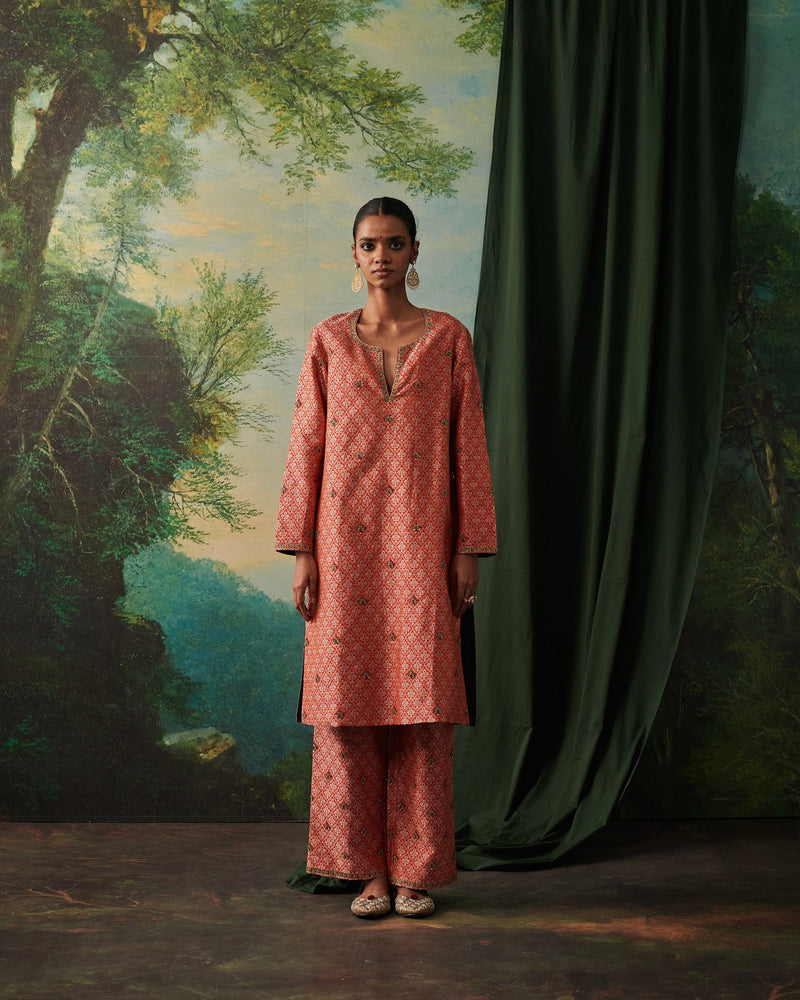
Keep reading
The journal →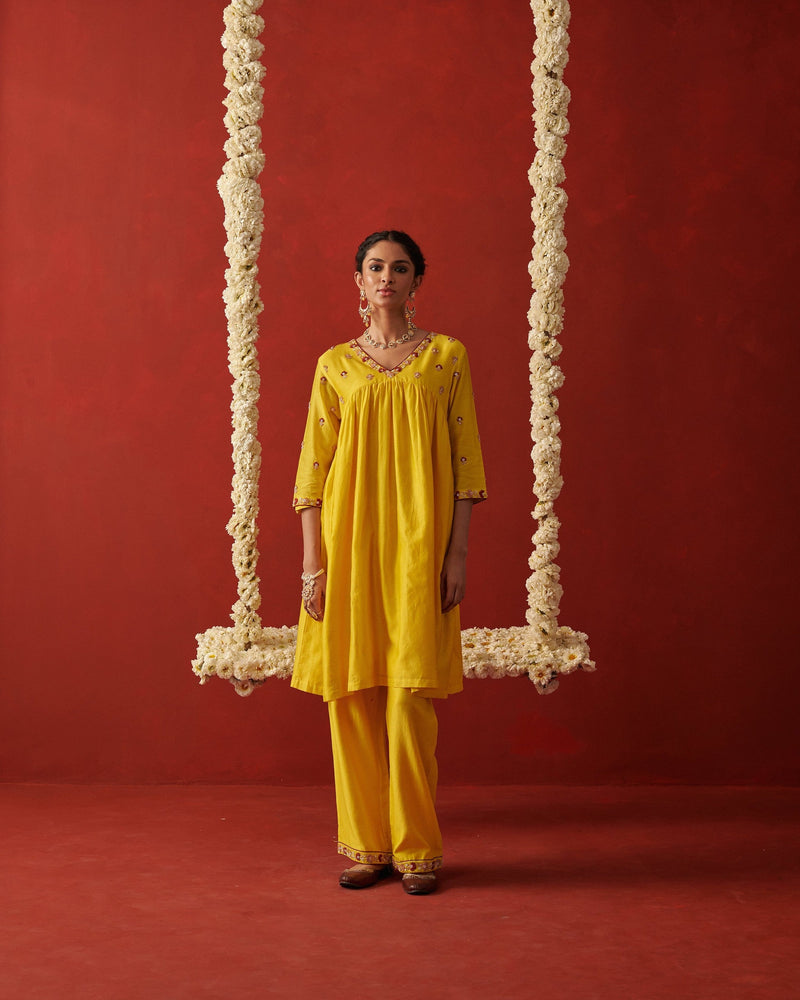
Dholki Night Outfit Ideas: What to Wear to the Ladies' Dhol
Handmade by karigars Made to your measurements Fit guarantee Ships worldwide As seen in GraziaElle Graduat...
27 July 2026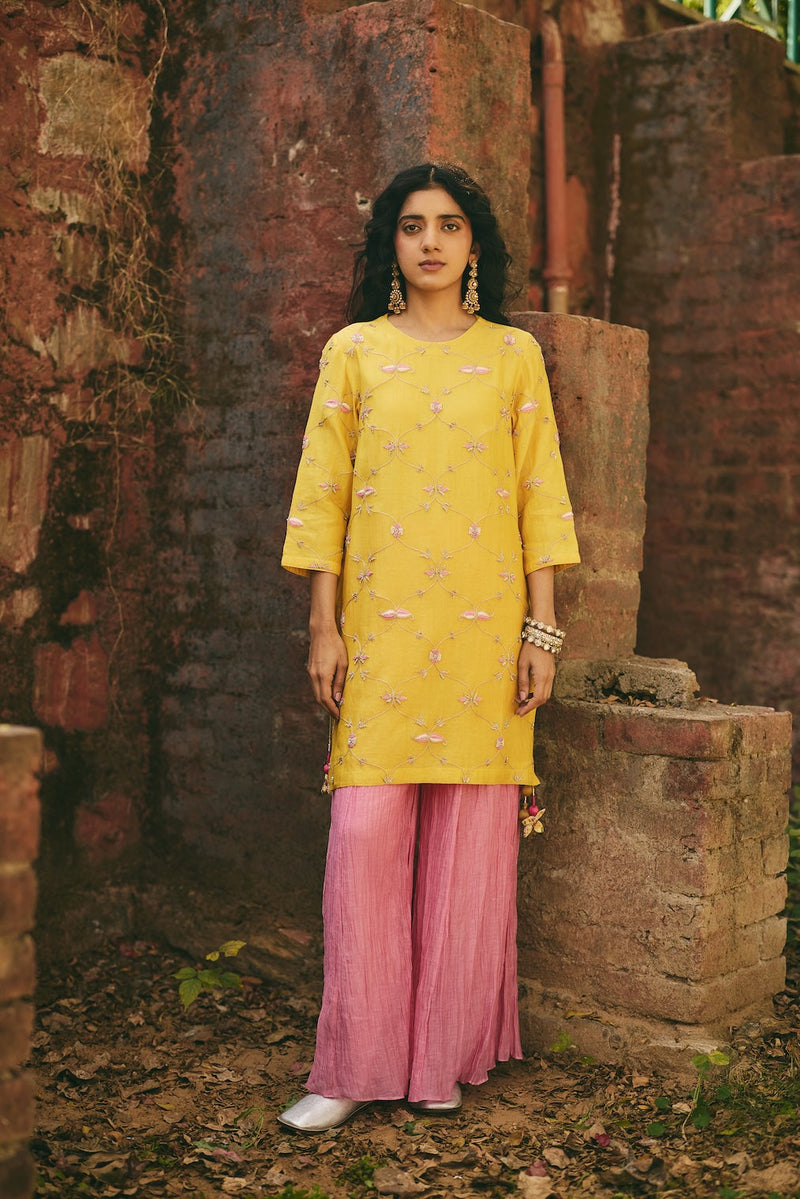
Mayra & Bhaat Outfit Ideas: Dressing for the Maternal Gift Ceremony
Handmade by karigars Made to your measurements Fit guarantee Ships worldwide As seen in GraziaElle Graduat...
27 July 2026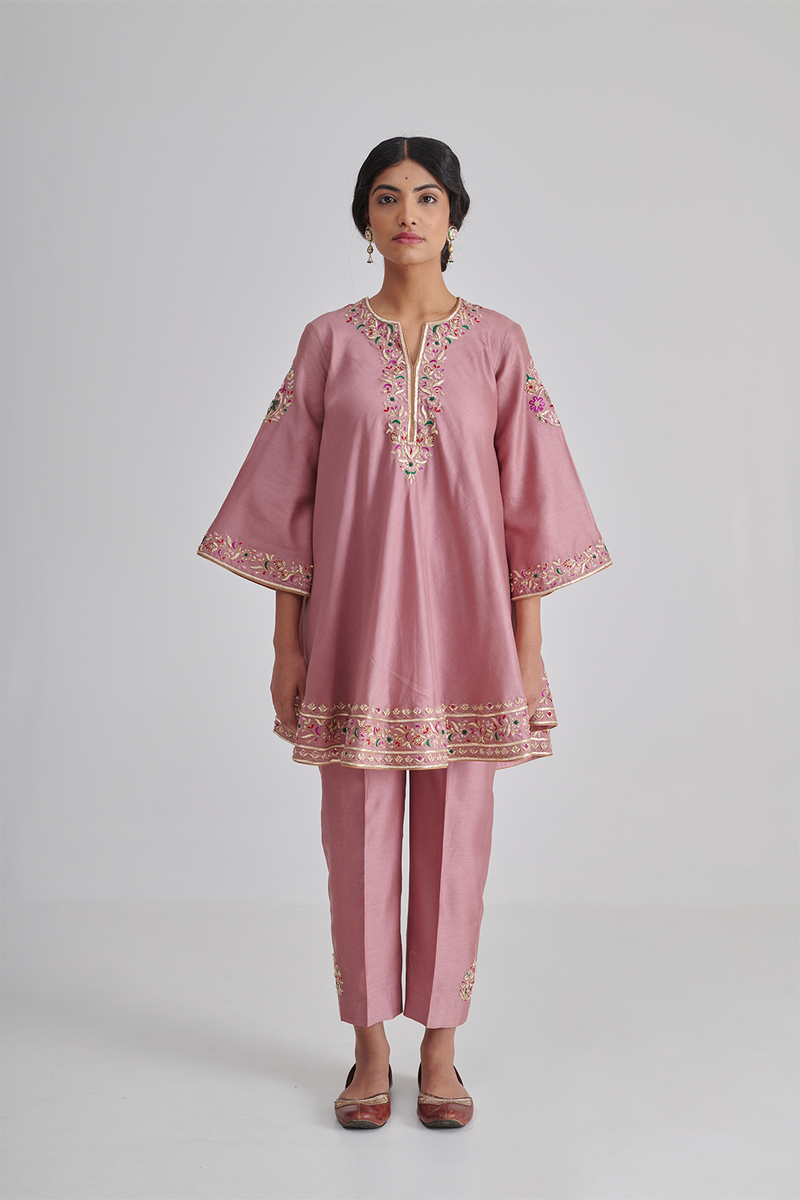
Pag Phera Outfit Ideas: What to Wear for the Bride's Homecoming
Handmade by karigars Made to your measurements Fit guarantee Ships worldwide As seen in GraziaElle Graduat...
27 July 2026