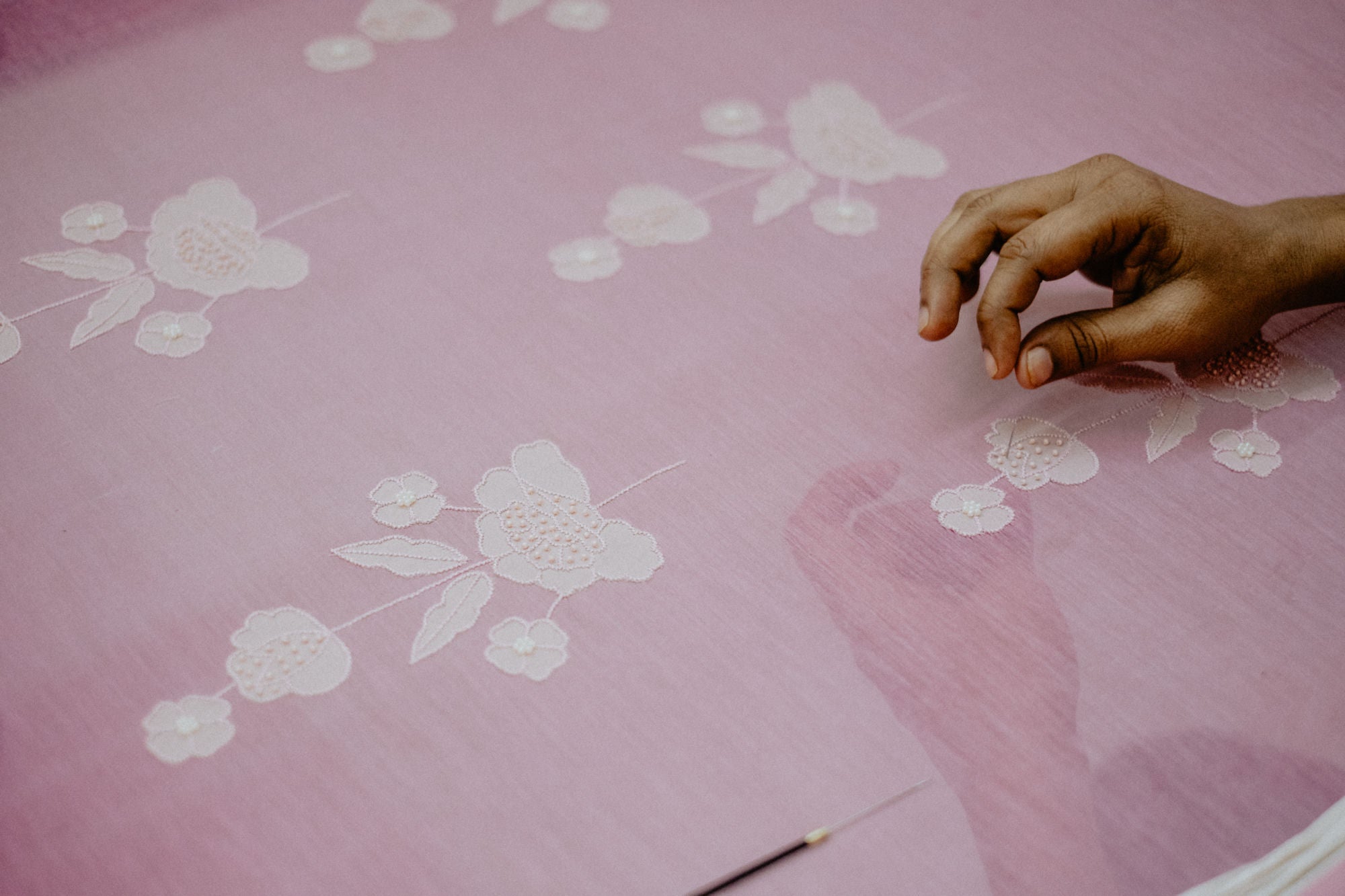
Colour is the language of Indian fashion. From the vermillion red of a bridal lehenga to the serene ivory of a chikankari kurta, every shade carries meaning, emotion, and centuries of tradition. This guide will help you master the art of colour pairing for Indian outfits — whether you are dressing for a wedding, a festival, or an intimate celebration.
In Indian fashion, colour is never merely decorative. It tells a story — of the season, the occasion, and the wearer's intent. The right colour combination can elevate a handcrafted ensemble from beautiful to unforgettable. Understanding which hues complement each other is essential for anyone building a considered Indian wardrobe.
Red is the undisputed queen of Indian fashion. Steeped in symbolism — from bridal sindoor to wedding mandaps — red signifies love, passion, and auspiciousness. It is equally powerful as a guest outfit when paired thoughtfully, and remains the most requested colour across bridal and festive collections.
A red lehenga or saree paired with gold embroidery is timeless — it lets the handwork shine while keeping the look regal. For a modern twist, pair red with ivory or emerald green for contrast that feels both fresh and deeply traditional. Navy blue dupattas against deep red create a striking, sophisticated pairing perfect for evening events.
Pink is one of the most versatile colours in Indian fashion, ranging from the softest dusty rose to the most electric fuchsia. It bridges the gap between traditional and contemporary — a fuchsia Banarasi saree feels entirely classic, while a blush pink kurta reads modern and effortless. Pink flatters nearly every skin tone and works beautifully across seasons.
Gold thread embroidery on pink silk is one of the most beloved combinations in Indian fashion — it feels celebratory without being overpowering. Mint green with pink creates a fresh, youthful pairing ideal for daytime mehendi or haldi ceremonies. For a sophisticated, understated look, try dusty pink with soft grey or ivory.
Yellow holds a special place in Indian tradition — it is the colour of turmeric ceremonies, spring celebrations, and Vasant Panchami. Gold, its more opulent cousin, symbolises wealth and grandeur. Together, this colour family brings warmth and radiance to any occasion. A yellow outfit is practically mandatory for haldi ceremonies and makes a joyful choice for daytime celebrations.
Yellow paired with red is iconic for Indian weddings and festive gatherings — it captures the energy of celebration. Teal or emerald green with yellow creates a striking, jewel-toned contrast that works beautifully for evening events. For a softer look, pair sunshine yellow with ivory — the combination feels luminous and elegant.
Green represents new beginnings, nature, and fertility in Indian culture. Emerald green is a perennial favourite for wedding guests — it is rich enough to feel celebratory without competing with the bride. From deep bottle green to fresh mint, the spectrum of green offers something for every occasion and every season.
Green and gold is an endlessly elegant combination — think emerald silk with gota patti embroidery for a regal, timeless look. Pink and green together feel vibrant and unmistakably Indian, perfect for festive occasions. Maroon or deep burgundy with green creates a rich, jewel-toned pairing that works especially well for winter weddings.
Once considered inauspicious for celebrations, black has been reclaimed by modern Indian fashion as a colour of power, sophistication, and drama. A beautifully embroidered black ensemble can be utterly show-stopping at a cocktail night, sangeet, or reception. The key is in the pairing and the craftsmanship — when handwork is exquisite, black becomes a canvas for artistry.
Black and gold is the ultimate pairing for evening events — gold embroidery on black silk or chiffon creates a look that is both opulent and refined. Fuchsia or red against black creates high-contrast drama that turns heads. For a subtler approach, silver detailing on black lends a contemporary, understated glamour.
Ivory and white have emerged as one of the most sought-after colour choices in contemporary Indian fashion. Once reserved for mourning, white has been beautifully reimagined — an ivory anarkali with gold Mukesh work or a white chanderi kurta with delicate hand-embroidery speaks of quiet luxury and effortless grace. These shades pair harmoniously with almost any other colour in your wardrobe.
Ivory with gold embroidery is timeless — it is the combination that defines understated Indian elegance. Red accessories or a red dupatta over an ivory outfit create a classic bridal or festive look. Pastels — from blush pink to sage green — layered with ivory feel fresh and modern, ideal for daytime events and intimate gatherings.
Blue carries a sense of calm authority in Indian fashion. Royal blue and navy are go-to choices for wedding guests — they are celebratory without being overwhelming, and they photograph beautifully. Lighter shades of blue evoke sky and water, lending a serene, poetic quality to kurtas and sarees alike. Blue has deep roots in Indian textile traditions, from indigo-dyed block prints to Jaipuri blue pottery motifs.
Gold embroidery on blue silk is a classic royal combination — it brings out the depth of the blue while adding richness. Coral or orange with blue creates a vibrant, high-energy pairing that is perfect for festive occasions. For daytime elegance, pair soft blue with ivory or blush pink for a combination that feels effortlessly refined.
Purple has long been associated with royalty, creativity, and mystique. In Indian fashion, shades from deep aubergine to soft lavender offer a distinctive alternative to more common colour choices. A purple silk kurta or lehenga stands out at any gathering — it is unexpected yet deeply rooted in the Indian colour palette, evoking the hues of Jacaranda blossoms and twilight skies over Rajasthan.
Gold gota work on purple silk is a breathtaking combination — rich and undeniably royal. Mint green with purple creates a fresh, modern contrast that feels contemporary while retaining a festive spirit. For a monochromatic approach, layer different shades of purple — from deep plum to soft lilac — for a look that is sophisticated and cohesive.
Navigating the unspoken colour etiquette of Indian weddings can feel daunting, especially if you are attending for the first time. While every family and region has its own traditions, a few widely respected guidelines will help you dress with confidence and respect.
Red is traditionally reserved for the bride in many Indian communities. Wearing red, deep maroon, or bright vermillion as a guest can be seen as competing with the bride. Opt for other rich colours instead — emerald, royal blue, or deep pink are all excellent alternatives.
Evening ceremonies — the sangeet, cocktail night, or reception — call for rich, deep colours. Think emerald green, sapphire blue, deep purple, or rich fuchsia. These shades photograph beautifully under evening lighting and feel appropriately celebratory.
Daytime ceremonies like the mehendi, haldi, or morning wedding function are perfect for pastels and lighter shades. Mint, blush pink, powder blue, lemon yellow, and lavender all work beautifully in natural light and keep you looking fresh through long celebrations.
In some Indian communities, white is associated with mourning and may not be appropriate for wedding celebrations. However, ivory and off-white with rich embroidery or colourful dupattas are increasingly accepted and can look stunning. When in doubt, pair white with vibrant accessories.
In India, colour is never arbitrary. Each shade carries layers of meaning, rooted in mythology, spirituality, and centuries of cultural practice. Understanding these associations adds depth to your outfit choices and connects you to a rich tradition of intentional dressing.
Red symbolises love, passion, and fertility across Indian cultures. It is the colour of sindoor, bridal bangles, and wedding mandaps. Wearing red is considered deeply auspicious for new beginnings and celebrations of love.
Yellow represents prosperity, knowledge, and happiness. It is sacred to many Hindu rituals — from turmeric ceremonies to Saraswati Puja. Wearing yellow signals optimism, warmth, and an embrace of life's abundance.
Green signifies new beginnings, nature, and fertility. It is widely worn during spring festivals and by brides in certain Muslim and South Indian wedding traditions. Green represents growth, harmony, and the promise of renewal.
Gold represents wealth, grandeur, and the divine. Gold embroidery — whether zari, gota patti, or zardozi — elevates any garment from beautiful to sacred. It is present in nearly every Indian celebration as a symbol of prosperity and blessings.
Just as nature shifts its palette through the year, your Indian wardrobe can reflect the season. Choosing colours that align with the time of year creates a harmonious, intentional look that feels effortlessly right.
Light, breathable, and luminous. Pastels, soft yellows, mint greens, and powder blues keep you cool and radiant. Choose lighter fabrics like chanderi and organza in these refreshing shades.
Rich, deep, and opulent. Jewel tones come alive in winter — deep reds, emerald greens, royal blues, and plums. These colours pair beautifully with heavy embroidery and layered silhouettes for the wedding season.
Bright, spirited, and alive. The monsoon calls for colours that cut through grey skies — vibrant oranges, turquoises, hot pinks, and electric greens. Quick-dry fabrics in these cheerful shades lift the mood instantly.
Grand, celebratory, and radiant. Diwali, Navratri, Dussehra, and Eid call for colours that dazzle — golds, rich reds, royal blues, and deep greens. This is the time for your most embroidered, most opulent pieces.
Every piece is fully handmade by skilled karigars. Made to order with a production time of 4-5 weeks.
The most important colour to avoid as a wedding guest is red or deep maroon, as these are traditionally reserved for the bride in many Indian communities. White is also best avoided at most Hindu weddings, as it can be associated with mourning. Very dark or sombre colours like plain black (without embellishment) may also feel out of place at daytime ceremonies. When in doubt, jewel tones like emerald, royal blue, and rich pink are always safe and celebratory choices.
Yes, you can wear black to an Indian wedding — but with intention. Black is now widely accepted at evening events like the sangeet, cocktail night, or reception, especially when the outfit features rich embroidery, embellishments, or colourful detailing. A black organza saree with gold sequin work or a black lehenga with multicolour floral embroidery looks stunning and festive. For daytime or religious ceremonies, however, it is better to choose a brighter or lighter colour.
Red is widely considered the most auspicious colour in Indian culture. It symbolises love, fertility, prosperity, and the energy of celebration. Red is integral to wedding ceremonies (sindoor, chooda, bridal attire), religious rituals, and festivals. Yellow is also highly auspicious, representing knowledge, prosperity, and happiness — it is central to ceremonies like haldi and Saraswati Puja. Gold, symbolising wealth and the divine, is woven into nearly every celebration through embroidery and jewellery.
Several dupatta colours pair beautifully with a red lehenga. A gold dupatta is the most classic choice — it adds richness and keeps the look traditionally bridal. An ivory or cream dupatta softens the intensity of red and creates an elegant, balanced silhouette. For brides wanting a modern twist, a deep emerald green dupatta creates a stunning contrast rooted in Indian tradition. Navy blue dupattas with gold borders offer a regal, sophisticated alternative. For non-bridal occasions, a contrasting pink or coral dupatta adds a playful, festive touch.
Diwali is the festival of lights, and your outfit should reflect that radiance. Gold is the quintessential Diwali colour — whether as the primary shade or through embroidery and embellishments. Rich reds, deep greens, and royal blues are traditional favourites that feel festive and celebratory. Yellow and orange capture the warmth of diyas and marigolds. For a contemporary Diwali look, try jewel-toned purple, teal, or fuchsia with gold detailing. Whatever colour you choose, look for pieces with metallic embroidery or sequin work that will catch the light of the celebrations.
All Rashika Mittal pieces are fully handmade by skilled karigars using traditional techniques including zari, gota patti, zardozi, Mukesh work, and hand embroidery. Each outfit is made to order with a production time of 4-5 weeks.
Explore the full collection