
What to Wear to a South Indian Wedding: Outfit Ideas & Etiquette
A South Indian wedding is one of the most beautiful and deeply ritualistic celebrations you will ever attend. Unlike North Indian weddings, which often span several days of high-energy festivities, South Indian ceremonies tend to be more intimate, temple-centred, and rooted in tradition. Whether it is a Tamil Brahmin wedding, a Kerala Hindu ceremony, a Telugu Nischitartham, or a Kannadiga function, the dress code leans toward silk, understated grandeur, and a deep respect for tradition.
If you have been invited to a South Indian wedding and are wondering what to wear, this guide covers everything — from the muhurtham ceremony to the reception, from colour etiquette to temple-appropriate dressing. We will also recommend specific handcrafted pieces that honour the occasion with the right level of elegance.
Why Silk Sarees Are Central to South Indian Weddings
In South Indian culture, the silk saree is not merely a garment — it is a symbol of auspiciousness, prosperity, and devotion. Kanjivaram silk is the traditional gold standard, but Banarasi silk, tissue, and silk jacquard sarees are equally respected and increasingly popular among wedding guests. The key is that the fabric carries weight, lustre, and a sense of occasion.
For a deeper understanding of how different silk types compare, read our guide to types of silk in Indian fashion.
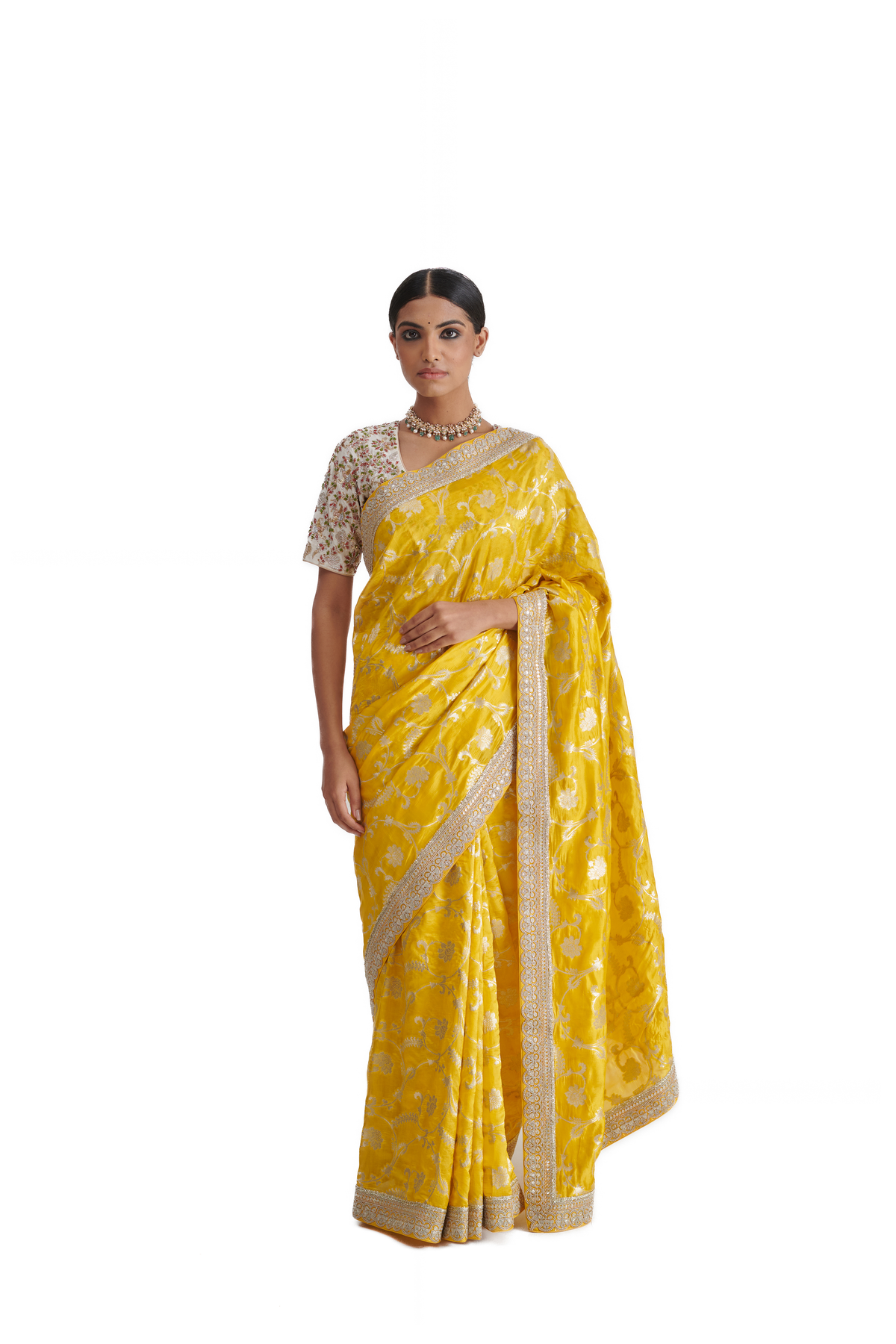
The PHALGUN & MYRA Saree is a perfect example of a wedding-worthy silk saree. This yellow Banarasi silk saree features intricate floral motifs woven in silver thread and is adorned with a rich lace border — exactly the kind of piece that commands quiet admiration at a South Indian wedding. The ivory blouse with floral embroidery and delicate sequin work completes the look.

What to Wear to the Muhurtham (Main Wedding Ceremony)
The muhurtham is the sacred heart of a South Indian wedding — the moment when the thali is tied or the saptapadi is performed. It typically takes place in the morning at a temple or wedding hall, and the atmosphere is devout and formal. Guests are expected to dress conservatively and elegantly.
Best choices: A silk saree in a rich, auspicious colour — gold, green, yellow, magenta, or royal blue. Avoid anything too flashy, sheer, or heavily embellished with Western elements. The emphasis should be on fabric quality and traditional silhouette rather than trend-driven design.
The HUMRAHI & FARIDAH Saree is an exceptional choice for a muhurtham. This green silk jacquard saree features an all-over jaal design punctuated with delicate hand-embroidered floral butas and a densely embroidered palla and border. The contrasting pink mulberry silk brocade blouse with intricate hand embroidery adds depth without excess. Green is considered deeply auspicious in South Indian tradition, symbolising fertility and new beginnings.

Temple etiquette: If the ceremony is held at a temple, ensure your shoulders are covered. Sleeveless blouses should be paired with a dupatta or the pallu draped over the shoulder. Remove footwear before entering the temple premises. Avoid leather accessories.
South Indian Wedding Colour Guide for Guests
Colour carries deep meaning in South Indian weddings. Understanding the palette helps you dress appropriately and respectfully.
- Ideal colours: Green, gold, yellow, magenta, royal blue, teal, ivory, and coral. These are considered auspicious and festive.
- Avoid red: In most South Indian communities, red is the bride's colour. The bride often wears a red or deep maroon Kanjivaram saree, so guests should steer clear of these shades for the muhurtham.
- White and black: White is associated with mourning in Hindu tradition, so avoid wearing plain white to the ceremony. A white saree with gold or coloured embroidery (like an ivory silk) is acceptable, but an all-white outfit is not. Black is generally avoided at the main ceremony, though it is acceptable at the reception.
- Pastels work for receptions: Soft pinks, lilacs, and powder blues are lovely choices for evening receptions, where the mood is more relaxed.
The BANO & SIYA Saree in moonga zari silk offers a sophisticated option in ivory. This saree features fine sequin work with intricate floral motifs, delicate gold embroidery, and a rich border — elegant enough for a reception while the gold work keeps it firmly in the festive register.

What to Wear to the Sangeet or Mehendi
Not all South Indian weddings include a sangeet or mehendi — these are more common in Telugu and multi-cultural weddings. When they do happen, the atmosphere is lighter and more celebratory. This is your chance to wear something playful, colourful, and slightly less formal than the main ceremony outfit.
A kurta set works beautifully for a mehendi. The NAVELI & RUHI Kurta Set in dusty rose chanderi features intricate floral embroidery with hand-embroidered aari, zardozi, sequin, and thread detailing. The delicate designs around the neckline, sleeves, back, and hem, paired with coordinated embroidery on the matching pants, make this piece effortlessly festive without feeling overdressed.

For the sangeet, you can go bolder. A vibrant saree or a statement blouse paired with a contrasting saree creates the kind of look that works under evening lights. The GULZAIB Blouse in rich rani pink silk is crafted for exactly this kind of occasion — fully adorned with intricate multicolour resham embroidery in vivid tones of yellow, orange, blue, and magenta, with symmetrical floral and vine motifs. Pair it with a contrasting silk saree for a head-turning sangeet look.
What to Wear to a South Indian Wedding Reception
The reception is the most glamorous event of a South Indian wedding. It usually takes place in the evening, often at a banquet hall or hotel, and the dress code is polished and sophisticated. This is where you have the most creative freedom.
Free Download
Get Our Measurement Guide
Step-by-step instructions with photos for perfect custom fit.
Download Free GuideTissue sarees, embellished silks, and lighter fabrics like georgette and organza all work well at a reception. The mood is celebratory, and a touch of shimmer is welcome.
The TARAANA Saree is a luminous tissue saree in soft antique gold that embodies reception-ready elegance. The lightweight, sheer texture lends fluid movement while the vibrant resham embroidery — intricate floral and paisley-inspired vine motifs along the borders and pallu — creates a stunning visual impact under evening lighting.

For guests who want a classic silk option for the reception, the RAHI & AMARA Saree in fuchsia pink Banarasi silk with gold thread floral motifs and a detailed gold lace border delivers timeless wedding glamour. The champagne stripe silk blouse with hand-embroidered floral motifs and sequin work adds contemporary refinement.

South Indian Wedding Etiquette Every Guest Should Know
Dressing well is only part of attending a South Indian wedding gracefully. Here are etiquette guidelines that will help you feel confident throughout the celebrations:
- Dress conservatively for the ceremony: The muhurtham is a sacred ritual, often performed in front of a sacred fire. Avoid deep necklines, backless blouses, or high slits for this event. Save your more daring looks for the reception.
- Cover your shoulders at temples: If any part of the wedding takes place at a temple, your shoulders and knees should be covered. A saree naturally handles this, but if you are wearing a sleeveless blouse, drape the pallu across your shoulder.
- Arrive on time for the muhurtham: Unlike North Indian weddings where the baraat may arrive fashionably late, South Indian muhurthams happen at a precise astrological time. Arriving late means missing the main event.
- Remove footwear: You will likely need to remove your shoes at some point, especially at temple weddings. Choose footwear that is easy to slip on and off.
- Gold jewellery is preferred: South Indian weddings have a strong tradition of gold jewellery. If you have gold pieces — temple jewellery, jhumkas, or a gold necklace — this is the occasion to wear them. It is both aesthetically appropriate and culturally respectful.
- Avoid leather in the temple: Leather bags, belts, and footwear are not permitted inside most South Indian temples. Choose fabric or metal accessories instead.
Choosing Between a Saree and Other Silhouettes
While a silk saree is the safest and most traditional choice for a South Indian wedding, it is not your only option — especially for younger guests or those attending the pre-wedding and reception events.
For a detailed comparison of when to choose a saree versus a lehenga, read our saree vs lehenga guide.
For the muhurtham: A silk saree is the strongest choice. It honours the formality of the occasion and aligns with the expectations of most South Indian families.
For the sangeet or mehendi: A kurta set, sharara, or anarkali is perfectly appropriate. Choose rich fabrics and festive colours.
For the reception: A saree remains the most elegant option, but a well-crafted lehenga or floor-length anarkali in a luxurious fabric can also work, particularly for younger guests.
Whatever silhouette you choose, prioritise handcrafted quality. Hand-embroidered pieces in natural fabrics carry a richness that printed or machine-made alternatives simply cannot match. For more on Banarasi silk specifically, explore our Banarasi silk guide.
Frequently Asked Questions
Can I wear a North Indian style lehenga to a South Indian wedding?
Yes, particularly at the reception or sangeet. For the muhurtham, a silk saree is more appropriate and will blend better with the overall aesthetic. If you do wear a lehenga to the ceremony, choose one in a rich silk with traditional embroidery rather than a heavily Western-influenced design.
What colours should I avoid at a South Indian wedding?
Avoid red and deep maroon for the muhurtham — these are reserved for the bride. Avoid plain white, which is associated with mourning. Black is acceptable at the reception but should be avoided at the main ceremony and temple events.
Is it okay to wear a salwar kameez to a South Indian wedding?
A salwar kameez is fine for pre-wedding events like the mehendi, but it may feel underdressed at the muhurtham or reception. If a saree is not comfortable for you, consider a silk kurta set or anarkali in a rich fabric — these strike the right balance between comfort and formality.
Do I need to wear gold jewellery?
Gold is the most traditional choice and will always be appropriate. However, polki, kundan, and pearl jewellery are also beautiful options. The key is to choose jewellery that complements your silk saree without competing with it. Avoid chunky costume jewellery or overly Western accessories for the main ceremony.
What should men wear to a South Indian wedding?
For the muhurtham, a veshti (dhoti) with a silk shirt or a kurta-dhoti set in white or cream with a gold border is traditional and deeply respected. For the reception, a silk kurta with churidar or well-tailored bandhgala works well. A formal suit is also acceptable for evening receptions.
How do I drape a saree for a South Indian wedding?
The Madisar drape (nine-yard saree) is traditional for Tamil Brahmin weddings, but guests are not expected to follow this style. A standard six-yard drape is perfectly appropriate. The Nivi drape — the most common style across India — works beautifully. Ensure the pleats are neat and the pallu is pinned securely, especially if you will be seated on the floor during the ceremony.
Ready to Order Custom?
WhatsApp us at +91 70423 11214 with what you're looking for. We'll guide you through measurements, customizations, and timeline.
Most pieces ready in 4-5 weeks. Bridal in 6-8 weeks.
Made to order in 4–5 weeks
Have an event date? We’ll tell you exactly when to order by.
We take a limited number of orders each month — secure your slot early.
Not sure where to start?
Tell us what you're dressing for and we'll help you choose — fabric, fit, colour, and timeline — over WhatsApp.
Your Cart
Pieces from this story
All pieces →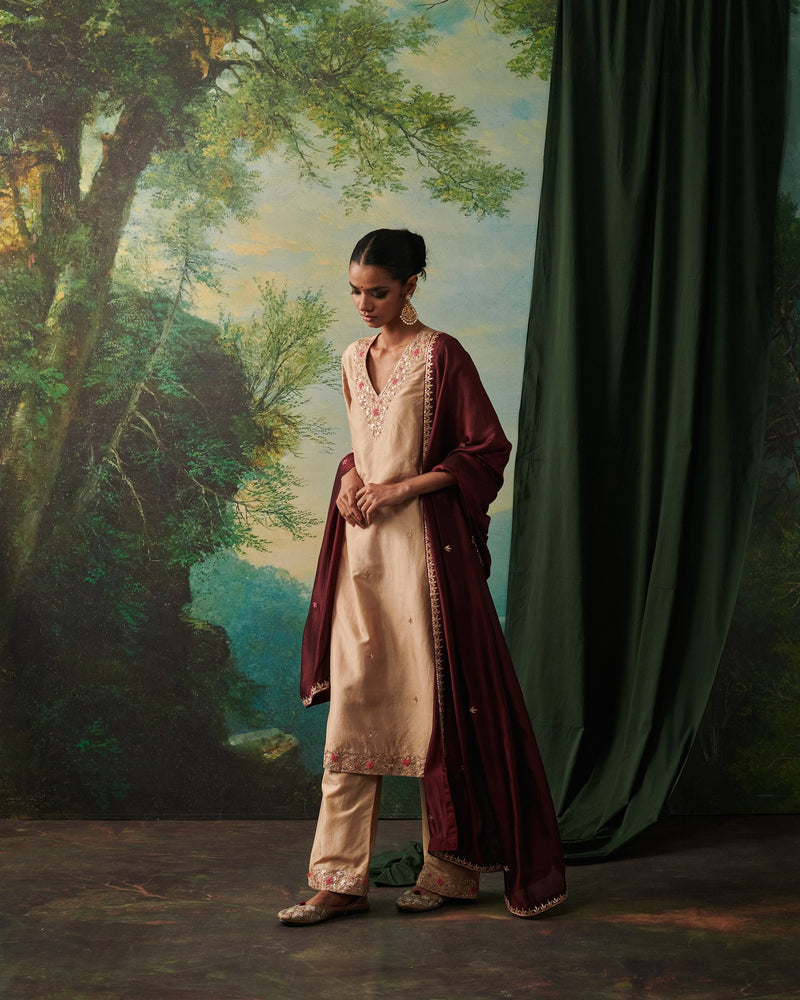
Keep reading
The journal →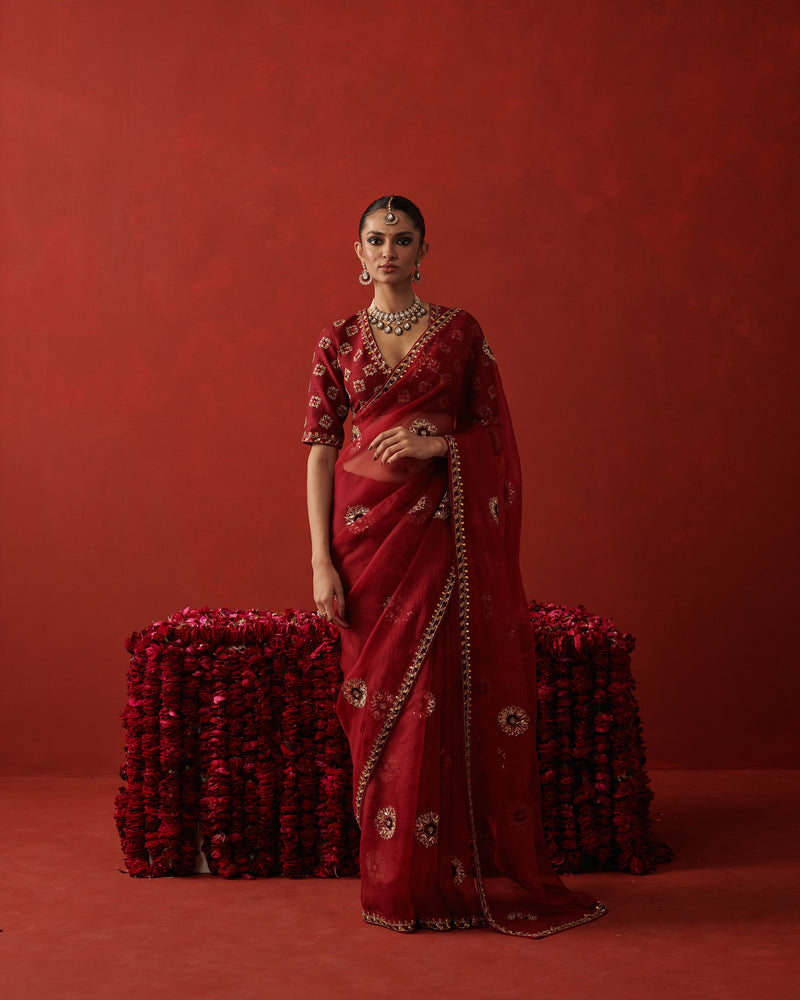
Gangaur Outfit Ideas: What to Wear for Rajasthan's Festival of Gauri
Handmade by karigars Made to your measurements Fit guarantee Ships worldwide As seen in GraziaElle Graduat...
22 August 2026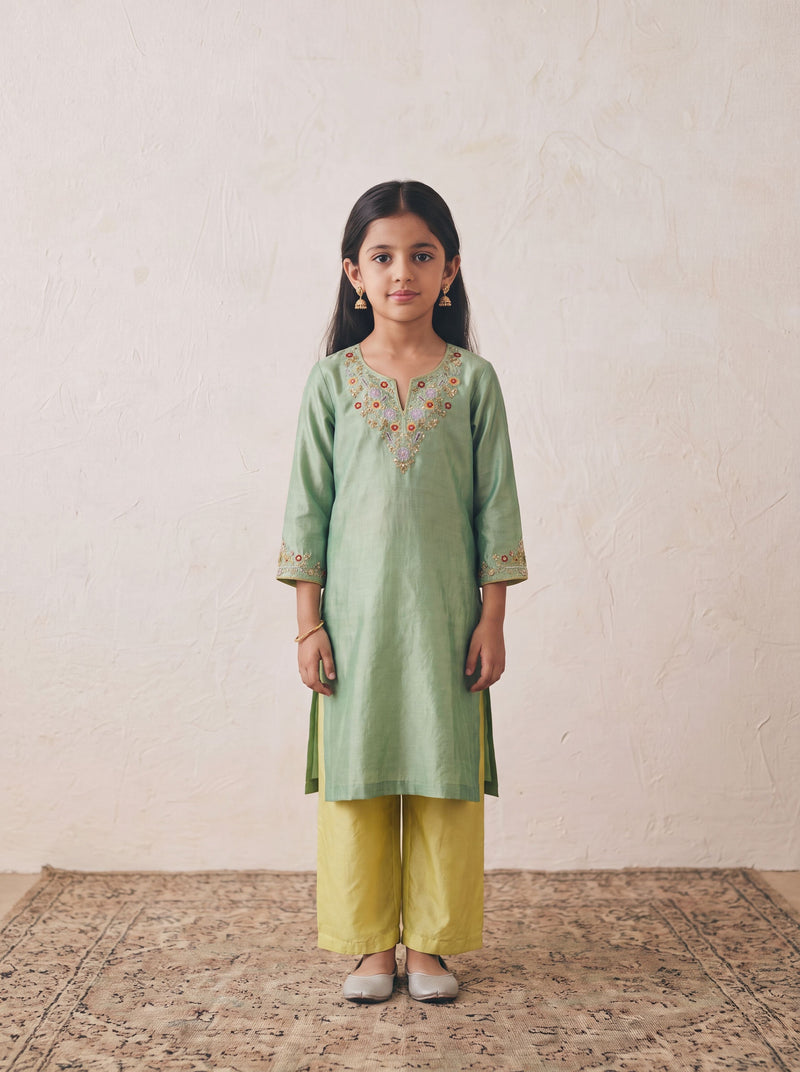
Kids at a Destination Wedding: What to Pack and How to Survive It
Handmade by karigars Made to your measurements Fit guarantee Ships worldwide As seen in GraziaElle Graduat...
22 August 2026
A Baby's First Festival: How to Dress an Infant for Diwali and Family Functions
Handmade by karigars Made to your measurements Fit guarantee Ships worldwide As seen in GraziaElle Graduat...
22 August 2026