
Winter Wedding Outfit Ideas: Luxe Indian Outfits for Cold Weather Celebrations
November to February is India's peak wedding season, and for good reason. The oppressive summer heat has broken, the monsoon is long gone, and the weather is finally cooperative enough to hold outdoor celebrations — mandaps in Jaipur forts, pheras under Udaipur skies, receptions in Delhi farmhouses where the evening air carries a genuine chill. Dates during this window are booked months, sometimes years, in advance. If you are attending an Indian wedding between November and February, you are attending a winter wedding.
This is the season where heavier fabrics, richer embroidery, and deeper colour palettes are not just appropriate — they are the entire point. Unlike summer weddings, where the priority is staying cool in lightweight fabrics (see our summer wedding outfit guide for that), winter is the time to reach for silk, brocade, and velvet without worrying about heat. The cold weather gives you permission to wear the most opulent pieces in Indian fashion and actually enjoy wearing them.
This guide covers what works for winter weddings — fabric choices, jewel-tone colour strategy, layering without bulk, and specific outfit ideas that keep you warm while looking exceptional. For general occasion-by-occasion advice, our Indian wedding guest outfit guide covers the broader framework.
Why Winter Is the Best Season for Heavy Indian Outfits
There is a practical reality that shapes Indian wedding fashion: the most spectacular traditional outfits are also the heaviest. Dense zari embroidery, layered Gota Patti applique, brocade silk woven with metallic threads — these techniques produce garments with serious weight. In a Delhi or Jaipur summer, wearing a heavily embroidered silk kurta set or a dense brocade sharara for six hours is an endurance exercise. In winter, that same outfit is not only bearable — the weight and structure become assets, providing warmth and a sense of occasion that lighter fabrics cannot match.
Winter also brings out the most flattering colour palette. Jewel tones — deep reds, rich purples, emerald greens, burgundy, midnight blue — look their best against the cooler, softer light of the winter months. These saturated colours pair naturally with gold zari and metallic embroidery, which catches warm indoor lighting and candlelight beautifully. In summer's harsh midday sun, gold zari can look almost garish. In winter's gentler light, it glows.
Then there is the layering advantage. Winter is the one season where you can add structural layers — a jacket over a kurta, a heavily embroidered dupatta worn wrapped rather than draped, a cape over a lehenga blouse — and have it read as intentional styling rather than an attempt to manage the cold. Layering adds visual depth and dimension to an outfit, and in winter, it also serves a function.

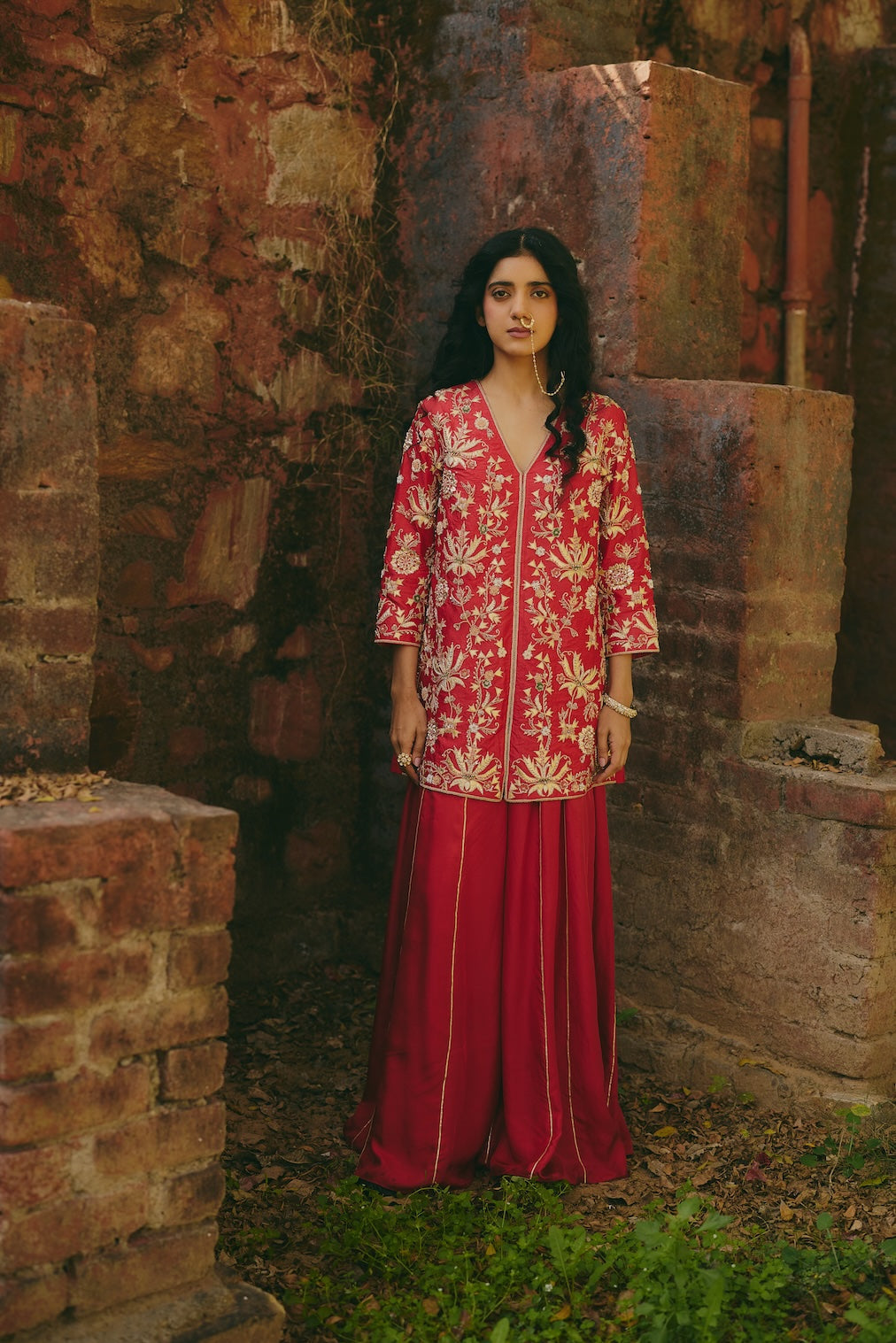
The Laalsa & Ravaya demonstrates exactly why winter is the season for statement Indian outfits. This vermilion silk jacket and sharara set features a V-neckline front-open jacket richly adorned with elaborate floral and botanical jaal patterns across the front, sleeves, and hemline. The embroidery combines marodi, zari, resham, sequins, cutdana, beads, and aari work, with finely cut gota shapes appliqued to form petals, leaves, and ornamental highlights. It is a piece with substantial weight and density — the kind of outfit that looks and feels right when there is a chill in the air.
Fabrics That Work Best for Winter Weddings
Fabric choice is the single most important decision for a winter wedding outfit. The right fabric keeps you warm, holds its structure through a long evening, and photographs beautifully in indoor and low-light settings.
Silk: The foundation of Indian winter wedding dressing. Silk is a natural insulator — it traps body heat without feeling suffocating. Heavier silk variants like Varanasi silk, dupion, and raw silk are particularly suited to winter. They have a natural stiffness and weight that gives garments structure, and their slight sheen catches light without looking overly shiny. Pure silk also breathes, which matters when you are moving between a heated indoor space and a cold outdoor mandap.
Brocade: Silk brocade — where patterns are woven into the fabric using supplementary metallic weft threads — is arguably the quintessential winter wedding fabric. The additional zari threads add weight, warmth, and visual richness that no printed fabric can replicate. A brocade kurta set or sharara in winter is exactly the occasion it was made for. The raised metallic motifs catch candlelight and evening lighting in ways that make photographs look extraordinary.

The Raat Rani, Vani & Kiyara is a masterclass in winter wedding fabric. This black Varanasi silk brocade set features an all-over jaal of intricate gold motifs with detailed hand-embroidered borders. The blazer has a fitted silhouette with a hand-embroidered collar, and the wide-leg pants are in the same luxurious brocade. Paired with a dupion silk bustier underneath, it is a modern silhouette built entirely from winter-weight fabrics. Black and gold is one of the most striking colour combinations for a winter evening reception.
Velvet: The ultimate cold-weather fabric. Velvet dupattas, velvet borders on lehengas, or a velvet jacket layered over a silk outfit all signal winter occasion dressing. Velvet absorbs light rather than reflecting it, creating a depth of colour that is unmatched — a burgundy velvet reads richer than a burgundy silk. The texture is also inherently warm, making it ideal for outdoor winter ceremonies.
Tissue: While lighter than brocade or velvet, tissue fabric — woven with metallic threads throughout — adds shimmer and a subtle layer of warmth when used as a dupatta or accent. Tissue dupattas over silk outfits create beautiful light play in winter evening settings.

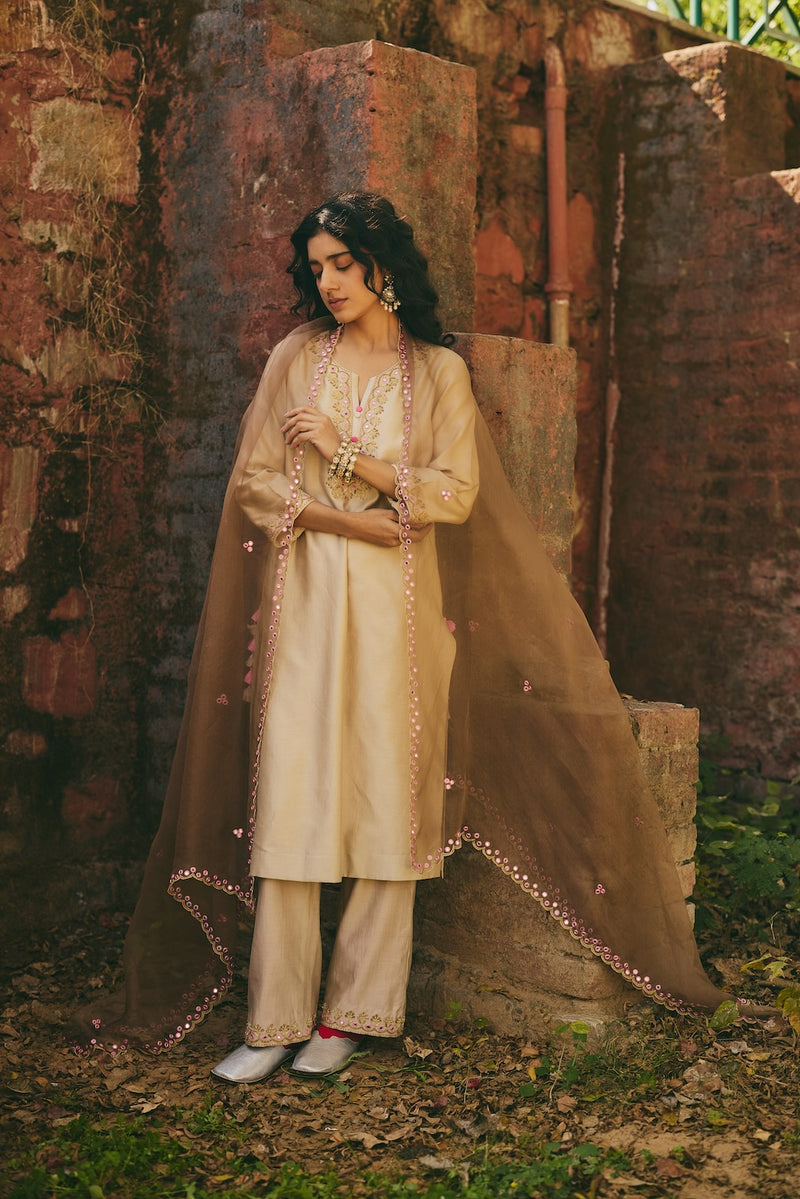
The Kohina dupatta is crafted in luminous tissue in a rich antique brown hue, adorned with delicate sequin and cutdana embellishments arranged in rhythmic linear placements. The natural metallic sheen of the tissue base enhances its understated shimmer. Layered over a silk kurta or draped across a sharara set, it adds warmth, texture, and a vintage quality that suits winter wedding settings perfectly — particularly for an evening ceremony where the metallic thread catches indoor lighting.
The Winter Wedding Colour Palette: Jewel Tones and Deep Hues
Colour strategy for winter weddings is different from the rest of the year. The pastels and ice-cream shades that work for spring and summer weddings can look washed out in winter's softer light and against heavier fabrics. Winter is the season to go deep.
Deep reds and vermilion: The classic Indian wedding colour, and it hits differently in winter. A deep red silk with gold embroidery against a January evening backdrop is one of the most timeless looks in Indian fashion. Vermilion, maroon, and wine tones all fall in this family.
Rich purple and plum: An underused colour in Indian wedding fashion that works exceptionally well in winter. Purple reads as regal without competing with the bride's red or pink palette. It pairs naturally with gold, and the depth of a saturated purple stands out in group photographs.
Emerald and deep green: Green is auspicious, versatile, and universally flattering in its deeper winter-weight variants. A forest green or emerald silk with gold detailing is festive without being predictable.
Black with metallic accents: For receptions and sangeet functions, black is increasingly accepted in Indian wedding fashion — particularly when it is elevated with gold brocade, zari borders, or metallic embroidery. Black reads as sophisticated rather than sombre when the craftsmanship is visible.
Antique gold and bronze: These tones bridge traditional and contemporary. An antique gold or bronze outfit needs minimal jewellery because the colour itself carries the metallic warmth.


The Zehan & Aabha and the Jazabah & Saiyan illustrate the winter colour strategy in action. Zehan & Aabha is a majestic purple silk kurta with dense hand-done Gota applique — metallic ribbons meticulously folded and stitched into rhombus and floral shapes, layered with sequins, resham, and moti work — paired with a contrasting gold tissue sharara. Jazabah & Saiyan takes the classic deep red route, with tonal embroidery using gota patti, marodi, resham, and bead work in a floral bel pattern along the borders. Both are heavy, warm, and unmistakably winter pieces. Purple for those who want to stand apart; deep red for those who want the timeless route.
Layering for Winter Weddings: Jackets, Capes, and Shawls
The art of winter wedding dressing is not just choosing the right outfit — it is building the right layers around it. Indian weddings involve constant movement between warm indoor spaces and cold outdoor areas. You need layers that you can add and remove without dismantling your entire look.
Structured jackets: A silk or embroidered jacket over a sharara, lehenga, or kurta set is the most polished layering option. The jacket functions as both outerwear and a design element — it is part of the outfit, not an afterthought. Look for jackets with embroidery detailing that complements the outfit underneath.
The Laalsa & Ravaya is designed with this principle. The front-open jacket silhouette provides warmth and coverage across the shoulders and arms while the V-neckline keeps the look open. The jacket can be worn fastened during the outdoor ceremony and left open during the indoor reception — adapting to the temperature without changing outfits.
Embroidered dupattas worn as wraps: In winter, a dupatta is not just a draping accessory — it is functional warmth. A heavily embroidered or tissue dupatta wrapped across the shoulders and pinned securely provides genuine insulation. The weight of embroidered dupattas is an advantage here, as they stay in place better than lighter fabrics and do not blow around in winter wind.
Blazer silhouettes: For sangeet or reception functions, a tailored blazer in silk or brocade is a modern layering solution that bridges Indian and Western sensibilities. The blazer keeps you warm through the entire event and gives a sharp, contemporary edge to traditional fabrics.
The Raat Rani, Vani & Kiyara blazer is already structured for warmth — the fitted Varanasi silk brocade provides insulation while the hand-embroidered collar adds a formal finish. This is the kind of outfit that eliminates the need for a separate layer entirely, because the blazer is the outfit.
Capes and stoles: Velvet capes and pashmina stoles are the simplest winter additions. A velvet cape over a lehenga blouse or a fine pashmina draped over a kurta set provides warmth during outdoor moments without competing with the embroidery and detailing of the main outfit.
Winter Wedding Outfit Ideas by Function
Not every winter wedding function demands the same level of formality. Here is how to calibrate your outfit weight and warmth for each event.
Free Download
Get Our Measurement Guide
Step-by-step instructions with photos for perfect custom fit.
Download Free GuideMehendi and haldi (daytime, often outdoor): These are typically the coldest functions because they happen during the day in open spaces. A silk kurta set in a jewel tone with a warm dupatta or stole is the practical choice. Keep the embroidery lighter — save the heavy pieces for the evening functions. The Jazabah & Saiyan in deep red silk with its tonal gota patti and marodi embroidery hits the right note: celebratory and warm without being over-the-top for a daytime function.
Sangeet (evening, usually indoor): This is where you can experiment. The temperature is controlled, the lighting is dramatic, and the mood is festive. A brocade outfit with metallic embroidery catches stage and DJ lighting beautifully. Black, deep green, or bold colour combinations work well here.

The Jhoomar & Shafaq — a green silk kurta hand-embroidered with marodi, sequins, and bead work in floral vines and jaal motifs, with vivid pink neckline and sleeve cuff detailing — is a sangeet piece. The colour contrast is bold enough for an evening event, the silk provides warmth, and the embroidery catches light from every direction. Paired with the matching pant, it is comfortable enough for dancing while looking fully festive.
Wedding ceremony (evening or night, often outdoor): The main event. This is where heavy silk, dense embroidery, and full layering come together. If the pheras are outdoors, you will need genuine warmth — a jacket, cape, or heavy dupatta is non-negotiable. Vermilion, deep red, gold, and rich jewel tones are all appropriate. This is the function where pieces like the Laalsa & Ravaya or the Zehan & Aabha earn their full impact.
Reception (evening, indoor): Usually the most temperature-controlled function. You can prioritise style over warmth here. Brocade, metallic tissue, and statement silhouettes work well. The Raat Rani, Vani & Kiyara blazer set in black and gold brocade is ideal for a reception — sophisticated, modern, and warm enough for a brief walk from the car to the venue.
Styling Tips for Winter Wedding Outfits
Jewellery scales up in winter. Heavy outfits need substantial jewellery to maintain proportion. A delicate chain necklace over a dense brocade kurta looks lost. Polki sets, kundan chokers, gold jhumkas, and statement maang tikkas all pair well with winter-weight fabrics. The metallic tones in the jewellery echo the zari and gota in the outfits, creating a cohesive look.
Footwear should be closed or partially covered. Open-toe sandals on a freezing December evening in Jaipur or Delhi are a mistake people make once. Embroidered juttis, closed-toe heels, or mojaris in matching metallic tones keep your feet warm without disrupting the outfit.
Hair can be worn down. In summer weddings, updos are practical because of the heat. In winter, wearing hair down provides neck and shoulder warmth. Loose curls or a side-swept style paired with a maang tikka or passa is both functional and elegant.
Makeup leans warm. Winter lighting — whether outdoor evening light or indoor warm lighting — flatters warm-toned makeup. Berry lips, bronzed cheekbones, and warm-toned eye shadows complement the jewel-tone colour palette of winter outfits.
Carry a small warm layer for transitions. Even if you have a jacket or heavy dupatta, keep a fine pashmina in your car or at your table. Winter wedding venues in Rajasthan and North India can drop significantly in temperature between 8 PM and midnight. Having a backup warm layer means you will not spend the last hour of the reception shivering.
Destination Winter Weddings: Jaipur, Udaipur, and Beyond
The most popular destination wedding locations in India — Jaipur, Udaipur, Jodhpur, Delhi, and the hill stations — are all winter destinations. The climate at these locations between November and February ranges from pleasantly cool (Udaipur in November) to genuinely cold (Delhi and Jaipur in January, hill stations in December).
For Rajasthan winter weddings, expect warm days and cold evenings. The temperature can swing 15-20 degrees between afternoon and night. Plan your outfit around the evening temperature, not the daytime warmth. A silk brocade kurta set that feels comfortable at 4 PM will feel perfect at 9 PM when the temperature drops.
For Delhi winter weddings, the cold is more sustained. Evening temperatures in December and January hover around 5-8 degrees Celsius. Layering is not optional — it is survival. A heavy silk outfit with a structured jacket and an embroidered dupatta used as a wrap provides the warmth you need without resorting to throwing a shawl over your outfit as an afterthought.
For hill station weddings (Mussoorie, Shimla, Nainital), velvet becomes essential. The temperatures can drop below freezing, and you need fabrics that provide genuine insulation. Velvet outfits, velvet-bordered lehengas, and heavy embroidered shawls are standard here.

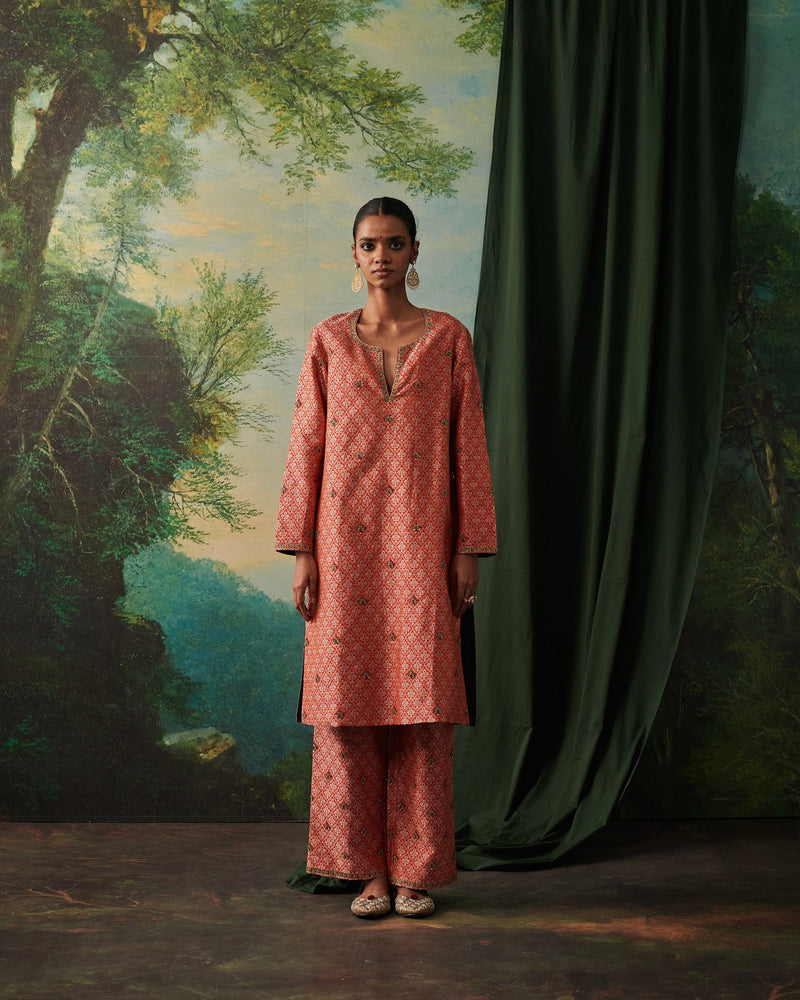
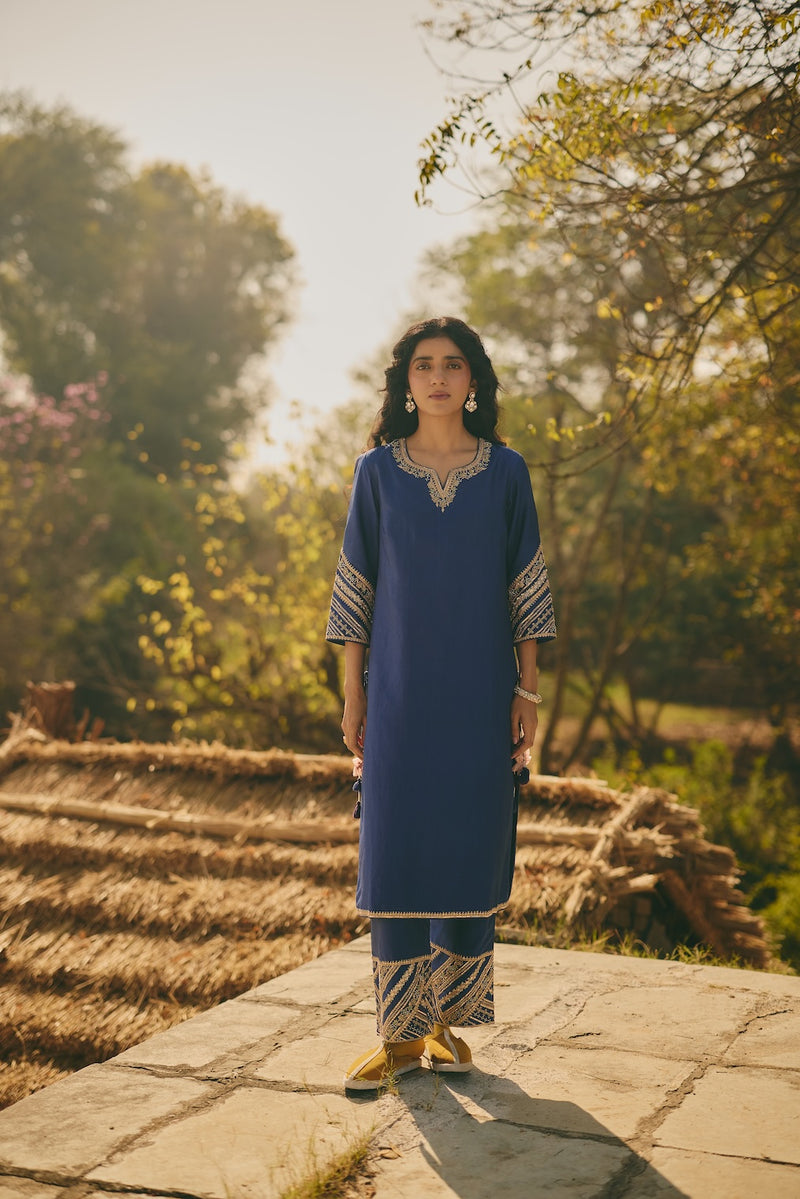
The Rangrez & Aliza — a moonga silk brocade kurta with intricate gold motifs woven into the fabric, paired with silk pants showcasing an all-over floral jaal print with Aari and Zardozi hand-embroidery — is the kind of piece that transitions between winter wedding contexts. The brocade provides warmth. The gold motifs catch Rajasthan's golden evening light. The kurta silhouette allows easy layering with a shawl or cape when needed. It works at a Jaipur palace wedding as naturally as at a Delhi farmhouse reception.
Frequently Asked Questions
What should I wear to a winter wedding in India?
Heavy silk, brocade, or velvet outfits in jewel tones — deep red, purple, emerald green, or black with gold accents. Winter is the season for the most opulent Indian outfits because the cold weather makes heavy fabrics comfortable rather than stifling. Layer with a structured jacket, embroidered dupatta, or velvet cape for outdoor functions.
How do I stay warm at an outdoor winter wedding without ruining my outfit?
Choose fabrics that provide natural warmth — silk brocade, heavy embroidered silk, and velvet all insulate well. Layer strategically: a front-open jacket over your outfit, a heavy dupatta wrapped across your shoulders, or a fine pashmina as a backup. Closed-toe embroidered juttis or heels keep your feet warm. Plan your outfit for the evening temperature, not the daytime warmth.
Are dark colours appropriate for Indian wedding guests in winter?
Yes. Jewel tones and deep hues — burgundy, navy, forest green, plum, and even black with metallic accents — are entirely appropriate and look best in winter light. Save pastels and light colours for spring and summer weddings. The only colour to avoid as a guest is pure red at a Hindu wedding, as that is traditionally reserved for the bride.
What is the best fabric for a winter wedding outfit?
Silk brocade is the ideal winter wedding fabric — it is warm, heavy, richly textured, and photographs beautifully in indoor and evening lighting. Varanasi silk brocade with zari work is the traditional benchmark. Velvet is excellent for layering pieces (dupattas, capes, jackets). Tissue adds shimmer when used as dupatta or accent fabric.
Can I wear a kurta set to a winter wedding?
Absolutely. A heavily embroidered silk or brocade kurta set is one of the most versatile winter wedding options. It is warm, comfortable for long events, and appropriate for every function from mehendi to reception depending on the level of embroidery and embellishment. Pair with statement jewellery and a rich dupatta to elevate it for the main ceremony.
What jewellery works with heavy winter wedding outfits?
Scale your jewellery to match the outfit weight. Heavy silk and brocade outfits need substantial jewellery — polki sets, kundan chokers, gold jhumkas, statement maang tikkas. Delicate jewellery gets lost against dense embroidery. Match metallic tones: gold jewellery with gold zari outfits, silver or diamond pieces with silver-toned embroidery.
Is a sharara set good for a winter wedding?
Sharara sets are excellent for winter weddings. The wide-leg sharara provides more coverage and warmth than a lehenga (no bare midriff), and when paired with a jacket or long kurta, the silhouette is both warm and visually dramatic. A silk or brocade sharara set with a structured jacket is one of the most polished winter wedding looks.
Ready to Order Custom?
WhatsApp us at +91 70423 11214 with what you're looking for. We'll guide you through measurements, customizations, and timeline.
Most pieces ready in 4-5 weeks. Bridal in 6-8 weeks.
Made to order in 4–5 weeks
Have an event date? We’ll tell you exactly when to order by.
We take a limited number of orders each month — secure your slot early.
Not sure where to start?
Tell us what you're dressing for and we'll help you choose — fabric, fit, colour, and timeline — over WhatsApp.
Your Cart
Pieces from this story
All pieces →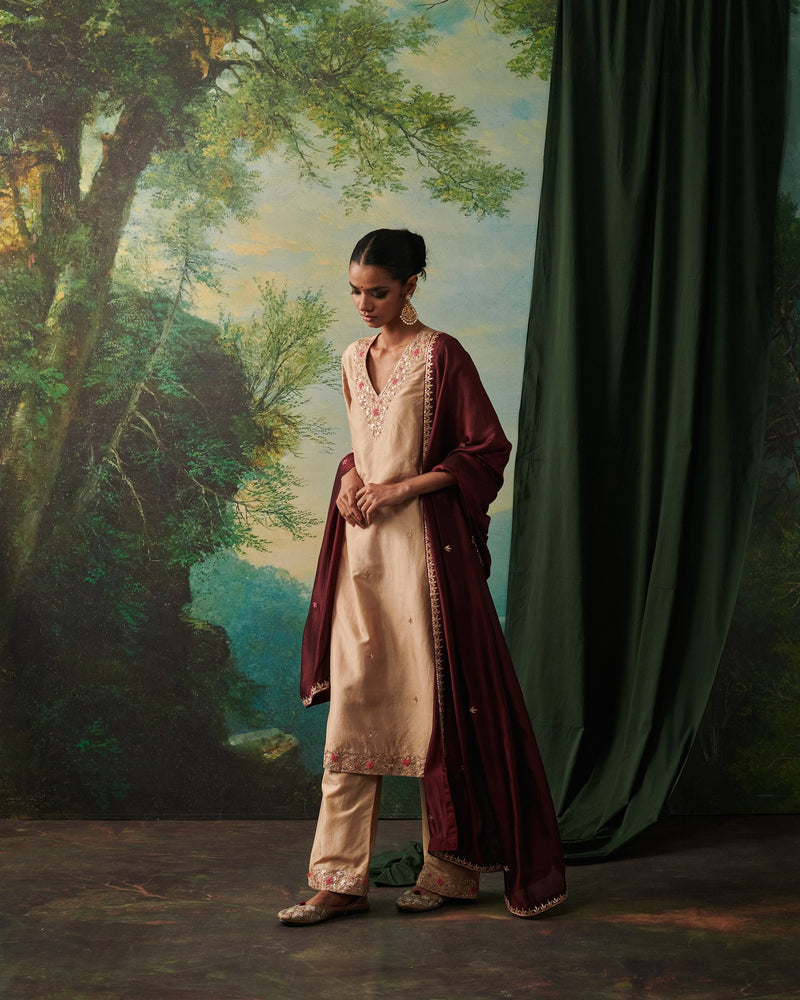
Keep reading
The journal →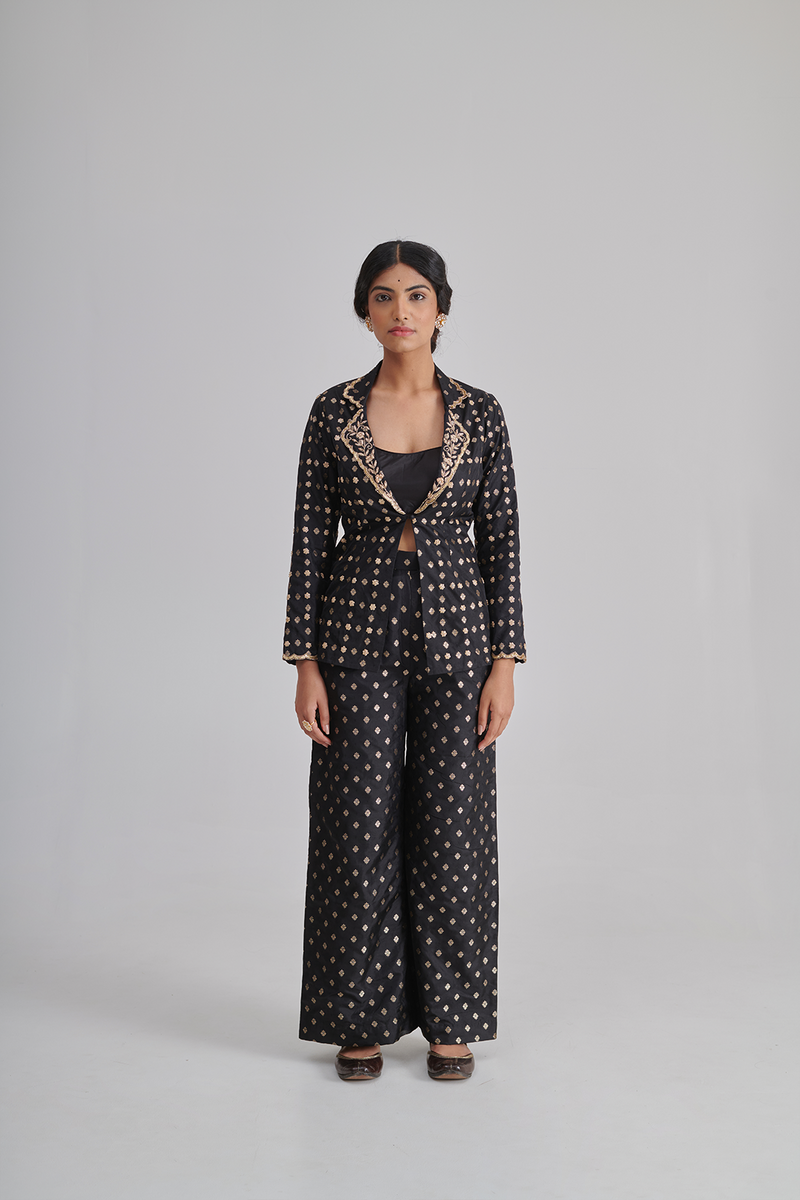
Diwali Abroad: What to Wear to the Office Potluck, the Community Dinner & the House Party
Handmade by karigars Made to your measurements Fit guarantee Ships worldwide As seen in GraziaElle Graduat...
20 September 2026
Garba Abroad: What to Wear to Navratri in the US, UK, Canada & Australia
Handmade by karigars Made to your measurements Fit guarantee Ships worldwide As seen in GraziaElle Graduat...
20 September 2026
Where to Shop for Indian Clothes in Singapore & Malaysia: A Complete Guide
Handmade by karigars Made to your measurements Fit guarantee Ships worldwide As seen in GraziaElle Graduat...
20 September 2026