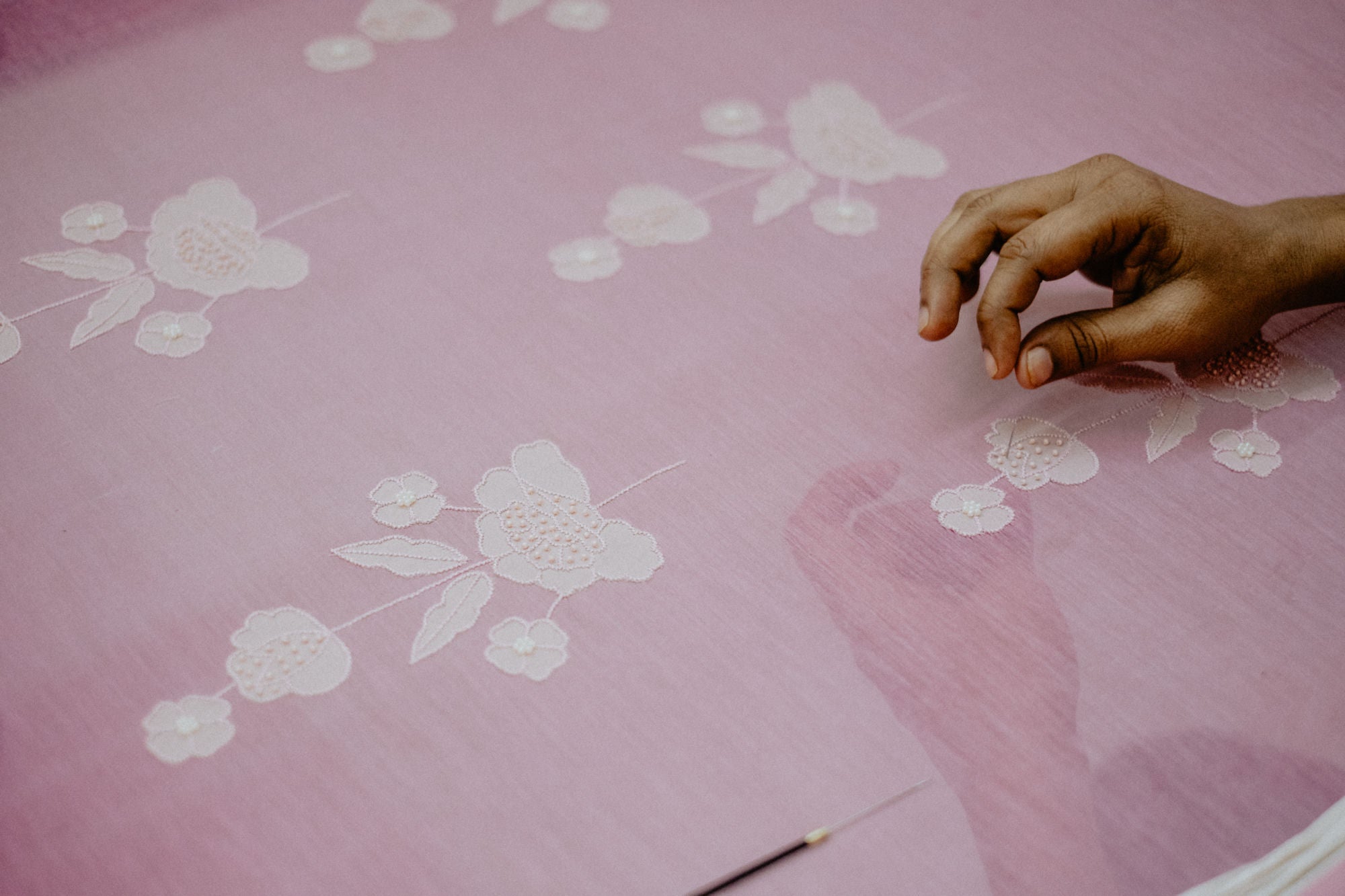
India does not have one wedding tradition. It has hundreds. A Punjabi bride draped in red with her kalire tinkling is a world apart from a Bengali bride in her laal-paar saree with shakha-pola bangles, or a Keralite bride glowing in Kasavu gold. What you wear to a wedding — and what you absolutely must not wear — changes the moment you cross a state line. This guide walks you through the outfit traditions, colour codes, and guest etiquette of Indian weddings across eight distinct regions, so you show up dressed not just beautifully, but respectfully.
Select a Region
Choose a region below to explore its wedding traditions, outfit codes, and styling suggestions.
🇹🇽
Punjabi
North India
🏰
Rajasthani
Rajasthan
🎺
Bengali
West Bengal
🌴
South Indian
Tamil, Kerala, Telugu
🦈
Gujarati
Gujarat
🍺
Marathi
Maharashtra
🍣
Assamese
Northeast India
☪️
Muslim
Nikah
Traditional Wedding Colours
Red — fertility, prosperity, suhag
Gold — wealth and grandeur
Maroon — depth and tradition
Hot Pink — modern brides
Red is non-negotiable for the Punjabi bride. It represents suhag (marital bliss) and is deeply tied to auspiciousness. Maroon and hot pink have entered the palette for modern brides, but red remains the emotional centre of the ceremony.
Must-Have Outfit Elements
-
Bridal lehenga in red or maroon with heavy zardozi, zari, or gota patti work — this is the most significant outfit purchase of the wedding.
-
Double dupatta — one draped over the head for the pheras and one on the shoulder. Both must be heavily embroidered.
-
Chura (red and white bangles) and kalire (gold umbrella-shaped ornaments hanging from the chura) — gifted by the maternal uncle.
-
Maang tikka, nath (nose ring), haath phool, and payal — the full traditional jewellery set.
-
Juttis or embellished heels — the groom's sisters will steal your shoes. Choose wisely.
Ceremony-Specific Outfits
Roka & Engagement
Silk saree or lehenga in pink, peach, or gold. Families exchange gifts; the outfit should be festive but not bridal.
Mehendi
Bright green, yellow, or multi-colour sharara or kurta set. Lightweight — you will sit for hours while henna dries.
Sangeet
The party night. Bold lehenga or anarkali in jewel tones. Think dance-friendly silhouettes and shimmer.
Chooda & Kalire Ceremony
The bride wears a simple suit or kurta — the focus is on the chura and kalire, not the outfit.
Anand Karaj / Pheras
The bridal red lehenga with full jewellery. This is the main event — every detail matters.
Reception
Saree or cocktail lehenga in a colour distinct from the wedding outfit — emerald, wine, or champagne gold.
Guest Dress Code
Do
- Wear bold colours — Punjabi weddings are not the place for muted palettes
- Dress heavy for the ceremony; lighter for mehendi
- Men: bandhgala, kurta-pyjama, or well-fitted suit
- Bring dance shoes — you will need them
Don't
- Wear red or maroon to the ceremony — reserved for the bride
- Wear white or plain black — considered inauspicious
- Underdress — a Punjabi wedding notices these things
- Skip the dupatta at the Gurdwara — head covering is mandatory
Modern Fusion Ideas
- A lehenga skirt paired with a structured blazer-blouse — contemporary but still festive
- A pre-draped saree with a belted waist for the reception — modern and practical
- A cape-style dupatta over a traditional lehenga instead of the classic drape
- Guests: a handcrafted embroidered silk kurta with statement trousers for a polished Indian-modern look
Traditional Wedding Colours
Red — the quintessential bridal colour
Orange/Saffron — Rajput heritage
Gold — royal opulence
Rani Pink — Jaipur's signature hue
Green — for the groom's side
Rajasthani weddings are colour-coded. The bride's family wears reds and pinks; the groom's family favours greens and turquoise. Bandhani (tie-dye) is woven into the visual DNA of every ceremony.
Must-Have Outfit Elements
-
Poshak or ghagra-choli — the traditional Rajasthani bridal outfit with heavy gota patti, zardozi, and kundan work.
-
Odhni (dupatta) — the Rajasthani dupatta is draped differently from the Punjabi dupatta, pulled over the head and pinned at the shoulder.
-
Borla maang tikka — a round, heavy forehead ornament unique to Rajput and Marwari brides.
-
Bajuband, haath phool, and aad necklace — traditional Rajasthani jewellery is distinct and chunky.
-
Bandhani or leheriya fabric — tie-dye textiles are essential across ceremonies, not just for the bride.
Ceremony-Specific Outfits
Ganesh Puja & Pithi
Yellow outfit — turmeric and sandalwood paste are applied. A simple silk suit or cotton saree in yellow or saffron.
Mehendi
Bandhani or leheriya print lehenga or sharara in bright greens, yellows, or oranges. The more colour, the better.
Sangeet & Ladies' Sangeet
The ladies' sangeet is exclusively for women — wear your most vibrant ghagra or lehenga. Ghoomar dance demands flared silhouettes.
Phera & Phere
The bride wears the poshak — a heavy red or maroon lehenga with full gota patti and aad jewellery. The veil (odhni) covers the face during jaimala.
Guest Dress Code
Do
- Wear bandhani, leheriya, or gota patti — these textures honour the region
- Choose vibrant colours: orange, pink, turquoise, yellow
- Jewellery should be chunky and statement — Rajasthani weddings expect it
- Women: ghagra-choli or a silk saree for the main ceremony
Don't
- Wear white or all-black — deeply inauspicious
- Wear understated or minimalist outfits — this is Rajasthan
- Skip the dupatta or head covering at traditional ceremonies
- Wear the bride's exact shade of red if attending the phera ceremony
Modern Fusion Ideas
- A bandhani print lehenga with a modern off-shoulder blouse — tradition meets contemporary
- A gota patti embroidered cape over a simple silk kurta set — layered elegance
- Guests: a chanderi kurta with bandhej dupatta — honouring the region's textile heritage
Traditional Wedding Colours
Red — the mandatory bridal colour
White — paired with red in the laal-paar saree
Gold — woven into Benarasi silk
Yellow — for the gaye holud (turmeric ceremony)
The Bengali bride wears a laal-paar saree — a white or off-white Banarasi silk with a red border. The red-and-white combination is sacred and unique to Bengali weddings. Yellow dominates the gaye holud ceremony.
Must-Have Outfit Elements
-
Benarasi silk saree — the centrepiece. Either a red Benarasi or a laal-paar (white with red border). The fabric must have gold zari work.
-
Mukut (crown) — a decorative headpiece unique to Bengali brides, traditionally made from pith or sholapith.
-
Shakha-pola bangles — white conch shell (shakha) and red coral (pola) bangles worn in a specific pattern on both hands.
-
Alta — red dye applied to the feet and the edges of the hands. This is as essential as the saree itself.
-
Topor — a conical headpiece worn by the groom, made from sholapith (pith craft).
Ceremony-Specific Outfits
Gaye Holud (Turmeric)
Yellow saree or kurta — the bride is anointed with turmeric paste. The entire family coordinates in shades of yellow and gold.
Aiburo Bhaat
The bride's last meal as a single woman. A rich silk saree in any colour except red (red is reserved for the wedding day).
Wedding (Shubho Drishti & Saat Paak)
The laal-paar Benarasi saree with mukut, shakha-pola, and full jewellery. The bride is lifted on a wooden seat (piri) and carried to the mandap.
Bou Bhaat (Reception)
The new bride wears a saree gifted by the groom's family — typically a different Benarasi in a complementary colour like royal blue, green, or wine.
Guest Dress Code
Do
- Wear a saree — Bengali weddings strongly favour saree-clad guests
- Silk sarees (Banarasi, Tussar, Kanjivaram) are ideal for the ceremony
- Cotton or lighter silks for the gaye holud
- Gold jewellery — Bengalis appreciate understated gold elegance
Don't
- Wear red-and-white together — this is the bride's combination
- Wear all-white — associated with mourning
- Overdress with heavy lehengas — they feel out of place at a Bengali wedding
- Skip the saree if you can manage one — it is the expected attire
Modern Fusion Ideas
- A Benarasi saree with a modern blouse cut (halter neck, backless, or statement sleeves) instead of the traditional round-neck blouse
- A draped Benarasi lehenga — using the saree fabric in a lehenga silhouette — for brides who want the textile but not the traditional drape
- Guests: a silk kurta set with a Benarasi dupatta for those not comfortable in a saree
Traditional Wedding Colours
Gold — the dominant thread through all four traditions
Red — Tamil and Telugu brides
Ivory & Gold — Kerala Kasavu
Green — auspicious across South India
Tamil: Red Kanjivaram silk with heavy gold zari. Kerala: Ivory and gold Kasavu saree — minimal colour, maximum elegance. Telugu: Vibrant reds and greens in Pochampally or Uppada silk. Kannada: Ilkal or Mysore silk in deep jewel tones. Gold is the unifying thread — South Indian brides wear more gold jewellery than any other region in India.
Must-Have Outfit Elements
-
Kanjivaram / Kasavu / Uppada silk saree — the regional silk saree is the non-negotiable bridal outfit. Each region has its own weaving tradition.
-
Temple jewellery — gold jewellery inspired by temple architecture: jhumkas, vanki (armlet), oddiyanam (waist belt), jimikki kammal (dangling earrings).
-
Gajra (jasmine garlands) — fresh jasmine flowers woven into the hair are essential for Tamil, Telugu, and Kannada brides.
-
9-yard saree draping (Tamil) — the traditional Madisar drape where the saree is pleated and draped like a dhoti. Many modern brides opt for the standard 6-yard drape.
-
Mundu or Kasavu set (Kerala) — the groom wears a white mundu with a gold border, matching the bride's Kasavu saree.
Ceremony-Specific Outfits
Nischay Tamulam (Engagement)
Silk saree in a bright colour — not the wedding colour. Pattu sarees in shades of blue, green, or pink are common.
Haldi / Nalugu (Turmeric)
Yellow or light-coloured outfit. A simple cotton saree or kurta — this ceremony involves turmeric paste application.
Muhurtham (Wedding)
The main silk saree — red Kanjivaram (Tamil/Kannada), Kasavu (Kerala), or Uppada/Pochampally (Telugu) — with full temple jewellery, gajra, and the thali (mangalsutra).
Reception / Gruhapravesham
A different silk saree — often gifted by the groom's family. Colour is more flexible: emerald, royal blue, wine.
Guest Dress Code
Do
- Wear a silk saree — this is almost mandatory for women at a South Indian wedding
- Gold jewellery, even simple pieces, is always appropriate
- Jewel tones: emerald, royal blue, wine, deep pink
- Men: a silk veshti (dhoti) with a silk shirt, or a well-pressed kurta
Don't
- Wear black — it is considered inauspicious at a South Indian wedding
- Wear a lehenga or anarkali — while acceptable, a saree is vastly preferred
- Skip the saree blouse for a crop-top — temple ceremonies require modesty
- Wear footwear inside the temple or mandap
Modern Fusion Ideas
- A Kanjivaram silk lehenga — the silk of a Kanjivaram cut into a lehenga silhouette for brides who want both tradition and modernity
- A half-saree (langa voni) with temple jewellery — a popular Telugu choice that is more youthful
- Guests: a handloom saree with contemporary blouse styling — respects the silk saree expectation while feeling fresh
Traditional Wedding Colours
Red — the bridal staple
Green — equally important; symbolizes fertility
Orange — festive and auspicious
Pink — for the garba and sangeet
Red and green together are the sacred Gujarati bridal combination. Many brides wear a panetar — an unstitched red-and-white saree gifted by the maternal family — for the main ceremony. Green is the groom's colour and the colour of the groom's family.
Must-Have Outfit Elements
-
Chaniya choli (ghagra-choli) — the quintessential Gujarati outfit. Flared, embroidered, and designed for twirling during garba.
-
Panetar saree — a white-and-red saree (often Banarasi or Patola) draped in the Gujarati seedha-pallu style for the wedding ceremony.
-
Bandhani dupatta — tie-dye is integral to Gujarati textile identity. Guests often wear bandhani to honour the tradition.
-
Kundan and polki jewellery — the traditional Gujarati jewellery set includes a heavy necklace, borla, and chandelier earrings.
-
Mirror work (abhla bharat) — Gujarat's signature embroidery technique appears on chaniya cholis, blouses, and dupattas.
Ceremony-Specific Outfits
Garba & Raas
The chaniya choli moment — a heavily embroidered or mirror-work lehenga-choli in bright colours. The skirt must flare for twirling. This is the most anticipated outfit.
Pithi (Haldi)
Yellow outfit — simple and comfortable. A yellow kurta set or cotton chaniya choli. Turmeric will stain, so nothing precious.
Mandap Muhurat (Wedding)
The bride wears the panetar saree or a red saree with full bridal jewellery. The saree is draped in the Gujarati (seedha-pallu) style.
Reception
A saree or lehenga in a different palette — modern Gujarati brides choose pastels, champagne, or jewel tones for the reception.
Guest Dress Code
Do
- Wear a chaniya choli for the garba — it is the done thing, even for guests
- Bright colours, mirror work, and bandhani textures are welcome
- Silk saree for the main ceremony
- Men: kurta with dhoti or churidar for garba; formal kurta for the ceremony
Don't
- Wear all-white or all-black — both are considered inauspicious
- Wear the bride's panetar combination (red and white)
- Wear very tight outfits for garba — you need to move freely
- Forget to bring comfortable footwear for garba night
Modern Fusion Ideas
- A mirror-work blouse with a plain silk skirt — one statement piece, not head-to-toe embroidery
- A bandhani saree with a contemporary cut blouse for the ceremony
- Guests: a silk kurta set with an embroidered dupatta and statement juttis for garba night
Traditional Wedding Colours
Green — the primary bridal colour, unique among Indian regions
Red — second to green but still traditional
Orange/Saffron — auspicious and festive
Purple — for special ceremonies
Green is the definitive Marathi bridal colour — perhaps the only Indian wedding tradition where green, not red, dominates. It symbolises fertility, new beginnings, and prosperity. The bride wears a green Paithani or Nauvari saree for the ceremony.
Must-Have Outfit Elements
-
Paithani saree — the signature Maharashtrian silk with peacock and floral motifs woven in gold. The pallu (end piece) is the star of the saree.
-
Nauvari drape — a 9-yard saree draped in the dhoti style. Distinct, powerful, and deeply traditional.
-
Mundavalya — pearl strings that hang across the bride's forehead, connected to the hair. This is uniquely Marathi.
-
Nath (nose ring) — the oversized Marathi nath is an iconic bridal statement, often covering half the cheek.
-
Green bangles — green glass bangles are considered suhag (marital auspiciousness) and are never broken deliberately.
Ceremony-Specific Outfits
Halad (Haldi)
Yellow saree or kurta — turmeric is applied. A cotton saree in yellow or a simple kurta set. Keep it practical.
Sangeet / Mehendi
A lighter silk or chanderi outfit — bright colours welcome. Marathi sangeets are musical and culturally rich.
Wedding Ceremony
Green Paithani saree in the nauvari drape with full jewellery — mundavalya, nath, green bangles, and a distinctive necklace called the thushi or kolhapuri saaj.
Reception
A different saree — often red, purple, or gold. Modern Marathi brides sometimes wear lehengas for the reception.
Guest Dress Code
Do
- Wear a saree — Marathi weddings strongly favour it
- Rich colours: purple, orange, royal blue, wine
- Gold jewellery, especially traditional Maharashtrian pieces if you own them
- Men: a kurta with a nehru jacket, or formal dhoti-kurta
Don't
- Wear green — this is the bride's colour in a Marathi wedding
- Wear white alone — associated with mourning
- Overdo the embroidery — Marathi weddings lean elegant, not heavy
- Wear a green nauvari drape — this reads as if you are dressing as the bride
Modern Fusion Ideas
- A Paithani saree with a tailored, structured blouse — keeps the heritage textile but updates the silhouette
- A nauvari-style drape for the ceremony and a standard 6-yard drape for the reception — two looks from one saree
- Guests: a silk kurta set in jewel tones with statement Kolhapuri jewellery
Traditional Wedding Colours
Red — bridal auspiciousness, universal across Assam
Gold — woven into Muga silk, Assam's liquid gold
Saffron — for the Juron ceremony
Pink/Rani — for the younger generation
Assamese brides traditionally wear red Muga or Pat silk Mekhela Chadors with gold-thread motifs. Muga silk — the world's rarest and most durable silk, produced only in Assam — has a natural golden sheen that deepens with every wash. The textile itself is the jewellery.
Must-Have Outfit Elements
-
Mekhela Chador — Assam's two-piece silk drape. The mekhela (lower garment) and chador (upper drape) are worn together, creating a silhouette distinct from the saree.
-
Muga or Pat silk — Muga (golden silk) and Pat (white silk with coloured borders) are Assam's heritage silks. Muga is reserved for the most important occasions.
-
Gamusa motifs — the traditional Assamese towel (gamusa) motifs sometimes appear on bridal textiles. The red-and-white gamusa itself is used in rituals.
-
Kopou phool (foxtail orchid) — Assam's state flower is woven into hair or the mekhela chador design.
-
Traditional jewellery — jonbiri (a crescent moon pendant), dug-dugi, gam-kharu (thick gold bangles), and lokaparo earrings.
Ceremony-Specific Outfits
Juron (Engagement)
The groom's family sends a tray of gifts including a Mekhela Chador, jewellery, and a gamusa. The bride wears the gifted outfit — often in saffron or gold.
Tel Diya (Oil ceremony)
A simple silk or cotton outfit in red or saffron — the bride is anointed with oil and turmeric. Keep it light and practical.
Biya (Main Wedding)
Red Muga or Pat silk Mekhela Chador with full traditional jewellery — jonbiri, gam-kharu, and kopou phool in the hair. This is the most important outfit.
Reception
A different Mekhela Chador or a saree — modern Assamese brides sometimes opt for a lehenga or gown for the reception.
Guest Dress Code
Do
- Wear a Mekhela Chador if you have one — it is deeply appreciated
- A silk saree is always appropriate for guests
- Warm colours: gold, saffron, pink, emerald
- Men: silk kurta or a gamusa draped over the shoulder (a mark of respect)
Don't
- Wear white — associated with mourning in Assamese culture
- Wear very heavy lehengas — Assamese weddings lean elegant, not heavy
- Disrespect the gamusa — it is a sacred textile in Assamese culture, not just a towel
- Wear the exact shade of the bride's red Muga silk
Modern Fusion Ideas
- A Muga silk blouse with a contemporary skirt or trousers — bringing the heritage fabric into a modern silhouette
- A silk kurta set with Assamese weaving-inspired embroidery for guests who want to honour the region
- A Mekhela Chador with modern jewellery — mixing traditional drape with contemporary accessories
- An embroidered dupatta over a simple outfit — a practical way to add richness without overdressing
Traditional Wedding Colours
Green — sacred colour in Islam, often the groom's colour
Red — traditional for the bride
Ivory/White — growing modern trend, symbol of purity
Gold — woven into bridal fabrics and jewellery
Pink & Pastels — modern Nikah brides
Red is traditional for the bride in North Indian Muslim weddings. Hyderabadi brides often wear a khada dupatta in pastel or deep hues. Modern Muslim brides have embraced ivory, blush, and sage green. The groom traditionally wears cream or white with green accents — a sherwani or achkan.
Must-Have Outfit Elements
-
Sharara, gharara, or lehenga — the traditional Muslim bridal silhouette. Shararas (flared trousers) and ghararas (wide-legged, gathered trousers) are culturally distinct from lehengas and deeply tied to Lucknowi and Hyderabadi traditions.
-
Dupatta with full coverage — the dupatta is not optional. It is draped over the head during the Nikah as a mark of respect and modesty. Heavy embroidery — chikankari, zardozi, or aari — is expected.
-
Chikankari or zardozi embroidery — Lucknowi chikankari (white-on-white threadwork) is the highest expression of Muslim bridal craft. Zardozi (gold metal embroidery) adds ceremony-weight grandeur.
-
Passa and jhoomar — side hair ornaments unique to Muslim bridal jewellery. Along with these: a heavy necklace set, chandelier earrings, and haath phool.
-
Ittar (perfume oil) — traditional natural fragrance, applied before the Nikah ceremony.
Ceremony-Specific Outfits
Mehendi
Green or yellow outfit — a lighter sharara set, anarkali, or kurta in festive colours. The Mehendi in a Muslim wedding is a women-only affair in many families.
Nikah (Wedding Ceremony)
The bridal outfit — sharara, gharara, or lehenga with full dupatta coverage. Red, ivory, or pastel with heavy chikankari or zardozi. The Nikah is solemn; outfits should reflect that dignity.
Walima (Reception)
The celebration meal hosted by the groom's family. A different outfit — often a saree or a lighter lehenga. More glamorous, less formal than the Nikah.
Rukhsati (Bidaai)
The bride may change into a different outfit or continue in the Nikah outfit. A dupatta (sometimes a separate one in a different colour) is draped over the head.
Guest Dress Code
Do
- Dress modestly — covered shoulders, longer hemlines, a dupatta
- Wear rich colours: emerald, royal blue, wine, champagne
- A saree, anarkali, or sharara set are all appropriate
- Non-Muslim guests: carry a dupatta or scarf — you may need it for the Nikah
Don't
- Wear revealing or sleeveless outfits — the Nikah ceremony requires modesty
- Wear red if the bride is wearing red — ask beforehand
- Wear very casual or Western clothing to the Nikah
- Skip the dupatta at the mosque or during the ceremony
Modern Fusion Ideas
- A chikankari anarkali — Lucknowi elegance that feels contemporary and respectful
- An embroidered cape over a simple silk kurta and sharara — layered modesty with modern flair
- A tissue or organza dupatta over a darker outfit — adds luminosity and meets coverage requirements
- Guests: a silk kurta with a zardozi-embroidered neckline and cigarette trousers — polished and appropriately dressed
Across India: What Every Region Shares — and Where They Differ
Red vs Other Bridal Colours
Red dominates in Punjabi, Bengali, Gujarati, and Muslim weddings. But Marathi brides wear green, Kerala brides wear ivory and gold, and modern brides everywhere are choosing pastels and non-traditional hues.
The rule is not "wear red" — the rule is know what your specific tradition expects. A Rajasthani bride in red, a Marathi bride in green, and a Keralite bride in Kasavu are all perfectly traditional.
Common Threads Across India
Every Indian wedding, regardless of region, shares these constants:
-
Silk is king. Whether Banarasi, Kanjivaram, Muga, or Paithani — silk is the fabric of Indian weddings.
-
Gold is universal. Gold thread, gold jewellery, gold borders — no Indian wedding exists without gold.
-
White alone is avoided. Across every region, wearing only white to a wedding is considered inauspicious.
-
The dupatta matters. Coverage, draping, and the quality of the dupatta signal respect for the ceremony.
The Guest's Universal Guide
Attending a wedding outside your own culture? These choices work everywhere:
-
A silk saree in jewel tones (emerald, royal blue, wine) is safe at any Indian wedding
-
Avoid the bride's colour — ask beforehand if unsure
-
Carry a dupatta — you may need it for religious ceremonies
-
When in doubt, go richer — underdressing is noticed more than overdressing
Indian Wedding Dress Code by Region
Understanding what to wear to an Indian wedding starts with understanding which kind of Indian wedding you are attending. A Punjabi wedding in Delhi has a fundamentally different dress code than a Tamil wedding in Chennai or an Assamese wedding in Guwahati. The fabric, the colour, the jewellery, and even the draping style change with the region.
Here is the simplest way to think about it: in North India (Punjab, Rajasthan, Gujarat), weddings are maximalist — heavy embroidery, vibrant colours, and bold silhouettes. In South India, the focus shifts to the saree and gold jewellery — the textile does the talking. In East and Northeast India (Bengal, Assam), there is a refined, textile-forward elegance where the quality of the silk matters more than the weight of the embroidery. Muslim weddings across India prioritise modesty, craftsmanship (chikankari, zardozi), and the sharara or gharara silhouette.
The one universal rule: dress with intention. An Indian wedding is not the place for understated. Whether you are the bride, the bride's mother, or a guest, the effort you put into your outfit signals respect for the celebration and the families hosting it.
Planning for a Multi-Region Wedding Season
If your social calendar spans multiple wedding traditions in a single season — a Punjabi wedding in November, a South Indian wedding in December, a Nikah in January — you need a capsule wedding wardrobe that adapts. Here is the strategy:
-
Invest in 2-3 silk sarees in versatile colours (royal blue, emerald, wine) that work across regions. A handcrafted saree in a jewel tone is appropriate at a Tamil wedding, a Marathi wedding, and a Bengali wedding alike.
-
Own one excellent dupatta for each colour family. A stunning dupatta transforms any kurta set into wedding-appropriate attire. Browse our dupatta collection.
-
Keep one sharara or anarkali set for Muslim weddings and sangeet nights — these silhouettes work across contexts.
-
Match your jewellery to the region: chunky and kundan for Rajasthani weddings; refined gold for South Indian; pearl-and-gold for Bengali; passa and jhoomar for Muslim celebrations.
For detailed outfit planning by ceremony, see our interactive wedding outfit checklist. For help choosing the right colour combinations, visit our colour combination guide.
Explore More Wedding Guides
Every piece in our collection is fully handcrafted by skilled karigars in Jaipur and made to order. Allow 4-5 weeks for production — start shopping early so your wedding wardrobe is ready before the celebrations begin.
Browse the Full Collection
Frequently Asked Questions
What should I wear to a South Indian wedding if I am from North India?▾
Wear a silk saree — this is the single most important choice. South Indian weddings strongly expect saree-clad guests. If you do not own a Kanjivaram or Pattu saree, any silk saree in a rich colour (emerald, royal blue, wine, deep pink) with gold jewellery will work beautifully. Avoid lehengas or heavy anarkalis — they look out of place. If you are not comfortable draping a saree, a silk kurta set with a Banarasi or embroidered
dupatta is an acceptable alternative, though a saree is always preferred.
Can you wear black to an Indian wedding?▾
It depends on the event. Black is traditionally considered inauspicious at the main ceremony (pheras, Nikah, muhurtham) in most Indian cultures. However, black is increasingly acceptable — and even encouraged — at receptions, cocktail parties, and sangeet nights. A black
saree with gold or silver embroidery for a reception is a sophisticated choice. The safe rule: avoid all-black at religious ceremonies, but feel free to wear it at evening celebrations.
What colours should I avoid at an Indian wedding?▾
This varies by region, which is why this guide exists. Universal rules: avoid all-white (associated with mourning) and avoid the exact colour the bride is wearing. Region-specific: avoid red at a Punjabi, Bengali, or Gujarati wedding (it is the bride's colour). Avoid green at a Marathi wedding (the bride's colour). At a Rajasthani wedding, avoid the bride's exact shade but otherwise go bold. At South Indian weddings, avoid black entirely. When in doubt, jewel tones — emerald, royal blue, wine, deep teal — are safe everywhere. See our
colour combination guide for detailed pairing advice.
Is a lehenga or a saree better for an Indian wedding?▾
It depends entirely on the region. At South Indian, Bengali, and Marathi weddings, a saree is strongly preferred — showing up in a lehenga can feel culturally out of place. At Punjabi, Rajasthani, and Gujarati weddings, lehengas are common and expected, especially for the sangeet and garba. For Muslim weddings, a sharara or gharara is more culturally aligned than either. The safest universal choice is a silk saree — it works everywhere. If you prefer a different silhouette, an anarkali is a versatile middle ground that works across most regions. Browse our
anarkali collection or
saree collection for options.
How do I dress modestly for a Nikah without looking plain?▾
Modesty and richness are not mutually exclusive — in fact, Muslim bridal tradition proves they enhance each other. Choose full-sleeve outfits with rich embroidery (chikankari, zardozi, or sequin work). An anarkali with a statement dupatta, or a silk kurta set with a heavy embroidered
dupatta, provides coverage while looking stunning. The fabric and embroidery do the talking instead of skin. A tissue or organza dupatta in gold or a coordinating colour adds luminosity and elegance while meeting coverage expectations.
What is the difference between a sharara, gharara, and lehenga?▾
These three terms are often confused, but they are distinct garments. A
lehenga is a flared skirt, usually ankle-length, paired with a choli (blouse) and dupatta — this is the standard North Indian and Rajasthani bridal outfit. A
sharara has wide, flared trouser legs that look like a skirt from the front — it is traditionally Lucknowi and is the go-to for Muslim bridal wear. A
gharara is similar but has a distinct knee-level gathering where the trouser flares out dramatically — it is the most ornate of the three and quintessentially associated with old Lucknow. For Muslim weddings, shararas and ghararas are more culturally appropriate than lehengas. Browse our
sharara collection.
How early should I order outfits for a destination wedding in another region?▾
Start at least 4-5 months before the wedding. Handcrafted and made-to-order pieces need 4-5 weeks of production time alone, plus time for fittings and any alterations. If you are attending a wedding in an unfamiliar region, you may also need time to research appropriate styles and consult with family members from that tradition. A destination wedding also requires careful packing — see our
fabric care guide for tips on transporting embroidered garments without damage. For our full wedding timeline and outfit planning tool, visit the
wedding outfit checklist.
Can I re-wear the same outfit to weddings in different regions?▾
Absolutely — this is smart, not cheap. A high-quality silk saree or embroidered ensemble can be styled differently for each occasion. Swap the blouse, change the dupatta, alter the draping style, and switch your jewellery. A royal blue silk saree with gold temple jewellery for a Tamil wedding becomes a completely different look with kundan jewellery and a different blouse at a Rajasthani reception. Investing in versatile, well-crafted pieces that work across contexts is far wiser than buying multiple fast-fashion outfits. See our
wedding checklist for capsule wardrobe strategies.