

10 Ways to Style a Chanderi Dupatta for Every Occasion
A dupatta is far more than an accessory. In Indian fashion, it is the finishing touch that ties an entire outfit together — adding colour, texture, movement, and grace. And when that dupatta is crafted in chanderi, it carries an added quality: the unmistakable lightness and sheen that only this centuries-old fabric can deliver.
Whether you have just invested in your first chanderi piece or have a collection waiting to be styled differently, this guide covers ten distinct ways to drape and wear a chanderi dupatta — from traditional to contemporary, from weddings to casual brunches.
Why Chanderi Makes the Perfect Dupatta
Before diving into styling, it helps to understand why chanderi is uniquely suited to dupattas. Originating from the town of Chanderi in Madhya Pradesh, this handwoven fabric combines silk and cotton to create a textile that is lightweight yet has a natural lustre. It drapes beautifully without adding bulk, holds embroidery gracefully, and catches light in a way few other fabrics can match.
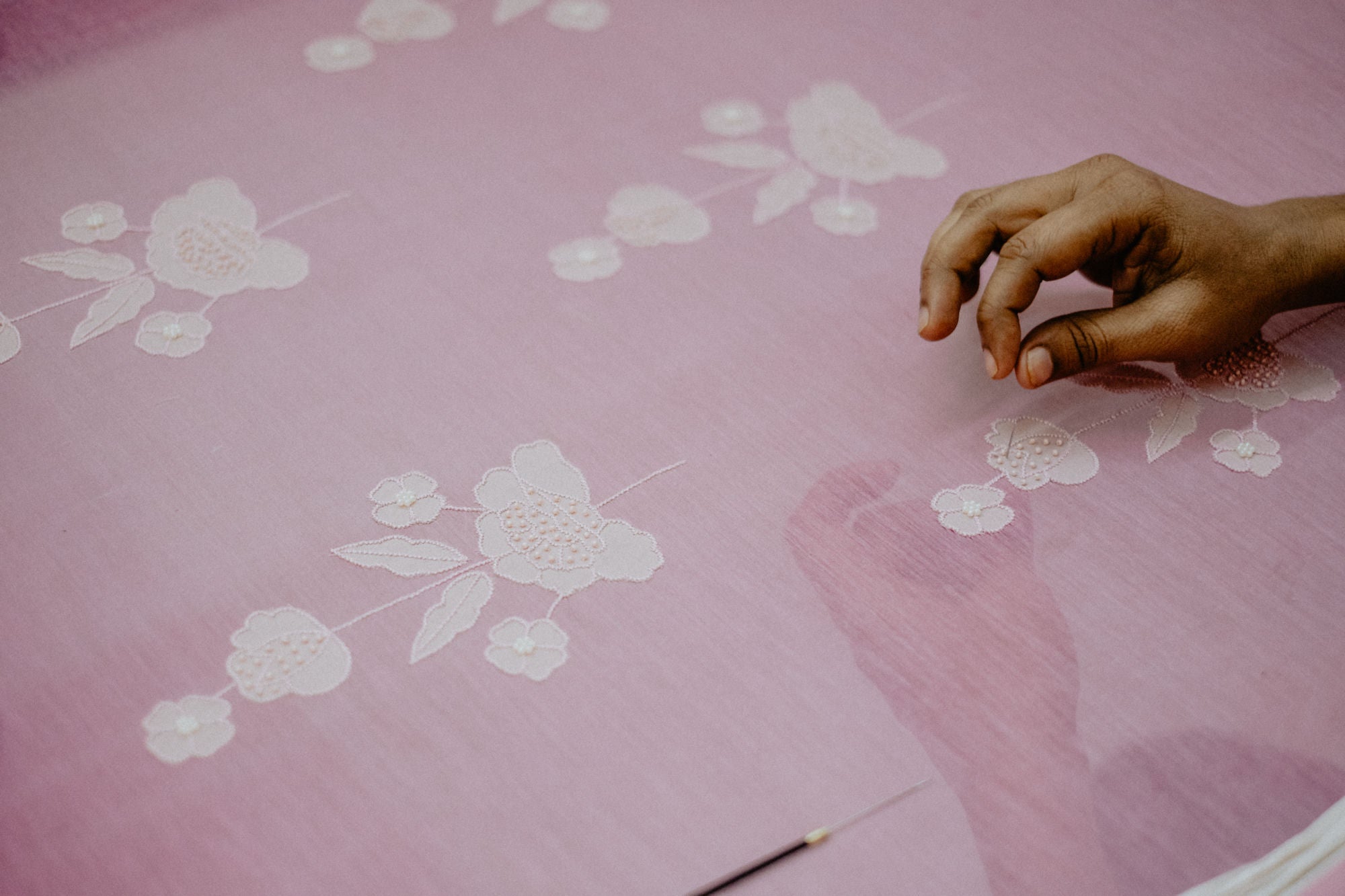
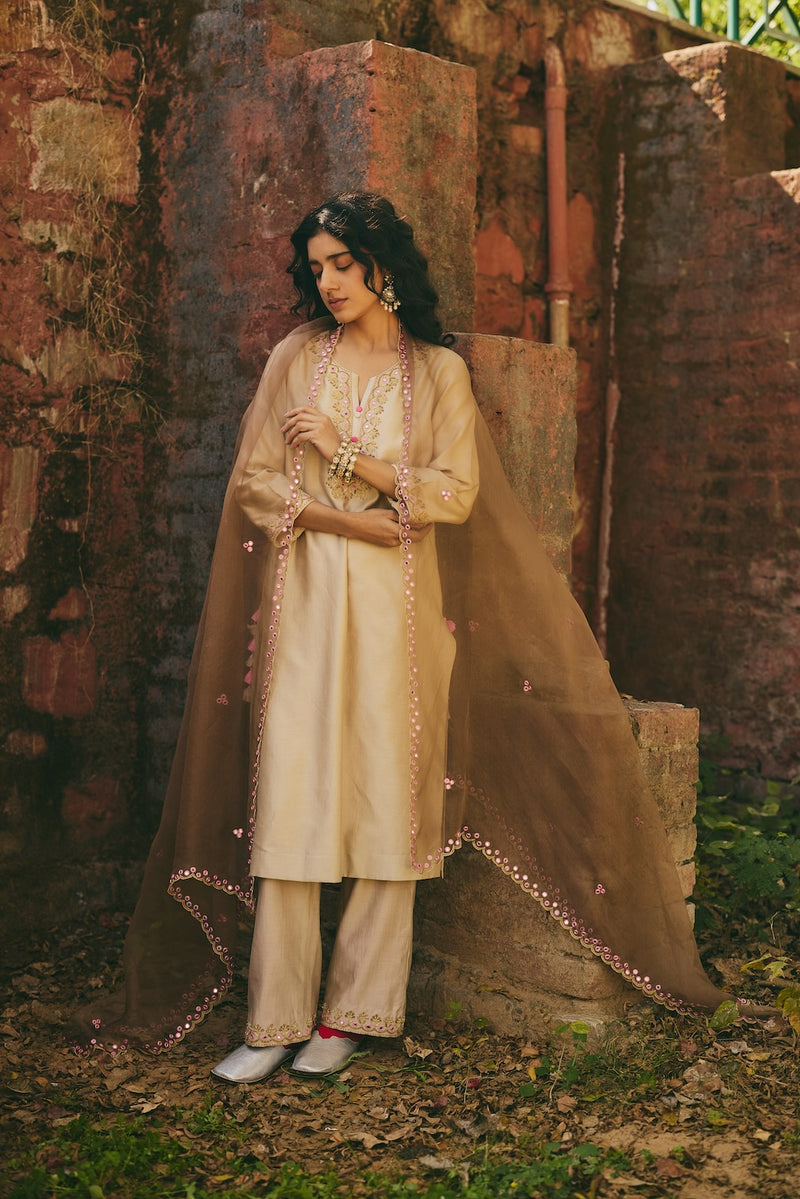
The NOOREJHAN chanderi dupatta exemplifies these qualities. Finished with hand-done marodi embroidery and delicate sequin and thread work, the border features vine motifs and traditional patterns in zardozi-inspired technique. Lightweight yet statement-making, it layers beautifully with both festive and everyday silhouettes.

1. The Classic One-Shoulder Drape
The most timeless and widely-used dupatta draping style. Simply fold your dupatta lengthwise to the desired width and drape it over one shoulder, letting both ends fall to the front and back. The front end should fall to about waist level, and the back end can trail longer for a more dramatic effect.
Best for: Festive gatherings, pooja ceremonies, family celebrations
Pair with: Kurta sets in complementary or contrasting colours
2. The Pinned Shoulder Drape with a Brooch
An elevated version of the classic drape. Pin the dupatta at one shoulder using a vintage brooch or decorative safety pin. This keeps the drape in place while adding a jewellery-like accent. With a chanderi dupatta that has embroidered borders, this style ensures the embroidery stays visible and does not get lost in the folds.
Try this with the GULROOH dupatta, crafted in premium deep plum chanderi with dense hand-embroidered floral and vine motifs in gold zari and resham thread. The ornate border work stays beautifully visible when pinned at the shoulder.

3. The Double-Shoulder Drape
Drape the dupatta across both shoulders so it sits like a wide shawl across your back, with equal lengths falling over each arm. This creates a regal, symmetrical look that works particularly well with anarkalis and floor-length kurtas. The chanderi sheen catches light from both sides, creating a soft, luminous frame around your outfit.
Best for: Wedding receptions, engagement parties, formal dinners
Pair with: Heavily embroidered kurtas or anarkalis where the dupatta adds softness rather than competing
4. The Front Cross Drape
Bring the dupatta across the front of your body, crossing it over the chest and tucking each end over the opposite shoulder. This creates a layered, V-shaped look that adds visual interest and a touch of structure. Chanderi's inherent body means it holds this shape without sagging or bunching.
The RIMZA dupatta in a deep, sun-kissed ochre chanderi is perfect for this drape. The traditional golden trim along the borders creates a soft, shimmering frame, and the fabric's lightweight feel means it crosses smoothly without adding bulk.


5. The Cape-Style Drape
Open the dupatta fully and drape it across your back, letting it fall over both arms like a cape. This works best with sleeveless or short-sleeved outfits, creating a dramatic, flowing silhouette. Walk into a room and the dupatta billows behind you — instant entrance.
Best for: Sangeet nights, cocktail events, receptions
Pair with: Lehengas or sleeveless kurta sets for maximum drama
6. The Belted Dupatta
A contemporary style that is gaining popularity. Drape the dupatta over one or both shoulders, then secure it at the waist with a slim belt or kamarband. This creates a structured, almost jacket-like look that defines the waist while keeping the dupatta in place. The ZARVEEN dupatta in sheer chanderi in a soft sage green hue, accentuated with a delicate zari border, takes beautifully to this styling — the fabric's lightness means the belt creates clean lines without excess fabric pooling.

7. The Lehenga Pallu-Style Drape
Traditionally used with sarees, this draping style works beautifully with lehengas. Tuck one end of the dupatta into your lehenga waistband at the front, bring the fabric across your body, and drape the remaining length over your left shoulder. This creates the elegant pallu effect of a saree while wearing separates. Read our body type guide to understand which draping styles flatter your frame best.
Free Download
Get Our Measurement Guide
Step-by-step instructions with photos for perfect custom fit.
Download Free GuideBest for: Wedding ceremonies, traditional functions where saree-style elegance is expected
8. The Head Drape for Religious Ceremonies
For gurudwaras, temples, and religious ceremonies, draping the dupatta over the head is both respectful and beautiful. With chanderi, the fabric sits flat against the head without slipping, and the translucent quality creates a soft, ethereal effect. Choose a dupatta with embroidered borders — like the NUREEN in radiant sunshine yellow chanderi with traditional golden trim — so the detailing frames your face when draped this way.
Best for: Religious ceremonies, pheras, pooja celebrations
Pair with: Simple, solid-coloured kurta sets or sarees where the dupatta becomes the focal point
9. The Arm-Cradle Drape
One of the most glamorous yet understated dupatta styles. Drape the dupatta loosely in the crook of both elbows, letting it hang in a graceful arc behind your back. This creates an effortless, red-carpet feel that works especially well when your outfit has an embellished neckline or detailed sleeves that you do not want to cover.
The PAHELI dupatta in a soft chanderi base in a warm orange hue, embellished with tonal sequins, cutdana, and bead work forming floral vines, is ideal for this drape. The lightweight fabric catches movement beautifully without being heavy on the arms.

10. The No-Drape Statement: Carry It
Sometimes the best way to style a dupatta is not to drape it at all. Carry it folded over your arm, tucked into your clutch, or loosely held in one hand. This works especially well at evening events where the dupatta serves as an accent piece that you can drape on and off as the mood changes.
Best for: Cocktail parties, reception dinners, photo-worthy moments
Choosing the Right Chanderi Dupatta for Your Outfit
Not every dupatta works with every outfit. Here are some pairing principles:
- Heavily embroidered kurta or anarkali — Choose a lighter dupatta with a subtle zari border, like the ZARVEEN in sheer sage green chanderi.
- Simple, solid-coloured kurta set — Go for a statement dupatta with dense embroidery, like the GULROOH in deep plum with gold zari and resham work.
- Lehenga for a wedding — A colour-contrasting chanderi dupatta with embroidered borders creates dimension. Check our colour guide for pairing ideas.
- Casual cotton kurta — A plain chanderi dupatta with just a zari border elevates the simplest outfit instantly.
Browse the full dupatta collection to find the right piece for your wardrobe.
Caring for Your Chanderi Dupatta
Chanderi is a delicate fabric that rewards careful handling. For detailed care instructions, visit our fabric care guide. The essentials:
- Dry clean only — especially for embroidered pieces
- Store flat or gently rolled — never fold over embroidery
- Wrap in muslin — avoid plastic, which traps moisture
- Keep away from direct sunlight — to preserve the fabric's natural sheen
Frequently Asked Questions
How do I keep a chanderi dupatta from slipping off my shoulder?
Chanderi has a naturally textured surface that grips better than silk or chiffon. However, for extra security, use a small safety pin or brooch at the shoulder point. You can also lightly starch the dupatta before wearing — this adds just enough grip without stiffening the drape.
Can I wear a chanderi dupatta with a Western outfit?
Absolutely. A chanderi dupatta works beautifully as a scarf or shawl with a solid-coloured dress, blazer, or even a white shirt and trousers. The fabric's subtle sheen adds a sophisticated, textile-forward accent to contemporary outfits.
What is the difference between a chanderi dupatta and an organza dupatta?
Chanderi is handwoven from silk and cotton yarns, giving it a soft, flowing drape with a subtle sheen. Organza is crisper and more transparent, holding its shape better but with less fluidity. Chanderi dupattas feel more traditional and weighted, while organza dupattas are more structured and festive. Both are beautiful — it depends on the look you want. Explore our dupatta collection to see both options.
Which dupatta draping style is best for photographs?
The cape-style drape and arm-cradle drape create the most movement and drama for photographs. For close-up shots, the pinned shoulder drape with a decorative brooch adds a jewellery-like focal point. The key is choosing a drape that creates dimension — flat, tightly pinned dupattas tend to disappear in photos.
How do I choose the right dupatta colour to match my outfit?
Three approaches work well: tonal matching (same colour family for elegance), contrasting (a complementary colour for vibrancy), or neutral (gold, ivory, or sage for versatility). Our colour guide offers detailed pairing suggestions for every colour in our collection.
Ready to Order Custom?
WhatsApp us at +91 70423 11214 with what you're looking for. We'll guide you through measurements, customizations, and timeline.
Most pieces ready in 4-5 weeks. Bridal in 6-8 weeks.
Made to order in 4–5 weeks
Have an event date? We’ll tell you exactly when to order by.
We take a limited number of orders each month — secure your slot early.
Not sure where to start?
Tell us what you're dressing for and we'll help you choose — fabric, fit, colour, and timeline — over WhatsApp.
Your Cart
Pieces from this story
All pieces →
Keep reading
The journal →
Best Plus-Size Ethnic Wear Brands in India 2026: Where to Actually Find Your Size
Handmade by karigars Made to your measurements Fit guarantee Ships worldwide As seen in GraziaElle Graduat...
17 September 2026
Kurta Sets for Girls: A Parent's Buying Guide to Kids' Kurta Sets
Handmade by karigars Made to your measurements Fit guarantee Ships worldwide As seen in GraziaElle Graduat...
17 September 2026
Gifts for Your Mother-in-Law: Indian Outfits That Don't Feel Like a Formality
Handmade by karigars Made to your measurements Fit guarantee Ships worldwide As seen in GraziaElle Graduat...
17 September 2026