
Mother of the Bride & Groom: Indian Wedding Outfit Ideas for 2026
At an Indian wedding, all eyes may be on the bride and groom — but the mothers are being watched just as closely. Relatives assess, photographers follow, and every photo from the baraat to the vidaai features you standing right next to your child. Your outfit is not a background detail. It is a statement about your family, your taste, and the significance of the occasion.
Yet the mother of the bride and the mother of the groom face a unique styling challenge. You need to look festive and elevated without competing with the bride. You need comfort for a 12-hour celebration, but you also need the outfit to hold up in photographs taken under mandap lights, outdoor sun, and phone flashes. And unlike the bride, who gets months of fittings and a dedicated designer, most mothers end up shopping last-minute from whatever the local boutique has left.
This guide breaks down what actually works — specific silhouettes, fabrics, and colours that photograph beautifully, feel comfortable through every function, and carry the quiet authority the occasion demands.
What Should the Mother Wear to an Indian Wedding?
The unspoken rule is simple: elevated, not bridal. You want to look like someone who belongs at the centre of this celebration — not someone trying to upstage it. In practice, this means choosing rich fabrics and fine craftsmanship over heavy embellishment, and favouring understated gold and ivory tones over the reds, pinks, and heavy zari typically reserved for brides.
The most elegant mothers at Indian weddings tend to wear one of three silhouettes:
A handcrafted kurta set — the most versatile and comfortable option. A well-made silk or brocade kurta with fine embroidery reads festive without being overdone. Pair with a matching pant and a statement dupatta, and you have an outfit that works from the wedding ceremony through the reception.
A saree in a refined fabric — tissue, silk, or moonga zari. A saree is the most traditional choice and carries a certain formality that suits the occasion. The key is choosing one with elegant drape and restrained embellishment — not a heavily embroidered bridal saree.
An anarkali or floor-length kurta — for mothers who want a single dramatic piece without the draping effort of a saree. This works especially well for sangeet and reception functions.
For more on choosing between sarees and other silhouettes, read our saree vs lehenga guide.
Mother of the Bride Outfit: The Ivory and Gold Kurta Set
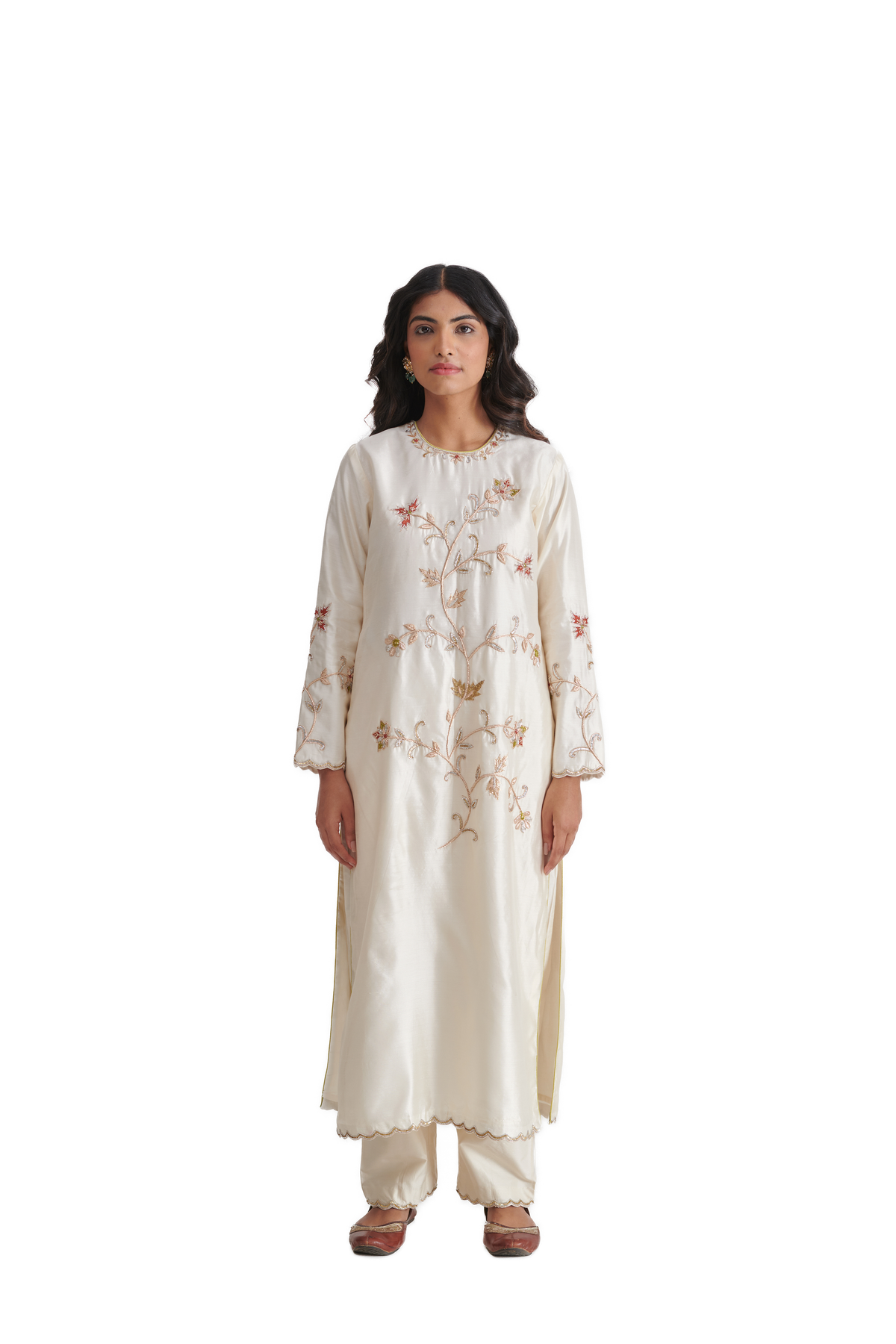
If you are the bride's mother, ivory and gold is perhaps the most elegant colour combination you can choose. It photographs beautifully, complements virtually any bridal colour palette (whether your daughter is in red, pink, or pastel), and carries a luminous warmth that looks stunning under both natural light and evening lighting.
The HUMSAFAR & MEERA is exactly the kind of piece that works here. The ivory silk kurta features intricate floral hand-embroidery in gold and subtle hues across the front, with fine embroidery detailing at the back neckline. It is paired with the Meera silk pant, which has cutwork hand-embroidery along the hem — a small detail that elevates the entire look when you are seated or walking.

This kind of outfit strikes the right balance: the embroidery is fine enough to look special in close-up photos, but the overall silhouette remains clean and unfussy. You look like the mother of the bride — composed, elegant, present — not like you are trying to be a bride yourself.
Style it with a statement dupatta, gold jhumkas, and a clutch. Skip the heavy necklace; let the kurta's neckline embroidery do the talking.
Mother of the Groom Outfit: Rich Tones with Handcrafted Detail
Traditionally, the groom's mother leans into richer, deeper tones — burnt orange, jewel green, deep maroon, warm gold. This creates a natural visual distinction between the two families in photographs and gives you room to be slightly more festive than the bride's mother without crossing into bridal territory.
The SHAISTA & SUFI kurta and pant set is crafted in silk in a rich burnt orange, detailed with marodi, sequins, and bead embroidery. The silhouette draws inspiration from old-school festive charm — delicate motifs and hand-finished elements across the neckline, sleeves, and hem. It is celebratory yet rooted, designed for long evenings and intimate gatherings.

This is the kind of outfit that sparks compliments without demanding attention. The burnt orange reads festive and warm, the handwork is visible up close but not overwhelming from a distance, and the silk has enough body to hold its shape through a full day of functions.
The Saree Route: For Mothers Who Want Classic Elegance
Many mothers prefer a saree — and for good reason. A well-chosen saree carries a formality and grace that suits the weight of the occasion. The key is selecting the right fabric and embellishment level.
The BANO & SIYA is a moonga zari silk ivory saree with fine sequin work and intricate floral motifs. The saree features delicate gold embroidery and a rich border, paired with the Siya blouse that has golden polka dots and detailed embroidery around the neckline and sleeves — drawing from traditional Rajasthani design vocabulary.

This type of saree — ivory with gold handwork — works for both the mother of the bride and the mother of the groom. The moonga zari silk has a natural lustre that catches light without the stiffness of heavier silks, and it drapes well on all body types.
For mothers who want something with a more contemporary, luminous feel, the TARAANA saree is crafted in tissue fabric in a soft antique gold hue. The embroidery is executed entirely in vibrant resham threads, forming intricate floral and paisley-inspired vine motifs along the borders and pallu. Delicate floral bootis are scattered across the body, with a subtle line of sequins along the border edge.

Tissue sarees are having a major moment in 2026, and for mothers, they offer something silk cannot: a soft, fluid fall that is incredibly comfortable for long hours, paired with a glow that photographs beautifully in every lighting condition. Browse our full saree collection for more options.
The Brocade Kurta: When You Want the Fabric to Do the Work
Not every mother wants visible embroidery. Some of the most stunning mother-of-the-bride looks come from choosing a fabric so inherently beautiful that it needs minimal embellishment — and that is where brocade comes in.
The RANGREZ & ALIZA kurta is crafted in moonga silk brocade with intricate gold woven motifs reflecting timeless Indian craftsmanship. It is paired with silk Aliza pants featuring an all-over floral jaal print highlighted with delicate Aari and Zardozi hand-embroidery and contrasting piping.

This is a particularly strong choice for daytime wedding ceremonies. The brocade catches natural sunlight and creates a rich, textured look in photographs without any beadwork or sequins. For evening functions, add a statement dupatta and heavier earrings, and the same outfit transforms completely.
The SUNHERI & SAHANA takes a similar approach — the beige moonga zari silk jacquard kurta features an all-over intricate floral pattern, accented with delicate hand-embroidery along the neckline and cuffs. The Sahana silk pants have subtle gold stripes and red floral scallop hand-embroidery at the hem.

Both of these sets belong in the kurta sets collection — explore the full range to find the right fabric and colour for your wedding function.
The Power of a Statement Dupatta
Here is a styling secret that many mothers overlook: a single statement dupatta can transform a simple kurta set into a wedding-appropriate outfit. If you already own a well-fitting silk or brocade kurta in a neutral tone, you may not need a completely new outfit — just the right dupatta.
Free Download
Get Our Measurement Guide
Step-by-step instructions with photos for perfect custom fit.
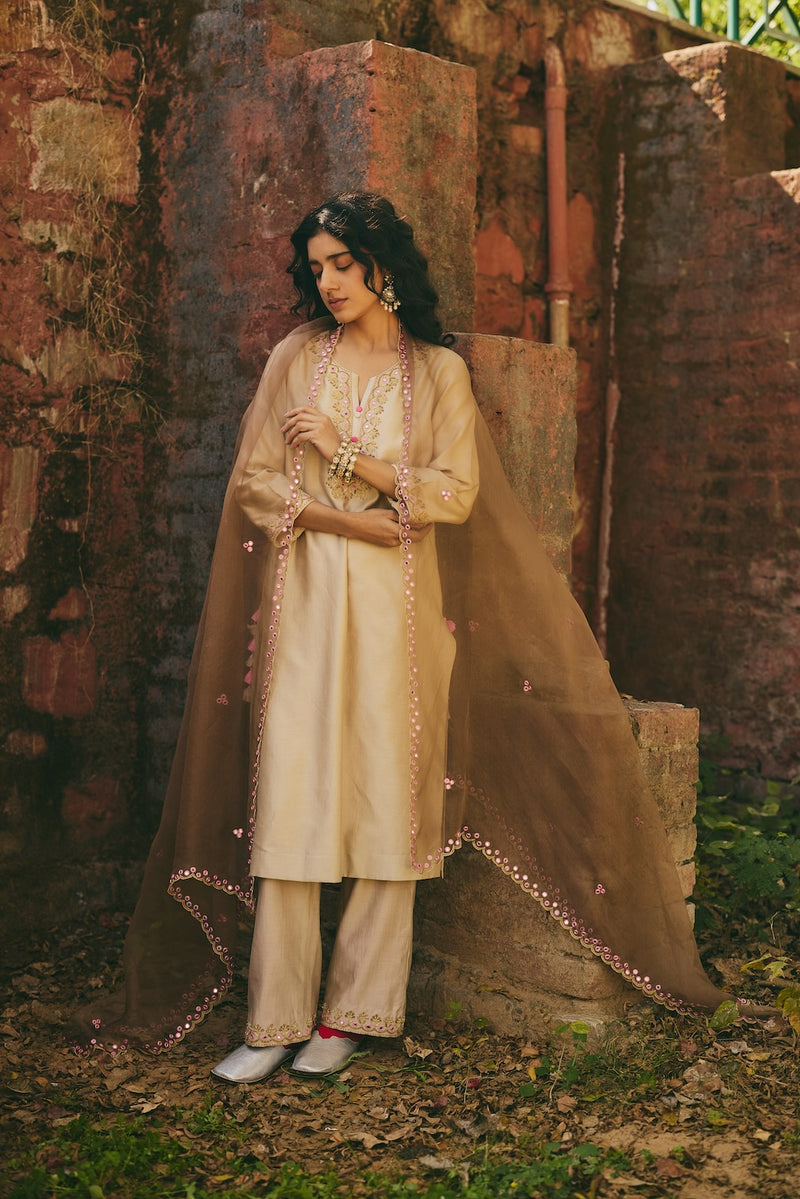
Download Free GuideThe KOHINA dupatta is crafted in luminous tissue in a rich antique brown hue, adorned with sequin and cutdana embellishments in rhythmic linear placements. The natural metallic sheen of the tissue creates a striking presence — inspired by vintage heirlooms and old-world regality.

Draped over a plain ivory or gold kurta, a dupatta like this becomes the focal point of the outfit. It is also practical: if you are attending multiple wedding functions over several days, investing in two or three handcrafted dupattas means you can restyle the same base outfit into entirely different looks. Explore the full dupatta collection for more options.
Colour Guide: What Colours Work Best for Mothers
Choosing the right colour is half the battle. Here is what works and what to avoid:
Best choices for mother of the bride: Ivory, champagne gold, soft blush, powder blue, sage green, antique gold. These are elegant, photograph well, and do not compete with bridal colours.
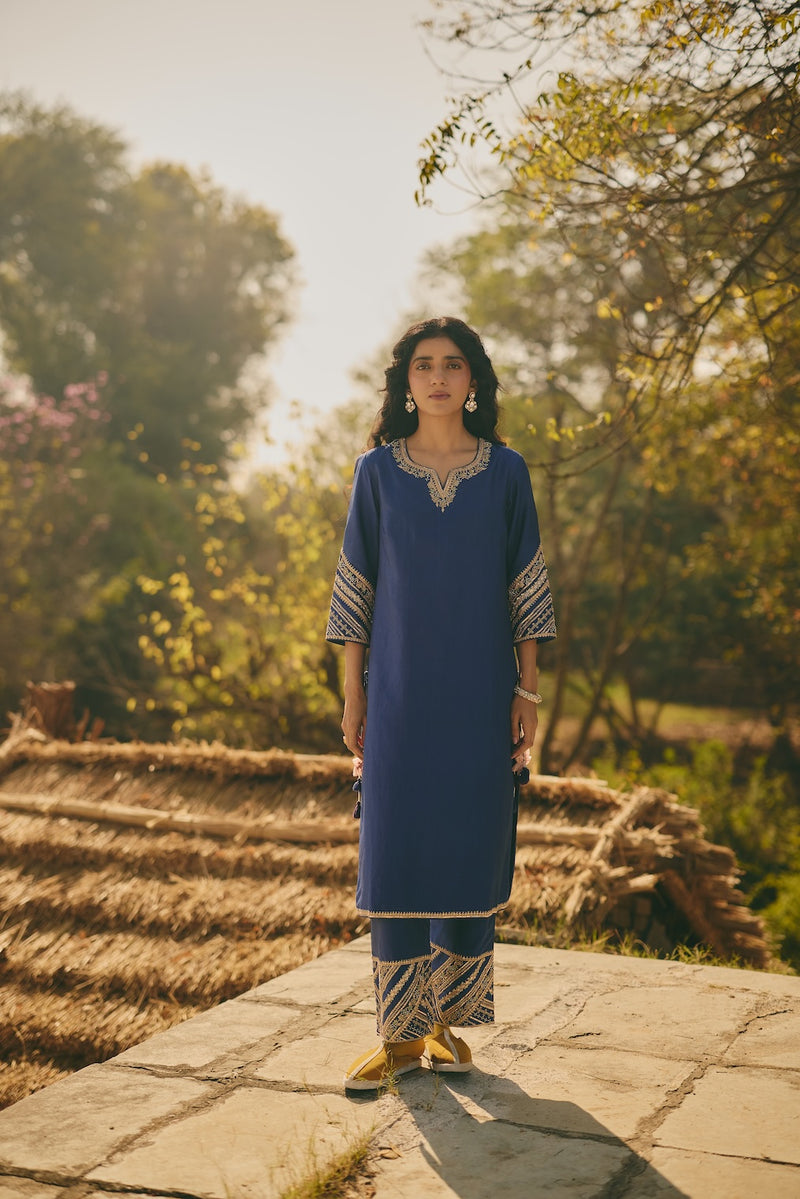
Best choices for mother of the groom: Burnt orange, deep gold, wine, emerald green, mustard, royal blue. Richer tones that read festive and celebratory.
What to avoid: Bright red (too bridal), pure white (reads too plain in Indian wedding context), neon or electric shades (they dominate group photos), and black (while black in Indian fashion has evolved, many families still consider it inauspicious for weddings).
If you are unsure which shades complement your skin tone, our colour theory and skin tone guide breaks down warm, cool, and neutral undertones with specific recommendations.
Function-by-Function Breakdown
Mehendi and Haldi: Choose comfort over formality. A lightweight kurta set in cotton or chanderi works beautifully. Save your silk and brocade for the main ceremony.
Sangeet: This is where you can be slightly more playful. A deeper colour, a bolder dupatta, or a more embellished piece works here. The evening lighting is forgiving, and the atmosphere is celebratory.
Wedding Ceremony: The most formal function. This is where your silk kurta set, handcrafted saree, or brocade outfit belongs. Choose your most refined piece and pair it with your best jewellery.
Reception: Slightly more relaxed than the ceremony but still formal. A tissue saree or an elegantly embroidered kurta set works perfectly. If you wore a saree to the ceremony, switch to a kurta set here for comfort — or vice versa.
For a complete function-by-function guide, read our Indian wedding outfit guide.
Comfort Matters: Practical Tips for Mothers
Prioritise fabric weight. You will be on your feet for hours — greeting guests, overseeing arrangements, posing for photos. A lightweight silk, tissue, or moonga zari fabric is far more comfortable than a heavy Banarasi or velvet. All seven products featured in this guide use fabrics specifically chosen for their balance of richness and wearability.
Get the fit right early. Since these are made-to-order pieces with a 4-5 week production time, plan your outfit at least two months before the wedding. This gives you time for production, shipping, and any last-minute alterations.
Choose a silhouette you know. A wedding is not the time to experiment with a new draping style or a silhouette you have never worn. If you are a kurta-set person, wear a beautiful kurta set. If you live in sarees, wear a stunning saree. Confidence comes from wearing something familiar, elevated.
Footwear matters more than you think. Block heels or embellished flats over stilettos — you will thank yourself during the baraat. Match the metal tone (gold with gold, silver with silver) to your outfit for a polished look.
Frequently Asked Questions
Should the mother of the bride and mother of the groom coordinate outfits?
Not necessarily match, but it helps to be in the same general formality level. If one mother is in a heavily embroidered saree and the other is in a casual kurta, the photos look unbalanced. A quick conversation about silhouette type (saree vs kurta set) and general colour family avoids any awkwardness.
Can the mother of the bride wear red?
In most North Indian weddings, red is traditionally reserved for the bride. It is best to avoid bright reds and opt for softer, warmer tones — burnt orange, wine, rust, or antique gold — if you want to be in the warm colour family.
What jewellery works best for mothers at weddings?
Gold jhumkas or chandbalis are the safest choice — they frame the face beautifully in photos without competing with your outfit. Add a single statement piece (a choker or a long necklace) but avoid layering too many pieces. Less is more when your outfit already carries handcrafted detail.
Is a kurta set formal enough for a wedding ceremony?
Absolutely — provided the fabric and craftsmanship are elevated. A silk or brocade kurta set with fine hand-embroidery is every bit as formal as a saree. What makes an outfit wedding-appropriate is not the silhouette but the quality of the fabric, the finesse of the embroidery, and how intentionally it is styled.
How far in advance should I order a made-to-order outfit?
At least 8-10 weeks before the wedding. Most handcrafted pieces require 4-5 weeks for production, plus shipping time and a buffer for any adjustments. Last-minute shopping limits your options to off-the-rack pieces, which rarely offer the same level of craftsmanship.
Ready to Order Custom?
WhatsApp us at +91 70423 11214 with what you're looking for. We'll guide you through measurements, customizations, and timeline.
Most pieces ready in 4-5 weeks. Bridal in 6-8 weeks.
Made to order in 4–5 weeks
Have an event date? We’ll tell you exactly when to order by.
We take a limited number of orders each month — secure your slot early.
Not sure where to start?
Tell us what you're dressing for and we'll help you choose — fabric, fit, colour, and timeline — over WhatsApp.
Your Cart
Pieces from this story
All pieces →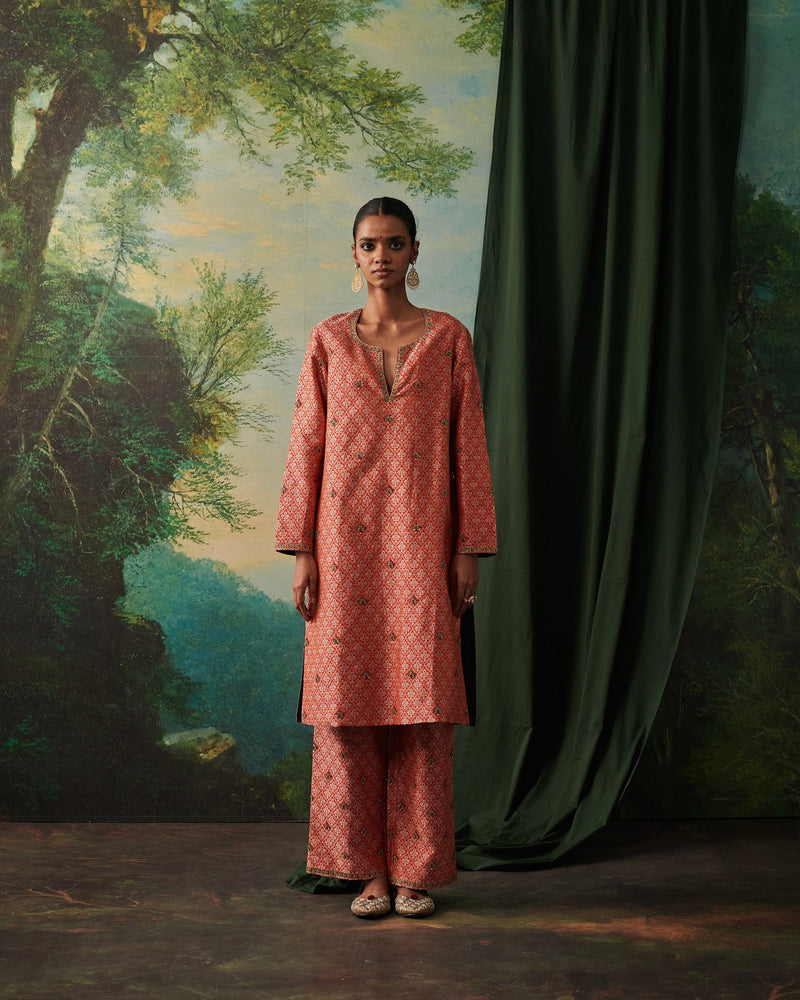
Keep reading
The journal →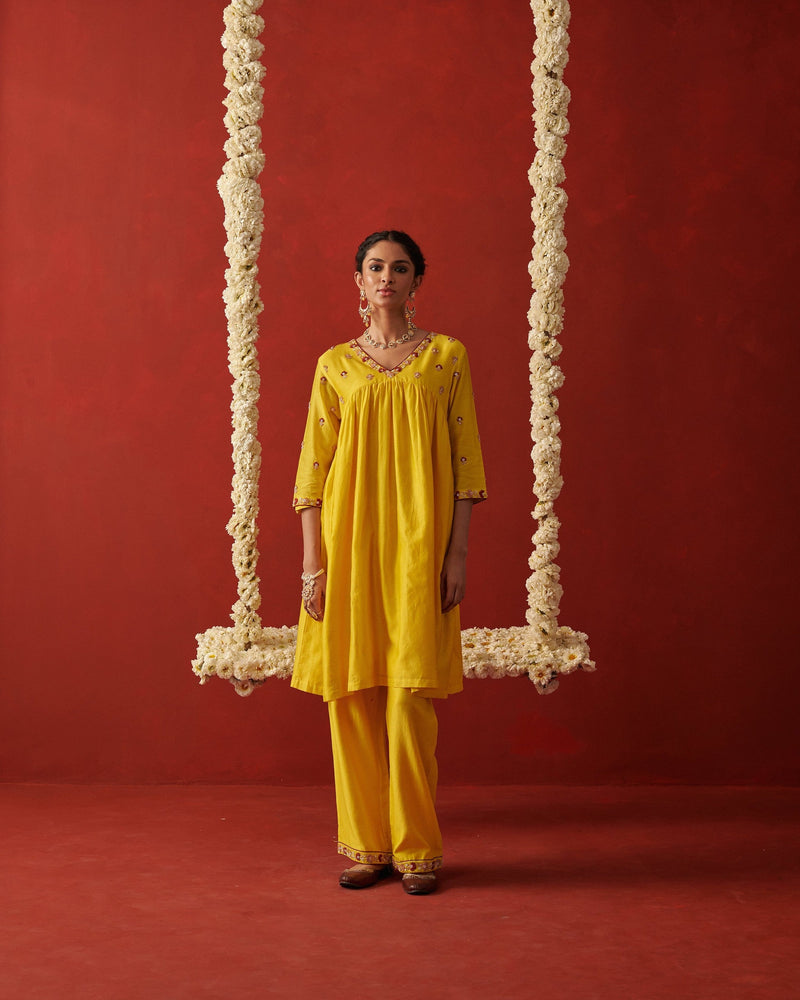
Dholki Night Outfit Ideas: What to Wear to the Ladies' Dhol
Handmade by karigars Made to your measurements Fit guarantee Ships worldwide As seen in GraziaElle Graduat...
27 July 2026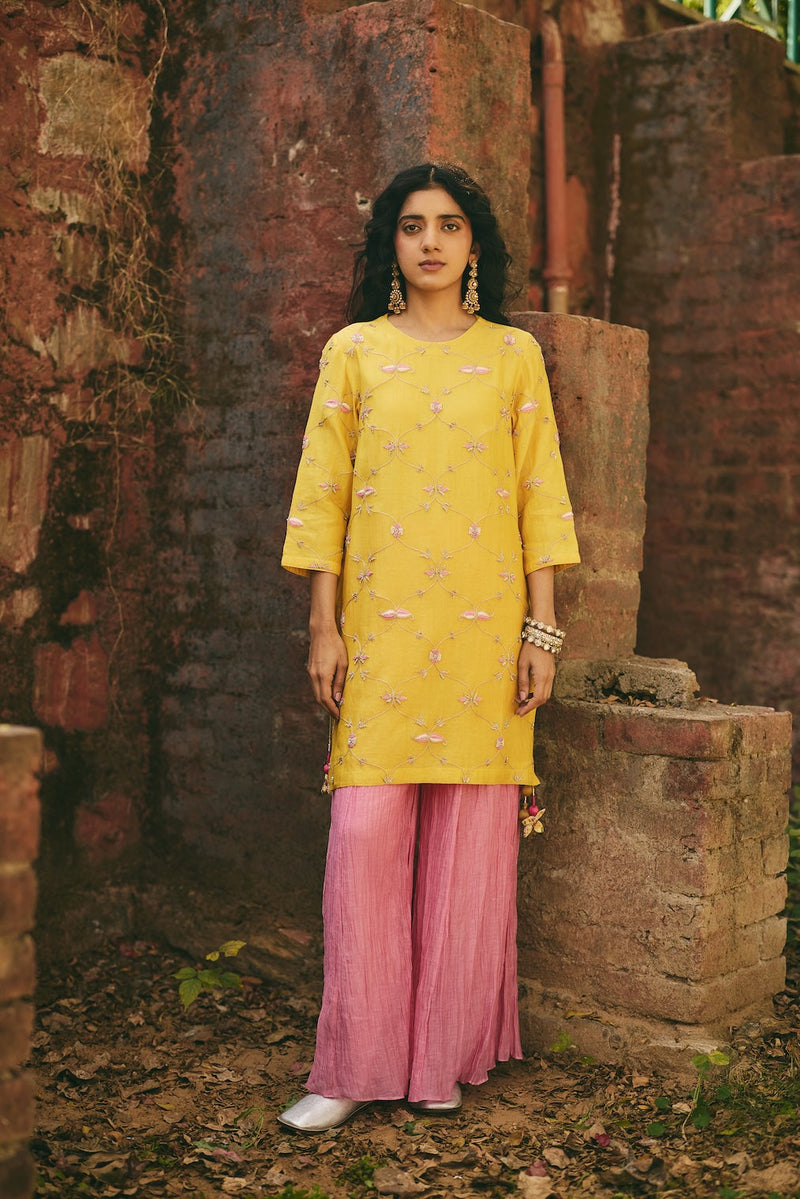
Mayra & Bhaat Outfit Ideas: Dressing for the Maternal Gift Ceremony
Handmade by karigars Made to your measurements Fit guarantee Ships worldwide As seen in GraziaElle Graduat...
27 July 2026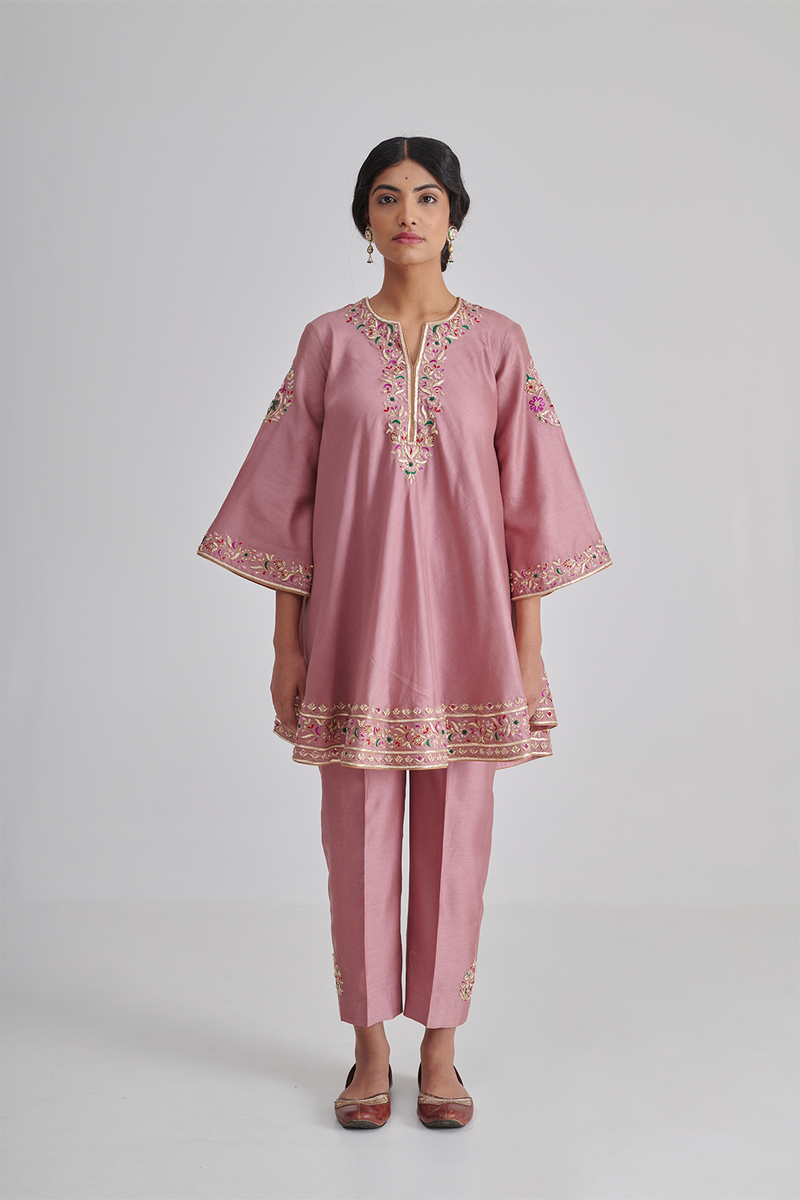
Pag Phera Outfit Ideas: What to Wear for the Bride's Homecoming
Handmade by karigars Made to your measurements Fit guarantee Ships worldwide As seen in GraziaElle Graduat...
27 July 2026