
Sangeet Outfit Ideas: What to Wear to the Most Fun Night of the Wedding
The sangeet is the heart of an Indian wedding — the night where choreography meets chaos, families compete on the dance floor, and the music does not stop until everyone is exhausted and happy. Unlike the ceremony, which follows ritual and tradition, the sangeet is pure celebration. Your outfit needs to match that energy: glamorous enough for photographs, comfortable enough for hours of dancing, and bold enough to hold its own under stage lighting.
Whether you are the bride, a bridesmaid, or a guest, this guide covers sangeet outfit ideas for every role — plus tips on silhouettes, colours, accessories, and how to balance glamour with comfort.
Sangeet Outfit Ideas for the Bride
The sangeet is the bride's night to have fun. Unlike the wedding ceremony, where tradition dictates the outfit, the sangeet is where brides can experiment — bold colours, shimmer, contemporary silhouettes, and lighter fabrics that let you actually move. You will be performing, greeting guests, and dancing for hours, so the best sangeet outfits are glamorous but dance-friendly.
A lehenga with a lighter skirt and fluid flare is a natural choice. Choose fabrics like tissue or silk that catch the light without weighing you down. Skip the heavy bridal lehenga — save that for the wedding day — and lean towards sequin work, gota patti, and cutdana embroidery that shimmers under evening lights.

If you want maximum movement with maximum impact, consider an anarkali. The flared silhouette twirls beautifully during dance performances and creates stunning photos. Pieces like the AADYA or the ADHIRA offer the kind of drama that a sangeet stage demands.
Another popular option: sharara sets. The wide-leg sharara allows complete freedom of movement while the structured top adds occasion-worthy polish — festive and functional.
Sangeet Outfit Ideas for Bridesmaids and the Bride's Sisters
Bridesmaids and sisters want to look coordinated without matching identically. The best approach is to agree on a colour family — jewel tones, pastels, or metallics — and let each person choose a silhouette that suits her body and style.
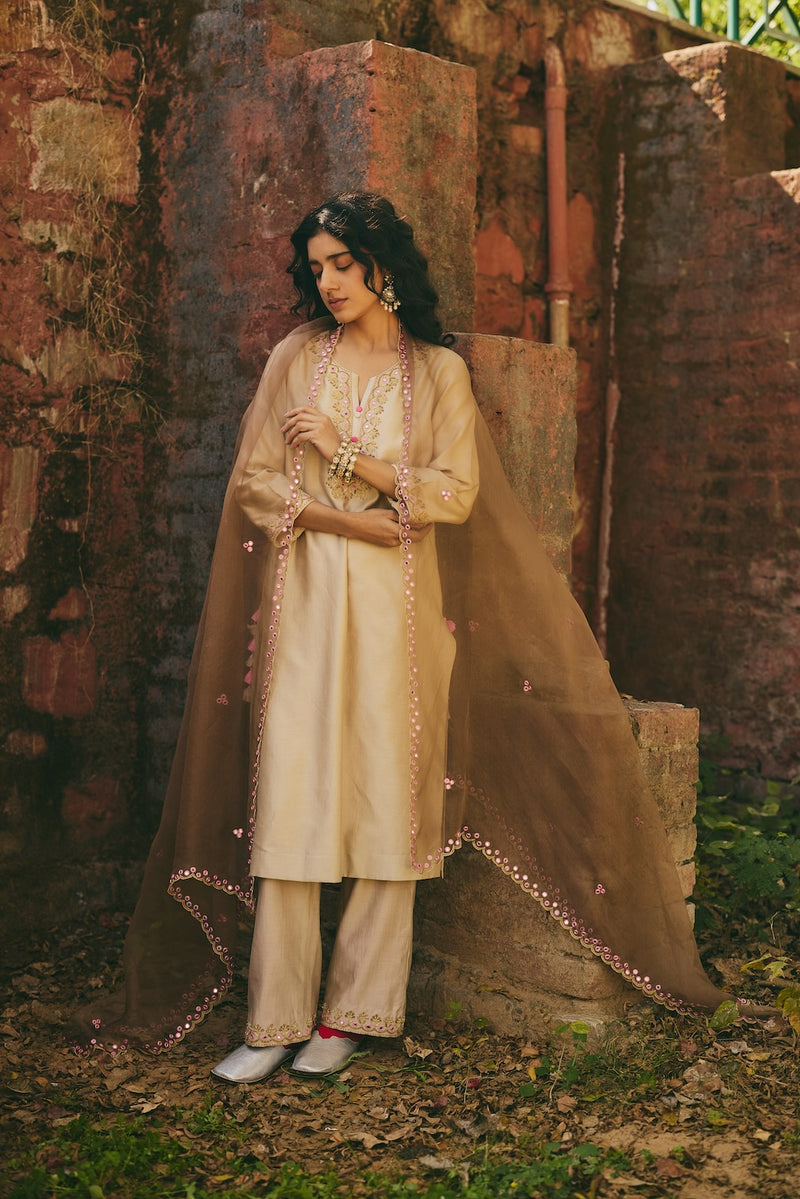
The SAHELI and ROOH are excellent options for a coordinated bridal party — each holds its own as a statement piece while sitting harmoniously alongside other outfits in a shared colour palette.
For sisters who want to stand out slightly more, a lehenga in a complementary shade to the bride's outfit creates visual cohesion in photographs. If the bride is in pink, sisters in emerald or teal create a gorgeous contrast.
Bridesmaids performing a choreographed number should prioritise ease of movement above all else. A sharara set or anarkali will always outperform a heavy lehenga on the dance floor. Choose fabrics that breathe — chanderi, organza, silk.
Sangeet Outfit Ideas for Guests
As a sangeet guest, you want to look festive without overdoing it. The sangeet is more relaxed than the wedding ceremony, so there is room for experimentation — bolder colours, contemporary cuts, and playful styling are all welcome.
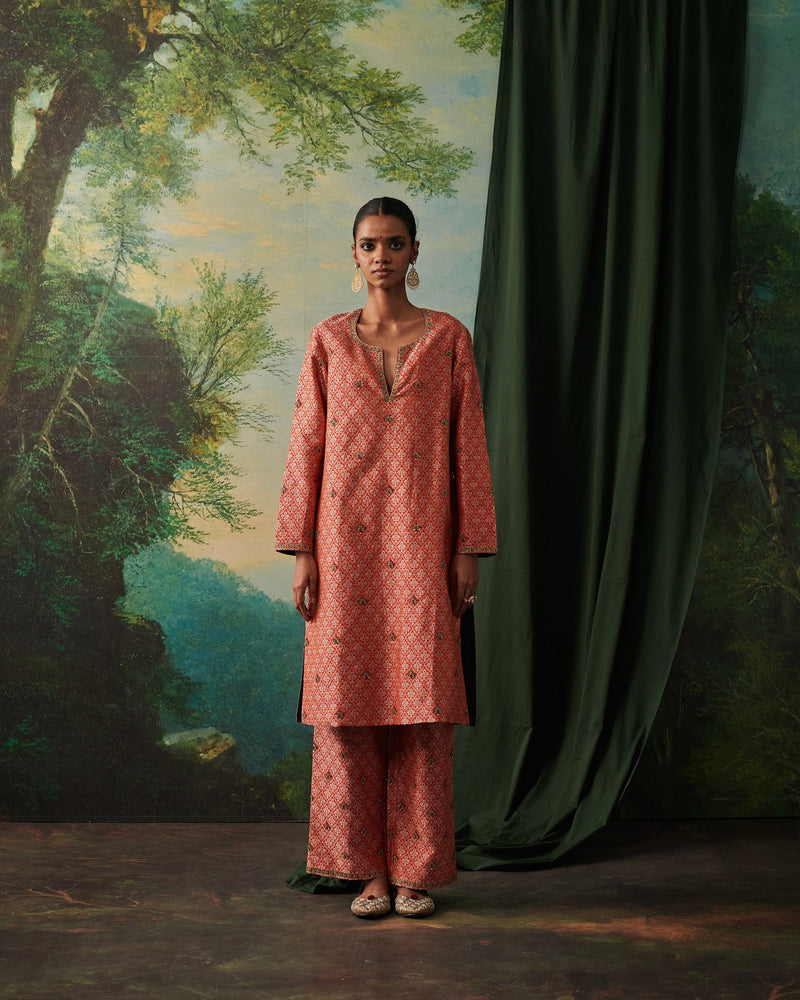
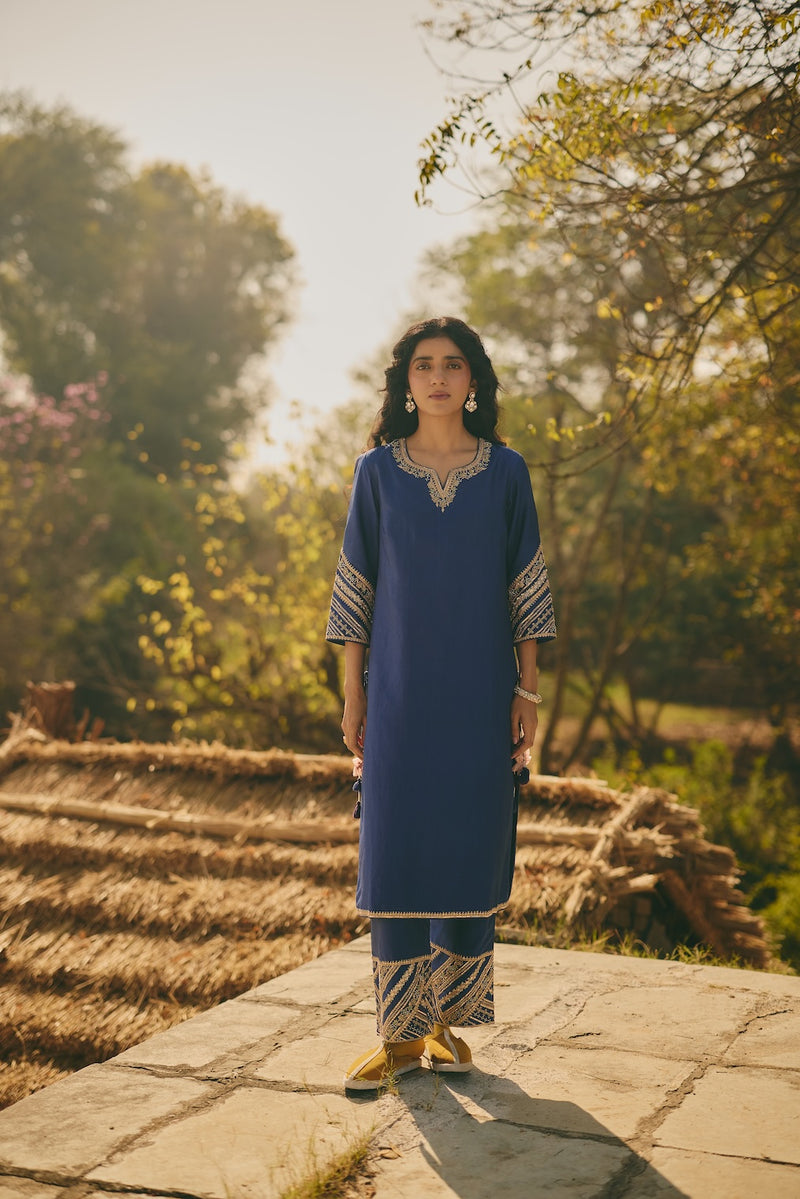
A beautifully embroidered kurta set is a comfortable choice for guests who want to dance without managing a dupatta or adjusting a saree. The NAAR is a striking option that balances festive appeal with ease of wear.

For guests who want more drama, an anarkali is the ideal sangeet silhouette — it flows when you dance and requires minimal adjustment through the night. A saree in chiffon or organza also works if the draping is pinned securely for dancing.
Not sure where to start? Our outfit quiz can help you find the right silhouette for your style and the occasion.
Best Silhouettes for Dancing at a Sangeet
The sangeet is the one wedding event where your outfit needs to perform. Here is how the most popular silhouettes hold up on the dance floor:
Anarkalis: The undisputed champion of sangeet wear. The continuous flare from waist to hem means no leg restriction, beautiful twirling, and no adjustments mid-performance. The silhouette moves with you, not against you.
Shararas: Wide-legged and fluid, shararas offer the movement of a skirt with the security of trousers. Especially practical for choreographed performances where you need to change levels. The MORNII is a beautiful example of this silhouette.
Lehengas: A lighter lehenga with generous flare works well for dancing. Avoid heavily embroidered or stiff lehengas that restrict movement. Pieces like the SHAYRA offer the right balance of volume and lightness.
Sarees: Elegant but practical only if you are confident in your drape. Pin the pallu securely and consider a pre-stitched option if you plan to dance extensively.
Colour Trends for Sangeet Night
The sangeet has no colour rules. This is where you go bold:
Free Download
Get Our Measurement Guide
Step-by-step instructions with photos for perfect custom fit.
Download Free Guide- Jewel tones — Emerald, sapphire blue, deep fuchsia, and amethyst look magnificent under stage and evening lighting. These rich colours photograph beautifully.
- Metallics — Gold, rose gold, and champagne shimmer under lights and create a glamorous, party-ready look. Tissue and silk fabrics amplify this effect.
- Bold brights — Hot pink, tangerine, electric blue, and sunshine yellow bring energy to the dance floor and stand out in group photos.
- Ombre and multi-hued — Multi-toned or colour-blocked ensembles create visual movement and look dynamic on stage.
- Black with embellishment — A black outfit with rich hand-embroidery — sequins, cutdana, zardozi — is sophisticated and modern. It stands out precisely because it is unexpected at a celebration. The AAFIRA offers this kind of understated drama.
The one colour to avoid: the exact shade the bride is wearing. Check with the bride or her family beforehand.
Accessory and Jewellery Guide for Sangeet
Sangeet jewellery should be bold but practical:
- Statement earrings — Jhumkas or chandbalis are the single most impactful sangeet accessory. They frame the face beautifully in photos and videos.
- Skip long necklaces — They swing during dancing and risk catching on your outfit. A choker or short necklace is more practical.
- Stackable bangles — They add a festive jingle to every movement. Gold or pearl-accented bangles work across colour palettes.
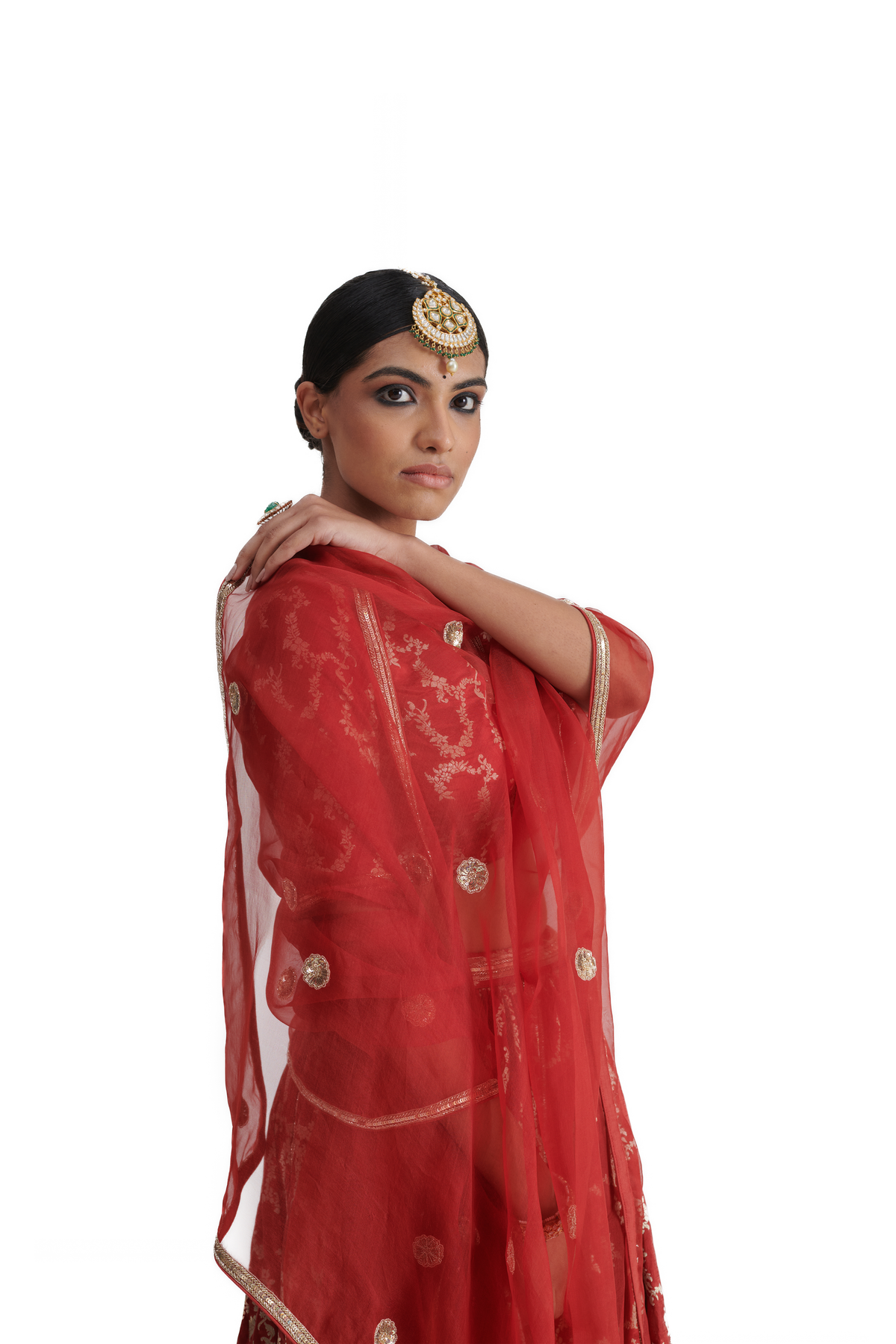
- Maang tikka — Optional but striking. Adds a traditional touch without interfering with movement. Pin it securely.
- Clutch over handbag — A small embellished clutch you can leave at your table is ideal.
Browse our lookbook to see how jewellery and accessories come together with different outfits.
How to Balance Glamour and Comfort for a Night of Dancing
Comfort determines whether you enjoy the sangeet or endure it. Here is how to get the balance right:
- Footwear: Block heels or wedges over stilettos — always. You will be on your feet for hours, and most sangeet venues have surfaces that make stilettos impractical. Embellished juttis are a strong option if you prefer flats.
- Fabric: Choose breathable fabrics — chanderi, organza, silk, lightweight tissue. Avoid stiff brocades or heavily layered garments.
- Dupatta management: If your outfit includes a dupatta, pin it securely at the shoulder or drape it as a cape. Better yet, choose a look that does not require a dupatta — many anarkalis and shararas look complete without one.
- Fit: Ensure your blouse or kurta allows arm movement. If you cannot raise your arms above your head comfortably, the fit is too restrictive for a sangeet.
- Hair: Secure updos and braids hold better through hours of dancing than loose curls. If you prefer open hair, consider a half-up style pinned securely.

Take our fashion personality quiz to discover whether your sangeet style leans traditional, modern, or somewhere in between.
Frequently Asked Questions
What is the dress code for a sangeet?
The sangeet is one of the most relaxed wedding events in terms of dress code — festive, colourful, and fun. Think party-ready Indian wear: anarkalis, shararas, lehengas, embellished kurta sets, or a gorgeously draped saree. Dress for celebration and movement.
Can I wear a saree to a sangeet?
Absolutely. A lightweight saree in chiffon, organza, or georgette works well at a sangeet. Ensure the pallu is pinned securely so it does not unravel on the dance floor. Pre-draped sarees are a practical alternative if you plan to dance extensively.
What should the bride wear to her own sangeet?
Something glamorous, dance-friendly, and distinct from her wedding outfit. Lehengas in non-bridal colours, anarkalis, and shararas are all popular choices. Avoid heavy bridal reds — save those for the pheras. Jewel tones, metallics, and bold brights all work beautifully.
How dressy should a sangeet guest be?
Dress festively but do not feel pressure to match bridal-level formality. A beautifully embroidered kurta set or an anarkali is perfectly appropriate. When in doubt, lean slightly dressy — Indian celebrations reward those who make an effort.
Can I wear the same outfit to the sangeet and another wedding event?
You can, but most guests prefer different outfits for each event. If you are rewearing a piece, restyle it — change the dupatta, switch your jewellery, or drape differently. Our dupatta collection offers pieces that can transform an outfit between events.
What colours should I avoid wearing to a sangeet?
There are no strict colour rules for a sangeet, unlike the wedding ceremony. It is considerate to avoid wearing the exact shade the bride has chosen for the night. Check with the bride or her family if unsure. Otherwise, every colour — including black — is fair game.
For more Indian wedding outfit guidance, explore our complete Indian wedding guest guide, lehenga styling guide, and anarkali guide.
Ready to Order Custom?
WhatsApp us at +91 70423 11214 with what you're looking for. We'll guide you through measurements, customizations, and timeline.
Most pieces ready in 4-5 weeks. Bridal in 6-8 weeks.
Made to order in 4–5 weeks
Have an event date? We’ll tell you exactly when to order by.
We take a limited number of orders each month — secure your slot early.
Not sure where to start?
Tell us what you're dressing for and we'll help you choose — fabric, fit, colour, and timeline — over WhatsApp.
Your Cart
Pieces from this story
All pieces →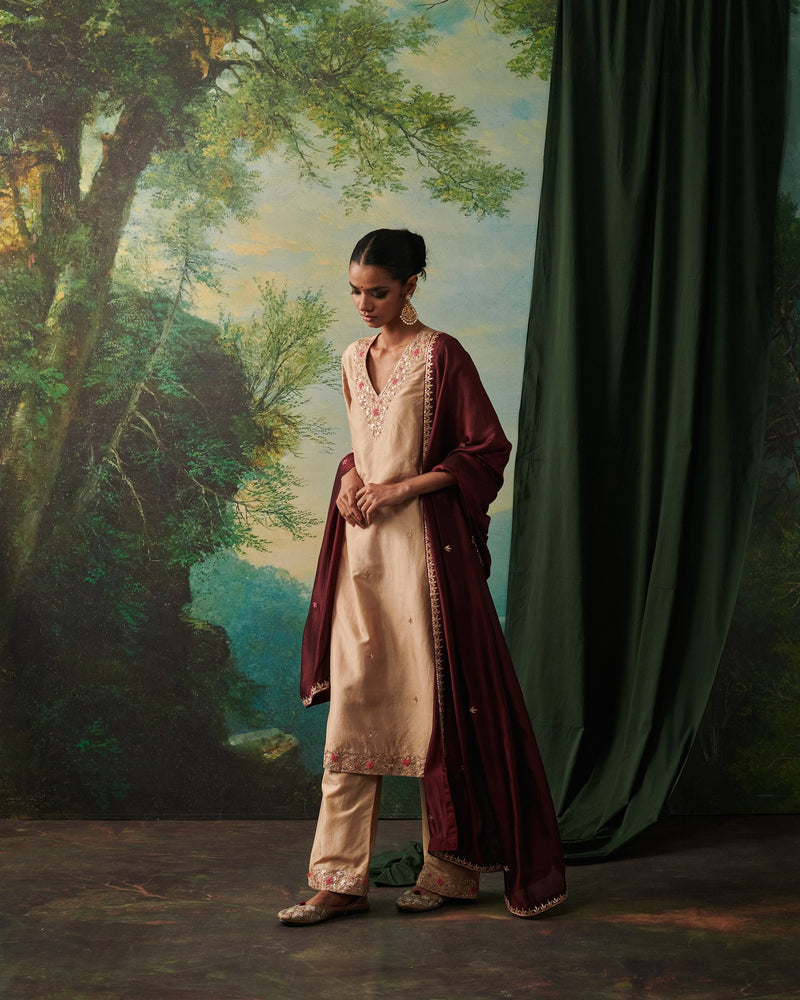
Keep reading
The journal →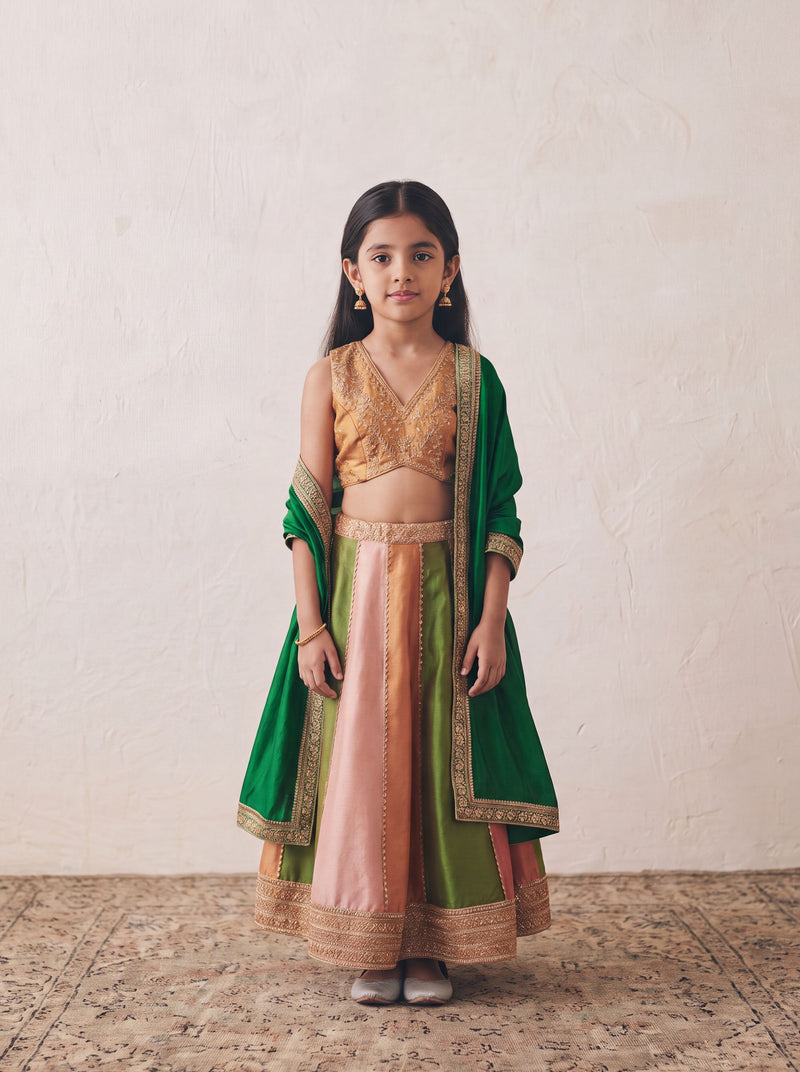
What Should Kids Wear to Perform at the Sangeet?
Handmade by karigars Made to your measurements Fit guarantee Ships worldwide As seen in GraziaElle Graduat...
31 August 2026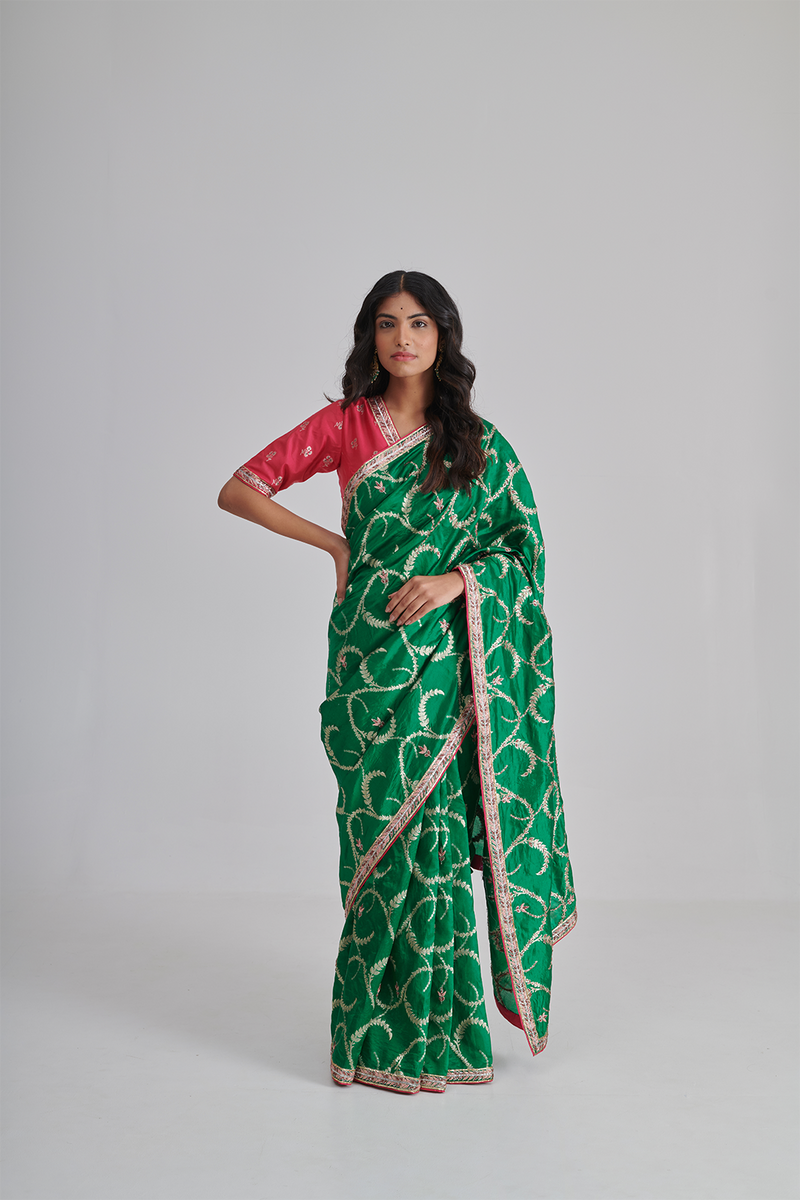
Temple Wedding Outfit Ideas: What to Wear as Bride or Guest
Handmade by karigars Made to your measurements Fit guarantee Ships worldwide As seen in GraziaElle Graduat...
31 August 2026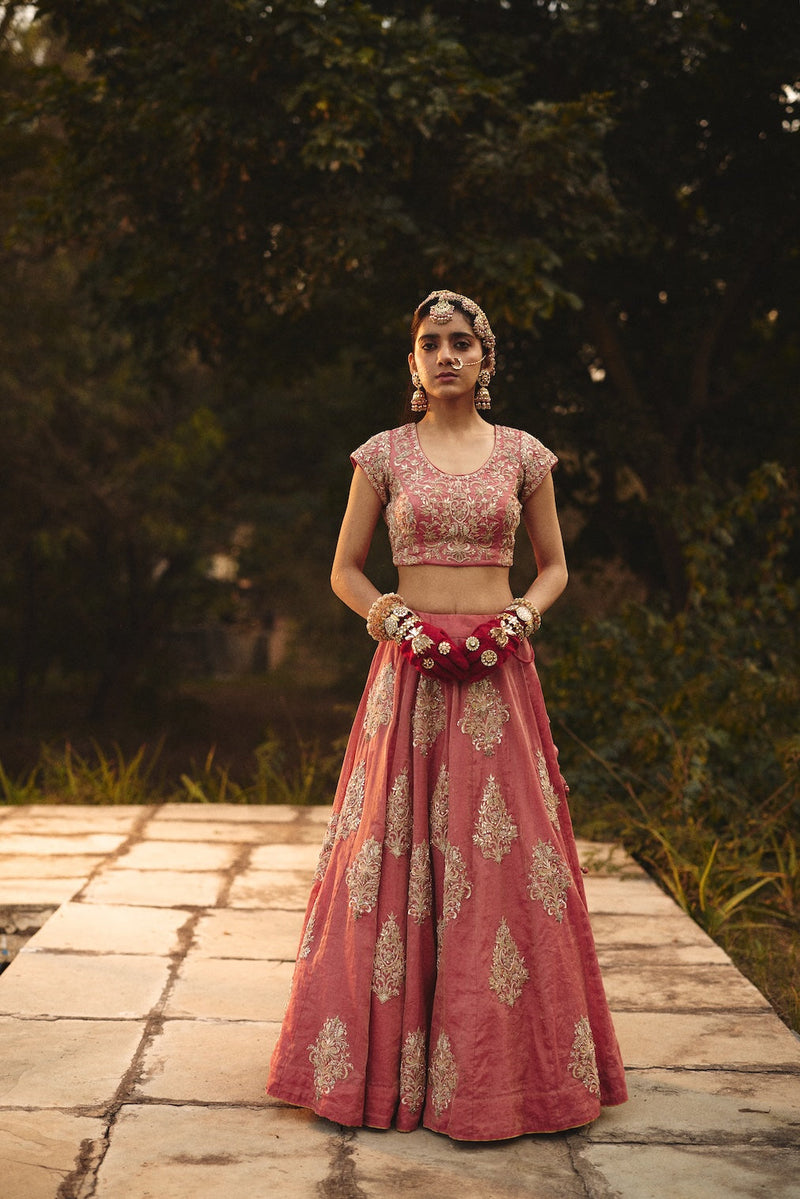
What to Wear as a Bride at Your Second Wedding
Handmade by karigars Made to your measurements Fit guarantee Ships worldwide As seen in GraziaElle Graduat...
31 August 2026