
Walima Outfit Ideas: What to Wear to a Walima Reception 2026
If the nikah is the sacred, intimate moment where a marriage is formalised before God, the walima is the joyful celebration that follows — the feast, the gathering, the public declaration of happiness. Traditionally hosted by the groom's family, the walima reception is where the wider community comes together to bless the newlyweds, share a meal, and celebrate in earnest.
The walima carries its own distinct energy. It is more festive, more expansive, and more relaxed in dress code than the nikah itself. This is the occasion where colour, embellishment, and personal style come into full expression — while still maintaining the grace and elegance that a wedding celebration demands. Whether you are the bride making your post-nikah entrance or a guest honouring the couple, your walima outfit should feel celebratory, refined, and beautifully considered.
What Is a Walima?
The walima (also spelled waleema or valima) is the wedding reception or banquet in Islamic tradition. It typically takes place the day after the nikah, though some families hold it on the same evening. The word comes from the Arabic "walm," meaning a gathering or assembly, and it is considered a Sunnah — a practice encouraged by the Prophet. Unlike the nikah, which is a solemn religious ceremony, the walima is a social celebration. The atmosphere is festive, the guest list is usually larger, and the evening often includes music, conversation, and an elaborate meal.
Because the walima is the most public-facing event of a Muslim wedding, it is also where guests put the most thought into their outfits. The dress code is elevated — think wedding reception rather than wedding ceremony. You can wear brighter colours, richer fabrics, more embellishment, and bolder silhouettes than you would at the nikah. This is your moment to celebrate.
Walima Outfit Ideas for the Bride
The walima bride has already had her nikah look — often in ivory, white, or soft pastels with an emphasis on modesty. The walima is the counterpoint. This is where many brides choose their most glamorous outfit of the entire wedding — deeper colours, heavier embroidery, statement silhouettes. The shift from spiritual restraint to joyful celebration is reflected in every element of the look.
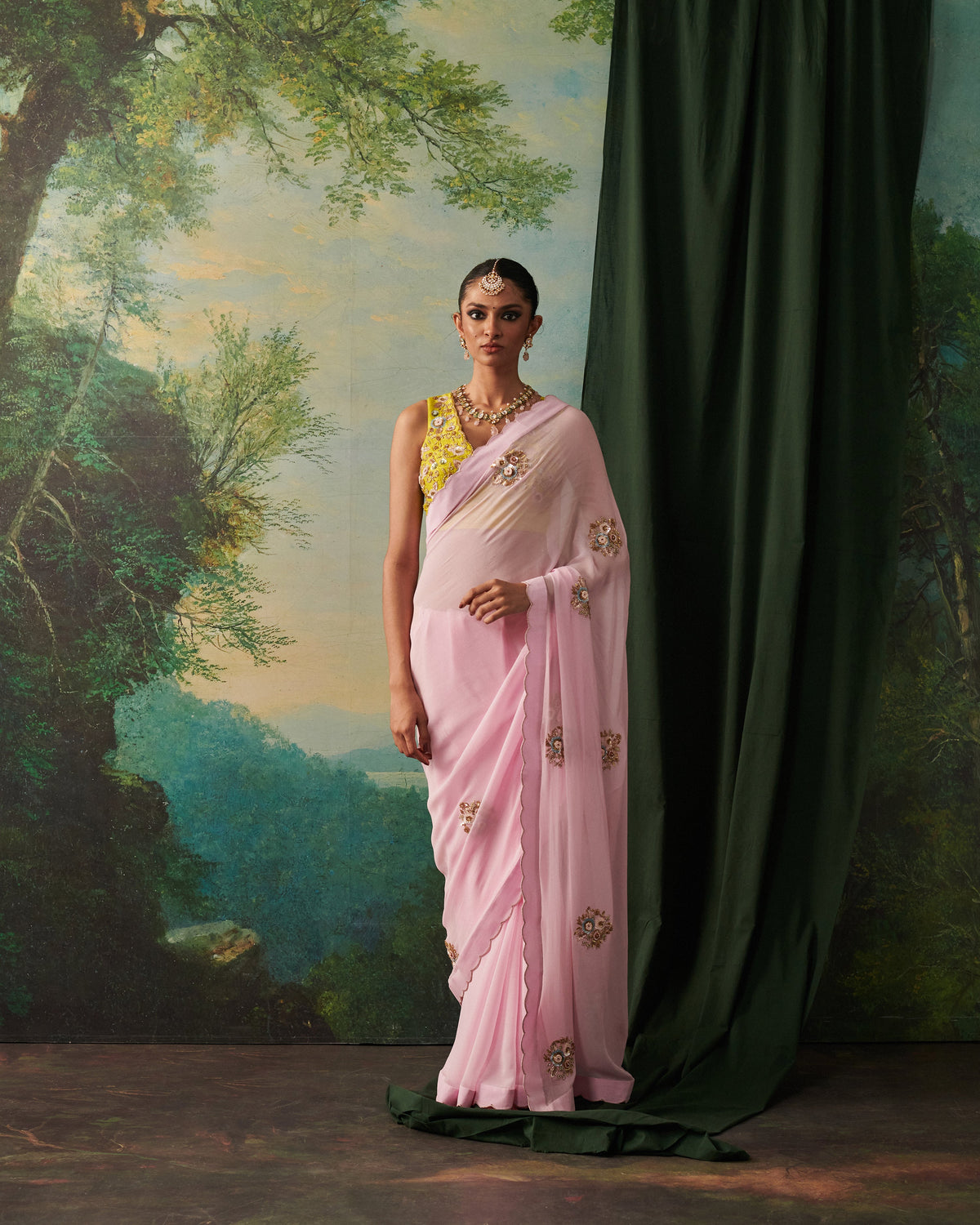
A saree is one of the most elegant choices for a walima bride. The SAJNI — a delicate blush-pink chiffon saree with scattered hand-embroidered floral clusters crafted with sequins, cutdana, and bead work — strikes a perfect balance between bridal glamour and understated beauty. The scalloped border adds a romantic finish, and the lightweight chiffon drapes with effortless fluidity, making it ideal for an evening of greeting guests, posing for photographs, and moving through a reception with grace.

For brides who want a traditional saree with a more regal weight, the BANO & SIYA — a moonga zari silk ivory saree with fine sequin work and intricate floral motifs — is magnificent. Paired with the 'Siya' blouse featuring golden polka dots and detailed embroidery around the neckline and sleeves, the set carries the kind of quiet grandeur that makes a walima entrance unforgettable. Ivory at a walima works beautifully when the embroidery is rich enough to signal celebration rather than restraint.

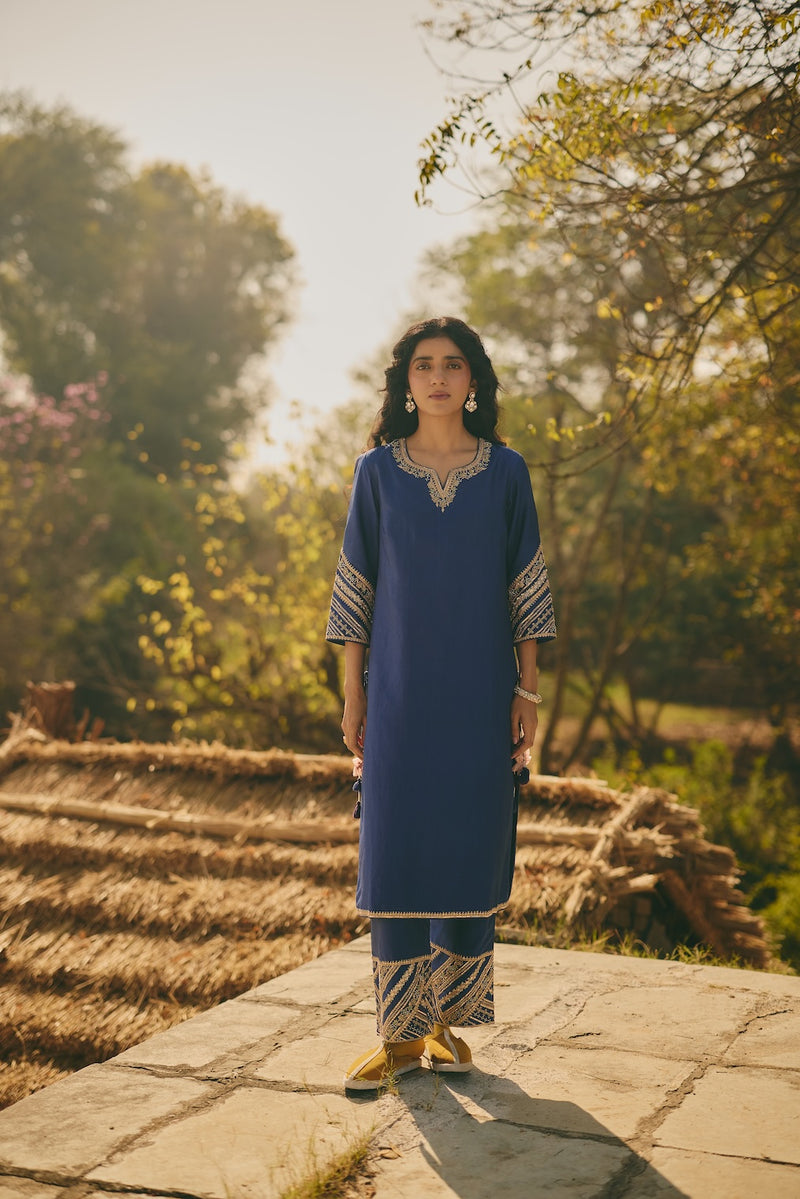
If the bride prefers a different silhouette, a richly embroidered kurta set can be equally stunning. The ANAHITA & AMIRA — a rich magenta silk kurta hand-embroidered with sequins and beads around the neckline, cuffs, and back collar, featuring floral motifs in vibrant hues of pink, blue, and ivory — is exactly the kind of piece that commands a room. Paired with the 'Amira' pant in burnt orange silk, the colour combination draws from festive rituals and feels inherently celebratory. This is a walima outfit with personality.

Best Colours for a Walima
The walima palette is far more expansive than the nikah. This is a celebration — colour is welcomed, encouraged, and expected.
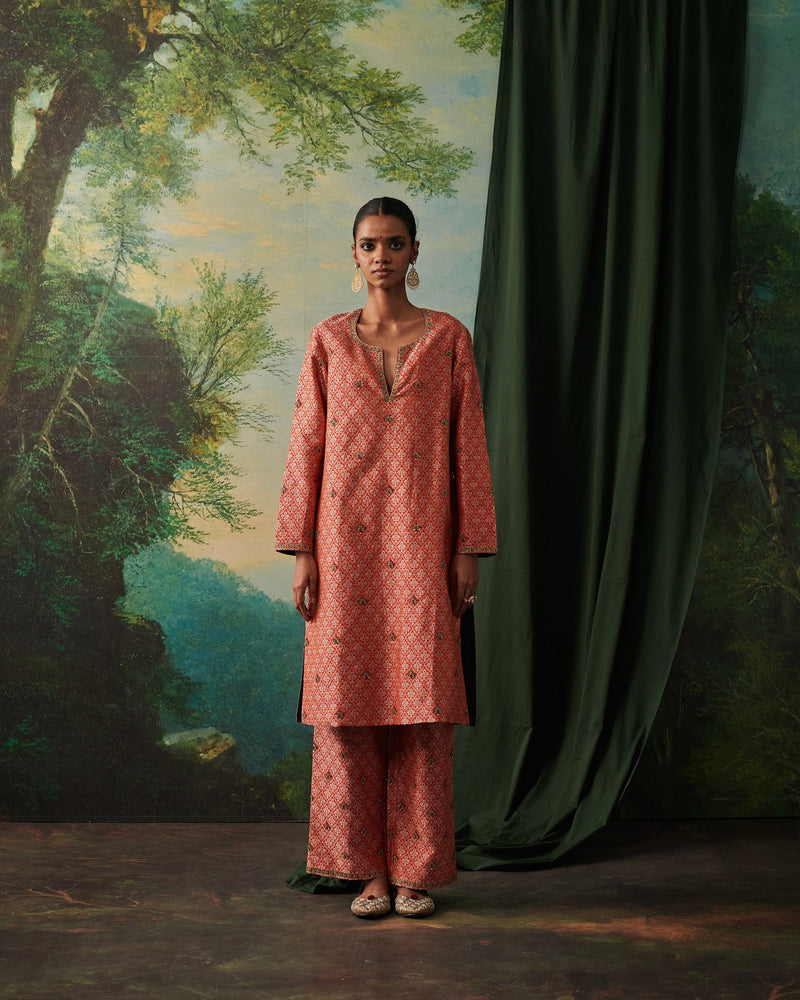
Blush pink and coral: Romantic, feminine, and universally flattering. Blush pink is one of the most popular walima colours for both brides and guests. The RUHMA & RABAAB — a coral pink silk kurta highlighted with fine hand embroidery using marodi, resham, and sequins, with delicate paisley and floral vine detailing and scalloped borders — demonstrates how coral can feel both festive and refined.
Magenta and jewel tones: Deep pinks, rich purples, emerald greens, and royal blues are striking walima choices. These colours photograph beautifully under evening lighting and carry the formality the occasion demands.
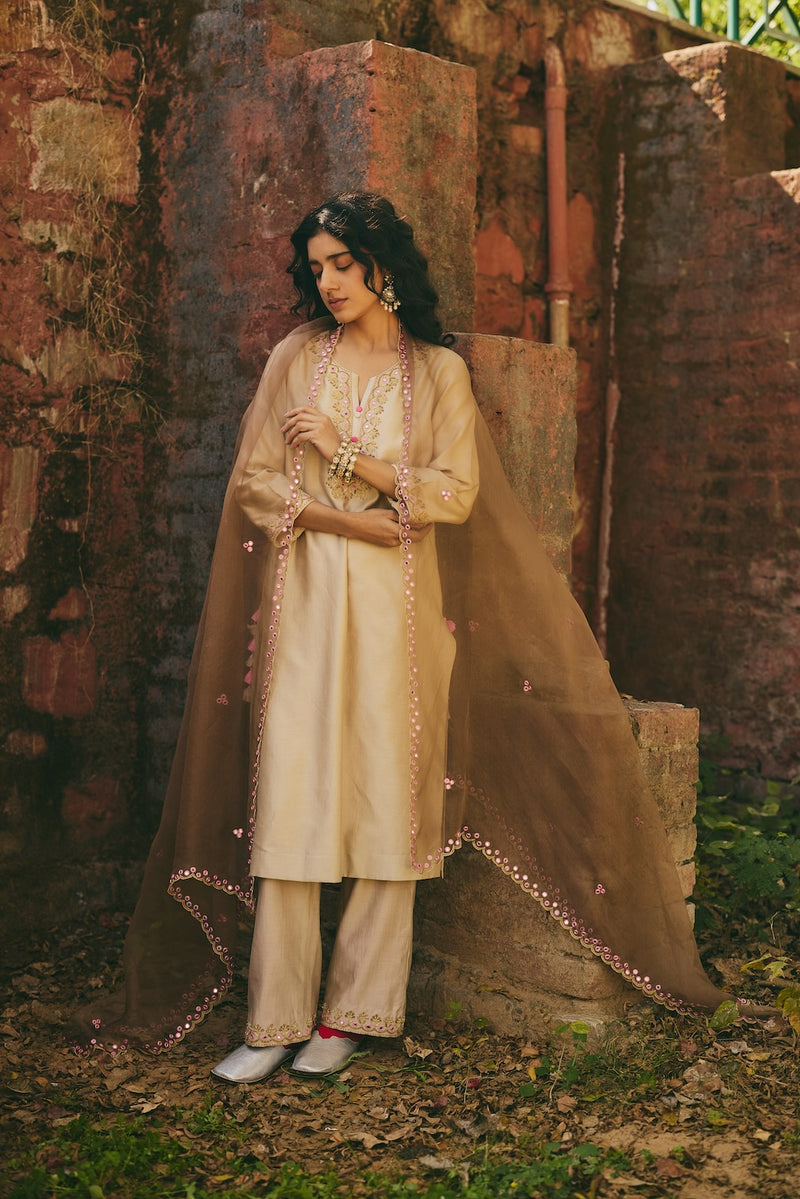
Ivory and gold: While white and ivory are typically the nikah bride's domain, at a walima, guests can wear ivory if it is paired with enough embellishment to feel festive rather than bridal. The EILA & RIYA — an ivory and gold embroidered kurta in luxurious silk cotton jacquard fabric with intricate floral and vine motifs — walks this line perfectly. The gold embroidery transforms ivory from bridal simplicity into evening elegance.
Blossom pink and pastels: Soft tones work beautifully for daytime walima receptions or for guests who prefer an understated aesthetic. A pastel palette in rich fabric with hand-embroidery avoids looking underdressed while maintaining a lighter energy.
What to avoid: All-black outfits are generally considered inauspicious at wedding celebrations. Very casual colours — washed-out neutrals or earthy tones without embellishment — can feel underdressed for a walima. When in doubt, lean toward warmth, richness, and a touch of shimmer.
Walima Outfit Ideas for Guests
As a walima guest, you have significantly more freedom than at a nikah. The walima is a reception — a party — and your outfit should reflect that festive energy. Think sangeet-level dressing with slightly more polish: rich colours, beautiful fabrics, and hand-embroidered details that catch the light.
A kurta set remains the most versatile choice. The RUHMA & RABAAB — with its coral pink silk and intricate marodi work — is festive enough for a walima while still being comfortable for a long evening of socialising. The paisley and floral vine embroidery around the neckline, cuffs, and hemline creates visual interest from every angle, and the aari-inspired patchwork motifs on the sleeve cuffs add a distinctive artisanal character.

For guests who love a sharara set, the GULRUKH & LEHER — a soft blossom pink Chanderi kurta paired with a bold, multi-hued bottom — is playful yet sophisticated. The sleeveless design and contrast between the soft pink top and vibrant bottom is designed for the woman who appreciates an unconventional approach to traditional festive wear. It is spirited, joyful, and entirely appropriate for a walima's celebratory atmosphere.

If you are attending a walima and want to add an extra layer of elegance to your ensemble, consider accessorising with a statement dupatta. The SANAM — a soft peach organza dupatta delicately hand-embroidered with shimmering sequins scattered across the body, finished with sequin edging — adds a festive glimmer to any outfit. Lightweight and fluid, it elevates even a simple kurta set to walima-appropriate dressing.


Choosing the Right Silhouette for a Walima
Sarees — for timeless elegance: A saree at a walima is always a statement. The six yards of fabric allow for a drape that is inherently regal, and the pallu can be styled in multiple ways to create different effects — dramatic over one shoulder for a grand entrance, pinned neatly for comfort through dinner, or draped loosely for photographs. Choose a saree with enough embroidery or embellishment to hold its own in a formal setting. Explore our saree blouse design guide for styling ideas.
Free Download
Get Our Measurement Guide
Step-by-step instructions with photos for perfect custom fit.
Download Free GuideKurta sets — for comfort and versatility: A kurta set is the most practical walima choice — it is easy to wear, easy to move in, and allows you to eat, socialise, and dance without worrying about draping. Choose silk, chanderi, or embroidered fabrics over cotton — the fabric weight signals formality. Three-quarter sleeves and detailed necklines add polish.
Sharara sets — for movement and drama: The sharara's wide-legged silhouette creates beautiful movement and photographs spectacularly. It is festive by nature — the volume of the pants combined with a fitted kurta creates a silhouette that feels both traditional and contemporary. A sharara set is an excellent choice for a walima where you want to stand out. Take our outfit quiz to find the silhouette that suits you best.
Walima vs. Nikah: How the Dress Code Differs
Understanding the difference between nikah and walima dressing is essential for getting your outfit right.
The nikah is sacred and intimate. Modesty is paramount — muted colours, covered arms, flowing silhouettes, minimal embellishment. The focus is on spiritual reverence, not personal style. The walima is celebratory and social. Colour, embellishment, and personality are all welcome. You can wear deeper necklines (within reason), richer colours, heavier embroidery, and bolder accessories.
Think of it this way: your nikah outfit should whisper; your walima outfit should speak. Both should be elegant — but the volume is different.
If you are attending both the nikah and walima, plan two distinct looks. A soft ivory kurta set for the nikah, a richly embroidered coral or magenta piece for the walima. The contrast between the two reflects your understanding of each event's significance.
Fabric and Embroidery for a Walima
The walima is an evening affair — choose fabrics and embroidery that catch the light and feel appropriately luxurious.
Silk: The gold standard for walima dressing. Pure silk has a natural lustre that glows under warm lighting, drapes beautifully, and carries inherent formality. Both the ANAHITA & AMIRA and RUHMA & RABAAB are crafted in silk — a deliberate choice for occasions that demand richness.
Chiffon: Lightweight, fluid, and utterly graceful. Chiffon works beautifully for sarees — the fabric moves with the body and creates an ethereal silhouette that photographs spectacularly. The SAJNI exemplifies what chiffon can do: a blush-pink drape that feels weightless yet looks luxurious.
Organza: Sheer, luminous, and festive. Organza dupattas like the SANAM add a layer of shimmer and texture without adding weight.
Chanderi: A beautiful middle ground — lighter than silk, more luminous than cotton, and inherently elegant. The GULRUKH & LEHER uses Chanderi for its blossom pink kurta, giving it a subtle translucence that works beautifully in photographs.
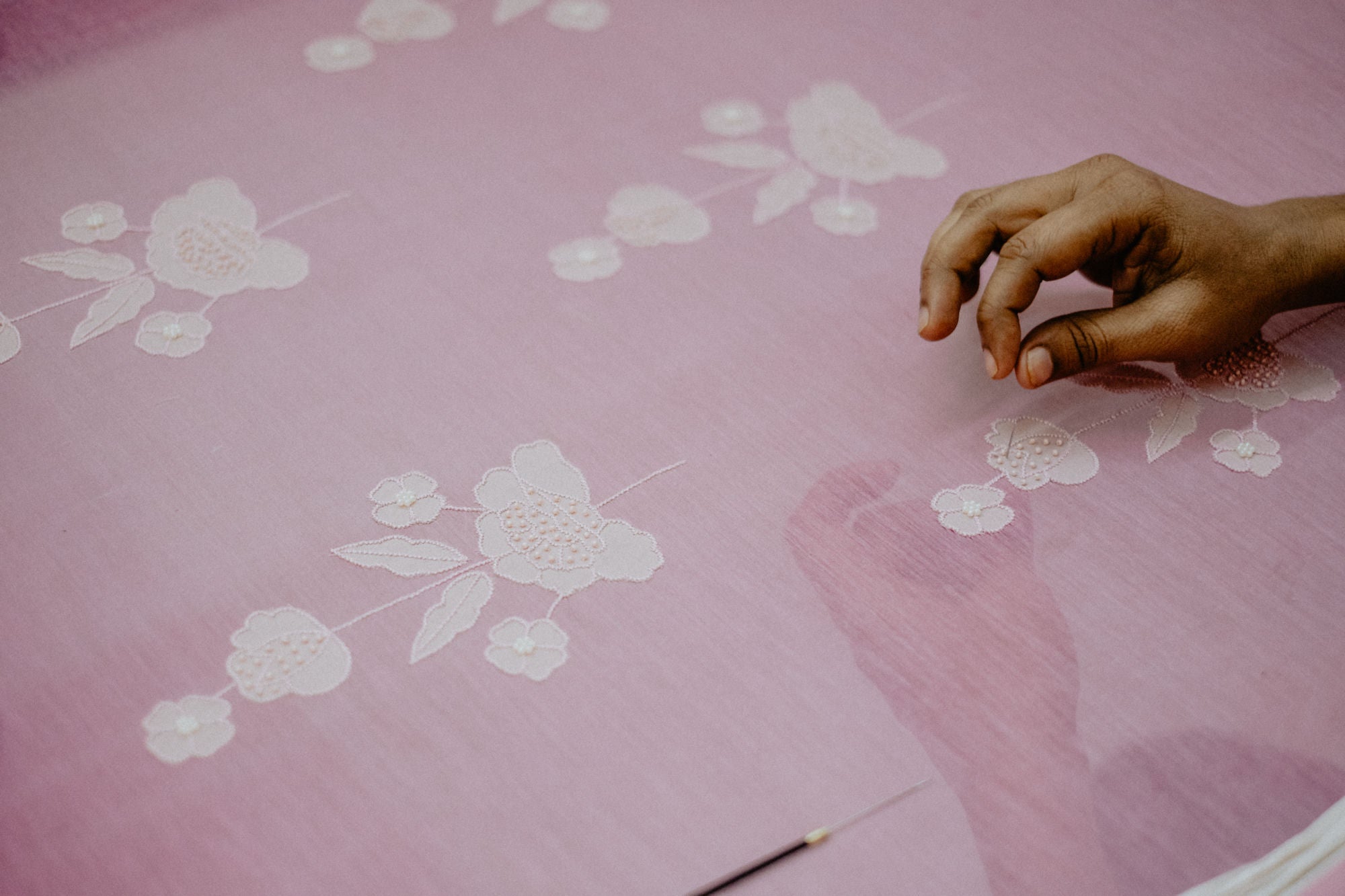
Hand-embroidery: At a walima, you want embroidery that catches the light — sequins, cutdana, beads, marodi work, and resham thread. These techniques create dimension and movement in the fabric, making each piece come alive under evening lighting. Learn more about these techniques on our embroidery guide. Every Rashika Mittal piece is handcrafted by karigars in Jaipur — no machine work, no shortcuts.
Accessory Guide for a Walima
The walima is where you can go one step further with accessories than you would at a nikah. This is a reception — a touch of drama is welcome.
- Earrings: Statement jhumkas, kundan chandbalis, or polki drops. The walima is the occasion for your best earrings — pieces that catch the light and frame your face beautifully.
- Necklace: A layered set, a choker with a pendant drop, or a traditional rani haar for the bride. Choose something that complements your neckline rather than competing with it.
- Bangles: A generous stack of gold bangles, or a mix of gold and coloured glass bangles that coordinate with your outfit. The sound of bangles is part of the celebration.
- Clutch: A metallic or embroidered clutch in gold, silver, or a colour that picks up a tone from your outfit. Practical for the essentials, elegant in photographs.
- Footwear: Embellished juttis, heeled sandals, or embroidered block heels. The walima is typically indoors, so you can choose footwear for style over practicality.
Frequently Asked Questions
What is the dress code for a walima?
Festive and elegant. The walima is a wedding reception — dress as you would for a formal evening celebration. Rich colours, luxurious fabrics, and hand-embroidered details are all appropriate. Sarees, kurta sets, and sharara sets are all excellent choices.
What is the difference between a nikah and a walima?
The nikah is the Islamic marriage ceremony — sacred, intimate, and solemn. The walima is the reception or feast that follows, typically hosted by the groom's family. The walima is larger, more celebratory, and more relaxed in dress code. Your nikah outfit should be modest and restrained; your walima outfit can be more vibrant and embellished.
Can I wear bright colours to a walima?
Absolutely. The walima is a celebration — bright and rich colours are not just acceptable, they are encouraged. Coral, magenta, emerald, royal blue, and deep pink are all excellent choices. Even pastels work beautifully when the fabric and embroidery are formal enough.
Is a walima formal or casual?
A walima is a formal occasion. While it is more relaxed than the nikah ceremony, it is still a wedding event and should be treated with the same level of sartorial respect as any wedding reception. Hand-embroidered, well-crafted outfits are appropriate — casual cottons and everyday wear are not.
What should a walima guest avoid wearing?
Avoid all-black outfits (considered inauspicious at weddings), very casual or underdressed clothing, and anything that might upstage the bride. If you are unsure about wearing white or ivory, err on the side of colour — it is the safer choice and more in keeping with the celebratory spirit of the walima.
Can I wear the same outfit to the nikah and walima?
While there is no strict rule against it, most guests prefer to change — the two events have very different energies. If you must wear the same outfit, choose something versatile like an ivory kurta set that can be styled simply for the nikah and accessorised more boldly for the walima.
For more wedding outfit guidance, explore our nikah outfit guide, sangeet outfit ideas, and our saree blouse design guide. Browse our saree collection, kurta sets, sharara sets, and dupattas to find your perfect walima outfit.
Ready to Order Custom?
WhatsApp us at +91 70423 11214 with what you're looking for. We'll guide you through measurements, customizations, and timeline.
Most pieces ready in 4-5 weeks. Bridal in 6-8 weeks.
Made to order in 4–5 weeks
Have an event date? We’ll tell you exactly when to order by.
We take a limited number of orders each month — secure your slot early.
Not sure where to start?
Tell us what you're dressing for and we'll help you choose — fabric, fit, colour, and timeline — over WhatsApp.
Your Cart
Pieces from this story
All pieces →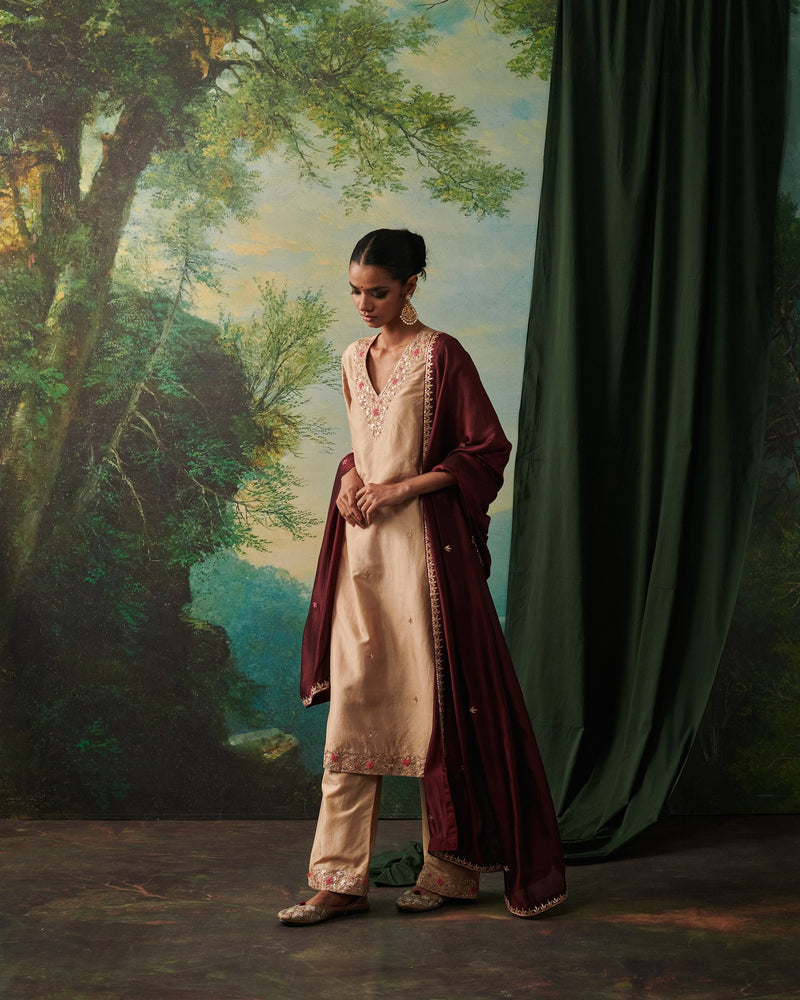
Keep reading
The journal →
Kids' Lohri & Makar Sankranti Outfit Ideas: Bonfires, Kites and Warm Layers
Handmade by karigars Made to your measurements Fit guarantee Ships worldwide As seen in GraziaElle Graduat...
5 September 2026
What Should Kids Wear to a School Annual Day or Function?
Handmade by karigars Made to your measurements Fit guarantee Ships worldwide As seen in GraziaElle Graduat...
5 September 2026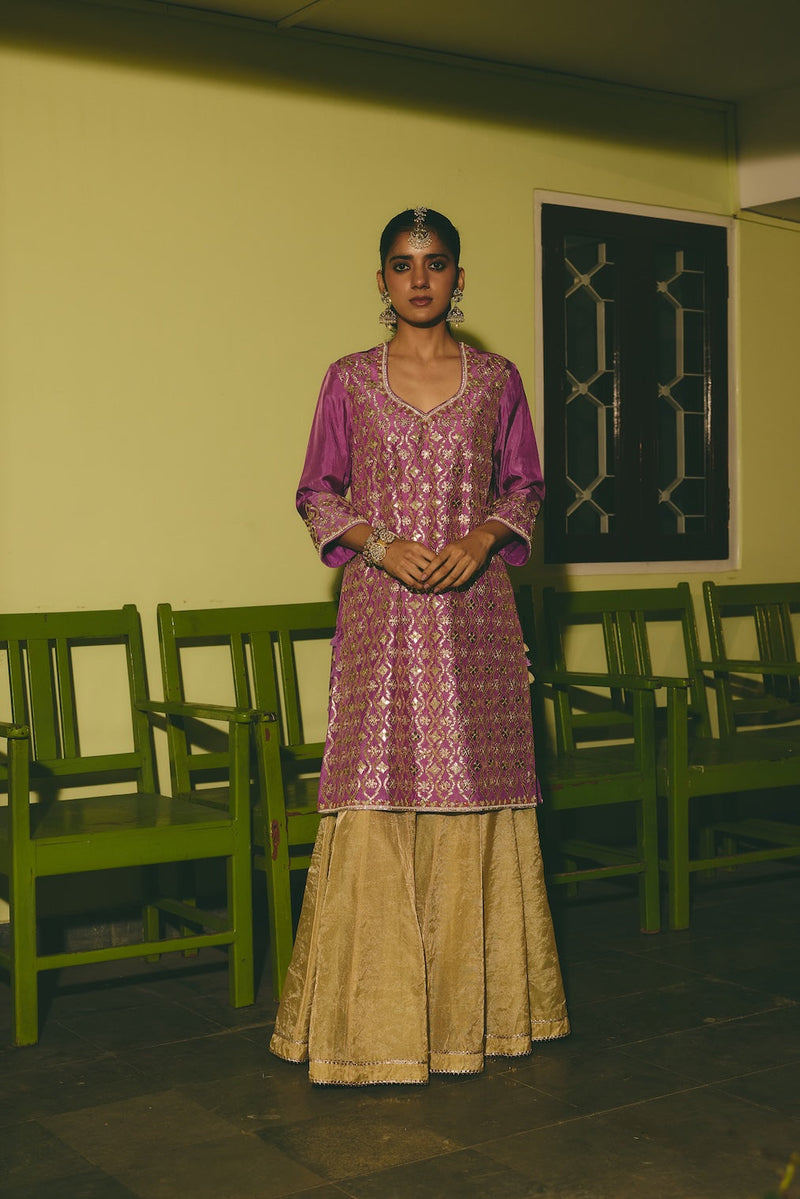
What to Wear to a Hyderabadi Wedding: A Guest's Guide
Handmade by karigars Made to your measurements Fit guarantee Ships worldwide As seen in GraziaElle Graduat...
5 September 2026