
Chikankari Embroidery: History, Stitches & How to Identify Authentic Work
Chikankari is one of India's most elegant embroidery traditions—delicate white thread on fine fabric, creating patterns that seem to float on the surface. From Lucknowi kurtas to bridal lehengas, this centuries-old craft continues to define refined Indian fashion. But with machine imitations flooding the market, how do you identify authentic chikankari? This comprehensive guide covers the history, stitches, identification tips, and styling of this timeless art form.
Looking for authentic handcrafted embroidery? We work directly with traditional artisans. WhatsApp us →
What is Chikankari?
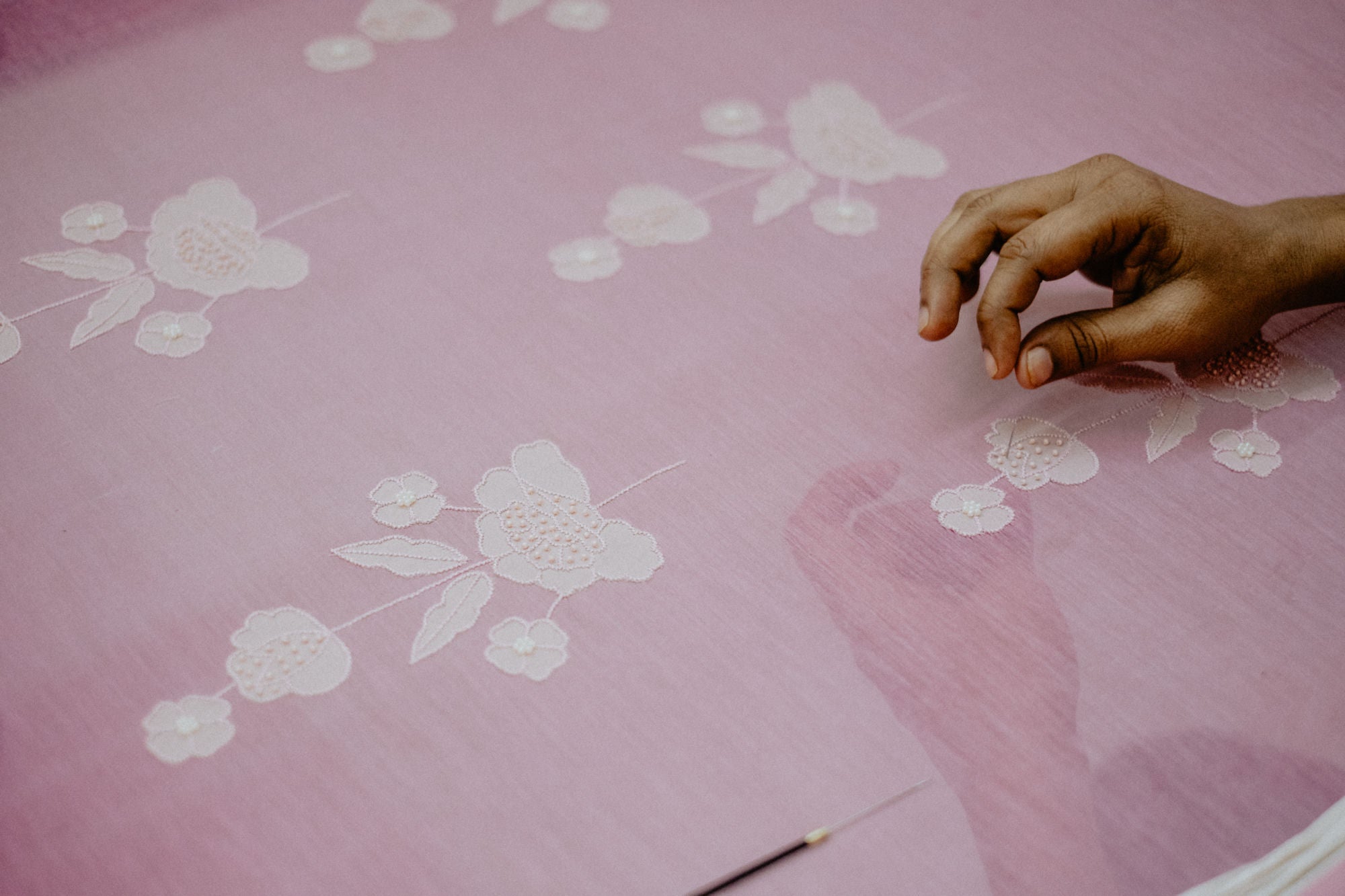
Chikankari (also spelled Chikan) is a traditional embroidery technique from Lucknow, Uttar Pradesh. The name comes from the Persian word "chikan" meaning embroidered fabric. It's characterised by:
- Delicate hand-embroidery, traditionally white thread on white fabric
- A repertoire of 36+ distinct stitches
- Floral and paisley motifs inspired by Mughal art
- A subtle, elegant appearance that lets the craftsmanship speak for itself
Unlike bold embroideries like zardozi or gota patti, chikankari is understated. Its beauty lies in the shadows created by the stitches, often visible only when held up to light.
The History of Chikankari
Mughal Origins
Chikankari's origins are disputed, but most historians trace it to the Mughal era (16th-17th century). Some legends credit Nur Jahan, wife of Emperor Jahangir, with introducing the craft from Persia to Lucknow.
The Nawabs of Awadh (18th-19th century) were great patrons of chikankari, and Lucknow became the undisputed centre of this art. The craft flourished under their patronage, with entire families and mohallas (neighbourhoods) dedicated to specific stitches.
Colonial Era to Today
During British rule, chikankari faced decline as cheaper machine-made textiles flooded the market. The craft survived through small communities of artisans who passed down techniques through generations.
In the 1970s, the government recognized chikankari as a heritage craft. It received a Geographical Indication (GI) tag in 2008, legally protecting "Lucknow Chikankari" as a product of specific regional origin and traditional methods.
Types of Chikankari Stitches
Traditional chikankari includes over 36 stitches, each creating different textures and effects. Here are the most important ones:
Flat Stitches (Worked on the Surface)
Taipchi: The most basic running stitch, often used for outlining. Long, straight stitches that create leaf veins and stems.
Pechni: A twisted stitch where the thread is wrapped around the needle. Creates a rope-like texture, often used for stems and outlines.
Khatau: Appliqué-like flat stitch used to fill petals and leaves with a smooth satin effect.
Embossed Stitches (Raised Effect)
Murri: Tiny rice-shaped stitches creating a granular texture. One of the most valued stitches, extremely time-consuming.
Phanda: Small knotted stitches resembling millet grains. Used to create berry-like clusters and textured fill.
Bakhiya: Shadow work done from the wrong side of the fabric. Creates a subtle shaded effect when viewed from the front—the hallmark of premium chikankari.
Jali or Jaali (Open Work)
Jaali: Delicate pulled-thread work creating a mesh or net effect. Threads of the fabric are pulled and knotted to create tiny holes arranged in geometric patterns.
Jaali is the most time-intensive chikankari technique and is considered the pinnacle of the craft. A single jaali motif can take hours to complete.
Free Download
Get Our Measurement Guide
Step-by-step instructions with photos to measure yourself accurately for custom Indian wear.
Download Free GuideHow to Identify Authentic Chikankari
With machine embroidery flooding the market, knowing how to spot authentic handwork is essential. Here are the key indicators:
Look at the Back
The back of hand-embroidered chikankari shows:
- Irregular thread patterns (not identical to the front)
- Knots and thread endings that look organic, not machine-precise
- For bakhiya (shadow work), the actual stitches are on the back
Machine embroidery will have identical patterns on front and back, or a very messy back with obvious bobbin thread loops.
Check the Texture
- Authentic murri and phanda stitches feel raised when you run your finger over them
- Hand-embroidery has subtle variations—no two flowers are exactly identical
- Machine work feels flat and uniform
Examine the Jaali
If the garment has jaali (net work), examine it closely:
- Authentic jaali has small, slightly irregular holes created by pulling and knotting fabric threads
- Machine jaali is usually laser-cut or punched, with perfectly uniform holes
- The threads around authentic jaali holes are knotted, not frayed
Consider the Price
A genuine handcrafted chikankari kurta takes 3-7 days minimum to embroider. If the price seems too good to be true (under ₹1,000 for what looks like elaborate work), it's likely machine-made or mass-produced.
Ask About Origin
Authentic Lucknow chikankari sellers can often tell you about their artisans. We work with karigar families who've practised these techniques for generations, and we're always happy to share their stories.
Chikankari in Modern Fashion
Contemporary Adaptations
While traditional chikankari features white-on-white, modern interpretations include:
- Coloured chikankari on coloured fabric (often pastels)
- Contrast embroidery (like white on red or black)
- Combination with other techniques like mukaish (silver sequins) or zardozi

Styling Chikankari
For Daily Wear: A simple chikankari kurta with jeans or palazzos is effortlessly elegant for work or casual outings.
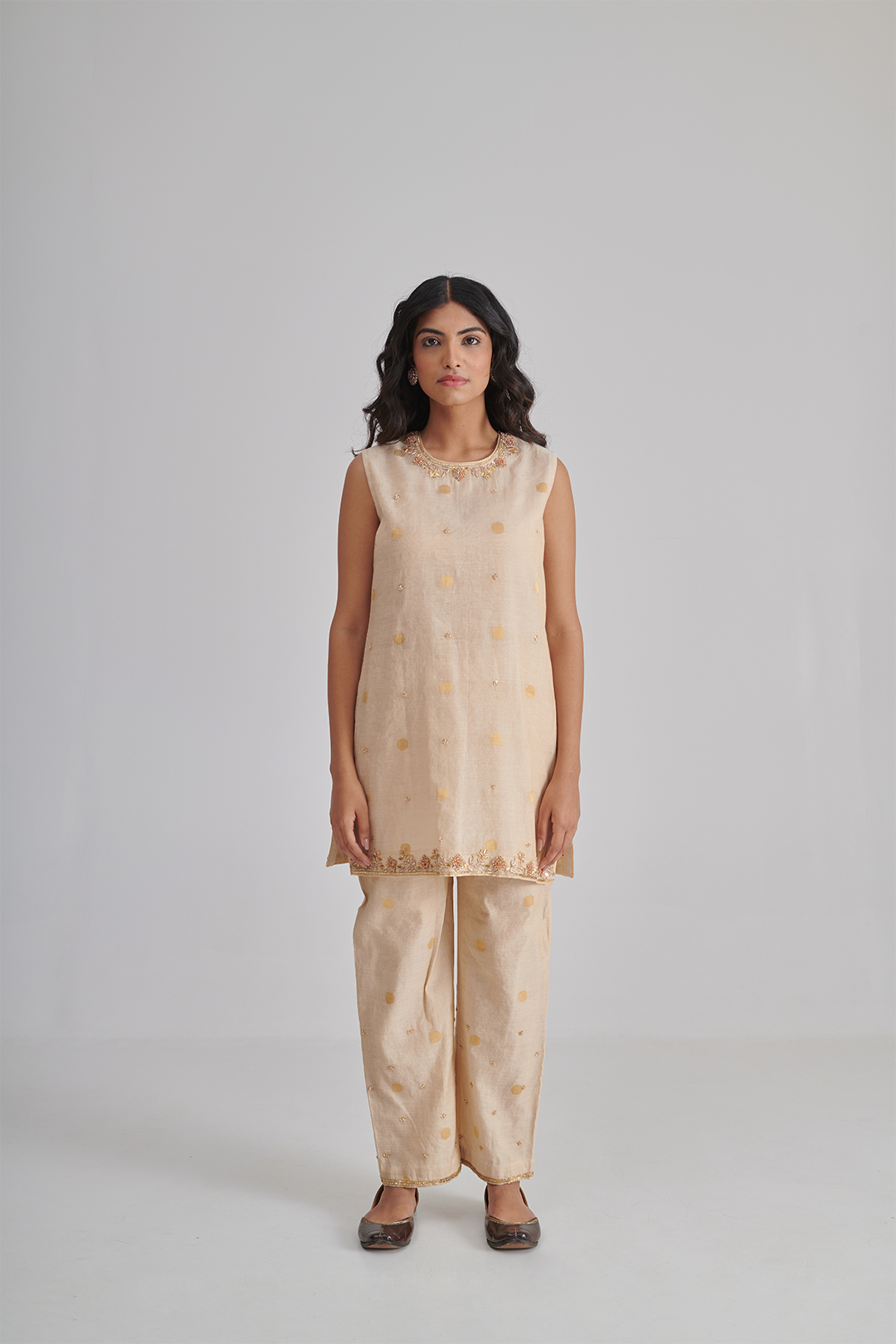
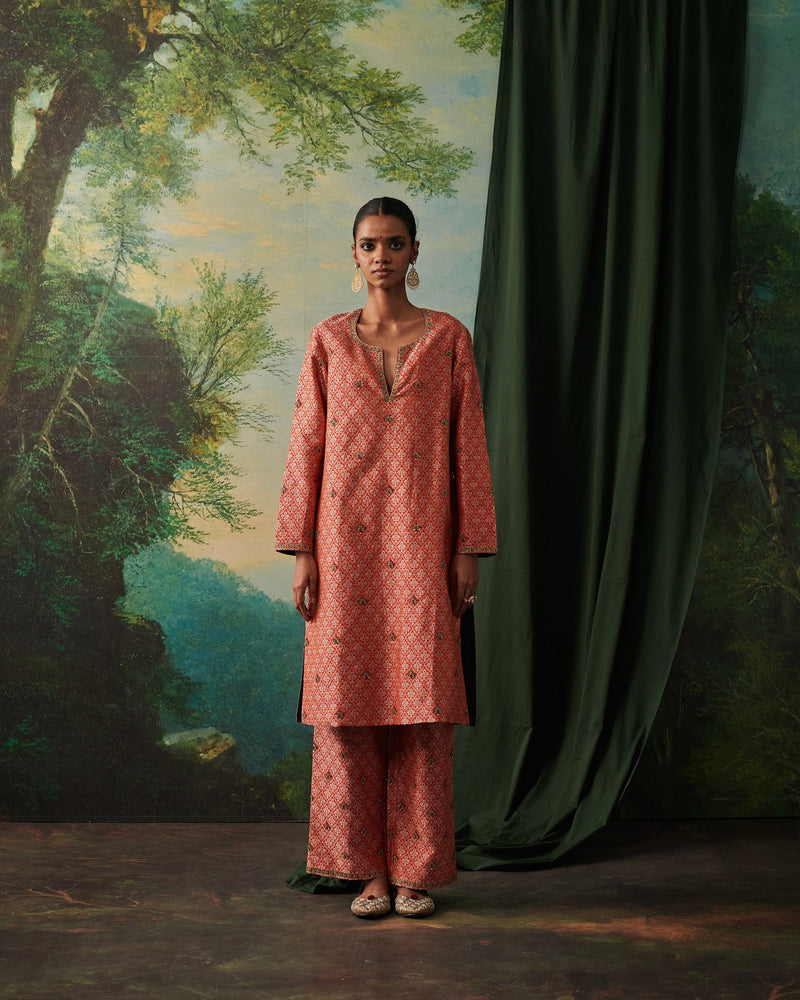
For Festivals: Chikankari anarkalis or kurta sets with palazzo pants strike the perfect balance of festive and comfortable.
For Weddings: Chikankari combined with mukaish or zardozi elevates the embroidery for bridal and wedding guest wear.


Caring for Chikankari
Washing
- Handwash in cold water with mild detergent
- Never wring or twist—squeeze gently
- Avoid bleach and harsh chemicals
- For heavy or embellished pieces, dry clean only
Drying
- Dry flat in shade—direct sunlight can yellow white fabrics
- Never hang wet chikankari; the weight can distort the embroidery
Ironing
- Iron on the reverse side while slightly damp
- Place a thin cotton cloth over the embroidery to protect it
- Never use steam directly on the embroidery
Storage
- Store in muslin or cotton bags, never plastic
- Add silica gel packets to prevent moisture damage
- Refold periodically to prevent permanent crease marks
Love the elegance of handcrafted embroidery?
Our karigars create beautiful pieces using traditional techniques. +91 70423 11214
Made-to-order with 4-5 weeks delivery
Chikankari vs Other Embroideries
Chikankari vs Lucknowi: They're the same thing. "Lucknowi" often refers to chikankari from Lucknow, sometimes combined with mukaish work.
Chikankari vs Zardozi: Zardozi uses metallic threads (gold/silver) and is heavier and more ornate. Chikankari is subtle and uses cotton or silk thread.
Chikankari vs Schiffli: Schiffli is machine-made embroidery that mimics chikankari patterns. It's much faster and cheaper to produce, but lacks the organic quality and durability of handwork.
Supporting the Craft
Chikankari artisans, mostly women, often work from home for modest wages. When you buy authentic handcrafted chikankari:
- You support traditional artisan communities
- You help preserve a 400-year-old craft
- You invest in a garment that will last for years
At Rashika Mittal, we work directly with karigar families, ensuring fair compensation for their extraordinary skill. Every piece comes with the knowledge that it supports traditional craftsmanship.
Frequently Asked Questions
Is all chikankari from Lucknow?
No, chikankari is now practised in many regions, including West Bengal and Hyderabad. However, Lucknow remains the traditional centre, and "Lucknow Chikankari" has GI protection.
Why is some chikankari so expensive?
Price depends on the number and complexity of stitches, the quality of fabric, and whether it's handmade. Jaali and murri work are particularly time-intensive. A heavily embroidered handmade piece can take weeks to complete.
Can chikankari be done on any fabric?
Traditionally done on muslin, mulmul, and cotton, chikankari now appears on georgette, silk, chiffon, and organza. Finer fabrics show shadow work (bakhiya) more beautifully.
Is chikankari machine washable?
Simple cotton chikankari can be hand washed. Delicate pieces with heavy embroidery or on fine fabrics like georgette should be dry cleaned.
How can I tell if murri is hand-done?
Hand-done murri stitches are slightly irregular in size and spacing. When you run your finger over them, each tiny rice-shaped stitch feels individual. Machine murri looks uniform and feels almost flat.
Made to order in 4–5 weeks
Have an event date? We’ll tell you exactly when to order by.
We take a limited number of orders each month — secure your slot early.
Not sure where to start?
Tell us what you're dressing for and we'll help you choose — fabric, fit, colour, and timeline — over WhatsApp.
Your Cart
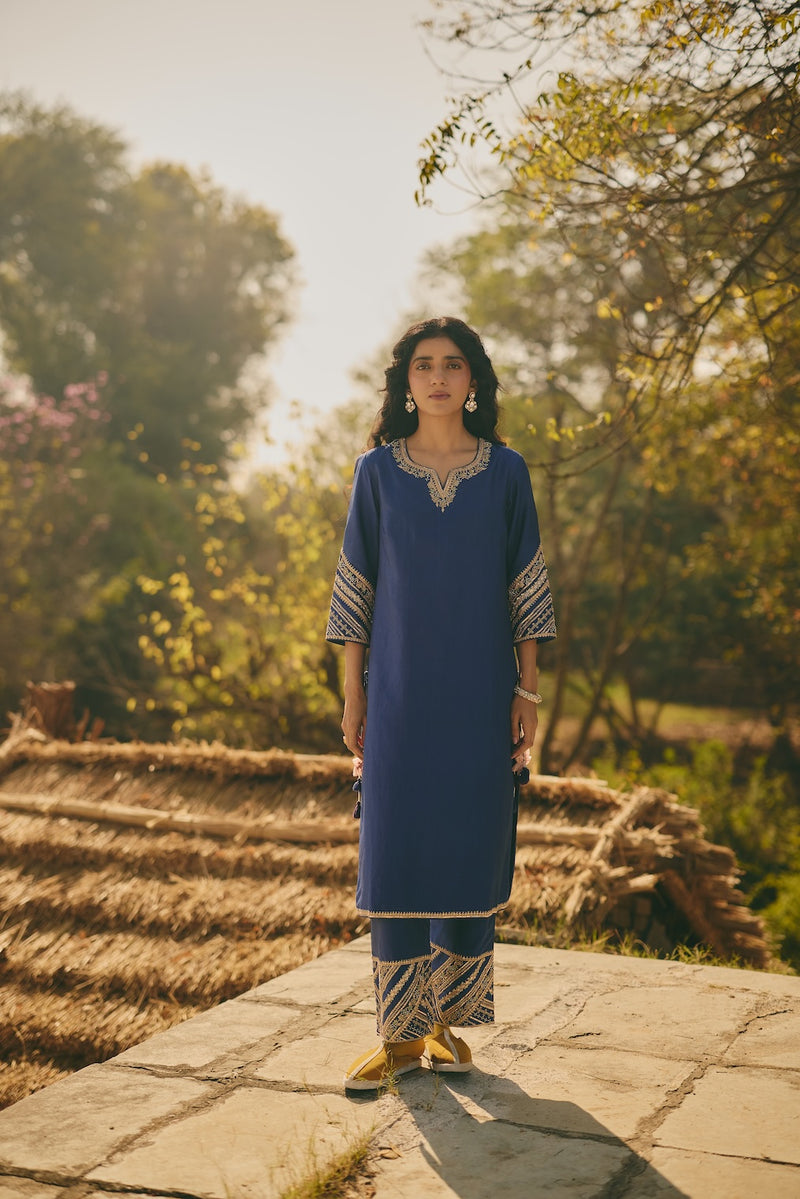
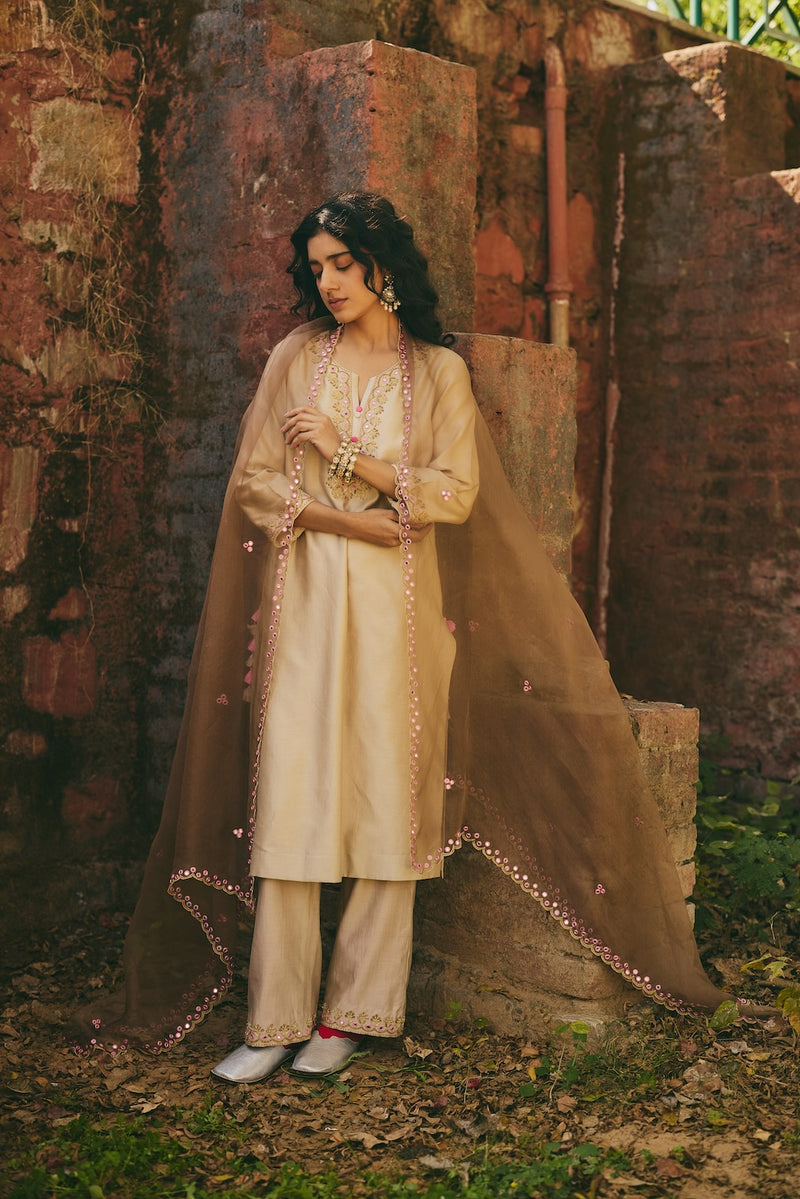
Pieces from this story
All pieces →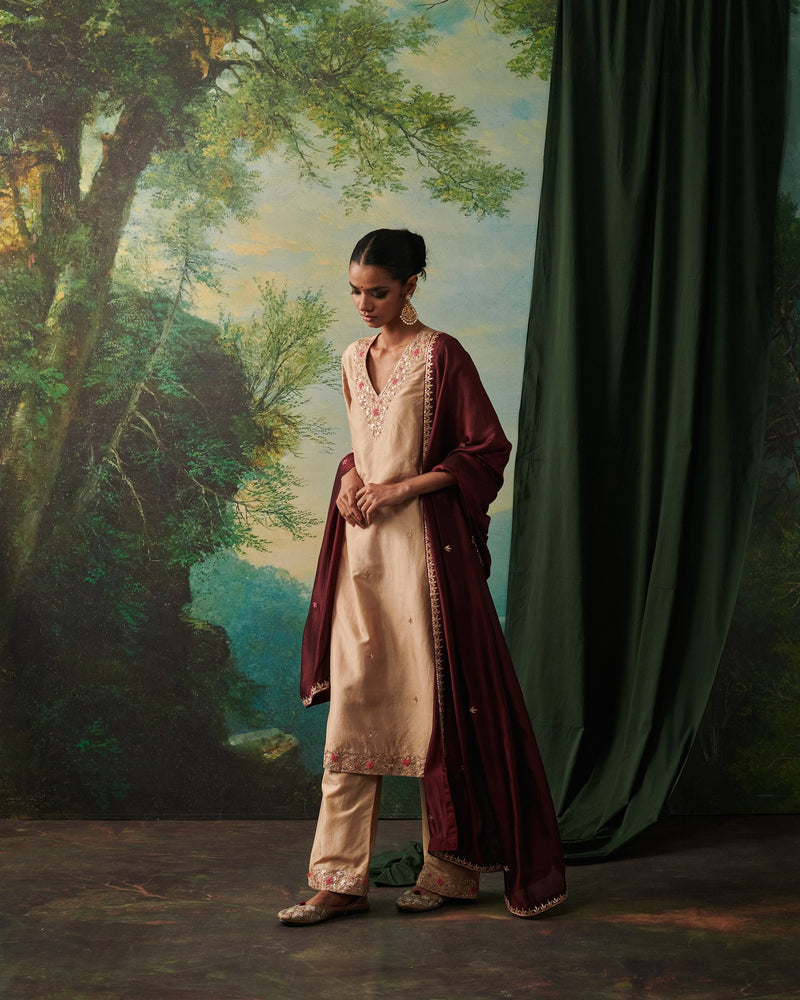
Keep reading
The journal →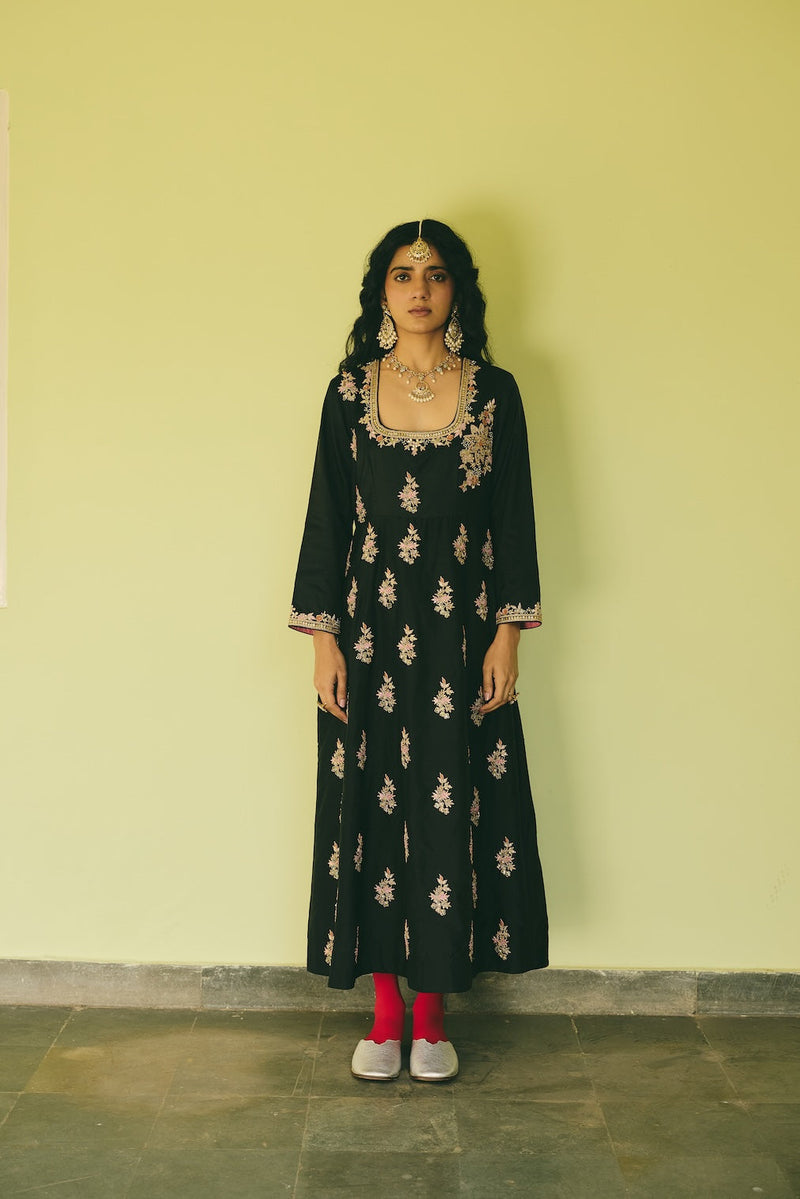
Best Plus-Size Ethnic Wear Brands in India 2026: Where to Actually Find Your Size
Handmade by karigars Made to your measurements Fit guarantee Ships worldwide As seen in GraziaElle Graduat...
17 September 2026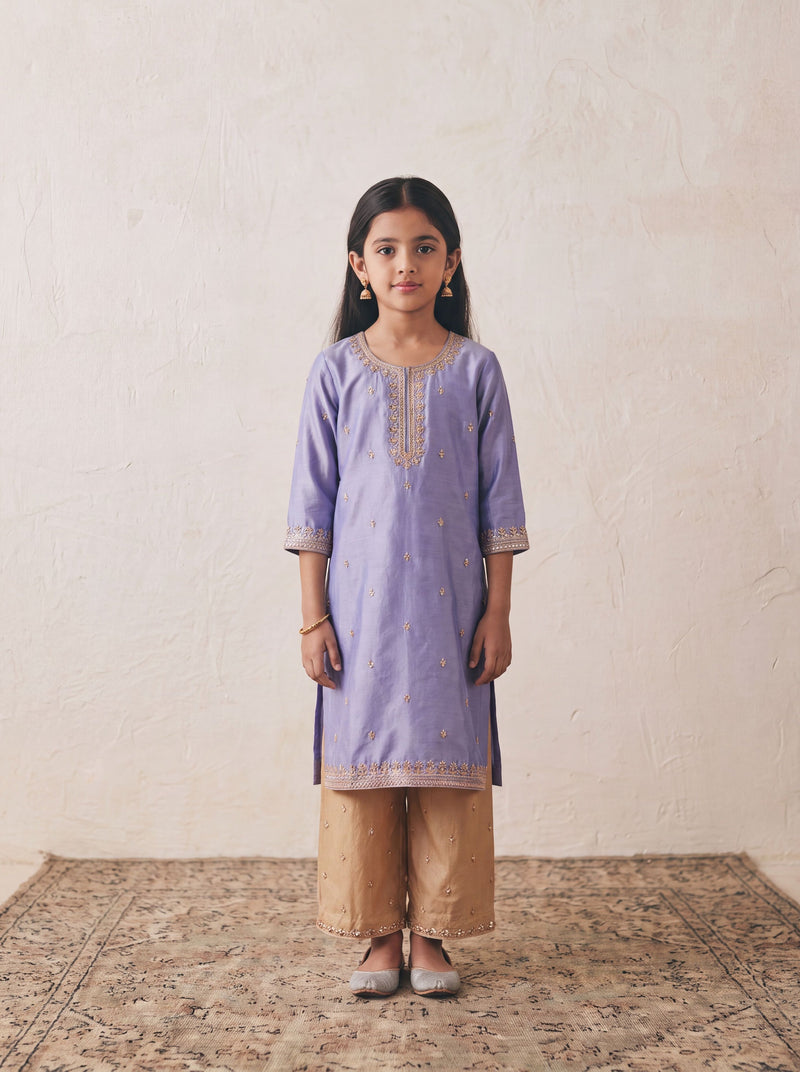
Kurta Sets for Girls: A Parent's Buying Guide to Kids' Kurta Sets
Handmade by karigars Made to your measurements Fit guarantee Ships worldwide As seen in GraziaElle Graduat...
17 September 2026
Gifts for Your Mother-in-Law: Indian Outfits That Don't Feel Like a Formality
Handmade by karigars Made to your measurements Fit guarantee Ships worldwide As seen in GraziaElle Graduat...
17 September 2026