
10 Dupatta Draping Styles: From Simple to Statement
The dupatta is the most versatile element of Indian fashion — and often the most neglected. The same kurta set looks completely different depending on how you drape the dupatta. Here are ten styles, from everyday easy to event-ready dramatic.
1. The Classic One-Shoulder
Best for: Everyday wear, casual events, beginners
Drape the dupatta over your left shoulder, letting both ends fall to the back. Simple, elegant, requires zero effort. This is the default for a reason — it works.
Pro tip: Pin at the shoulder if you don't want it slipping.
2. The Front Drape (Both Sides Forward)
Best for: Showing off embroidered dupattas, formal settings
Place the dupatta around your neck with both ends falling in front. This showcases the full length of the dupatta and frames your face beautifully.
Pro tip: Works best with heavily embroidered dupattas where you want to display the work.


3. The Cross-Body Drape
Best for: Modern styling, keeping dupatta secure, movement
Drape over one shoulder, bring across the chest, and tuck or pin at the opposite hip. Creates a structured, contemporary look and keeps the dupatta from slipping.
Pro tip: Great for events where you'll be moving around or dancing.
4. The Lehenga Pallu Style
Best for: Lehengas, formal events, traditional looks
Tuck one end into the lehenga waist at the back right, bring the dupatta around the front, and drape the pallu end over the left shoulder. Similar to saree pallu styling.
Pro tip: Multiple pins required. Secure at waist, shoulder, and optionally at the blouse edge.

The Nyassa & Elina lehenga looks stunning with traditional pallu-style draping.
5. The Gujarati Style (Front Pallu)
Best for: Showcasing embroidery, weddings, traditional events
Similar to the lehenga style, but the dupatta comes over the right shoulder and is pinned at the front, displaying the decorative end across your chest.
Pro tip: Perfect for heavily worked dupattas where the embroidery deserves to be seen.
6. The Shawl Wrap
Best for: Cold weather, evening events, elegant simplicity
Wrap the dupatta around your shoulders like a shawl, with both ends falling down the arms. Elegant, practical, and works with any silhouette.
Pro tip: Use a brooch at the center front for extra security and style.
7. The Cape Drape
Best for: Modern fusion looks, making an entrance
Free Download
Get Our Measurement Guide
Step-by-step instructions with photos for perfect custom fit.
Download Free GuideDrape the dupatta over both shoulders with the length falling down the back like a cape. Works especially well with structured, embroidered dupattas.
Pro tip: Pin at both shoulders. This style photographs beautifully from behind.


8. The Belt Tuck
Best for: Contemporary styling, showing off the kurta
Drape the dupatta over both shoulders, then cinch at the waist with a belt or kamarbandh. Creates a defined waist and a very modern, styled look.
Pro tip: Use a metallic or embroidered belt that complements your outfit.
9. The Head Drape
Best for: Religious ceremonies, gurdwaras, traditional events
Cover your head with the dupatta, letting it drape down the back or one shoulder. Required in some religious settings and beautiful for traditional photographs.
Pro tip: Pin at the crown of your head (under the dupatta) for security.
10. The No-Dupatta Look
Best for: Cocktails, receptions, modern events
Skip it entirely. Not every occasion requires a dupatta, and heavily embroidered kurtas or blouses can stand alone beautifully.
Pro tip: Add a statement necklace to fill the visual space if needed.


Statement pieces like the Shafaq blouse or Ameera & Hoorain kurta can work beautifully without a dupatta.
Choosing Drape Style by Event
| Event | Recommended Style |
|---|---|
| Casual/Daily | One-shoulder, No dupatta |
| Office/Work | Cross-body, One-shoulder |
| Puja/Temple | Head drape, Front drape |
| Wedding Ceremony | Lehenga pallu, Gujarati style |
| Sangeet/Dancing | Cross-body, Belt tuck |
| Reception/Cocktail | Shawl wrap, Cape, No dupatta |
| Photos | Cape (back shots), Front drape |
Pinning Tips
- Safety pins: Use small gold ones that blend with embroidery
- Pin from inside: The pin shouldn't show
- Multiple points: One pin rarely holds. Use 2-3 for security
- Pin to blouse/kurta: Not just to itself, or it will slip together
- Decorative pins: Brooches can be styling elements
Dupatta Length Matters
- Standard (2.25-2.5m): Works for most styles
- Long (3m+): Better for lehenga pallu and cape styles
- Short (1.5-2m): Best for one-shoulder and cross-body
The same outfit transforms completely based on how you style the dupatta. Experiment with these options to find what works for each occasion — and what feels most like you.
Explore: Kurta Sets | Dupattas | Shop All
Ready to Order Custom?
WhatsApp us at +91 70423 11214 with what you're looking for. We'll guide you through measurements, customizations, and timeline.
Most pieces ready in 4-5 weeks. Bridal in 6-8 weeks.
Made to order in 4–5 weeks
Have an event date? We’ll tell you exactly when to order by.
We take a limited number of orders each month — secure your slot early.
Not sure where to start?
Tell us what you're dressing for and we'll help you choose — fabric, fit, colour, and timeline — over WhatsApp.
Your Cart
Pieces from this story
All pieces →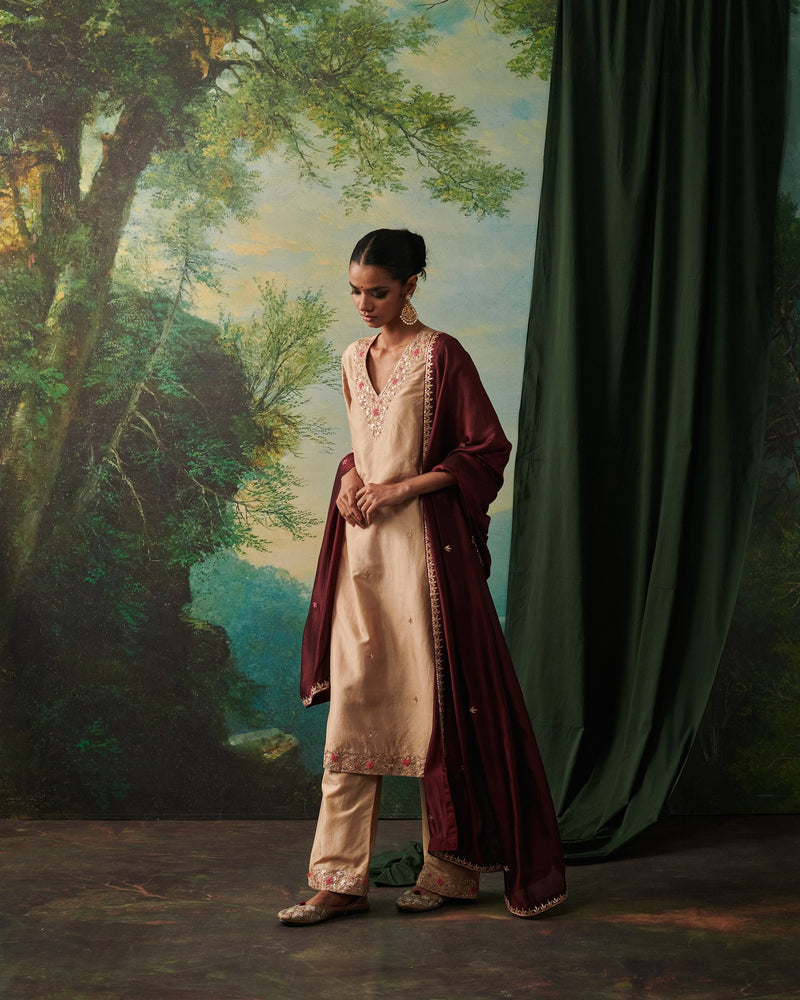
Keep reading
The journal →
Best Plus-Size Ethnic Wear Brands in India 2026: Where to Actually Find Your Size
Handmade by karigars Made to your measurements Fit guarantee Ships worldwide As seen in GraziaElle Graduat...
17 September 2026
Kurta Sets for Girls: A Parent's Buying Guide to Kids' Kurta Sets
Handmade by karigars Made to your measurements Fit guarantee Ships worldwide As seen in GraziaElle Graduat...
17 September 2026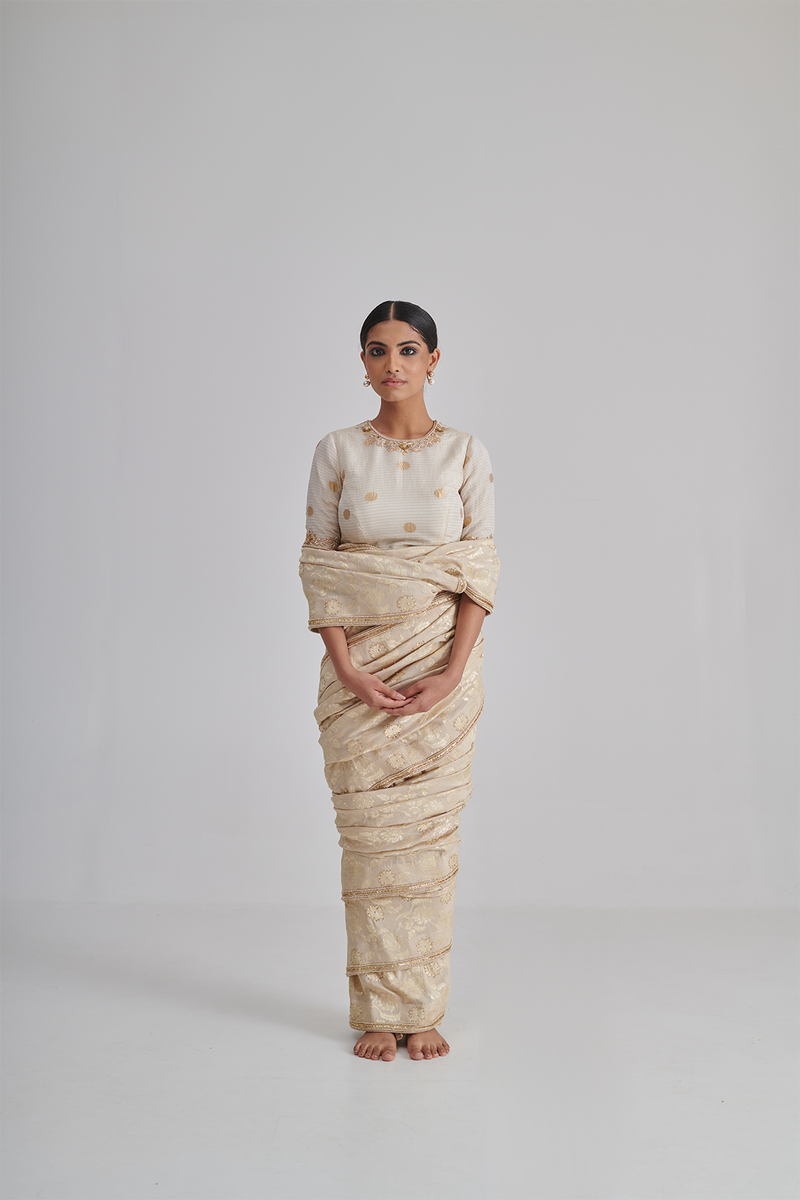
Gifts for Your Mother-in-Law: Indian Outfits That Don't Feel Like a Formality
Handmade by karigars Made to your measurements Fit guarantee Ships worldwide As seen in GraziaElle Graduat...
17 September 2026