
10 Dupatta Styling Ideas That Elevate Any Outfit
A dupatta can make or break your Indian outfit. Draped well, it adds elegance and movement. Ignored, it becomes that thing you're constantly adjusting. Here are 10 styling techniques that turn your dupatta from an afterthought into a style statement.

Classic Styles
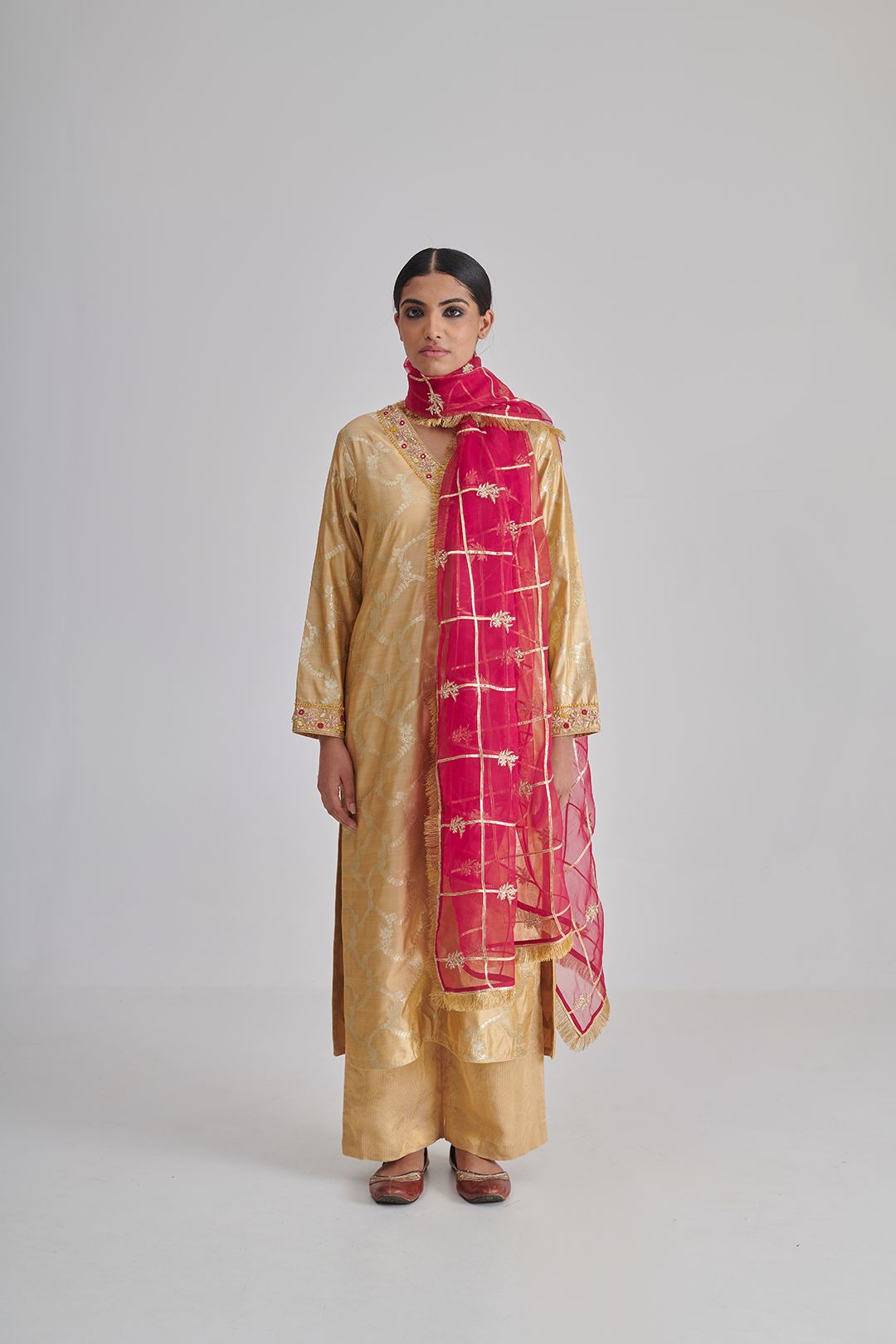
1. The Classic Over-Both-Shoulders
The timeless drape that works for every occasion.
How to do it:
- Centre the dupatta at your back
- Bring both ends forward over your shoulders
- Let them hang evenly at the front
- Pin at one or both shoulders for security
Best for: Kurta sets, anarkalis, formal occasions
2. Single Shoulder Drape
Elegant and asymmetrical—the most photographed dupatta style.
How to do it:
- Drape the dupatta from back to front over one shoulder
- Let it fall at your front and back
- Pin at the shoulder to secure
- Adjust the back length for balance
Best for: Lehengas, heavy suits, when you want to show off your blouse


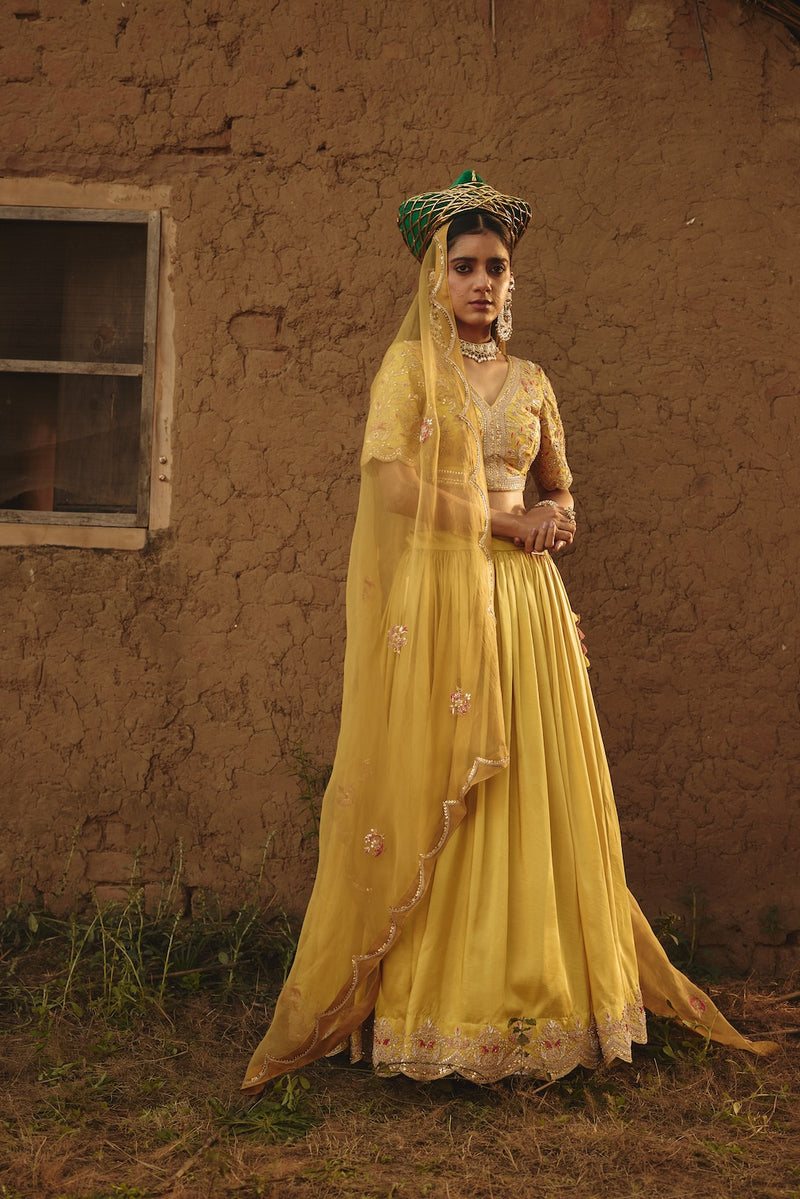
3. The Traditional Head Drape
Classic bridal and formal ceremonial style.
How to do it:
- Place one end of the dupatta on your head
- Secure with pins to your hair or blouse
- Drape the rest over your shoulder and back
- Adjust coverage as appropriate for the event
Best for: Wedding ceremonies, religious events, traditional settings
Modern Twists
4. The Belt Drape
Contemporary and practical—keeps the dupatta in place while adding waist definition.
How to do it:
- Drape the dupatta over one shoulder
- Wrap around your waist
- Secure with a belt or let it hang at the front
- Creates a layered, styled look
Best for: Sangeet, cocktails, when you want hands-free styling

5. Wrapped as a Scarf
Casual and effortless—turns a traditional element into a fashion accessory.
How to do it:
- Fold the dupatta lengthwise for a narrower width
- Wrap loosely around your neck
- Let the ends hang at front or tuck one end
Best for: Casual kurtas, when you want the look without the formality
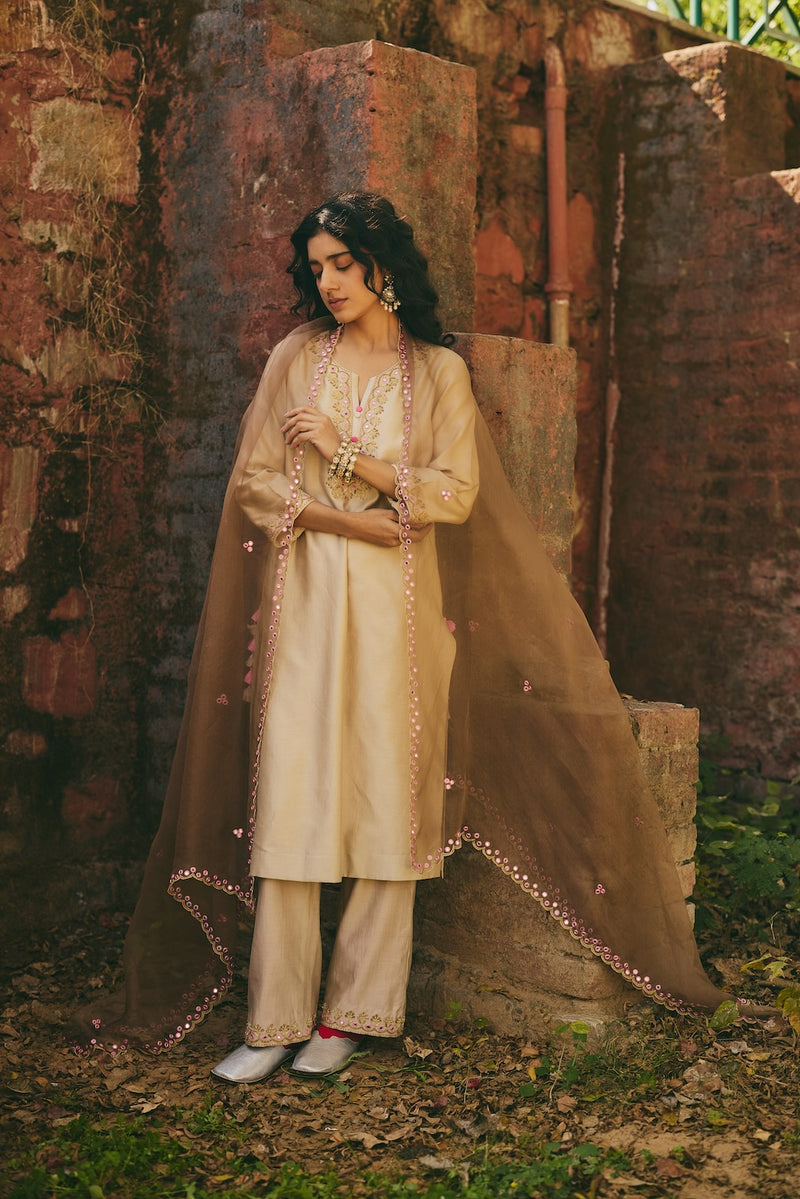
6. The Cape Style
Dramatic and modern—makes a statement at events.
How to do it:
- Pin the dupatta at both shoulders from behind
- Let it fall as a cape at your back
- Creates a flowing, dramatic effect when you walk
Best for: Reception entrances, photo moments, making an impression

7. Cross-Body Drape
Secure and comfortable—nothing will slip all evening.
How to do it:
- Start the dupatta at one shoulder from behind
- Bring it across your body diagonally
- Pin at the opposite hip or tuck into lehenga/pants
- The rest flows at the back
Best for: Dancing, active events, when you don't want to adjust
Creative Options
8. The One-Arm Drape
Bollywood-inspired glamour.
How to do it:
- Drape the dupatta over one arm
- Let it trail behind you
- Pin at the shoulder to keep it from slipping
Best for: Photo sessions, dramatic entrances, when you want to channel old Bollywood
9. The Double Dupatta
Maximum drama—one on head, one styled differently.
How to do it:
- Use one dupatta for head coverage (traditional)
- Style a second dupatta over shoulder or as cape
- Creates a layered, rich look
Best for: Brides, bride's family, very formal occasions

10. Skip It Entirely
Sometimes the most modern choice is no dupatta at all.
When to skip:
- Your outfit has enough detail on its own
- Casual gatherings
- You'll be dancing and don't want to manage it
- The dupatta doesn't add to the look
Practical Tips
Securing your drape:
- Small safety pins are your friend—invisible and effective
- Fashion tape works for temporary holds
- Pin to bra straps for extra security
- Heavy dupattas need more pins than light ones
Choosing the right weight:
- Light georgette for flowing, easy drapes
- Heavier fabrics for structured looks
- Net dupattas for volume without weight
Handcrafted Dupattas
Each of our dupattas is crafted with care—the perfect weight, the right embellishment, made to complement your outfit. Explore our dupatta collection.
Shop DupattasFrequently Asked Questions
How do I keep my dupatta from slipping all evening?
Pin it in multiple spots—shoulder, blouse, and bra strap. Use small safety pins that won't show. For very slippery fabrics, fashion tape at the shoulder creates friction. Heavier dupattas stay in place better than light ones.
Can I wear a dupatta from a different outfit?
Absolutely. Mixing dupattas is a great way to create new looks. A contrasting dupatta can add interest to a simple outfit. Just ensure the colours work together and the formality level matches.
Made to order in 4–5 weeks
Have an event date? We’ll tell you exactly when to order by.
We take a limited number of orders each month — secure your slot early.
WhatsApp me my order-by date + a shortlistNot sure where to start?
Tell us what you're dressing for and we'll help you choose — fabric, fit, colour, and timeline — over WhatsApp or on a video call.
Your Cart
Pieces from this story
All pieces →Not sure which piece, or need it by a date? Book a video consultation Ask us on WhatsApp


Keep reading
The journal →
An Indian Wedding Guest on a Budget, Abroad: How to Dress for Every Function Without Overspending
Dressing for an Indian wedding abroad, or flying to India for one, on a budget: fewer pieces, smart re-wears, dupatta...
29 September 2026
How Many Outfits Do You Need for an Indian Wedding? A Guide by Role and Function
How many outfits you need for an Indian wedding: guest, close family, sister or mother of the bride. How to repeat sm...
29 September 2026
Gifts for Your Mother-in-Law: Indian Outfits That Don't Feel Like a Formality
What to gift your mother-in-law — sarees, dupattas and kurta sets by budget for Diwali and Karva Chauth, how to get h...
17 September 2026