
Father of the Bride & Groom: Indian Wedding Outfit Ideas for Every Function
While mothers and sisters often dominate wedding fashion discussions, fathers play an equally important role in Indian wedding celebrations. As the father of the bride or groom, you're walking your child down the aisle, standing beside them in photos, and representing your family with dignity. This guide covers outfit choices for every function—from haldi to reception—ensuring you look distinguished without overdoing it.
Planning outfits for the family? We can help coordinate elegant looks for everyone. WhatsApp us →
The Father's Role in Wedding Fashion
Your outfit priorities differ from the younger generation:
- Comfort: You'll be standing, sitting, and moving throughout long ceremonies
- Dignity: Classic elegance over trendy statements
- Coordination: Complementing your spouse and family without matching exactly
- Photography: Looking polished in formal portraits
The goal is to look your best while letting the bride and groom shine as the focal point.
Wedding Day Outfits
The Classic Sherwani
The most formal option, appropriate for fathers at traditional weddings:
- Choose muted tones—ivory, beige, champagne, grey, or soft gold
- Avoid the exact colour your son (the groom) is wearing
- Opt for subtle embroidery over heavy work
- Ensure comfortable fit—you'll wear it for hours
Best For: Traditional ceremonies, elaborate weddings, if the groom is in a sherwani
Kurta with Nehru Jacket
A versatile, comfortable option that looks distinguished:
- Silk kurta in a neutral or complementary colour
- Contrasting Nehru jacket with subtle embroidery or brocade
- Can be dressed up or down depending on the function
- Works well for multiple events
Best For: Most Indian weddings, fathers who prefer comfort
Bandhgala Suit
The modern choice that bridges Indian and Western:
- Clean, structured silhouette
- Can be worn to reception and cocktail as well
- Professional and distinguished
- Works for fathers uncomfortable in traditional wear
Best For: Modern weddings, evening ceremonies, corporate families
Function-by-Function Guide
Engagement/Roka
Semi-formal is usually appropriate:
- Nice kurta-pyjama set
- Kurta with dress pants
- Light Nehru jacket if you want more formality
Colours: Coordinate with your spouse. Beige, cream, light blue, or soft pastels work well.
Haldi
Casual and practical—turmeric stains are a real possibility:
- Simple kurta you don't mind getting stained
- Yellow or orange tones to match the theme
- Cotton or linen for comfort
Many fathers wear a dhoti or simple kurta-pyjama. This is the most relaxed function.
Mehendi
Comfortable and festive:
- Nice printed or embroidered kurta
- Can match the family colour theme
- Light fabrics for typically daytime events
Sangeet
More glamorous than mehendi, but still comfortable:
- Embroidered kurta with Nehru jacket
- Silk kurta with brocade jacket
- Bandhgala if the evening is formal
Colours: Deeper jewel tones work well—navy, emerald, maroon. If performing, coordinate with family.
Wedding Ceremony
Your most formal outfit:
- Sherwani or formal kurta with heavy jacket
- Coordinate with spouse's outfit
- Quality accessories—pagdi/safa if traditional, pocket square if modern
Reception
Evening elegance:
- Bandhgala suit is popular
- Dark, sophisticated sherwani
- Can repeat wedding outfit with different accessories
Free Download
Get Our Measurement Guide
Step-by-step instructions with photos to measure yourself accurately for custom Indian wear.
Download Free GuideColour Guidance
Safe Choices for Fathers
- Ivory and Cream: Classic, photographs well, works across functions
- Beige and Champagne: Sophisticated, versatile
- Navy Blue: Distinguished, slimming, evening-appropriate
- Grey: Modern, elegant, easy to accessorise
- Gold Tones: Festive without being flashy
Colours That Need Caution
- Bright red: Can overshadow the bridal party
- White: Ensure it's clearly off-white/ivory, not stark white
- Black: Fine for reception, may seem sombre for day ceremonies
- Exact match with groom: Coordinate, don't twin
Coordinating with Family
Consider your family's colour palette:
- If your wife is in emerald, consider ivory with emerald accents
- If the theme is pastels, go for softer tones
- If daughters are in jewel tones, complement rather than match
Accessories for Distinguished Style
Traditional
- Pagdi/Safa: Essential for traditional weddings, coordinate colour with outfit
- Dupatta/Stole: Adds formality to kurta
- Mojris/Juttis: Traditional footwear, ensure they're comfortable
- Brooch: On sherwani or Nehru jacket
Modern
- Pocket square: Adds polish to bandhgala
- Cufflinks: Elegant detail
- Watch: A sophisticated timepiece
- Dress shoes: Well-polished, comfortable
Fit Matters Most
The most important factor is fit. An inexpensive outfit that fits well looks better than an expensive one that doesn't. Key considerations:
- Sherwani length: Should fall appropriately without being too long
- Shoulder seam: Should sit at the natural shoulder
- Comfort: You should be able to sit without strain
- Churidar vs pyjama: Choose based on comfort, not just looks
Consider getting a custom-made outfit or investing in proper tailoring.
Need help with family coordination?
We can help plan complementary outfits for the entire family. +91 70423 11214
Made-to-order with 4-5 weeks delivery
Common Challenges & Solutions
"I'm Not Comfortable in Traditional Wear"
Solutions:
- Bandhgala suit is traditional without feeling costume-like
- Nehru jacket over a kurta is a comfortable middle ground
- Start wearing the outfit at home before the event
"I've Gained/Lost Weight Recently"
Solutions:
- Made-to-measure ensures current fit
- Looser silhouettes (sherwani, kurta) are more forgiving
- Dark colours and vertical lines are slimming
"The Budget is Tight"
Solutions:
- Invest in one versatile piece that works for multiple functions
- A good Nehru jacket transforms different kurtas
- Accessories can dress up simpler outfits
- Consider renting for the wedding day
"I'll Be on My Feet All Day"
Solutions:
- Prioritise comfortable footwear over style
- Choose fabrics that don't restrict movement
- Avoid very heavy sherwanis for long ceremonies
Father of the Bride vs Father of the Groom
Father of the Bride
- Often coordinates with the bride's side of the family
- Usually hosts several functions—may need more outfits
- Emotional moments (giving away the bride)—choose comfortable formal wear
- Standing beside the bride in photos—complement her colour
Father of the Groom
- Coordinates with the groom's family
- Key role in baraat—outfit should be festive and comfortable for movement
- Standing beside the groom in photos—complement without twinning
- May have additional traditional duties depending on community
Timeline for Father's Outfits
- 3-4 months before: Discuss with family about colour coordination
- 2-3 months before: Order made-to-measure or start shopping
- 1 month before: Receive outfits, check fit
- 2 weeks before: Alterations if needed, plan accessories
- 1 week before: Trial run of complete looks, break in new shoes
Frequently Asked Questions
Should the two fathers match?
No—they should complement each other, not match. If both are in ivory sherwanis, they'll look like twins. One might choose ivory while the other chooses grey or navy.
Can I wear Western suits to an Indian wedding?
A Western suit may look out of place at traditional ceremonies but works for cocktail receptions. A bandhgala is the best compromise—it's Indian formal wear with a Western structure.
How many outfits do I really need?
Minimum: one casual (haldi/mehendi), one semi-formal (engagement/sangeet), one formal (wedding/reception). Ambitious: one per major function. Practical: 3-4 well-coordinated pieces.
Is renting acceptable for fathers?
Absolutely. Renting a quality sherwani for the wedding day makes financial sense, especially if you rarely wear Indian formal wear. Save purchasing for pieces you'll wear again.
What if my spouse wants us to match exactly?
Compromise with complementary colours or matching accent pieces (same pocket square, similar pagdi colour). Exact matching can look costume-like in photos.
Made to order in 4–5 weeks
Have an event date? We’ll tell you exactly when to order by.
We take a limited number of orders each month — secure your slot early.
Not sure where to start?
Tell us what you're dressing for and we'll help you choose — fabric, fit, colour, and timeline — over WhatsApp.
Your Cart
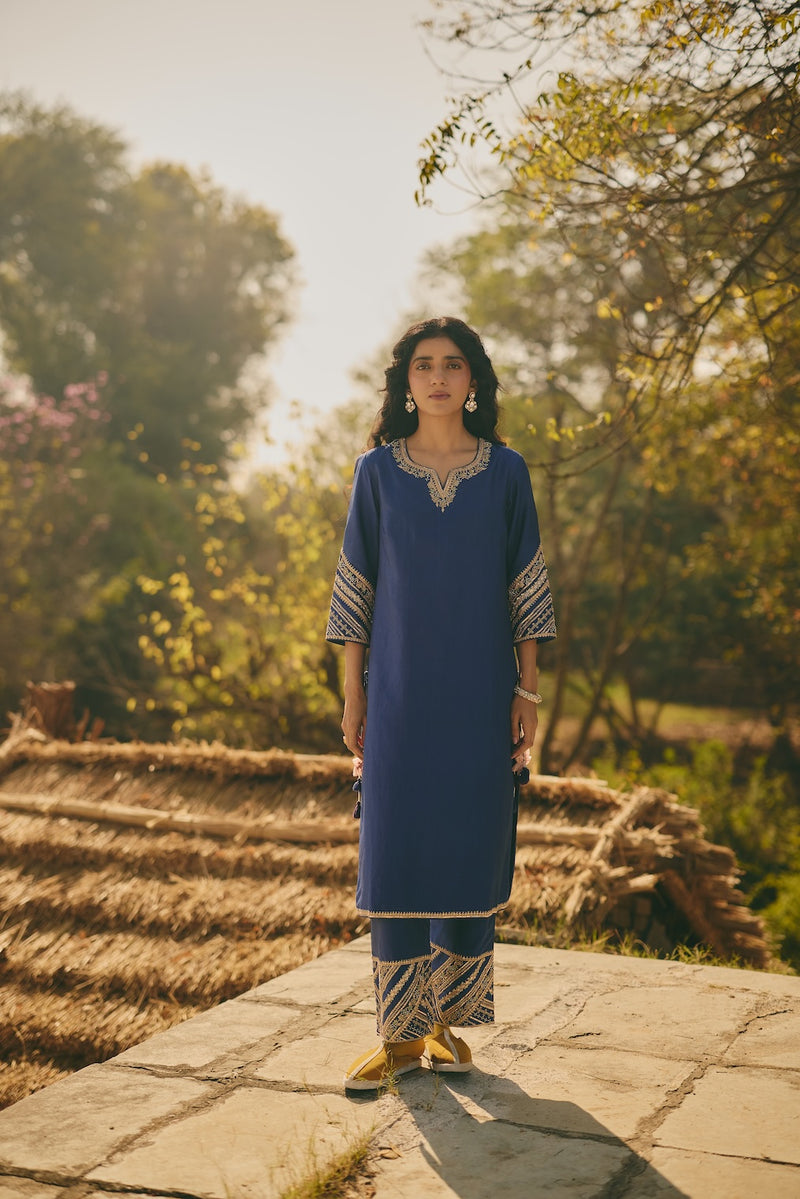
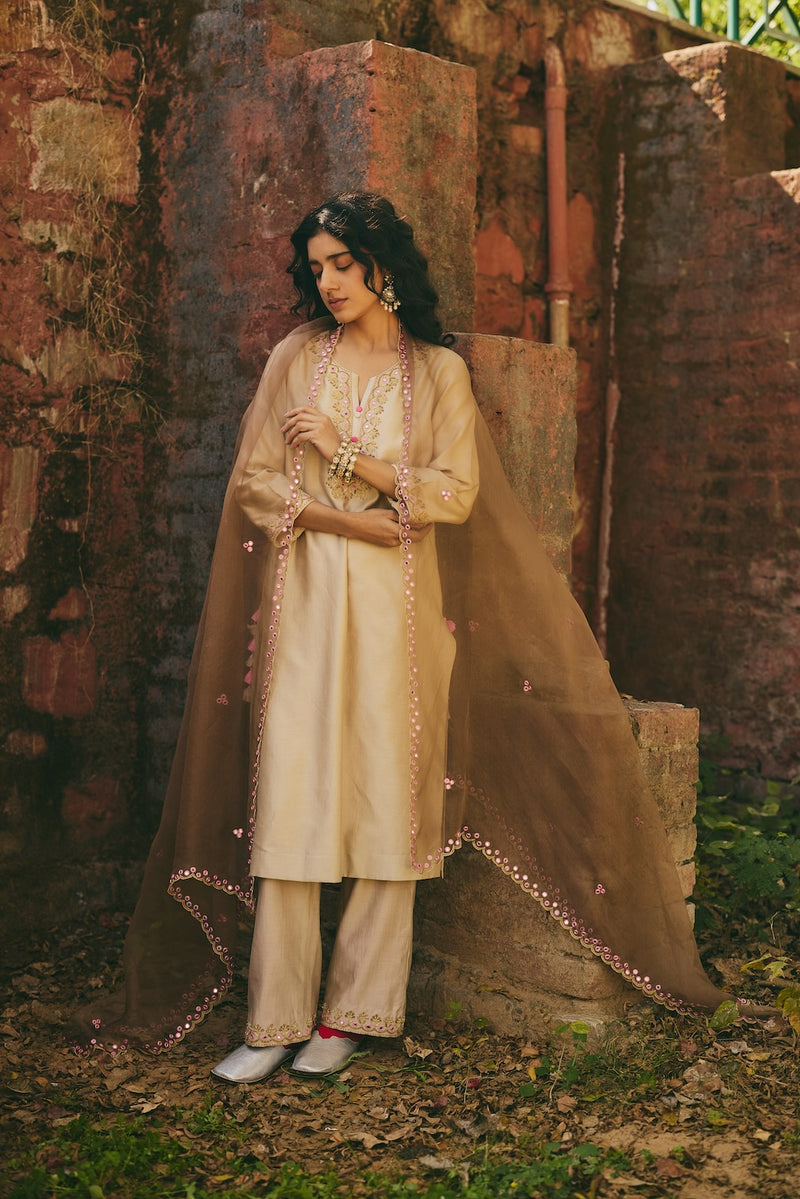
Pieces from this story
All pieces →
Keep reading
The journal →
Best Plus-Size Ethnic Wear Brands in India 2026: Where to Actually Find Your Size
Handmade by karigars Made to your measurements Fit guarantee Ships worldwide As seen in GraziaElle Graduat...
17 September 2026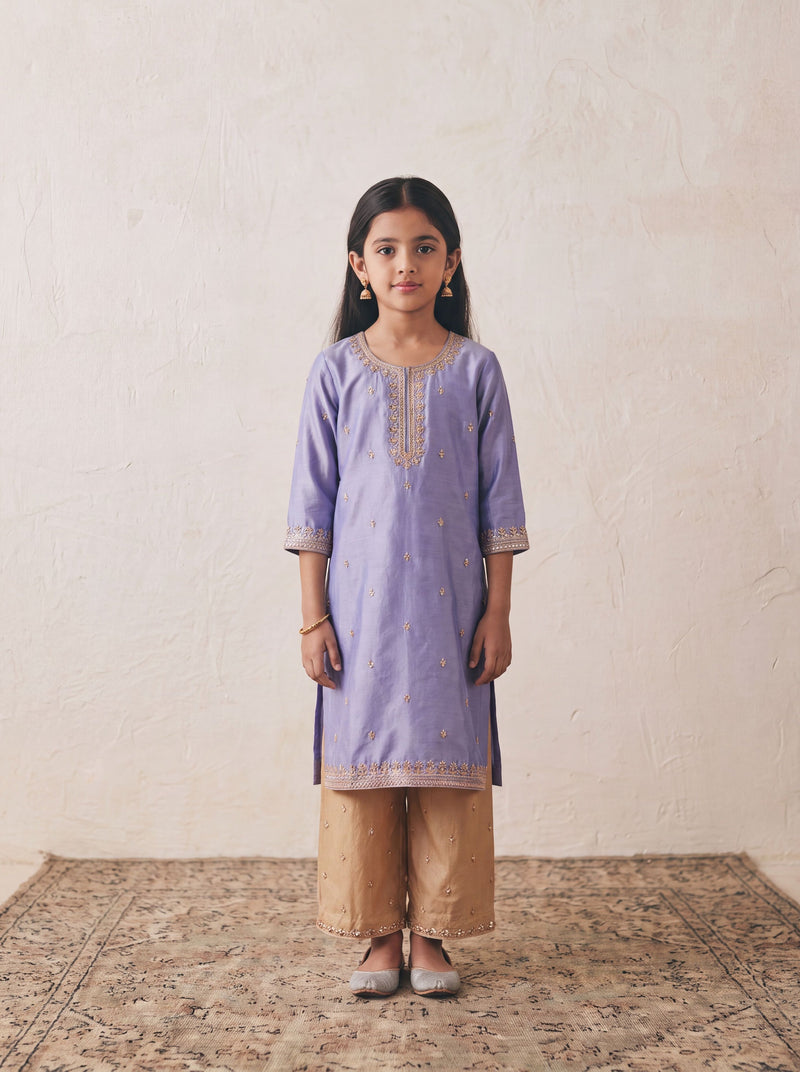
Kurta Sets for Girls: A Parent's Buying Guide to Kids' Kurta Sets
Handmade by karigars Made to your measurements Fit guarantee Ships worldwide As seen in GraziaElle Graduat...
17 September 2026
Gifts for Your Mother-in-Law: Indian Outfits That Don't Feel Like a Formality
Handmade by karigars Made to your measurements Fit guarantee Ships worldwide As seen in GraziaElle Graduat...
17 September 2026