
Attending Your First Indian Wedding? Everything You Need to Know
You've been invited to an Indian wedding, and you have questions. Lots of them. What do you wear? Is it really going to last four days? Can you actually eat with your hands? Will people mind if you're not Indian? This guide covers everything you need to know, from clothing to etiquette to surviving the schedule.
Yes, It's Probably Multiple Days
Indian weddings are marathons, not sprints. A typical celebration includes:
- Mehendi — Henna ceremony, usually afternoon, casual-festive
- Sangeet — Dance and music night, evening, glamorous
- Haldi — Turmeric ceremony, morning, yellow dress code
- Wedding — The main ceremony, formal traditional attire
- Reception — Evening party, black-tie vibes
You're not expected to attend everything unless you're close family or specifically invited to all events. Most guests attend the wedding ceremony and reception, and perhaps one other event.
What to Wear: The Short Version
Indian families genuinely appreciate when non-Indian guests wear traditional attire. It's not appropriation — it's celebration. You'll fit in better and feel more festive.
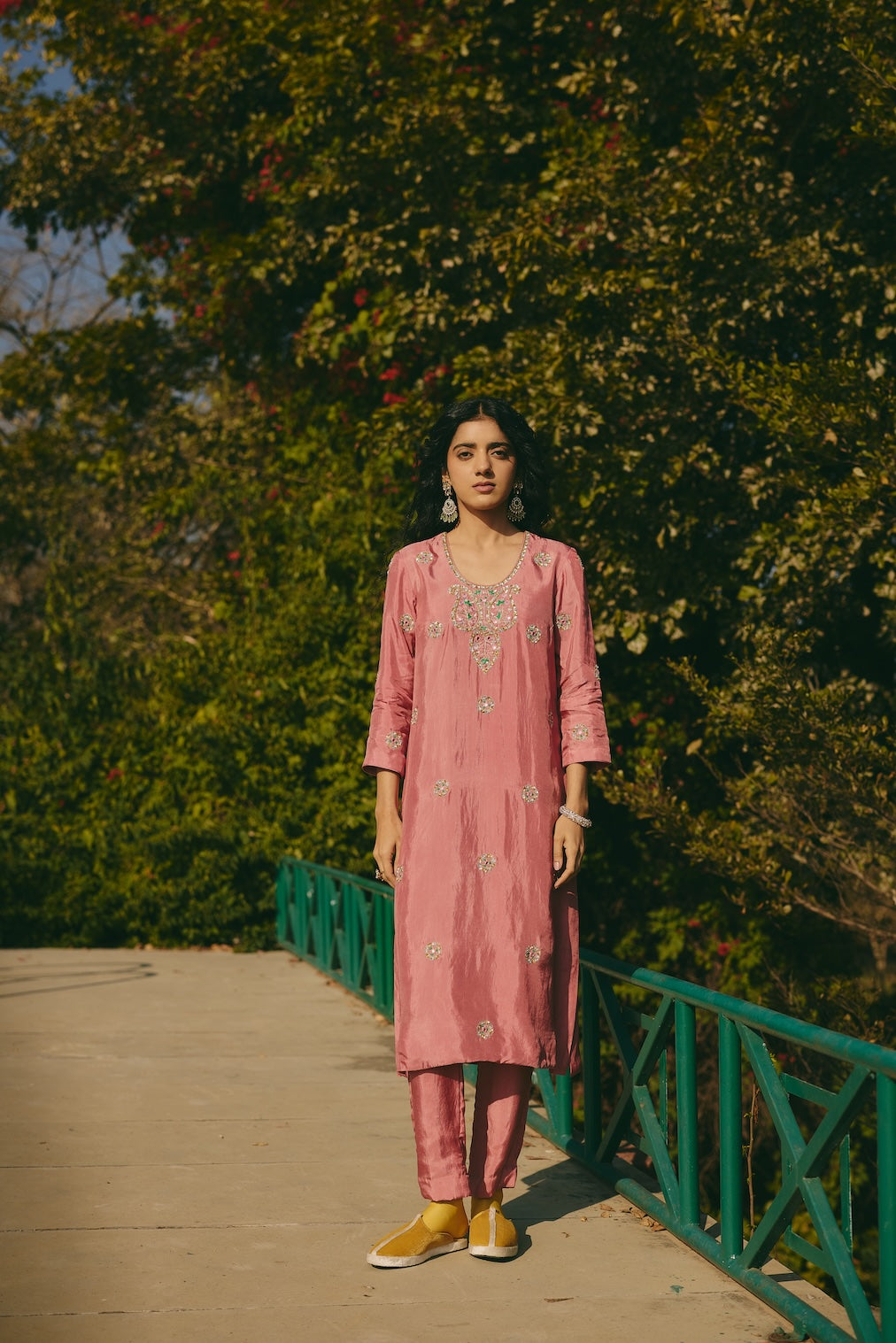
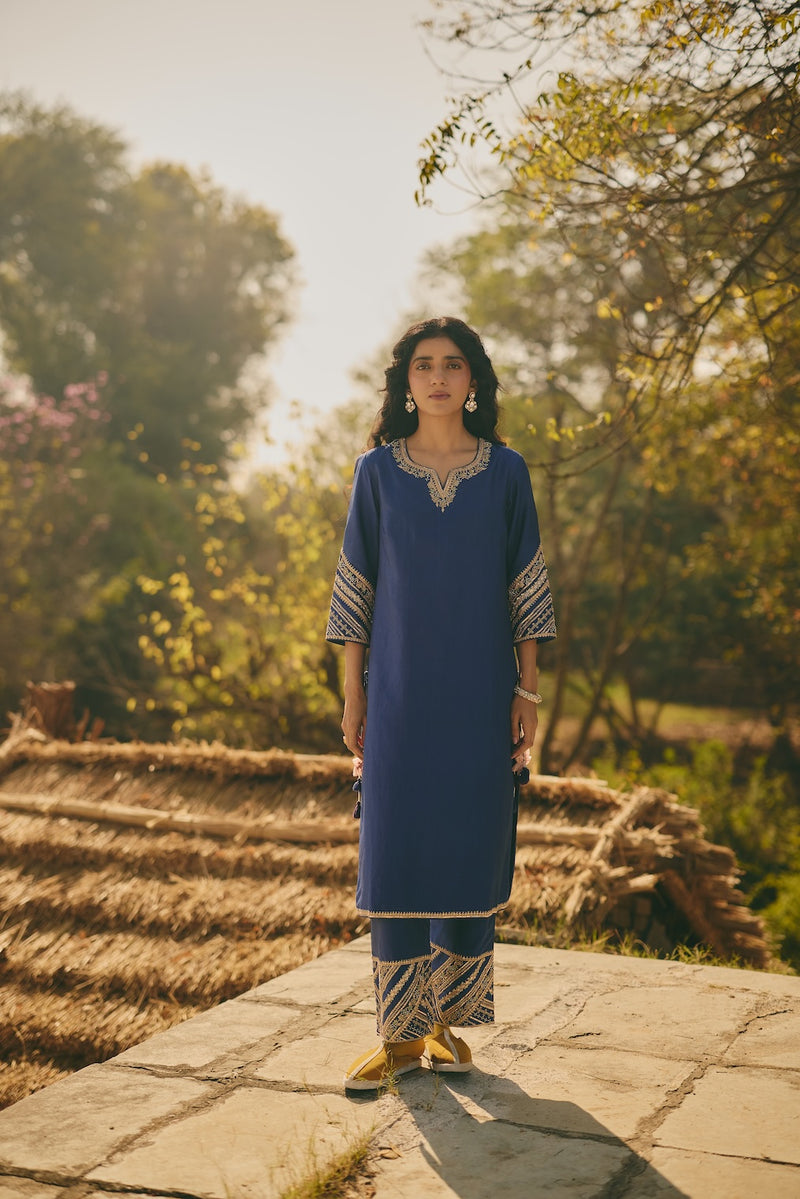
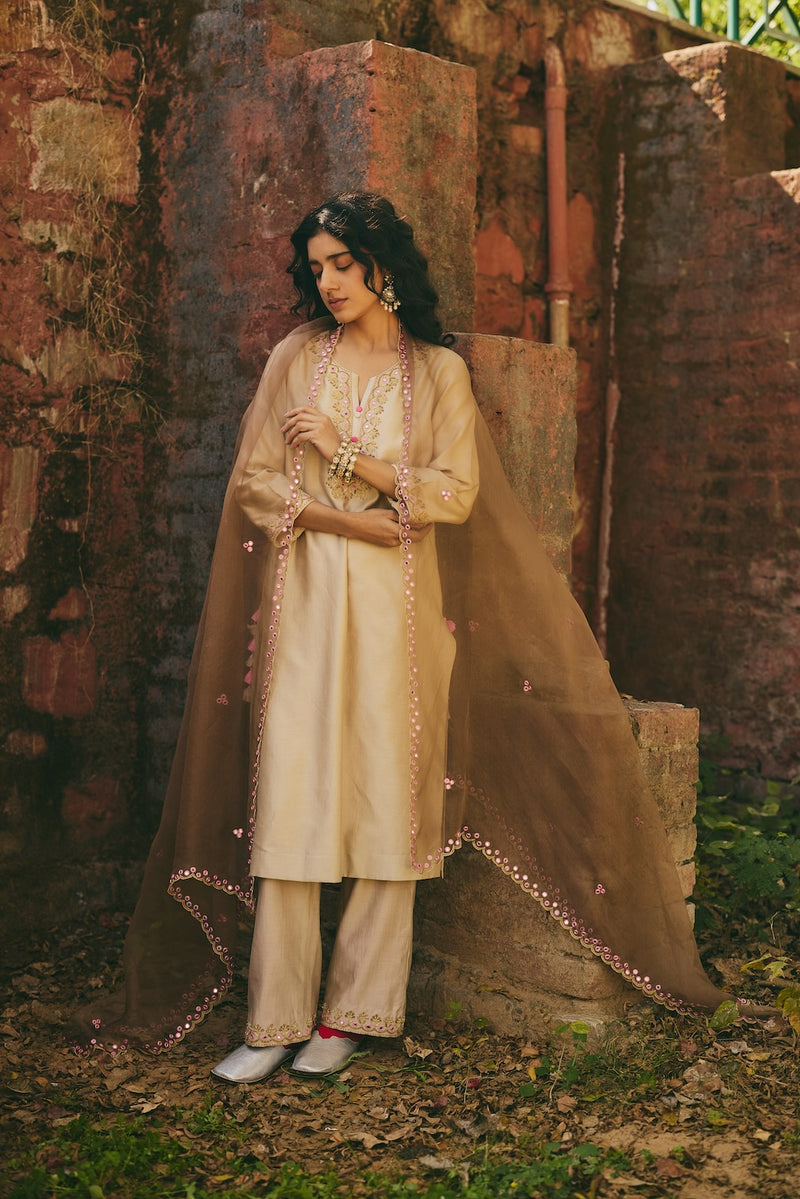
Your safest option: A beautiful kurta set. It's comfortable, forgiving of imperfect styling, and appropriate for almost any event.

The Saher & Naazli kurta set is ideal for first-timers: elegant, comfortable, and doesn't require any draping skills.
If you're more confident: A saree is stunning but requires draping practice (or professional help). A lehenga is more straightforward — it's essentially a fancy skirt, blouse, and scarf.


Colour Rules
Some colours carry meaning:
- Red — Traditionally the bride's colour in North Indian weddings. It's not strictly forbidden for guests, but many choose to avoid it out of respect.
- White — Associated with mourning in Indian culture. Generally best avoided.
- Black — Was considered inauspicious, but modern weddings (especially receptions) often welcome it. Ask the hosts if unsure.
- All other colours — Go wild. Bright colours are celebrated. Jewel tones, pastels, gold, pink, blue, green — all welcome.
Can I Really Wear Indian Clothes If I'm Not Indian?
Yes. Indian families almost universally love when guests embrace traditional attire. It shows respect for the culture and effort to participate in the celebration. You might even get compliments and photo requests.
What matters is wearing it respectfully (not as a "costume") and choosing quality pieces, not stereotypical tourist versions.


The Food Situation
Indian wedding food is legendary. Here's what to expect:
- Buffet-style is common — there will be many dishes, don't try to eat everything
- Vegetarian is standard — especially at Hindu ceremonies. There may or may not be meat options
- It's okay to use utensils — but many dishes are designed to be eaten with hands (specifically your right hand, using fingers to scoop with bread)
- Spice levels vary — not everything is spicy, but ask if you're sensitive
- Desserts are very sweet — Indian mithai (sweets) are sweeter than Western desserts
Gift Giving
Cash is the traditional and preferred gift at Indian weddings. It's given in envelopes (ideally odd amounts — ₹1001, ₹5001, etc., as odd numbers are considered auspicious). If you're abroad, check if the couple has a registry or preferred method.
Free Download
Get Our Measurement Guide
Step-by-step instructions with photos for perfect custom fit.
Download Free GuidePhysical gifts are less common but appreciated. Avoid leather and alcohol unless you know the family well.
The Schedule Will Be... Flexible
Indian weddings don't start on time. A wedding scheduled for 7 PM might have the actual ceremony at 9 or 10 PM. This isn't disorganisation — it's just how things work.
- Don't arrive right at the listed time unless you want to wait
- The baraat (groom's procession) often causes delays
- Ceremonies can be long — the pheras (wedding circles) take time
- Reception timing is usually more reliable than ceremony timing
Religious Ceremony Etiquette
If attending a religious ceremony (Hindu, Sikh, Muslim, etc.):
- Remove shoes when asked (often before entering ceremony areas)
- Head covering may be required in Sikh gurdwaras and some other spaces — dupattas work for this
- Sit where directed — there may be separate areas for bride's and groom's families
- Standing/sitting — follow what others do. You don't need to know the prayers.
- Photos — ask before photographing during religious moments
Making Conversation
You'll be surrounded by people you don't know. Useful conversation topics:
- How you know the couple
- Complimenting someone's outfit (always welcome)
- Asking about the ceremony details (people love explaining their traditions)
- The food (always a safe topic)
Practical Survival Tips
- Wear comfortable shoes — you'll be standing a lot, and you might need to remove them anyway
- Bring a small bag — for phone, wallet, snacks if you get hungry waiting
- Hydrate — weddings are long and venues can be warm
- Eat something before — dinner might be served very late
- Prepare for photos — everyone takes photos at Indian weddings
- Don't stress — everyone wants you to enjoy yourself. Mistakes are easily forgiven.
The Bottom Line
Indian weddings are joyful, colourful, overwhelming celebrations. They're designed to welcome everyone — including guests experiencing their first one. Wear something beautiful, show up with an open heart, and prepare to eat more than you planned.
And yes, it will probably be one of the best parties you've ever attended.
Explore: Wedding Guest Collection | Kurta Sets | Sarees
Ready to Order Custom?
WhatsApp us at +91 70423 11214 with what you're looking for. We'll guide you through measurements, customizations, and timeline.
Most pieces ready in 4-5 weeks. Bridal in 6-8 weeks.
Made to order in 4–5 weeks
Have an event date? We’ll tell you exactly when to order by.
We take a limited number of orders each month — secure your slot early.
Not sure where to start?
Tell us what you're dressing for and we'll help you choose — fabric, fit, colour, and timeline — over WhatsApp.
Your Cart
Pieces from this story
All pieces →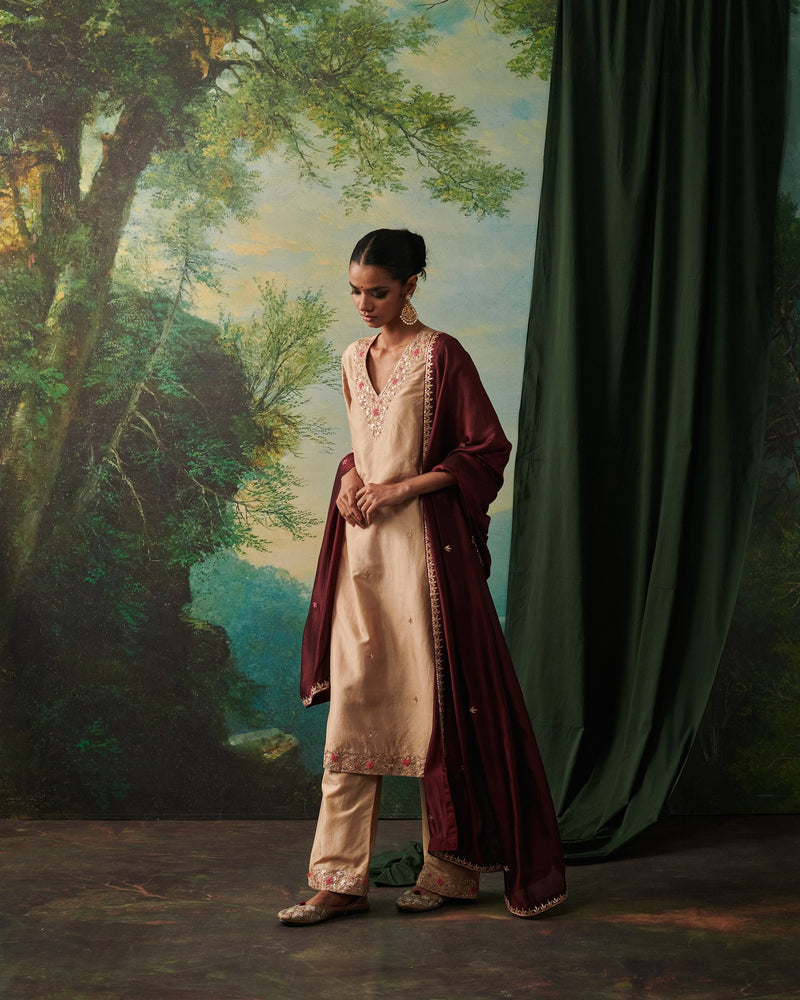

Keep reading
The journal →
Best Banarasi Saree Brands in India 2026: Where to Buy an Authentic Banarasi
Handmade by karigars Made to your measurements Fit guarantee Ships worldwide As seen in GraziaElle Graduat...
14 September 2026
Gifts for Your Wife She'll Actually Wear: Indian Outfits for Karva Chauth, Diwali & Anniversaries
Handmade by karigars Made to your measurements Fit guarantee Ships worldwide As seen in GraziaElle Graduat...
14 September 2026
Designer Lehenga for Girls: A Parent's Buying Guide to Kids' Lehengas
Handmade by karigars Made to your measurements Fit guarantee Ships worldwide As seen in GraziaElle Graduat...
14 September 2026