
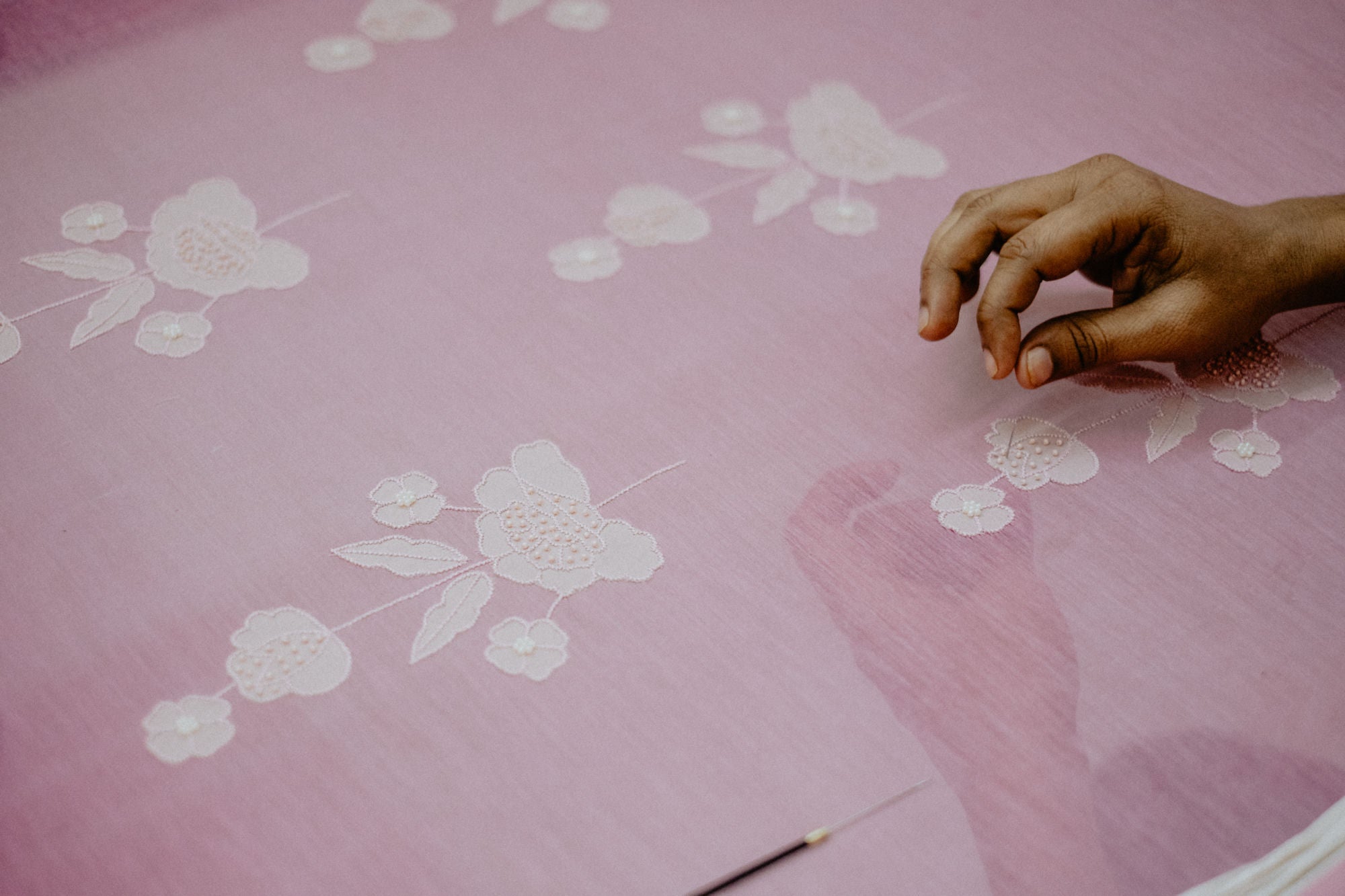
Complete Footwear Guide for Indian Outfits: Juttis, Heels & More
The right footwear can elevate your Indian outfit from beautiful to breathtaking—or ruin it entirely. Yet it's often the last thing we think about when planning our look. This guide covers everything from traditional juttis to modern heels, helping you choose footwear that complements your outfit and survives a 5-hour wedding function.
Traditional Footwear Options
Juttis (Mojaris)
The quintessential Indian footwear. Juttis are handcrafted leather shoes with intricate embroidery, originally from Punjab and Rajasthan. They work beautifully with almost every Indian outfit.
Best paired with:
- Lehengas (especially for mehendi and sangeet)
- Palazzo suits and sharara sets
- Anarkalis and floor-length kurtas
- Patiala suits
Styling tip: Match your jutti embroidery to your outfit's work. Gota patti outfit? Gota juttis. Zardozi lehenga? Zardozi-embellished mojaris. This creates a cohesive look without being too matchy.
Kolhapuris
These flat leather sandals from Maharashtra have become a fashion staple. Their minimal design makes them versatile across traditional and indo-western looks.
Best paired with:
- Cotton and linen sarees
- Casual kurta sets
- Indo-western outfits
- Mehendi and haldi ceremonies (easier to slip on/off)
Payal-Friendly Flats
If you're wearing anklets (payals), you need footwear that shows them off. Look for:
- Low-cut flats that sit below the ankle
- Strappy sandals with minimal ankle coverage
- Slide-on styles rather than enclosed shoes
Heels for Indian Wear
Block Heels
The most practical choice for Indian functions. Block heels offer height without the wobble—crucial when you're walking on lawns, marble floors, or uneven mandap surfaces.
Best paired with:
- Heavy lehengas (the width balances the volume)
- Floor-length anarkalis
- Sarees with heavy borders
Height guide: 2-3 inches is ideal for most Indian outfits. Higher heels can throw off your drape and make walking in heavy outfits difficult.
Stilettos
Best reserved for indoor events with smooth floors—receptions, cocktail parties, or engagement ceremonies at hotels.
Best paired with:
- Lightweight sarees (georgette, chiffon)
- Cocktail lehengas
- Indo-western gowns
- Contemporary drape sarees
Warning: Avoid stilettos for outdoor functions, grass lawns, or ceremonies where you'll be standing for hours.
Wedges
The secret weapon for outdoor weddings. Wedges give you height while distributing weight evenly—perfect for garden venues and beach weddings.
Best paired with:
- Destination wedding outfits
- Beach wedding lehengas
- Mehendi and haldi ceremonies
- Daytime functions
Matching Footwear to Your Outfit
For Lehengas
Heavy bridal lehengas: Block heels or platform heels in gold, silver, or matching colour. The structure supports the weight of the outfit.
Lightweight lehengas: Embroidered juttis for traditional looks, stilettos for contemporary styles.
Mehendi lehengas: Comfortable flats or low wedges—you'll be sitting cross-legged for hours.
For Sarees
Silk sarees: Classic heels in neutral tones (gold, nude, black). The elegant drape calls for refined footwear.
Georgette/Chiffon sarees: Stilettos work well as the lightweight fabric flows beautifully with added height.
Cotton sarees: Kolhapuris or embroidered flats for a grounded, earthy look.
For Suits
Anarkalis: Heels are almost essential—the length needs elevation to avoid dragging.
Palazzo suits: Flats or low heels work as palazzos have their own volume.
Sharara/Gharara: Juttis are traditional and practical; heels if you want extra height.
Colour Coordination
Safe choices that work with everything:
- Gold—pairs with reds, pinks, greens, blues, maroons
- Silver—pairs with blues, purples, greys, pastels
- Nude/Beige—works with any colour, creates elongated look
- Rose gold—perfect for blush pinks, peaches, corals
Matching vs. Contrasting:
You don't need exact colour matches. Often, picking up an accent colour from your embroidery creates a more sophisticated look than matching the base colour.
Comfort Tips for Long Functions
1. Break them in: Wear new footwear around the house for a few days before the event.
2. Bring backup: Pack a pair of comfortable flats in your bag for when heels become unbearable.
3. Use gel insoles: They make a massive difference for standing through 4-hour ceremonies.
4. Consider the venue: Grass lawns sink heels. Marble floors are slippery. Temple floors require removal. Plan accordingly.
5. Height matters: If your lehenga was stitched to a specific heel height, you must wear that height—or risk tripping on your hem all night.
Shopping Guide
For juttis: Needledust, Fizzy Goblet, and local Jaipur/Amritsar markets offer excellent handcrafted options.
For Indian-occasion heels: Look for embellished options at Mochi, Metro, or online stores like Zapatos.
Budget tip: Invest in one good pair of gold block heels and one pair of embroidered juttis. These two can carry you through most Indian occasions.
Complete Your Look
Now that you know your footwear, explore our handcrafted collection of lehengas, sarees, and suits—each piece made to your measurements in Jaipur.
Browse CollectionFrequently Asked Questions
Can I wear sneakers with Indian outfits?
Yes, for casual occasions. White sneakers with shorter kurtas or indo-western looks can be very stylish. However, for weddings and formal events, stick to traditional or formal footwear.
What heel height is best for lehengas?
2-3 inches is ideal for most lehengas. Remember to have your lehenga stitched keeping your heel height in mind, or you'll spend the night holding up your skirt.
Are juttis comfortable for all-day wear?
Quality juttis with proper cushioning can be very comfortable. However, they do need breaking in. Wear them at home for a few days before your event, and consider adding gel insoles for extra comfort.
Made to order in 4–5 weeks
Have an event date? We’ll tell you exactly when to order by.
We take a limited number of orders each month — secure your slot early.
Not sure where to start?
Tell us what you're dressing for and we'll help you choose — fabric, fit, colour, and timeline — over WhatsApp.
Your Cart
Pieces from this story
All pieces →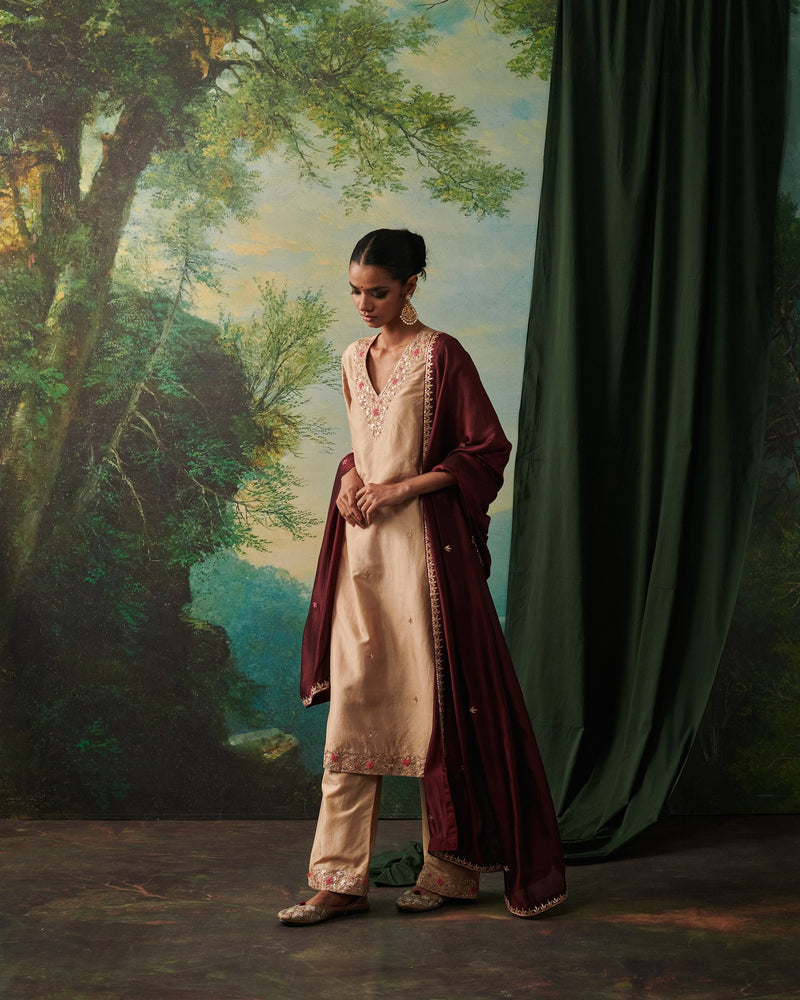
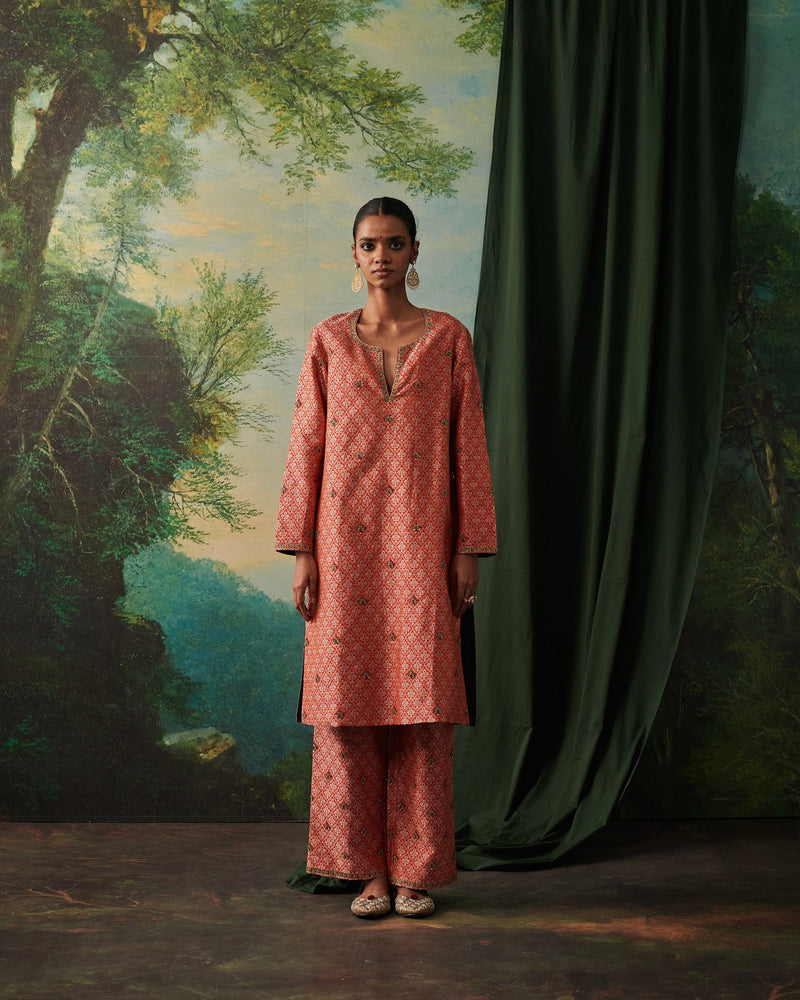
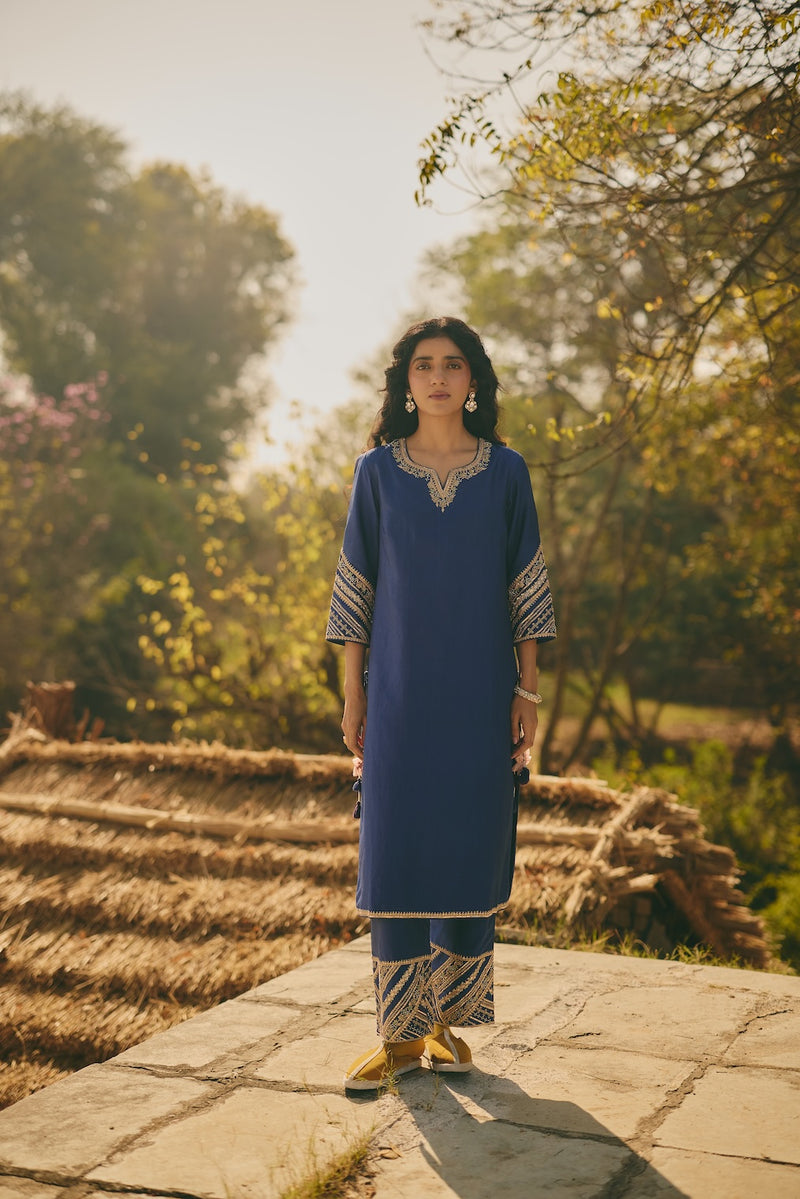
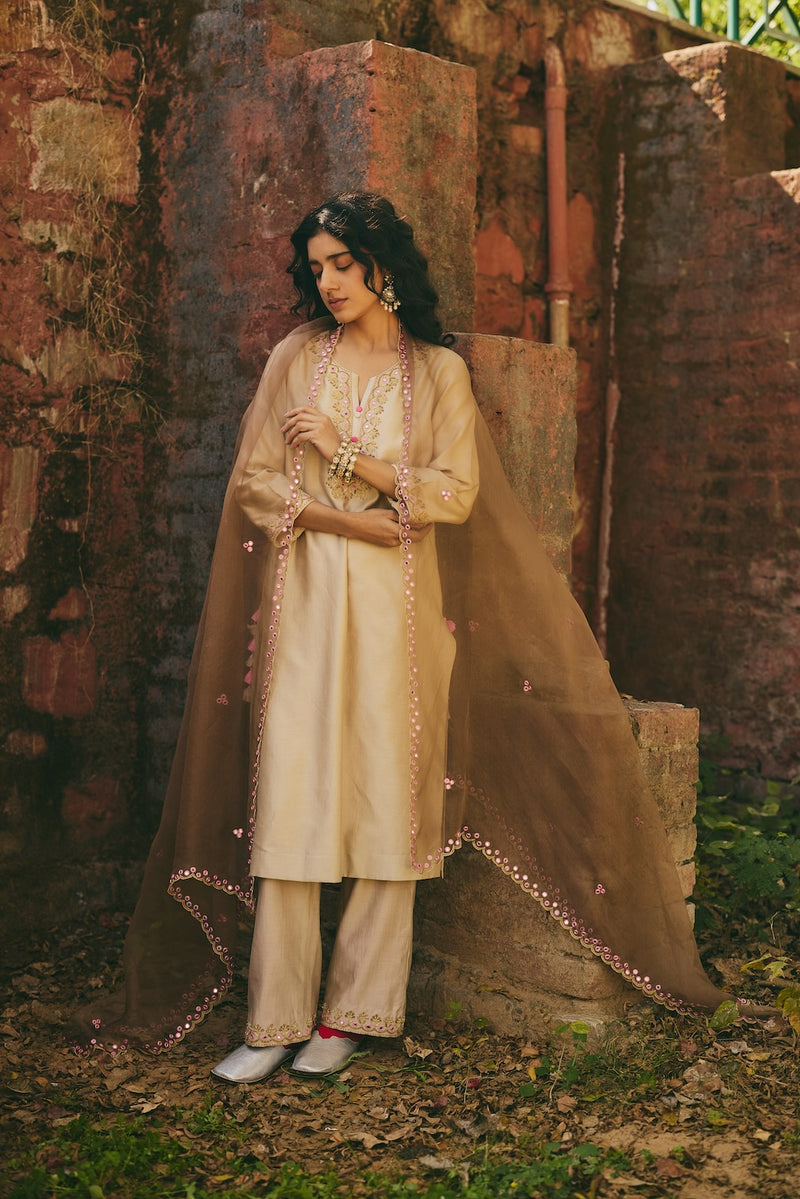
Keep reading
The journal →
Caring for Kids' Hand-Embroidered Clothes (and Handing Them Down)
Handmade by karigars Made to your measurements Fit guarantee Ships worldwide As seen in GraziaElle Graduat...
31 July 2026
Twinning Kids: Coordinating Outfits for Siblings & Cousins
Handmade by karigars Made to your measurements Fit guarantee Ships worldwide As seen in GraziaElle Graduat...
31 July 2026
Kids' First Birthday Outfit Ideas: Ethnic Looks for the Big Day
Handmade by karigars Made to your measurements Fit guarantee Ships worldwide As seen in GraziaElle Graduat...
31 July 2026