
How to Choose the Right Lehenga: A Complete Buying Guide for 2026
A lehenga is one of the biggest fashion purchases most women make. Whether it's for your own wedding, a sibling's sangeet, or a festive celebration — the pressure to get it right is real. Fabric, embroidery, colour, silhouette, fit — there's a lot to consider. This guide walks you through every decision so you can buy with confidence.
Start with the Occasion
The occasion dictates everything — how heavy the lehenga should be, how much embroidery it needs, and what colours are appropriate.
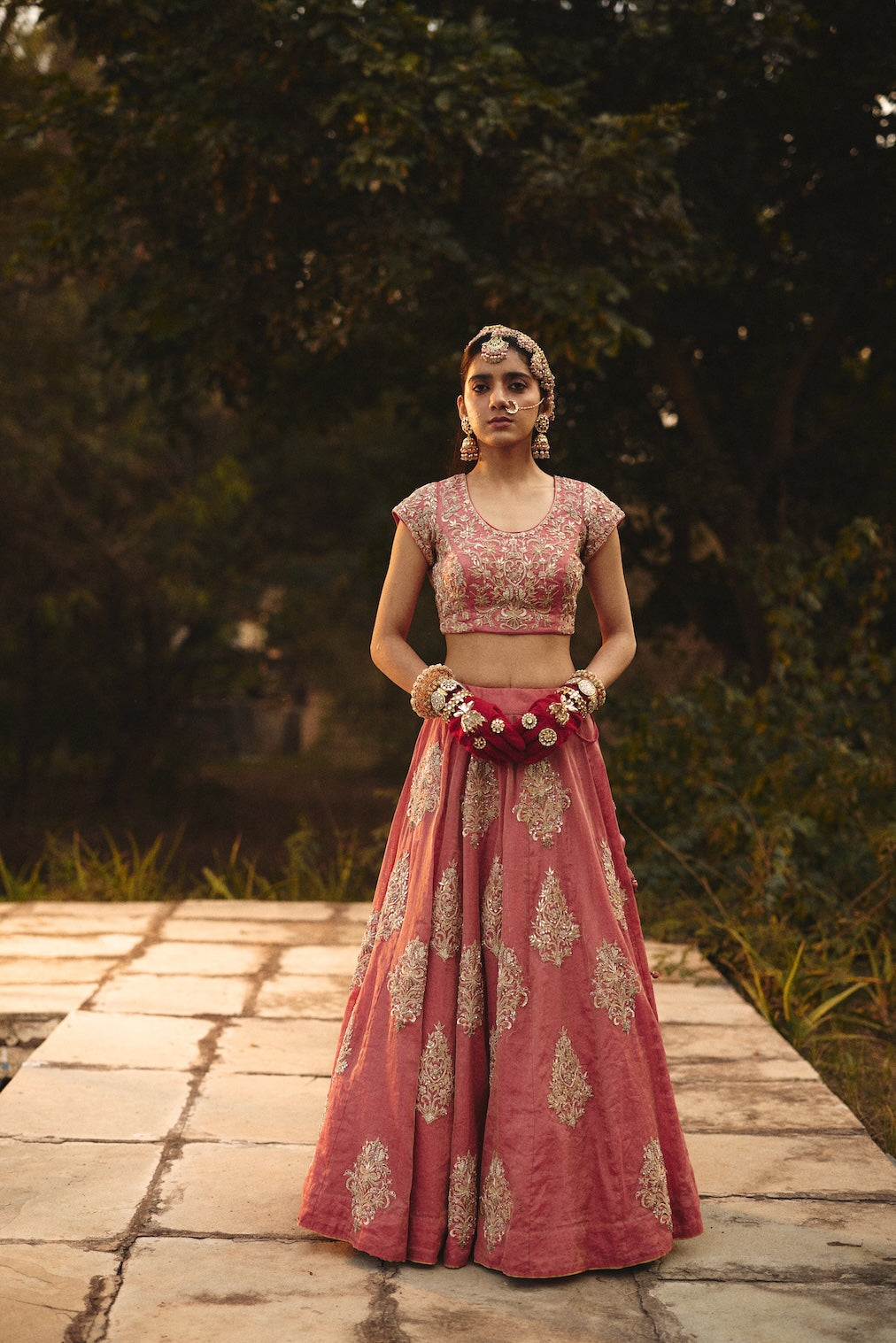
Bridal (your own wedding): This is where you go all out. Heavy silk, tissue, or brocade with dense hand-embroidery. Rich colours — red, maroon, gold, or deep pink. This is an heirloom piece. Budget accordingly.
Sister of the bride / close family: Nearly as dressed up as the bride, but not competing. Think embroidered silk, tissue, or jacquard. Jewel tones or pastels that complement but don't match the bride.
Sangeet or reception: More room for fun — bolder colours, contemporary silhouettes, lighter embroidery. You're dancing and socialising, so comfort matters.
Wedding guest: Elegant but not overdressed. Lighter fabrics with moderate embroidery. Let the bride and her family be the most dressed-up people in the room.
Understanding Lehenga Fabrics
Silk Brocade: The Traditional Choice
Silk brocade — especially Banarasi and Varanasi brocade — is the most traditional lehenga fabric. The motifs are woven directly into the silk using gold and silver zari threads, creating patterns that have depth and shimmer without any additional embroidery.

The Rehmat & Vasl in Varanasi silk brocade is the definition of bridal grandeur. Floral motifs drawn from Rajputana and Mughal architecture are woven in gold — the kind of lehenga that photographs like a dream and becomes a family heirloom.
Silk: The Versatile Foundation
Pure silk has a natural lustre and weight that makes it ideal for lehengas. It holds embroidery beautifully, drapes with structure, and comes in every colour imaginable. Most designer lehengas use silk as their base.


The Mehergul & Abroo in striking rani pink silk embodies timeless elegance with a contemporary sensibility — approachable yet celebratory. The Driti & Hesyra in radiant yellow silk evokes warmth and festive luminosity — yellow is increasingly popular for haldi and mehendi functions.
Tissue: The Showstopper
Tissue fabric has a metallic shimmer that catches light from every angle. It creates the most dramatic silhouette in photographs and is a favourite for brides who want their lehenga to truly glow.


The Nyassa & Elina in luminous tissue in a romantic rose hue is Ruhaniyat's bridal centrepiece — regal charm and festive elegance in every fold. The Bano & Dilruba in pistachio-toned silk tissue offers understated grace — perfect for a reception or intimate wedding.
Tissue Jacquard: Pattern Meets Shimmer

The Ishq-e-Gul & Inara is crafted in soft tissue jacquard — a fabric that combines the shimmer of tissue with the woven patterns of jacquard. The lehenga features hand-embroidered gota and bead work that adds depth to the already rich base.
Woven Booti Silk: Heritage Texture

The Raanisa & Mahira in vibrant sindoori orange uses woven booti silk — a fabric where small motifs are woven throughout, creating an all-over textured base. Finished with gota, marodi, bead, and thread work along the hemline, it has the depth of a heavily embroidered lehenga with the lightness of a woven one.
Choosing the Right Colour
Red / Vermillion: The classic bridal colour. Universally auspicious and flattering. If you're unsure, red is always safe for the main ceremony.
Pink / Rani / Fuchsia: The most popular choice after red. More contemporary, works across skin tones, and photographs beautifully. Great for sangeet and reception.
Yellow / Mustard: Rising fast as a favourite for mehendi, haldi, and modern brides who want something different. Cheerful and photogenic.
Green / Pistachio: A beautiful choice for Muslim weddings (nikah) and increasingly popular across all ceremonies. Feels fresh and unexpected.
Gold / Champagne: Regal without being loud. Works for receptions, cocktails, and brides who want understated luxury.
Orange / Sindoori: Traditional in many regions, bold, and striking. Photographs dramatically, especially in outdoor and golden hour settings.
What to Look for in Embroidery
The embroidery is what separates a good lehenga from a great one. Here's what to look for:
Free Download
Get Our Measurement Guide
Step-by-step instructions with photos for perfect custom fit.
Download Free GuideHand vs machine: Hand-embroidery has slight irregularities that give it depth and character. Machine embroidery is uniform and flat. For a significant occasion, always choose hand-embroidered.
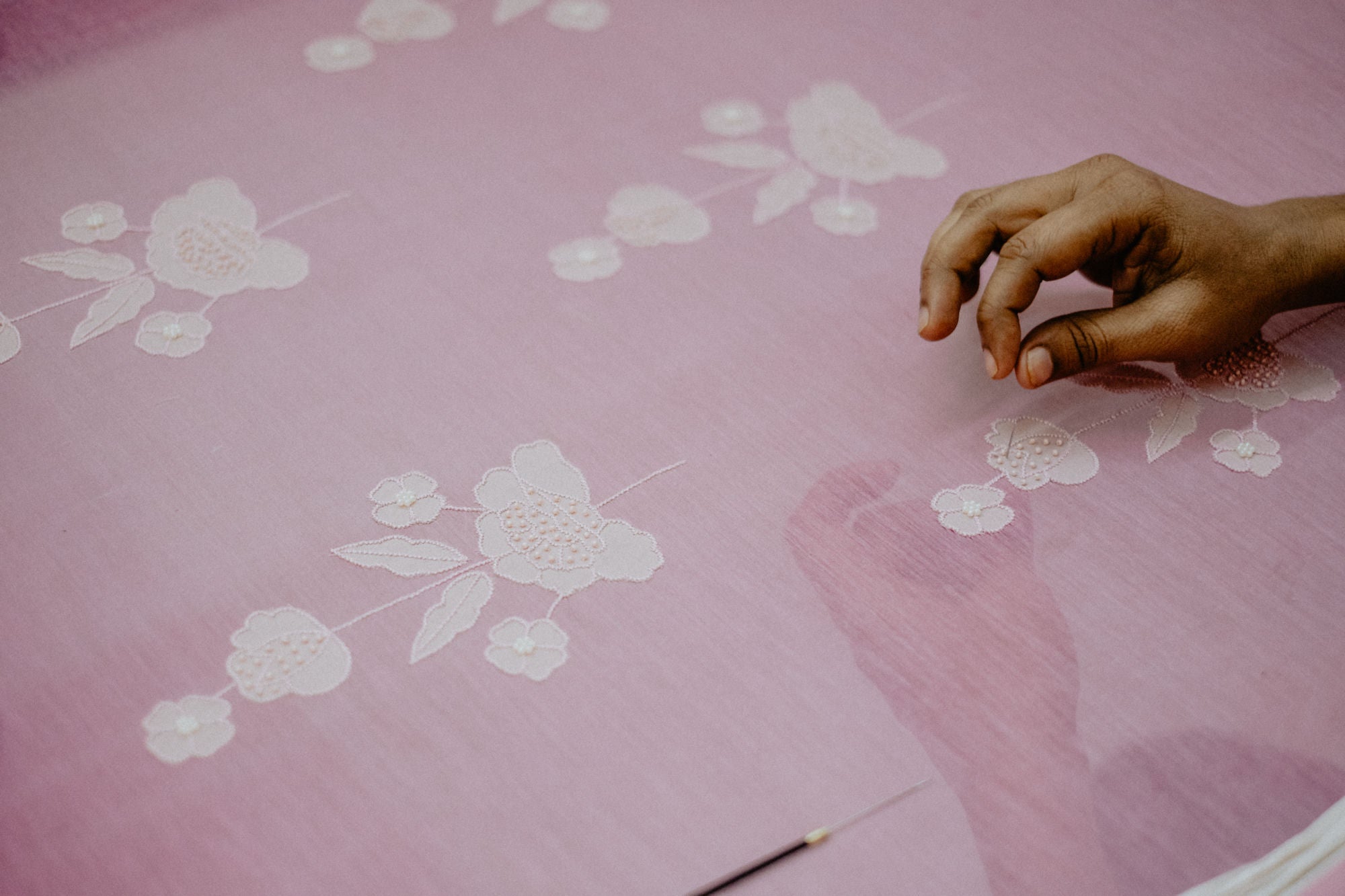
Technique matters: Zardozi (metallic gold/silver thread), gota (gold ribbon appliqué), marodi (hook-and-chain), and sequin/cutdana work each create different textures. The best lehengas combine multiple techniques.
Placement: Look at where the embroidery falls. Dense work along the hemline draws the eye down and creates a grounding effect. Scattered bootis across the skirt add overall sparkle. Border-heavy designs frame the silhouette.
Fit and Silhouette
A-line / flared: The most universally flattering. Creates a clean silhouette that flows from the waist. Works for all body types.
Panelled / kali: Multiple panels (kalis) create structured volume. More dramatic and traditional. Best for taller frames or when you want maximum impact.
Circular / full flare: The most dramatic silhouette. Creates beautiful movement when you walk or twirl. Heavier and requires more fabric.
Mermaid / fishtail: Fitted through the hips, flaring at the knee. Very contemporary and flattering for hourglass figures.
Made to Order: Why It Matters
A made-to-order lehenga is crafted specifically for your measurements, your colour preference, and your occasion. Unlike ready-made, everything about it is intentional — the length, the waist fit, the embroidery placement. It takes 4-5 weeks of production time, but the result is a garment that fits like it was made for you — because it was.
Frequently Asked Questions
How heavy should a bridal lehenga be?
A bridal lehenga should feel substantial but not exhausting. Heavy brocade and dense embroidery add weight, but quality construction distributes it well. You should be able to walk, sit, and move comfortably. If it feels like armour, it's too heavy.
Can I wear a lehenga if I'm petite?
Absolutely. Choose a simpler, less voluminous silhouette — A-line works best. Avoid extremely heavy fabrics that overwhelm a smaller frame. A fitted blouse with a moderate flare creates proportion.
Should the blouse match the lehenga exactly?
Not necessarily. Contrasting blouses — a different colour, a different embroidery density, or a different fabric — can look more intentional and contemporary than a perfectly matched set. Many of our lehengas come with coordinated blouses that complement rather than match.
Explore: lehengas · sarees · co-ord sets · dupattas · shop all
Ready to Order Custom?
WhatsApp us at +91 70423 11214 with what you're looking for. We'll guide you through measurements, customizations, and timeline.
Most pieces ready in 4-5 weeks. Bridal in 6-8 weeks.
Made to order in 4–5 weeks
Have an event date? We’ll tell you exactly when to order by.
We take a limited number of orders each month — secure your slot early.
Not sure where to start?
Tell us what you're dressing for and we'll help you choose — fabric, fit, colour, and timeline — over WhatsApp.
Your Cart
Pieces from this story
All pieces →
Keep reading
The journal →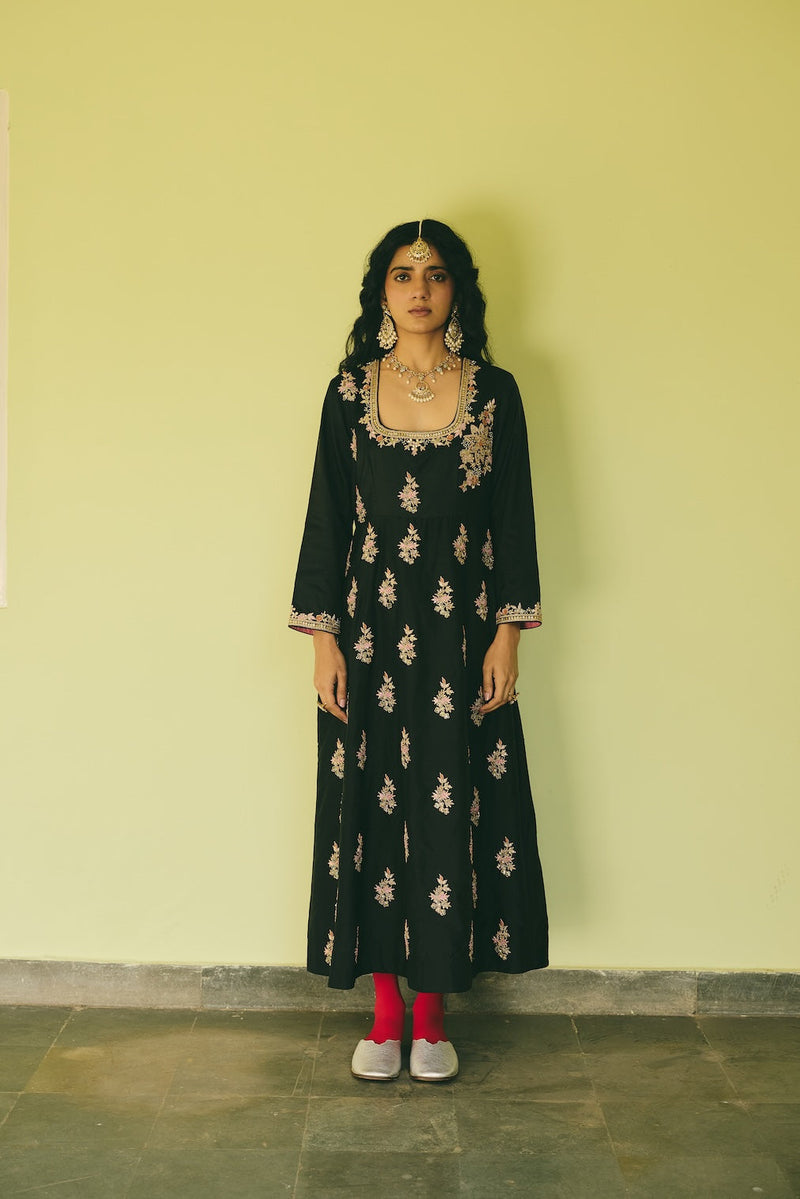
Best Plus-Size Ethnic Wear Brands in India 2026: Where to Actually Find Your Size
Handmade by karigars Made to your measurements Fit guarantee Ships worldwide As seen in GraziaElle Graduat...
17 September 2026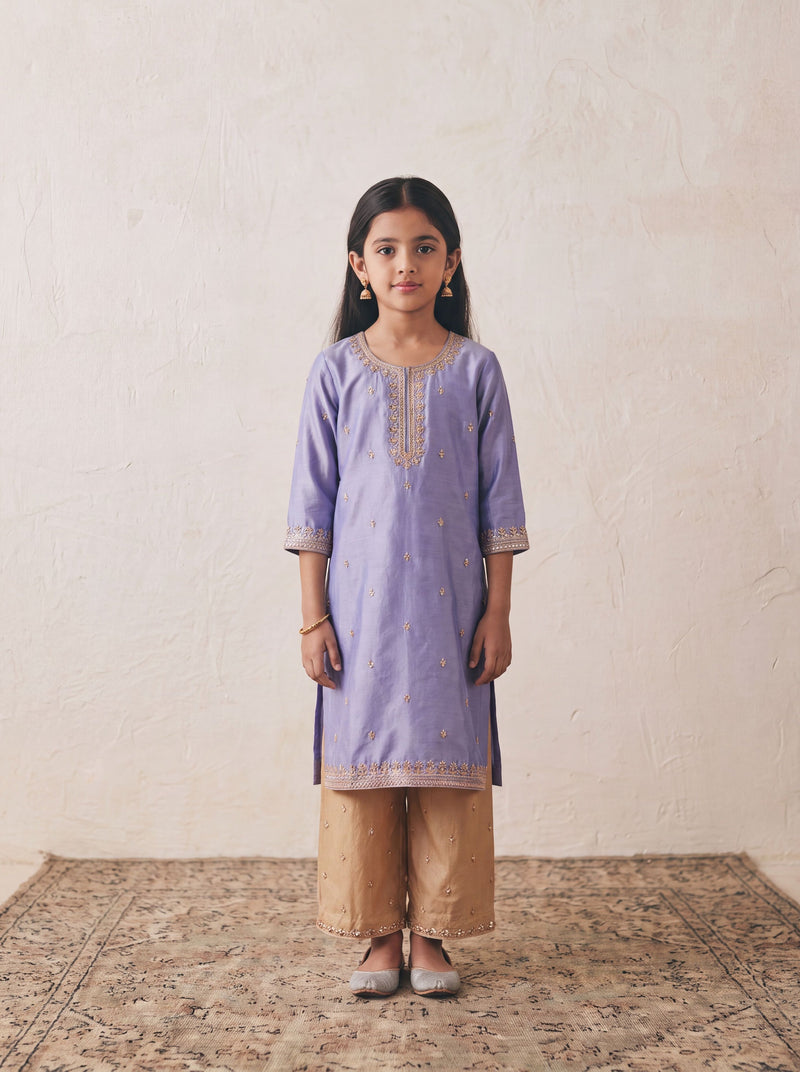
Kurta Sets for Girls: A Parent's Buying Guide to Kids' Kurta Sets
Handmade by karigars Made to your measurements Fit guarantee Ships worldwide As seen in GraziaElle Graduat...
17 September 2026
Gifts for Your Mother-in-Law: Indian Outfits That Don't Feel Like a Formality
Handmade by karigars Made to your measurements Fit guarantee Ships worldwide As seen in GraziaElle Graduat...
17 September 2026