
How to Choose the Right Saree: A Complete Buying Guide for 2026
Buying a saree should be one of the most enjoyable experiences in Indian fashion. But with hundreds of fabrics, weaves, and embroidery styles to choose from, it can feel overwhelming — especially if you're buying your first designer saree or shopping for a specific occasion. This guide breaks it down: fabric by fabric, occasion by occasion, so you know exactly what to look for.
Start with the Occasion
The occasion determines everything — fabric weight, embroidery level, colour palette, and drape. Here's how to think about it:
Wedding (as bride or close family): Heavy silk, tissue, or organza with rich hand-embroidery. Think Banarasi, silk jacquard, or embroidered organza. Budget: invest generously — this is heirloom territory.
Wedding guest: Medium-weight sarees — chiffon, georgette, or lighter silk with moderate embroidery. You want to look elegant without outshining the bride.
Festive occasion (Diwali, Eid, puja): Silk, tissue, or Chanderi. Can be simple or embroidered depending on the event's formality.
Cocktail or reception: This is where you can be bold — jewel tones, contemporary draping, statement blouses.
Casual or daytime: Cotton, linen, or light Chanderi. Simple borders, minimal embellishment.
Chiffon Sarees: The Most Versatile Choice
If you could only own one type of saree, make it chiffon. It drapes beautifully, works across seasons, feels weightless on the body, and takes embroidery like no other fabric. Chiffon sarees are forgiving on draping — even beginners find them easy to manage.


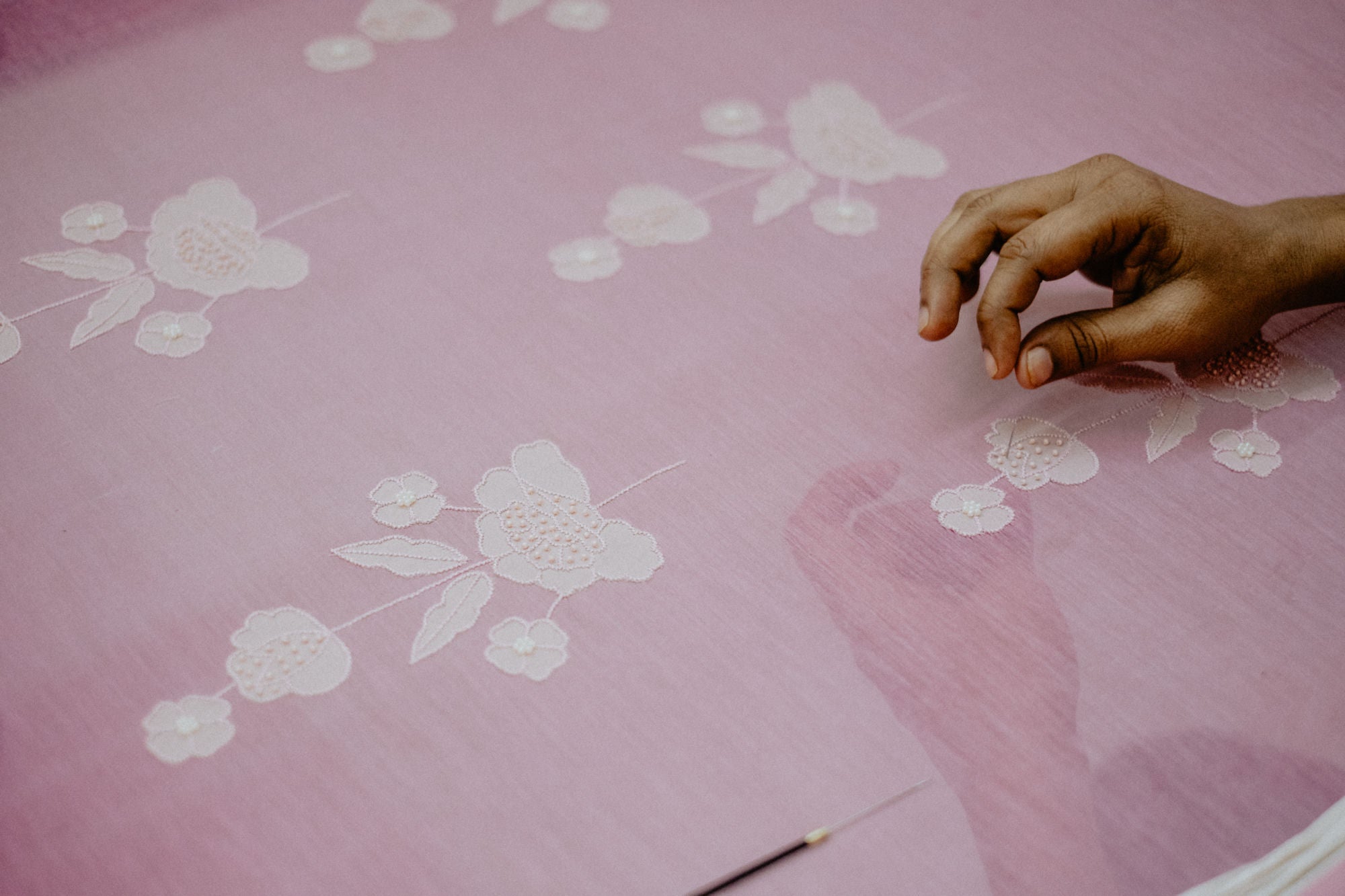
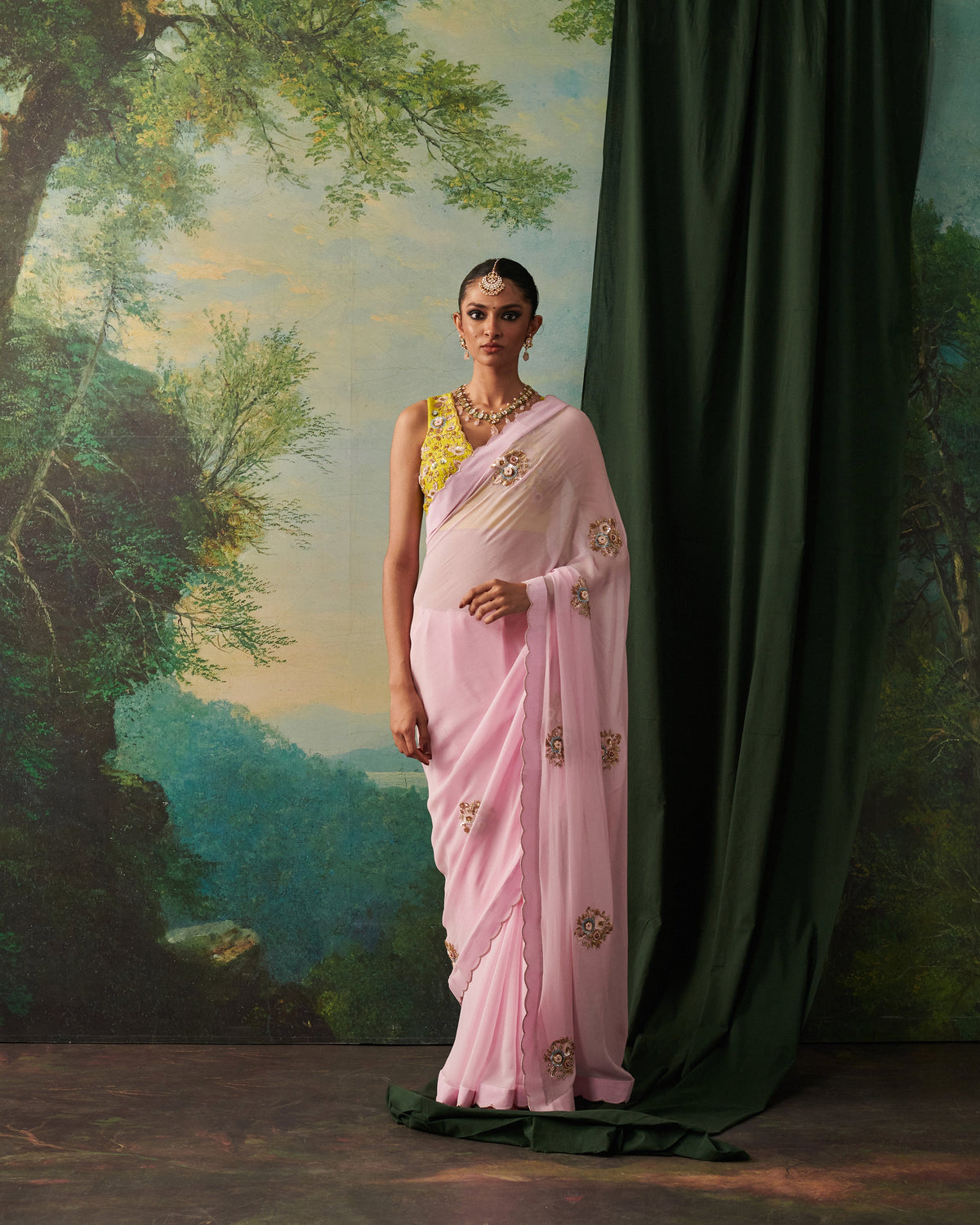
The Sajni in blush pink chiffon features scattered hand-embroidered floral motifs — delicate and romantic. The Chandni in deep black chiffon evokes old-world glamour through modern minimalism. And the Fida in pure chiffon is finished with a broad gold lappa lace border and delicate hand-embroidered sequins — classic and versatile.


The Salima is light and fluid, edged with a delicate gota border and small hand-embroidered bootis — the kind of saree that works for both a puja and a dinner. The Sarmaya in timeless black chiffon embodies quiet elegance and refined sophistication.
Organza and Tissue Sarees: The Showstoppers
When the occasion calls for something that catches light and turns heads, organza and tissue are your fabrics. They have a natural shimmer that photographs beautifully and creates a sense of occasion without needing heavy embroidery.


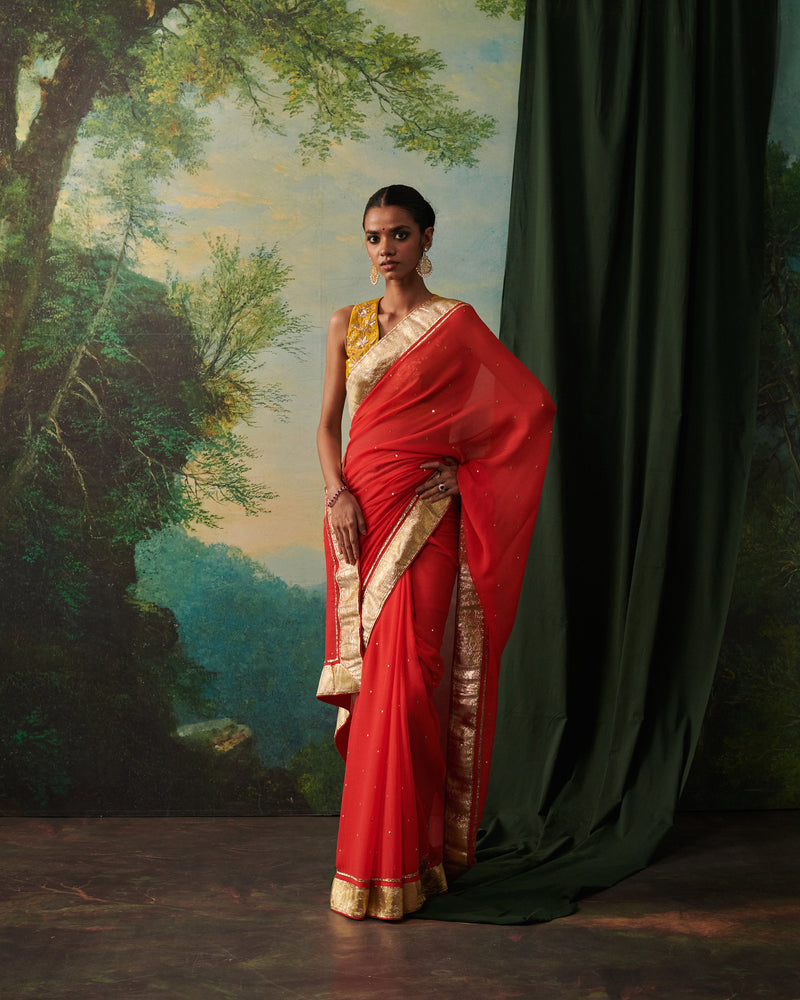
The Laal Ishq in deep vermillion organza silk is a tribute to timeless romance. The Zohra in soft tissue catches the light with every movement — its border is where the magic happens. And the Taraana in antique gold tissue reflects understated elegance with a shimmer that's luxurious without being loud.


The Taraaz in golden-champagne tissue drapes with fluid grace — designed for celebrations where you want to shine. The Shanvi in soft ivory organza embodies ethereal beauty — the kind of saree that makes everything around it look more beautiful.
Banarasi Silk Sarees: The Heritage Pick
A Banarasi silk saree is an investment in heritage. Woven in Varanasi using techniques that are centuries old, these sarees feature intricate gold and silver zari work that no machine can replicate. If you're buying one saree to keep for decades, make it Banarasi.


The Rahi & Amara in fuchsia pink Banarasi silk features intricate floral motifs woven in gold thread. The Zariya in soft mint green is a classic drape elevated with heritage hand-embroidery. And the Phalgun & Myra in yellow Banarasi silk features intricate floral motifs woven in silver thread — a more contemporary take on the Banarasi tradition.
Georgette Sarees: Effortless Drape
Georgette has a slightly heavier hand than chiffon but drapes just as beautifully. It's less transparent, holds pleats better, and works well for structured draping styles. A great choice if you want the elegance of chiffon with more coverage and body.
Free Download
Get Our Measurement Guide
Step-by-step instructions with photos for perfect custom fit.
Download Free Guide

The Gulmohar in jet black georgette features embroidered floral bootis in dull gold and silver — old-world glamour in a modern silhouette. The Ranjha in plum georgette features hand-embroidered scalloped lines and floral jaals that run diagonally across the drape — unexpected and striking.
Statement Blouses: The Other Half of the Equation
A saree is only as good as the blouse it's paired with. The right blouse can transform a simple saree into something extraordinary — and a beautifully embroidered blouse can be paired with multiple sarees.


The Roop in deep black silk features floral aari embroidery and a cutout back — modern and flattering. The Nimbu in vibrant lemon yellow silk is a celebration of brightness — pair it with a contrasting saree for impact. And the Haseena in soft ivory silk has a classic halter silhouette with a structured fit — timeless and versatile.
How to Choose the Right Fabric for Your Body
Petite frames: Light fabrics — chiffon, georgette, or light silk. Avoid stiff fabrics that overwhelm. Smaller prints and borders work better.
Taller frames: You can carry heavier fabrics — Banarasi, tissue, rich silk. Broader borders and bigger motifs look proportional.
Curvier figures: Fabrics that drape closely without clinging — georgette, crepe, or fluid silk. Avoid organza (too stiff) and very thin chiffon (too transparent).
First-time draping: Start with chiffon or pre-stitched options. They're the most forgiving and easiest to pleat.
Frequently Asked Questions
How much should I spend on a good saree?
It depends entirely on the occasion and fabric. A cotton saree for everyday can be quite affordable. A hand-embroidered silk or Banarasi saree is an investment — but it lasts decades and can be passed down. Think of it as cost-per-wear: a saree you wear 20 times over 10 years is worth more than a fast-fashion dress you wear twice.
What's the difference between organza and tissue?
Organza is sheer and stiff with a crisp texture. Tissue is metallic and shimmery with more fluidity. Both catch light beautifully, but tissue has more drape while organza holds its shape. Read our organza guide and tissue guide for detailed comparisons.
Can I wear a saree if I don't know how to drape one?
Yes — pre-draped sarees exist, and many women learn from YouTube tutorials. The key is choosing a forgiving fabric (chiffon is the easiest) and practising the pleats a few times before the event. Read our dupatta draping guide for techniques that apply to sarees too.
Explore: sarees · blouses · dupattas · shop all
Ready to Order Custom?
WhatsApp us at +91 70423 11214 with what you're looking for. We'll guide you through measurements, customizations, and timeline.
Most pieces ready in 4-5 weeks. Bridal in 6-8 weeks.
Made to order in 4–5 weeks
Have an event date? We’ll tell you exactly when to order by.
We take a limited number of orders each month — secure your slot early.
WhatsApp me my order-by date + a shortlistNot sure where to start?
Tell us what you're dressing for and we'll help you choose — fabric, fit, colour, and timeline — over WhatsApp or on a video call.
Your Cart
Pieces from this story
All pieces →Not sure which piece, or need it by a date? Book a video consultation Ask us on WhatsApp




Keep reading
The journal →
The Complete Guide to Organza Fabric: Why It's the New Favourite in Indian Fashion
Everything you need to know about organza fabric — what it is, how it's made, and why Indian fashion loves it. Discov...
2 March 2026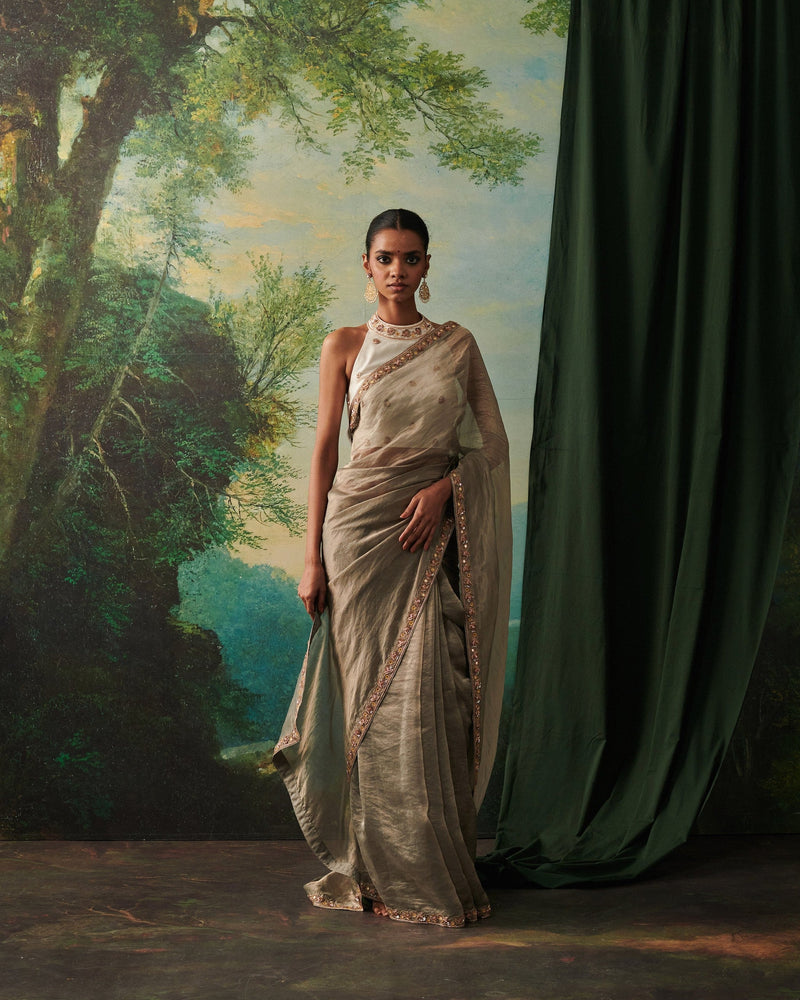
Tissue Fabric: Everything You Need to Know About India's Most Luminous Fabric
Everything about tissue fabric — what it is, how it's made, how to style it, and how to care for it. The complete gui...
5 March 2026
7 Dupatta Draping Styles That Instantly Elevate Any Outfit
Learn 7 dupatta draping styles — from everyday one-shoulder to bridal pallu. Which drape works with which outfit, and...
8 March 2026