
How to Measure Yourself for Indian Clothes: A Complete Guide
Ordering Indian clothes online — especially made-to-order pieces — requires accurate measurements. Get them wrong, and you're facing alterations or disappointment. Get them right, and your kurta drapes perfectly, your blouse fits like it was made for you (because it was), and your lehenga sits exactly where it should. Here's how to measure properly.
What You'll Need
- A soft measuring tape (not a metal one)
- A well-fitting garment of the same type you're ordering (helpful for reference)
- Someone to help (especially for back and arm measurements)
- A pen and paper to record measurements
General Tips Before You Start
- Wear fitted clothes or undergarments while measuring — loose clothes add inches
- Stand straight and relaxed, don't hold your breath or suck in
- Keep the measuring tape snug but not tight
- Measure twice to confirm accuracy
- Take measurements at the same time of day (we're slightly different sizes morning vs evening)
The Core Measurements
Bust
Measure around the fullest part of your bust, keeping the tape parallel to the floor. The tape should pass over the shoulder blades at the back.
Common mistake: Measuring too high (under the arms) or too low (below the bust).
Waist
Measure at your natural waistline — the narrowest part of your torso, usually just above your belly button. Bend sideways to find it: where your body creases is your natural waist.
Common mistake: Measuring at the hips or where you wear jeans.
Hips
Measure around the fullest part of your hips and buttocks, keeping the tape parallel to the floor.
Common mistake: Measuring too high, missing the widest point.
Shoulder
Measure from the edge of one shoulder to the edge of the other, across the back. The "edge" is where the shoulder meets the arm — feel for the bone.
Common mistake: Including too much arm in the measurement.
Blouse-Specific Measurements
Blouses require more detailed measurements because fit is critical:
Upper Bust
Measure around the chest, just under the arms and above the bust. This helps with armhole placement.
Under Bust
Measure directly under the bust line. This determines where the blouse can end or where boning should sit.
Front Neck Depth
From the point where your neck meets your shoulder, measure down to where you want the neckline to fall.
Back Neck Depth
Same measurement, but for the back of the blouse.
Armhole
Measure around the arm where it meets the shoulder, like drawing a circle around the arm joint.
Sleeve Length
From the shoulder point (where shoulder meets arm), measure to where you want the sleeve to end.
Bicep
Measure around the fullest part of your upper arm, with arm relaxed.
Blouse Length
From the shoulder point, down the front, to where you want the blouse to end.


Kurta Measurements
Kurtas are more forgiving than blouses but still benefit from accurate measurements:
Kurta Length
From the shoulder point (or highest point of shoulder seam), down the front, to where you want the kurta to end. Stand straight.
Sleeve Length
From shoulder point to desired end point. For full sleeves, measure to the wrist bone.

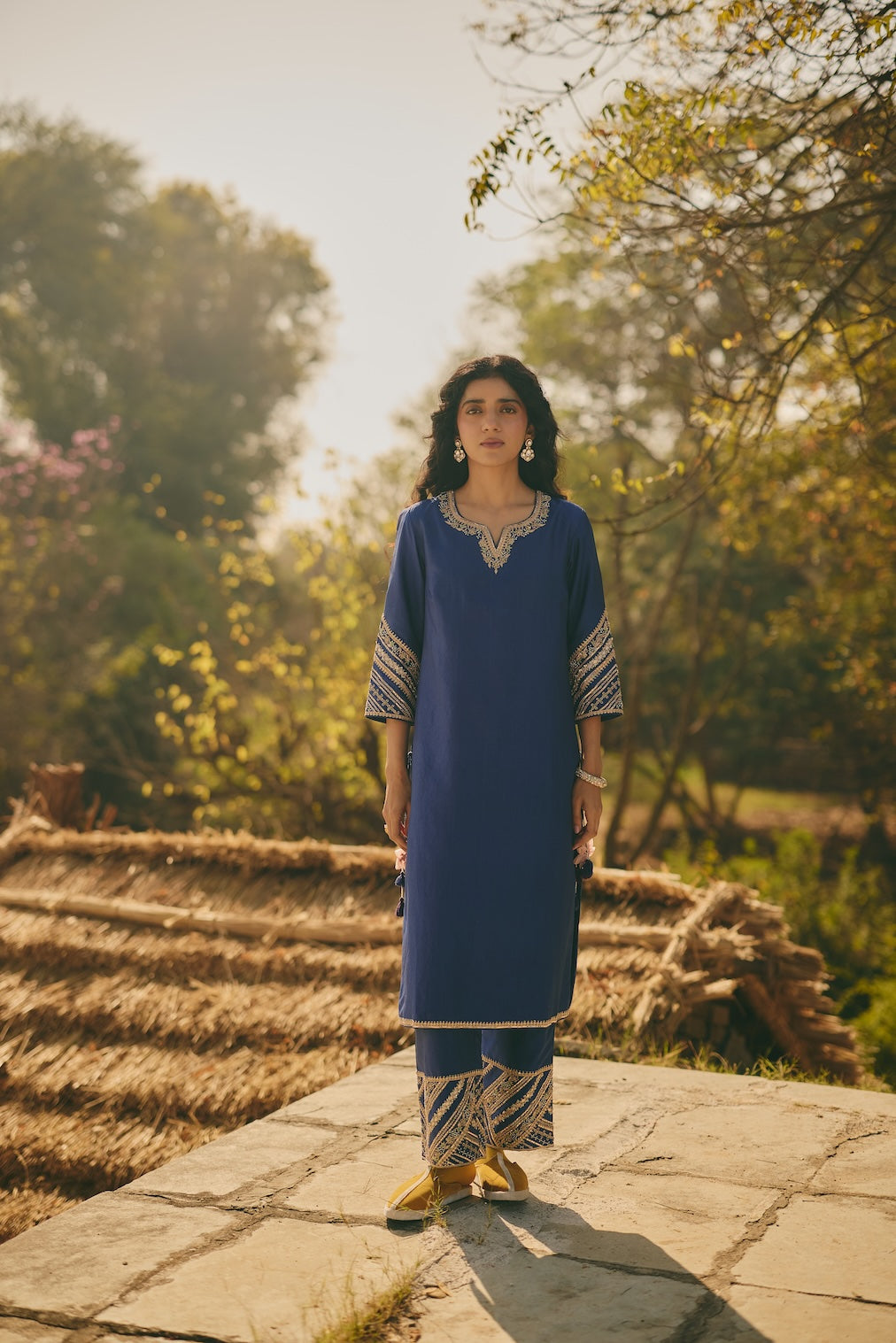
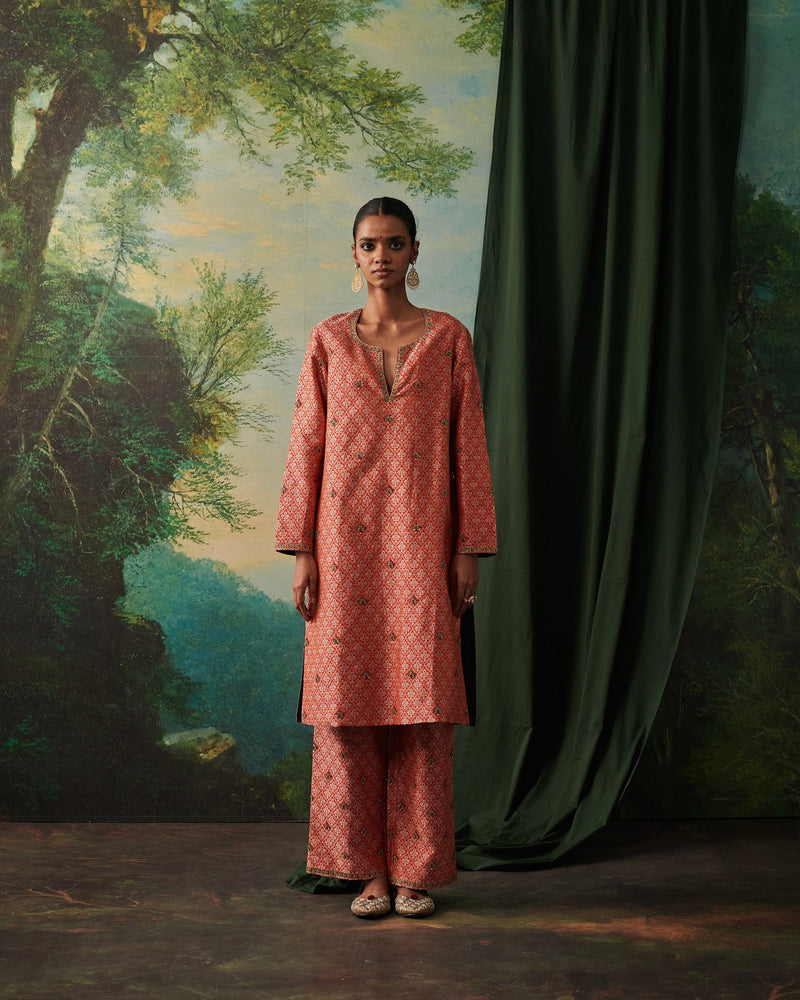
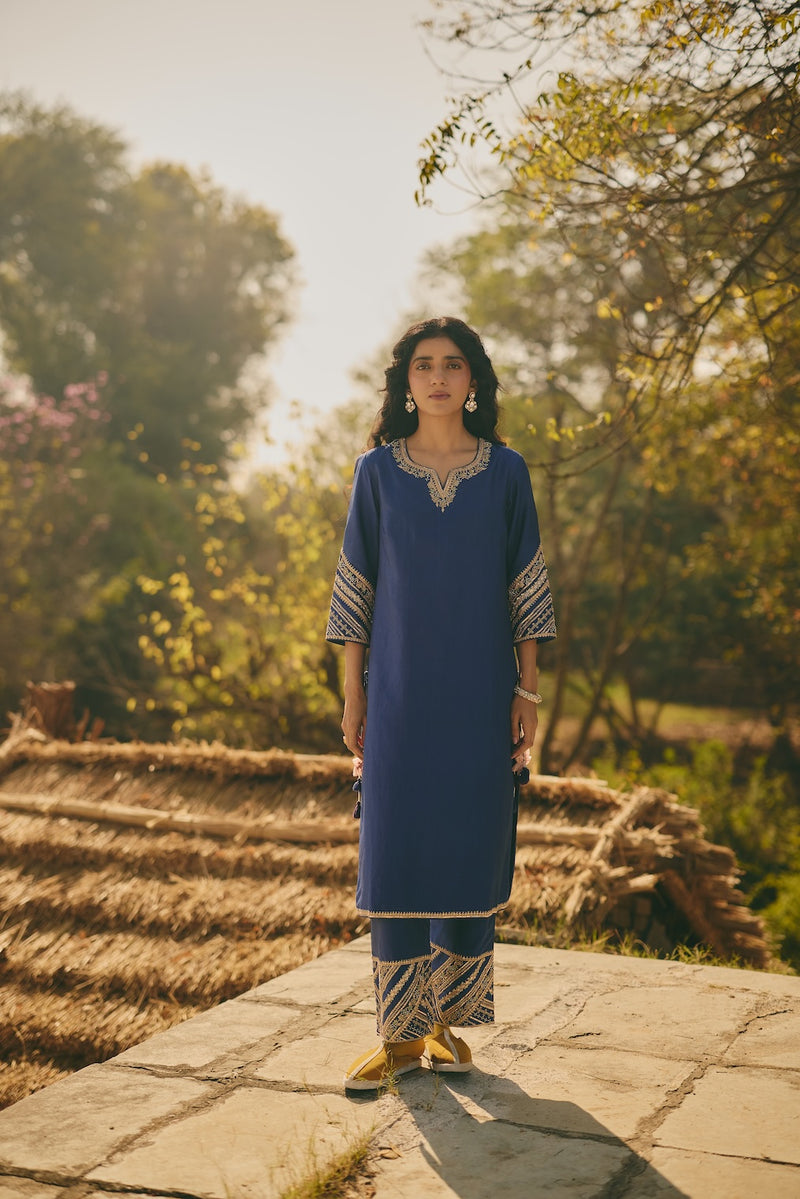
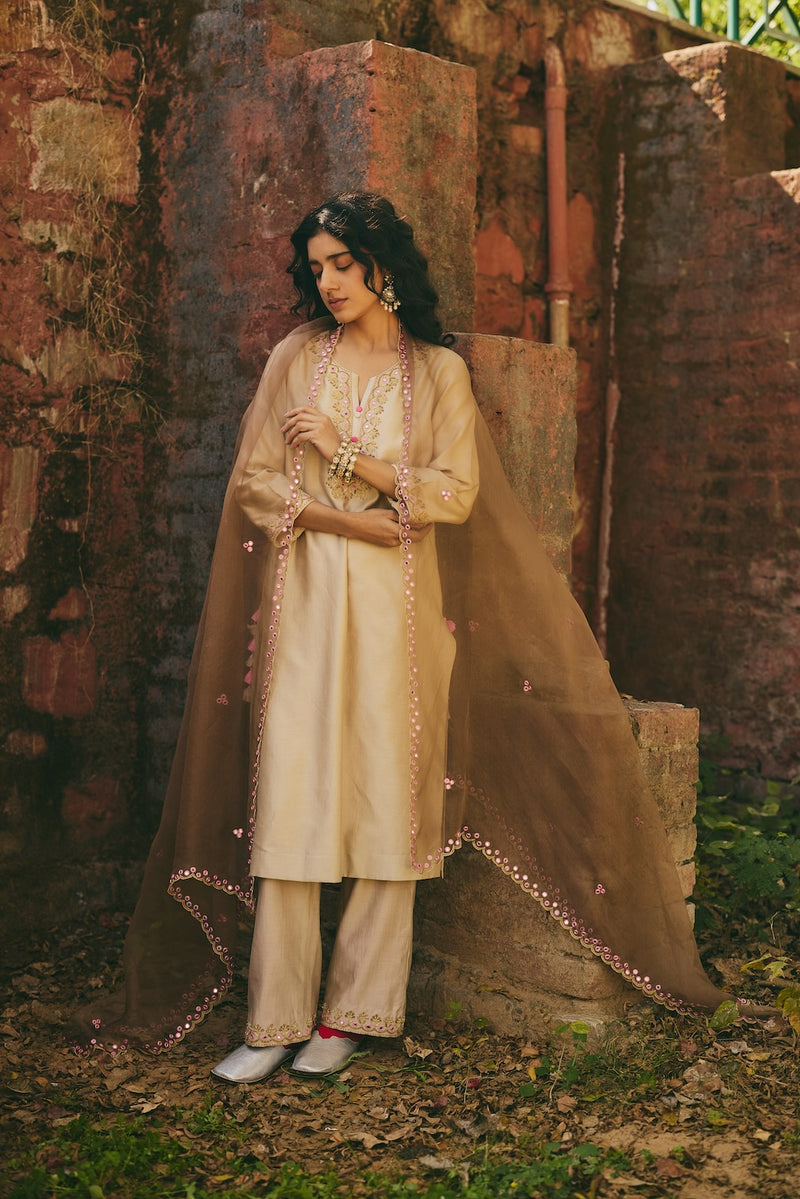
For pieces like the Ameera & Hoorain, accurate length measurements ensure the kurta falls exactly where it should.
Lehenga/Sharara Measurements
Lehenga Length
From your waist (where you'll wear the lehenga) to the floor. Decide if you want it to touch the floor, hover above, or puddle slightly.
Free Download
Get Our Measurement Guide
Step-by-step instructions with photos for perfect custom fit.
Download Free GuideImportant: Measure while wearing the heel height you plan to wear with it.
Waist
Measure where you'll actually wear the lehenga. Some prefer high-waisted, some prefer lower. Be specific.
Hip
The fullest part of your hips — lehenga flare starts from here.


The Nyassa & Elina lehenga and Zehan & Aabha sharara both need accurate waist and length measurements for a perfect fit.
Saree Blouse vs Regular Blouse
Saree blouses are typically shorter than standalone blouses and may have different back designs. When ordering:
- Specify that it's for a saree
- Note your preferred blouse length (cropped, standard, longer)
- Describe or reference the back design you want
Size Charts: When to Trust Them
Standard size charts (S, M, L, XL) work for ready-to-wear pieces with relaxed fits. For:
- Fitted blouses: Always provide custom measurements
- Kurta sets: Size charts usually work, but length customisation may be needed
- Lehengas: Waist and length should always be specified
- Made-to-order pieces: Full measurements recommended
How to Communicate Measurements
When sending measurements to a seller or designer:
- List all measurements clearly with labels
- Specify inches or centimeters
- Include photos of fit references if possible
- Note any specific preferences (loose fit, fitted, etc.)
- Mention if you're between sizes and which way you'd like to err
Sample Measurement Format
Bust: 36"
Waist: 30"
Hips: 40"
Shoulder: 15"
Kurta Length: 42"
Sleeve Length: 22" (full sleeve)
Preferred fit: Relaxed through body, fitted sleeves
When In Doubt
If you're unsure about any measurement, communicate with the seller. Good made-to-order brands will ask clarifying questions. It's better to over-communicate than to receive a garment that doesn't fit.
Explore: Kurta Sets | Blouses | Shop All
Ready to Order Custom?
WhatsApp us at +91 70423 11214 with what you're looking for. We'll guide you through measurements, customizations, and timeline.
Most pieces ready in 4-5 weeks. Bridal in 6-8 weeks.
Made to order in 4–5 weeks
Have an event date? We’ll tell you exactly when to order by.
We take a limited number of orders each month — secure your slot early.
Not sure where to start?
Tell us what you're dressing for and we'll help you choose — fabric, fit, colour, and timeline — over WhatsApp.
Your Cart
Pieces from this story
All pieces →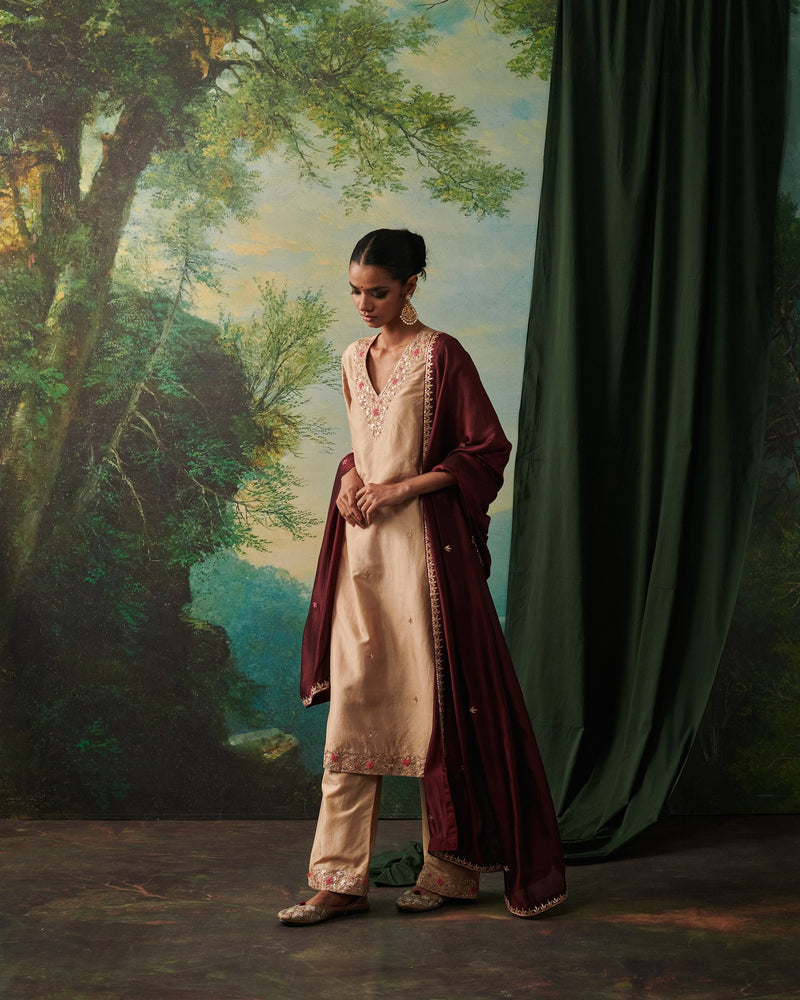
Keep reading
The journal →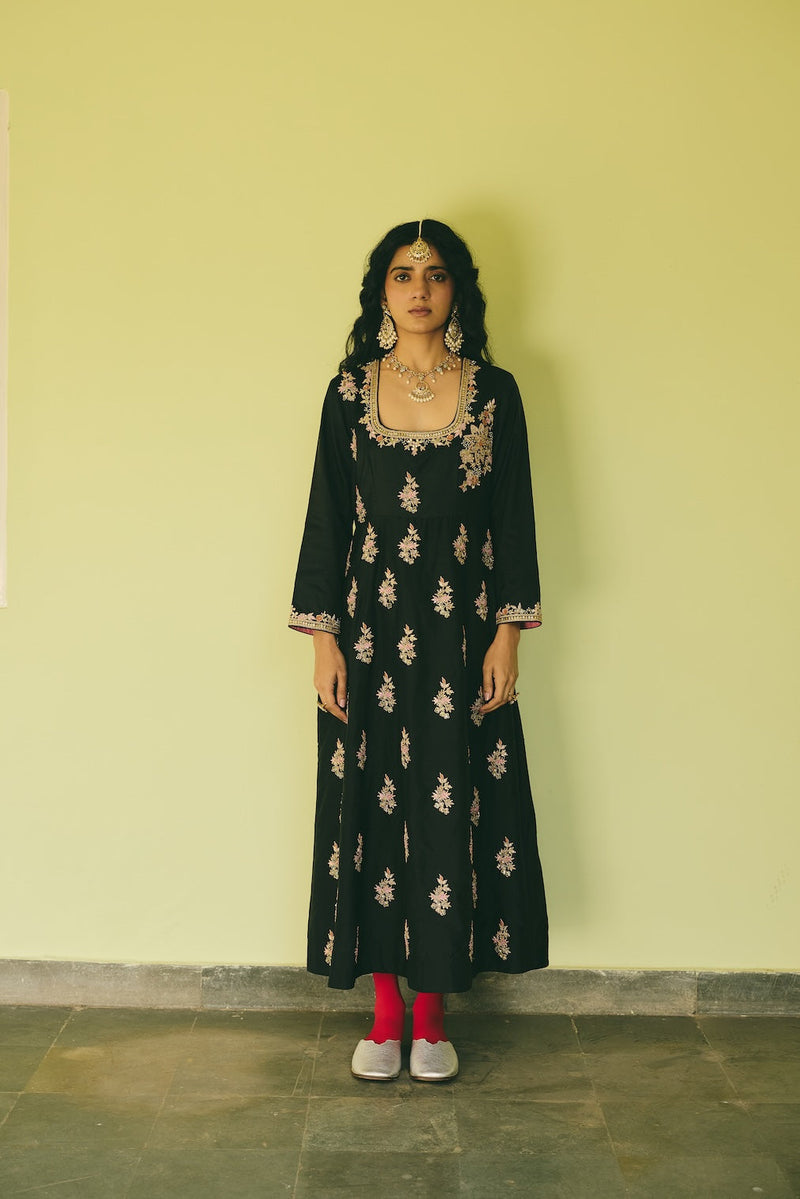
Best Plus-Size Ethnic Wear Brands in India 2026: Where to Actually Find Your Size
Handmade by karigars Made to your measurements Fit guarantee Ships worldwide As seen in GraziaElle Graduat...
17 September 2026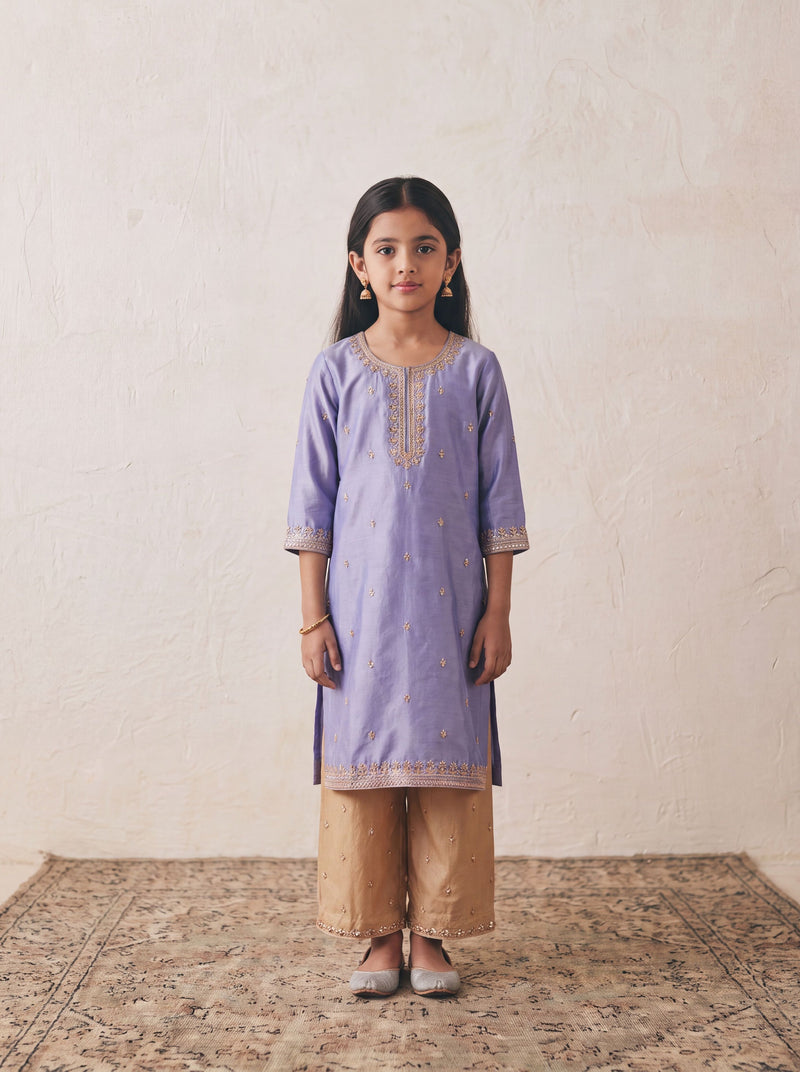
Kurta Sets for Girls: A Parent's Buying Guide to Kids' Kurta Sets
Handmade by karigars Made to your measurements Fit guarantee Ships worldwide As seen in GraziaElle Graduat...
17 September 2026
Gifts for Your Mother-in-Law: Indian Outfits That Don't Feel Like a Formality
Handmade by karigars Made to your measurements Fit guarantee Ships worldwide As seen in GraziaElle Graduat...
17 September 2026