
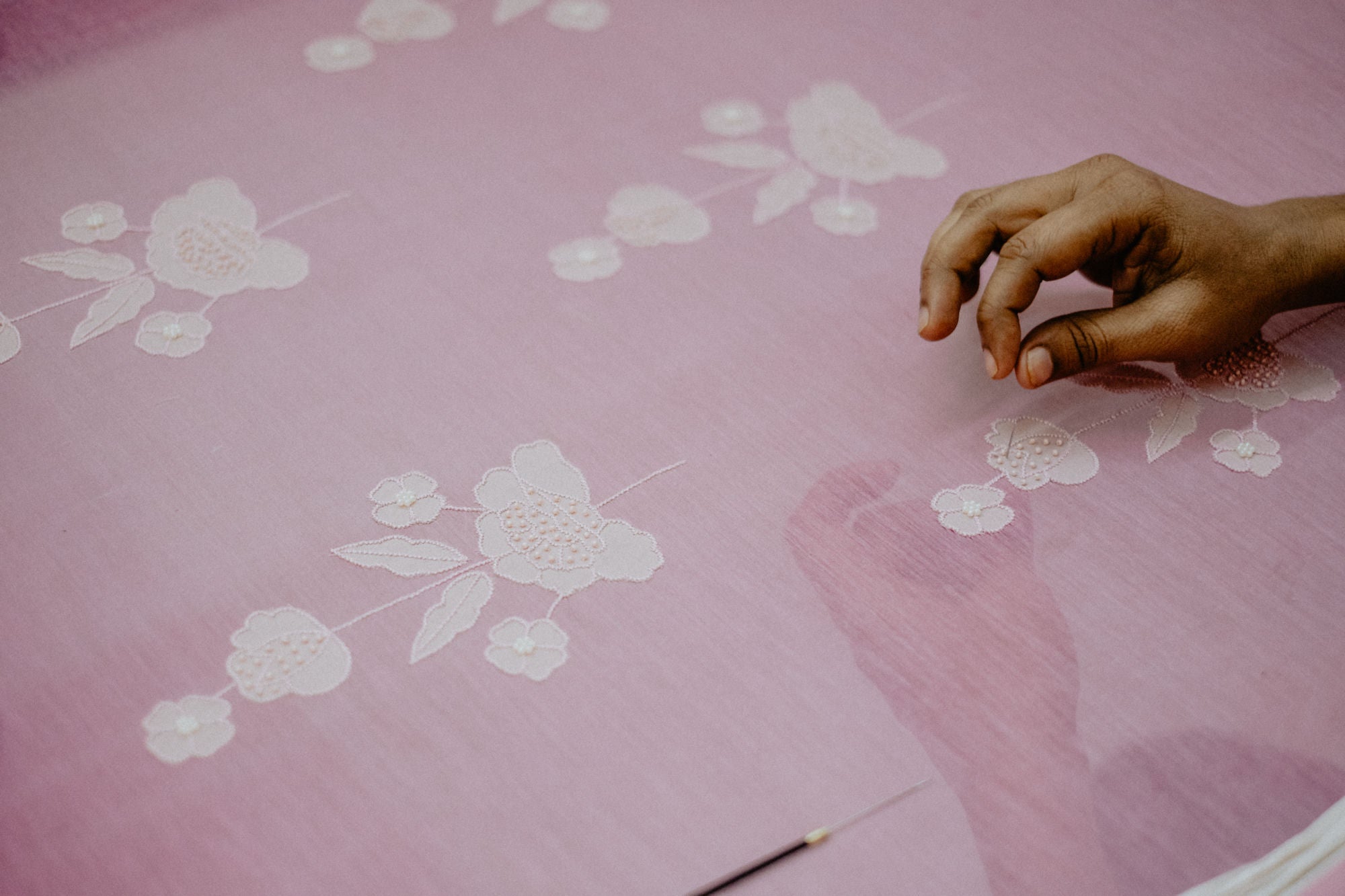
Indian Fashion Rules You Can Totally Break in 2026
Indian fashion comes with a long list of unwritten rules—some rooted in tradition, others in outdated aesthetics. While there's wisdom in some customs, many "rules" no longer apply to modern life. Here's your guide to what you can confidently break, and what's actually worth keeping.
Rules You Can Break
1. "Never Wear Black to Weddings"
The old rule: Black is inauspicious and inappropriate for celebrations.
The reality: Black has become a sophisticated wedding guest option, especially for receptions and cocktail parties. A beautifully embroidered black lehenga or saree can look stunning and celebratory.
How to do it right:
- Add gold or bright embroidery so it doesn't look sombre
- Avoid all-black—add colour through jewellery or dupatta
- Better for receptions than religious ceremonies
- Skip it if the family is very traditional (read the room)
2. "Your Jewellery Must Match Your Outfit"
The old rule: Gold jewellery with warm colours, silver with cool colours, and everything perfectly coordinated.
The reality: Mixed metals are in. Contrast can be more interesting than matching. Your jewellery doesn't need to be the same colour as your outfit.
How to do it right:
- Wear gold with blue—it's striking, not wrong
- Mix gold and silver if that's your aesthetic
- Let jewellery be a contrast point, not a match
- Coordinate the vibe (traditional with traditional, modern with modern)
3. "Widows and Older Women Should Wear Subdued Colours"
The old rule: After a certain age or life event, stick to whites, pastels, and muted tones.
The reality: Wear whatever makes you feel good. Age and marital status don't dictate colour. Pink at 70? Go for it. Bright red after widowhood? Your choice entirely.
4. "You Must Wear a Saree to Formal Events"
The old rule: Sarees are the only appropriate choice for formal Indian occasions.
The reality: Lehengas, gowns, sharara sets, and well-tailored suits are equally formal. Many younger generations have never been comfortable in sarees—and that's okay.
What matters:
- Formality level should match the event
- Quality and fit matter more than garment type
- Confidence in what you're wearing trumps tradition
5. "Always Cover Your Head with Dupatta"
The old rule: Dupattas should cover your head in front of elders and at religious events.
The reality: This varies hugely by family and region. Many modern families don't expect it. You can drape your dupatta however you prefer.
Exception: At temples and religious ceremonies, follow the specific customs of that space. Gurdwaras require head covering regardless of personal style.
6. "Brides Must Wear Red"
The old rule: Red is the only appropriate bridal colour.
The reality: Brides now wear pink, peach, ivory, lavender, mint, and yes, even black. Your wedding, your colour.
The only consideration: Some religious ceremonies have colour requirements. Hindu brides traditionally avoid white; some Sikh ceremonies expect red. Check with your family.
7. "Don't Wear White to Indian Events"
The old rule: White is for mourning and funerals.
The reality: Ivory, off-white, and cream have become hugely popular for weddings and festive wear. Even bright white with colourful embroidery is now acceptable at celebrations.
How to do it right:
- Add colour through embroidery, jewellery, or accessories
- Avoid plain white (looks too much like mourning)
- Cream and ivory read as celebratory more easily
8. "Mixing Indian and Western is Wrong"
The old rule: Keep styles pure—either go fully traditional or fully western.
The reality: Indo-western fusion is not just acceptable, it's fashionable. Saree gowns, kurtas with jeans, lehengas with crop tops—all work beautifully.
9. "Embroidery and Prints Don't Mix"
The old rule: Choose one—either embroidered or printed fabric.
The reality: Printed lehengas with embroidered borders look gorgeous. Embroidered blouses with printed sarees work. Fashion has moved past this restriction.
10. "Heavy Jewellery Is Required for Weddings"
The old rule: More jewellery = more dressed up.
The reality: Statement minimalism is a valid choice. One dramatic piece can be more impactful than layering everything you own. Your outfit doesn't need heavy jewellery to be "complete."
Rules Worth Keeping
Not everything traditional is outdated. Some guidelines exist for good reason:
Dress Code Respect
If a wedding specifically asks for traditional attire or a colour theme, respect it. Your fashion statement shouldn't overshadow the couple's wishes.
Don't Outshine the Bride
This isn't an Indian rule—it's universal. Avoid wearing bridal colours (red, white) if you might be mistaken for the bride. Don't wear something more elaborate than what the bride is wearing.
Religious Space Requirements
Temples, gurdwaras, and mosques have dress codes for a reason. Cover shoulders, avoid short hemlines, and cover your head where required. This isn't fashion—it's respect.
Family Sensitivity
If you know the hosts are very traditional, it might not be the event to make a fashion statement. Reading the room isn't selling out—it's being a gracious guest.
The Ultimate Rule
The only real rule is this: Dress for how you want to feel.
Confidence is the best accessory. If you feel amazing in what you're wearing, it shows. If you're uncomfortable, self-conscious, or constantly adjusting, that shows too.
Wear what makes you feel like your best self—whether that's a traditional silk saree or a modern jumpsuit with Indian jewellery.
Break Rules Beautifully
Our collection blends traditional craftsmanship with modern sensibilities. Each piece handcrafted to your measurements in Jaipur—traditional techniques, contemporary style.
Browse CollectionFrequently Asked Questions
Will older relatives judge me for breaking these rules?
Some might—but fashion has changed, and many older family members are more open than you'd expect. If you're worried, choose one boundary to push rather than several. A black outfit with traditional styling is easier to accept than a completely unconventional look.
Is it really okay to wear black to an Indian wedding?
For most modern weddings, yes. Reception and cocktail parties are safest. Avoid it for highly traditional ceremonies or if you know the family would object. When in doubt, add bright embroidery or accessories to make it clearly celebratory.
How do I know which rules to follow for a specific event?
Consider three things: the formality of the event, the expectations of the hosts/family, and your comfort level. When genuinely uncertain, ask someone close to the hosts what they'd recommend. Better to ask than to feel uncomfortable all day.
Made to order in 4–5 weeks
Have an event date? We’ll tell you exactly when to order by.
We take a limited number of orders each month — secure your slot early.
WhatsApp me my order-by date + a shortlistNot sure where to start?
Tell us what you're dressing for and we'll help you choose — fabric, fit, colour, and timeline — over WhatsApp or on a video call.
Your Cart
Pieces from this story
All pieces →Not sure which piece, or need it by a date? Book a video consultation Ask us on WhatsApp



Keep reading
The journal →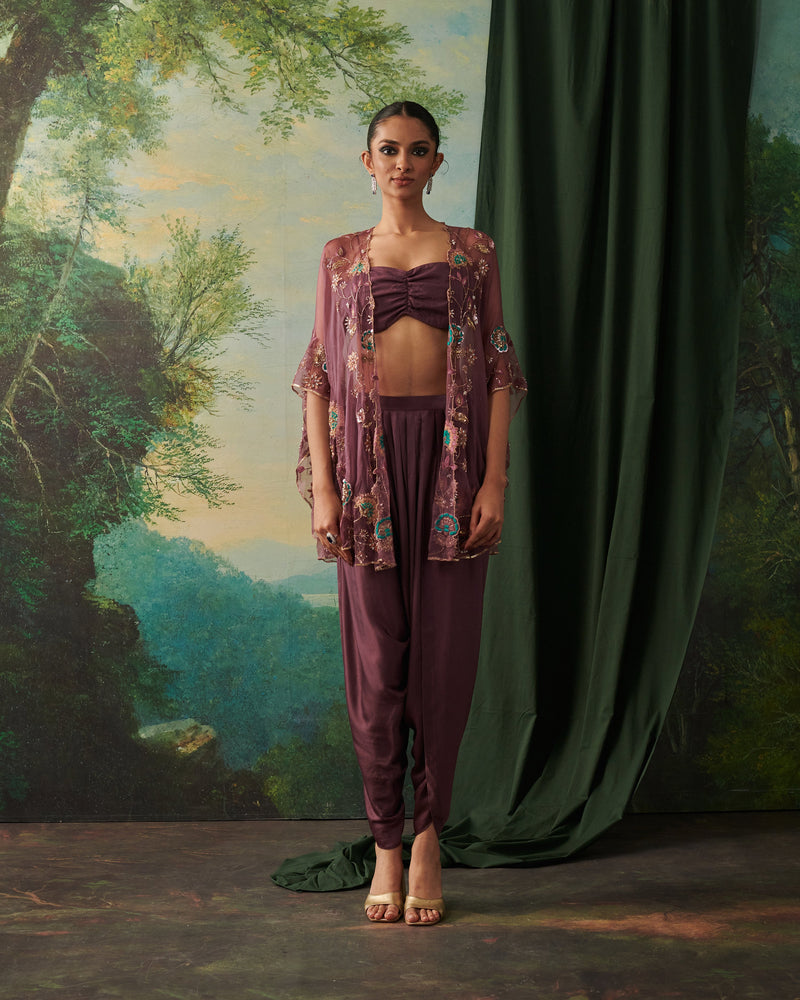
The Blouse Is the Hero: 2026's Statement Bridal Blouse
For years the blouse was the supporting act — a plain piece to anchor the saree or lehenga. In 2026, that's flipped e...
19 June 2026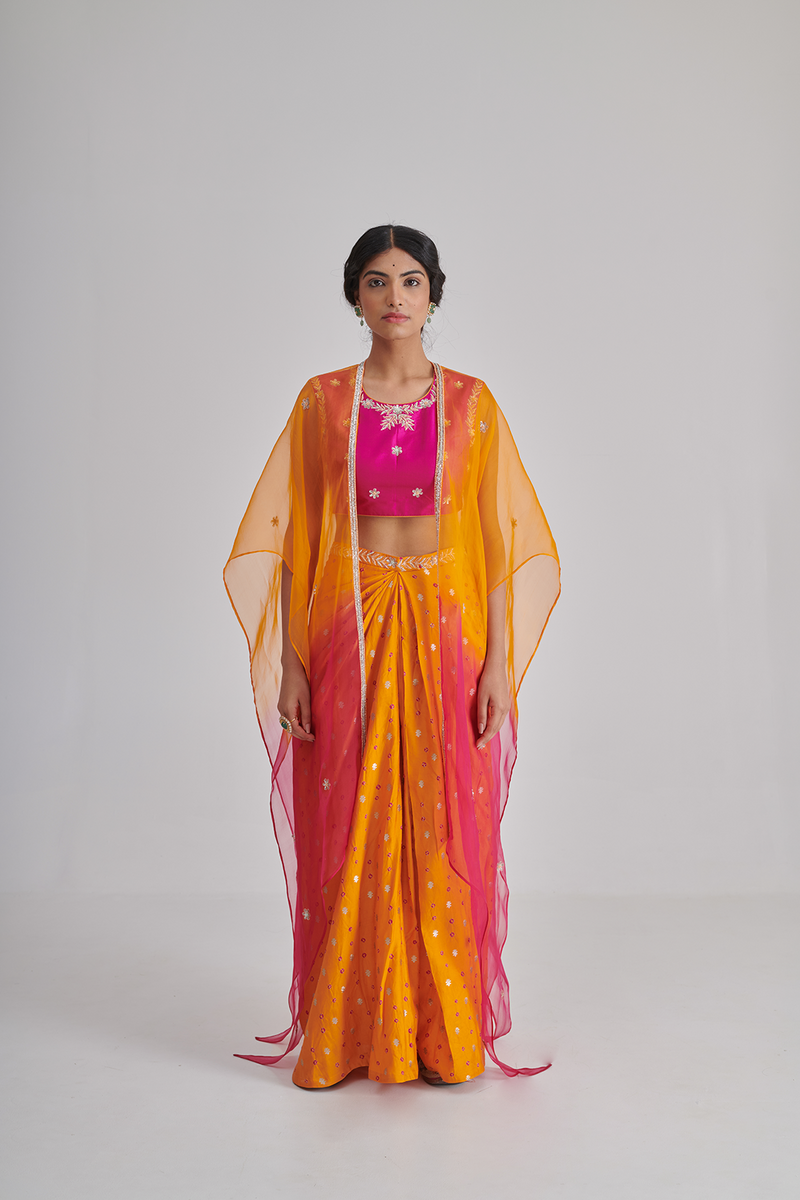
The Ombré Lehenga: 2026's Golden-Hour Bridal Trend
Of all the bridal trends defining 2026, none is quite as romantic as the ombré lehenga. That soft, dissolving gradien...
19 June 2026
Hill Station Wedding Outfit Ideas: What to Wear in the Mountains
What to wear to a mountain or hill station wedding — layering that photographs well, altitude, and the thirty-degree ...
12 September 2026