
Indian Wedding Dress Code: The Complete Guide for Every Event
Indian weddings aren't one event — they're a series of celebrations spanning days, each with its own dress code, vibe, and expectations. Whether you're attending your first Indian wedding or your fiftieth, this guide covers exactly what to wear to every function.
The Events: What Happens When
A traditional Indian wedding typically includes:
- Mehendi — Henna application ceremony, usually daytime, casual-festive
- Sangeet — Music and dance night, evening, glamorous
- Haldi — Turmeric ceremony, morning, yellow-themed, casual
- Wedding ceremony — The main event, formal traditional attire
- Reception — Evening party, formal to black-tie
Some weddings add cocktail parties, welcome dinners, or post-wedding brunches. The dress code escalates from casual to formal as you move through the events.
Mehendi: Comfortable and Colourful
The mehendi is typically an afternoon affair where the bride gets elaborate henna applied while guests socialise. You'll be sitting for hours, possibly getting henna yourself.
Dress code: Festive casual
What works:
- Comfortable kurta sets you can sit cross-legged in
- Bright colours and prints — this is a joyful occasion
- Flats or low heels (you might be on the floor)
- Minimal jewellery (henna artists need access to your hands)


The Saher & Naazli and Rangtara & Jamuni are ideal — elegant enough for photos but comfortable enough for hours of sitting.
Avoid: Heavy lehengas, anything you can't sit comfortably in, white or black (save them for other events).
Sangeet: Your Most Glamorous Look
The sangeet is the party night — dancing, performances, often the most photographed event after the wedding itself. This is where you go all out.
Dress code: Glamorous, statement-making
What works:
- Your most dramatic lehenga or sharara
- Heavily embroidered pieces that catch the light
- Bold colours — jewel tones photograph beautifully
- Statement jewellery
- Heels (but ones you can dance in)

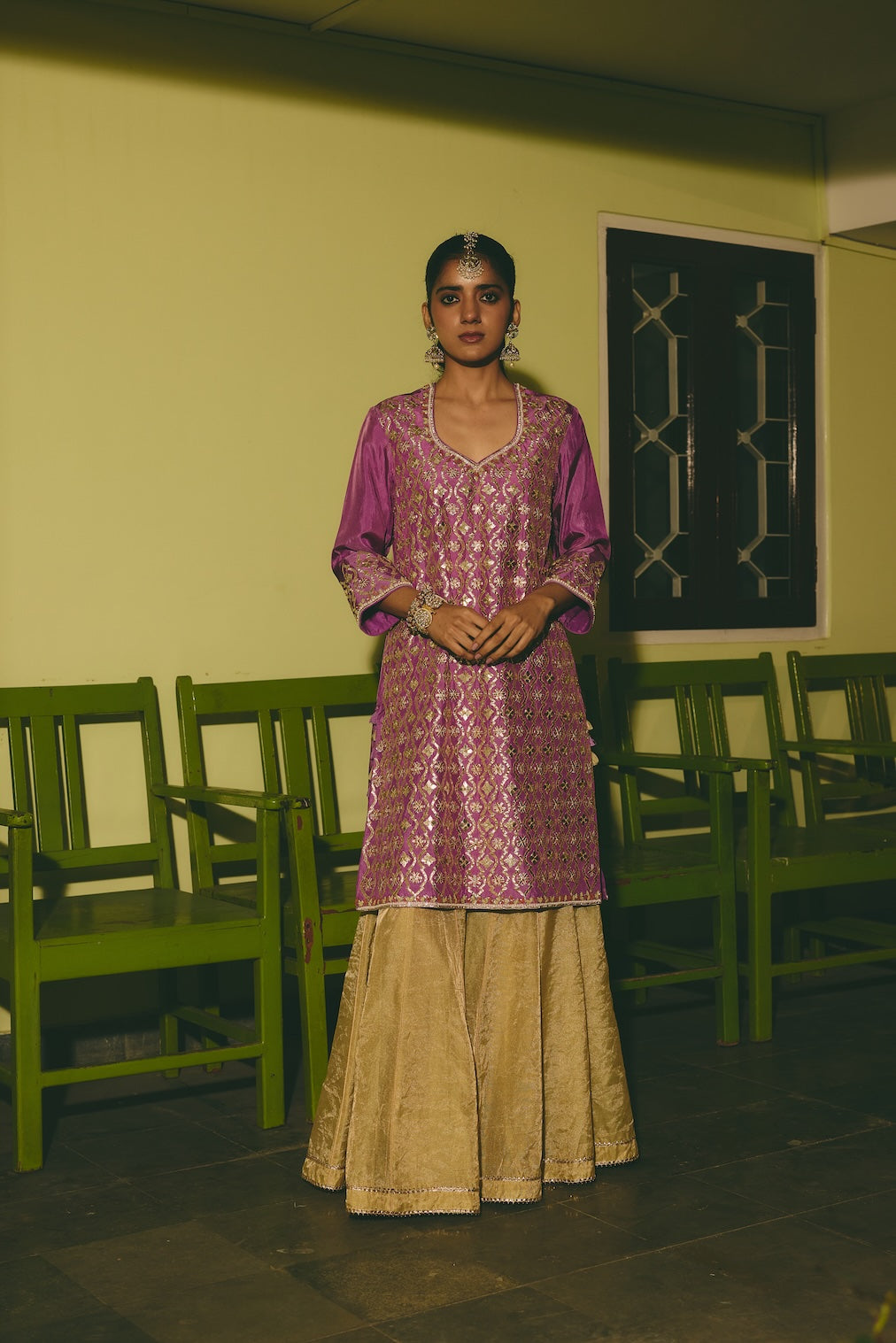
The Zehan & Aabha sharara in majestic purple is sangeet perfection — dramatic enough to stand out, comfortable enough to dance in.


The Ferozaan & Gulraaz anarkali makes an entrance. The Laalsa & Ravaya in vermilion red is festive and photograph-ready.
Avoid: Anything too understated — this is not the event for minimalism.
Haldi: Yellow (Or Close to It)
The haldi ceremony involves turmeric paste, which stains. Many families request yellow dress codes. This is typically a morning ceremony with close family.
Dress code: Casual, yellow or yellow-adjacent colours
What works:
- Yellow, orange, or marigold tones
- Simple kurtas or sarees you won't cry over if stained
- Lightweight fabrics (it's usually outdoors)
- Minimal jewellery

The Driti & Hesyra in radiant yellow is ideal if you want something special for the haldi.
Avoid: White (transparent when wet), your most precious pieces (turmeric stains are real).
Wedding Ceremony: Traditional and Formal
The main event. This is where traditional attire is expected and appreciated.
Free Download
Get Our Measurement Guide
Step-by-step instructions with photos for perfect custom fit.
Download Free GuideDress code: Formal traditional
What works:
- Elegant sarees
- Formal lehengas (but not bridal-level — don't compete with the bride)
- Rich fabrics: silk, tissue, brocade
- Traditional jewellery
- Formal hair and makeup


The Taraana saree in antique gold is wedding-ceremony appropriate — formal but not competing with the bride. The Nyassa & Elina lehenga works for guests who want something more elaborate.
Avoid: Red (traditionally the bride's colour in North Indian weddings), white (associated with mourning), black (considered inauspicious by some families), anything more elaborate than the bride.
Reception: Evening Elegance
The reception is often the most formal event — think evening gala. This is where contemporary styling meets traditional dress.
Dress code: Black-tie traditional or Indo-Western
What works:
- Elegant sarees with statement blouses
- Sophisticated lehengas or shararas
- Darker, richer colours work well
- Black is now acceptable at most receptions
- Full jewellery


The Sarmaya in black chiffon is reception-perfect. The Ameera & Hoorain in deep sapphire offers regal elegance.
Colours: What's Safe, What's Risky
| Colour | Verdict |
|---|---|
| Red | Avoid at ceremony (bride's colour), fine at sangeet/reception |
| Pink | Safe for all events |
| Gold | Safe and elegant |
| Blue/Green | Safe for all events |
| Yellow/Orange | Perfect for haldi, good for daytime events |
| Black | Reception yes, ceremony depends on family |
| White | Generally avoid (mourning associations) |
Frequently Asked Questions
Can I wear the same outfit to multiple events?
Yes — just change your styling. Different jewellery, different dupatta drape, different hair. Most guests rewear across the wedding week.
What if I'm not Indian?
Indian families generally love when non-Indian guests wear traditional attire. It's appreciated, not appropriation. When in doubt, ask the hosts.
How formal is too formal?
If your outfit could be mistaken for a bridal outfit, scale back. You should look beautiful but not upstage the couple.
What about men's dress code?
Kurta-pyjama or sherwani for ceremonies, suits or Indo-Western for receptions. Similar colour rules apply.
Explore: Wedding Collection | Sarees | Kurta Sets
Ready to Order Custom?
WhatsApp us at +91 70423 11214 with what you're looking for. We'll guide you through measurements, customizations, and timeline.
Most pieces ready in 4-5 weeks. Bridal in 6-8 weeks.
Made to order in 4–5 weeks
Have an event date? We’ll tell you exactly when to order by.
We take a limited number of orders each month — secure your slot early.
WhatsApp me my order-by date + a shortlistNot sure where to start?
Tell us what you're dressing for and we'll help you choose — fabric, fit, colour, and timeline — over WhatsApp or on a video call.
Your Cart
Pieces from this story
All pieces →Not sure which piece, or need it by a date? Book a video consultation Ask us on WhatsApp


Keep reading
The journal →
Wedding Invitation Dress Codes, Decoded: What 'Indian Formal' and 'Festive Chic' Actually Mean
What Indian Formal, Festive Chic, Pastel Florals, Black Tie Indian and every other invitation dress code actually mea...
26 August 2026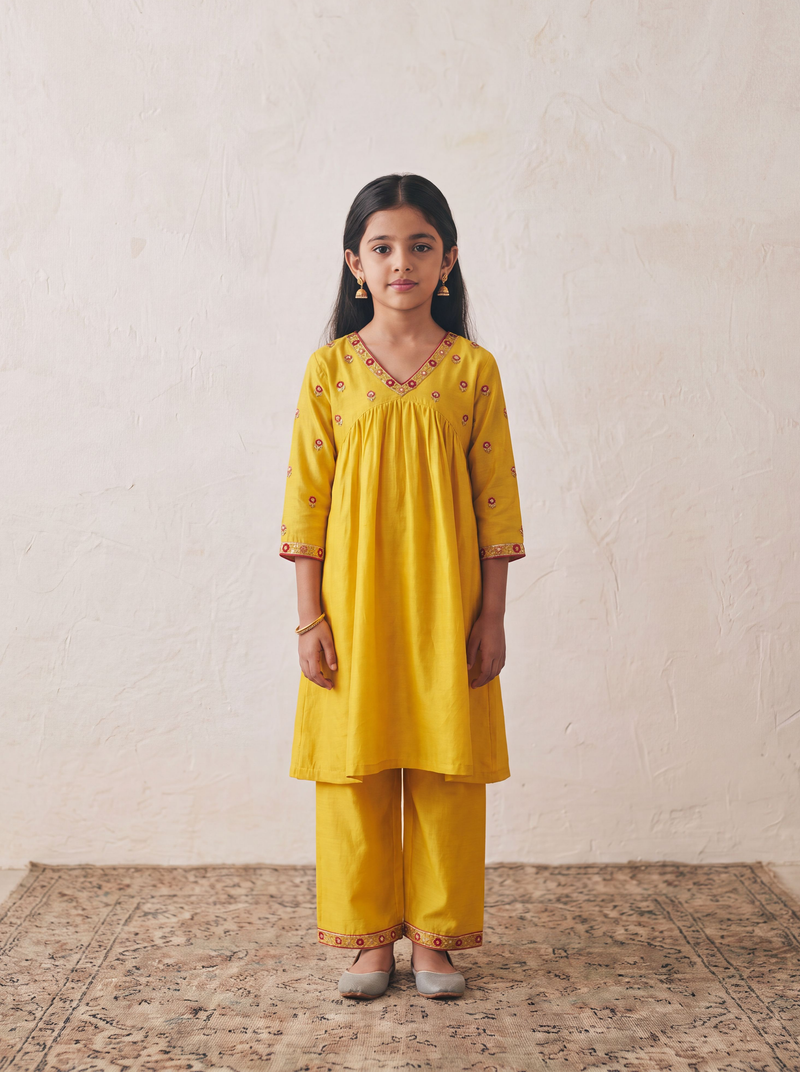
What Should Kids Wear to a Mehendi? Colours, Comfort, and a Little Gota
The mehendi is the best function to be a child at. It is in the daytime, it is outdoors more often than not, there is...
31 July 2026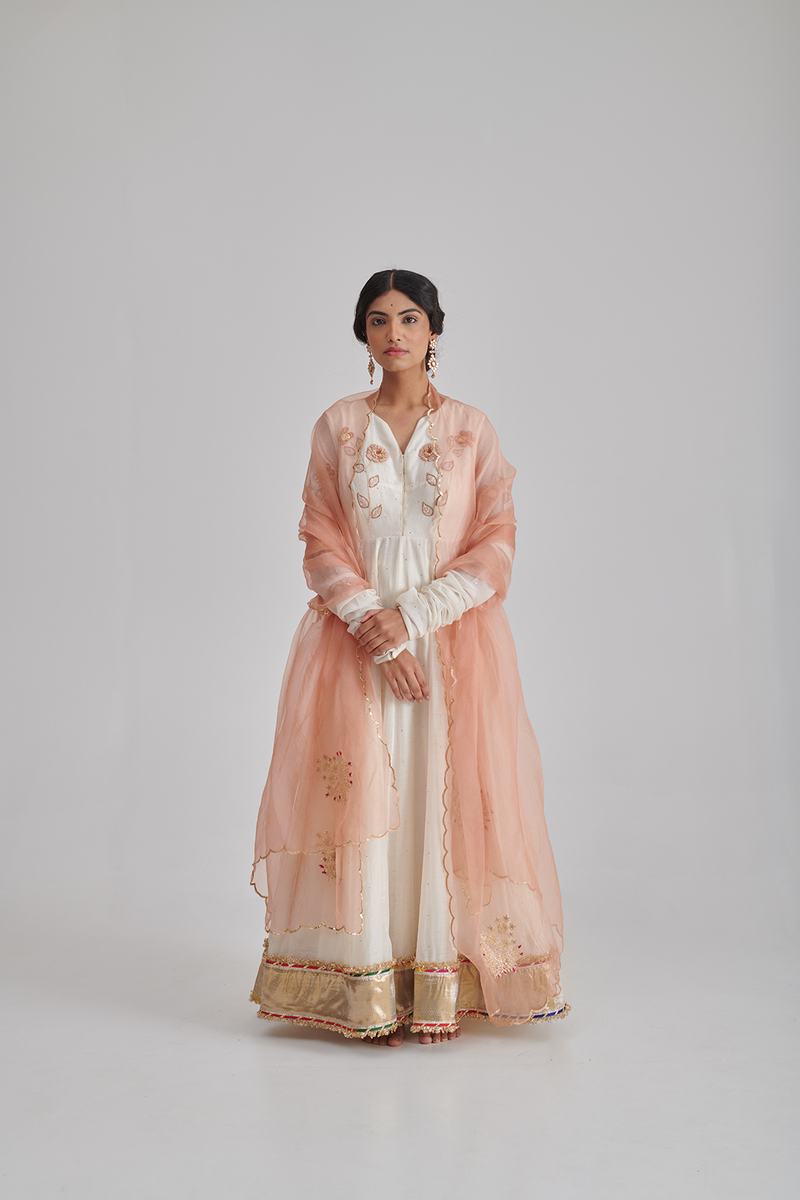
What to Wear to an Indian Christian Wedding: A Guest's Guide
What to wear to an Indian Christian wedding as a guest — church ceremony etiquette, colours to avoid, and elegant sar...
8 July 2026