
Layering Techniques in Indian Fashion: Capes, Jackets & Creative Styling
Layering is an art form in Indian fashion — capes over lehengas, jackets over sarees, dupattas draped as shawls. Done well, layering adds dimension, drama, and versatility to your outfits. It's also deeply practical — the same base outfit becomes multiple looks depending on how you layer it.
The Philosophy of Indian Layering
Traditional Indian silhouettes have always incorporated layers — the saree blouse beneath the drape, the kurta over the churidar, the dupatta over the kurta set. Modern layering takes this further, treating each element as a styling opportunity.
Purpose of layering:
- Visual interest: Multiple elements create depth and dimension
- Versatility: Add or remove layers for different occasions
- Temperature management: Practical for AC venues and outdoor celebrations
- Coverage adjustment: Add modest layers where needed
- Statement making: A cape or jacket can be the showstopper
Cape Styling: The Modern Classic
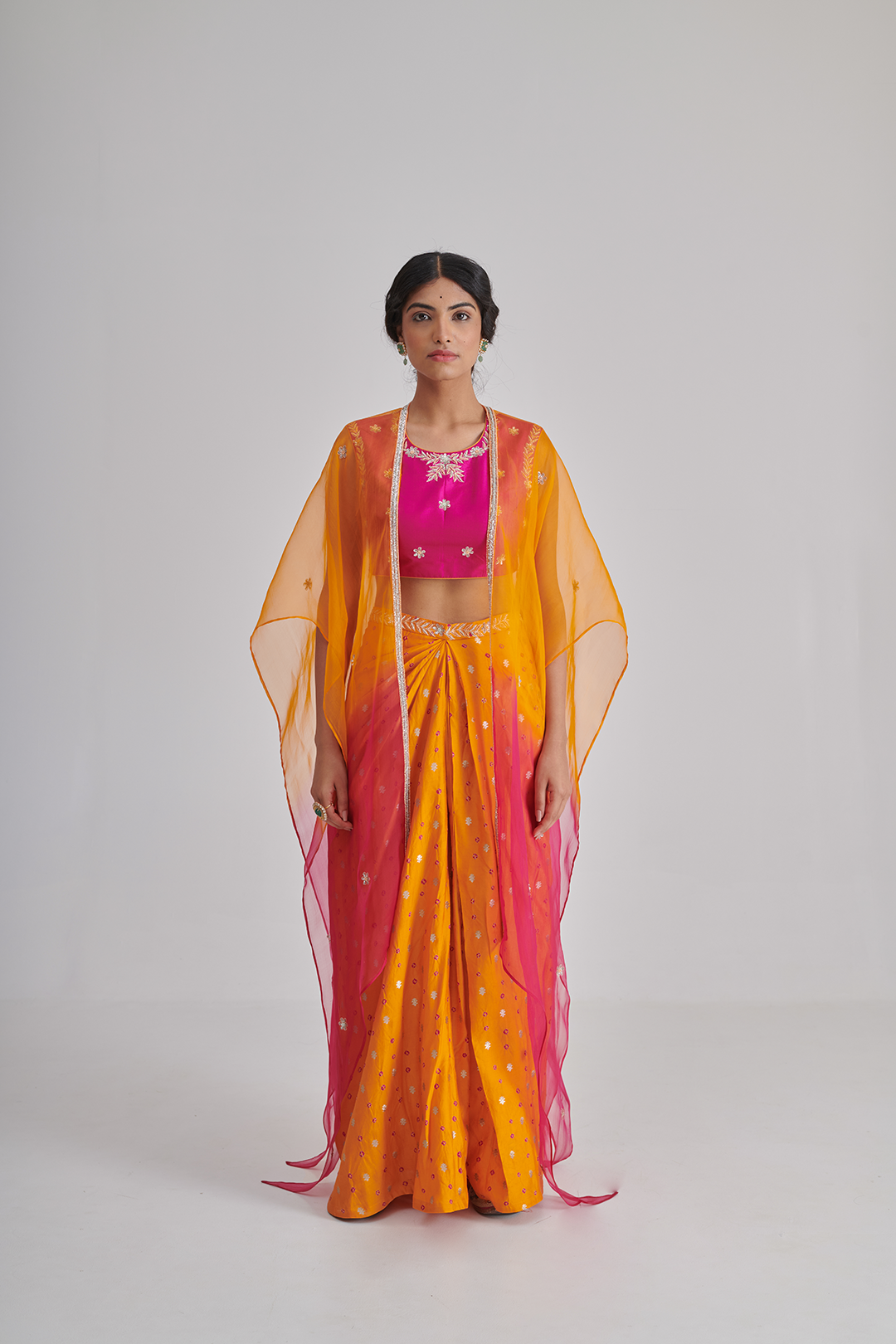
Capes have become a signature in contemporary Indian fashion — they add drama, elongate the silhouette, and transform simple outfits into runway-worthy looks.


The Rumi, Akira & Vihana features an organza cape with gradient colours that creates a stunning visual effect over the draped skirt. The Amora, Samaira & Amira pairs a sheer embroidered cape with a structured blouse and bandhani brocade skirt — each layer visible and contributing to the overall look.
Cape Styling Tips
- Keep the base outfit streamlined — the cape is the statement
- Sheer capes work year-round; heavier velvet or brocade capes suit winter
- Cape length matters — longer capes create drama, shorter capes feel more casual
- Consider your venue — very long, flowing capes need space to move
Dupatta Layering Beyond the Basics
The dupatta is Indian fashion's most versatile layering piece. Move beyond standard draping to create distinctive looks:
Dupatta as Cape/Shawl
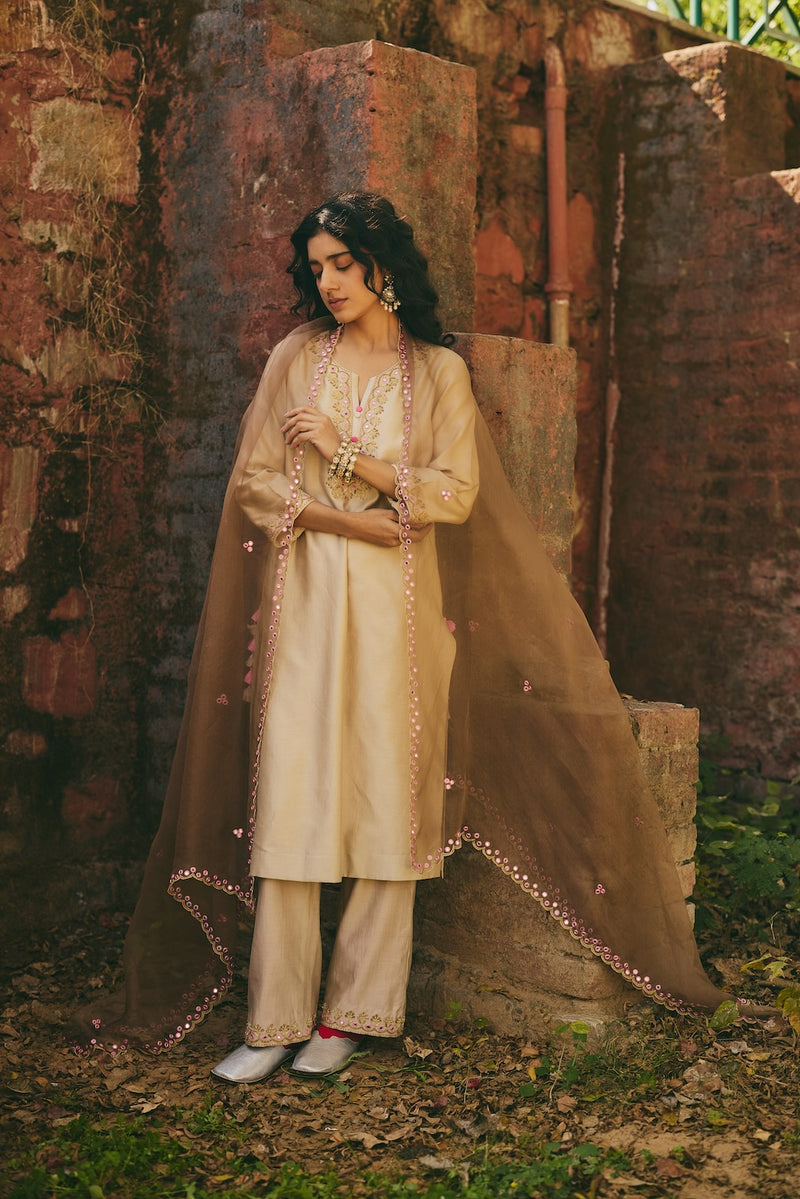
Drape an embroidered dupatta over both shoulders, letting it hang open like a cape. This works beautifully with simple kurtas or even plain blouse and pants combinations.


Dupattas like the Naar, Lila, and Mornii work beautifully as statement layers — their embroidery and colours deserve to be fully visible rather than folded away on one shoulder.
Dupatta as Belt/Sash
For lightweight dupattas, try belting at the waist over a kurta or tunic. This creates definition while keeping the dupatta in place.
Dupatta as Head Covering
For temple visits or conservative occasions, draping the dupatta over the head is traditional and elegant. The way it frames the face becomes part of your styling.
Criss-Cross Drape
Bring the dupatta across the chest, over both shoulders, letting the ends fall at the back. Creates a draped, almost Grecian effect.
Jackets and Overlay Pieces
Long Jackets Over Sarees
A structured jacket over a saree creates an Indo-western silhouette — the saree's drape visible beneath an open jacket. Choose jackets with side slits for comfortable movement.
Embroidered Jackets Over Lehengas
Instead of a traditional choli, some lehengas pair with elaborate jackets. This creates a more covered silhouette while still showcasing embroidery.
Short Jackets/Boleros
Waist-length jackets work over anarkalis and fitted kurtas. They add a layer of embellishment or contrast without changing the silhouette significantly.
Blouse Variations as Layering
The saree blouse itself can be a layered piece:
Free Download
Get Our Measurement Guide
Step-by-step instructions with photos for perfect custom fit.
Download Free GuideCape Blouse
A blouse with attached cape panels that flow over the saree. Creates drama without needing a separate piece.
Peplum Blouse
The extended peplum adds a layer over the saree waist, creating visual interest and a modern silhouette.
Jacket Blouse
A structured blouse cut like a short jacket, worn open or closed over the saree drape.
Seasonal Layering
Winter Weddings
Indian winters call for elegant warmth:
- Velvet dupattas over silk kurtas
- Embroidered shawls over sarees
- Long velvet jackets over lehengas
- Pashmina stoles with festive embellishment
Summer Events
Keep layers light and breathable:
- Sheer organza capes that don't add heat
- Lightweight chiffon dupattas
- Open, flowing silhouettes with minimal overlap
Creating Looks with Layering


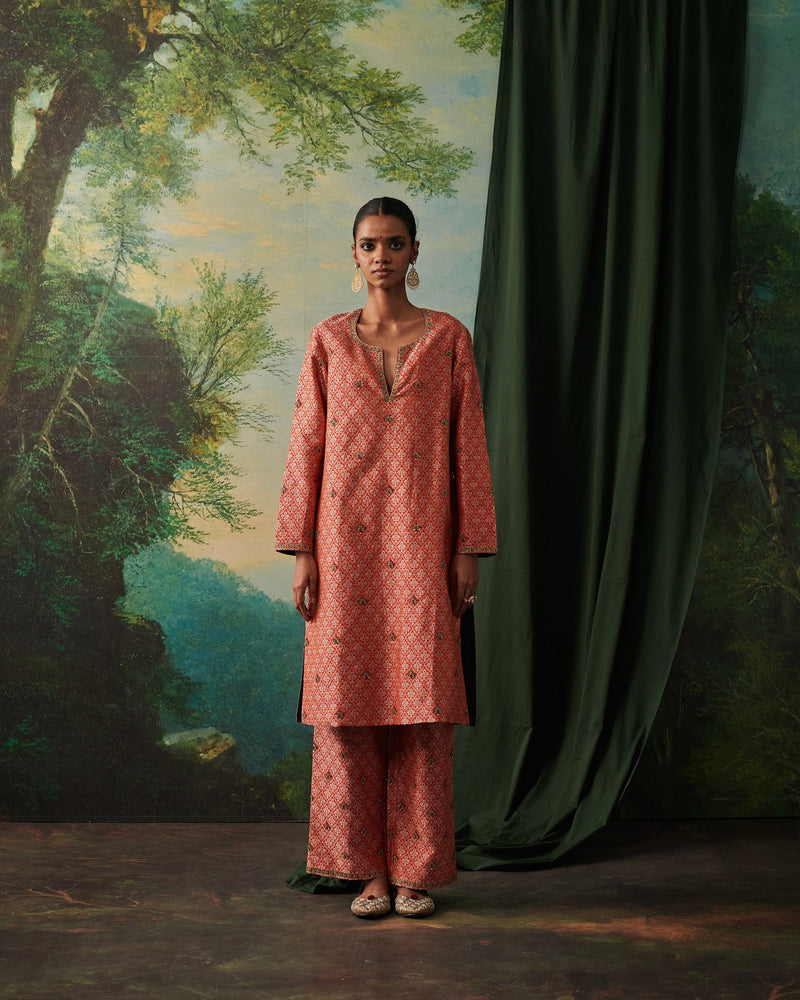
Look 1 - Simple elegance: A kurta set like the Sunheri & Sahana worn as-is with the matching dupatta.
Look 2 - Statement layer: The same kurta set with an embroidered dupatta worn cape-style — completely different mood.
Look 3 - Winter layered: Add a velvet jacket or embroidered shawl over the same base — now it's winter-wedding ready.
One base outfit, three or more looks through layering alone.
Layering Rules to Remember
One hero layer: If your cape is the statement, keep the dupatta simple (or eliminate it). If your dupatta is elaborate, skip the jacket. Too many statement layers create visual chaos.
Proportion matters: Long layers over long bases (floor-length cape over lehenga). Short layers with shorter bases. Mismatched proportions look awkward.
Consider movement: Test your layered outfit by walking, sitting, and moving your arms. Layers should flow, not tangle.
Think about the back: Layers often create interesting back views. Consider how the outfit looks from behind — cape draping, dupatta placement.
Fabric hierarchy: Sheer over opaque, light over heavy. An organza cape over a silk lehenga, not the reverse.
Frequently Asked Questions
Can I skip the dupatta and wear a cape instead?
Absolutely. Modern styling often substitutes traditional elements. A cape can replace a dupatta — it serves the same layering function with a different silhouette.
How do I keep layers from slipping?
Safety pins are your friend. Pin dupattas to blouse shoulders, capes to kurta necklines, and jackets to base layers at strategic hidden points.
Is layering appropriate for all occasions?
Consider the occasion's formality. Heavy layering suits weddings and grand events. For casual gatherings, keep layers minimal or flowing rather than structured.
Do I need to buy matching layers?
No — contrasting layers often look more interesting than perfectly matched sets. A contrasting dupatta or unexpected jacket creates visual interest.
Explore: dupattas · lehengas · kurta sets · shop all
Ready to Order Custom?
WhatsApp us at +91 70423 11214 with what you're looking for. We'll guide you through measurements, customizations, and timeline.
Most pieces ready in 4-5 weeks. Bridal in 6-8 weeks.
Made to order in 4–5 weeks
Have an event date? We’ll tell you exactly when to order by.
We take a limited number of orders each month — secure your slot early.
Not sure where to start?
Tell us what you're dressing for and we'll help you choose — fabric, fit, colour, and timeline — over WhatsApp.
Your Cart
Pieces from this story
All pieces →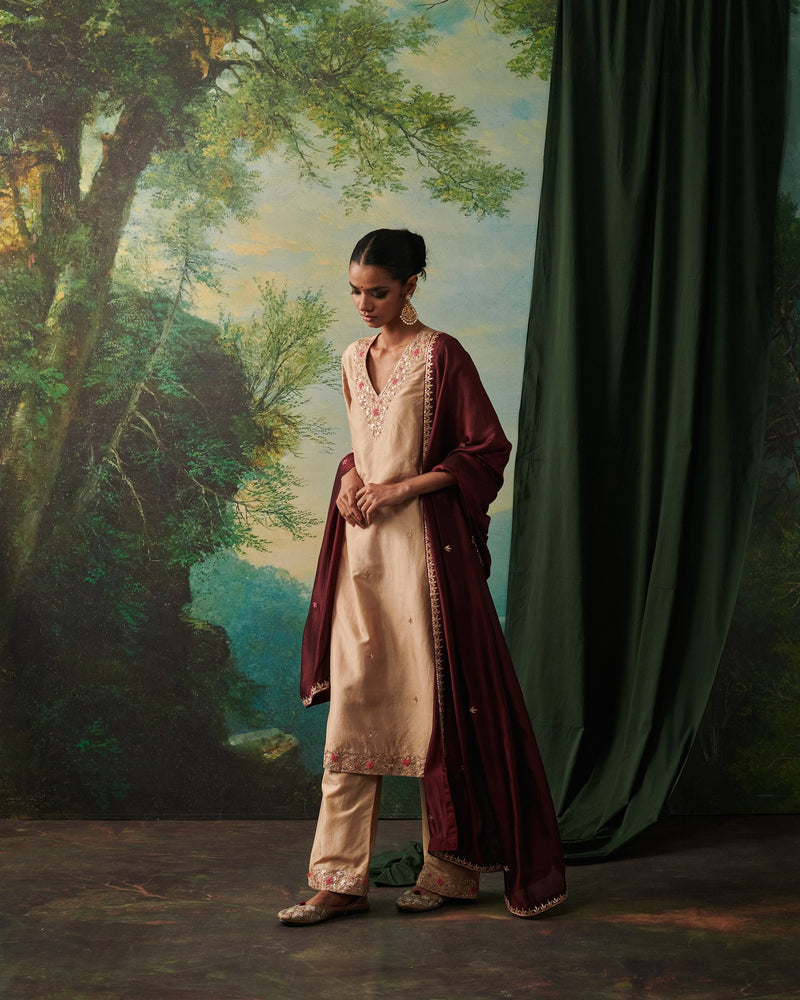
Keep reading
The journal →
Best Plus-Size Ethnic Wear Brands in India 2026: Where to Actually Find Your Size
Handmade by karigars Made to your measurements Fit guarantee Ships worldwide As seen in GraziaElle Graduat...
17 September 2026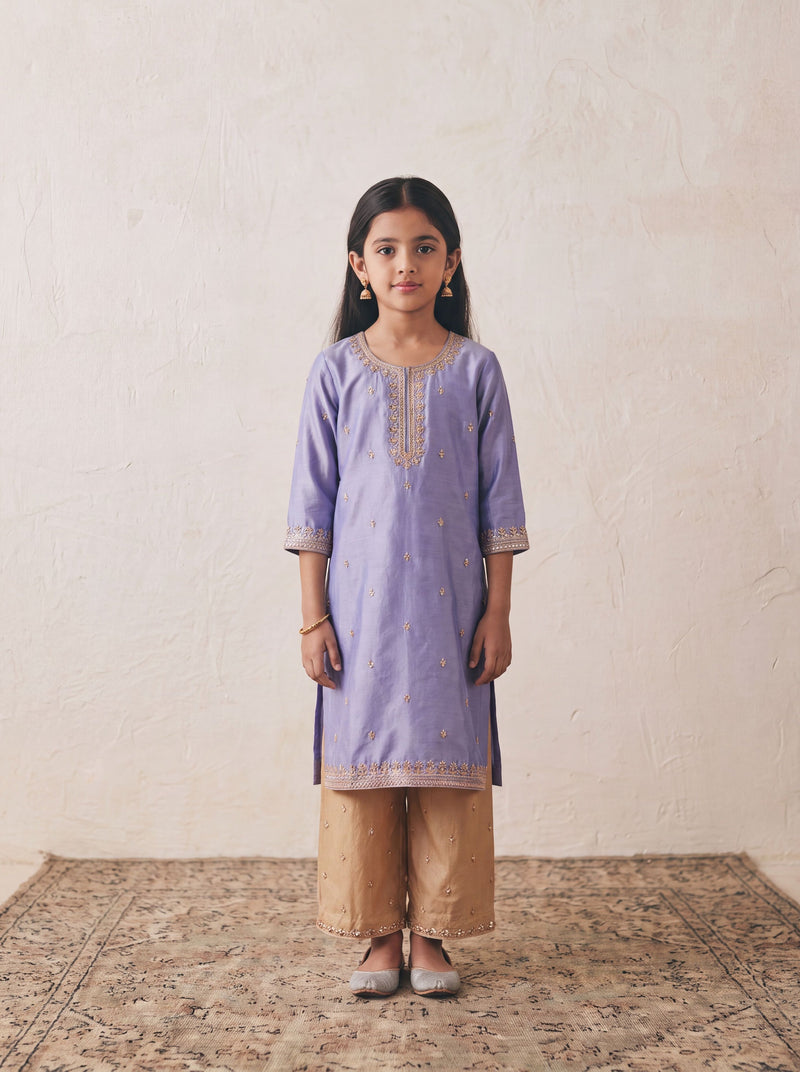
Kurta Sets for Girls: A Parent's Buying Guide to Kids' Kurta Sets
Handmade by karigars Made to your measurements Fit guarantee Ships worldwide As seen in GraziaElle Graduat...
17 September 2026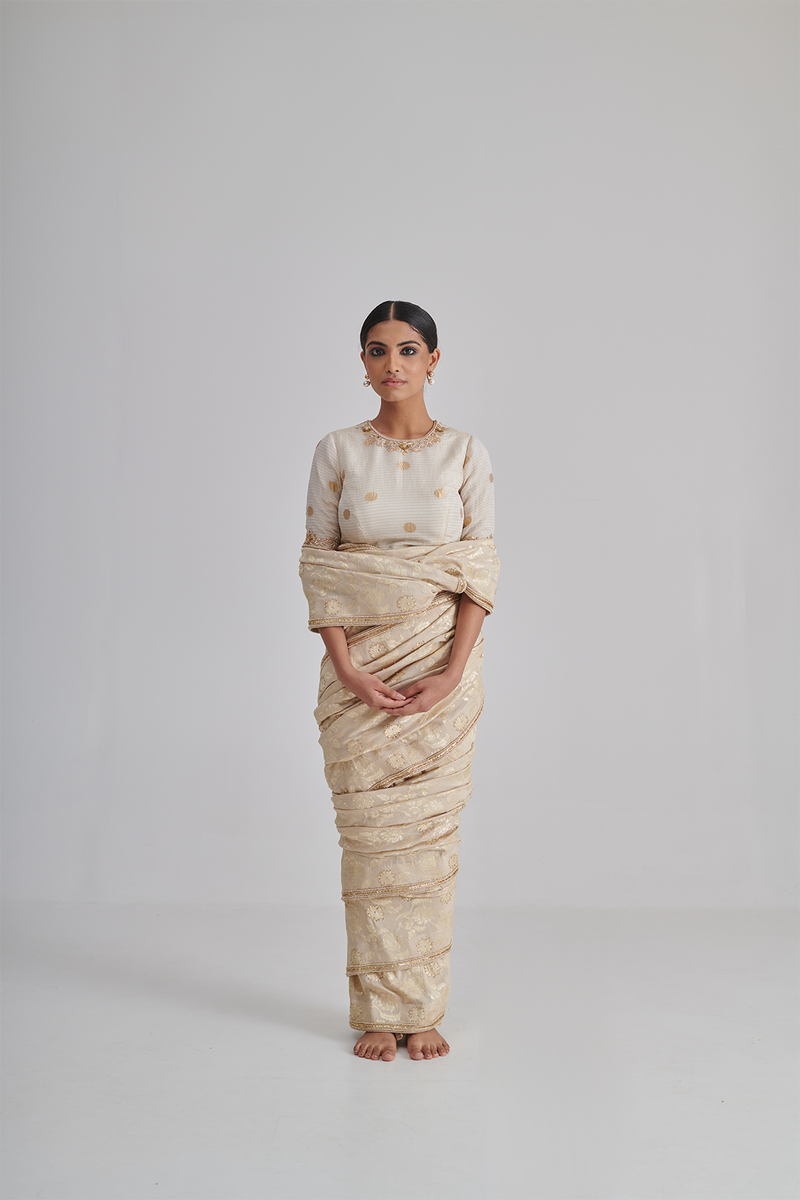
Gifts for Your Mother-in-Law: Indian Outfits That Don't Feel Like a Formality
Handmade by karigars Made to your measurements Fit guarantee Ships worldwide As seen in GraziaElle Graduat...
17 September 2026