
The Complete Guide to Made-to-Order Indian Fashion: What to Expect
You've found the perfect lehenga or saree online — the colour is right, the embroidery is stunning, the silhouette is exactly what you imagined. Then you see it: "Made to Order. Production time: 4–5 weeks." And you have questions. What does that actually mean? Is it worth the wait? What happens during those weeks? This guide answers everything.
What "Made to Order" Actually Means
Made-to-order means your outfit doesn't exist yet when you place the order. It will be created specifically for you, from fabric cutting to the final stitch. This is fundamentally different from:
- Ready-to-wear — already made in standard sizes, shipped immediately
- Made-to-measure — an existing design altered to your measurements
- Bespoke/couture — designed from scratch for you (significantly more expensive)
Made-to-order sits in the sweet spot: you get a specific design crafted to your measurements, with the quality of handmade construction, at a fraction of couture pricing.
Why Does It Take 4–5 Weeks?
When you order a handcrafted piece, here's what actually happens during those weeks:
Week 1: Fabric preparation. The base fabric is selected, cut to your measurements, and prepared for embroidery. For brocade or jacquard pieces, the fabric itself may need to be woven or sourced from specific weavers.
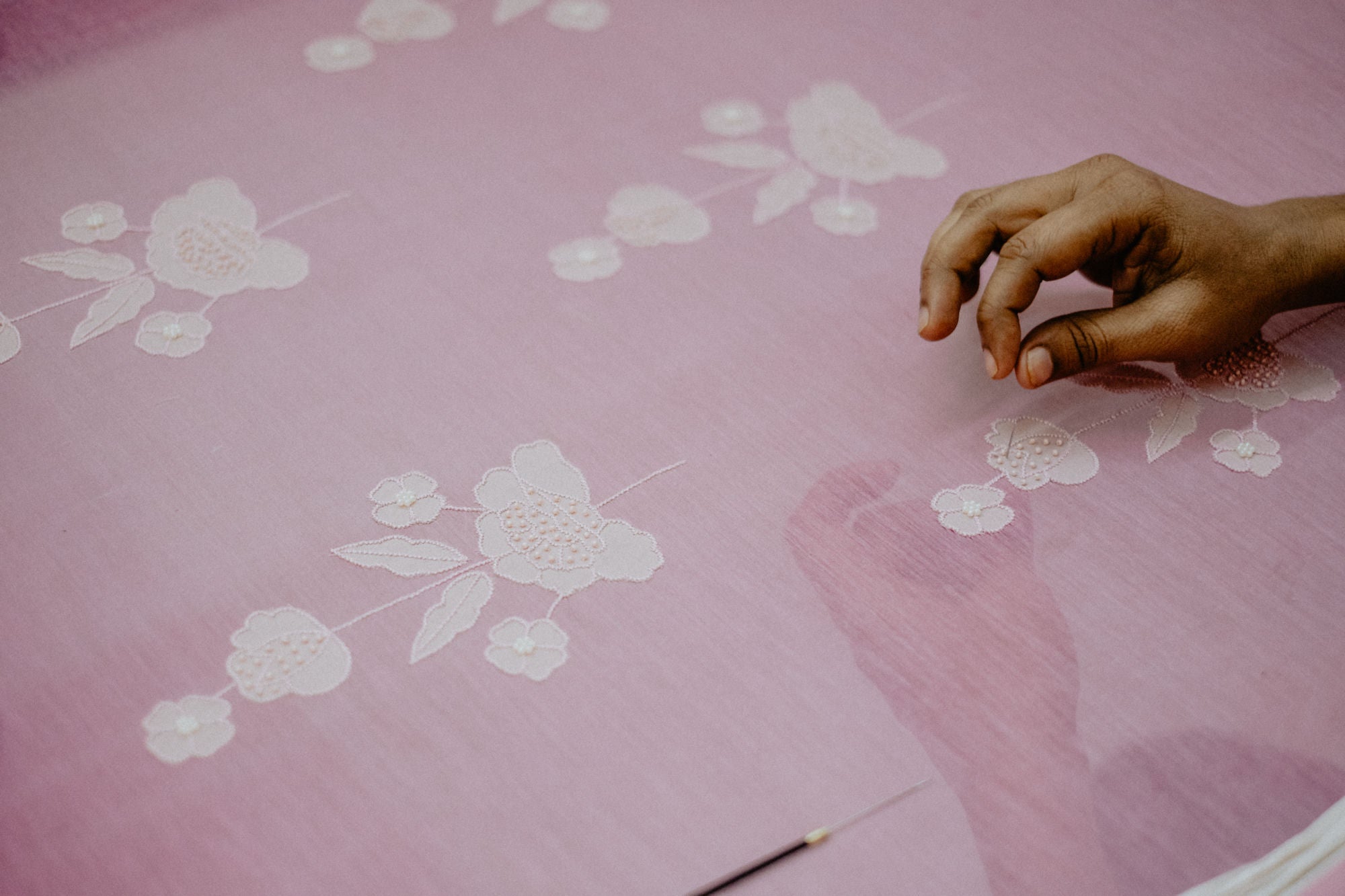
Weeks 2–3: Hand embroidery. This is where most of the time goes. A single karigar (artisan) — or often a team of karigars — works on your piece by hand. Techniques like zari, aari, zardozi, gota patti, and sequin work are all done stitch by stitch. There are no shortcuts to this.

Week 4: Assembly and finishing. The embroidered panels are assembled into the final garment. Linings are added, seams are finished, closures are attached, and the piece is pressed and inspected.
Week 5: Quality check and packaging. The finished garment is checked against the original design, photographed for records, and carefully packaged for shipping.
When you wear a made-to-order piece, you're wearing weeks of continuous human skill. The time isn't a delay — it's the craft.
The Quality Difference
Why does handcrafted made-to-order outperform mass-produced alternatives?
Embroidery integrity. Machine embroidery lays thread on top of fabric in uniform patterns. Hand embroidery goes through the fabric — each stitch is structurally part of the garment. This means it lasts longer, looks more textured, and catches light differently from every angle.
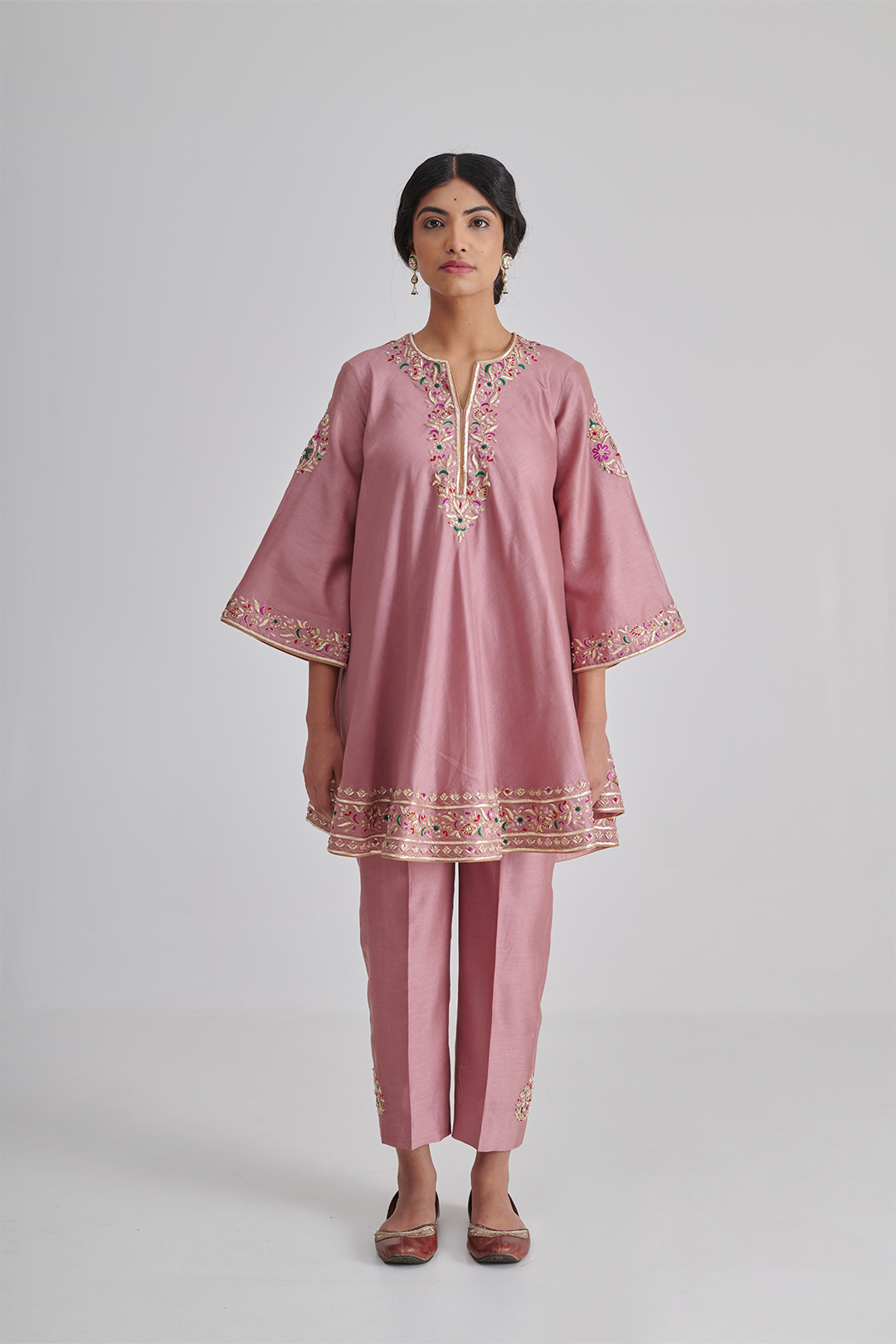
Compare the hand-embroidered zardozi and aari work on the Ferozaan & Gulraaz anarkali with any machine-embroidered equivalent — the depth, the texture, the way light plays across the surface is incomparable.

Fit precision. Made-to-order pieces are cut to your measurements. The difference between a blouse that fits perfectly and one that's "close enough" is the difference between looking styled and looking dressed.
Uniqueness. While the design may be repeated, no two handcrafted pieces are identical. The karigar's hand introduces subtle variations in tension, spacing, and embroidery placement that make each piece one-of-a-kind.
How to Order Made-to-Order Successfully
1. Plan your timeline. If your event is on a specific date, work backwards: 4–5 weeks production + shipping time + a 1-week buffer for any delays. Order at least 6–8 weeks before your event.
2. Provide accurate measurements. This is critical. Get measured by a professional tailor — bust, waist, hip, shoulder width, arm length, and total length. Don't guess, don't use measurements from years ago, and don't convert from Western dress sizes.
3. Understand colour variation. Screen colours vary between devices. A "red" on your phone screen may look different on a laptop, and both may differ slightly from the actual fabric. Natural variations in handwoven textiles mean the final piece may have subtle colour differences from the product photo. This is inherent to handcraft — it's a feature, not a defect.
4. Ask questions before ordering. Reach out about fabric weight, embroidery technique, colour options, or anything you're unsure about. A good brand will answer patiently and help you make the right choice.
The Karigar: Who Makes Your Outfit
Behind every made-to-order piece is a karigar — a skilled artisan who has often trained for years in a specific embroidery technique. Many karigars come from families where the craft has been passed down for generations.
Free Download
Get Our Measurement Guide
Step-by-step instructions with photos for perfect custom fit.
Download Free Guide

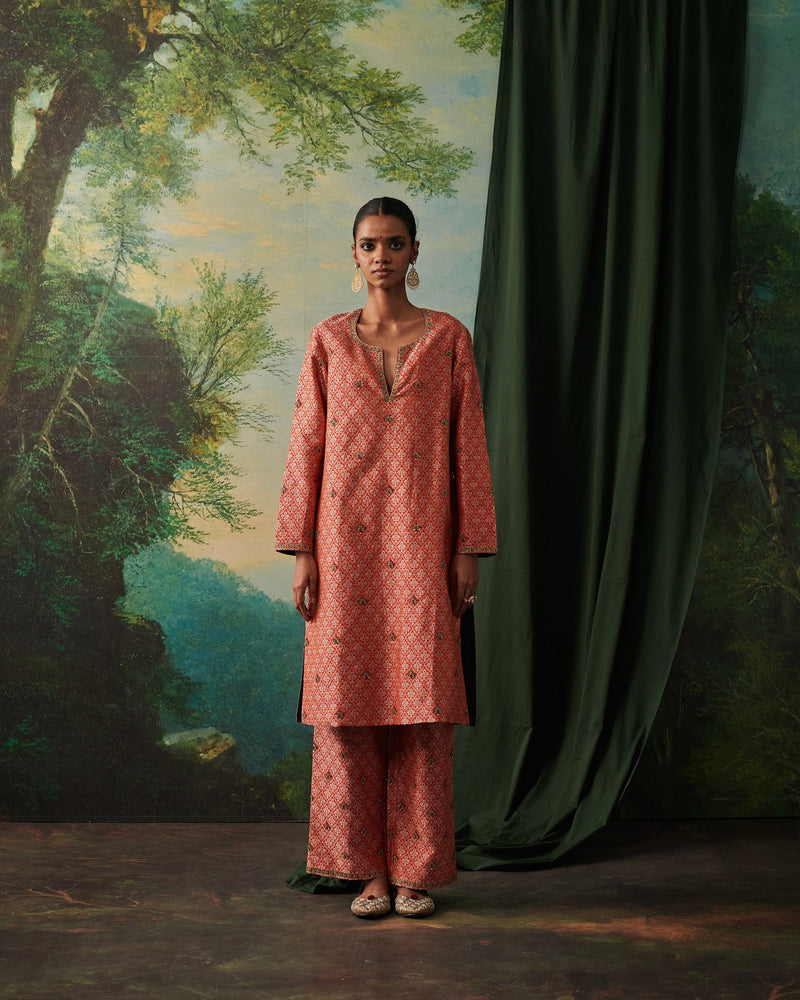
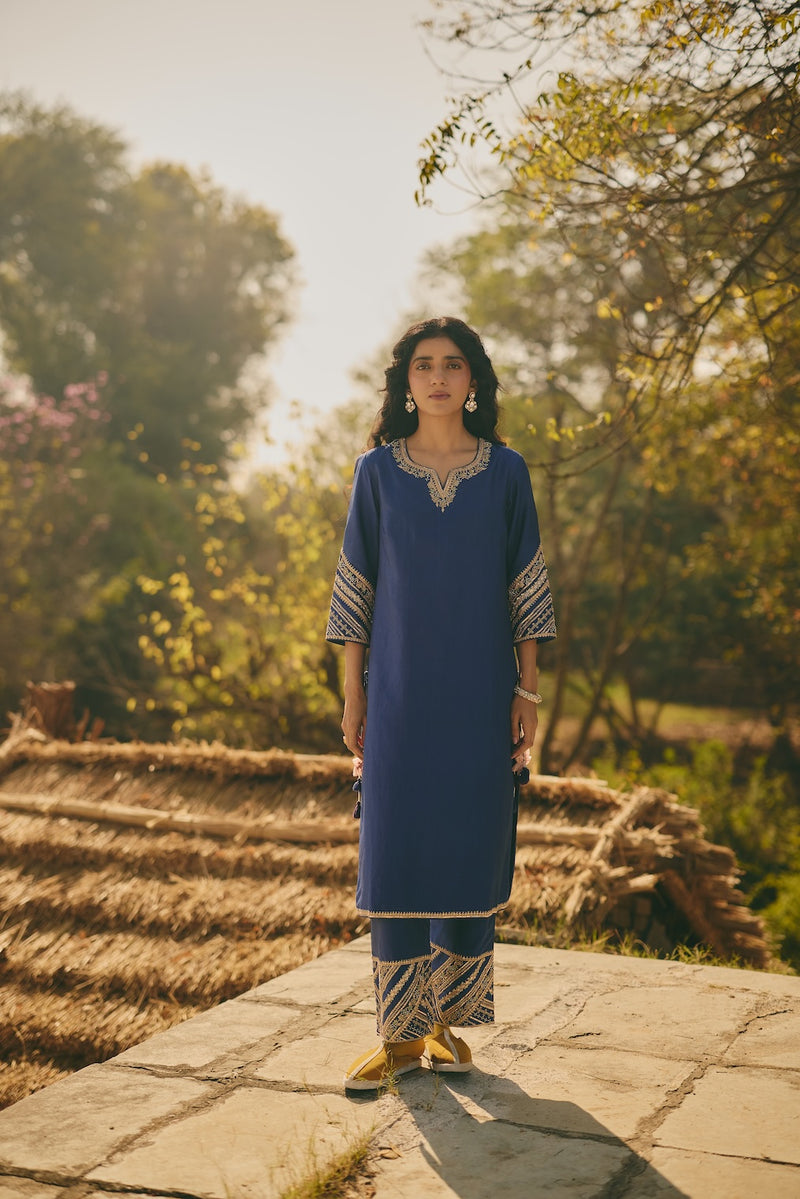
When you order a piece like the Heer & Zunaira in golden jacquard silk with hand-embroidered detailing, or the Roohi & Qurbat with its intricate floral grid jaal, you're directly supporting these artisans. Made-to-order brands create sustained, dignified employment for karigars — not seasonal, not exploitative, but consistent skilled work.
Made-to-Order vs Fast Fashion: The Real Cost
A made-to-order handcrafted kurta set might cost ₹20,000–₹40,000. A mass-produced one might cost ₹3,000–₹5,000. On the surface, the math seems obvious. But consider:
Longevity. Handcrafted pieces with hand-embroidery last decades with proper care. Fast fashion Indian wear lasts 2–3 wears before embroidery unravels, fabric pills, or colours fade.
Cost per wear. A ₹30,000 kurta set worn 15 times over 10 years = ₹2,000 per wear. A ₹4,000 kurta set worn twice before it falls apart = ₹2,000 per wear. Same cost, vastly different experience.
Resale and heirloom value. Handcrafted pieces retain value. They can be passed down, restyled, or resold. Fast fashion has zero resale value.
Ethical production. Made-to-order pieces are produced on demand — no overproduction, no unsold inventory sent to landfills. Each piece is wanted before it's made.
What to Expect When Your Order Arrives
Unboxing: Handcrafted pieces are typically packaged carefully — often in fabric pouches or tissue-lined boxes. Take photos when you open the package in case you need to communicate with the brand.
First inspection: Check the embroidery, seams, closures, and overall finish. Look at the piece in natural light — indoor lighting can mask colour and texture.
Try it on immediately. Don't wait until the day of your event. Put it on, move in it, sit down. If anything needs adjustment, you have time.
Steaming, not ironing. Handcrafted embroidery should never be ironed directly. Use a garment steamer or place a pressing cloth between the iron and the fabric. Always iron on the reverse side.
Frequently Asked Questions
Can I customise the design?
Most made-to-order brands work from their existing designs but may offer limited customisation — sleeve length, neckline depth, colour within the available fabric range. Full design customisation is bespoke/couture territory and is priced differently.
What if the piece doesn't fit?
With accurate measurements, fit issues are rare. Minor adjustments (hemming, taking in a seam) can be done by a local tailor. Major fit issues should be communicated to the brand immediately — most will work with you to resolve it.
Is made-to-order more expensive than ready-to-wear?
Not necessarily. Made-to-order eliminates the cost of holding inventory, guessing sizes, and dealing with unsold stock. You're paying for the craft and the personalisation, not for warehouse overhead.
Can I rush an order?
Some brands offer expedited production for an additional fee. But understand that rushing handcraft means either the karigar works longer hours or corners are cut. If the timeline is tight, be honest about your deadline and let the brand tell you what's realistic.
Explore: kurta sets · sarees · lehengas · dupattas · shop all
Ready to Order Custom?
WhatsApp us at +91 70423 11214 with what you're looking for. We'll guide you through measurements, customizations, and timeline.
Most pieces ready in 4-5 weeks. Bridal in 6-8 weeks.
Made to order in 4–5 weeks
Have an event date? We’ll tell you exactly when to order by.
We take a limited number of orders each month — secure your slot early.
Not sure where to start?
Tell us what you're dressing for and we'll help you choose — fabric, fit, colour, and timeline — over WhatsApp.
Your Cart
Pieces from this story
All pieces →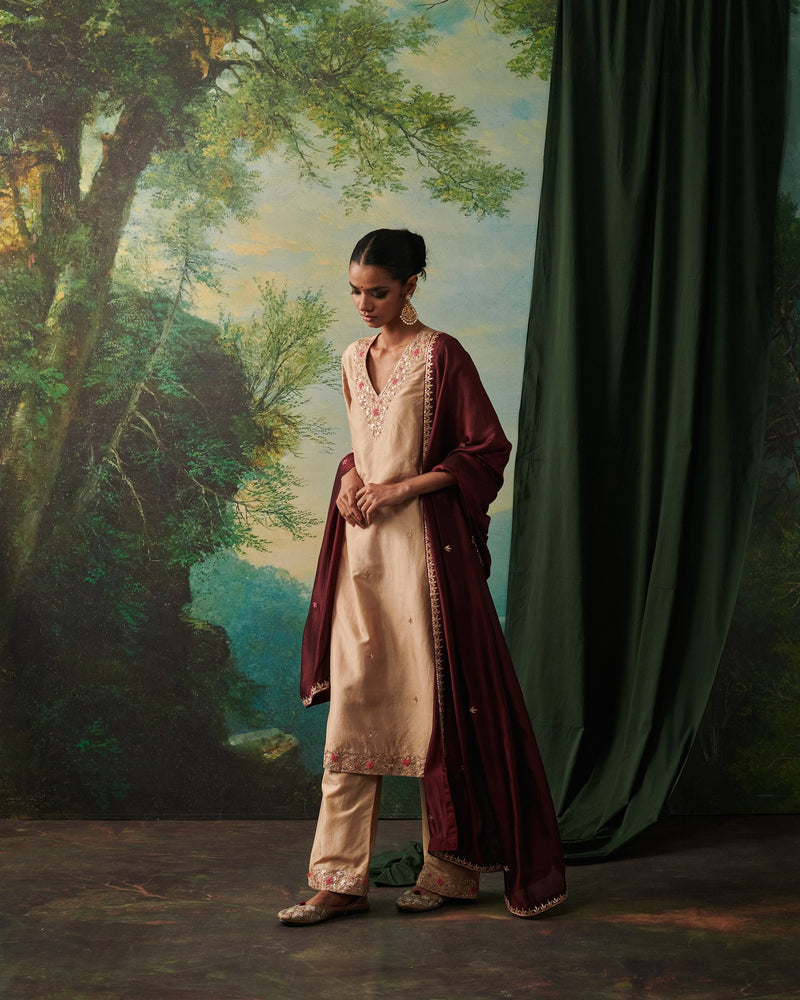
Keep reading
The journal →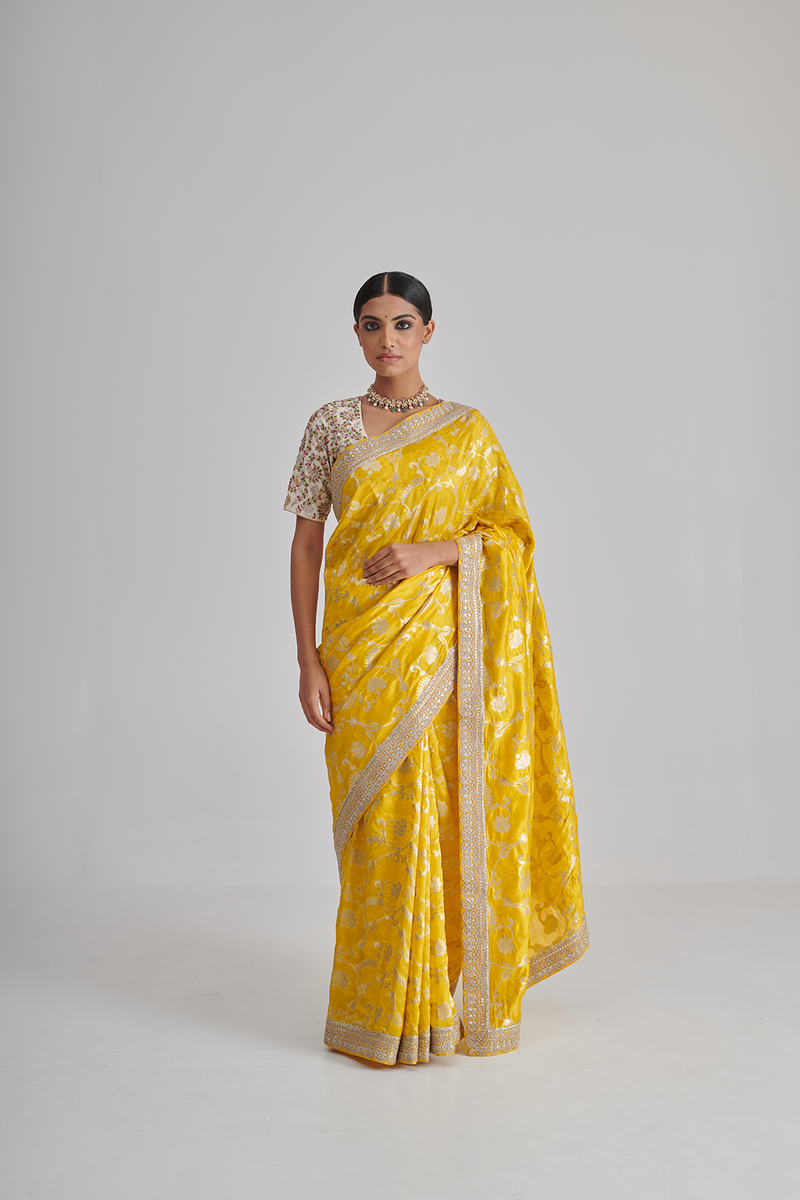
Best Banarasi Saree Brands in India 2026: Where to Buy an Authentic Banarasi
Handmade by karigars Made to your measurements Fit guarantee Ships worldwide As seen in GraziaElle Graduat...
14 September 2026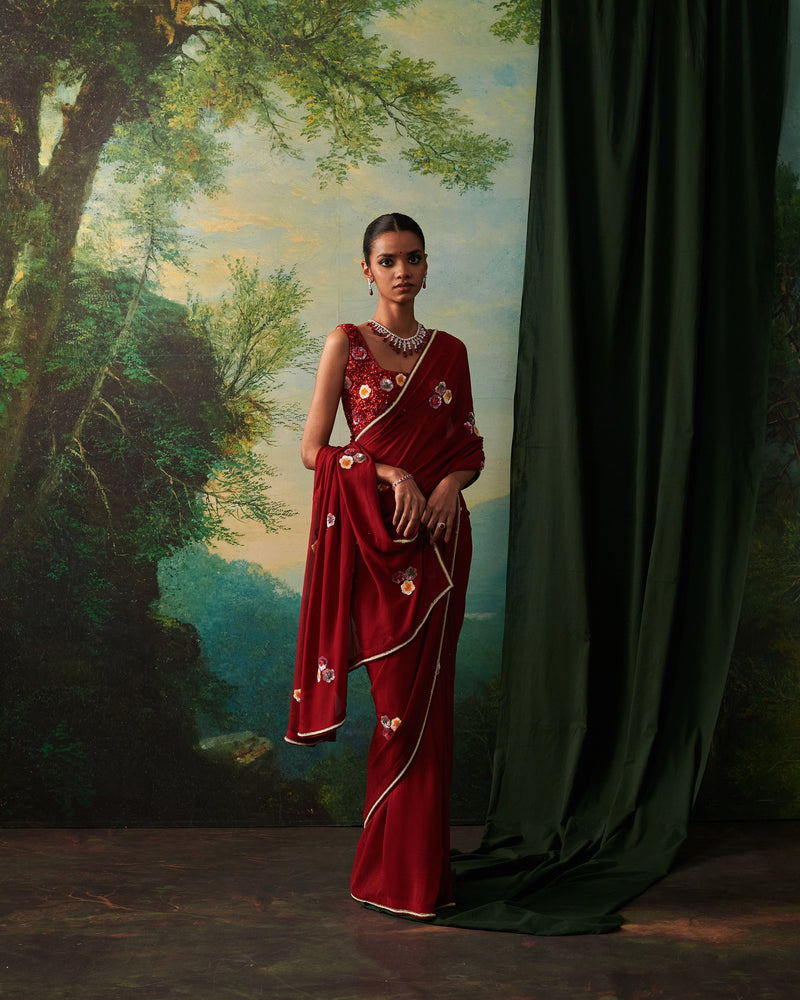
Gifts for Your Wife She'll Actually Wear: Indian Outfits for Karva Chauth, Diwali & Anniversaries
Handmade by karigars Made to your measurements Fit guarantee Ships worldwide As seen in GraziaElle Graduat...
14 September 2026
Designer Lehenga for Girls: A Parent's Buying Guide to Kids' Lehengas
Handmade by karigars Made to your measurements Fit guarantee Ships worldwide As seen in GraziaElle Graduat...
14 September 2026