
Marodi Embroidery in Indian Fashion: A Complete Guide
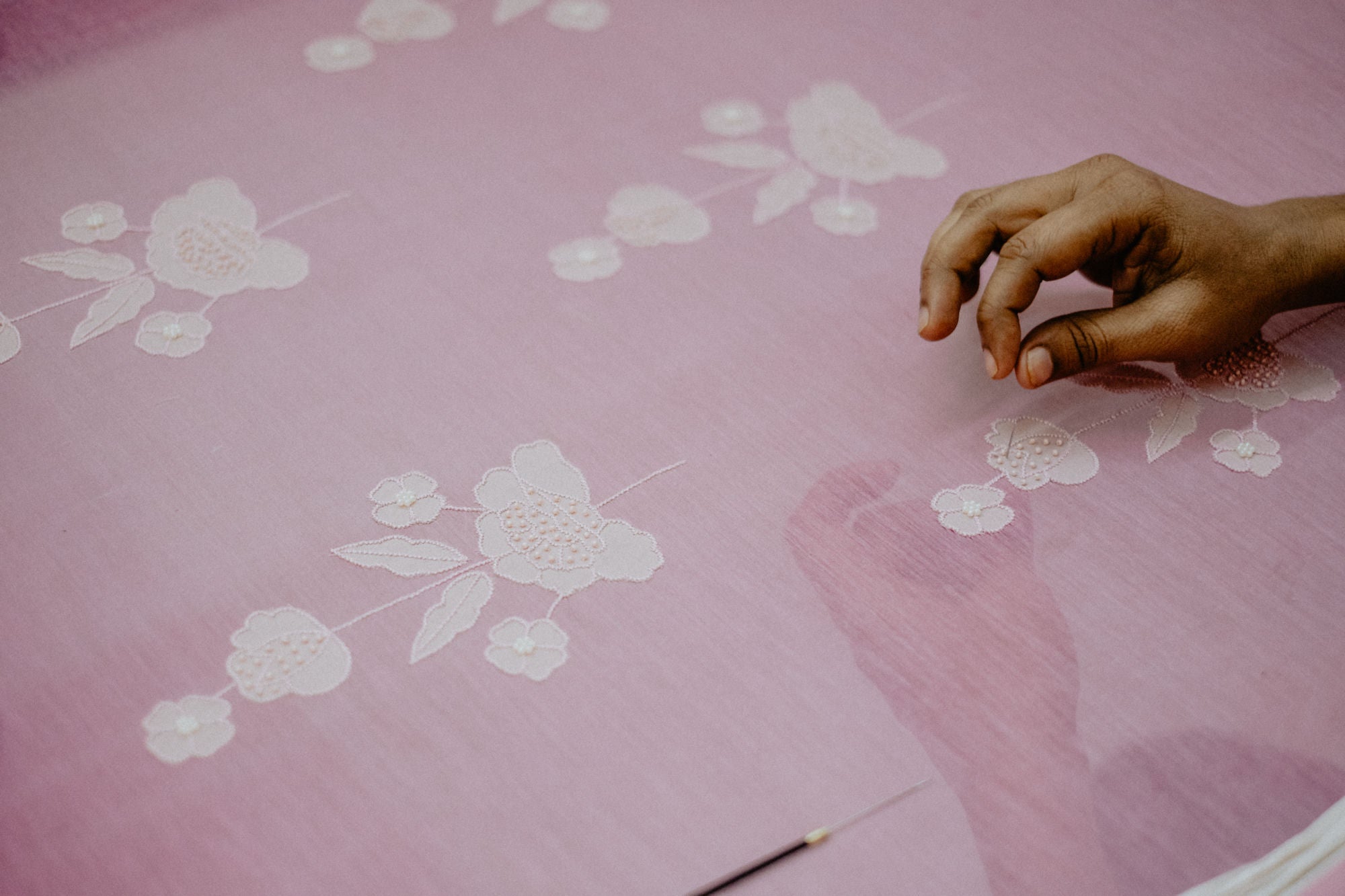
Marodi is one of the most refined hand embroidery techniques in Indian textile tradition. Using a hooked needle to create chain-stitch patterns, marodi work produces delicate, rope-like lines that flow across fabric like calligraphy. Here's your complete guide to understanding and appreciating this exquisite craft.
What is Marodi Embroidery?
Marodi (also spelled marori) is a chain-stitch embroidery technique that creates:
- Continuous, flowing lines that resemble twisted rope or cord
- Intricate patterns including florals, paisleys, and geometric designs
- Both outline work and filled patterns
- A distinctive texture different from flat embroidery
The Marodi Technique
Marodi is worked with a hook called an 'ari' or 'marodi needle'. The artisan holds the needle from above the fabric while pulling thread from below, creating interlocking chains. This technique allows for:
- Precise, controlled lines
- Faster work than needle embroidery
- Consistent chain-stitch texture
- Both fine detail and bold patterns
Marodi on Festive Kurtas
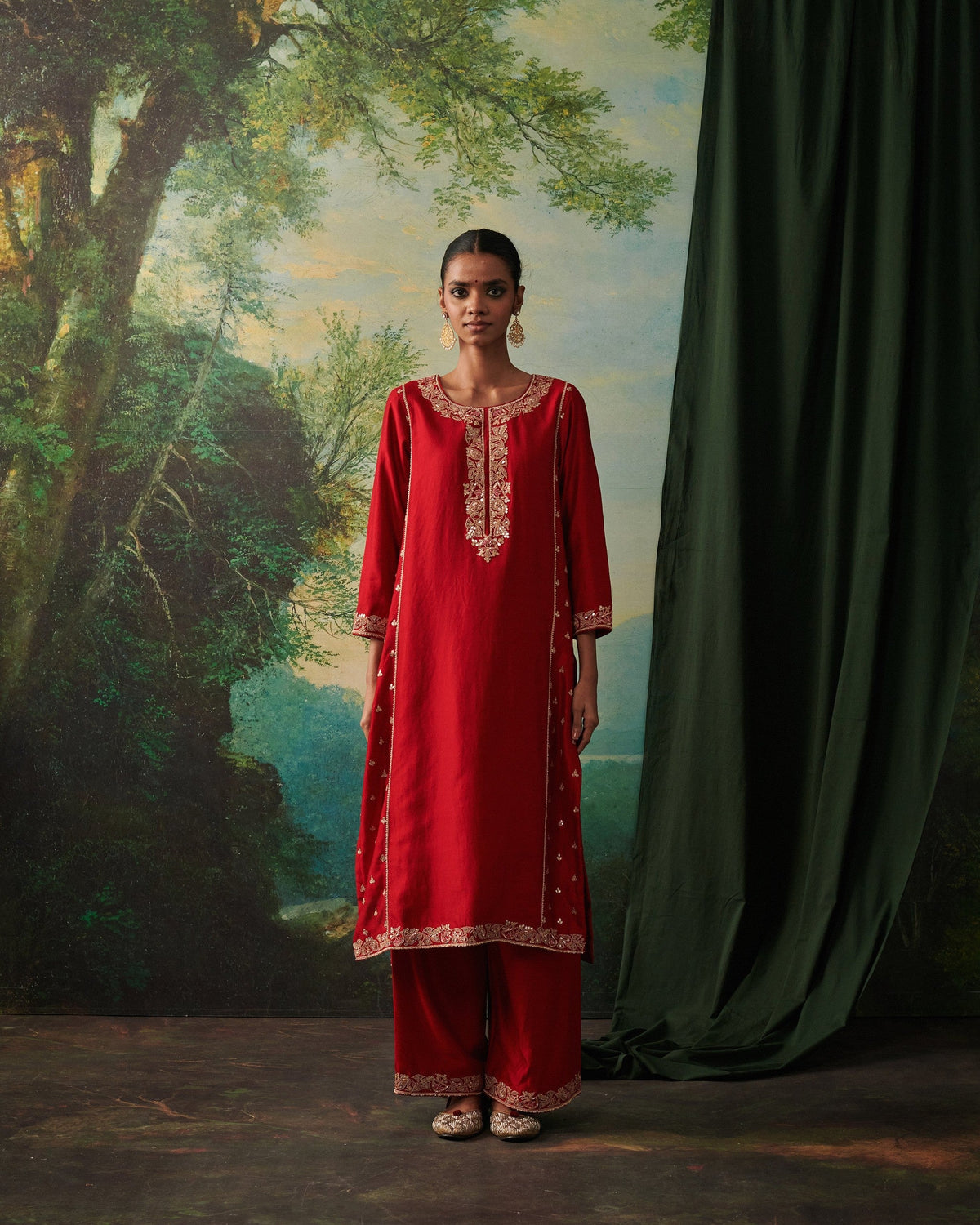
Marodi embroidery adds sophisticated detail to festive wear. The JAZABAH & SAIYAN deep red silk kurta features tonal embroidery using gota patti, marodi, resham, and bead work along the neckline, hem, and sleeves.

The AYESHA & MEHR deep black silk kurta features jaali-inspired borders using marodi, sequins, and thread work. The statement medallion at the back showcases the technique beautifully.

Marodi Combined with Other Techniques
Marodi often appears alongside other embroidery techniques. The ZIYA & SAAZ sunflower silk kurta features marodi, sequins, and thread work in pink and wine tones along the hem, creating a celebratory finish.

Recognising Quality Marodi Work
Even chains: Each chain in the stitch should be uniform in size
Free Download
Get Our Measurement Guide
Step-by-step instructions with photos for perfect custom fit.
Download Free GuideSmooth lines: The chains should flow without kinks or breaks
Secure ends: Well-finished marodi has invisible joins and secure endings
Consistent tension: The embroidery should lie flat without puckering
Marodi in Different Regions
Rajasthan: Often combined with gota patti and used on bridal wear
Lucknow: Refined marodi often accompanies chikankari
Gujarat: Bold marodi patterns on festive wear
Kashmir: Similar technique called 'aari' with distinct aesthetic
Caring for Marodi Embroidery
- Always dry clean marodi-embroidered pieces
- Store flat to prevent chain distortion
- Never iron directly on embroidery
- Handle gently to avoid snagging the raised chains
When to Wear Marodi Embroidery
Weddings: Marodi's refined elegance suits all wedding functions
Festivals: The detailed work photographs beautifully for festive occasions
Formal events: Subtle marodi adds sophistication without overwhelming
Browse our kurta collection for pieces featuring marodi embroidery.
Frequently Asked Questions
Is marodi the same as aari work?
They use similar techniques but have regional differences. Aari (from Kashmir) often has different aesthetic traditions than marodi (from Rajasthan/Gujarat).
Is marodi durable?
Yes, quality marodi is quite durable. The chain-stitch structure is inherently strong when properly executed.
Can marodi be done by machine?
While machines can create chain stitch, handmade marodi has a distinctive quality. True marodi is always hand-done.
Ready to Order Custom?
WhatsApp us at +91 70423 11214 with what you're looking for. We'll guide you through measurements, customizations, and timeline.
Most pieces ready in 4-5 weeks. Bridal in 6-8 weeks.
Made to order in 4–5 weeks
Have an event date? We’ll tell you exactly when to order by.
We take a limited number of orders each month — secure your slot early.
WhatsApp me my order-by date + a shortlistNot sure where to start?
Tell us what you're dressing for and we'll help you choose — fabric, fit, colour, and timeline — over WhatsApp or on a video call.
Your Cart
Pieces from this story
All pieces →Not sure which piece, or need it by a date? Book a video consultation Ask us on WhatsApp


Keep reading
The journal →
Dabka, Nakshi, Cutdana: A Glossary of Hand Embroidery Materials
What dabka, nakshi, cutdana, resham, marodi, gota and moti actually are — a plain-English glossary of the materials b...
22 August 2026
Buta & Booti: The Small Motifs That Carry Indian Embroidery
What buta and booti mean in Indian textiles, how they differ from jaal, how they're woven or hand-embroidered, and ho...
14 August 2026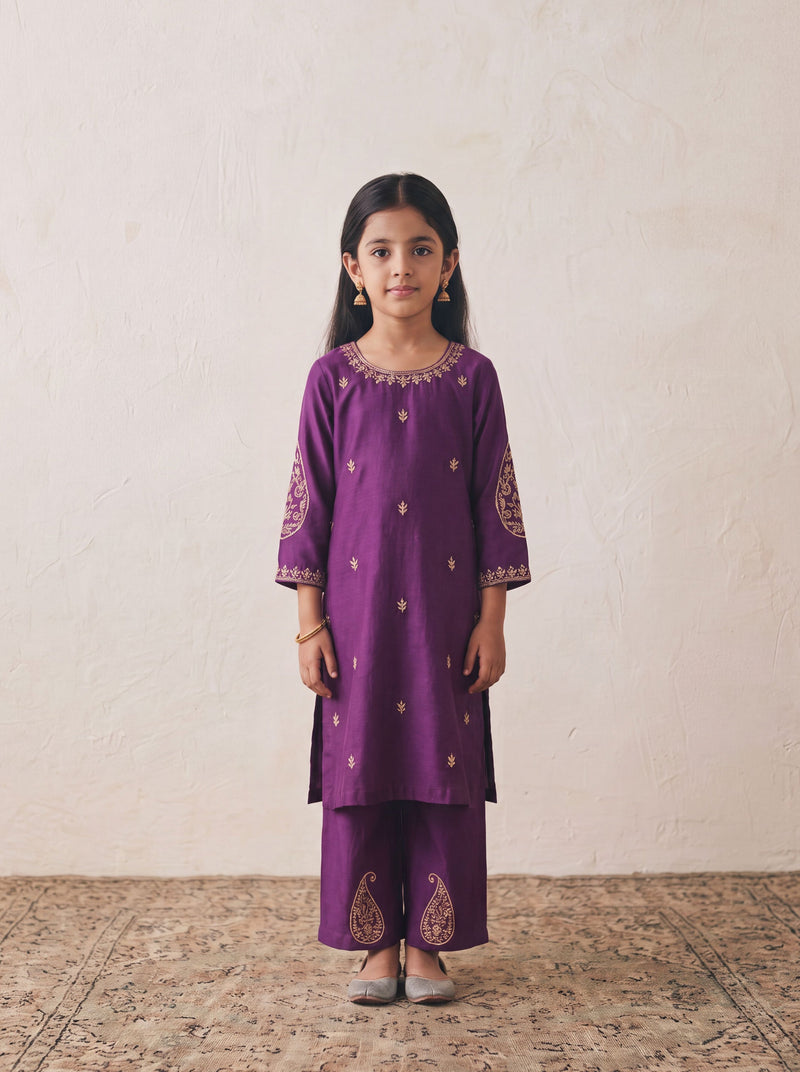
Hand Embroidery on Children's Clothes: Why We Bother
A reasonable person might ask why anyone would hand-embroider clothes for someone who will outgrow them by next summe...
31 July 2026