
From Small Towns to Centre Stage: The Brides Rewriting Indian Fashion
Part of our Bridal Stories series on modern heirloom dressing.
For a long time, the story of Indian bridal fashion was written in a handful of big cities. That's changing. Brides from smaller towns and every corner of the country are no longer just following metro trends — they're setting their own, blending the craft traditions of their regions with a confident, modern eye. And some of the designers leading this shift come from those very same towns.

Beyond the Metro Monopoly
Access has changed everything. A bride in a smaller town now has the same inspiration, the same designers, and — thanks to made-to-order ateliers that ship anywhere — the same access to craftsmanship as a bride in Delhi or Mumbai. The result is a wave of brides defining bridal style on their own terms, drawing on their roots rather than copying a single metropolitan template.
Heritage Craft, Modern Confidence
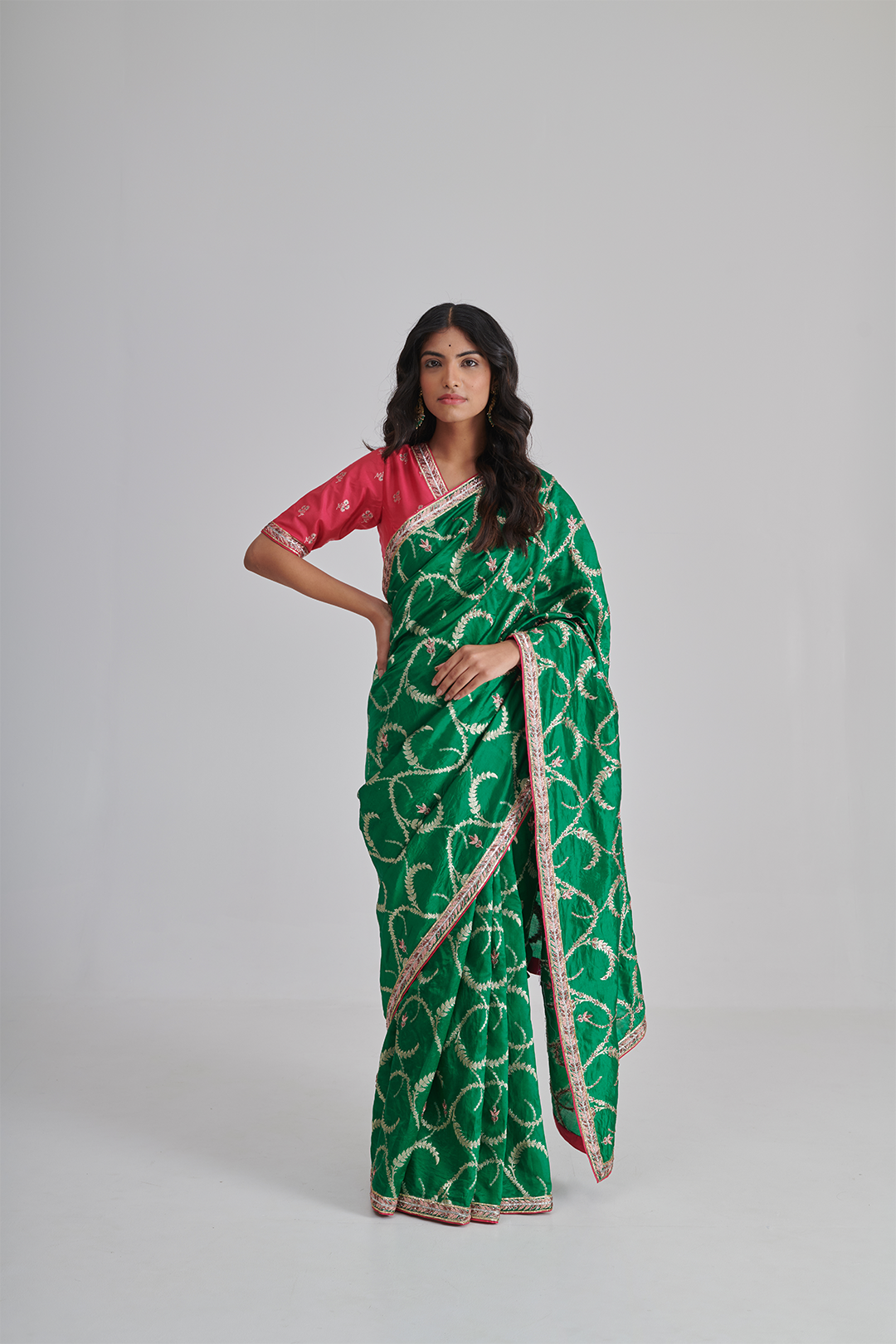
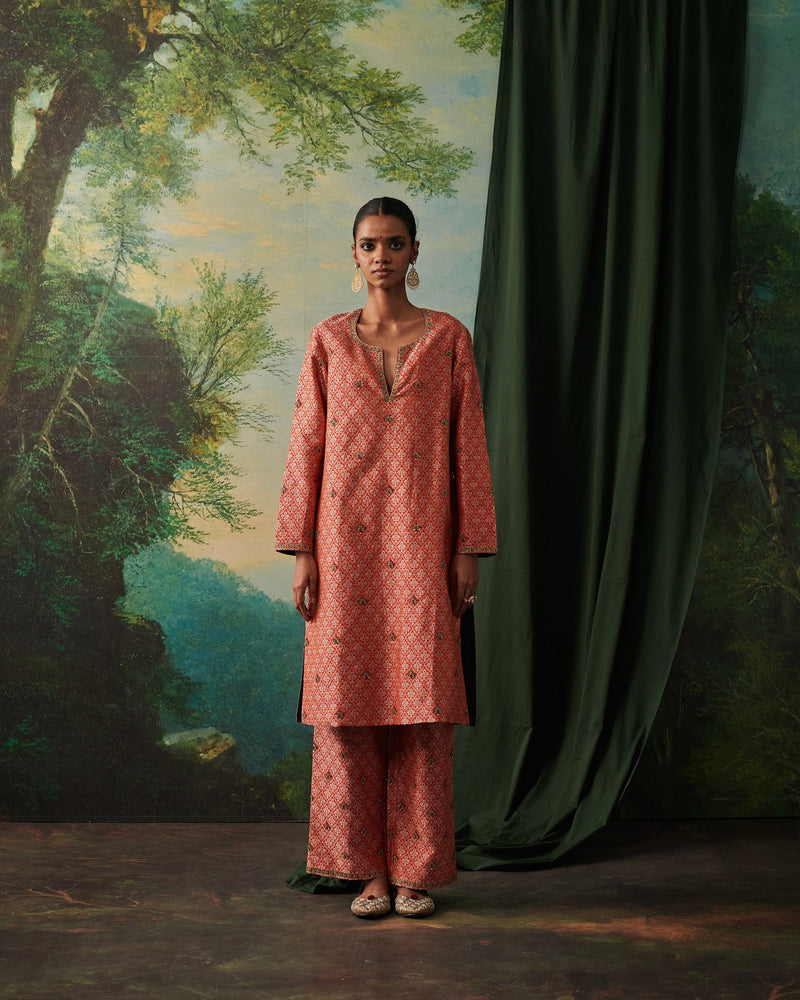
What's striking about this new regional bride is how she blends the old and the new. She'll honour the techniques her region is known for — the Bandhani, the zari, the Gota Patti — but wear them with a contemporary cut and a personal palette. A Bandhej Banarasi Suroor anarkali or a Humrahi green silk jacquard saree captures exactly this meeting point: heritage technique, modern sensibility.


Designers Who Come From Those Towns
This shift isn't only happening on the bride's side. A generation of designers who grew up away from the fashion capitals — without industry connections, but with a deep love of craft — are building labels that speak to brides like them. Rashika Mittal's own journey began in Tinsukia, a small town in Upper Assam, far from any fashion establishment, before building an atelier in Jaipur rooted entirely in handwork and karigari. That origin isn't a footnote; it's the point of view.
Celebrating the Karigar
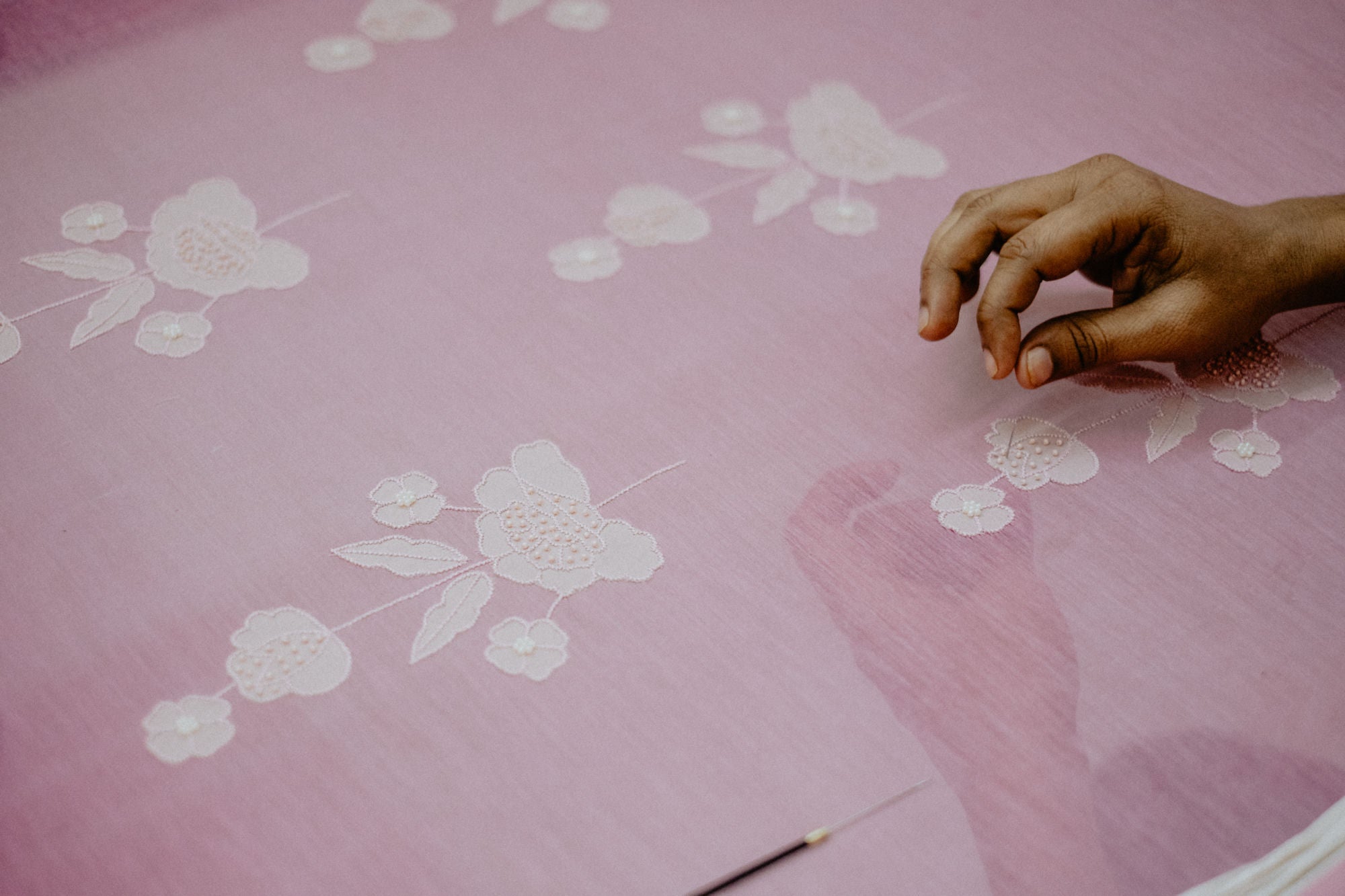
At the heart of regional bridal fashion is the artisan. The Mukesh, Aari, Zardozi, and Chikankari that make these pieces special are the work of karigars whose skills are passed down through generations. Choosing handcrafted bridalwear is, in a real sense, choosing to keep these regional crafts alive — a value the new bride holds close.
A More Personal Kind of Bridal
Ultimately, the regional bride is making bridal fashion more personal and more plural. There's no single "right" way to dress anymore — there's her way, shaped by where she's from, the craft she loves, and the woman she's becoming. That's a far richer story than any one city could tell.
The shift in a sentence: bridal fashion is moving from one centre to many — from trends handed down by the metros to styles brides write themselves, rooted in their own craft and culture.
Heritage Craft, Made to Order, Shipped Anywhere
Rashika Mittal is built on handwork and karigari — heritage techniques, modern silhouettes, handcrafted to your measurements wherever you are. Explore our full collection and sarees.
Explore the CollectionFrequently Asked Questions
How are regional and small-town brides changing Indian bridal fashion?
With wider access to designers and made-to-order ateliers that ship anywhere, brides beyond the big metros are defining style on their own terms — blending their region's heritage crafts like Bandhani, zari, and Gota Patti with contemporary silhouettes and personal palettes. The result is a more plural, personal bridal fashion no longer dictated by a single city.
Why does buying handcrafted bridalwear matter?
Handcrafted pieces are made by karigars whose skills — Mukesh, Aari, Zardozi, Chikankari and more — are passed down through generations. Choosing handwork helps keep these regional crafts alive, supports artisan livelihoods, and gives the bride a piece with real craftsmanship and meaning rather than a mass-produced outfit.
Made to order in 4–5 weeks
Have an event date? We’ll tell you exactly when to order by.
We take a limited number of orders each month — secure your slot early.
Not sure where to start?
Tell us what you're dressing for and we'll help you choose — fabric, fit, colour, and timeline — over WhatsApp.
Your Cart
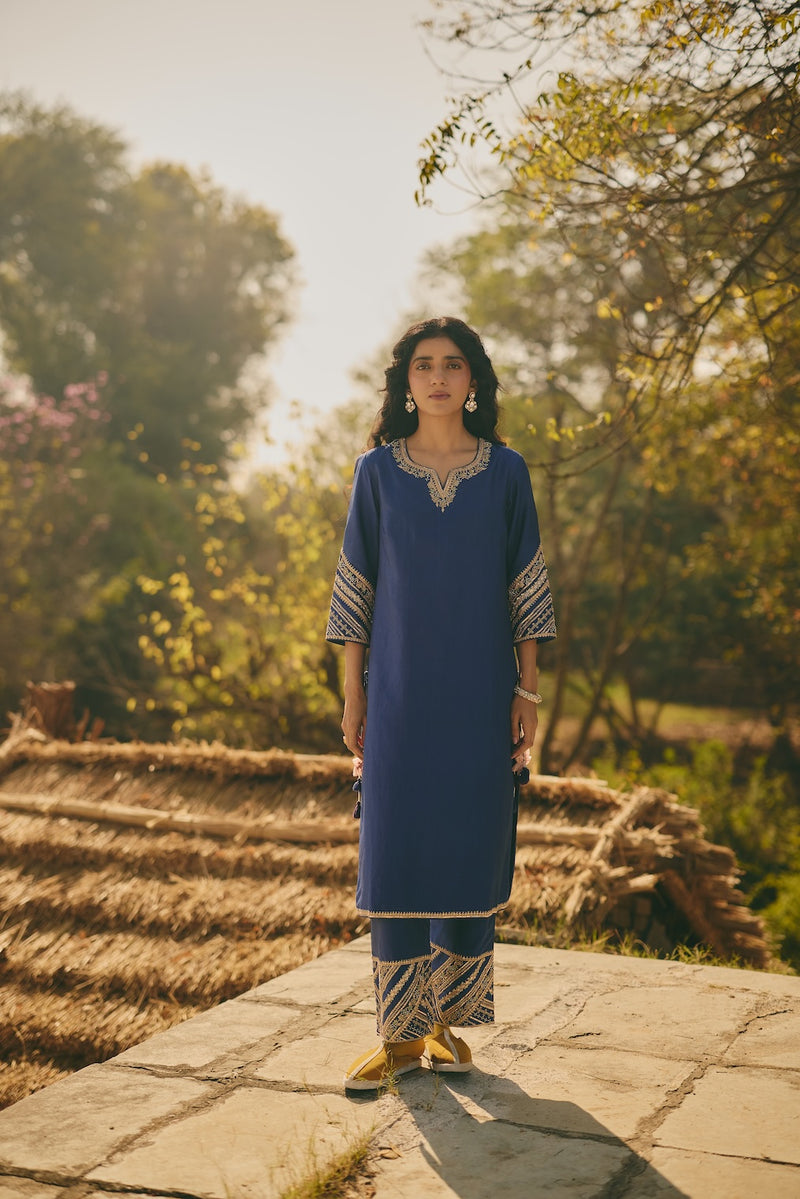
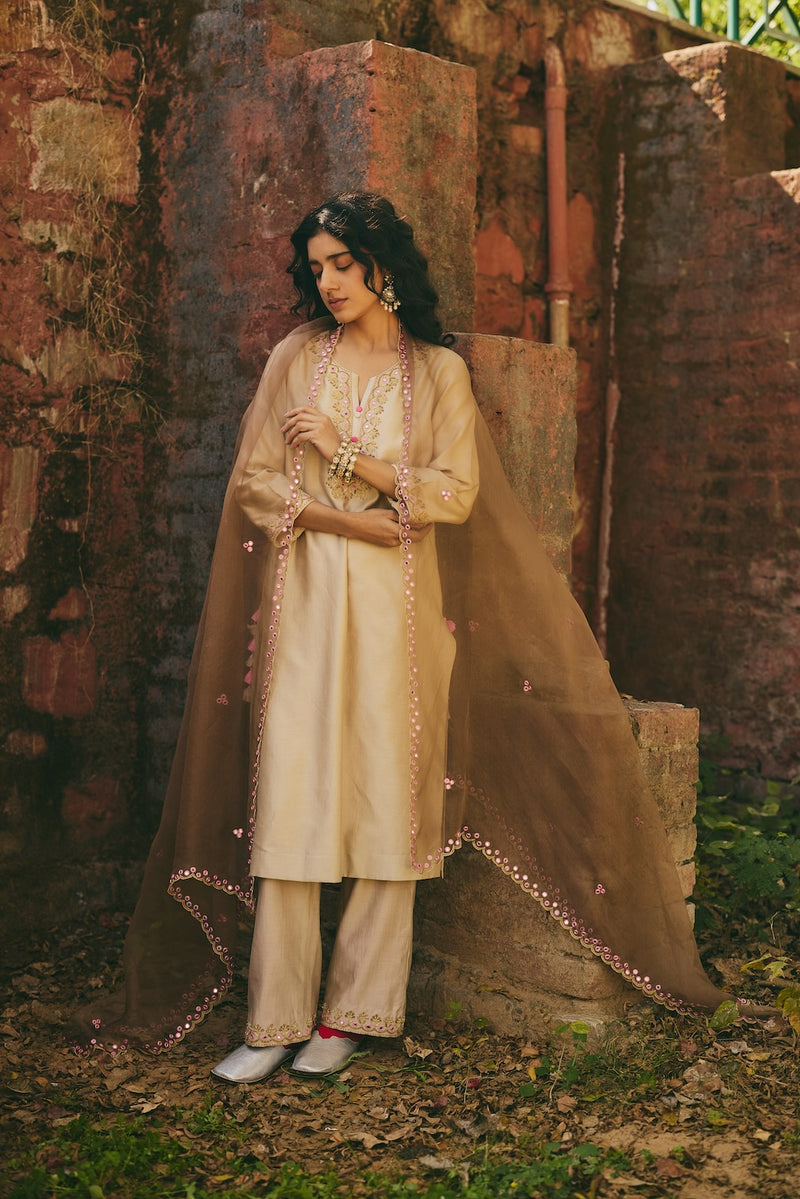
Pieces from this story
All pieces →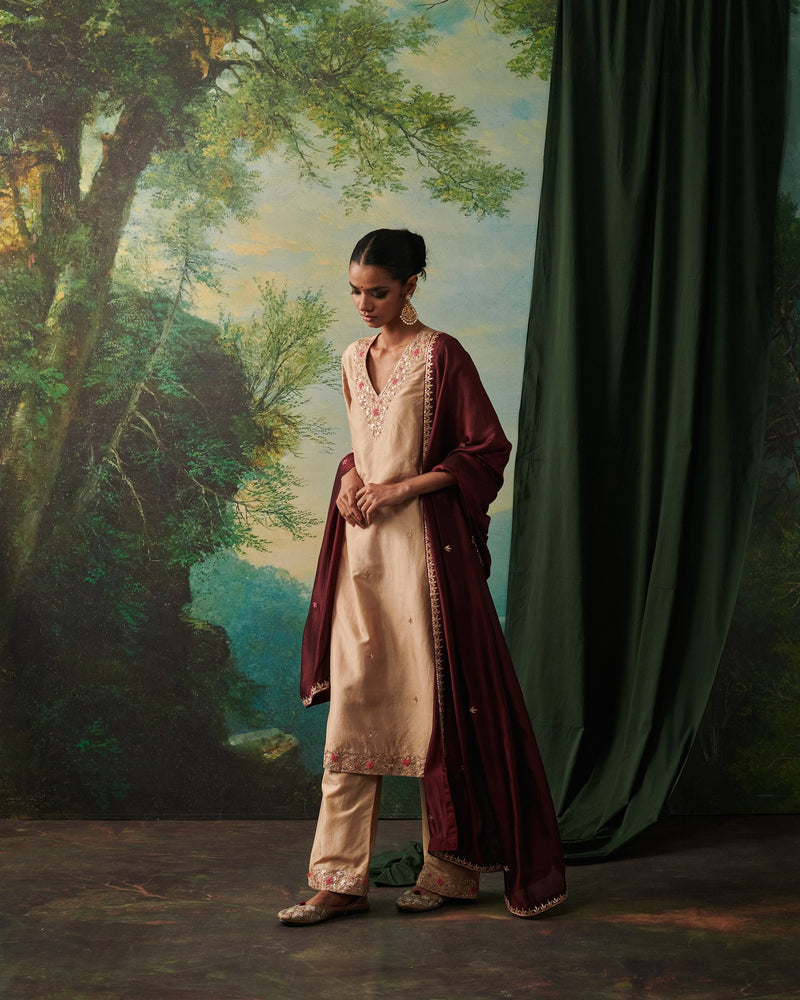
Keep reading
The journal →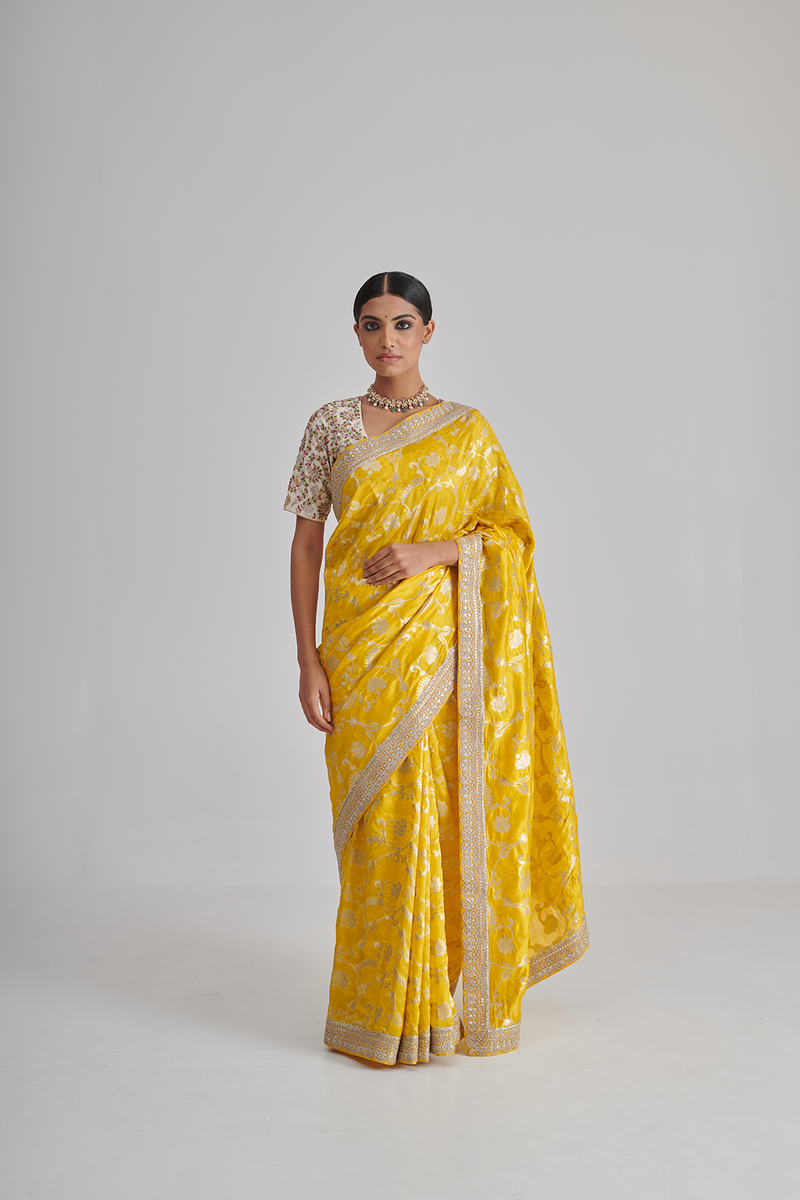
Best Banarasi Saree Brands in India 2026: Where to Buy an Authentic Banarasi
Handmade by karigars Made to your measurements Fit guarantee Ships worldwide As seen in GraziaElle Graduat...
14 September 2026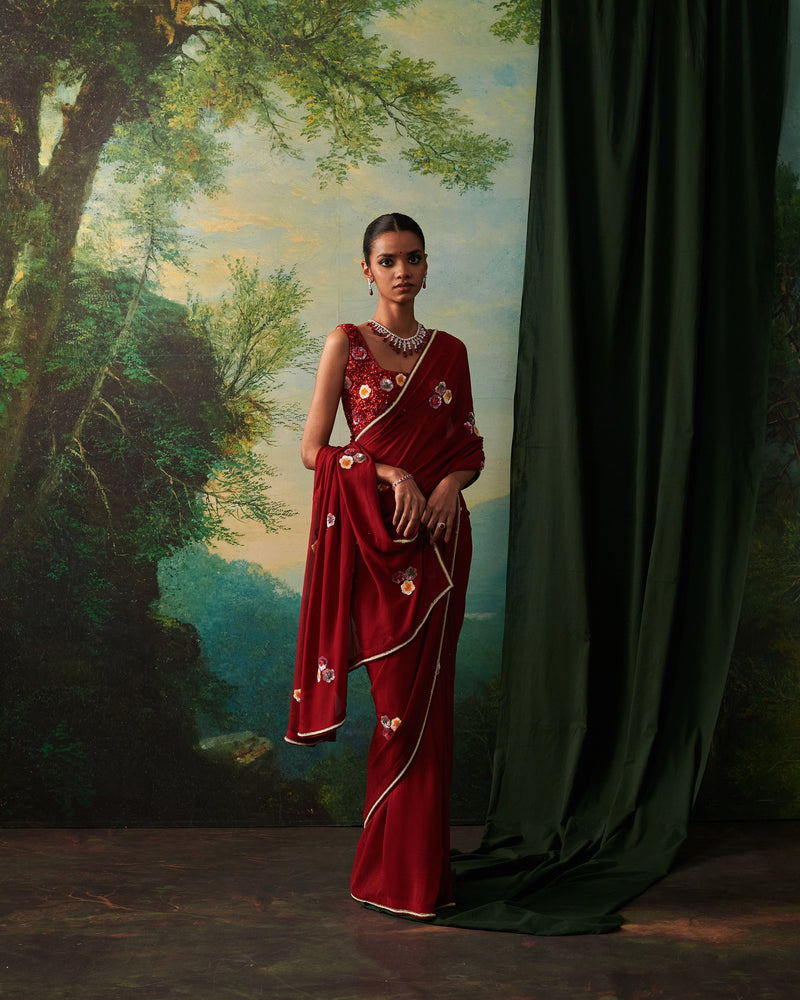
Gifts for Your Wife She'll Actually Wear: Indian Outfits for Karva Chauth, Diwali & Anniversaries
Handmade by karigars Made to your measurements Fit guarantee Ships worldwide As seen in GraziaElle Graduat...
14 September 2026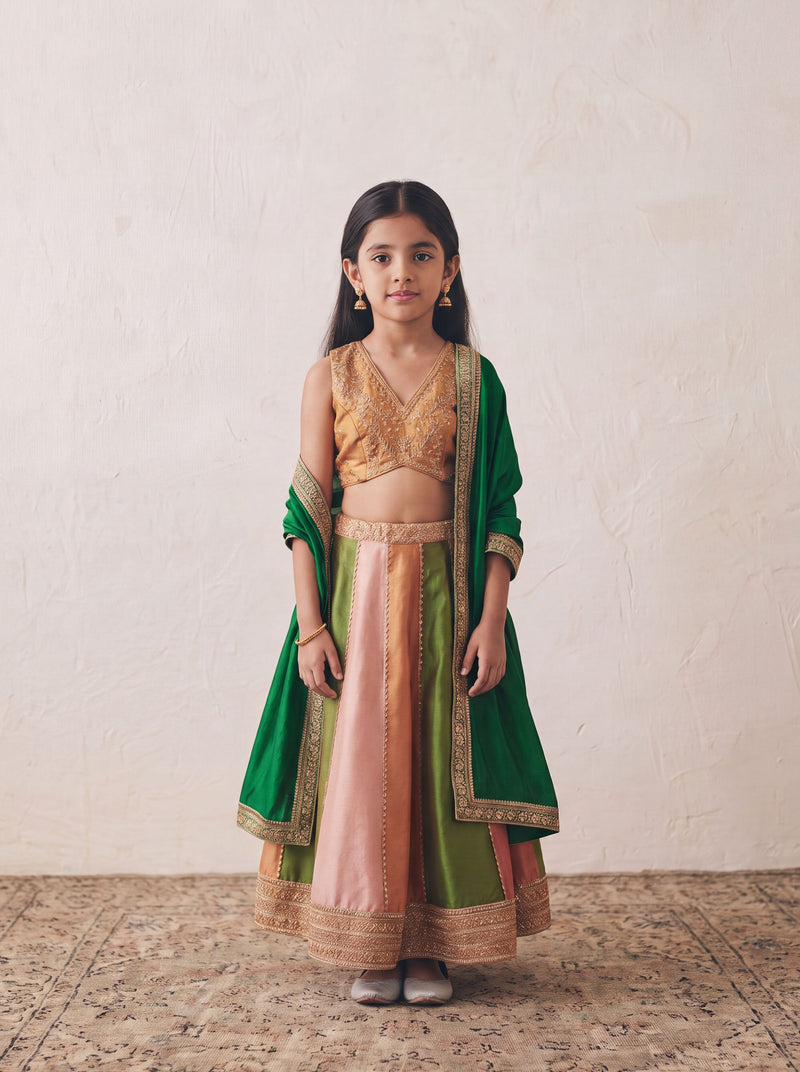
Designer Lehenga for Girls: A Parent's Buying Guide to Kids' Lehengas
Handmade by karigars Made to your measurements Fit guarantee Ships worldwide As seen in GraziaElle Graduat...
14 September 2026