
Rent or Buy? The Real Maths Behind an Indian Wedding Outfit
Renting Indian occasion wear has gone from slightly embarrassing to entirely normal in under a decade, and for good reason: a heavily worked lehenga costs more than a laptop and gets worn for six hours. But "rent it" isn't automatically the smart answer, and neither is "buy it". The right call depends on four things — how many times you'll wear it, how well it needs to fit, how far ahead you're planning, and what you want to be left holding afterwards. We make clothes for a living, so treat this as a guide from an interested party — but the maths below is the maths.
Start With Cost Per Wear, Not Price
The only number that matters is what each outing costs you.
A rental typically runs somewhere between ten and twenty-five per cent of an outfit's retail price for a three-to-four-day window, plus a refundable security deposit and usually a cleaning charge. So a ₹80,000 lehenga might rent for ₹12,000–20,000. Wear it once, and that's your cost per wear.
Buying a ₹40,000 made-to-measure set and wearing it four times over three years is ₹10,000 per wear — and at the end you still own it. Wear it eight times and it's ₹5,000. The break-even usually arrives faster than people expect, and it arrives fastest on pieces that are re-wearable rather than spectacular.
Run the honest version of this calculation before anything else: how many events in the next three years could this piece plausibly go to?
When Renting Genuinely Makes Sense
- A single spectacular piece for one night. If you want a heavily worked, high-drama outfit for one reception and you know you'll never wear it again, renting is the rational choice.
- A hard trend. Something very of-the-moment that will look dated in two seasons.
- Children and teenagers. Anyone whose body will change substantially within a year.
- Travel with a strict baggage allowance, where renting at the destination beats flying a lehenga across a continent.
- You're a guest at exactly one function in a community where nobody repeats.
When Renting Works Against You
Fit is the big one. Rental inventory is stock-sized, and most rental agreements permit only minor, reversible alterations — pinning and hemming, not reconstructing a blouse. For a fitted choli, an anarkali yoke or a saree blouse, that's a real constraint, and it's the difference between looking good in photographs and looking approximately right.
Timing is the second. The good pieces in popular sizes are booked out during peak wedding season, which is exactly when you need them. Rental works best when you're flexible; weddings are the opposite of flexible.
Then there's what you're left with. Nothing. Which is fine for a trend piece and a genuine loss for the outfit you wore to your sister's wedding.
And condition. A rented piece has been worn before, and hand embroidery shows wear — flattened zari, missing sequins, a dupatta that's been pinned in the same spots a dozen times. Reputable platforms manage this well; the cheaper end doesn't always.
The Option Most People Skip
The framing of "rent the expensive thing or buy the expensive thing" hides a third route: buy something less spectacular that you'll actually wear repeatedly, and spend less than the rental would have cost across three occasions.
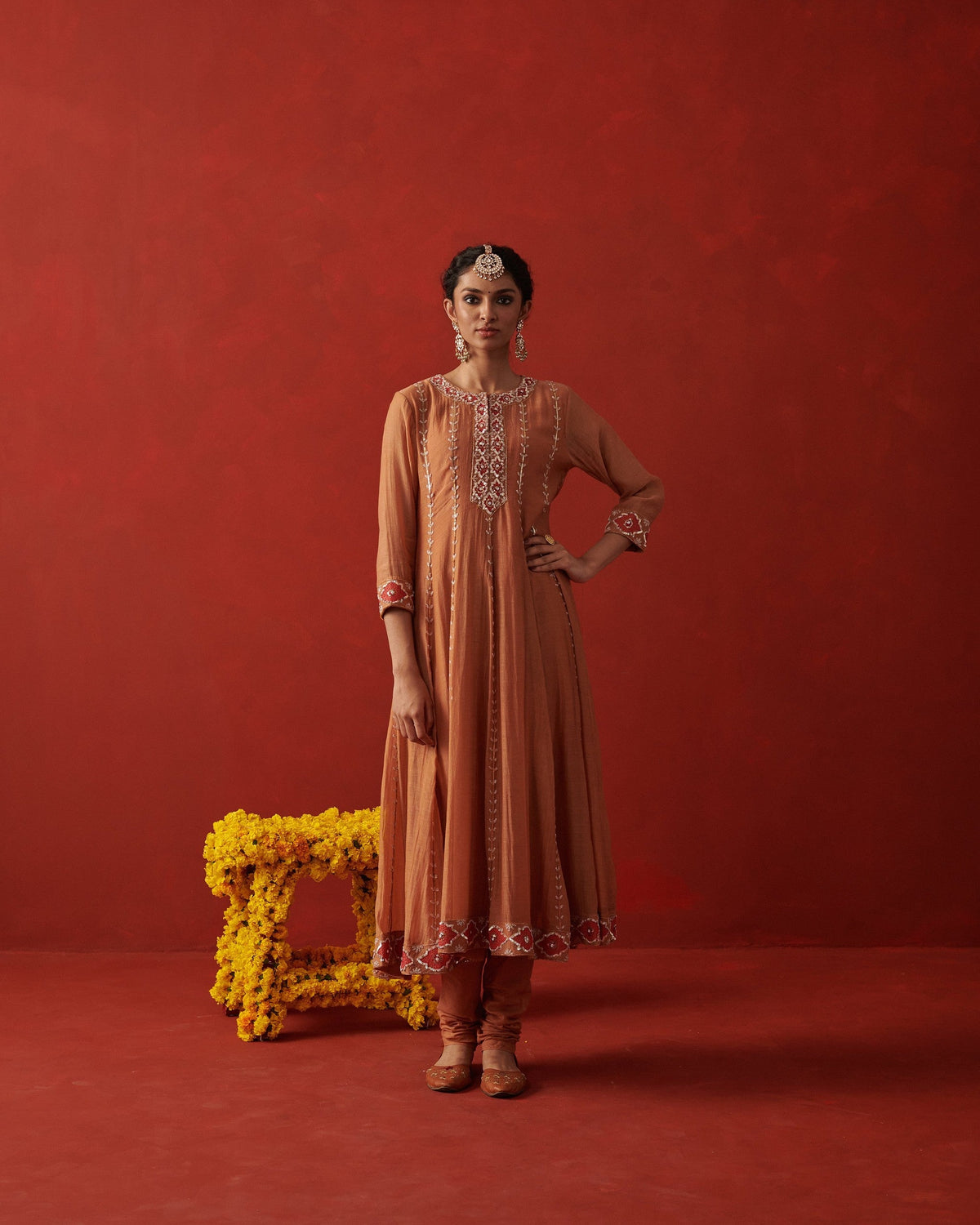
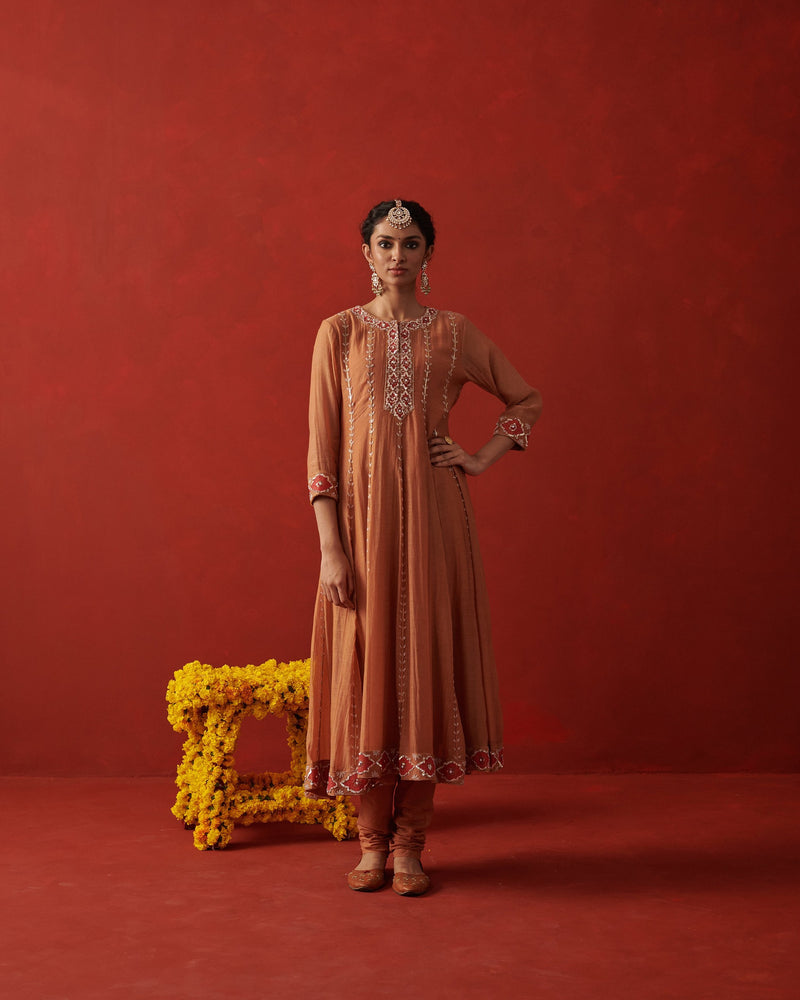
This is where made-to-measure changes the calculation, because a piece cut to your measurements gets worn more often than one you tolerate. The Heeriye anarkali with Reva churidaar is a good example of the type — a rich cinnamon-brown in lightweight but structured Chanderi with a soft sheen, its front and back yoke worked in resham, cutdana and sequins. It reads as an occasion outfit at a wedding, a festive one at Diwali, and a considered one at a family dinner. That's three different wardrobes from one piece.

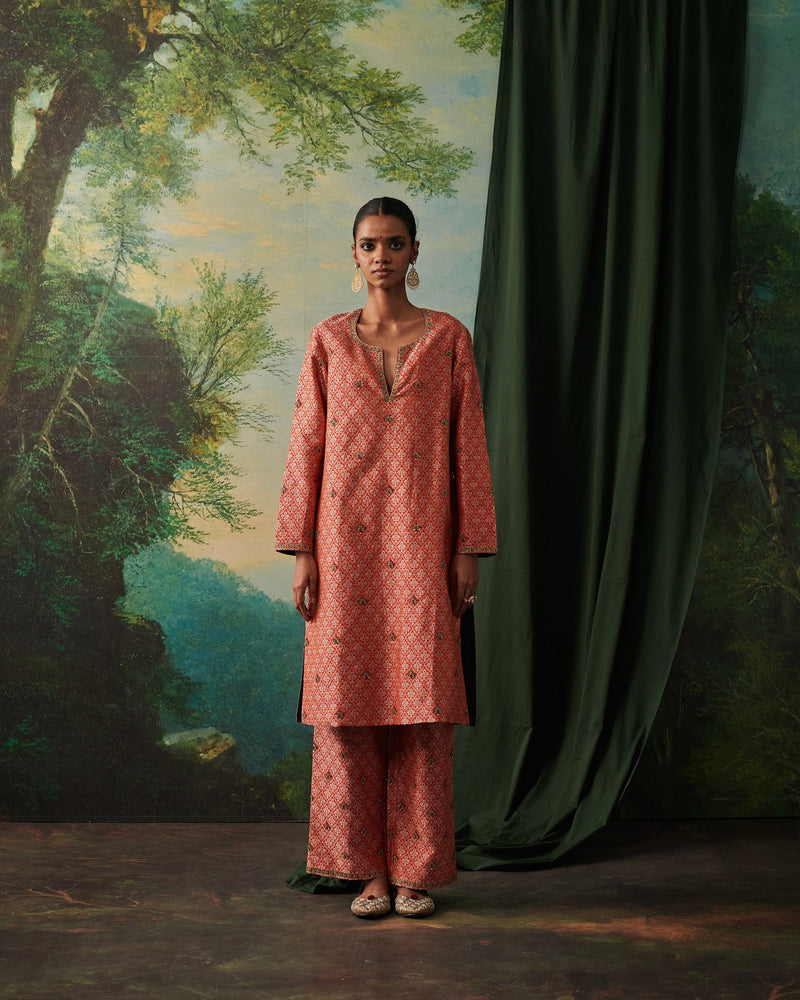
The Alfia kurta in rich Banarasi fabric with gold floral bootis works the same way, as does the Mastani, Leyla and Nalini set in emerald cheniya bandhani jacquard silk — a cape, bustier and sharara that can be broken up and worn as separates long after the wedding.


Our guide to the new bridal mindset around re-wearing covers how much this thinking has shifted.
A Decision Table
- You're the bride. Buy. Fit matters more than anything else, the photographs are permanent, and the pieces carry meaning you'll want to keep.
- Immediate family — sister, mother, bhabhi. Buy, and choose re-wearable. You'll be photographed constantly and you'll attend more weddings.
- Guest at one function, one wedding. Rent, or wear something you own with different accessories.
- Guest across a whole season. Buy two versatile pieces and rotate. Cheaper than four rentals, and you keep them.
- A child. Buy inexpensively or borrow — they'll outgrow it either way.
- You want something genuinely dramatic for one night. Rent, guilt-free.
If You Buy, Buy So It Holds Value
Ownership only beats rental if the piece keeps being wearable. Three things make that likely: a colour that isn't tied to one trend cycle, hand embroidery rather than machine work (it ages far better and can be repaired), and a silhouette that can be broken into separates.
Store it properly and it stays an asset rather than a memory — our guide to packing and preserving covers how. And if you never wear it again, a well-made hand-embroidered piece has a genuine resale and hand-down life, which a rented one by definition does not.
The Timing Caveat
One practical thing that decides this for a lot of people: made-to-measure takes time. Anything hand-embroidered to your measurements needs four to five weeks plus shipping. If the wedding is in three weeks, the honest answer is rent this time and plan properly for the next one. Our guide on planning your festive and wedding season wardrobe covers the calendar.
Made to Your Measurements, Made to Be Worn Again
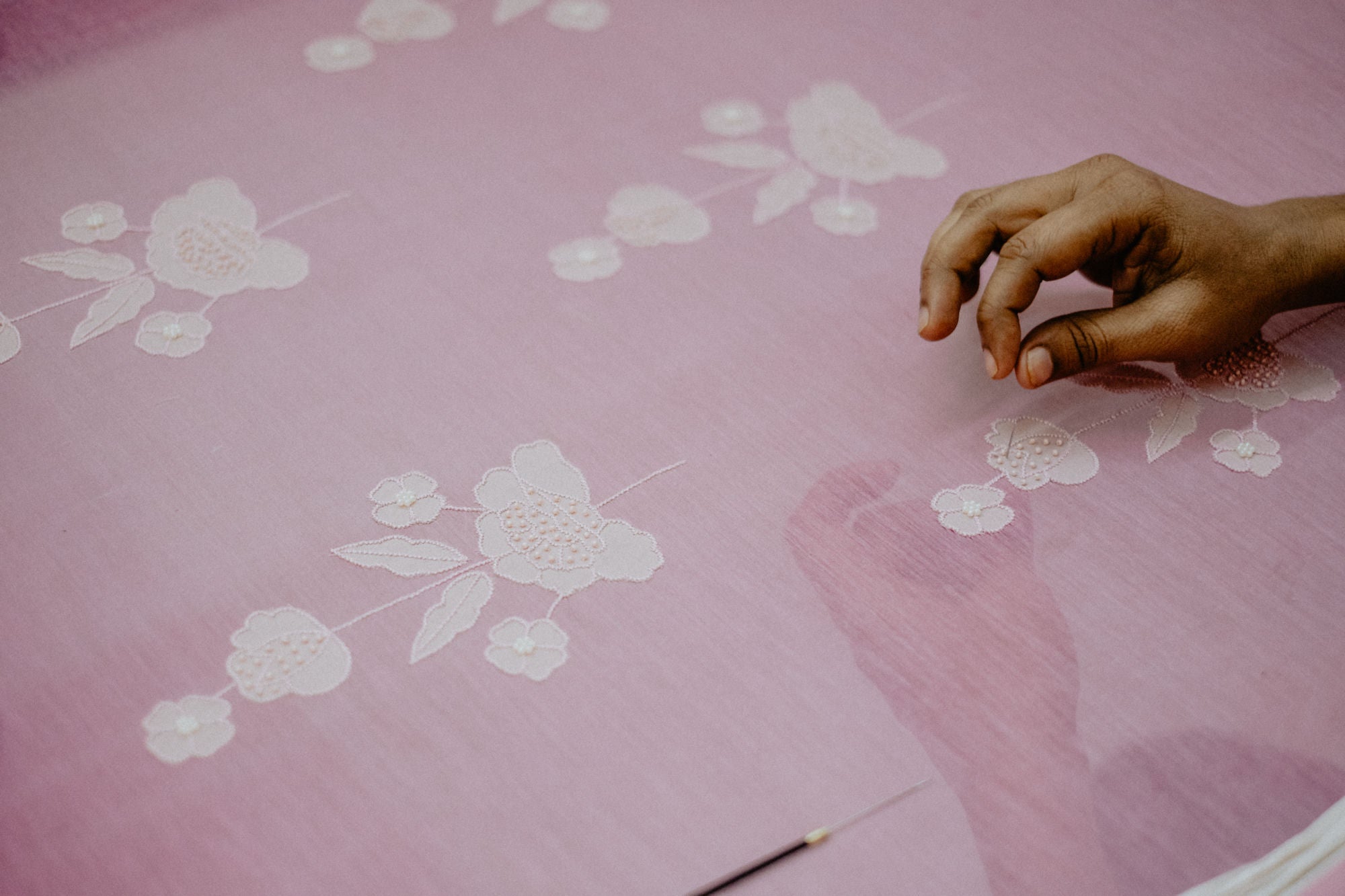
Every piece is hand-embroidered by karigars in Jaipur over 4–5 weeks and cut to your measurements — which is what makes an outfit get worn four times instead of once. Browse the wedding guest edit.
Shop Wedding Guest OutfitsFrequently Asked Questions
Is it cheaper to rent or buy an Indian wedding outfit?
Cheaper for one wear, yes — a rental usually costs ten to twenty-five per cent of retail plus a deposit and cleaning charge. But across three or four wearings, buying a versatile made-to-measure piece often works out lower per wear, and you still own it at the end.
Can you get a rented lehenga altered?
Only minimally. Most rental agreements permit reversible adjustments such as pinning and temporary hemming, not structural changes to a blouse or choli. If precise fit matters — a fitted choli, an anarkali yoke, a saree blouse — that constraint is the strongest argument against renting.
Should the bride rent her wedding outfit?
Generally no. Fit matters more for the bride than for anyone else, the photographs are permanent, and the pieces carry meaning worth keeping. Renting makes far more sense for a guest at a single function, for a hard trend piece, or for a child who will outgrow the outfit regardless.
How do I choose an outfit I'll actually wear again?
Pick a colour that isn't tied to one trend cycle, choose hand embroidery over machine work because it ages better and can be repaired, and favour silhouettes that break into separates — a cape, bustier and sharara give you several outfits rather than one.
Made to order in 4–5 weeks
Have an event date? We’ll tell you exactly when to order by.
We take a limited number of orders each month — secure your slot early.
WhatsApp me my order-by date + a shortlistNot sure where to start?
Tell us what you're dressing for and we'll help you choose — fabric, fit, colour, and timeline — over WhatsApp or on a video call.
Your Cart
Pieces from this story
All pieces →Not sure which piece, or need it by a date? Book a video consultation Ask us on WhatsApp

Keep reading
The journal →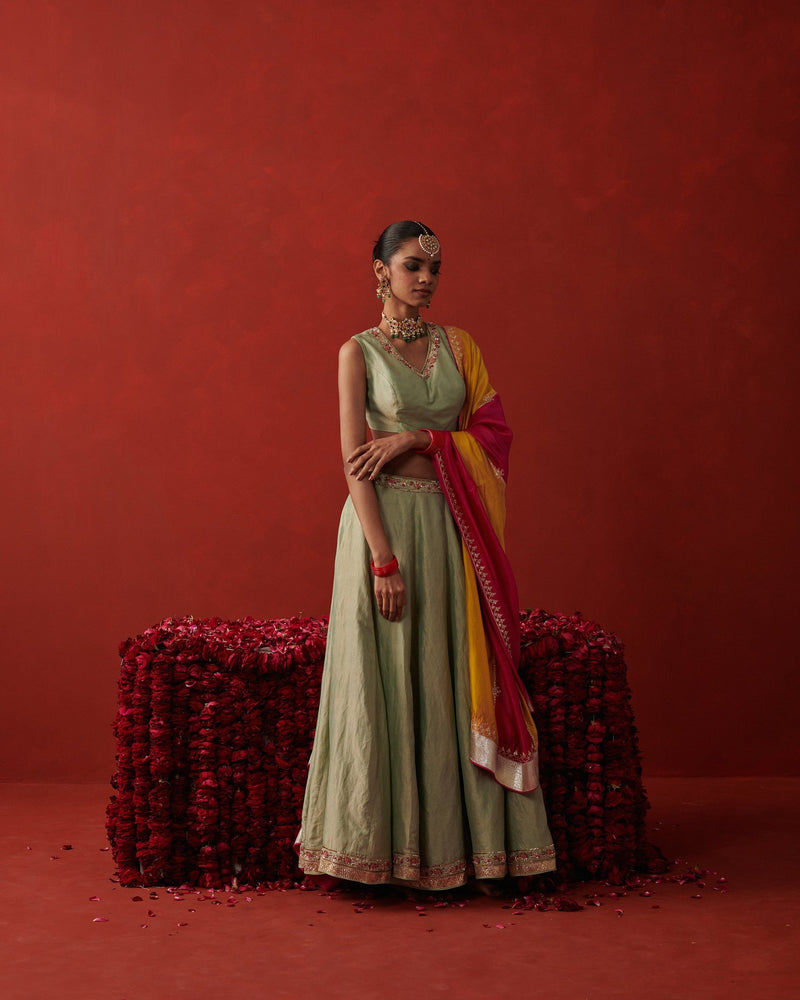
‘When Will I Wear This Again?’ — The New Bridal Mindset
Part of our Bridal Stories series on modern heirloom dressing. There's a question the modern bride asks now that her...
17 June 2026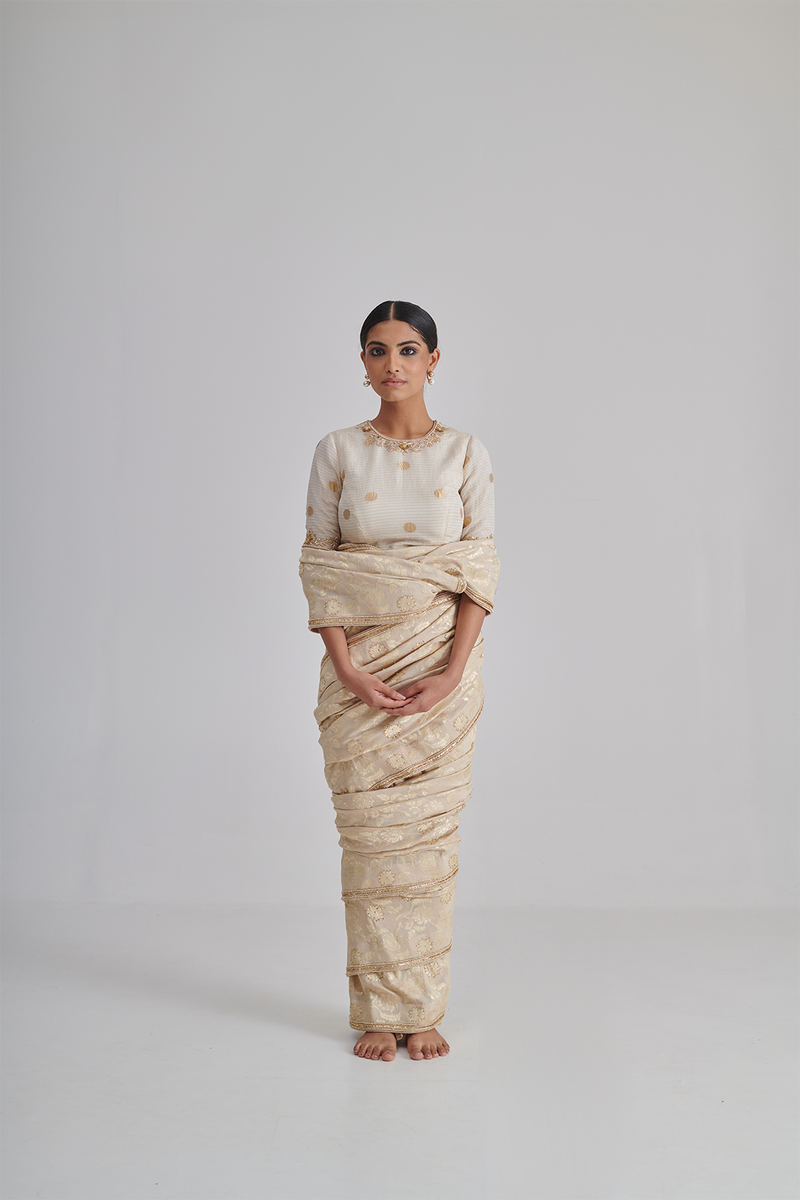
How to Pack & Preserve Your Bridal Trousseau (So It Lasts a Lifetime)
You've invested months and meaning into your trousseau — and then it goes into a wardrobe to fend for itself. Real za...
17 June 2026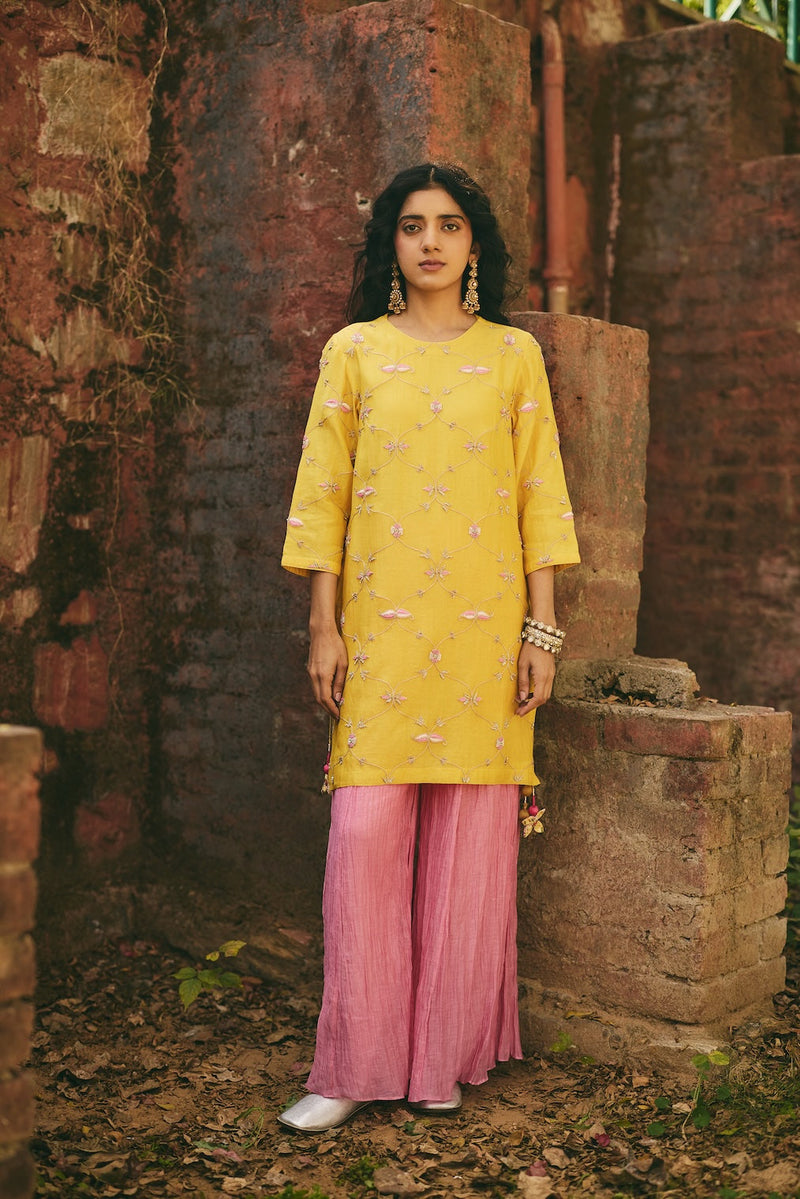
Order Early: Planning Your Festive & Wedding Season Wardrobe
Why to order made-to-order Indian wear early for the festive and wedding season — how production lead times work, a m...
30 July 2026