
Saree vs Lehenga: How to Decide What to Wear
It's the eternal Indian fashion dilemma: saree or lehenga? Both are beautiful, both are traditional, and both work for most occasions. So how do you decide? This guide breaks down the factors that actually matter.
The Honest Comparison
| Factor | Saree | Lehenga |
|---|---|---|
| Ease of wearing | Requires draping skill or help | Easier — just put on pieces |
| Comfort | Can be restrictive if draped tight | Generally more comfortable |
| Movement | Requires practice to walk gracefully | Easier to move and dance |
| Age range | All ages | Often seen as younger |
| Body type flexibility | Very flexible — drape adjusts | Depends on cut and fit |
| Formality ceiling | Very high — works for all occasions | Very high — especially for weddings |
Choose a Saree If...
You Want Universal Elegance
A beautiful saree works everywhere — from weddings to pujas to formal dinners. It's appropriate for any age and any occasion. When in doubt, a saree is never wrong.


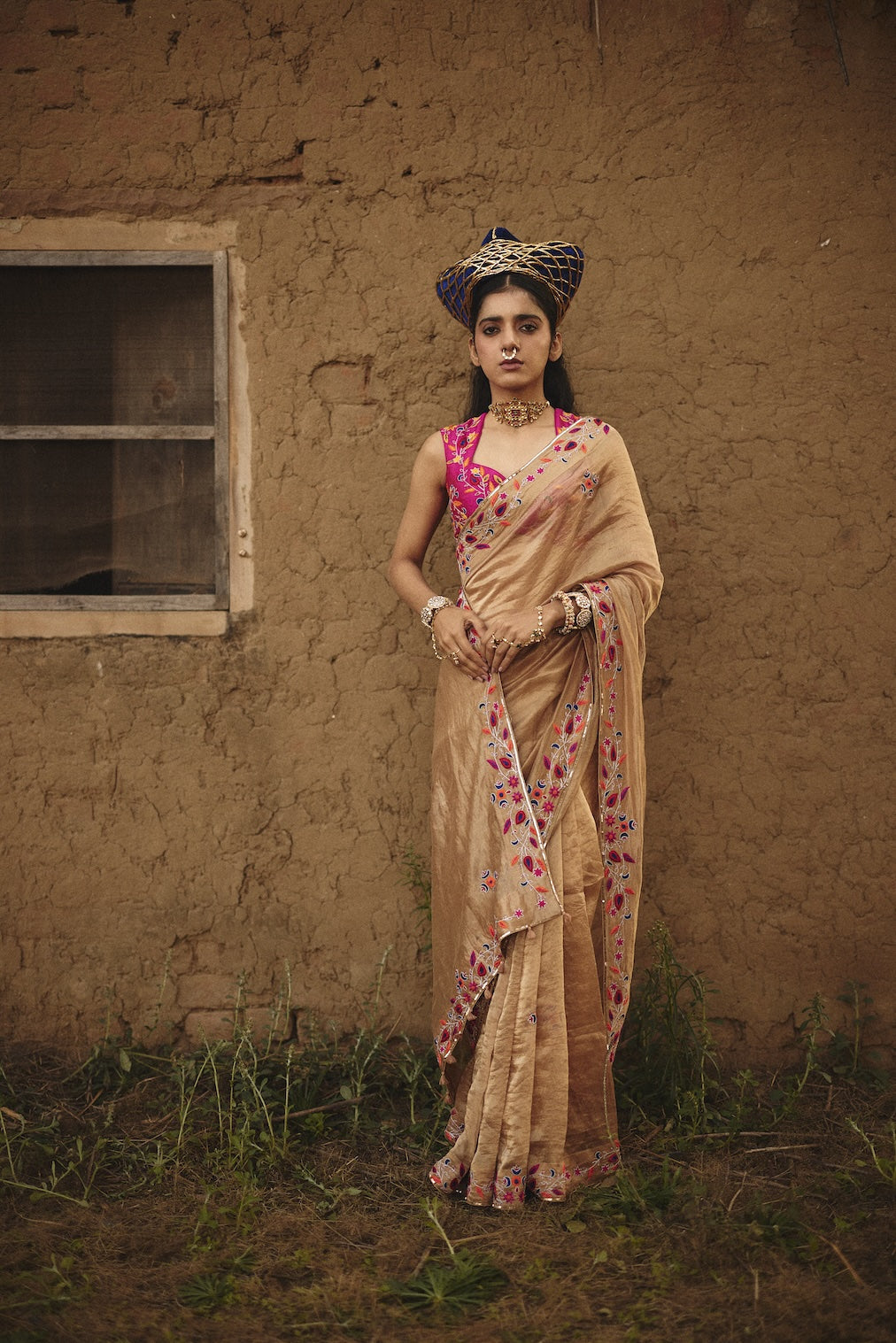
The Taraana in antique gold and Sarmaya in black work for virtually any formal occasion.
You Already Drape Well (Or Have Help)
If saree draping is second nature to you, or you have someone to help, this isn't a barrier. If you've never draped before and will be alone, factor in learning time or professional help.
You Want Something You Can Restyle
A saree can be draped in multiple ways, paired with different blouses, and styled completely differently each time. One saree = many looks.
You Prefer Classic Over Trendy
Sarees don't go out of style. A beautiful silk saree from 1990 still looks elegant today. Lehenga silhouettes have more visible trends.
You're Attending a More Formal/Traditional Event
At some events — particularly South Indian weddings, pujas, and family religious functions — sarees read as more appropriate than lehengas.
Choose a Lehenga If...
You Want Easier Dressing
Lehengas are three separate pieces (skirt, blouse, dupatta) that you put on like regular clothes. No draping skill required.

The Nyassa & Elina lehenga is beautiful and straightforward to wear.
You'll Be Dancing
Sangeets, garba nights, any event with significant dancing — lehengas allow more movement. The flared skirt spins beautifully.
You Want the Volume/Drama
A full lehenga creates silhouette drama that's different from a saree. For events where you want to make an entrance, lehengas deliver.


You're the Bride (Often)
For North Indian weddings, the bridal lehenga is traditional. South Indian brides typically wear sarees. Know your regional norms.
You're Younger and Want Something Contemporary
Lehengas have evolved with more modern cuts, experimental silhouettes, and contemporary styling. If you want something that feels fresh, lehenga options are broader.
The Middle Ground: Sharara and Anarkali
Can't decide? Consider alternatives:
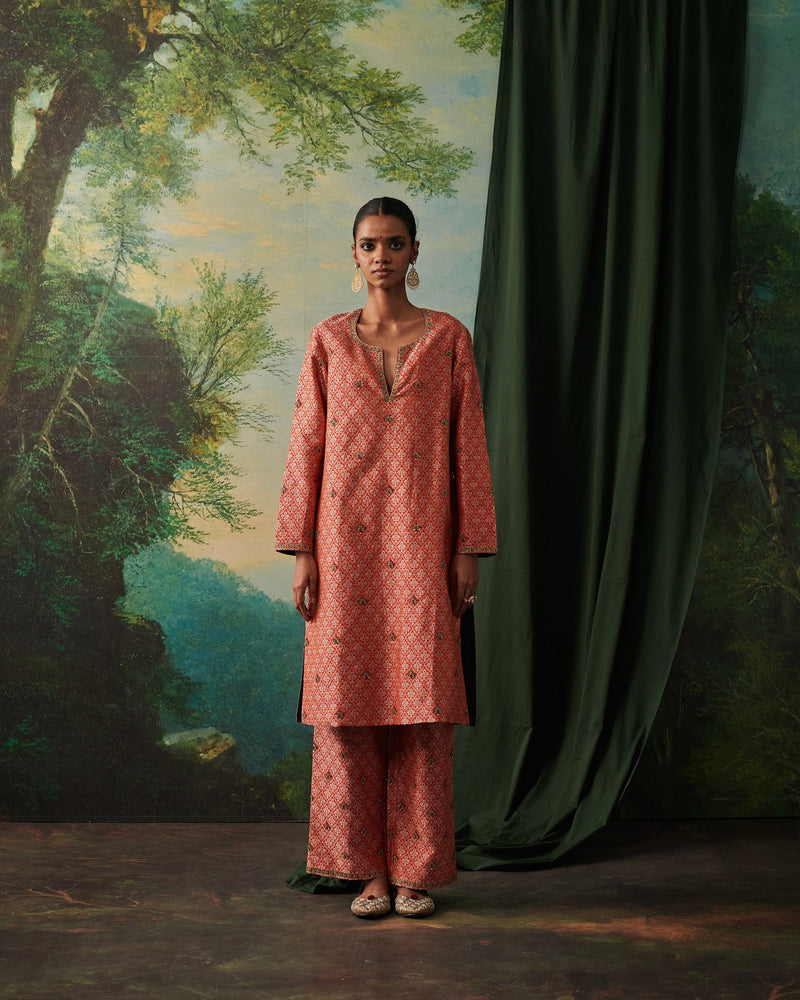
Sharara: Flared pants with a kurta. Easier than both saree and lehenga, works for most occasions, allows great movement.


Anarkali: A single flowing garment. No draping, no separate pieces. Elegant and simple.

The Ferozaan & Gulraaz anarkali offers statement-level impact with simpler dressing.
Occasion-Specific Recommendations
Your Own Wedding
North Indian: Lehenga is traditional
South Indian: Saree is traditional
Modern/Fusion: Your choice
Free Download
Get Our Measurement Guide
Step-by-step instructions with photos for perfect custom fit.
Download Free GuideWedding Guest
Either works. Choose based on your comfort level and what you have.
Sangeet/Dance Events
Lehenga or sharara — movement matters.
Reception
Either works. Sarees often read as more elegant, lehengas as more youthful.
Puja/Religious Function
Saree often preferred for traditional settings.
Office Party/Formal Dinner
Saree tends to read as more appropriate for professional settings.
The Body Type Factor
Petite frames: A-line lehengas work well. Avoid very heavy, voluminous skirts. Sarees with vertical draping elements elongate.
Tall frames: Both work beautifully. Circular lehengas use your height to dramatic effect.
Plus size: Both can be flattering. Sarees are infinitely adjustable to any size. Lehengas need proper fit — made-to-order is important.
Hourglass: Both highlight curves. Fitted lehenga blouses and well-draped sarees both work.
The Budget Consideration
At similar quality levels, lehengas often cost more than sarees because:
- More fabric involved
- Three separate pieces to construct
- More embroidery surface area
However, a heavily embroidered saree can cost as much as a lehenga. Quality matters more than garment type.
The Versatility Test
Think about what you already own:
- Have beautiful blouses? Saree lets you pair them freely.
- Already own lehengas? A saree adds variety to your wardrobe.
- Planning multiple events? Sarees restyle more easily than lehengas.
The Honest Answer
Both are beautiful. Both are traditional. Both work for most occasions. The "right" choice is the one that makes you feel most confident.
If you've never worn a saree and the event is tomorrow, choose the lehenga. If you drape beautifully and want timeless elegance, choose the saree. If you want to dance all night, choose the lehenga. If you want something that works for the next twenty years, choose the saree.
Or buy both. That's always an option.
Explore: Sarees | Lehengas | Sharara Sets
Ready to Order Custom?
WhatsApp us at +91 70423 11214 with what you're looking for. We'll guide you through measurements, customizations, and timeline.
Most pieces ready in 4-5 weeks. Bridal in 6-8 weeks.
Made to order in 4–5 weeks
Have an event date? We’ll tell you exactly when to order by.
We take a limited number of orders each month — secure your slot early.
Not sure where to start?
Tell us what you're dressing for and we'll help you choose — fabric, fit, colour, and timeline — over WhatsApp.
Your Cart
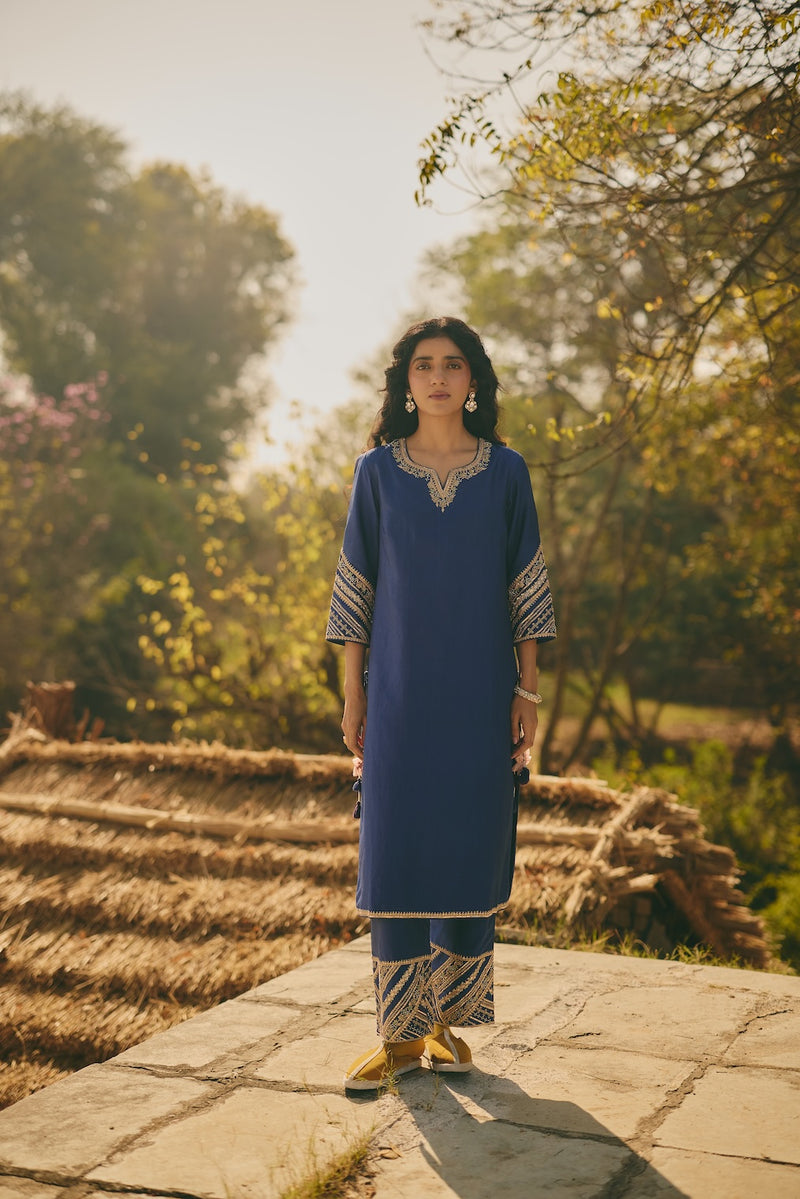
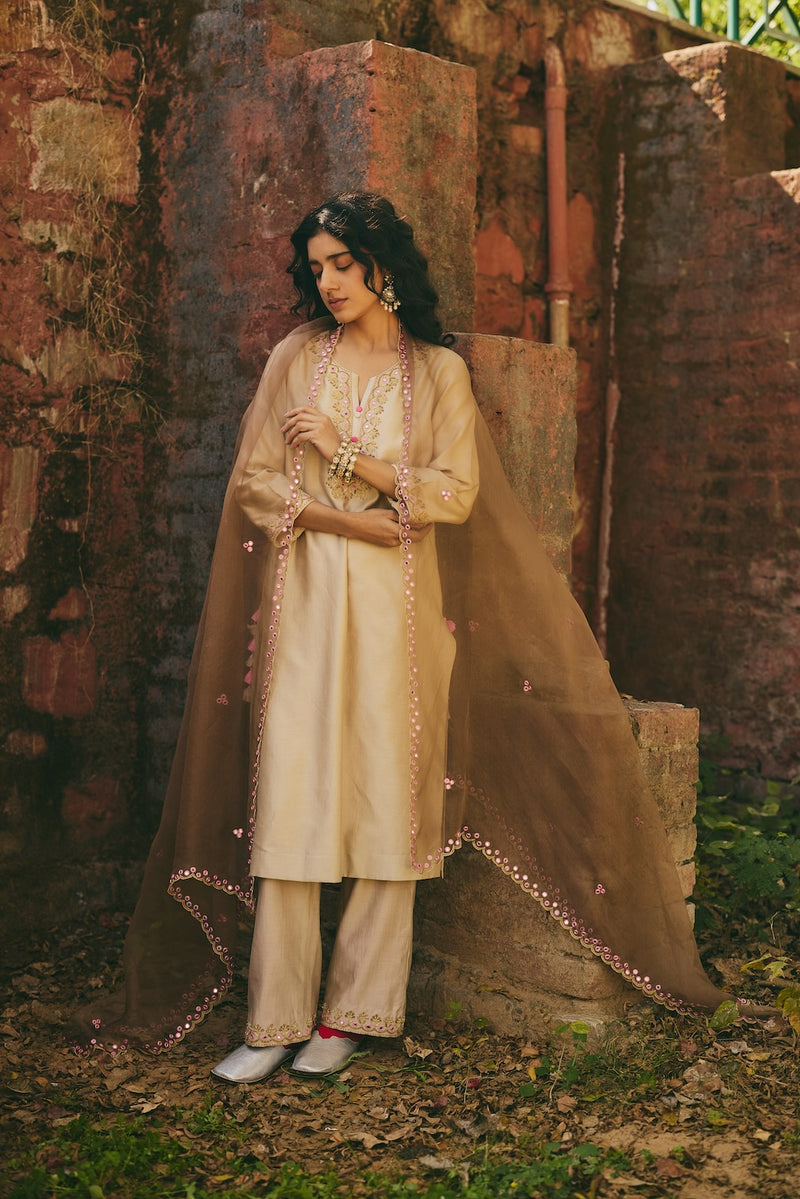
Pieces from this story
All pieces →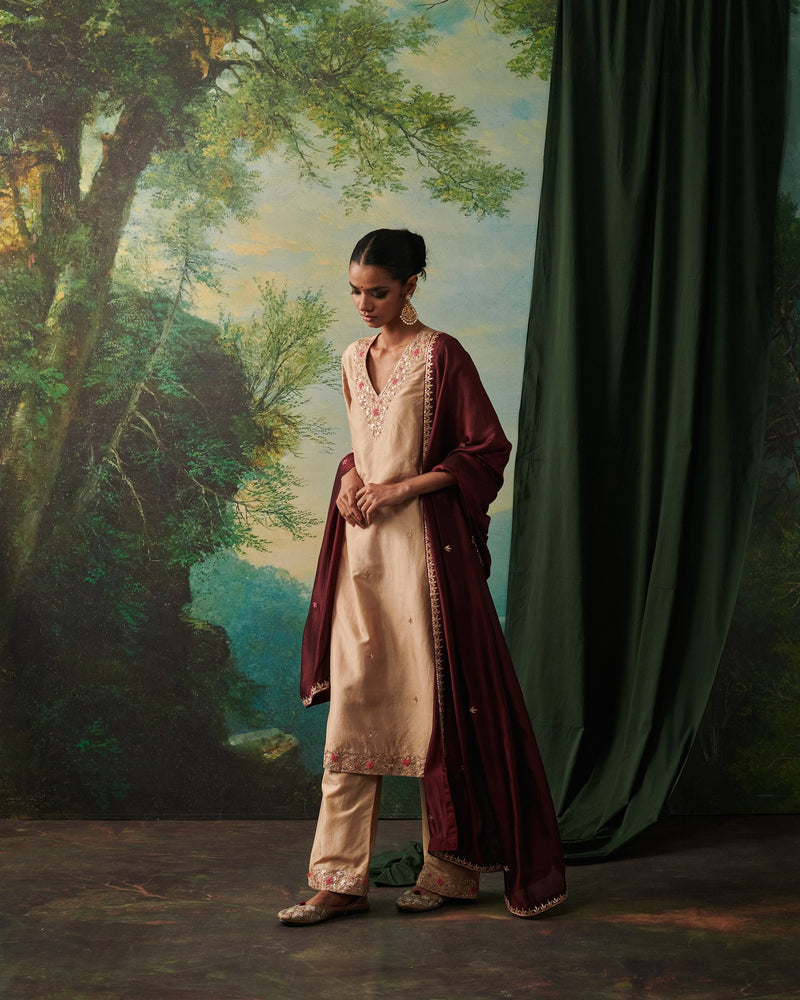
Keep reading
The journal →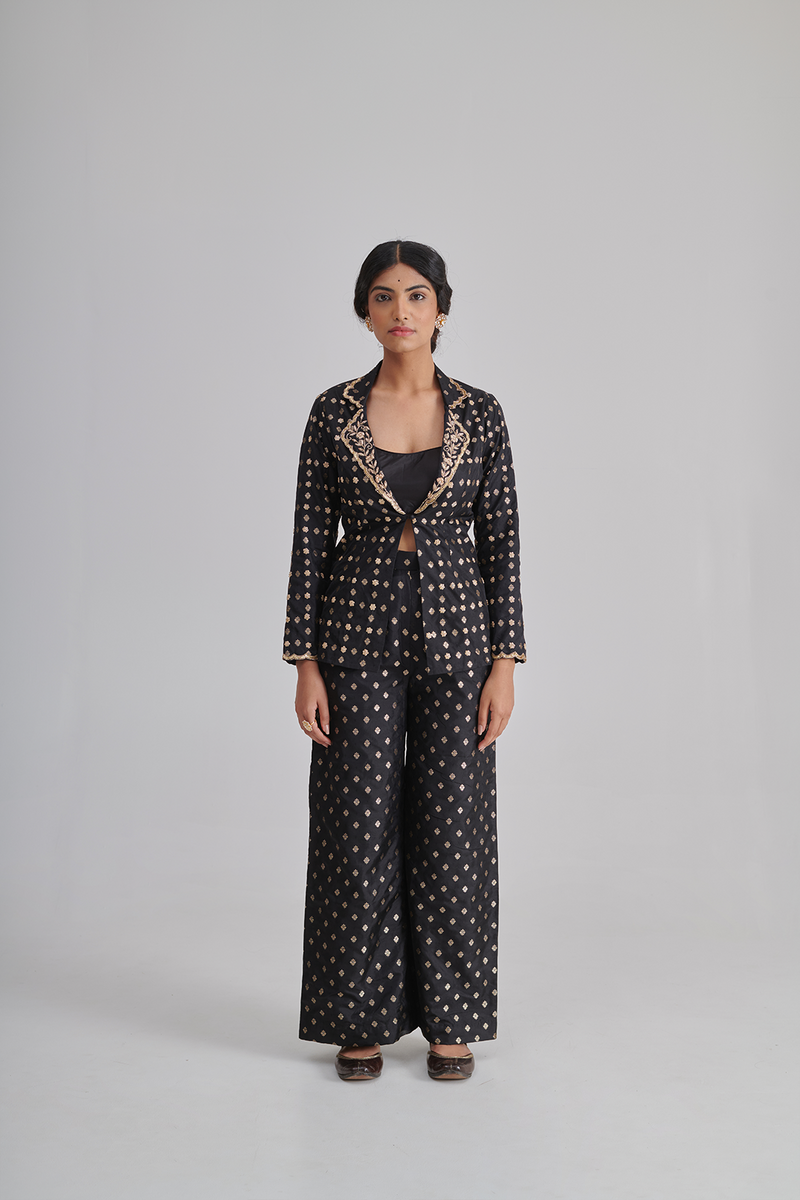
Diwali Abroad: What to Wear to the Office Potluck, the Community Dinner & the House Party
Handmade by karigars Made to your measurements Fit guarantee Ships worldwide As seen in GraziaElle Graduat...
20 September 2026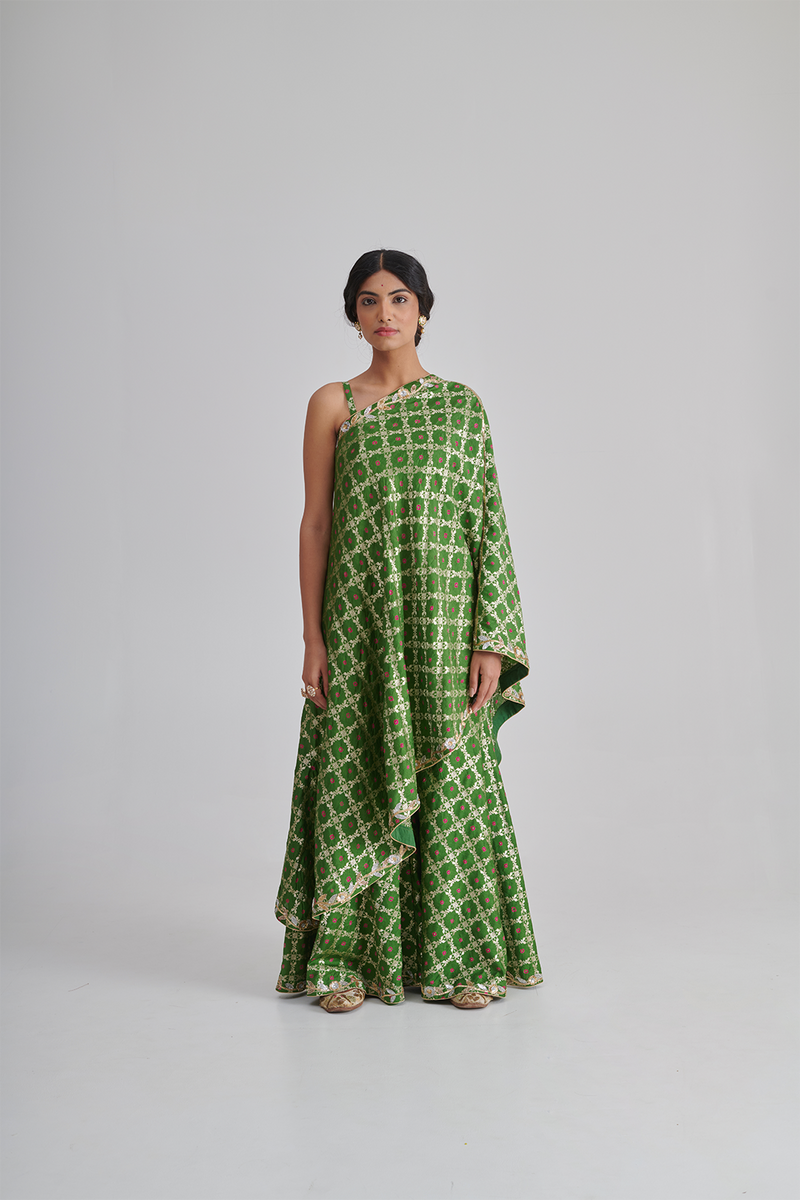
Garba Abroad: What to Wear to Navratri in the US, UK, Canada & Australia
Handmade by karigars Made to your measurements Fit guarantee Ships worldwide As seen in GraziaElle Graduat...
20 September 2026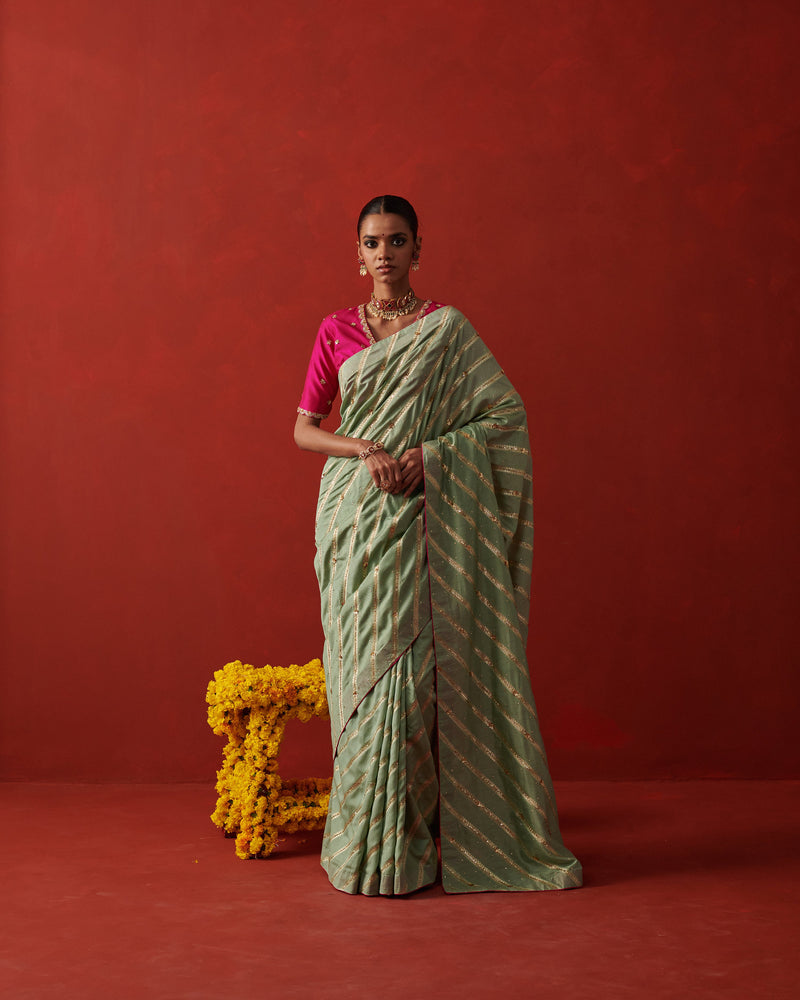
Where to Shop for Indian Clothes in Singapore & Malaysia: A Complete Guide
Handmade by karigars Made to your measurements Fit guarantee Ships worldwide As seen in GraziaElle Graduat...
20 September 2026