
How to Style a Sheer Organza Dupatta (And Why It Belongs in Every Wardrobe)
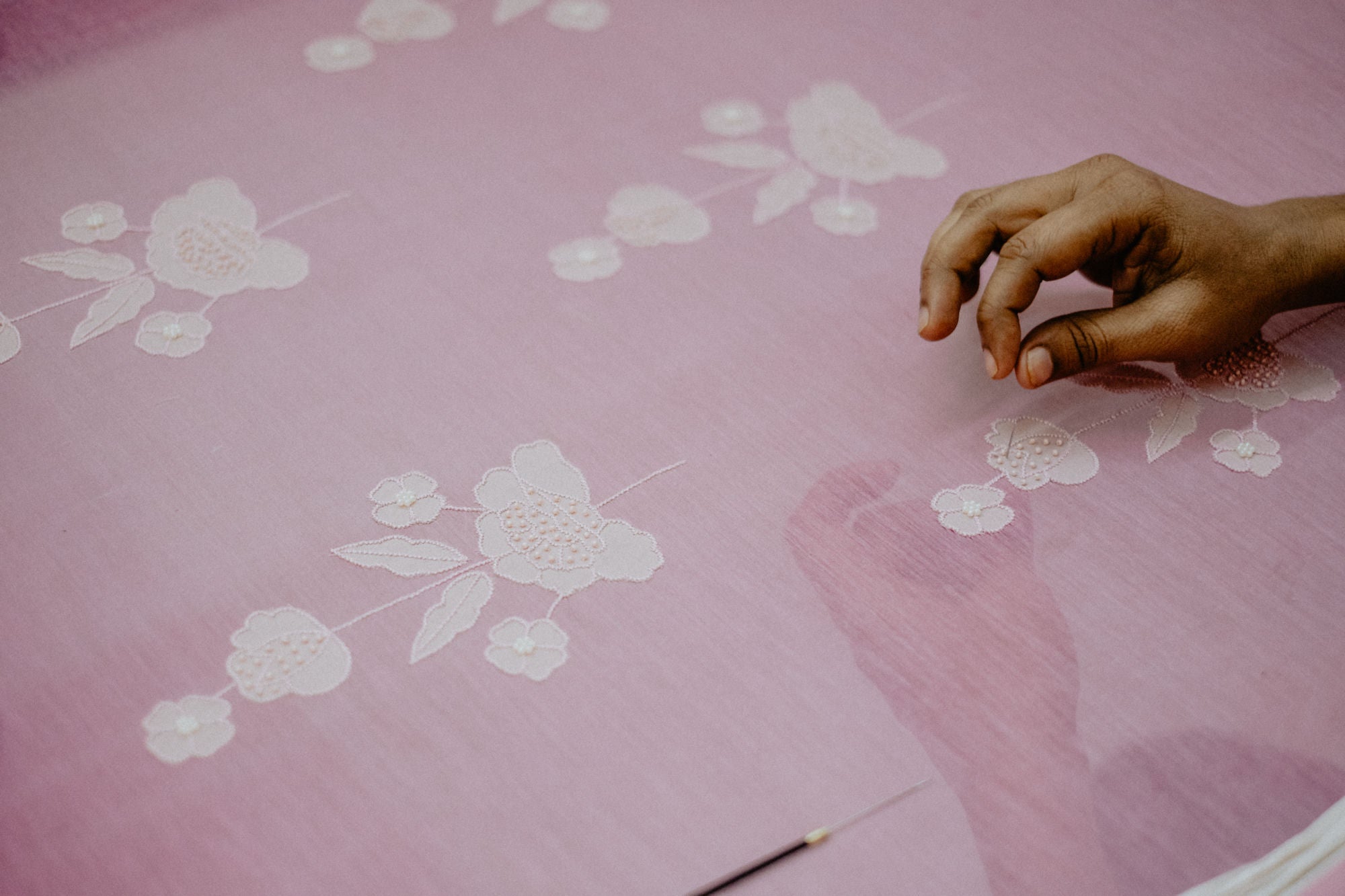
If there is one piece that can transform a plain kurta into an occasion outfit, it is a hand-embroidered organza dupatta. Sheer, fluid and weightless, organza floats rather than drapes — and a single beautiful one will dress up everything you already own. Here is why we love them, and how to style one.
What Makes Organza So Special
Organza is a fine, sheer fabric with a crisp body and a soft sheen. Because it is light and slightly structured, it holds its shape over the shoulders and catches the light with every movement — the reason a worked organza dupatta reads instantly festive. It is also forgiving in the heat: sheer and airy, it adds richness to a look without weight, which makes it ideal for Indian summers and warm-weather weddings.

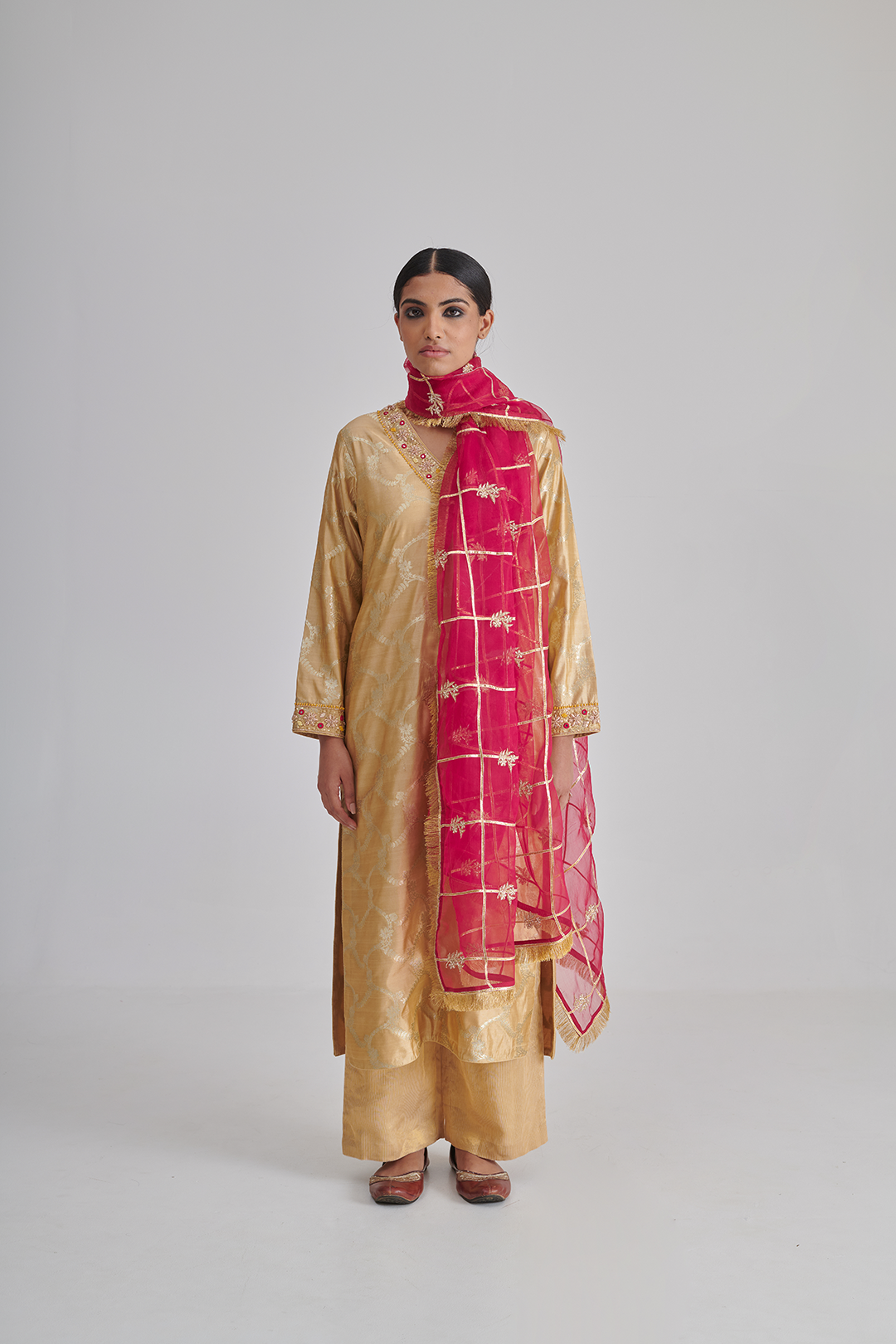
The Aadya Dupatta is organza at its most opulent: a red organza dupatta with gold zari hand-embroidery in a grid pattern, detailed floral motifs, and edges finished in shimmering gold kiran lace. Worn over a solid kurta or even a sari, it does all the talking.
The One-Piece Wardrobe Upgrade
A statement dupatta is the most efficient buy in Indian fashion. Pair it with three different solid kurtas and you have three different occasion looks. Keep the base simple — ivory, black, a deep solid — and let the dupatta bring the colour, shine and craft.


For an all-over romantic look, the Naira Dupatta is sheer organza covered in hand-embroidered floral motifs with intricate border detailing. Want colour that shifts in the light? The Lila Dupatta is a pink-and-green shaded organza with gold hand-embroidery that catches the light at dusk and dawn. For something softer, the Naisha Dupatta is a peach organza with gold zari, fine pink resham thread and gold beads.
Not sure which dupatta suits your outfit? WhatsApp us →
Four Ways to Drape It
- The classic shoulder drape: one end pinned at the shoulder, the rest cascading down the back — the easiest way to show off the embroidery.
- The front-and-centre: draped evenly across both shoulders like a stole, framing the face with the worked border.
- The lehenga drape: pinned at one shoulder and pleated, letting an organza dupatta float over a heavier skirt.
- The cape: open across the back over a fitted base, so the sheer fabric becomes the statement layer itself.
Choosing Your First (or Next) Organza Dupatta
If you want versatility, start with an ivory or neutral. The Adhira Dupatta (₹6,500) is an ivory organza with mirror work and delicate resham thread — light, pretty and easy to pair with almost anything.


If you want craft and colour, the Kainaat Dupatta carries circular medallions of gota patti, sequins, resham and beadwork drawn from archival festive motifs, while the Meeka Dupatta brings a fiery orange organza-silk framed with gota patti and marodi embroidery in paisley-inspired motifs.
Caring for Organza
Organza is delicate and should always be dry-cleaned. Store it rolled or loosely folded with tissue rather than crushed under heavier clothes, and keep embroidered pieces away from anything that could snag the sheer weave. Handled gently, an organza dupatta lasts for years and only grows more loved.
Found the one?
Each dupatta is made to order — message us to confirm colour and timelines. WhatsApp us at +91 70423 11214
Standard production time is 4–5 weeks; shipping time is additional.
Frequently Asked Questions
Can I wear an organza dupatta in summer?
Yes — organza is sheer and lightweight, so it adds richness to a look without trapping heat. It is one of the best dupatta fabrics for warm-weather events.
What should I wear under a statement organza dupatta?
Keep the base simple — a solid kurta, plain sari or fitted set — so the embroidery and colour of the dupatta stand out.
How do I keep an organza dupatta from slipping?
A small dupatta pin or brooch at the shoulder keeps the drape in place, especially with organza's smooth, fluid finish.
Browse our full collection of hand-embroidered dupattas.
Browse DupattasMade to order in 4–5 weeks
Have an event date? We’ll tell you exactly when to order by.
We take a limited number of orders each month — secure your slot early.
Not sure where to start?
Tell us what you're dressing for and we'll help you choose — fabric, fit, colour, and timeline — over WhatsApp.
Your Cart
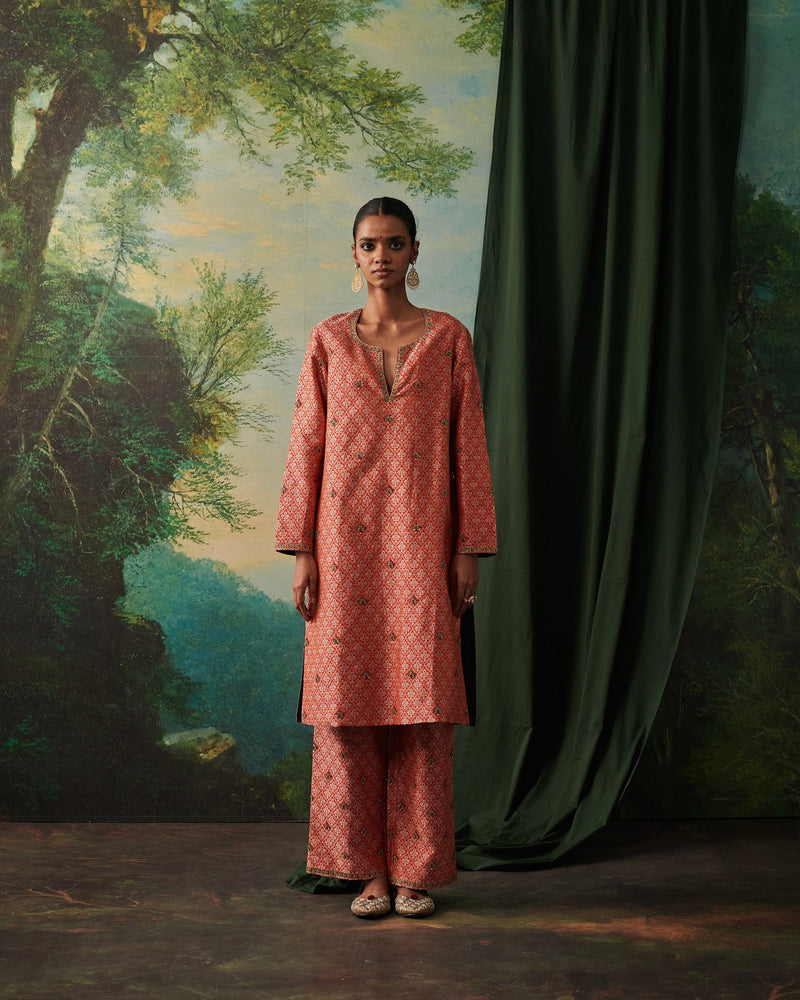
Pieces from this story
All pieces →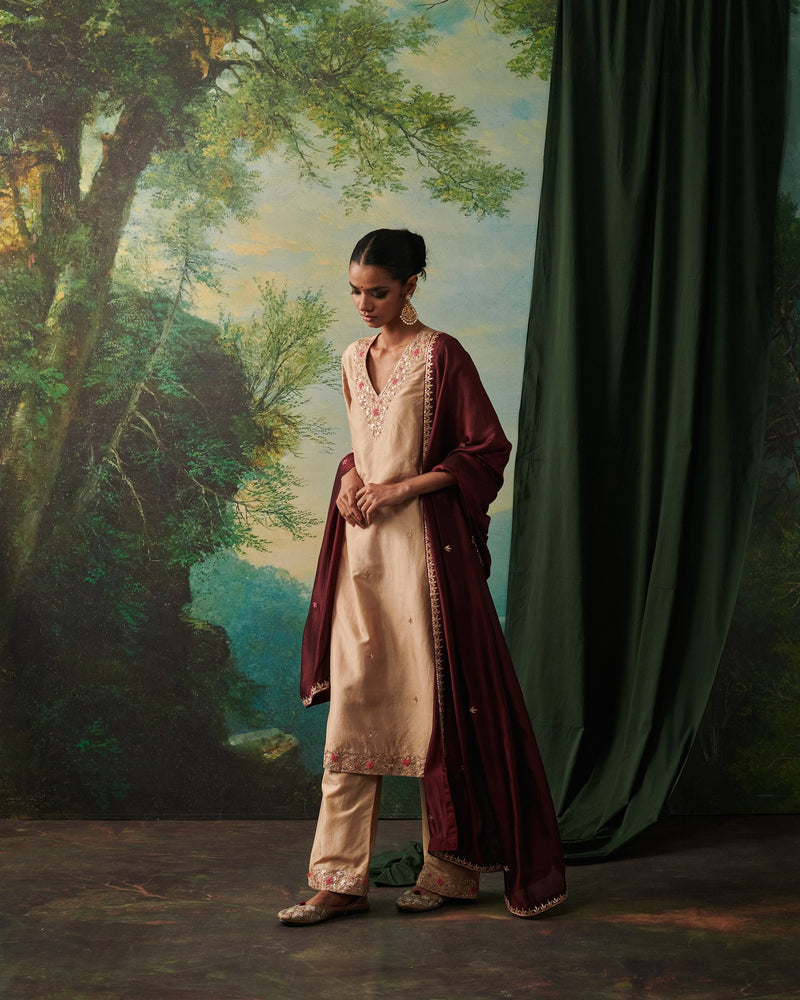
Keep reading
The journal →
Best Plus-Size Ethnic Wear Brands in India 2026: Where to Actually Find Your Size
Handmade by karigars Made to your measurements Fit guarantee Ships worldwide As seen in GraziaElle Graduat...
17 September 2026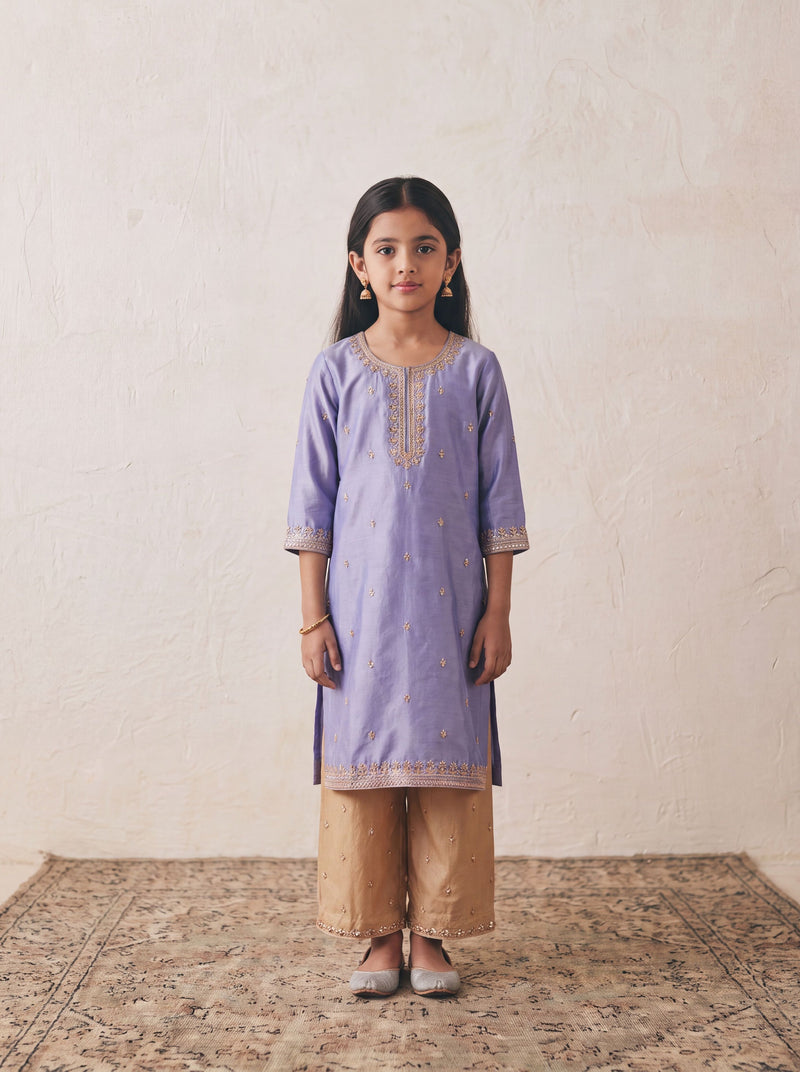
Kurta Sets for Girls: A Parent's Buying Guide to Kids' Kurta Sets
Handmade by karigars Made to your measurements Fit guarantee Ships worldwide As seen in GraziaElle Graduat...
17 September 2026
Gifts for Your Mother-in-Law: Indian Outfits That Don't Feel Like a Formality
Handmade by karigars Made to your measurements Fit guarantee Ships worldwide As seen in GraziaElle Graduat...
17 September 2026