
The Rise of Small-Town Designers: How Tier 2 Cities Are Reshaping Indian Fashion
For decades, Indian fashion was synonymous with a handful of names operating out of Delhi and Mumbai. Breaking into the industry meant having the right connections in the right cities. In 2026, that narrative is shifting. A new generation of designers from Jaipur, Lucknow, Surat, and smaller towns are building luxury labels that challenge the traditional gatekeepers — and they're doing it on their own terms.
Beyond the Metros: Where the New Guard Is Coming From
The pattern is consistent: designers who grew up surrounded by craft traditions but without access to the established fashion networks are finding ways to build directly. Jaipur has become a particular hotspot, with its concentration of karigars (artisans), access to traditional techniques, and lower operational costs than the metros.
What makes this generation different is their approach to distribution. Instead of waiting for multi-designer stores in South Delhi to stock them, they're building direct relationships with customers through social media, their own websites, and selective partnerships with boutiques like Pernia's Pop-Up Shop, Aashni + Co, and Elahe.
The Craft Advantage
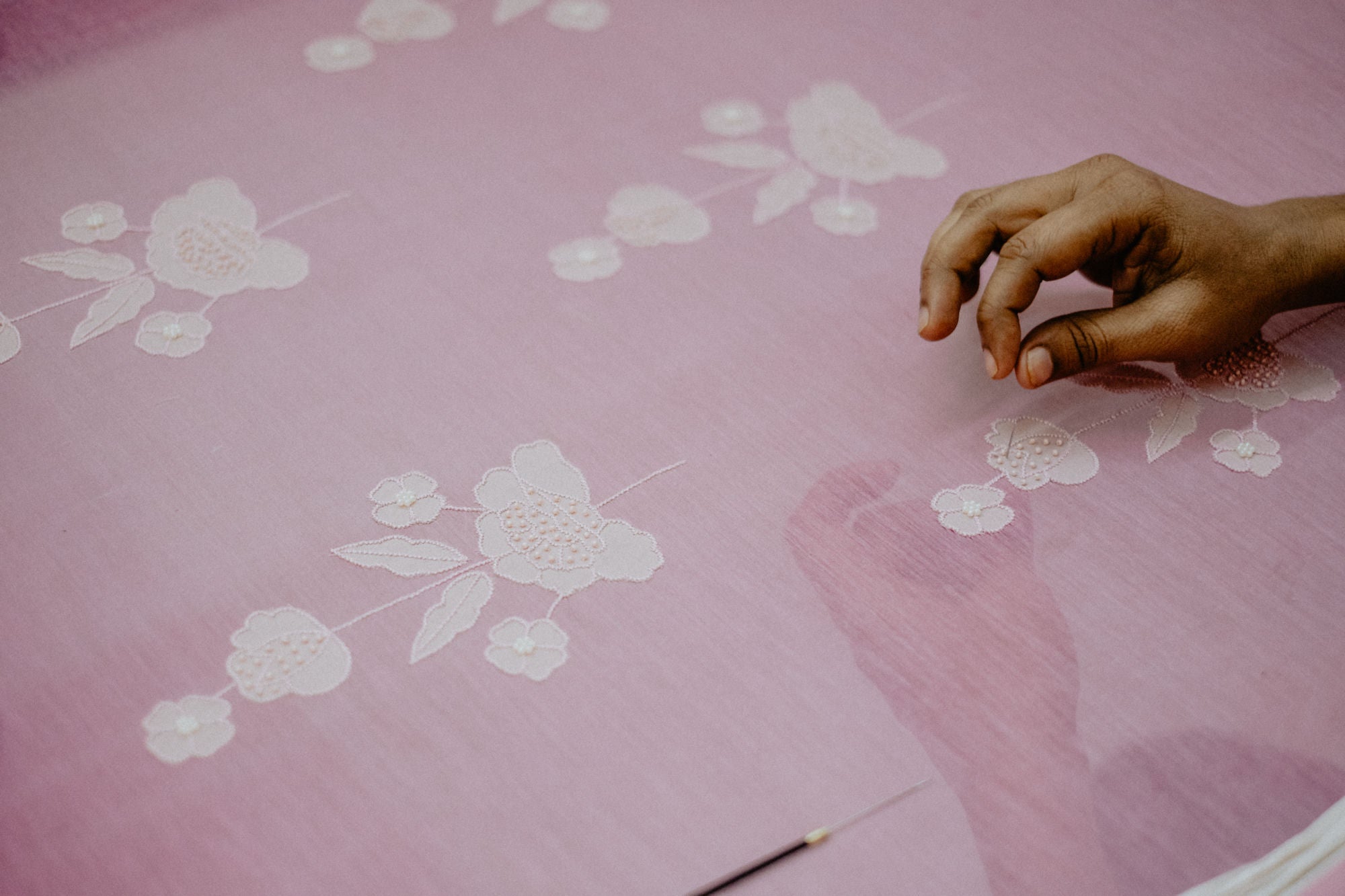
Designers based in traditional craft centres have something metro-based labels often don't: direct access to generational artisans. When your studio is in Jaipur, you can walk to a karigar's workshop. You see the embroidery developing in real time. You can request adjustments that would be impossible over email.

This proximity shows in the work. Pieces like the Zehan & Aabha sharara set — with its dense landscape of hand-embroidery — represent the kind of intensive craft that becomes possible when designer and artisan work in close collaboration over weeks.
Redefining Luxury
The emerging definition of luxury in Indian fashion isn't about celebrity endorsements or flagship stores in Emporio. It's about craft, time, and intention. A lehenga that takes four weeks to embroider by hand. A dupatta where every sequin is individually stitched. A kurta set designed for a specific occasion with a specific woman in mind.


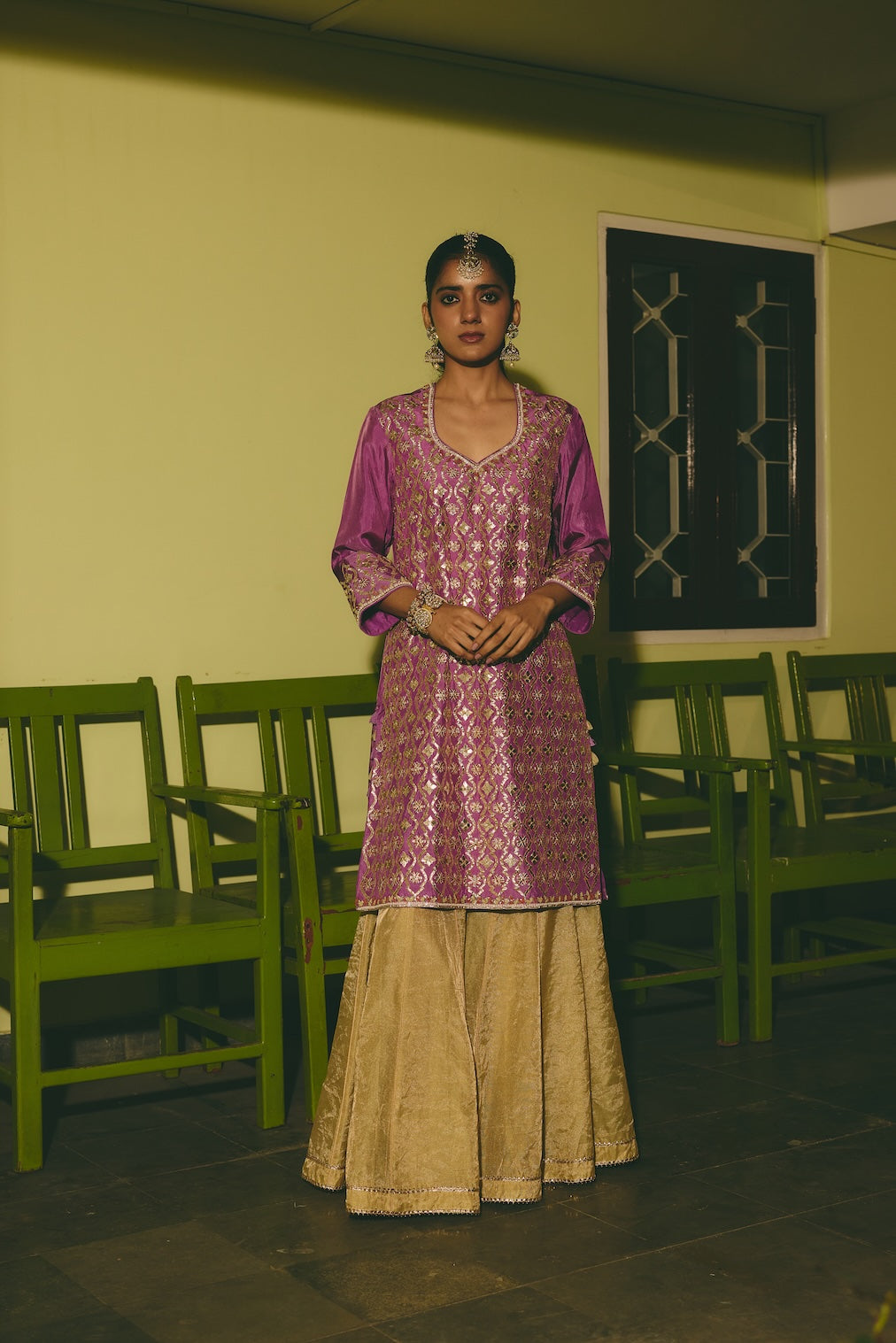
Collections like Ruhaniyat — with pieces like the Ruhaniyat & Amber kurta set and the Ferozaan & Gulraaz anarkali — show what happens when a designer has time to develop ideas without the pressure of fashion week calendars.
The Made-to-Order Model
Another pattern among small-town designers: most work on a made-to-order basis. There's no warehouse of pre-made stock. Each piece is created after the order is placed, which means less waste, more attention to individual fit, and a fundamentally different relationship between maker and wearer.
Free Download
Get Our Measurement Guide
Step-by-step instructions with photos for perfect custom fit.
Download Free GuideThis model only works when customers are willing to wait — typically 4-5 weeks for handmade pieces. What's striking is that customers increasingly are. The fast-fashion fatigue is real. Women who've accumulated closets full of disposable clothing are choosing to buy fewer, better things.
What the Shift Means for Indian Fashion
The rise of small-town designers represents more than a geographic redistribution. It's a values shift. The new luxury is:
- Craft-first. The embroidery technique matters more than the designer's social circle.
- Direct. Brands communicate with customers themselves, without retail intermediaries setting the narrative.
- Sustainable by default. Made-to-order means no unsold inventory, no end-of-season sales, no waste.
- Priced for value. Without metro real estate and celebrity seeding costs, the margin goes to the craft, not the overhead.
Designers to Watch
Beyond the names already stocked at multi-designer stores, look for designers building quietly in:
- Jaipur — for traditional embroidery, gota patti, and Rajasthani craft
- Lucknow — for chikankari and fine threadwork
- Surat — for innovative textiles and contemporary weaving
- Kolkata — for handloom silks and Bengal craft traditions
The Instagram discovery era has democratised who gets seen. The next wave of Indian luxury won't come from a storefront in Khan Market — it'll come from a studio in a lane you've never heard of, built by someone who learned craft before they learned marketing.
Explore: Shop All | Ruhaniyat Collection | Ishq Collection
Ready to Order Custom?
WhatsApp us at +91 70423 11214 with what you're looking for. We'll guide you through measurements, customizations, and timeline.
Most pieces ready in 4-5 weeks. Bridal in 6-8 weeks.
Why Consider Rashika Mittal?
While the designers above are excellent choices, we offer something different: fully handcrafted, made-to-order pieces at accessible prices. Here's what sets us apart:
Made to Your Measurements
No size charts. Every piece created for your body.
Traditional Karigars
Hand-embroidery by artisans in Jaipur, not factories.
Accessible Luxury
Designer-quality craftsmanship without designer markups.
We're a small-batch label based in Jaipur, working directly with karigar families who've practised zardozi, gota patti, and traditional embroidery for generations. Each piece takes 4-5 weeks to create—because real craftsmanship can't be rushed.
Made to order in 4–5 weeks
Have an event date? We’ll tell you exactly when to order by.
We take a limited number of orders each month — secure your slot early.
WhatsApp me my order-by date + a shortlistNot sure where to start?
Tell us what you're dressing for and we'll help you choose — fabric, fit, colour, and timeline — over WhatsApp or on a video call.
Your Cart
Pieces from this story
All pieces →Not sure which piece, or need it by a date? Book a video consultation Ask us on WhatsApp


Keep reading
The journal →
Vishwakarma Puja Outfit Ideas: What to Wear to the Workshop Puja
What to wear for Vishwakarma Puja 2026 — outfit ideas for the factory, workshop and office puja, plus what works in S...
26 August 2026
How to Tell Hand Embroidery From Machine Work: A Buyer's Guide
How to tell genuine hand embroidery from machine work — what to look for in the stitches, the back of the fabric and ...
30 June 2026
Kids' Ethnic Wear Under ₹20,000: 18 Hand-Embroidered Sets by Price and Occasion
18 hand-embroidered kids' kurta sets, a sharara and a lehenga from ₹12,500 to ₹19,500, by price band and occasion. Si...
7 October 2026