
Summer Fabric Guide: What to Wear When It's 40 Degrees
April hits, temperatures climb past 35, and suddenly half your wardrobe feels unwearable. Heavy silks, dense embroidery, layered sarees — all the things that looked beautiful in winter now feel like punishment. Here's your guide to fabrics that work when India turns into a furnace.
The Fabric Hierarchy: Best to Worst for Summer
Tier 1: Actively Cooling
Cotton — The original summer fabric. Absorbs sweat, allows airflow, gets softer with washing. Pure cotton kurtas are unbeatable for daily wear.
Linen — Even more breathable than cotton but wrinkles easily. Worth it for the comfort.
Chanderi — A cotton-silk blend that combines cotton's breathability with silk's sheen. Perfect for events when you need to look dressed up but can't handle pure silk.
Tier 2: Comfortable with Caveats
Chiffon — Lightweight and flowing. Doesn't absorb sweat like cotton, but the airflow keeps you comfortable.


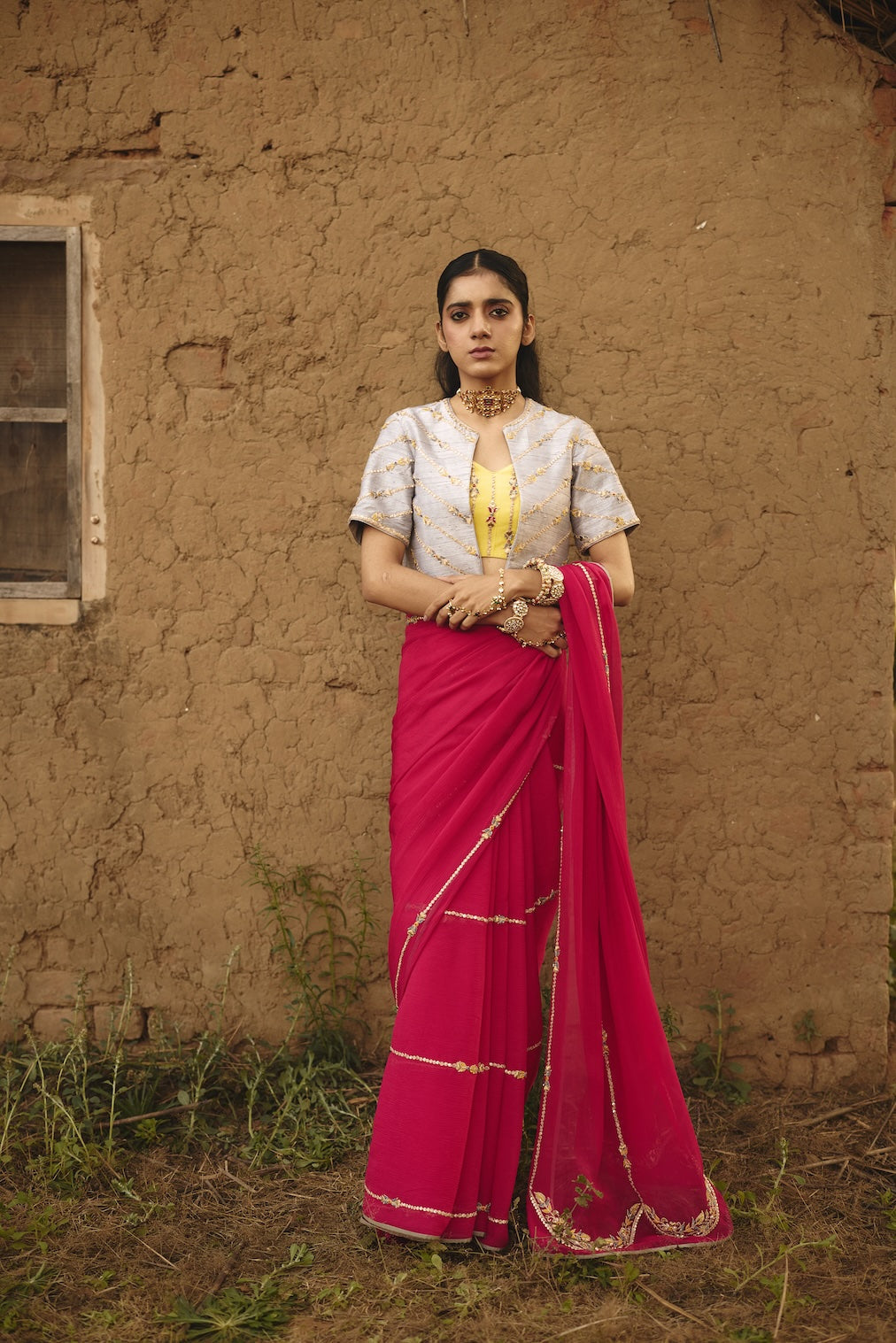
Chiffon sarees like the Teya and Sarmaya are summer wedding essentials. They drape beautifully without adding heat.
Organza — Sheer and stiff, allows excellent airflow even with heavy embroidery. The structure means it doesn't cling to skin.
Tissue — The metallic sheen photographs beautifully and the fabric is surprisingly breathable.

The Taraana in tissue offers the formality of silk without the heat retention.
Tier 3: Proceed with Caution
Light silk (crepe de chine, georgette) — Wearable in air-conditioned venues but challenging outdoors. The natural protein fibre does breathe, just not as well as plant fibres.
Thin mulberry silk — Traditional silk sarees can work if they're not heavily worked and you're mostly indoors.


Pieces like the Saher & Naazli and Ameera & Hoorain work for evening events or venues with good cooling.
Tier 4: Save for Winter
Velvet — Absolutely not. Heat trap.
Heavy brocade — The metallic threads conduct and retain heat.
Fully lined pieces — Double fabric, double suffering.
Banarasi silk — The tight weave and metallic zari make it genuinely uncomfortable above 30 degrees.
Embroidery and Heat
Embroidery type affects comfort as much as base fabric:
- Chikankari — The openwork actually improves airflow. Ideal for summer.
- Light threadwork — Minimal heat impact.
- Scattered motifs — Better than all-over work because more fabric is exposed.
- Heavy zardozi — Metallic threads retain heat. The weight also adds warmth through friction.
- Dense gota — Similar to zardozi — the metallic surface heats up.
Silhouette Considerations
Beyond fabric, how the garment is constructed matters:
- Flared silhouettes allow airflow. Shararas and A-line kurtas beat fitted churidars.
- Sleeveless or cap sleeves expose more skin to air.
- Lower necklines avoid the trapped-heat feeling of high necks.
- Minimal layering — skip inner slips if the fabric allows, or choose cotton inners.


Sharara sets like the Gulrukh & Leher and Laalsa & Ravaya have flared bottoms that create movement and prevent fabric from clinging to legs.
Colour and Heat
Dark colours absorb more heat in direct sunlight. For outdoor events:
Free Download
Get Our Measurement Guide
Step-by-step instructions with photos for perfect custom fit.
Download Free Guide- Best: White, ivory, pastels, light pink, powder blue
- Moderate: Gold, silver, medium tones
- Challenging: Black, navy, deep purple, dark red
That said, colour impact is minimal compared to fabric and silhouette. A black chiffon will still be cooler than an ivory velvet.
Practical Summer Strategies
- Check venue AC. Indoor, air-conditioned events expand your options significantly.
- Time your heavy pieces. Evening temperatures drop. Save silk for post-sunset.
- Layer strategically. Cotton slip under silk adds breathability.
- Skip the dupatta when possible. Or drape it loosely instead of wrapping.
- Carry supplies. Blotting papers, facial mist, hand fan.
Building a Summer Occasion Wardrobe
For the April-June season, prioritise:
- One chiffon or georgette saree for formal events
- Cotton or chanderi kurta sets for casual gatherings
- A tissue or organza piece for when you need formality without suffering
- Light dupattas that can be skipped or minimally draped
Save the heavy silks, the dense zardozi, and the velvet for November. Summer has its own pleasures — lean into them.
Explore: Sarees | Kurta Sets | Shop All
Ready to Order Custom?
WhatsApp us at +91 70423 11214 with what you're looking for. We'll guide you through measurements, customizations, and timeline.
Most pieces ready in 4-5 weeks. Bridal in 6-8 weeks.
Made to order in 4–5 weeks
Have an event date? We’ll tell you exactly when to order by.
We take a limited number of orders each month — secure your slot early.
WhatsApp me my order-by date + a shortlistNot sure where to start?
Tell us what you're dressing for and we'll help you choose — fabric, fit, colour, and timeline — over WhatsApp or on a video call.
Your Cart
Pieces from this story
All pieces →Not sure which piece, or need it by a date? Book a video consultation Ask us on WhatsApp




Keep reading
The journal →
A Guide to Indian Fabrics: 14 Weaves and Textiles, Explained
What Banarasi, Chanderi, tissue, organza, brocade, chiffon and the rest actually are — how each one drapes, what it s...
5 September 2026
Kids' Ethnic Wear Fabric Guide: What's Actually Comfortable
Which fabrics work for children's ethnic wear and which cause a meltdown — cotton, Chanderi, silk, tissue and satin c...
26 August 2026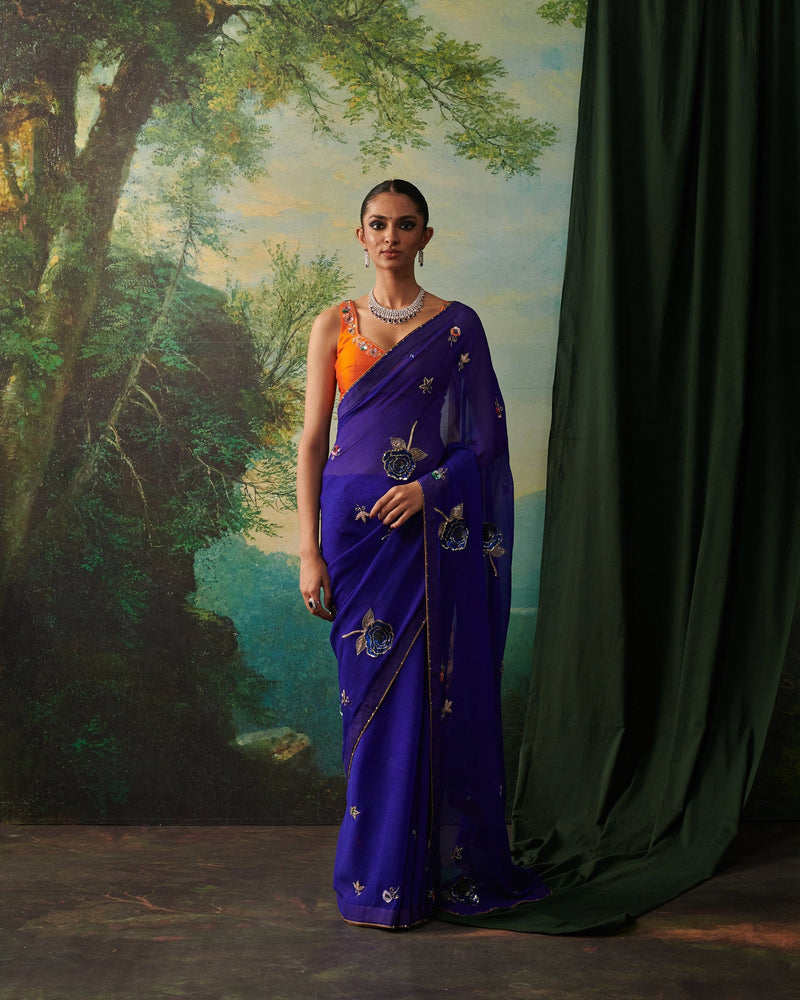
Monsoon Wedding Guest Outfits: Fabrics That Survive the Rain
What to wear to a monsoon wedding — the lightweight fabrics that beat humidity, colours that work in the rain, and el...
24 June 2026