
What to Wear to a Temple: A Complete Guide to Temple Visit Outfits
Visiting a temple is a spiritual experience that calls for appropriate attire. Whether it's a morning darshan, a special puja, or a temple wedding, your outfit should reflect respect while allowing you to participate comfortably in rituals. Here's your complete guide to temple dressing.
General Temple Dress Code
Most Indian temples follow similar guidelines:
- Modest coverage: Shoulders and knees should be covered
- Traditional attire: Indian clothing is generally preferred
- Comfortable fit: You may need to sit on the floor
- Easy to manage: You'll be removing footwear and may need to cover your head
Sarees for Temple Visits
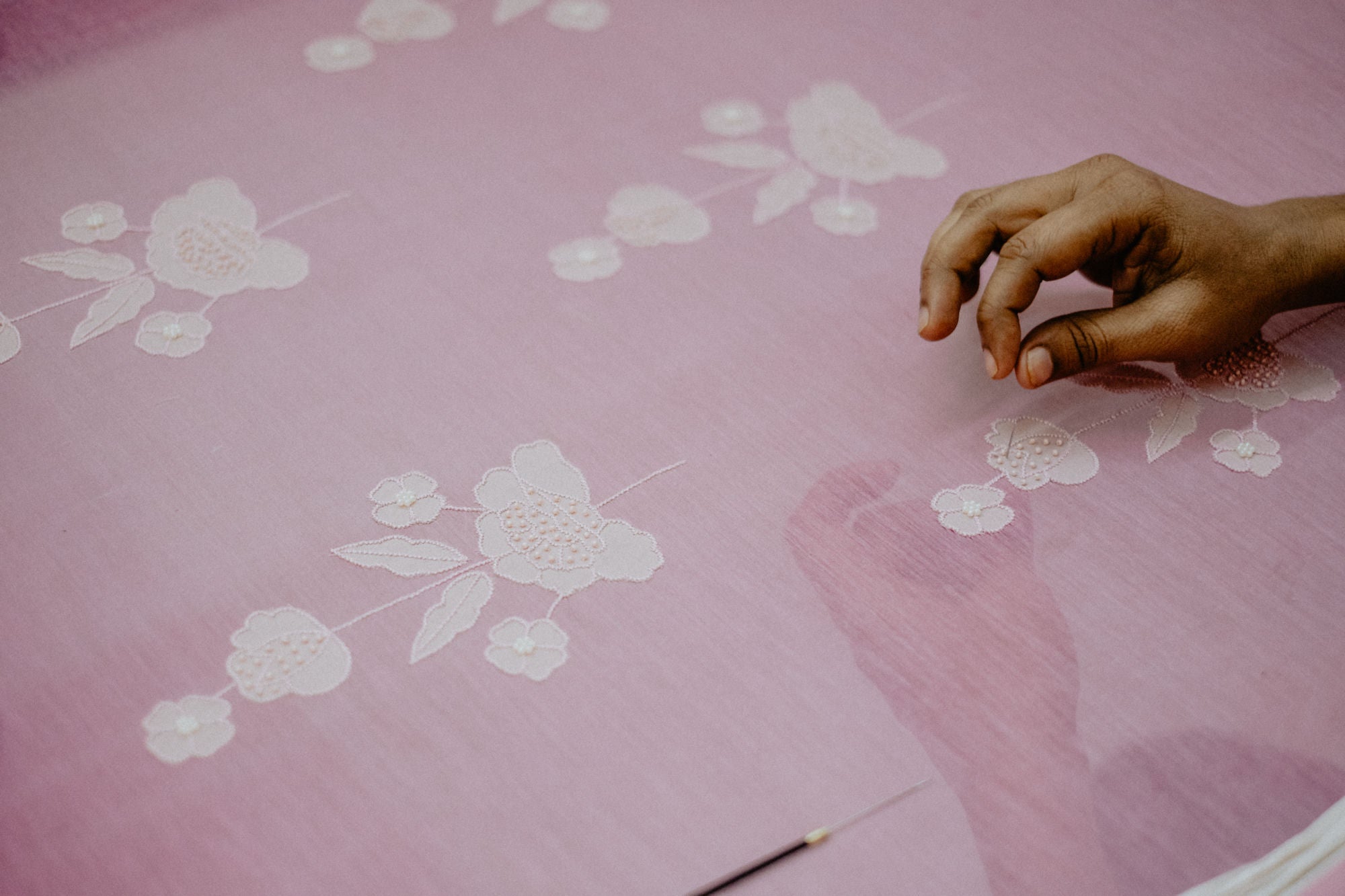
A saree is always appropriate for temple visits. For regular darshan, choose something manageable and modest. The SAJNI blush-pink chiffon saree with hand-embroidered floral clusters is elegant yet easy to handle.

For special pujas, a silk saree is traditional. The ZARIYA mint green Banarasi with sequin and gota work is appropriate for auspicious occasions.

Kurta Sets: The Practical Choice
Kurta sets are ideal for temple visits, offering modesty with ease of movement. The NAINA & AHALYA ivory cotton kurta is breathable and appropriate for morning visits.

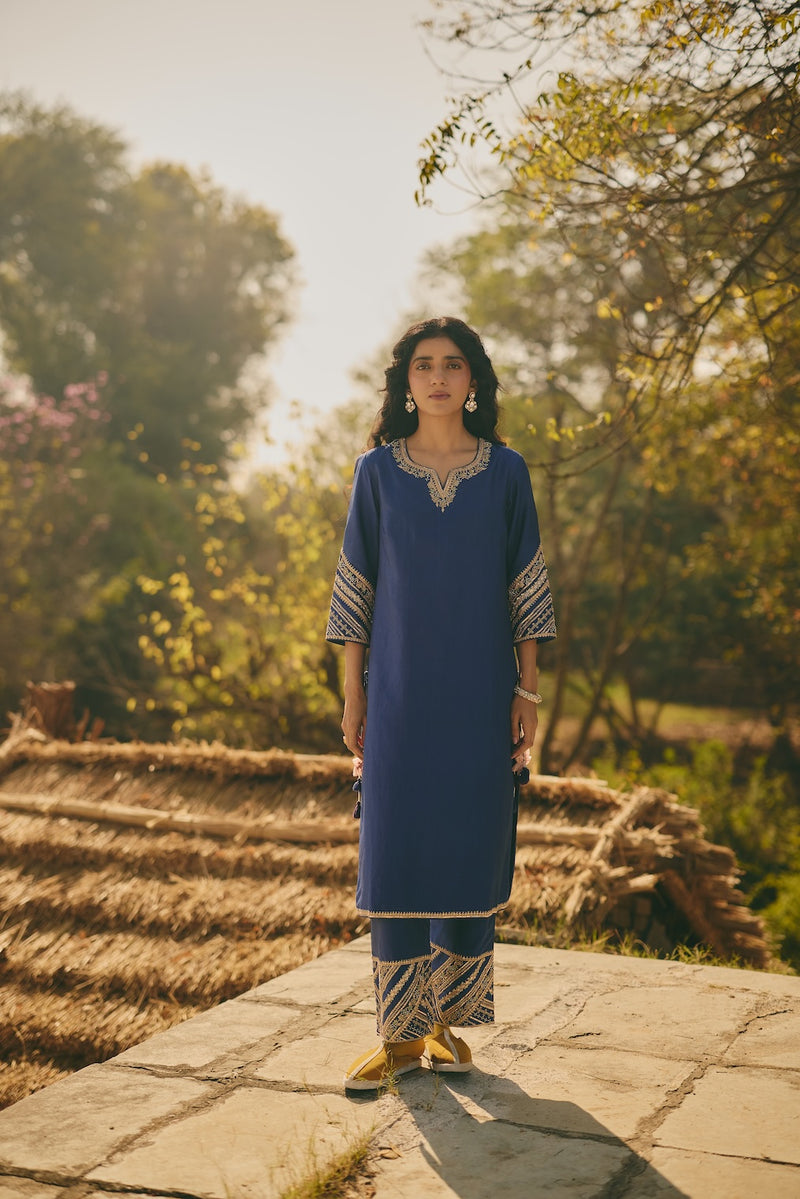
For more festive temple occasions, the BANNI & AAYAT chanderi kurta with delicate embroidery elevates the look while remaining appropriate.

Colour Choices for Temple Visits
Always appropriate: White, cream, yellow, pink, red, orange, green
Generally avoid: Black (considered inauspicious in some temples), very dark colours
For specific temples: Some temples have colour preferences. Check before visiting famous or strict temples.
Temple Wedding Outfits
Temple weddings require more formal attire while respecting temple guidelines. The SUROOR Bandhej Banarasi anarkali with temple jewellery-inspired embroidery is perfect for South Indian temple weddings.

What to Avoid
- Sleeveless or off-shoulder tops
- Short skirts or shorts
- Tight or revealing clothing
- Leather items (prohibited in many temples)
- Very heavy jewellery that might be unsafe
Regional Temple Guidelines
South Indian temples: Often have stricter dress codes. Men may need to wear dhotis. Women should ideally wear sarees or salwar suits with dupattas.
Free Download
Get Our Measurement Guide
Step-by-step instructions with photos for perfect custom fit.
Download Free GuideNorth Indian temples: Generally more flexible. Traditional Indian clothing is expected.
Famous temples: Tirupati, Guruvayur, Meenakshi, etc. have specific rules. Research before visiting.
Practical Considerations
Footwear: You'll remove shoes outside. Choose easy slip-on footwear.
Dupatta/Shawl: Carry one to cover your head if required.
Fabric: Choose fabrics that don't show sweat easily, especially for summer temple visits.
Accessories: Keep them simple. Heavy jewellery can be uncomfortable during long darshans.
Silk Kurtas for Special Pujas
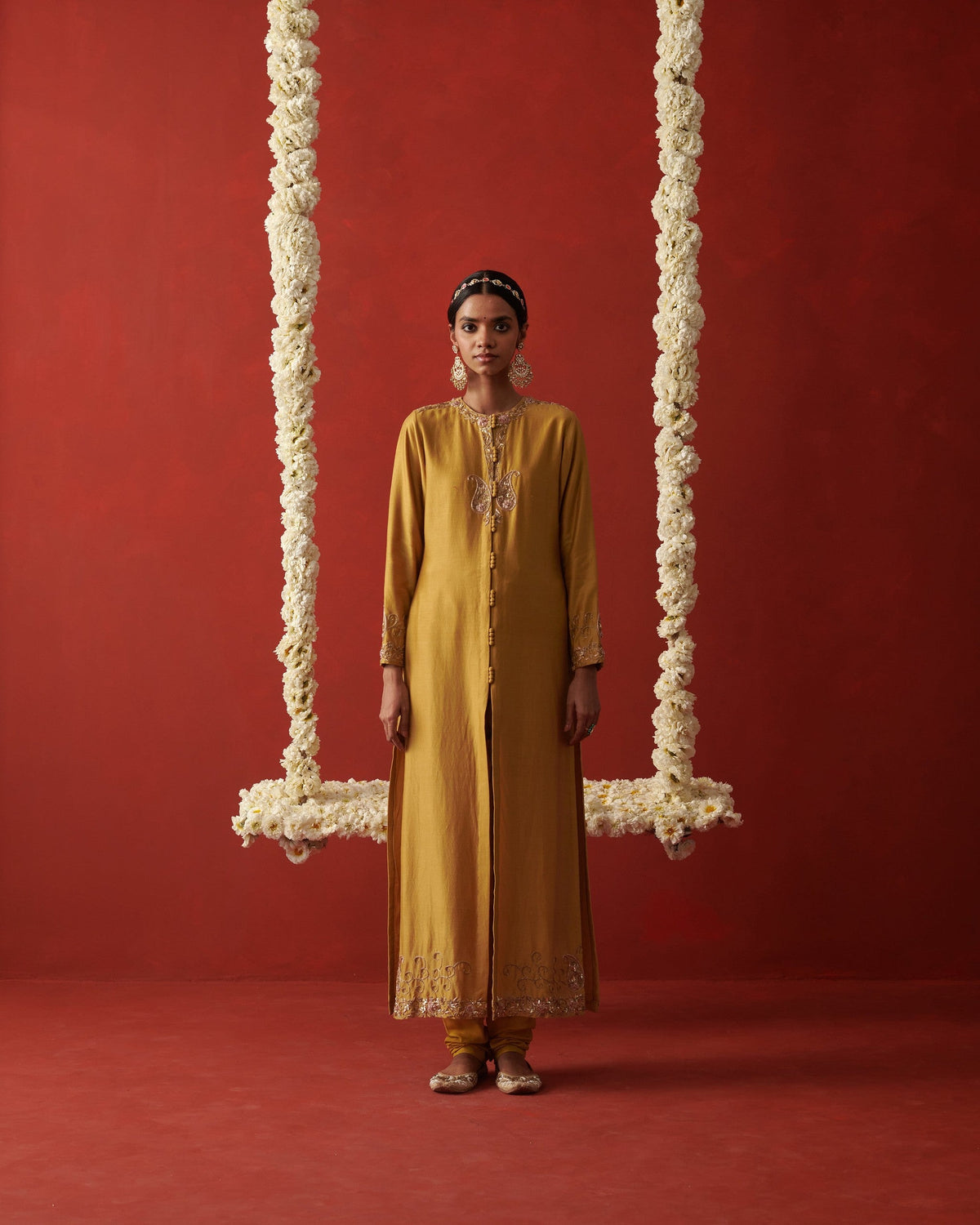
For satyanarayan puja, navratri, or other special occasions, a silk kurta set is appropriate. The JAZABAH & SAIYAN deep red silk kurta with traditional gota patti work is perfect for auspicious home or temple pujas.

Browse our kurta collection and saree collection for temple-appropriate pieces.
Frequently Asked Questions
Can I wear jeans to a temple?
Some temples allow covered, modest western wear. However, traditional Indian attire is always safer and more respectful.
Is black never allowed in temples?
Guidelines vary by temple. Some allow black, some don't. When in doubt, choose another colour.
What if I'm menstruating?
Practices vary by region and personal belief. Many modern temples don't enforce restrictions. Respect your own comfort and the specific temple's guidelines.
Ready to Order Custom?
WhatsApp us at +91 70423 11214 with what you're looking for. We'll guide you through measurements, customizations, and timeline.
Most pieces ready in 4-5 weeks. Bridal in 6-8 weeks.
Made to order in 4–5 weeks
Have an event date? We’ll tell you exactly when to order by.
We take a limited number of orders each month — secure your slot early.
Not sure where to start?
Tell us what you're dressing for and we'll help you choose — fabric, fit, colour, and timeline — over WhatsApp.
Your Cart
Pieces from this story
All pieces →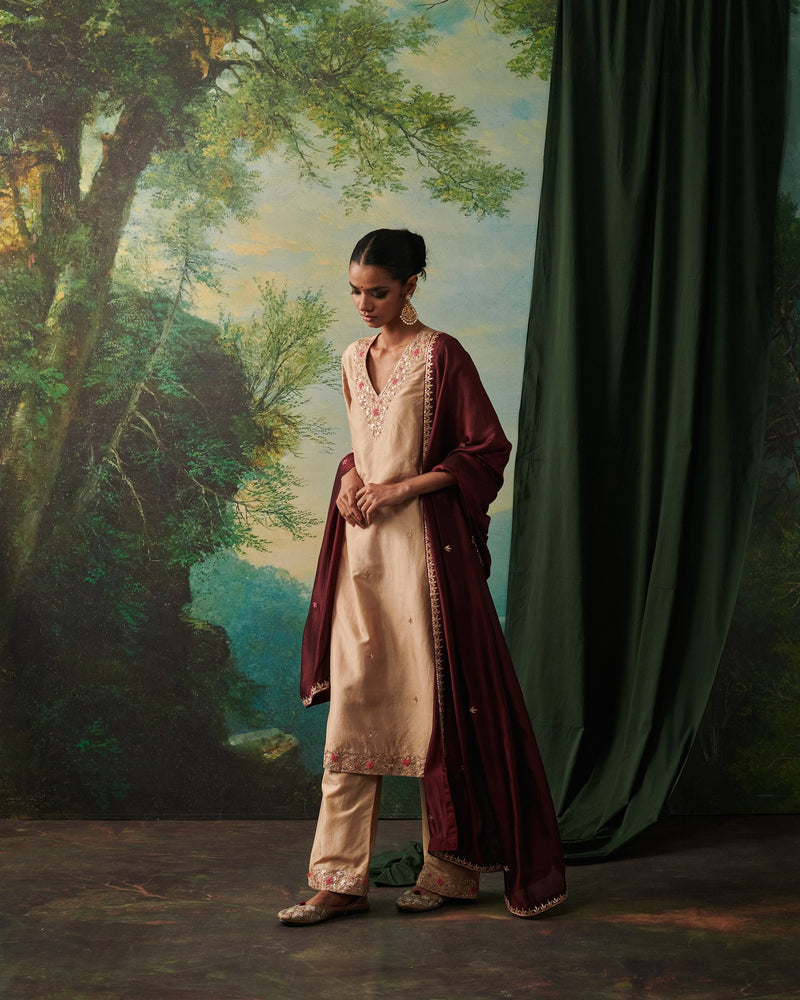

Keep reading
The journal →
Diwali Abroad: What to Wear to the Office Potluck, the Community Dinner & the House Party
Handmade by karigars Made to your measurements Fit guarantee Ships worldwide As seen in GraziaElle Graduat...
20 September 2026
Garba Abroad: What to Wear to Navratri in the US, UK, Canada & Australia
Handmade by karigars Made to your measurements Fit guarantee Ships worldwide As seen in GraziaElle Graduat...
20 September 2026
Where to Shop for Indian Clothes in Singapore & Malaysia: A Complete Guide
Handmade by karigars Made to your measurements Fit guarantee Ships worldwide As seen in GraziaElle Graduat...
20 September 2026