
What Not to Wear to an Indian Wedding: A Guest Etiquette Guide
Most wedding-guest advice tells you what to wear. Just as useful is knowing what not to — the colours that risk upstaging the couple, the dress-code missteps, and the practical mistakes that leave you uncomfortable by the second function. Here's the honest list, with a better choice for each.

1. Don't Wear Red to the Wedding Ceremony
In most North Indian weddings, the bride wears red, maroon, or deep crimson for the main ceremony. As a guest, wearing the same risks blending into — or competing with — the bride. It's the one colour to think twice about for the pheras.
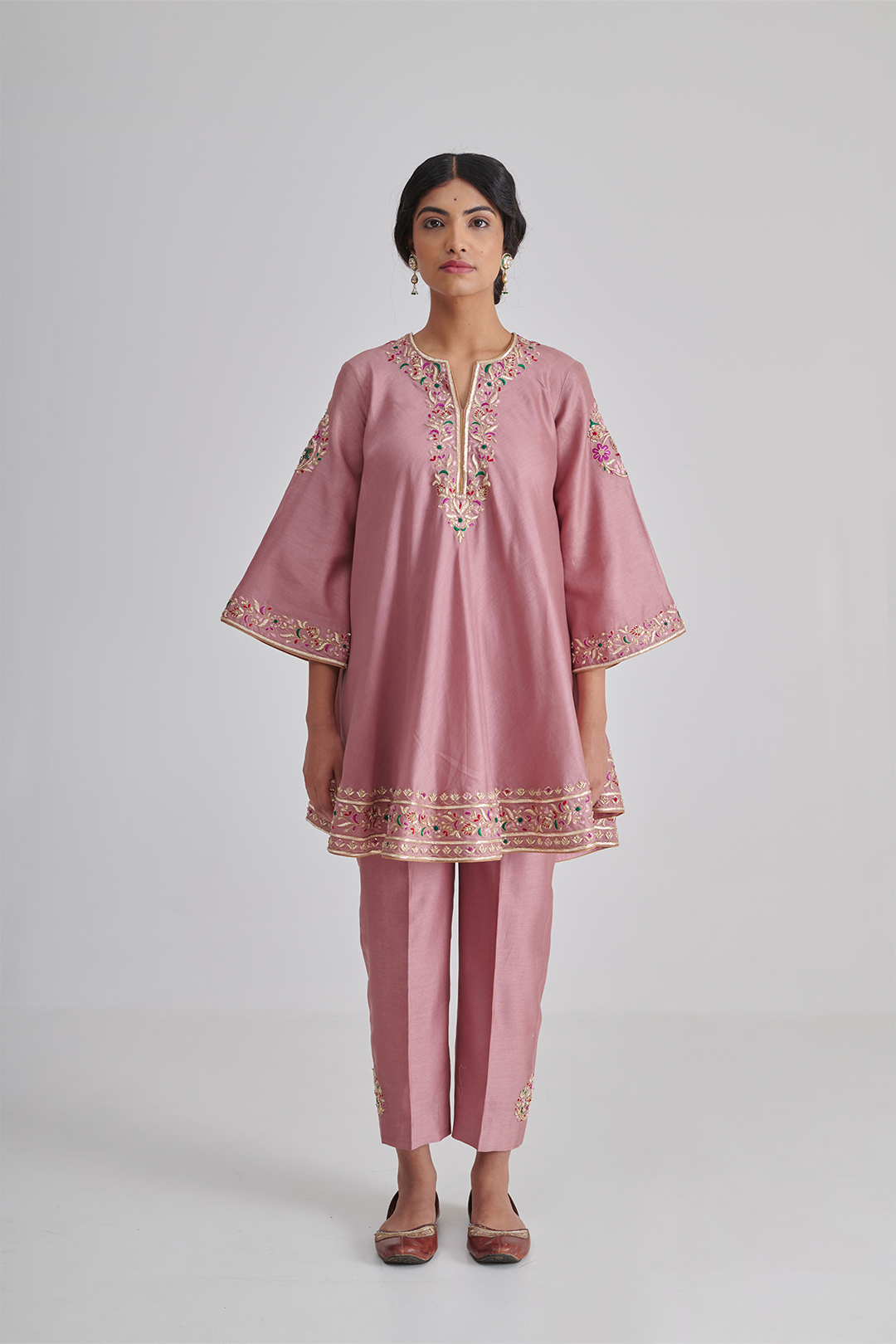
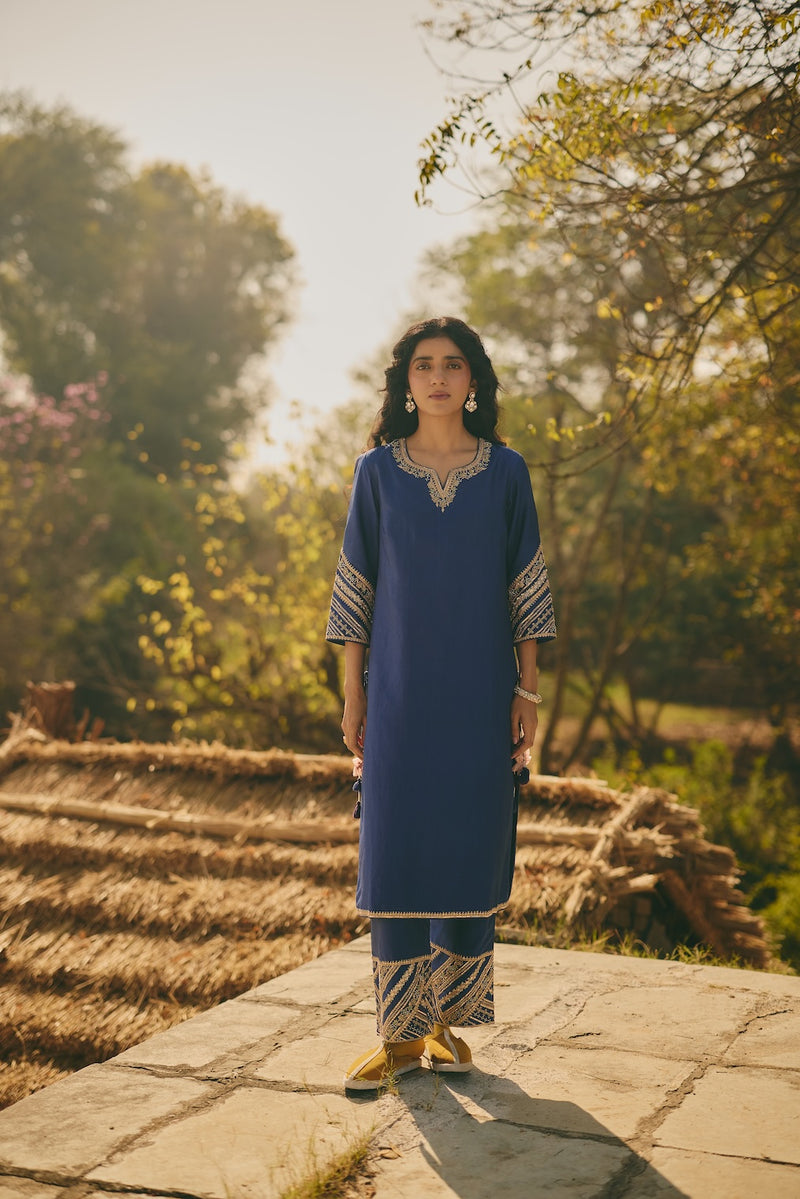
Wear instead: a soft pastel, ivory with gold, or a jewel tone that's clearly distinct. The Naveli dusty rose kurta set or a Zariya mint green saree are safe, elegant picks.


2. Don't Out-Dress the Bride
This is the cardinal rule. A full bridal-level lehenga, heavy maximal embroidery, and a crown of jewellery on a guest can read as trying to steal the spotlight. You can absolutely look stunning — just keep it one notch below bridal.
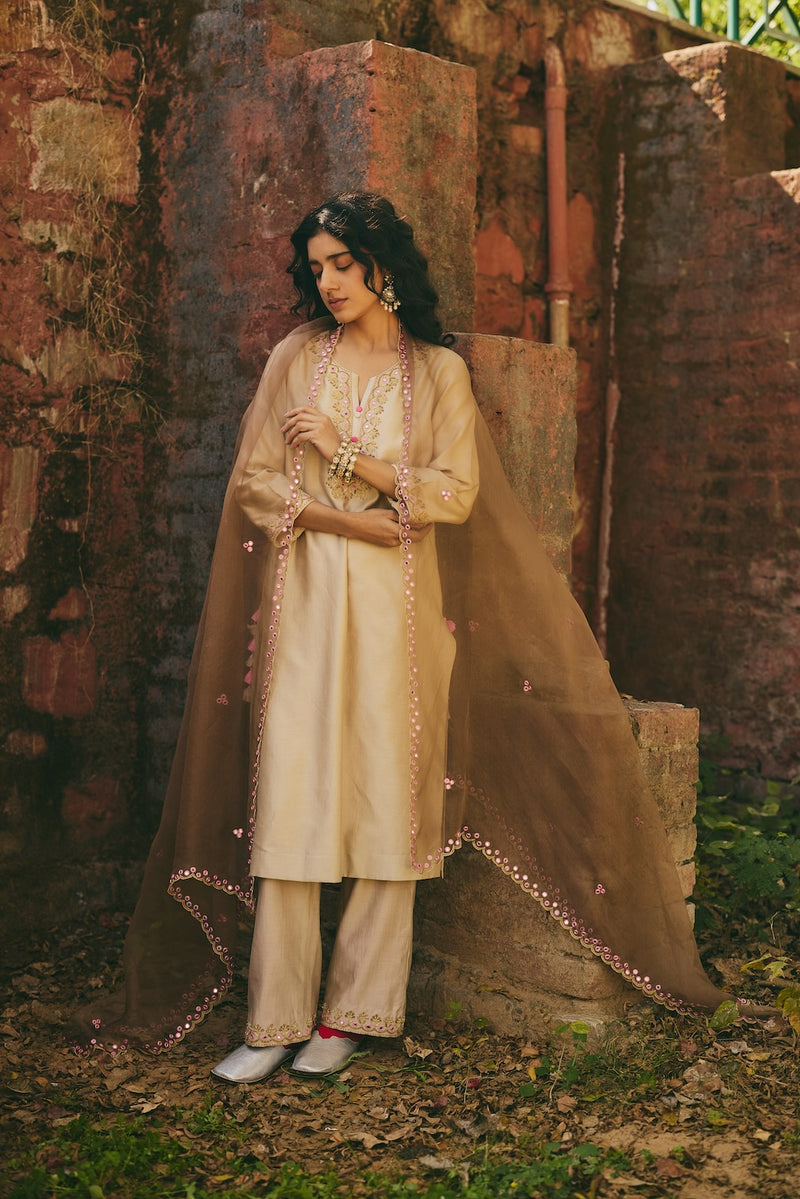
Wear instead: a beautifully embellished but not overwhelming outfit. An ivory anarkali or a refined silk kurta set looks elegant without competing.
3. Don't Ignore the Dress Code
If the couple has set a theme — pastels for the mehendi, florals for the haldi, all-white for a cocktail — honour it. Showing up off-theme stands out for the wrong reasons (and ruins the group photos).
Wear instead: read the invite carefully and ask the family if unsure. When there's no code, match the formality and time of day of the function.
4. Don't Wear All-White or All-Black to the Ceremony (Know Your Crowd)
This one is regional and worth checking. In some traditional families, plain white (associated with mourning) or all-black for the main religious ceremony is frowned upon. At modern, urban weddings it's often completely fine — and ivory with gold is widely loved.
Wear instead: if in doubt for a traditional ceremony, choose ivory or cream with colour or gold work rather than stark white, and save the all-black look for the cocktail or sangeet.
5. Don't Dress for the Photos and Forget the Function
A jaw-dropping outfit you can't sit, eat, or dance in is a long night. Indian weddings are marathons — floor seating at the puja, dancing at the sangeet, hours on your feet.
Wear instead: for a sangeet or mehendi, a sharara set or a fluid saree lets you move. Break in your footwear beforehand, and skip anything that needs constant adjusting.
6. Don't Wear the Wrong Weight for the Weather
Heavy velvet and dense silk at a summer afternoon haldi will leave you wilting; sheer chiffon at a December evening wedding will leave you cold. Match the fabric to the season and the time of day.
Wear instead: breathable cotton, chanderi, or light silk for daytime and summer; richer fabrics for winter evenings.
7. Don't Leave It to the Last Minute
The most avoidable mistake. A rushed, ill-fitting outfit shows. Made-to-order pieces need lead time, and even alterations take a week or two.
Do instead: plan your outfits for each function a few weeks ahead — especially if anything is being custom-made.
The simplest rule of all: dress to celebrate the couple, not to be the centre of attention. Get that mindset right and the rest of these fall into place naturally.
Get the Guest Look Right
Our wedding guest edit is full of pieces that look elegant without upstaging anyone — each handcrafted to your measurements. Browse and we'll help you dress for every function.
Shop Wedding GuestFrequently Asked Questions
Can I wear red to an Indian wedding as a guest?
It's best avoided for the main wedding ceremony, since the bride traditionally wears red or maroon in many North Indian weddings and you don't want to compete with her. Red is generally fine for other functions like the sangeet or reception — but for the pheras, choose a clearly distinct colour like a pastel, ivory with gold, or a jewel tone.
Is it okay to wear white to an Indian wedding?
It depends on the family. In some traditional households, plain white is associated with mourning and avoided for the religious ceremony, while at modern urban weddings it's perfectly acceptable. If unsure, choose ivory or cream with gold or colourful embroidery rather than stark white, and save all-white looks for the cocktail or sangeet.
How dressed up is too dressed up for a wedding guest?
Aim to look polished but stay one notch below bridal. A full bridal-level lehenga with heavy maximal embroidery and a crown of jewellery can read as trying to upstage the couple. A beautifully embellished — but not overwhelming — anarkali, saree, or silk kurta set lets you look stunning while keeping the focus on the bride.
Made to order in 4–5 weeks
Have an event date? We’ll tell you exactly when to order by.
We take a limited number of orders each month — secure your slot early.
Not sure where to start?
Tell us what you're dressing for and we'll help you choose — fabric, fit, colour, and timeline — over WhatsApp.
Your Cart
Pieces from this story
All pieces →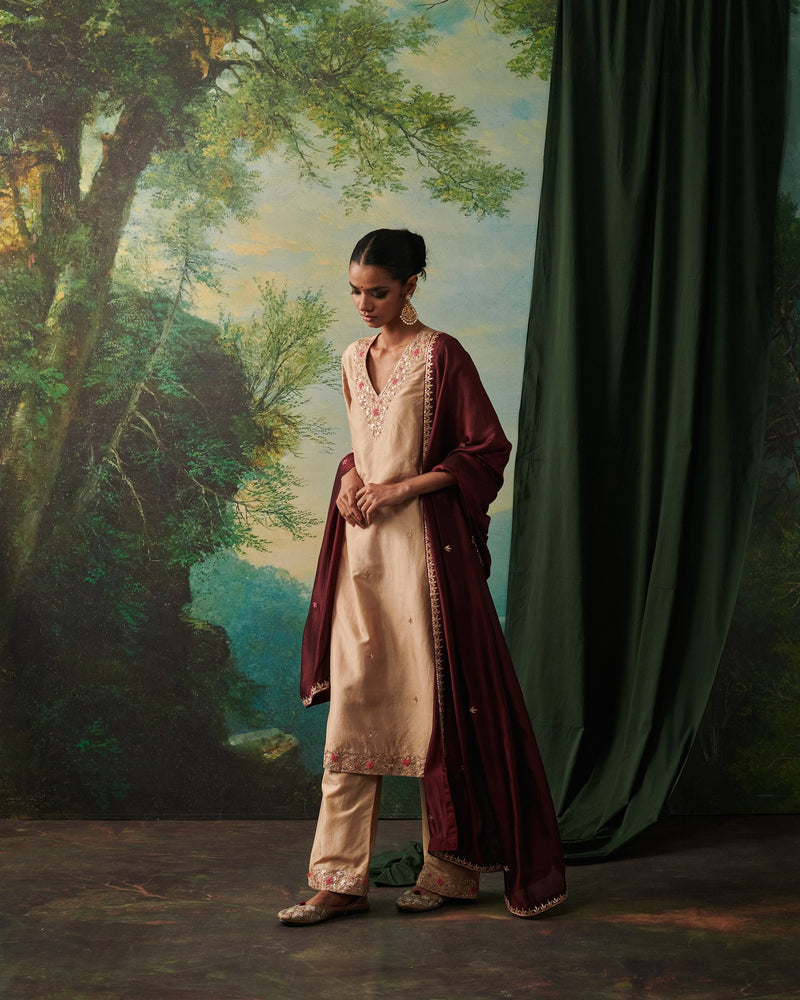
Keep reading
The journal →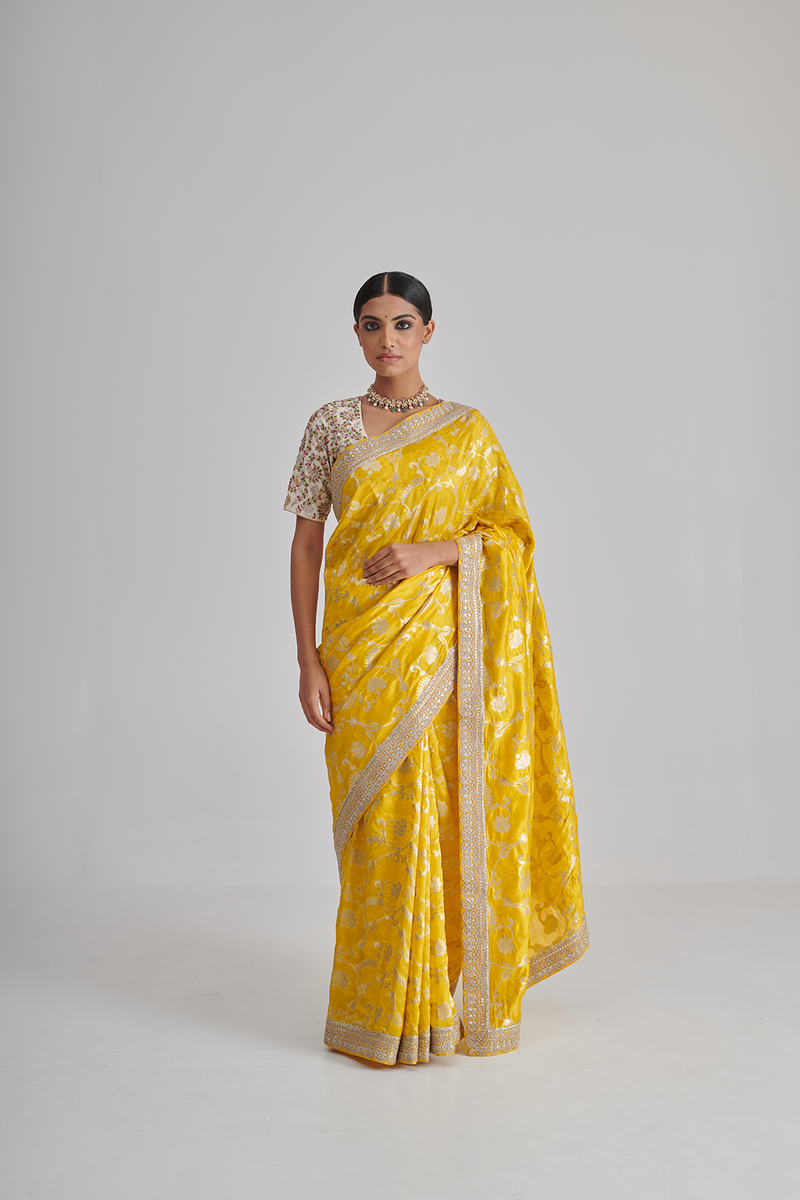
Best Banarasi Saree Brands in India 2026: Where to Buy an Authentic Banarasi
Handmade by karigars Made to your measurements Fit guarantee Ships worldwide As seen in GraziaElle Graduat...
14 September 2026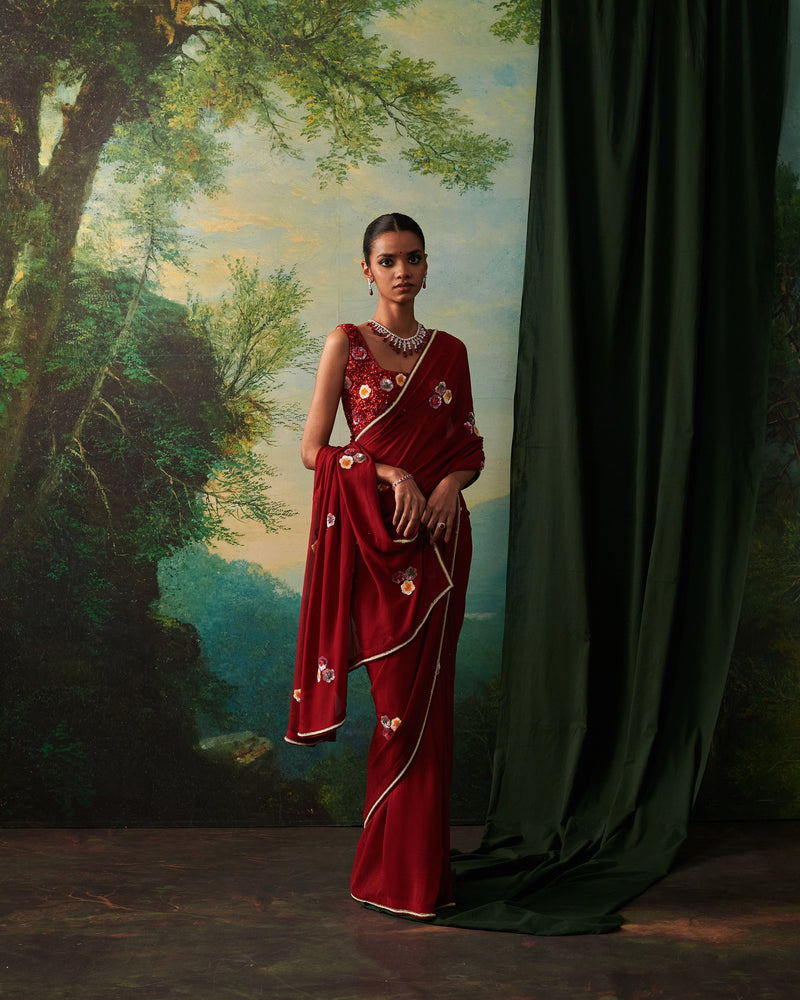
Gifts for Your Wife She'll Actually Wear: Indian Outfits for Karva Chauth, Diwali & Anniversaries
Handmade by karigars Made to your measurements Fit guarantee Ships worldwide As seen in GraziaElle Graduat...
14 September 2026
Designer Lehenga for Girls: A Parent's Buying Guide to Kids' Lehengas
Handmade by karigars Made to your measurements Fit guarantee Ships worldwide As seen in GraziaElle Graduat...
14 September 2026