
How to Steam & Iron Embroidered Indian Clothes Safely
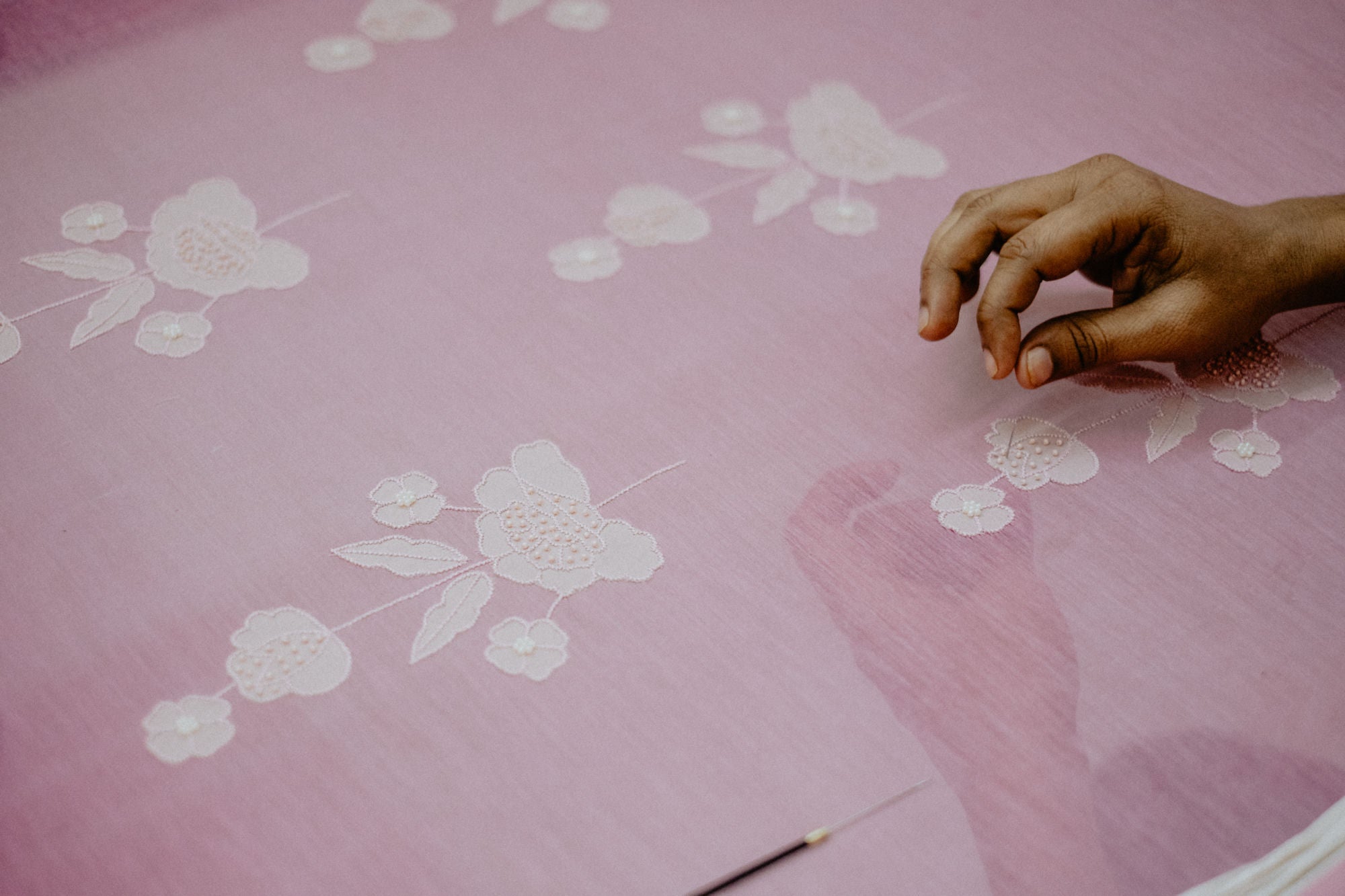
A hand-embroidered outfit arrives from months of a karigar's work — and one careless pass of a hot iron can flatten sequins, scorch zari, or melt a bead in seconds. Embroidered Indian wear needs a gentler approach than a cotton shirt, but it isn't complicated once you know the rules. Whether you're freshening a piece before an event or smoothing creases after it's been folded, here's how to steam and iron embroidered clothes without harming the hand-work.
Golden Rule: Never Iron Directly on Embroidery
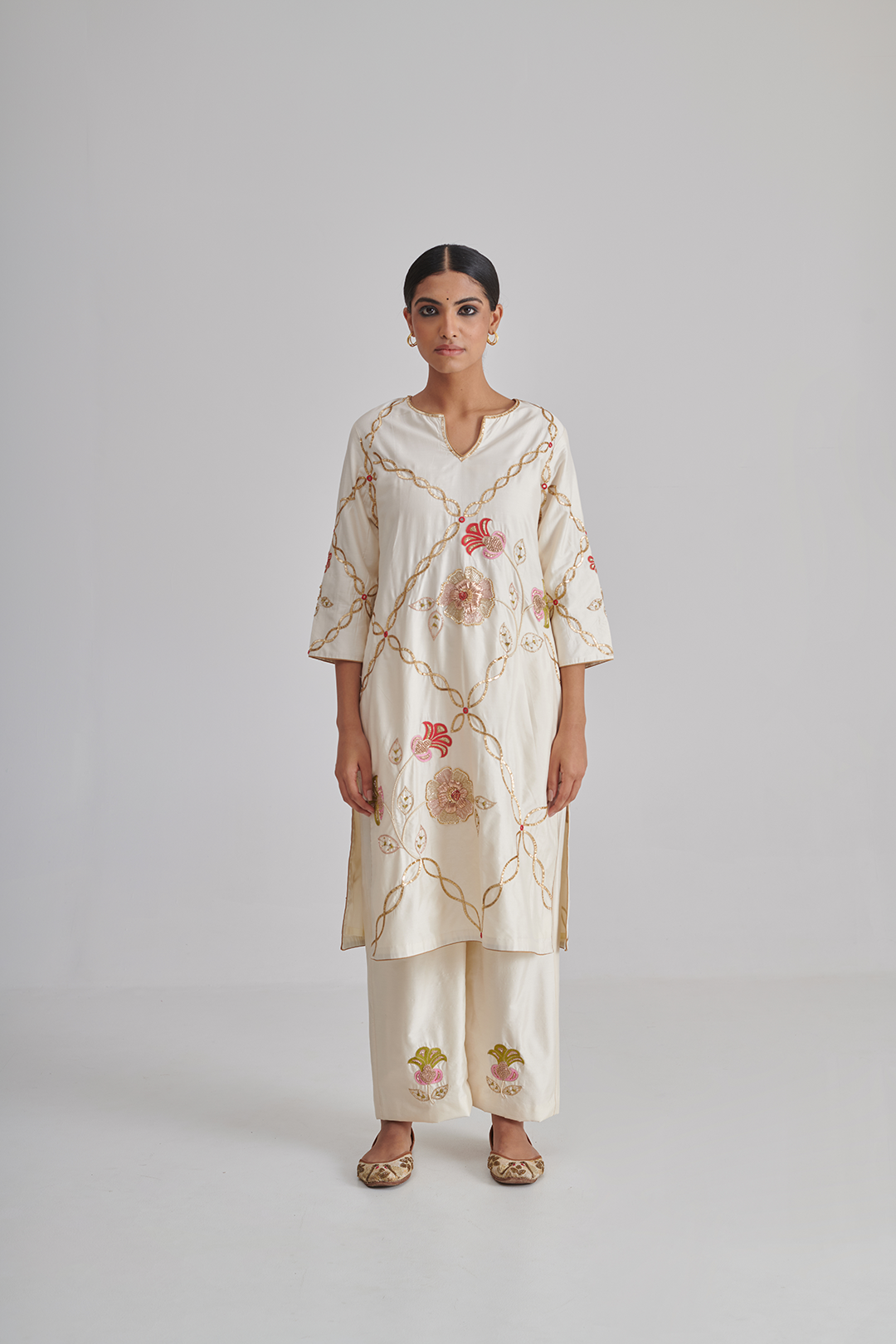
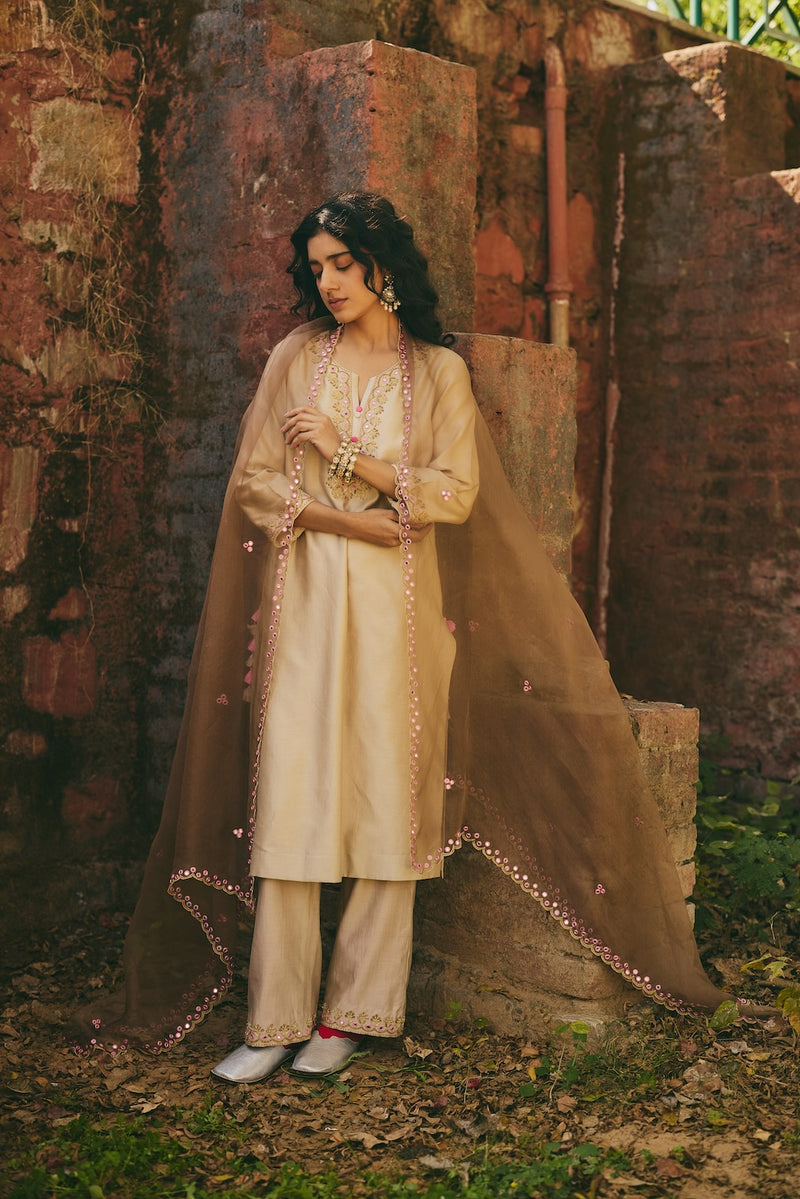
The single most important rule — an iron should never touch zardozi, gota, sequins, cutdana, beadwork, or metallic zari directly. Heat and pressure crush raised work, dull the shine of metal threads, and can melt plastic-based sequins outright. On a piece like the Mirza set in ivory silk, where the florals are hand-worked in zardozi with gold threads and zari, you always work around the embroidery, never over it. When you must smooth fabric near the motifs, turn the garment inside out and press from the reverse.

Steaming Is Almost Always the Safer Choice
For embroidered and delicate pieces, a handheld garment steamer is your best friend. Steam relaxes creases without direct contact or crushing pressure, which makes it ideal for heavily-embellished silhouettes like the Zehan set, whose bodice is a dense trellis of hand-folded gota appliqué layered with sequins. Hang the garment, hold the steamer a few inches away, and let the steam do the work top to bottom. Keep the nozzle off the embroidery itself and glide over plain fabric — the embellished areas will relax from the ambient steam.
If You Must Iron: The Press-Cloth Method
Sometimes only an iron will do — a sharp pleat, a stubborn crease on a plain panel. When you iron embroidered or silk pieces:
- Turn it inside out — always press from the reverse so the iron never meets the embroidery face-on.
- Use a press cloth — lay a thin cotton cloth or muslin between the iron and the fabric to diffuse the heat.
- Keep the heat low — use the silk or synthetic setting; high heat scorches silk and yellows zari.
- Skip the steam-burst on metallics — direct steam bursts can spot delicate zari and gota.
- Never park the iron — keep it moving; a resting hot iron marks silk permanently.
Fabric by Fabric
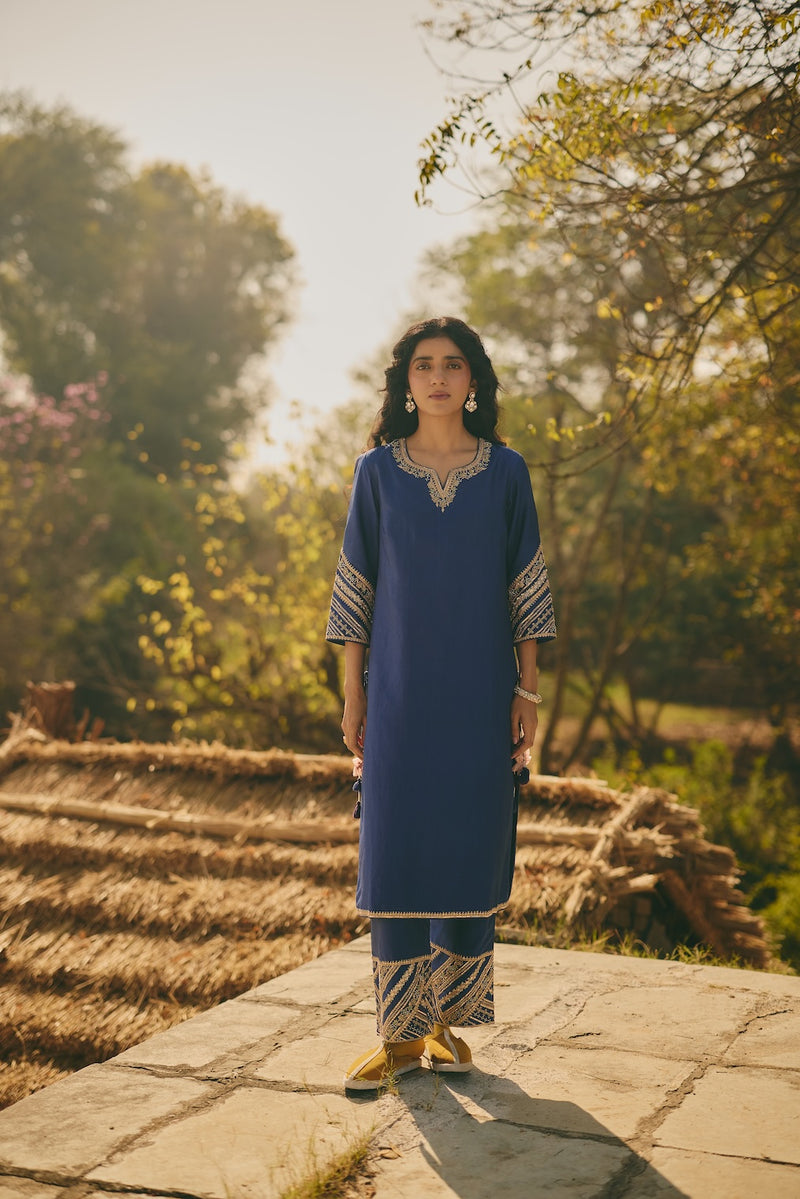
Different bases want different care. Silk (like the Naveli set in Chanderi with aari and zardozi) takes a low, dry heat from the reverse or, better, a steam. Organza and tissue are heat-sensitive and crease-prone — steam gently and never press hard, or you'll flatten their body. Cotton and Chanderi tolerate a little more warmth on plain areas but still deserve a press cloth over any embroidery. When in doubt, steam rather than iron.
A Few Extra Safeguards
Test heat on an inside seam before you start. Let a freshly steamed piece hang and dry fully before folding, so trapped moisture doesn't mark the fabric or tarnish metal threads. And for a truly precious or bridal piece, professional dry-cleaning and pressing — with the cleaner told exactly what hand-work it carries — is always the safest route. A karigar's months of work deserves that care.
Hand-Embroidered, Worth the Care
Every piece is hand-embroidered by karigars in Jaipur and made to your measurements over 4–5 weeks — cared for well, it lasts for years. Explore our kurta sets and anarkalis.
Shop Hand-Embroidered WearFrequently Asked Questions
Can I iron directly over embroidery or sequins?
No. An iron should never touch zardozi, gota, sequins, cutdana, beadwork, or zari directly — heat and pressure crush raised work, dull metal threads, and can melt sequins. Always turn the garment inside out and press from the reverse, using a press cloth, or steam the piece instead.
Is steaming or ironing better for embroidered Indian clothes?
Steaming is almost always safer for embroidered and delicate pieces, because it relaxes creases without direct contact or crushing pressure. Hang the garment, hold a handheld steamer a few inches from plain fabric, and let the ambient steam relax the embellished areas without the nozzle touching the embroidery.
What iron setting should I use for silk and Chanderi?
Use a low, dry heat on the silk or synthetic setting, and always press from the reverse with a thin cotton press cloth between the iron and the fabric. High heat scorches silk and yellows zari, so keep the iron moving and never let it rest, which can mark the fabric permanently.
Made to order in 4–5 weeks
Have an event date? We’ll tell you exactly when to order by.
We take a limited number of orders each month — secure your slot early.
Not sure where to start?
Tell us what you're dressing for and we'll help you choose — fabric, fit, colour, and timeline — over WhatsApp.
Your Cart
Pieces from this story
All pieces →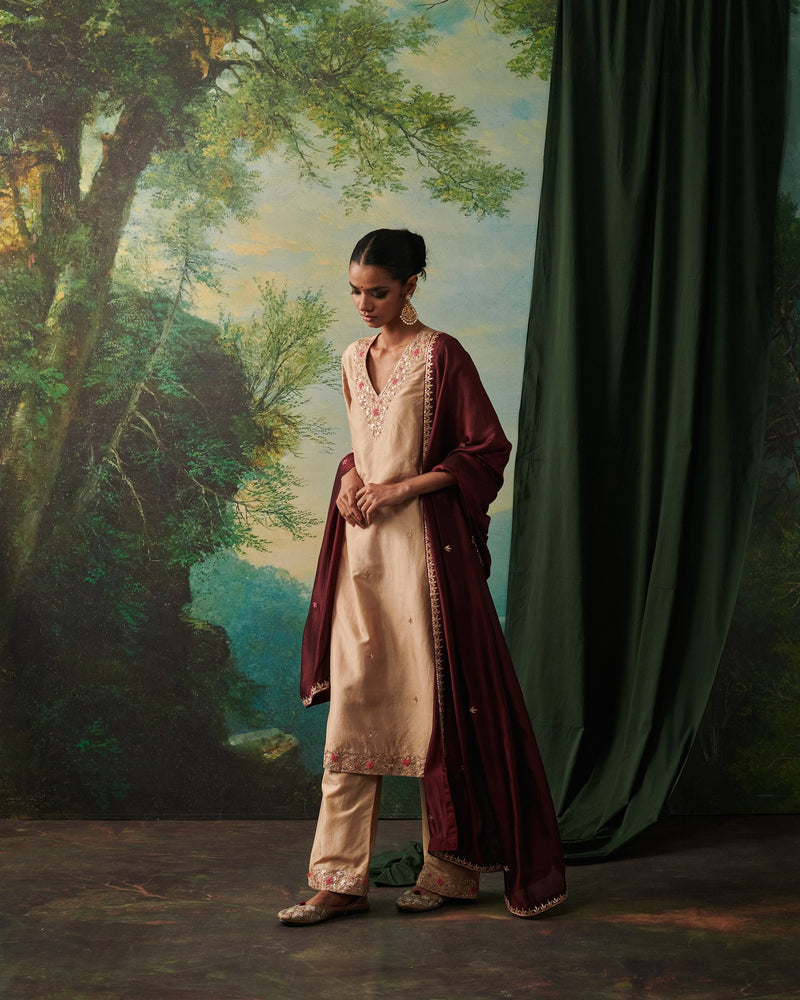
Keep reading
The journal →
Best Banarasi Saree Brands in India 2026: Where to Buy an Authentic Banarasi
Handmade by karigars Made to your measurements Fit guarantee Ships worldwide As seen in GraziaElle Graduat...
14 September 2026
Gifts for Your Wife She'll Actually Wear: Indian Outfits for Karva Chauth, Diwali & Anniversaries
Handmade by karigars Made to your measurements Fit guarantee Ships worldwide As seen in GraziaElle Graduat...
14 September 2026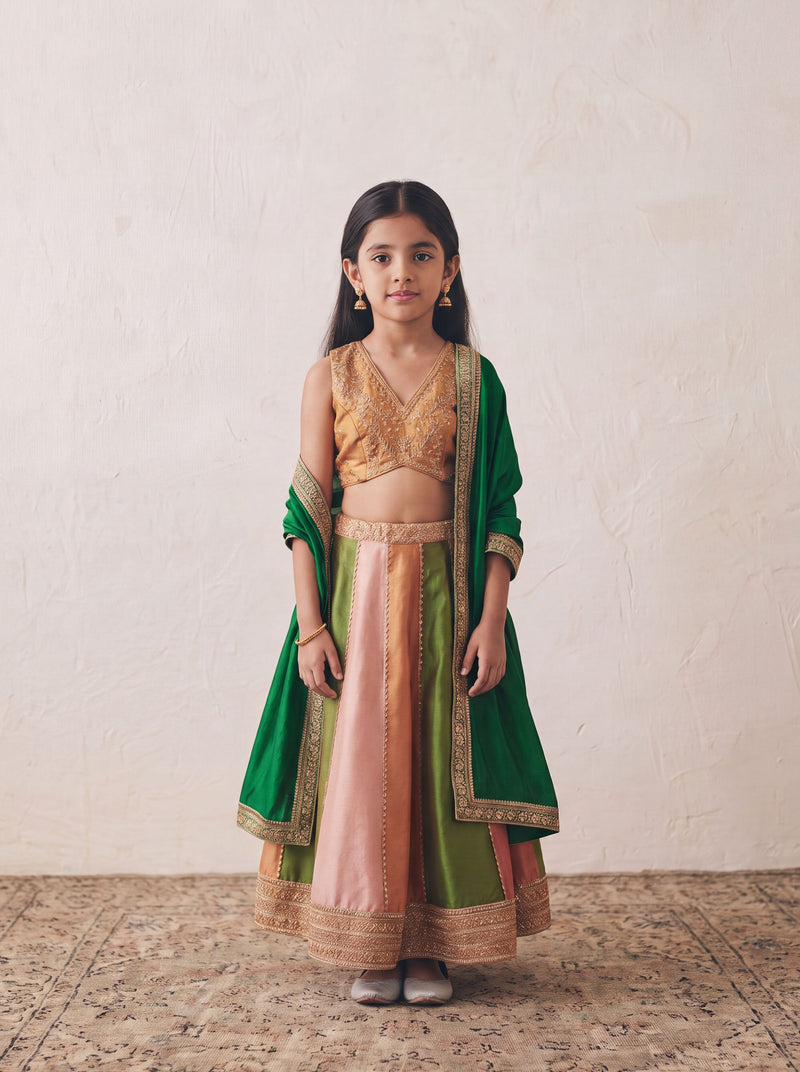
Designer Lehenga for Girls: A Parent's Buying Guide to Kids' Lehengas
Handmade by karigars Made to your measurements Fit guarantee Ships worldwide As seen in GraziaElle Graduat...
14 September 2026