
Indian Outfits for Intimate Ceremonies: Griha Pravesh, Pooja & Family Gatherings
Not every important occasion is a grand affair. Some of the most meaningful moments — griha pravesh, satyanarayan pooja, family prayer ceremonies, and intimate celebrations — call for outfits that are elegant yet modest, special yet appropriate. Dressing for these occasions requires balancing respect for tradition with personal style.
The Intimate Ceremony Dress Code
These occasions share common requirements:
- Modesty: Conservative necklines, appropriate coverage, no very short lengths
- Ease of movement: You'll be sitting, standing, and participating in rituals
- Minimal fuss: Heavy lehengas and elaborate sarees are impractical
- Traditional touch: Indian silhouettes feel more appropriate than Western wear
- Subtle elegance: Refined rather than flashy — the occasion, not your outfit, should be the focus
Griha Pravesh: Entering a New Home
Griha pravesh — the ceremony of entering a new home — is auspicious and traditionally calls for specific considerations:
Colours: Auspicious colours are preferred — reds, yellows, pinks, oranges. Some families have specific traditions; when in doubt, ask or choose universally auspicious shades.
Silhouettes: Practical pieces that allow movement — kurta sets, cotton sarees, or elegant dresses. You may need to light lamps, carry kalash, and move between rooms.


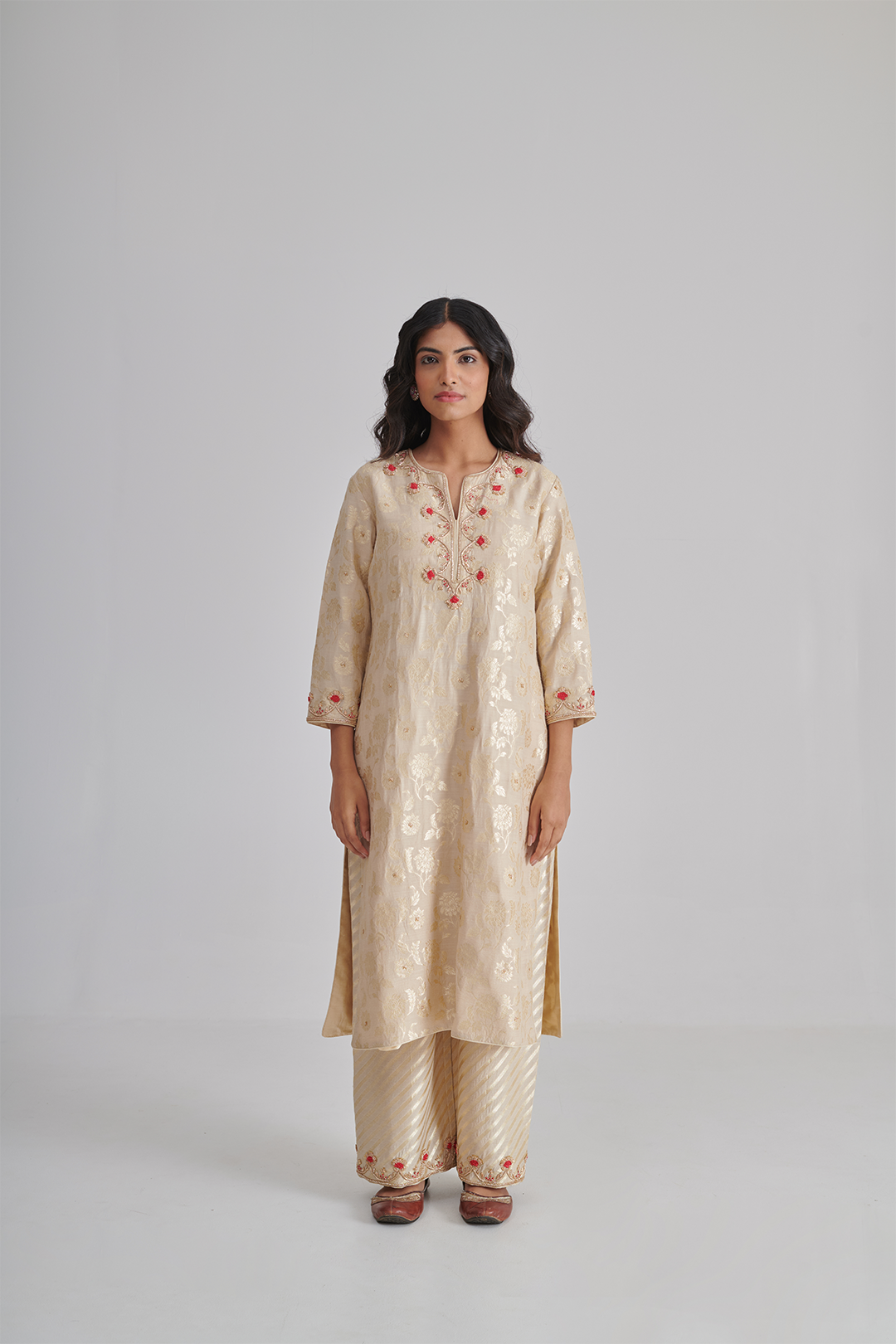
Kurta sets like the Humsafar & Aayat set, Rani & Rana, or Sunheri & Sahana in warm, auspicious tones are perfect for griha pravesh — elegant enough for photographs, practical enough for ceremony participation.
Satyanarayan Pooja & Home Prayers
Regular poojas at home call for comfortable traditional wear:
Practical considerations:
- You'll be sitting on the floor for extended periods
- Fabrics that don't ride up or shift constantly
- Nothing too tight that restricts cross-legged sitting
- Modest necklines (you'll be bending forward)


Easy kurta sets like the Naina & Ahalya set, Pardesi & Amaya set, and Ruhani & Nilofer set offer the comfort and modesty needed for extended poojas while looking graceful.
Temple Visits
Temples often have specific dress codes — research your specific temple, but general guidelines apply:
Coverage: Shoulders covered, no short lengths, modest necklines
Colours: Many temples prefer you avoid black and very dark colours. Whites, pastels, and traditional shades are usually appropriate.
Fabrics: Cotton and natural fabrics are comfortable in often-crowded, warm temple environments.


Kurta sets like the Raas & Zeba set, Rasiya & Misri set, and Pardesi & Amaya set meet temple requirements while being comfortable for walking, standing in queues, and participating in darshan.
Naming Ceremonies & Baby Celebrations
Naamkaran (naming ceremony), mundan, and annaprashan are joyful family occasions:
The balance: Celebratory but not flashy. The baby is the focus — your outfit should be elegant background, not competing attention.
Practical note: If you're holding or playing with the baby, avoid heavy embroidery, dangling jewellery, or fabrics that might scratch or catch.


Soft, comfortable kurta sets like the Afreen & Maahi, Saavan & Nimrah, and Banni & Aayat are perfect for these occasions — you can hold the baby, move around, and still look polished in photographs.
Anniversary Poojas & Blessings
Wedding anniversaries often involve pooja or temple visits as a couple:
Free Download
Get Our Measurement Guide
Step-by-step instructions with photos for perfect custom fit.
Download Free GuideCoordination: If your partner is wearing traditional clothes, your outfit should complement (though not necessarily match) in formality level.
Significance: For milestone anniversaries, slightly more elaborate outfits are appropriate — perhaps a silk kurta set or a subtle embroidered piece.
Thread Ceremonies & Sacred Rituals
Upanayana (thread ceremony) and similar rituals are solemn occasions:
Traditional wear: Sarees for married women are traditional in many communities. If wearing kurta sets, choose dignified, understated pieces.
Colours: Yellows, whites, and subtle pastels are appropriate for most sacred rituals.


For saree occasions, pieces like the Zariya and Chandni offer the right blend of traditional elegance and understated grace.
Family Gatherings & Small Celebrations
Intimate family events — birthday poojas, seasonal celebrations, reunion dinners — call for elevated casual:


Cotton dresses like the Nazakat & Saanwli set, Amyra & Adya set, and Tara & Pari set strike the right note — dressed up enough to show you've made effort, relaxed enough to sit on the floor and play with children.
Styling for Modest Occasions
Jewellery: Keep it minimal and meaningful. A simple mangalsutra, small studs or jhumkas, and perhaps a bindi. Heavy statement jewellery feels inappropriate.
Makeup: Natural and subtle. Focus on looking fresh rather than glamorous.
Hair: Neat and practical. A simple braid, bun, or neatly styled open hair works well. Consider fresh flowers (mogra) for auspicious occasions.
Footwear: Comfortable, easy to remove (you'll likely be barefoot during the pooja). Juttis, simple sandals, or kolhapuris.
What to Avoid
- Heavy embellishment: Sequins and party-level sparkle feel out of place at religious ceremonies
- Very dark colours: Black, navy, and very dark shades are often considered inauspicious for these occasions
- Revealing cuts: Plunging necklines, backless designs, very short lengths
- Overdone styling: Heavy makeup, elaborate hairdos, statement jewellery
- Impractical silhouettes: Floor-length anarkalis, heavy lehengas, anything that makes sitting difficult
Frequently Asked Questions
Is it okay to wear pants/palazzo to a pooja?
Yes, especially for younger women and in modern families. A kurta with palazzos is widely accepted. The key is overall modesty and traditional feel, not specific garments.
What if I don't own traditional colours?
Not every family requires specific colours. When in doubt, choose soft, pleasant shades — dusty rose, sage green, powder blue. Avoid black and very bold neons.
Can I wear the same outfit to multiple ceremonies?
Absolutely. No one expects a new outfit for every pooja. Quality, versatile pieces are designed to be worn repeatedly.
Should children dress traditionally too?
It's lovely when children participate in traditional dress, but comfort comes first for little ones. A simple cotton kurta or dress is perfectly appropriate.
Explore: kurta sets · sarees · shop all
Ready to Order Custom?
WhatsApp us at +91 70423 11214 with what you're looking for. We'll guide you through measurements, customizations, and timeline.
Most pieces ready in 4-5 weeks. Bridal in 6-8 weeks.
Made to order in 4–5 weeks
Have an event date? We’ll tell you exactly when to order by.
We take a limited number of orders each month — secure your slot early.
WhatsApp me my order-by date + a shortlistNot sure where to start?
Tell us what you're dressing for and we'll help you choose — fabric, fit, colour, and timeline — over WhatsApp or on a video call.
Your Cart
Pieces from this story
All pieces →Not sure which piece, or need it by a date? Book a video consultation Ask us on WhatsApp


Keep reading
The journal →
What to Wear to a Griha Pravesh: House Warming Outfit Ideas
What to wear to a griha pravesh ceremony — hostess and guest outfit ideas in light chanderi and cotton, colours to ch...
23 July 2026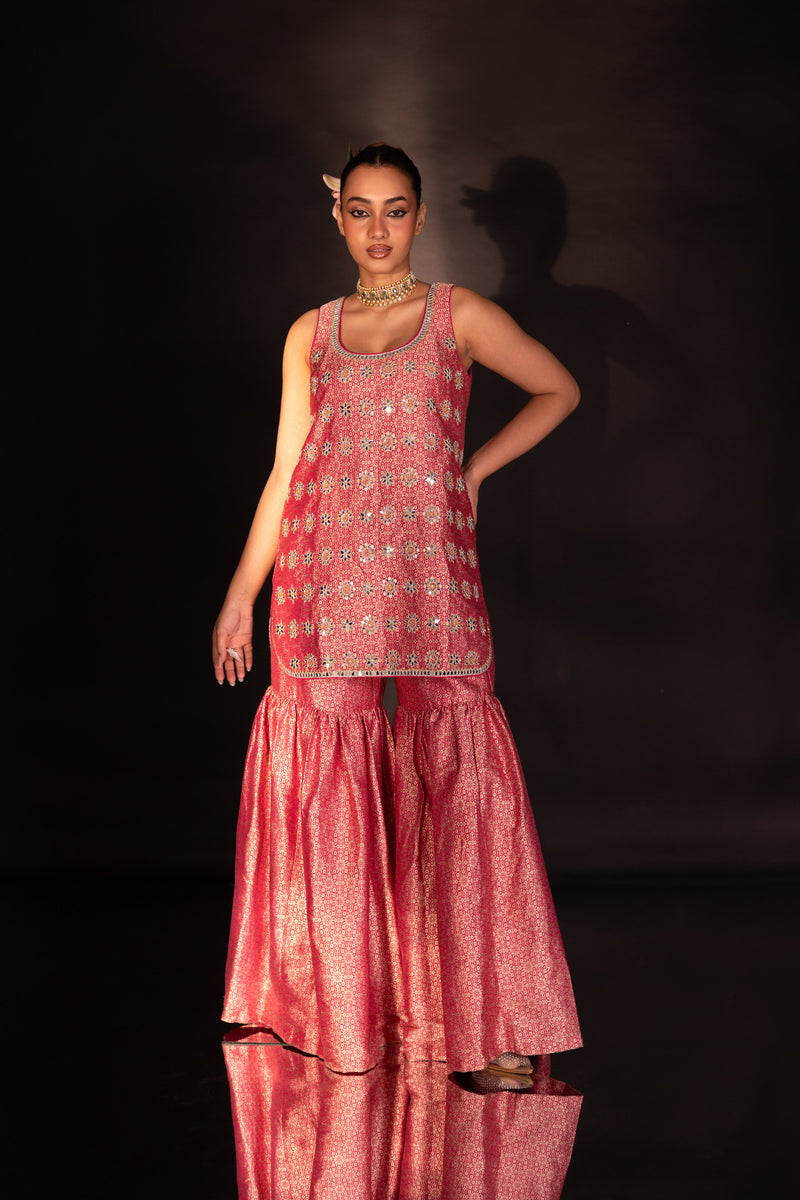
Introducing Haseena: A Collection for the Woman You Remember
Haseena is our new collection: kurta sets, sharara sets, a cape set and dupattas in Chanderi, silk and organza, inspi...
28 October 2026
Kids' Ethnic Wear Fabric Guide: What's Actually Comfortable
Which fabrics work for children's ethnic wear and which cause a meltdown — cotton, Chanderi, silk, tissue and satin c...
26 August 2026